The 12 Hallmarks of Aging in Dogs, Explained
Read full insightOxidative Stress in Cats
By La Petite Labs Editorial 15 min read
Oxidative stress in cats is a slow internal imbalance, not a stand-alone diagnosis—and you reduce it through steady basics, not one hero antioxidant. Most owners arrive here because a cat has quietly changed: sleeping more, a duller coat, an easy jump turned optional. Oxidative stress is a useful lens for that worry, describing a mismatch between reactive molecules and the body's defenses that tends to rise with age, weight, inflammation, and certain diseases.
In cats, higher oxidative-stress markers travel alongside common problems like chronic kidney disease and advanced dental disease rather than appearing alone (Moosavian H, 2024). So the realistic plan is layered: protect oral health, keep weight steady, lower household stress, and feed a diet your cat reliably eats. Supplements can help, but the credible ones support the whole resilience network—energy, repair, recovery—rather than promising a single-ingredient cure.
- Oxidative stress in cats is a long-term imbalance, best managed with consistent basics rather than a single antioxidant.
- Common drivers: excess weight, dental inflammation, chronic disease, and sustained household stress.
- Signs are subtle and overlapping—lower energy, coat changes, appetite shifts, slower recovery—so they warrant a vet conversation.
- The highest-leverage moves are oral care, weight support, hydration, and calm routines.
- “Treatment” usually means addressing the underlying condition while supporting the body's daily capacity to cope.
- When choosing a supplement, prioritize disclosed amounts, tolerability, and a systems-first design over megadosed single ingredients.
A Quiet Imbalance That Can Shape Health over Time
Oxidative stress in cats is less a single diagnosis than a background condition: a steady mismatch between reactive molecules and the body’s ability to neutralize them. Over time, that imbalance can quietly shape comfort, energy, appetite, and resilience—especially in older cats or those living with chronic issues. Research in felines links higher oxidative stress markers with chronic kidney disease and with dental disease severity, suggesting it can travel alongside common, age-associated problems rather than appearing in isolation (Chen H, 2024).
For owners, the practical question is rarely “Does my cat have oxidative stress?” It’s whether daily choices—diet quality, weight management, oral care, stress reduction, and thoughtfully selected supplements—can shift the long arc of health. The best ways to manage oxidative stress in cats tend to be unglamorous and consistent, because the goal is not a quick fix but a steadier internal environment.
Common Drivers: from Weight to Chronic Conditions
The causes of oxidative stress in cats are rarely mysterious—they are the familiar pressures of modern feline life: excess weight, dental inflammation, chronic disease, and sustained stress. In overweight cats, researchers have described blood changes consistent with a higher oxidative burden, which means body composition can shift internal balance (Martins TO, 2023).
Other drivers are clinical: chronic kidney disease, for instance, is associated with increased oxidative-stress markers. The point is not to label every cat “oxidatively stressed,” but to recognize that these pressures accumulate quietly—and that small, steady improvements add up.
Subtle Signs Owners Often Notice First

Oxidative stress symptoms in cats are often nonspecific, which is why they’re easy to miss. Owners may notice lower play drive, slower recovery after exertion, duller coat, picky appetite, or a general sense that the cat is “less themselves.” These signs can overlap with pain, dental disease, kidney issues, or stress-related conditions—so they deserve a veterinary conversation rather than a supplement-only response.
Because the signs are broad, the best approach is to look for patterns: changes that persist, cluster together, or worsen with time. When symptoms appear alongside known risk factors—like periodontal disease, which correlates with increased oxidative stress in cats (Moosavian H, 2024)—it strengthens the case for a comprehensive plan.
Diet Foundations That Support Long-term Oxidative Balance
Diet is the foundation, but it’s not a single decision—it’s a long-term relationship between your cat and a consistent nutrient profile. Many complete diets include antioxidant nutrients, yet oxidative balance still depends on absorption, appetite, underlying disease, and the ongoing “wear” of aging (Girolami F, 2021). That’s why two cats eating similar foods can look very different over time.
If you’re trying to understand how to reduce oxidative stress in cats through food, focus on reliability: a diet your cat eats well, appropriate calories, and veterinary tailoring when medical conditions are present. The goal is not perfection; it’s stability.
Hydration, Kidneys, and the Long View
Hydration and kidney support often sit close to the oxidative stress conversation. Cats with chronic kidney disease exhibit increased oxidative stress markers, and the relationship may be relevant to disease progression and monitoring decisions. Even in cats without CKD, hydration habits can influence comfort, appetite, and urinary tract stability.
Practical steps include offering wet food, adding water or broth when appropriate, and using multiple water stations. If your cat has kidney disease, urinary issues, or heart disease, hydration strategies should be discussed with your veterinarian so they fit the whole medical picture.
“Oxidative stress is rarely a headline event; it’s the background weather of health.”
Inflammation, Stress, and the Urinary Tract Connection
Inflammation and oxidative stress often move together. In cats with acute idiopathic cystitis, altered inflammatory signaling has been documented, and oxidative stress may be part of the broader process (Parys, 2018). This doesn’t mean every urinary episode is “caused by oxidative stress,” but it does suggest that whole-body load—stress, pain, inflammation—can influence the internal environment.
For owners, this supports a calmer, more comprehensive strategy: reduce household stressors, keep litter routines predictable, and treat pain promptly. These are not minor comforts; they can change the physiology of a sensitive cat.
Oral Inflammation and Its Wider Health Echo
Dental disease is one of the most actionable oxidative stress causes in cats because it’s common and treatable. Studies report that cats with periodontitis show increased oxidative stress, and the association suggests oral inflammation can contribute to broader health strain (Hall, 2021). Many cats hide oral pain, so the absence of obvious symptoms is not reassurance.
A realistic plan includes routine exams, dental cleanings when recommended, and home care that’s gentle enough to be sustainable. If your cat won’t tolerate brushing, your veterinarian can suggest alternatives that still reduce plaque burden and inflammation.
Testing and Monitoring: What’s Practical for Most Cats
Owners sometimes want a single lab test for oxidative stress in cats. In practice, oxidative markers are more often used in research than in everyday clinics, and results can be hard to interpret without context. What tends to matter more is the pattern of health: weight trends, dental status, kidney values, urinary comfort, and energy over time.
If your cat has a chronic diagnosis such as CKD, your veterinarian may focus on monitoring the disease itself, which is associated with increased oxidative stress markers in cats. That approach keeps the plan grounded in actionable data.
How Do You Reduce Oxidative Stress in Cats?
The best way to reduce oxidative stress in cats is a layered routine, not a checklist of pills: cut avoidable sources of load, support recovery, and keep daily life steady. Weight management, oral care, and stress reduction are high-leverage because they address common drivers instead of chasing downstream effects.
Supplementation can be part of that plan, especially for older cats or those with chronic issues, but it works best when it supports the broader system—energy, repair, resilience—rather than trying to “neutralize” life. That is the difference between a short-lived experiment and a practice you can keep.
Treatment Options That Fit Real Veterinary Care
When people search for oxidative stress treatment options for cats, they often mean “What can I do now?” The honest answer is that treatment is usually indirect: you address the condition that’s driving the imbalance, and you support the cat’s capacity to cope. In chronic kidney disease, for example, oxidative stress markers are elevated, and monitoring overall status can matter for long-term management decisions (Chen H, 2024).
That can look like targeted veterinary care, dental treatment when needed, pain control, hydration strategies, and nutrition that’s appropriate for the cat’s life stage and diagnoses. Supportive supplementation may fit here, but it should be chosen for quality, tolerability, and how it complements the broader plan—not as a substitute for medical care.
“The most effective support is usually the most repeatable: oral care, weight steadiness, calm routines.”
DVM Voice: Clinical Vignette of a Common Pattern in Senior Cat Aging
Case provided by JoAnna Pendergrass, DVM
Sasha, a 12-year-old cat, was brought in after her owner noticed increased thirst and urination, lethargy, vomiting, and a generally unkempt appearance. Examination showed weight loss, elevated blood pressure, and reduced vitality.
Diagnostic testing revealed elevated kidney markers, poorly concentrated urine, and protein loss in the urine — findings consistent with chronic kidney disease, one of the most common chronic conditions in senior cats.
Her care required a kidney-focused diet, blood pressure management, targeted supplementation, medication support, and regular monitoring — a necessary plan, but one started after clinical signs were already visible.
Clinical takeaway: Sasha’s case reflects why senior-cat wellness should begin before obvious decline. Earlier monitoring, body-condition tracking, hydration awareness, antioxidant support, and daily cellular resilience may help support quality of life as cats age.
Single-case vignette. Not generalizable. Veterinary diagnosis and monitoring are essential for increased thirst, urination, vomiting, lethargy, weight loss, or suspected kidney disease.
Do Antioxidant Supplements Help Cats?
If you are weighing antioxidant supplements for a cat, think in systems rather than single ingredients. Antioxidant nutrients can donate electrons, but the body also leans on enzymes, repair processes, and energy metabolism to keep oxidative load from becoming a daily tax (Sena, 2012). A formula that supports the broader network usually beats one “hero” antioxidant.
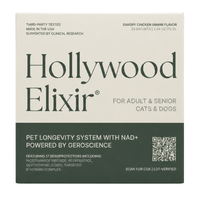
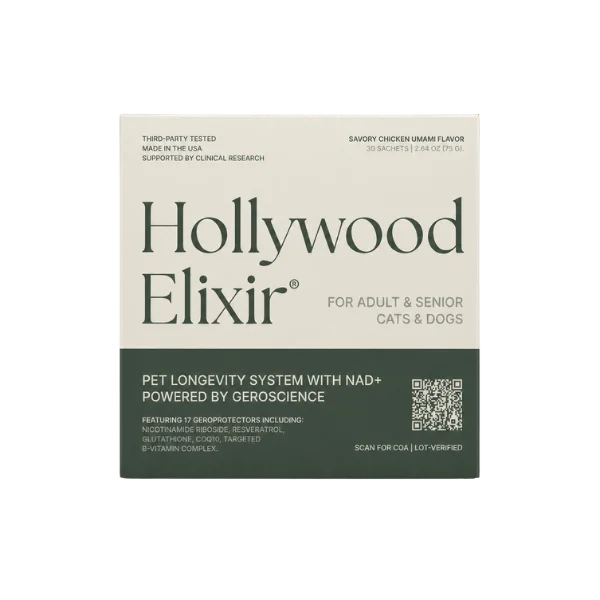
When you read the label, the useful signals are disclosed amounts and stability. Hollywood Elixir shows its antioxidant actives on the panel—glutathione at 50 mg, astaxanthin at 2 mg, plus vitamins C and E and resveratrol—as a food-mixed powder with a lot-level COA you can look up. Favor cat-appropriate flavoring, avoid megadoses, and let your veterinarian help you avoid redundancy with therapeutic diets or medications. Steady support your cat will actually take, without upsetting digestion, is the goal.
Weight, Body Condition, and the Oxidative Load Conversation
Weight is an underappreciated lever. Studies in cats associate overweight status with biochemical changes consistent with increased oxidative stress, suggesting that excess body fat can shift the internal balance toward more oxidative pressure (Martins TO, 2023). This matters because weight is one of the few risk factors owners can meaningfully influence without advanced tools.
A careful weight plan is not about restriction for its own sake. It’s about preserving lean mass, supporting mobility, and reducing inflammatory “noise” that can amplify oxidative stress and health issues in cats. If weight loss is needed, do it slowly and under veterinary guidance, since rapid changes can be dangerous for felines.
Dental Health as a Practical Lever for Whole-body Balance
Oral health is one of the clearest, cat-specific connections. Cats with moderate to advanced periodontitis show increased oxidative stress, and the relationship appears to run alongside broader health strain—not just bad breath (Moosavian H, 2024). In other words, dental disease can be more than a local problem; it can be part of the cat’s overall oxidative burden.
The practical takeaway is simple: routine oral exams, home dental habits your cat tolerates, and timely professional care can be among the best ways to manage oxidative stress in cats. It’s not glamorous, but it’s one of the few interventions that can reduce a persistent source of inflammation and discomfort.
Household Stress, Urinary Comfort, and Internal Strain
Stress is not only emotional; it’s physiological. In feline lower urinary tract issues, inflammatory signaling is part of the picture, and oxidative stress may play a role in the broader pathophysiology of acute idiopathic cystitis (Parys, 2018). For some cats, the home environment—noise, conflict, litter box access, predictability—can influence flare patterns.
If you’re wondering how to reduce oxidative stress in cats, don’t ignore the “soft” variables. Environmental enrichment, stable routines, and pain management can reduce the physiological load that keeps the body on alert. These changes are subtle, but they compound over time—especially in sensitive cats.
Integrative Support: Where Acupuncture May Fit Thoughtfully
Complementary care sometimes enters the conversation. A systematic review in animal models suggests acupuncture may influence oxidative stress levels, though the evidence base is still developing and not a substitute for veterinary diagnosis or standard care (Zhao Y, 2022). For certain cats, the value may be indirect: improved comfort, reduced stress, and better tolerance of necessary treatments.
If you explore integrative options, choose a veterinarian trained in the modality and keep expectations realistic. The best outcomes usually come when complementary care is used to support the whole plan—sleep, appetite, mobility, hydration—rather than as a standalone answer to oxidative stress in cats.
Quality, Palatability, and Consistency: the Real Differentiators
Quality signals matter because cats are small, selective, and sometimes medically complex. When considering the best supplements for oxidative stress in cats, prioritize products with clear ingredient identities, lot-level quality controls, and dosing instructions that encourage veterinary input. Avoid stacking multiple antioxidant products without a reason; redundancy can create digestive upset or crowd out more meaningful interventions.
Also consider format. A supplement that’s theoretically perfect but refused is functionally useless. Palatability, ease of administration, and consistency are not cosmetic details—they’re the difference between a plan that lasts two days and one that becomes part of your cat’s life.
Senior Cats: Supporting Resilience When the Baseline Shifts
Aging changes the baseline. As cats get older, repair processes can slow and chronic conditions become more common, which can raise the odds that oxidative stress and health issues in cats travel together. Chronic kidney disease is a clear example: cats with CKD show increased oxidative stress markers, and the relationship may be relevant to how the disease progresses over time (Chen H, 2024).
This is why “support” is not a vague concept. For senior cats, the most meaningful approach often combines medical monitoring, nutrition tailored to diagnoses, oral care, gentle activity, and a supplement strategy that supports daily resilience without overpromising. Longevity is rarely one intervention; it’s a pattern.
Why a Systems-first Product Still Makes Sense
A science-minded owner may reasonably ask: if diet can provide antioxidants, why add anything? The answer is that oxidative balance is not only about single nutrients; it’s about the broader metabolic network that governs energy, repair, and recovery across a life (Sena, 2012). Even with a strong diet, cats can face added oxidative load from dental disease, weight challenges, stress-sensitive conditions, or aging itself.
The most coherent supplement choice is one that fits into that systems view: supporting everyday metabolic steadiness and helping maintain the internal conditions in which the body’s own defenses work well. That framing keeps expectations realistic while still giving owners a practical, consistent way to invest in long-term wellbeing.
“A supplement earns its place when it supports the whole network, not one isolated nutrient.”
Educational content only. This material is not a substitute for veterinary advice. Always consult your veterinarian about your dog’s specific needs. These statements have not been evaluated by the Food and Drug Administration. Products mentioned are not intended to diagnose, treat, cure, or prevent any disease.
Glossary
- Oxidative Stress: An imbalance where reactive molecules outpace the body’s ability to neutralize them.
- Free Radicals: Highly reactive molecules that can contribute to cellular wear when not balanced.
- Antioxidants: Compounds that help neutralize reactive molecules and support overall balance.
- Inflammation: A protective immune response that can become a chronic source of internal strain.
- Periodontitis: Advanced gum disease that can cause pain and persistent oral inflammation.
- Chronic Kidney Disease (CKD): A long-term decline in kidney function, common in older cats.
- Idiopathic Cystitis: A stress-sensitive bladder condition in cats with inflammation and discomfort.
- Body Condition Score (BCS): A veterinary tool used to assess whether a cat is underweight, ideal, or overweight.
- Oxidative Markers: Lab-measured indicators used in research and some settings to estimate oxidative load.
Related Reading
Aging & Senior Cat Guidance
• Cat Age Calculator: Cat Years to Human Years
• Lethargy in Cats
• Senior Cat Not Eating
• Cat Drinking A Lot
• Why Is My Senior Cat Withdrawn?
Healthy Aging Support
• NAD+ for Cats
• NMN for Cats
• Vitamins For Older Cats
• Senior Cat Food
References
Martins TO. Feline obesity causes hematological and biochemical changes and oxidative stress - a pilot study. PubMed. 2023. https://pubmed.ncbi.nlm.nih.gov/35778642/
Zhao Y. The effect of acupuncture on oxidative stress: A systematic review and meta-analysis of animal models. PubMed. 2022. https://pubmed.ncbi.nlm.nih.gov/36084019/
Moosavian H. Moderate to advanced periodontitis contributes to increased oxidative stress in cats: a case-control study. PubMed. 2024. https://pubmed.ncbi.nlm.nih.gov/38849865/
Chen H. Evaluation of oxidative stress in dogs and cats with chronic kidney disease. PubMed. 2024. https://pubmed.ncbi.nlm.nih.gov/39474931/
Parys. Serum Cytokine Profiling in Cats with Acute Idiopathic Cystitis. Springer. 2018. https://link.springer.com/article/10.1186/s12917-024-04009-8
Hall. The impact of periodontal disease and dental cleaning procedures on serum and urine kidney biomarkers in dogs and cats. Springer. 2021. https://link.springer.com/article/10.1186/s12917-024-04110-y
Sena. Physiological roles of mitochondrial reactive oxygen species. Nature. 2012. https://www.nature.com/articles/s41598-020-59876-6
Girolami F. Protective Effect of Natural Antioxidant Compounds on Methimazole Induced Oxidative Stress in a Feline Kidney Epithelial Cell Line (CRFK). PubMed. 2021. https://pubmed.ncbi.nlm.nih.gov/34679050/
Webb CB. Oxidative stress and innate immunity in feline patients with diabetes mellitus: the role of nutrition. PubMed. 2009. https://pubmed.ncbi.nlm.nih.gov/18783975/
AIJ. Safety and Pharmacokinetics of a Combined Antioxidant Therapy against Myocardial Reperfusion Injury: A Phase 1 Randomized Clinical Trial in Healthy Humans. PubMed. 2024. https://pubmed.ncbi.nlm.nih.gov/38973337/
Hill AS. Antioxidant prevention of Heinz body formation and oxidative injury in cats. PubMed. 2001. https://pubmed.ncbi.nlm.nih.gov/11277202/
Candellone A. Evaluation of Antioxidant Supplementation on Redox Unbalance in Hyperthyroid Cats Treated with Methimazole: A Blinded Randomized Controlled Trial. PubMed Central. 2019. https://pmc.ncbi.nlm.nih.gov/articles/PMC7022672/
Fox. International collaborative study to assess cardiovascular risk and evaluate long-term health in cats with preclinical hypertrophic cardiomyopathy and apparently healthy cats: The REVEAL Study. Springer. 2018. https://link.springer.com/article/10.1186/s12917-020-2256-3
Cardoso-Vera. Evidence of Oxidative Stress as a Mechanism of Pharmaceutical-Induced Toxicity in Amphibians. 2024. https://www.mdpi.com/2076-3921/13/11/1399
Olson. Extracellular glutathione peroxidase (Gpx3) binds specifically to basement membranes of mouse renal cortex tubule cells. 2010. https://www.mdpi.com/2306-7381/8/10/220
Yang. Pharmacokinetic evaluation and bioavailability of KPT-335 (Verdinexor) in cats. 2025. https://www.frontiersin.org/journals/veterinary-science/articles/10.3389/fvets.2025.1576669/full
Ahmed. Bioaccumulation of heavy metals in some commercially important fishes from a tropical river estuary suggests higher potential health risk in children than adults. Nature. 2019. https://www.nature.com/articles/s41598-021-00467-4
Bilgiç B. Investigation of Trace and Macro Element Contents in Commercial Cat Foods. PubMed Central. 2025. https://pmc.ncbi.nlm.nih.gov/articles/PMC11633335/
FAQ
What is oxidative stress in cats?
Oxidative stress happens when reactive oxygen species (free radicals) outnumber the body’s antioxidant defenses, leading to cellular damage. In cats, it can affect many tissues and is linked to inflammation, aging, and several chronic diseases.
What causes oxidative stress in cats?
Common contributors include chronic inflammation, infections, obesity, dental disease, and metabolic disorders. Environmental factors (smoke, pollutants), poor diet quality, and some medications or toxins can also increase oxidative burden. Keep the routine simple, watch appetite and stool, and ask your veterinarian when symptoms look medical or the pet takes medication.
What are the signs of oxidative stress in cats?
Oxidative stress itself doesn’t have unique symptoms, but it can contribute to vague signs like low energy, reduced appetite, weight changes, and slower recovery from illness. Signs usually reflect the underlying condition driving the oxidative imbalance.
How do veterinarians diagnose oxidative stress in cats?
There isn’t a single routine test used in everyday practice; specialized labs can measure markers like lipid peroxidation or antioxidant capacity. Most often, vets evaluate diseases associated with oxidative stress using history, exam, bloodwork, urinalysis, and imaging as needed.
Is oxidative stress dangerous for cats?
Yes—when persistent, it can damage proteins, fats, and DNA, which may worsen inflammation and organ dysfunction. The risk depends on severity and duration and is usually tied to an underlying illness that needs treatment.
Which diseases in cats are linked to oxidative stress?
Oxidative stress is associated with chronic kidney disease, diabetes, hyperthyroidism, heart disease, inflammatory bowel disease, and some liver disorders. It can also play a role in cancer biology and age-related cognitive changes. Keep the routine simple, watch appetite and stool, and ask your veterinarian when symptoms look medical or the pet takes medication.
Can oxidative stress contribute to chronic kidney disease (CKD) in cats?
Oxidative damage is believed to contribute to kidney tissue injury and progression of CKD. Managing CKD (diet, hydration, blood pressure control, and treating complications) can help reduce ongoing oxidative stress. Keep the routine simple, watch appetite and stool, and ask your veterinarian when symptoms look medical or the pet takes medication.
Does hyperthyroidism increase oxidative stress in cats?
Often yes, because elevated thyroid hormone increases metabolic rate and can raise free radical production. Treating hyperthyroidism can reduce this metabolic strain and may improve oxidative balance. Keep the routine simple, watch appetite and stool, and ask your veterinarian when symptoms look medical or the pet takes medication.
Can obesity cause oxidative stress in cats?
Yes, excess fat tissue promotes low-grade inflammation and can increase oxidative stress markers. Gradual weight loss through a vet-guided plan can improve metabolic health and reduce inflammatory/oxidative load. Keep the routine simple, watch appetite and stool, and ask your veterinarian when symptoms look medical or the pet takes medication.
Can dental disease increase oxidative stress in cats?
Chronic periodontal inflammation can elevate systemic inflammatory mediators and oxidative stress. Professional dental care and consistent home oral hygiene can help reduce this ongoing inflammatory source. Keep the routine simple, watch appetite and stool, and ask your veterinarian when symptoms look medical or the pet takes medication.
Are older cats more prone to oxidative stress?
Aging is associated with reduced antioxidant defenses and increased cumulative cellular damage. Older cats also have higher rates of chronic diseases that can amplify oxidative stress. Keep the routine simple, watch appetite and stool, and ask your veterinarian when symptoms look medical or the pet takes medication.
Can stress or anxiety increase oxidative stress in cats?
Chronic psychological stress can affect hormones and immune function, which may indirectly increase oxidative and inflammatory processes. Reducing stressors, enriching the environment, and addressing behavior issues can support overall health. Keep the routine simple, watch appetite and stool, and ask your veterinarian when symptoms look medical or the pet takes medication.
What foods or nutrients help reduce oxidative stress in cats?
A complete and balanced diet with adequate high-quality protein, essential fatty acids, and vitamins supports antioxidant systems. Nutrients commonly involved include vitamin E, selenium, and omega-3 fatty acids, but amounts should be appropriate for cats and their medical conditions.
Should I give my cat antioxidant supplements?
Only with veterinary guidance, because unnecessary or high-dose supplementation can be harmful or interfere with medications and disease management. Your vet can recommend evidence-based options and doses tailored to your cat’s diagnosis and diet.
Is vitamin E safe for cats to reduce oxidative stress?
Vitamin E is an important antioxidant, but “more” is not always better and dosing depends on diet and health status. Excessive supplementation can cause digestive upset and may create nutrient imbalances, so consult your veterinarian first.
Do omega-3 fatty acids help with oxidative stress in cats?
Omega-3s (EPA/DHA) can reduce inflammation, which may indirectly lower oxidative stress in some conditions. Use cat-appropriate products and dosing, as too much can cause GI upset or affect blood clotting in susceptible cats.
Can oxidative stress be reversed in cats?
Oxidative stress can often be reduced by treating the underlying disease, improving nutrition, and minimizing exposures to toxins and inflammation. Existing tissue damage may not fully reverse, but many cats improve when the drivers are controlled.
What household toxins can increase oxidative stress in cats?
Secondhand smoke, certain pesticides/solvents, and some human foods or medications can increase oxidative injury risk. Keep toxins secured, avoid smoke exposure, and contact a vet or poison control immediately if ingestion is suspected. Keep the routine simple, watch appetite and stool, and ask your veterinarian when symptoms look medical or the pet takes medication.
Can oxidative stress affect a cat’s skin and coat?
It can contribute to inflammation and slower tissue repair, which may show up as dull coat, increased shedding, or poor skin barrier in some cats. However, skin/coat changes are nonspecific and should be evaluated for allergies, parasites, endocrine disease, and nutrition.
When should I see a veterinarian about possible oxidative stress in my cat?
Schedule a vet visit if your cat has persistent lethargy, appetite changes, weight loss/gain, increased thirst/urination, vomiting/diarrhea, or poor coat quality. Because oxidative stress is usually secondary to disease, early evaluation helps identify and treat the root cause.
Discover LPL-01: How This Fits Into a Larger Feline Longevity System
Aging in cats unfolds quietly. It’s not driven by a single failure, but by gradual shifts across interconnected systems — cellular energy, oxidative balance, immune tone, and tissue integrity — each influencing the others over time.
This article explores one layer of that system. To understand what actually shapes long-term health, you need to step back and look at how these layers interact.
Start with the underlying science:
- Feline Geroscience Framework →
A structured view of how aging progresses across cellular energy, inflammation, and resilience systems. - Senior Biological Defense Coverage (BDC) Modeling →
A systems-level map of which biological pathways decline first, and how layered interventions can support them. - 2026 Market Research: Best Cat Longevity Supplements →
A feline-specific review of longevity supplements. 2026 Industry report created by LPL-01 Research. - LPL-01 Standard →
The formulation system that translates these models into real-world supplementation—covering multiple pathways in a coordinated way.
Essential Summary
Why is oxidative stress important in cats?
Oxidative stress in cats is a quiet imbalance that can build with age, weight gain, dental inflammation, chronic kidney disease, and stress. Because the signs are often subtle, the most effective approach is steady: protect oral health, maintain a lean body condition, support hydration, and choose supplements that strengthen the broader resilience network over time.
Hollywood Elixir is designed for system-level support—helping sustain everyday resilience, recovery, and healthy aging rather than chasing a single antioxidant. It fits naturally into a thoughtful plan for oxidative balance, especially when your goal is long-term steadiness: appetite, energy, comfort, and the small signals that add up across a cat’s life.
Hollywood Elixir®
Starting at $89/mo
Hollywood Elixir is amazing! She put back on 5 lbs to a healthy weight, her eyes are shiny, her coat is beautiful!
— Jessie
She hopped up onto the windowsill again for the first time in years.
— Charlie
Considering oxidative stress in cats?
If you're searching to understand oxidative stress in cats
If you’re building a plan for oxidative stress in cats, start with the high-leverage basics: dental evaluation, a lean body condition, hydration habits, and a calmer home rhythm. Then add one supportive layer at a time so you can see what your cat actually tolerates and benefits from. The best supplements for oxidative stress in cats are the ones your cat will take consistently and that support resilience across systems, not just one antioxidant target. Hollywood Elixir fits that systems-first role, designed to complement good nutrition and veterinary care rather than compete with them.
Learn about how our DVMs think about cat aging
Dr. JoAnna Pendergrass DVM
Hollywood Elixir®
Starting at $89/mo
Explore your cat’s changing needs over time
Related Reading
Oxidative stress in cats is a quiet imbalance that can build with age, weight gain, dental inflammation, chronic kidney disease, and stress. Because the signs are often subtle, the most effective approach is steady: protect oral health, maintain a lean body condition, support hydration, and choose supplements that strengthen the broader resilience network over time.