Dog Cat

Cat Life Stages

A field guide to your cat’s life stages.

Cat Life Stages

Stage 01 · Under 1 year

Kitten

A kitten is in the most concentrated growth window of their life. Structure, coordination, social behavior, and immunity all develop in parallel — and most of that work happens during rest. The goal at this stage is not optimization; it's steady, supported growth.

Biological shifts

Rapid growth across structure, coordination, and immune system. The brain is in an active wiring phase, especially during sleep.

Behavioral changes

Intense play bursts followed by deep sleep. Strong curiosity, sensitive to environment, and quick to learn from gentle handling.

Recovery & energy

Fast, deep recovery. Energy is concentrated in short bursts; recovery consolidates during long stretches of rest.

Sleep patterns

Typically 18–20 hours per day. Sleep is when growth, learning, and immune development consolidate.

Mobility & body

Coordination is still developing. Climbing instincts emerge early; safe environments support healthy musculoskeletal development.

Nutrition priorities

High-quality animal protein, appropriate fat, and frequent meals. Hydration habits begin to form at this stage.

Emotional & social changes

A critical socialization window. Confidence, sociability, and comfort with handling are shaped during these early months.

What owners often notice

Visible change month over month. Bursts of intense activity, sudden deep sleep, and a rapidly expanding world.

Support priorities at this stage

Steady growth, a calm environment, quality nutrition, and gentle handling. Supplementation is generally not the focus here — consistent food, sleep, structure, and a secure environment build the foundation everything else rests on.

Wellness Note

Save it as a note — or bring it to your vet.

Print or save this as a single-page LPL Wellness Note. Includes your inputs, result, interpretation, vet discussion signs, and the date generated — designed to be folded and brought to a visit.

Educational guidance only. Not veterinary diagnosis.

Continue exploring

Age, sleep, hydration, calories, body condition, and life-stage framing all shape how pets feel over time. Each tool is a different lens on the same underlying picture.

Cat Life Stages Explained

Modern veterinary and longevity frameworks describe a cat's life in five broad stages: kitten, young adult, mature adult, senior, and advanced senior. The boundaries are approximate, and individual cats vary with breed, environment, and temperament. The value of the framework is not in the dates; it's in the shift in what to pay attention to.

Kitten vs Adult vs Senior Cats

Kittens are building structure, immunity, and behavior at the same time, and most of that work happens during deep sleep. Adult cats settle into the classic feline rhythm — short alert bursts and long recovery periods. Seniors enter a slower, more deliberate phase where stillness becomes more restorative, hydration matters more, and small daily supports begin to compound. Each transition is gradual and biologically coherent.

When Is a Cat Considered a Senior?

Cats are generally considered senior around age 11. Many veterinarians use 10 as a soft threshold to begin paying closer attention to mobility, hydration, and metabolic shifts. By age 15, cats are often described as advanced senior. As with dogs, these are general frameworks — useful for thinking about support, not for assigning a verdict.

How Cats Change With Age

The most consistent shifts in cats are quiet ones: jumping height decreases, warm rest spots become more important, sleep deepens, and daily activity windows narrow. Skin, coat, and hydration regulation can shift in subtle ways. Owners who watch the pattern, rather than any single moment, see the picture most clearly. None of this is decline; it is the body using its resources more deliberately.

Senior Cat Wellness Priorities

In the senior years, the most useful frame is not treating age — it's supporting the body where it is. The priorities that consistently matter:

  • Cellular energy and recovery — the foundation of every other system
  • Cognition and mental engagement — predictable rhythms and gentle play
  • Mobility and lean muscle — easy access and gentle movement
  • Skin, coat, and barrier integrity — quietly important in older cats
  • Hydration and nutrient density — multiple water stations, wet food, and consistent feeding

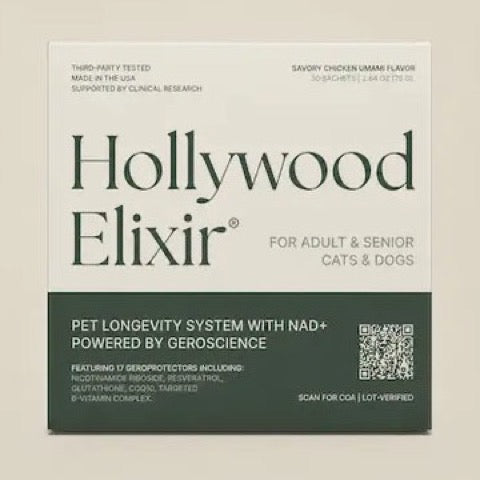
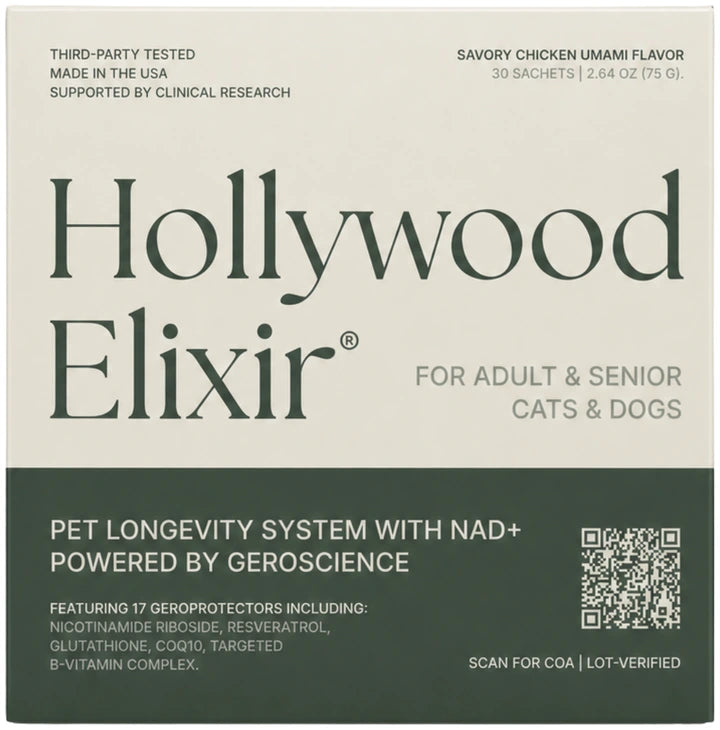
These are the systems La Petite Labs has designed around. Hollywood Elixir supports cellular energy, antioxidant defense, immune balance, and recovery. Pet Gala supports skin, coat, hydration, and barrier integrity. The Pampered System brings them together for advanced senior cats whose support needs span multiple systems at once.

FAQ

What are the life stages of a cat?

Most longevity frameworks describe five stages: kitten, young adult, mature adult, senior, and advanced senior. Individual cats vary with breed, environment, and temperament.

When does a cat become a senior?

Cats are generally considered senior around age 11. Many veterinarians use age 10 as a soft threshold to begin paying closer attention. By age 15, cats are often described as advanced senior.

How do cats change as they age?

Jumping height decreases, sleep deepens, warm spots become more valued, and activity windows narrow. Skin, coat, and hydration regulation can shift subtly. The pattern over time matters more than any single moment.

How should I support a senior cat?

Focus on the systems that matter most at this stage: cellular energy and recovery, cognition, mobility, skin and coat quality, and hydration. Gentle daily support — internal and external — compounds more than aggressive change.

Do indoor and outdoor cats age differently?

Lifestyle can influence longevity, but the underlying biological aging curve is similar. Indoor cats tend to live longer because they encounter fewer external risks, not because their cells age more slowly.

All instruments

A coherent calculator ecosystem

Core dog and cat instruments share the forest-input and white-result split; Body Condition gets a visual check; Diet Gap gets the guided workflow; Life Stage stays editorial. Functional-aging and quality-of-life notes add a calmer way to track change over time.

Dog Age dog · Calculator Dog Age Age, human-year equivalent, and life stage. Dog Biological Age dog · Functional scale Dog Biological Age Owner-observed functional aging and healthspan signals. Dog Quality of Life dog · Scale Dog Quality of Life Comfort, appetite, hydration, mobility, engagement, and good-day review. Dog Sleep dog · Calculator Dog Sleep Daily rest range and recovery context. Dog Hydration dog · Calculator Dog Hydration Water needs by weight, food, activity, and climate. Dog Calorie dog · Calculator Dog Calorie Daily energy target and adjustment frame. Dog Body Condition dog · Assessment Dog Body Condition Ribs, waist, tuck, and steady trend guidance. Dog Life Stage dog · Field guide Dog Life Stage What changes at each stage and what to watch. Dog Diet Gap dog · Guided check Dog Diet Gap Baseline adequacy plus above-baseline support signals. Cat Age cat · Calculator Cat Age Age, human-year equivalent, and life stage. Cat Biological Age cat · Functional scale Cat Biological Age Owner-observed functional aging and healthspan signals. Cat Quality of Life cat · Scale Cat Quality of Life Comfort, appetite, hydration, mobility, engagement, and good-day review. Cat Sleep cat · Calculator Cat Sleep Daily rest range and recovery context. Cat Hydration cat · Calculator Cat Hydration Water needs by weight, food, activity, and climate. Cat Calorie cat · Calculator Cat Calorie Daily energy target and adjustment frame. Cat Body Condition cat · Assessment Cat Body Condition Ribs, waist, tuck, and steady trend guidance. Cat Life Stage cat · Field guide Cat Life Stage What changes at each stage and what to watch. Cat Diet Gap cat · Guided check Cat Diet Gap Baseline adequacy plus above-baseline support signals.