The 12 Hallmarks of Aging in Dogs, Explained
Read full insightGabapentin for Cats: Why It's Used and Its Side Effects
By La Petite Labs Editorial 15 min read
Increased thirst is one of the first things owners ask about, and the honest answer is reassuring: noticeably more drinking is not a typical, well-documented effect of gabapentin in cats. If your cat seems much thirstier, it is usually worth checking other causes—another medication, kidney changes, or the stress itself—and telling your vet. The reason vets reach for gabapentin so often is simpler than it sounds: it can make a frightening vet visit, car ride, or pain flare more manageable, with effects you can watch and predict.
The trade-off is that the same action that quiets fear signals can cause sleepiness and a wobbly walk—the side effects cats show most. These are usually temporary, but for a few hours they change what “safe at home” means: no stairs, no high perches, and easy access to food, water, and the litter box. This page covers the two main uses—calming for vet visits and pain control—plus what to watch so you can tell ordinary drowsiness from a true red flag.
- Increased thirst is not a typical, well-documented gabapentin effect in cats; if a cat drinks much more, check other causes and tell the vet.
- The most common effects are sleepiness and a wobbly, loose walk (ataxia)—they matter mainly for fall risk and safe access to food and litter.
- Drooling or foaming usually means the cat tasted a bitter dose, not a dangerous reaction, and is usually brief.
- Gabapentin is often given about two hours before a stressful event because that is when calm tends to peak; effects usually last several hours.
- Pre-visit use is routine in many clinics because it lowers stress during transport and exams and allows gentler handling.
- Response varies widely, so dosage questions belong with the prescribing veterinarian, not online charts—and report every other medication and supplement.
What Gabapentin Is in Plain Owner Language
Gabapentin changes how nerves pass along “too-loud” signals; it is not a classic tranquilizer that switches the brain off. It shares a name and shape with the neurotransmitter GABA, but it does not simply add GABA to the brain. In cats, it mainly quiets calcium-channel activity in nerve cells, which turns down the volume on pain and fear and loosens the stress response (Laguardia, 2025). That single action is why it appears in both pain plans and anxiety plans.
At home, a cat on gabapentin is usually still awake and responsive, just less reactive to triggers like the carrier, car noise, or a sore spot being touched. Some cats get sleepy; others simply seem steadier and less jumpy. Owners sometimes expect a “knocked-out” cat and then worry when their cat is awake—but awake and calmer is the goal, not unconscious.
Why Vets Reach for It so Often
Veterinarians reach for gabapentin so often because it can cover two common problems at once: fear around handling and discomfort from pain. It is frequently used for gabapentin for cat anxiety related to carriers, car rides, and clinic handling, and it is also used as part of multimodal feline pain control for conditions like arthritis (AGP, 2018). Many practices now include it in feline pre-visit pharmaceuticals to reduce fear and make exams safer for everyone (Rodan, 2022).
In daily life, that translates to fewer “all-or-nothing” moments: less frantic scrambling in the carrier, fewer defensive swats, and less hiding for hours after a stressful event. For chronic pain, owners may notice a cat who is more willing to jump onto a favorite chair or tolerate gentle brushing. It is common for a plan to be adjusted over a few tries to find the smallest amount that meets the goal.
How It Changes Nerve Signals Without “Knocking Out”
A helpful way to think about how gabapentin works in cats is “signal modulation.” Nerves communicate by releasing chemical messengers, and calcium channels help control that release. By modulating those channels, gabapentin can reduce the intensity of certain nerve messages, which may lower pain signaling and soften panic-like reactivity (Laguardia, 2025). This is different from medications that directly sedate by strongly switching off brain activity.
Because it is not a simple on/off sedative, two cats can look very different on the same prescription. One may nap and seem wobbly, while another stays alert but tolerates the carrier. Owners sometimes expect a “sleeping cat,” then worry when the cat is awake; awake can still be a good outcome if the cat is calmer and easier to handle.
What Owners Usually Notice in the First Hours
What owners typically notice falls into a few patterns: drowsiness, a calmer response to triggers, and sometimes a loose, wobbly walk (ataxia). These are among the most talked-about gabapentin side effects cats show, and they are often dose-related (Laguardia, 2025). Some cats also seem less interested in food for a short window, while others eat normally once the stressful event is over.
At home, wobbliness can look like a cat stepping wide, misjudging a jump, or sliding on smooth floors. Drowsiness can look like slower blinking, choosing a quiet corner, or not reacting to the usual “treat bag” sound. Planning matters: keep the cat on one level of the home, block stairs, and skip high perches until coordination is clearly back to normal.
Why Pre-visit Gabapentin Has Become Routine
Gabapentin for cats before vet appointments has become a routine tool because it can reduce visible stress during transport and the exam itself (van Haaften, 2017). In studies of clinic visits, cats given a pre-appointment dose showed fewer stress signs, which can make handling gentler and allow a more complete exam (van Haaften, 2017). Cat-friendly handling guidelines also describe pre-visit medication as a practical way to reduce fear and protect the cat’s rebound capacity after the visit (Rodan, 2022).
Case vignette: a 9-year-old indoor cat screams in the carrier, pants in the car, and arrives with dilated pupils and a stiff, crouched posture. After a vet-guided pre-visit plan, the same cat still dislikes the carrier but settles sooner, allows a temperature check, and recovers at home without hours of hiding. The goal is a visit that feels less like a fight and more like a manageable event.
“The goal is safer handling and faster recovery, not a knocked out cat.”
Does Gabapentin Cause Thirst, Drooling, or Wobbliness in Cats?
Increased thirst is not a typical, well-documented effect of gabapentin in cats. If your cat seems much thirstier after a dose, the more likely drivers are another medication, a condition like kidney disease, or the stress event itself—worth a mention to your vet rather than a cause for alarm. Drooling or foaming almost always means the cat tasted a bitter dose, especially a compounded liquid or an opened capsule; it is unpleasant but usually brief.
The two effects owners notice most are sleepiness and a wobbly, loose walk (ataxia), and both are dose-related. Some cats also show briefly dilated pupils while sedated, or seem quieter and less social for a few hours. A quick home checklist: watch (1) walking—wide stance, stumbling, or sliding; (2) alertness—simply sleepy versus hard to wake; (3) eating and drinking on the usual schedule; (4) litter box access; and (5) any unusual agitation. These tell you whether the response looks expected or needs a call.
Red Flags That Should Trigger a Vet Call
Red flags are about severity, duration, and safety. Contact a veterinarian promptly if a cat is so sedated that swallowing seems difficult, breathing looks abnormal, or the cat cannot stand without collapsing. Ongoing vomiting, extreme agitation, or behavior that looks “not like this cat” also deserves a call. If gabapentin is being used alongside other sedating medications, the ceiling for sleepiness can be reached faster.
What not to do: do not give an extra dose because the cat “still seems anxious,” do not combine with leftover sedatives from another pet, and do not force water or food into a very sleepy cat. Do not allow outdoor access or high climbing while coordination is off. If a dose was missed before a vet visit, call the clinic for instructions rather than improvising timing.
Why Cats Can Be Dose-sensitive
Cats can be surprisingly dose-sensitive, and the same prescription can look different from one cat to the next. Differences in absorption, age, body condition, and concurrent illness can change how long the effect lasts and how strong it feels. Pharmacokinetic work in cats shows measurable variability in how gabapentin moves through the body, which helps explain why “one-size-fits-all” expectations fail (Adrian, 2018). This is also why gabapentin dosage cats questions must be answered by the prescribing veterinarian, not a chart.
What to track in the first 4–6 weeks: (1) time from dosing to noticeable calm, (2) peak wobbliness window, (3) appetite at the next meal, (4) litter box confidence, (5) ability to be handled (ears, paws, belly), (6) recovery time back to normal play, (7) any agitation. Bringing these “change signals” to recheck visits helps the vet fine-tune the plan.
Interactions and Combination Therapy Considerations
Gabapentin is often used in combination therapy, especially when pain and fear overlap. It may be paired with pain medications or with other anxiety tools, but stacking sedating effects is the main concern. In hospitalized cats, gabapentin has been compared with other calming medications in short-term postoperative settings, highlighting that different drugs can produce different behavior and sedation profiles (Papageorgiou, 2024). Any combination plan should be built and adjusted by the veterinarian.
At home, combination effects can look like a cat who is not just calm, but “too floppy,” slow to blink, or uninterested in moving to the litter box. Owners should tell the clinic about every medication and supplement, including pain injections, dental meds, and calming chews. If a cat is on solensia for cats or onsior for cats for pain, the vet may still use gabapentin for stressful events, but the monitoring plan should be clear.
Giving the Medication: Capsules, Liquids, and Taste
Giving gabapentin can be harder than choosing it. Some cats accept capsules hidden in a treat, while others detect the taste immediately and foam or spit. Many clinics provide specific instructions for splitting doses, using compounded liquids, or (when appropriate) opening capsules—because the goal is a reliable dose, not a wrestling match. Any capsule manipulation should be done only as directed by the prescribing veterinarian, since product form and dose accuracy matter (Adrian, 2018).
Practical routine tips: test the “delivery method” on a calm day, then use the same method on appointment days. Offer a small chaser of a favorite food to clear the taste, and avoid chasing the cat around the house right after dosing. If pilling causes panic, ask about alternatives rather than escalating force, because fear learning can make the next attempt harder.
“Wobbliness is common; the key question is whether the cat can move safely.”
DVM Voice: Clinical Vignette of a Common Pattern in Senior Cat Aging
Case provided by JoAnna Pendergrass, DVM
Sasha, a 12-year-old cat, was brought in after her owner noticed increased thirst and urination, lethargy, vomiting, and a generally unkempt appearance. Examination showed weight loss, elevated blood pressure, and reduced vitality.
Diagnostic testing revealed elevated kidney markers, poorly concentrated urine, and protein loss in the urine — findings consistent with chronic kidney disease, one of the most common chronic conditions in senior cats.
Her care required a kidney-focused diet, blood pressure management, targeted supplementation, medication support, and regular monitoring — a necessary plan, but one started after clinical signs were already visible.
Clinical takeaway: Sasha’s case reflects why senior-cat wellness should begin before obvious decline. Earlier monitoring, body-condition tracking, hydration awareness, antioxidant support, and daily cellular resilience may help support quality of life as cats age.
Single-case vignette. Not generalizable. Veterinary diagnosis and monitoring are essential for increased thirst, urination, vomiting, lethargy, weight loss, or suspected kidney disease.
When It Helps Most Versus When Alternatives Fit Better
Gabapentin tends to help most when a cat’s problem is predictable: travel days, nail trims, vet visits, or pain flares that make handling difficult. It is also used when fear-based aggression makes exams unsafe, where a calmer cat can be examined more thoroughly and with less restraint (Kruszka, 2021). When the main issue is ongoing, daily household anxiety, vets may still use gabapentin for cat anxiety, but they often pair it with behavior changes and sometimes longer-acting options.
A unique misconception: “If the cat is wobbly, the dose was wrong and the medication is unsafe.” Mild wobbliness can be an expected, temporary effect, especially the first time, and it does not automatically mean harm. The more useful question is whether the cat can move safely, eat, and recover on schedule. If the effect is too strong or lasts too long, that is a dosing-and-timing conversation with the clinic.
What to Do Alongside Medication for Better Results
Alongside medication, veterinarians usually recommend “make the environment easier” steps that lower the cat’s baseline stress. This includes carrier training, leaving the carrier out as furniture, using familiar bedding, and planning quieter transport. Pheromone diffusers, predictable feeding routines, and gentle play can increase durability so the cat rebounds faster after a stressful day. These steps do not replace medication when it is needed, but they can reduce how often it is needed.
At home, the best sign that the plan is working is not just a calmer car ride—it is a quicker return to normal behaviors afterward. A cat who eats dinner, uses the litter box, and comes out of hiding the same evening is showing better rebound capacity. If the cat hides for a full day after every appointment, that is useful feedback for revising both the handling plan and the pre-visit plan.
Safety in Older Cats and Cats with Other Conditions
A practical safety question is: is gabapentin safe for cats with other health issues? In many cases it can be used, but the veterinarian may adjust timing, choose a different plan, or monitor more closely based on the cat’s history. Older cats, cats with chronic disease, and cats on multiple medications have less slack for “extra sedation,” so the goal is the smallest effect that still makes the event manageable. Owners should never assume a friend’s cat dose is appropriate.
Household safety steps matter most for seniors: keep food, water, and the litter box on the same floor; add a low-entry box; and provide a non-slip path to favorite resting spots. If a cat has arthritis, wobbliness can look worse because the joints already move cautiously. That does not mean the cat is “getting sicker,” but it does mean the setup should prevent falls.
How Long Gabapentin Takes to Work and How Long It Lasts in Cats
Gabapentin is usually given about two hours before a stressful event, because that is when its calming effect tends to peak, and its effects generally last several hours afterward (Adrian, 2018). Cats vary in how fast they absorb and clear it, so the exact window shifts from cat to cat—but timing, not a bigger dose, is the most common fix when a dose “didn’t work.” If your cat is calm at home but panics in the parking lot, the dose may simply have been given too early or too late.
Bring the clinic four notes: (1) when the dose was given, (2) when wobbliness started, (3) whether your cat ate afterward, and (4) what the car ride looked like. Ask two questions directly: “What behavior are we aiming for—sleepy, or just handleable?” and “Should stairs and jumping be restricted, and for how long?” Those answers let the team tailor the timing to your cat.
Surgery and Anesthesia Days: What to Disclose
Gabapentin also shows up around anesthesia and surgery planning, but it is not an anesthetic. Research in cats has looked at whether oral gabapentin changes the amount of isoflurane needed during anesthesia, which matters because it can influence how an anesthetic plan is balanced (Chen, 2023). This is one reason owners should always disclose pre-visit medications on surgery days, even if the dose was “just for the car ride.”
At home after a procedure, sedation can be hard to interpret because pain, stress, and medications overlap. A cat who is quiet but still able to swallow, walk to the litter box, and respond to voice may be within expectations. A cat who cannot stay upright, seems confused, or has breathing that looks strained should be reported immediately, because the safest next step may be an exam rather than waiting.
Cat Versus Dog Expectations and Why Sharing Is Risky
Owners often compare notes online and notice that gabapentin for dogs is discussed differently than in cats. Cats tend to show more obvious coordination changes at doses that are meant to reduce fear, and their “normal” stress behaviors (freezing, hiding, silent staring) can be easy to miss. That is why cat-specific plans focus on observable handling goals and safe transport, not just whether the cat looks sleepy (Rodan, 2022). Species differences are a major reason not to share medications across pets.
In multi-pet homes, it helps to separate cats after dosing so a wobbly cat is not chased by a playful housemate. Keep the carrier ready with familiar bedding, and avoid loud vacuuming or visitors on the same day. These small choices can make the medication’s calming window more useful and reduce the chance that the cat associates the dose with chaos.
A Practical Answer to “Is It Safe?”
When owners ask “is gabapentin safe for cats,” the most accurate answer is that it is widely used and generally well-tolerated, but safety depends on the individual cat, the goal, and the full medication list. The biggest day-to-day risk is not organ damage at home—it is falls, missed meals, or a cat becoming too sedated to do normal tasks safely. That is why the first trial is best done when the household can supervise.
If the plan is for recurring events, owners can ask for a “practice run” day and a written checklist of what is expected versus concerning. A good plan also includes what to do if the cat refuses the dose, because last-minute pilling attempts can create more fear than the appointment itself. The most successful long-term use looks boring: predictable timing, predictable response, and quick recovery.
Putting It All Together for the Next Appointment
Gabapentin works best when it is treated as one tool in a larger cat-friendly plan. Medication can create a temporary ceiling on panic and pain signals, but handling technique, transport setup, and the clinic’s approach determine whether the cat feels trapped or supported. If the cat’s response is too strong, too weak, or inconsistent, that is useful data—not failure. It means the plan needs refinement.
A practical next step is to keep a simple “visit log” for the next appointment: what the cat did in the carrier, in the car, in the lobby, and at home afterward. Share that log with the clinic so the team can adjust timing, consider a different medication, or add environmental supports. The goal is a cat who can be examined with less restraint and who returns home and rebounds quickly.
“Good notes on timing and behavior help the veterinarian fine-tune the plan.”
Educational content only. This material is not a substitute for veterinary advice. Always consult your veterinarian about your dog’s specific needs. These statements have not been evaluated by the Food and Drug Administration. Products mentioned are not intended to diagnose, treat, cure, or prevent any disease.
Glossary
- Ataxia - Uncoordinated, wobbly movement that can increase fall risk.
- Pre-visit pharmaceuticals - Vet-prescribed medications given before travel or an exam to reduce fear and improve handling.
- Carrier aversion - Learned fear response to the carrier that can trigger hiding, vocalizing, or aggression.
- Calcium channel modulation - Changing how nerve cells regulate signal release, which can lower the intensity of certain messages.
- Multimodal pain control - Using more than one strategy (medications plus home changes) to address pain from different angles.
- Sedation - Reduced alertness and responsiveness; can be mild (sleepy) or severe (hard to rouse).
- Taste aversion - Strong negative reaction to a bitter flavor that can cause drooling/foaming and future food refusal.
- Rebound capacity - How quickly a cat returns to normal behavior after a stressful event.
- Pharmacokinetics - How a drug is absorbed, distributed, and cleared; helps explain why effects vary between cats.
Related Reading
Aging & Senior Cat Guidance
• Cat Age Calculator: Cat Years to Human Years
• Lethargy in Cats
• Senior Cat Not Eating
• Cat Drinking A Lot
• Why Is My Senior Cat Withdrawn?
Healthy Aging Support
• NAD+ for Cats
• NMN for Cats
• Vitamins For Older Cats
• Senior Cat Food
References
Kruszka. Clinical evaluation of the effects of a single oral dose of gabapentin on fear-based aggressive behaviors in cats during veterinary examinations. PubMed. 2021. https://pubmed.ncbi.nlm.nih.gov/34727056/
Van Haaften. Effects of a single preappointment dose of gabapentin on signs of stress in cats during transportation and veterinary examination. PubMed. 2017. https://pubmed.ncbi.nlm.nih.gov/29099247/
AGP. Assessment of the effects of gabapentin on activity levels and owner-perceived mobility impairment and quality of life in osteoarthritic geriatric cats. PubMed. 2018. https://pubmed.ncbi.nlm.nih.gov/30110208/
Papageorgiou. Use of Gabapentin or Alprazolam in Cats during Postoperative, Short-Term Hospitalization. PubMed. 2024. https://pubmed.ncbi.nlm.nih.gov/38997952/
Chen. Effect of oral administration of gabapentin on the minimum alveolar concentration of isoflurane in cats. 2023. https://www.frontiersin.org/journals/veterinary-science/articles/10.3389/fvets.2023.1117313/full
Rodan. 2022 AAFP/ISFM Cat Friendly Veterinary Interaction Guidelines: Approach and Handling Techniques. PubMed Central. 2022. https://pmc.ncbi.nlm.nih.gov/articles/PMC10845437/
Laguardia. A Systematic Review of the Sedative, Behavioral, Analgesic and Cardiovascular Effects of Gabapentin in Cats. 2025. https://www.mdpi.com/2306-7381/12/10/938
Adrian. The pharmacokinetics of gabapentin in cats. PubMed Central. 2018. https://pmc.ncbi.nlm.nih.gov/articles/PMC6271300/
FAQ
What is gabapentin used for in cats?
gabapentin is used in cats most often for two practical goals: reducing fear around handling (carriers, travel, vet exams) and supporting pain control, especially when pain makes a cat reactive. It changes how strongly nerves pass certain signals, which can make stressful events feel less overwhelming.
At home, the “win” is usually a cat that can be moved, examined, or transported with less struggle and a quicker return to normal behavior afterward. The exact plan depends on the cat’s history and the reason it’s being prescribed.
How does gabapentin work in a cat’s body?
gabapentin affects nerve communication, including calcium channel activity, which can lower the intensity of some pain and fear signals. It is not simply “adding GABA,” and it is not the same as anesthesia.
This is why some cats look sleepy while others look mostly normal but less reactive. The goal is often a more reliable response to handling, not necessarily a cat who is fully asleep.
Is gabapentin safe for cats in general?
For many cats, gabapentin is widely used and generally well-tolerated, but “safe” depends on the individual cat, the goal, and what other medications are on board. The most common safety issue owners face at home is excessive sedation or wobbliness leading to falls.
A first trial is best done when someone can supervise and keep the cat on one level of the home. Any cat with significant illness or multiple medications should have a vet-guided plan and monitoring instructions.
What do gabapentin side effects in cats look like at home?
The most common gabapentin side effects cats show are sleepiness and an unsteady, wide-based walk (ataxia). Some cats also drool or foam if they taste the medication, and a few may eat less for a short period.
Owners often notice misjudged jumps, sliding on smooth floors, or choosing a quiet hiding spot. These effects are usually temporary, but they should be treated like a fall-risk day: block stairs, remove access to high perches, and keep food, water, and the litter box easy to reach.
When should a veterinarian be called after a dose?
A call is warranted if the cat is so sedated that swallowing seems difficult, the cat cannot stand, breathing looks abnormal, or vomiting is repeated. Severe agitation or behavior that feels dramatically out of character also deserves prompt advice.
If other sedating medications were also given, mention that immediately because combined effects can be stronger than expected. When in doubt, report what was given, when it was given, and what the cat is doing right now.
Why do vets prescribe gabapentin for cats before vet visits?
gabapentin for cats before vet appointments is common because it can reduce visible stress during transport and the exam, making handling gentler and safer(van Haaften, 2017). Many clinics consider it part of a cat-friendly approach, especially for cats who panic, freeze, or escalate to defensive behavior.
At home, this often means less carrier screaming, less frantic scrambling, and a quicker return to normal eating and social behavior after the visit. It can also help the veterinary team perform a more complete exam with less restraint.
How long does it take gabapentin to work in cats?
The onset and duration vary between cats, which is why timing is often adjusted after the first attempt. Differences in absorption and individual metabolism can change when the “calm window” shows up.
For appointment days, clinics usually give a specific schedule so the peak effect overlaps with loading into the carrier and the exam. If the cat is calm at home but panics later, report the timeline to the clinic so they can refine timing.
Can gabapentin be used daily for chronic pain?
Some cats receive gabapentin as part of longer-term pain plans, especially when arthritis or nerve-related pain is suspected. In geriatric cats with osteoarthritis, gabapentin has been studied using both activity monitoring and owner observations(AGP, 2018).
Daily use should be guided by the prescribing veterinarian because the goal is function and comfort without excessive sedation. Owners can help by tracking mobility, appetite, sleepiness, and willingness to jump or be brushed, then sharing those change signals at rechecks.
What is the right gabapentin dosage for cats?
gabapentin dosage cats questions can only be answered by the prescribing veterinarian, because the appropriate amount depends on the goal (pre-visit anxiety vs pain), the cat’s health status, and other medications. Cats also vary in how strongly they respond.
If the effect is too strong (too sleepy, unsafe walking) or too weak (no change in handling), the safest next step is to report the timeline and observations and ask for an adjustment. Avoid online dose charts and never use another pet’s prescription.
Why is my cat wobbly after gabapentin?
Wobbliness (ataxia) is a common, dose-related effect and one of the most recognizable gabapentin side effects cats can show. It happens because nerve signaling that coordinates movement can be temporarily dampened along with fear or pain signaling.
Treat it like a fall-risk window: keep the cat indoors, restrict stairs, and remove access to tall cat trees. If the cat cannot stand, seems distressed, or the wobbliness lasts longer than the clinic advised, contact the veterinarian for guidance.
Can gabapentin make a cat more anxious or aggressive?
A small number of cats can become restless or more reactive instead of calmer. This is one reason many clinics recommend trying the medication on a quiet day before using it for an important appointment.
If agitation happens, report exactly what was seen (pacing, vocalizing, swatting, hiding) and when it started. The veterinarian may adjust timing, change the plan, or choose a different pre-visit medication approach based on the cat’s behavior history.
Can gabapentin be combined with other calming medications?
Sometimes, yes—but combinations must be veterinarian-directed because sedation can stack. In postoperative hospitalization settings, gabapentin has been evaluated alongside other calming options, showing that different drugs can produce different behavior and sedation profiles(Papageorgiou, 2024).
Owners should provide a complete list of medications and supplements, including pain medications and any “calming” products. If the cat becomes too sleepy to walk to the litter box or seems hard to rouse, contact the clinic promptly.
Does gabapentin replace behavior training for fearful cats?
gabapentin can make training and handling possible, but it does not replace behavior work. For many cats, the best results come from pairing medication with carrier training, predictable routines, and cat-friendly handling so the cat learns the event is survivable.
A useful goal is faster recovery after triggers: eating normally, using the litter box, and coming out of hiding the same day. If fear is worsening over time, ask the veterinarian about a broader feline anxiety management plan and whether a behavior referral is appropriate.
What if my cat refuses the capsule or foams?
Foaming, drooling, or gagging often reflects taste aversion rather than a dangerous reaction. Many cats strongly dislike bitter flavors, and once they associate a food with that taste, they may refuse it later.
Call the clinic for options instead of escalating force. Depending on the prescription, the veterinarian may recommend a different formulation, a different hiding method, or specific instructions for capsule handling. Avoid opening capsules or changing the form unless the veterinarian explicitly directs it.
Can I open gabapentin capsules for my cat?
Only do this if the prescribing veterinarian gives clear instructions. Opening capsules can change dose accuracy and can make the taste much harder for cats, which can create a long-lasting aversion to foods used for hiding medication.
If pilling is not working, ask about compounded liquids or alternative strategies. The best plan is the one that delivers a reliable dose without turning medication time into a daily stress event.
Does gabapentin make cats thirsty?
Increased thirst is not one of the well-known effects of gabapentin in cats; the most common effects are sleepiness and a wobbly walk. Some cats actually eat or drink a little less during the sleepy window, especially if the taste caused drooling. If your cat seems noticeably thirstier than usual, mention it to your veterinarian, because new thirst can point to a separate issue worth checking rather than the gabapentin itself.
Is gabapentin different for cats than for dogs?
The medication is the same drug, but cats often show different “at home” effects and different handling goals. Cats may show more obvious wobbliness at doses used for pre-visit anxiety, and their stress signals can be quieter (freezing, hiding) than in many dogs.
Because of species differences, prescriptions should never be shared across pets. If comparing information from gabapentin-for-dogs resources, focus on the cat-specific plan your veterinarian provides, including timing, supervision, and fall-risk precautions.
Can gabapentin be used in senior cats?
Senior cats can receive gabapentin, but they often need more careful monitoring because they may have less slack for sedation and may already move cautiously from arthritis. The veterinarian may adjust the plan based on overall health and other medications.
Home setup matters: keep essentials on one level, use a low-entry litter box, and block access to tall furniture during the medication window. Track recovery time back to normal movement and appetite, and share that timeline at rechecks.
Does gabapentin help with arthritis pain in cats?
gabapentin may be included in multimodal feline pain control, and it has been studied in geriatric cats with osteoarthritis using activity and owner-reported measures(AGP, 2018). Pain plans often combine medication with weight management, home modifications, and sometimes other prescription options.
Owners can watch for practical changes: willingness to jump up, grooming comfort, tolerance of brushing, and ease of getting into the litter box. If sleepiness limits normal activity, that is important feedback for adjusting the plan.
Could gabapentin interfere with anesthesia or surgery day plans?
It can influence how an anesthetic plan is balanced, which is why the surgical team should know about any pre-visit medications. In cats, oral gabapentin has been studied for its effect on isoflurane anesthetic requirements(Chen, 2023).
Never add or repeat doses on surgery day unless the clinic instructs it. If a cat seems excessively sedated after coming home, report breathing, ability to stand, and swallowing, because those observations help the team decide whether the response is expected.
What should be written down for the vet after a trial dose?
Write down the timeline: when the dose was given, when calm or wobbliness started, the strongest effect window, and when the cat looked normal again. Add practical notes: appetite at the next meal, litter box confidence, and whether the cat could be handled.
These details help the veterinarian adjust timing or choose alternatives without guessing. Photos of gait (if safe to take) and a brief description of the car ride and clinic behavior can also be useful, especially for cats using gabapentin for cats before vet visits.
How can owners decide if gabapentin is worth continuing?
A good decision framework weighs benefit against disruption. Benefit looks like safer handling, less panic in the carrier, and faster recovery afterward. Disruption looks like unsafe wobbliness, missed meals, or a cat who is too sedated to reach the litter box.
If the benefit is real but the side effects are too strong, the answer is often refinement—timing changes, a different formulation, or a different medication plan—rather than giving up. Discuss the observations with the prescribing veterinarian before making changes.
Discover LPL-01: How This Fits Into a Larger Feline Longevity System
Aging in cats unfolds quietly. It’s not driven by a single failure, but by gradual shifts across interconnected systems — cellular energy, oxidative balance, immune tone, and tissue integrity — each influencing the others over time.
This article explores one layer of that system. To understand what actually shapes long-term health, you need to step back and look at how these layers interact.
Start with the underlying science:
- Feline Geroscience Framework →
A structured view of how aging progresses across cellular energy, inflammation, and resilience systems. - Senior Biological Defense Coverage (BDC) Modeling →
A systems-level map of which biological pathways decline first, and how layered interventions can support them. - 2026 Market Research: Best Cat Longevity Supplements →
A feline-specific review of longevity supplements. 2026 Industry report created by LPL-01 Research. - LPL-01 Standard →
The formulation system that translates these models into real-world supplementation—covering multiple pathways in a coordinated way.
Essential Summary
Why is gabapentin use in cats important?
Gabapentin is used so often in cats because it can lower fear and pain signaling for predictable events like vet visits. The most common effects owners notice are sleepiness and wobbliness, which are usually temporary. The safest use comes from vet-guided timing, careful supervision, and clear red-flag rules.
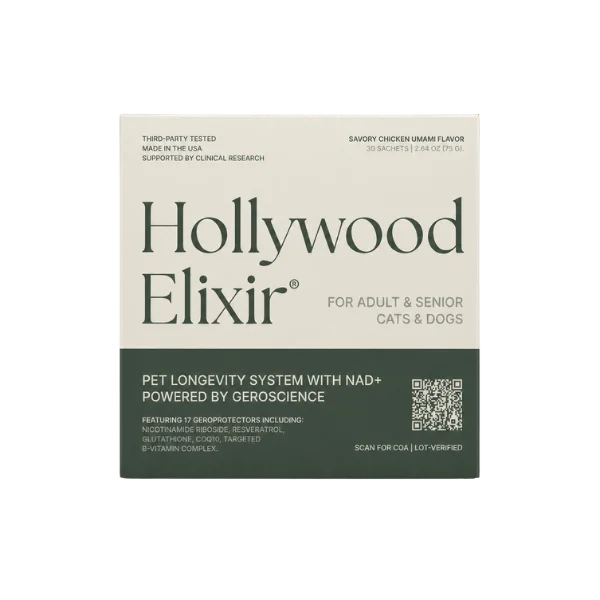
Hollywood Elixir supports normal cellular aging processes as part of an overall wellness plan.
Hollywood Elixir®
Starting at $89/mo
Hollywood Elixir is amazing! She put back on 5 lbs to a healthy weight, her eyes are shiny, her coat is beautiful!
— Jessie
She hopped up onto the windowsill again for the first time in years.
— Charlie
Considering gabapentin for your cat?
If you're researching gabapentin use, here's what matters most
For the next dose, plan supervision, restrict jumping, and write down a simple timeline (dose time, peak sleepiness, appetite, litter box confidence, recovery). Bring those change signals to the clinic so timing or the plan can be adjusted safely. For overall resilience, some owners also discuss products that support normal aging, such as Hollywood Elixir, as part of a broader wellness plan.
Learn about how our DVMs think about cat aging
Dr. JoAnna Pendergrass DVM
Hollywood Elixir®
Starting at $89/mo
Explore your cat’s changing needs over time
Related Reading
When a cat is prescribed gabapentin, the most common reason is simple: the veterinarian is trying to make a stressful event safer and less frightening, or to take the edge off pain. Many owners worry they are “drugging” their cat, but the intent is usually the opposite—reducing panic, struggling, and the risk of injury during transport or handling.