Cat Drinking a Lot of Water

Track Thirst Changes, Spot Red Flags, and Act Before Dehydration Worsens

Essential Summary

Why is it important to understand why a cat is drinking a lot of water?

When a cat drinks a lot of water, it can be a normal response to diet or weather, or an early sign that the kidneys, hormones, or overall hydration balance are under strain. Measuring intake for a few days and noting litter box changes helps your veterinarian interpret the pattern and decide what to test.

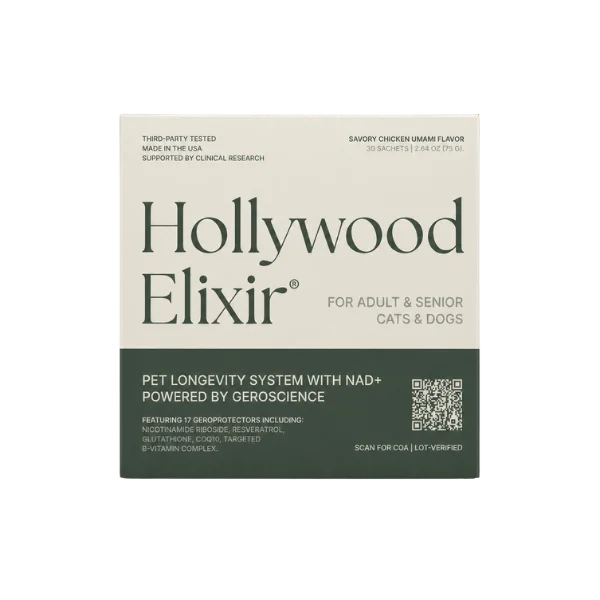
Hollywood Elixir™ is designed for system-level support in aging cats—helping maintain everyday vitality and resilience while you and your veterinarian address the “why” behind increased drinking.

If you’ve caught yourself thinking, my cat drinks a lot of water, you’re noticing one of the most useful “quiet signals” cats give. Drinking is visible. It leaves evidence in the bowl, the fountain, and the litter box. And because cats are skilled at seeming fine until they aren’t, a change in water habits can feel like a small detail with a heavy shadow behind it.

Sometimes the explanation is ordinary: a switch to dry food, warmer rooms, a new favorite bowl. Other times, my cat is drinking a lot of water is the first clue that the body is compensating—urinating more, losing water faster, or struggling to concentrate urine. Increased water intake in cats is often discussed in connection with kidney disease and diabetes, and monitoring it is a practical way to assess hydration and overall health.

This page is designed to help you sort “new habit” from “new pattern,” and to know when to measure, when to call, and what your veterinarian is likely to look for. It also answers a fair question from science-minded owners: why consider a wellness product at all when the right move might be diagnostics? The reason is that testing tells you what’s wrong; it doesn’t automatically strengthen the broader systems that determine how your cat feels across months and years. Hollywood Elixir™ is framed as system-level support for graceful aging—supporting resilience while you pursue appropriate veterinary evaluation and care.

By La Petite Labs Editorial, ~15 min read

Featured Product:

  • A noticeable increase in drinking is worth measuring, not guessing, because bowls and fountains can mislead.
  • Diet shifts—especially moving toward dry food—often change how much water a cat seeks at the bowl.
  • Persistent thirst can be an early clue for kidney strain or diabetes, even when a cat seems otherwise normal.
  • In older cats, patterns matter: water intake plus weight, appetite, and litter box changes tells a clearer story.
  • Sudden spikes in drinking with illness signs can signal urgent problems, including possible toxin exposure (Peloquin, 2021).
  • Do not restrict water; if the body is compensating for losses, limiting access can worsen dehydration.
  • Aging support still matters alongside diagnostics: resilience is a whole-system project, not a single lab value.

When Increased Drinking Is a Signal, Not Just a Quirk

Noticing a cat drinks a lot of water can be unsettling because it’s one of the few day-to-day signals you can actually observe. Increased drinking (often paired with bigger urine clumps) is sometimes benign—heat, a new diet, a new fountain—but it can also be an early clue that the kidneys, hormones, or liver are under strain. In cats, increased water intake is commonly discussed alongside kidney disease and diabetes, and it’s worth taking seriously rather than waiting it out (Ogbolu, 2025).

The goal isn’t to panic; it’s to get specific. What changed: food, treats, medications, stress, litter box habits, weight, appetite, coat, energy? A clear timeline helps your veterinarian decide whether this is a short-lived shift or a pattern that needs testing. Monitoring intake is also a practical way to catch problems earlier, before a cat feels obviously ill (Ogbolu, 2025).

Clinical coat image highlighting vet-informed standards aligned with cat drinks a lot of water.

How to Tell If Your Cat’s Water Intake Is Truly Higher

First, define “a lot.” Cats vary widely in drinking habits, and bowl size can mislead you. A better approach is to measure: fill a marked container each morning, subtract what’s left 24 hours later, and divide by the number of cats (if you can separate them). Also note water coming from food—wet diets can dramatically reduce how much a cat needs to drink at the bowl.

If the number is climbing week over week, or if you’re seeing larger urine clumps, it’s reasonable to treat it as a health signal. Increased water intake in cats can indicate underlying issues, and tracking it is part of assessing hydration status over time. Measurements don’t replace a veterinary exam, but they make the conversation sharper.

Still life of Hollywood Elixir and foods, reflecting premium cat drinks a lot of water cues.

Why Thirst Rises When the Body Is Losing Water

A common reason a cat drinks a lot of water is that the body is losing water faster than it should. That can happen through increased urination, vomiting, diarrhea, or simply not absorbing water efficiently. When water loss rises, thirst often follows as the body tries to maintain balance. In cats, dehydration can become serious if it’s not addressed promptly.

This is why “drinking more” isn’t always reassuring. Sometimes it’s a sign the body is compensating. If your cat is drinking more but still seems dry-mouthed, weak, or constipated, the increased intake may not be keeping up with losses. Those are moments to call your veterinarian rather than adjusting things at home.

Cat owner showcasing Hollywood Elixir packaging, aligned with cat drinks a lot of water.

Kidney Strain: a Common Reason Cats Drink More

Kidney function is one of the first places veterinarians look when my cat is drinking a lot of water. The kidneys help concentrate urine and conserve water; when that concentrating ability declines, a cat may urinate more and drink more to compensate. Increased water intake is often discussed as a sign that kidney disease may be present, especially in older cats.

The nuance is that kidney changes can be early and subtle. A cat can look “fine” while the body is quietly working harder to stay balanced. That’s why urinalysis and trend-based bloodwork matter: they can show whether the kidneys are concentrating urine appropriately and whether values are stable or drifting.

Supplement comparison image for cats tied to expectations around cat drinks a lot of water.

Diabetes Patterns That Often Travel with Increased Drinking

Diabetes is another classic reason owners say my cat drinks a lot of water. When blood glucose is high, glucose can spill into urine and pull water with it, increasing urination and driving thirst. Increased water intake is commonly cited as a sign that diabetes may be an underlying issue in cats.

At home, you might also notice increased appetite with weight loss, or a cat that seems hungry but is losing muscle. Those patterns are worth mentioning explicitly. Diabetes is diagnosable with routine testing, and earlier identification can reduce the chance of a crisis. If your cat seems weak, is vomiting, or is breathing oddly, seek urgent care.

Hollywood Elixir™ is amazing and makes my 13 y/o kitty young again!

— Jessie

She hopped up onto the windowsill again—first time in years.

— Charlie

“A change in drinking is rarely a diagnosis. It’s a prompt to get specific.”

Thyroid Changes That Can Affect Appetite, Weight, and Thirst

Hyperthyroidism can also shift drinking and urination patterns, particularly in older cats. It often comes with weight loss despite a strong appetite, restlessness, and a faster heart rate. While water intake alone can’t point to a single diagnosis, it’s a meaningful piece of the puzzle when paired with these other changes.

Because multiple conditions can look similar at first, it’s helpful to avoid “either/or” thinking. A cat can have early kidney change and thyroid disease at the same time, especially with age. That’s another reason trend-based monitoring—weights, appetite notes, and water measurements—can be more revealing than a single snapshot.

Hollywood Elixir in tidy unboxing shot, reflecting refinement in my cat is drinking a lot of water.

Medications, Stress, and Household Shifts That Alter Drinking

Medications and supplements can change thirst. Some drugs increase urination, some alter appetite and activity, and some can irritate the stomach in a way that leads to mild dehydration. If your cat’s drinking changed after starting something new, bring the exact product name, dose schedule, and start date to your veterinarian.

Also consider household shifts: a new pet, a move, construction noise, or changes in litter type. Stress can alter routine behaviors, including time spent at the water bowl. Even when stress is part of the story, it’s still wise to rule out medical causes if the change is pronounced or persistent.

Cat chasing across green grass, evoking curiosity supported by senior cat drinking a lot of water.

Red Flags That Should Move You from Watching to Calling

A practical red-flag list can keep you grounded. Call your veterinarian promptly if increased drinking comes with weight loss, vomiting, diarrhea, poor appetite, lethargy, weakness, or noticeably larger urine clumps. If your cat can’t keep water down, seems painful, or is hiding and unresponsive, treat it as urgent.

Dehydration is not always obvious, and it can lead to serious complications if it progresses. If you’re unsure, it’s reasonable to ask for a same-week appointment. You’re not trying to diagnose at home—you’re trying to prevent a slow problem from becoming a fast one.

Branding on medical coat showing research standards supporting my senior cat is drinking a lot of water.

Simple At-home Tracking That Makes Vet Answers Faster

If you want a simple home check, start with consistency rather than perfection. Measure water offered and left, note the number of litter box clumps, and weigh your cat weekly if they tolerate it. Photos of the litter box (not glamorous, but useful) can help you describe changes accurately.

Monitoring water intake is widely recommended as part of early detection for health issues in cats (Ricardo, 2023). The goal is to create a short, objective record that reduces guesswork. When you can say “this started two weeks ago and has increased steadily,” your veterinarian can move more efficiently toward the right tests.

Preparing for the Vet Visit with Clear, Useful Observations

If you’re thinking, my cat drinks a lot of water, it helps to arrive at the appointment with a simple record. Note the food type (wet, dry, mixed), any recent diet change, treats, and whether you’ve added a fountain. Track appetite, weight trend, vomiting, stool quality, and whether urine clumps are larger or more frequent. These details often matter as much as the lab values.

Common first-line tests include a physical exam, body weight, blood pressure, urinalysis (including urine specific gravity), and bloodwork that looks at kidney values and glucose. Increased water intake can be a sign of underlying disease, and pairing water history with urine concentration is particularly informative (Ogbolu, 2025). If results are borderline, your vet may recommend rechecks rather than immediate escalation—especially if your cat otherwise seems comfortable.

“Don’t restrict water. Measure, observe, and let the pattern guide the next step.”

Hollywood Elixir beside curated ingredients, showing formulation depth for my senior cat is drinking a lot of water.

Safe Home Support While You Investigate the Cause

At home, the most useful step is to make water access easy and appealing while you sort out the cause. Offer multiple bowls in quiet locations, refresh water daily, and consider a fountain if your cat prefers moving water. If you feed only dry food, adding some wet meals can increase total moisture intake without forcing extra drinking.

Avoid restricting water. If a cat is drinking more because the body is trying to correct dehydration, limiting water can worsen the situation and lead to serious complications. Instead, focus on observation: energy, appetite, gum moisture, and litter box output. If you see lethargy, vomiting, weakness, or sudden behavior change, treat it as urgent rather than “wait and see.”

Shop Now
Hollywood Elixir in cozy home, reinforcing quality cues behind my cat is drinking a lot of water.

Diet, Weather, and Routine Changes That Can Shift Thirst

Some cats drink more because of what’s in the environment, not what’s happening internally. Warm weather, low indoor humidity, and higher activity can all increase water needs. A switch from wet to dry food often changes drinking patterns quickly, because the cat is now “making up” moisture at the bowl rather than through meals.

Even so, it’s wise to confirm that the increase is real and sustained. Monitoring water consumption is a practical way to spot early health shifts in domestic cats (Ricardo, 2023). If the change persists beyond a week or two, or if it comes with weight loss, appetite changes, or larger urine clumps, it’s time to check in with your veterinarian.

Shop Now
Benchmark graphic showing formulation depth consistent with my senior cat is drinking a lot of water.

Why Older Cats Often Show This Change More Clearly

When a senior cat drinking a lot of water becomes the new normal, the conversation often turns to age-related wear on the kidneys and endocrine system. Older cats are also more likely to have multiple mild issues at once—early kidney change plus dental pain, for example—which can blur the picture. That’s why baseline labs in midlife can be so valuable: they give you something to compare against later.

If you’re thinking my senior cat is drinking a lot of water, consider the whole pattern: hydration, appetite, muscle tone, coat quality, and sleep. Increased water intake can be associated with underlying health issues such as kidney disease or diabetes, and earlier assessment can preserve options. The best outcomes often come from steady monitoring and small, timely adjustments rather than dramatic interventions.

Shop Now

Infectious Causes That Deserve Consideration in Some Regions

Infectious causes are less common than chronic conditions, but they matter because they can progress quickly. Leptospiral infection has been associated with increased thirst and urination in cats and may involve kidney damage (Ricardo, 2023). Risk varies by region and exposure (outdoor access, contact with wildlife, standing water), so your veterinarian may ask questions that feel oddly specific.

The key point is not to self-diagnose from one symptom. Increased drinking is a broad signal, not a verdict. If your cat’s thirst is paired with fever, lethargy, vomiting, or sudden appetite loss, call promptly. When infections are on the table, timing and supportive care can make a meaningful difference.

Toxins and Emergencies: When Sudden Thirst Needs Urgent Care

Toxins are another reason a sudden spike in drinking should be treated as urgent. Ethylene glycol (antifreeze) exposure can cause increased thirst and urination and can have severe consequences for cats (Peloquin, 2021). Certain rodenticides containing cholecalciferol (vitamin D3) can also present with increased water intake among other signs, and the situation can become serious quickly (Vecchiato CG, 2021).

If you suspect exposure—chewed containers, garage access, new pest control, a spill—don’t wait for more symptoms. Bring packaging details if you have them. Even if the cause turns out to be something else, acting early is the safer choice when toxins are possible.

Hollywood Elixir packaging opened, highlighting refined presentation for my cat is drinking a lot of water.

Less Common Water-balance Disorders Your Vet May Rule Out

Occasionally, the story is more unusual: a cat may have an impaired thirst response or difficulty regulating water balance. Case reports describe situations where abnormal sodium levels and thirst regulation are linked, and the body may swing between inadequate drinking and compensatory overdrinking depending on circumstances (Bach J, 2014). These are not the most likely explanations, but they’re a reminder that persistent symptoms deserve a real workup.

If standard tests don’t explain the change, your veterinarian may recommend additional diagnostics or referral. That can feel like a lot for “just drinking,” but water behavior is tightly connected to overall stability. When the body can’t regulate hydration well, the downstream effects can be significant.

Shop Now
Inside-the-box graphic showing active stack structure supporting cat drinks a lot of water.

The Emotional Side of Watching Thirst Change over Time

It’s also worth acknowledging the emotional side: watching a cat hover at the bowl can make any owner feel on alert. Thirst is a common symptom in many conditions, and in more fragile states it can be a meaningful comfort issue to address rather than ignore (Fukunaga T, 2025). You’re not overreacting by noticing it; you’re paying attention.

A calm plan helps: measure for a few days, book a visit if it persists, and keep water freely available. If your cat is otherwise bright and eating, you usually have time to be methodical. If your cat is dull, vomiting, not eating, or seems painful, move faster. The difference is less about the number of trips to the bowl and more about the whole picture.

Shop Now

Where System-level Aging Support Fits Alongside Diagnostics

Where a wellness product fits into this conversation is not as a substitute for diagnostics, but as support for the systems that tend to get stressed as cats age: energy production, oxidative balance, and cellular repair. Those themes matter whether the final answer is “normal variation,” early kidney change, or a hormone issue—because resilience is rarely one nutrient, one organ, or one lab value.

Hollywood Elixir™ is positioned as system-level support for graceful aging rather than a single-ingredient fix. For science-minded owners, that’s the point: you can pursue appropriate testing and targeted veterinary care while also supporting the broader metabolic network that influences how your cat feels day to day. Used thoughtfully, it complements—not replaces—good monitoring and veterinary guidance.

“In older cats, the most valuable tool is often a calm record of trends.”

Educational content only. This material is not a substitute for veterinary advice. Always consult your veterinarian about your cat’s specific needs. These statements have not been evaluated by the Food and Drug Administration. Products mentioned are not intended to diagnose, treat, cure, or prevent any disease.

Glossary

  • Polydipsia: Drinking more water than is typical for that individual cat.
  • Polyuria: Producing larger volumes of urine; often noticed as bigger litter clumps.
  • Urine Specific Gravity (USG): A measure of how concentrated urine is; helps assess hydration and kidney concentrating ability.
  • Chronic Kidney Disease (CKD): Long-term decline in kidney function that can reduce urine concentration and increase thirst.
  • Diabetes Mellitus: A disorder of glucose regulation that can increase urination and secondary thirst.
  • Hyperthyroidism: Overproduction of thyroid hormone, common in older cats, affecting weight, appetite, and sometimes drinking.
  • Dehydration: A deficit of body water that may occur even when a cat appears to be drinking more.
  • Ethylene Glycol: A toxic chemical found in antifreeze; exposure can cause increased thirst and severe illness.
  • Cholecalciferol: Vitamin D3; in toxic doses (often via rodenticides) it can cause serious systemic effects.
  • Baseline Labs: Early blood and urine tests taken when a cat seems well, used later for comparison as they age.

Related Reading

References

Gan HY. The Prevalence and Risk Factors for Postoperative Thirst: A Systematic Review and Meta-analysis.. PubMed. 2024. https://pubmed.ncbi.nlm.nih.gov/38935010/

Fukunaga T. Prevalence, risk factors, and treatment methods of thirst in critically ill patients: A systematic review and meta-analysis.. PubMed. 2025. https://pubmed.ncbi.nlm.nih.gov/40100895/

McGrath JJ. Cat Ownership and Schizophrenia-Related Disorders and Psychotic-Like Experiences: A Systematic Review and Meta-Analysis.. PubMed. 2024. https://pubmed.ncbi.nlm.nih.gov/38041862/

Andityas M. Feline leptospirosis prevalence worldwide: A systematic review and meta-analysis of diagnostic approaches.. PubMed. 2024. https://pubmed.ncbi.nlm.nih.gov/38595668/

Ricardo. Leptospiral infection in domestic cats: Systematic review with meta-analysis. 2023. https://www.sciencedirect.com/science/article/pii/S0167587723000156

Ogbolu. Systematic Review and Meta-Analysis of Risk Factors for Dehydration and the Development of a Predictive Scoring System. 2025. https://www.mdpi.com/2227-9032/13/16/1974

Bach J. Primary hypodipsia in a cat with severe hypernatremia.. PubMed Central. 2014. https://pmc.ncbi.nlm.nih.gov/articles/PMC11383084/

Peloquin. Presumed Choline Chloride Toxicosis in Cats With Positive Ethylene Glycol Tests After Consuming a Recalled Cat Food. 2021. https://www.sciencedirect.com/science/article/pii/S1938973621000416

Vecchiato CG. Case Report: A Case Series Linked to Vitamin D Excess in Pet Food: Cholecalciferol (Vitamin D3) Toxicity Observed in Five Cats.. PubMed Central. 2021. https://pmc.ncbi.nlm.nih.gov/articles/PMC8416511/

Ahmed. Bioaccumulation of heavy metals in some commercially important fishes from a tropical river estuary suggests higher potential health risk in children than adults.. Nature. 2019. https://www.nature.com/articles/s41598-021-00467-4

FAQ

Is cat drinking a lot of water always a medical problem?

Not always. Heat, lower humidity, a switch to dry food, or a new water fountain can all increase drinking without disease. The concern is persistence or a clear upward trend, especially with larger urine clumps, weight loss, or appetite changes.

If the pattern lasts more than a week or two, a vet visit is reasonable to rule out common causes like kidney disease or diabetes. For broader aging resilience while you investigate, consider Hollywood Elixir™

How can I measure my cat’s daily water intake accurately?

Use a marked measuring cup or bottle. Add a known amount each morning, then measure what remains 24 hours later. If you have multiple cats, separate them if possible for a few days. Note water from wet food, which can reduce bowl drinking.

Bring your notes to your vet; trend data helps interpret whether the change is meaningful. While you track, support overall vitality with Hollywood Elixir™

Why does increased thirst often come with bigger urine clumps?

Thirst and urination are linked. If the body is losing more water through urine, thirst rises to compensate. This can happen with conditions that reduce urine concentration or increase urine volume. Bigger clumps can be an early, visible clue that something has shifted.

Because increased water intake can signal underlying issues like kidney disease or diabetes, it’s worth checking if the pattern persists. Alongside appropriate testing, Hollywood Elixir™

When should cat drinking a lot of water prompt a vet visit?

Schedule a visit if the increase is sustained, clearly rising, or paired with weight loss, vomiting, diarrhea, appetite changes, or lethargy. Also go sooner if you see very large urine clumps or accidents outside the box.

Dehydration and underlying disease can progress quietly in cats, so earlier assessment is often simpler than late-stage care. For gentle, system-wide aging support during the process, consider Hollywood Elixir™

Could kidney disease cause my cat to drink more water?

Yes. When kidneys can’t concentrate urine as effectively, more water is lost in urine and thirst increases to keep the body balanced. This is one reason increased drinking is taken seriously in older cats.

In cats, increased water intake is commonly associated with kidney disease and is best evaluated with bloodwork plus urinalysis. To support whole-body resilience alongside veterinary care, consider Hollywood Elixir™

Can diabetes explain why my cat is drinking a lot of water?

It can. High blood glucose can increase urination, and thirst rises to replace lost fluid. Owners may also notice increased appetite with weight loss or reduced muscle tone. Only testing can confirm the diagnosis, but the pattern is a common reason vets screen for diabetes.

Because increased water intake can indicate diabetes in cats, don’t delay if the change is persistent. For broader metabolic support while you work with your vet, consider Hollywood Elixir™

My cat drinks a lot of water after switching foods—normal?

Often, yes. Moving from wet to dry food reduces moisture coming from meals, so many cats compensate by drinking more. A new flavor profile can also change how often they visit the bowl. The key is whether the increase stabilizes and whether litter box output stays consistent.

If drinking continues to climb or other symptoms appear, ask your vet to rule out medical causes. For steady, whole-system support during transitions, consider Hollywood Elixir™

Is it safe to restrict water if my cat overdrinks?

No. Restricting water can be dangerous if your cat is drinking more to compensate for dehydration or increased urine losses. Cats can deteriorate quickly when hydration is compromised.

Dehydration can lead to serious complications, so the safer approach is to keep water freely available and investigate the cause. For supportive care that complements veterinary guidance, consider Hollywood Elixir™

What tests do vets run for increased drinking in cats?

Many vets start with a physical exam, weight, and history, then run bloodwork and a urinalysis. Urine specific gravity helps show whether the kidneys are concentrating urine appropriately. Depending on findings, they may add thyroid testing, blood pressure, or imaging.

Because increased water intake can reflect kidney disease or diabetes, these baseline tests are often the fastest way to narrow causes. Alongside diagnostics, consider system-level support with Hollywood Elixir™

My senior cat is drinking a lot of water—why now?

Age changes the odds. Older cats are more likely to develop conditions that affect urine concentration and thirst, and they can also have more than one mild issue at once. That’s why a new drinking pattern in a senior cat deserves attention even if they still seem “fine.”

Increased water intake is commonly linked with kidney disease and diabetes in cats, both more common with age. For gentle support of aging resilience alongside your vet’s plan, consider Hollywood Elixir™

Can toxins cause sudden excessive thirst in cats?

Yes. Some toxins can cause increased thirst and urination, and the situation can become serious quickly. Antifreeze (ethylene glycol) exposure is a classic emergency in cats and may present with increased drinking early on(Peloquin, 2021).

If you suspect exposure, seek urgent veterinary care rather than monitoring at home. For ongoing, non-emergency wellness support that complements veterinary care, consider Hollywood Elixir™

Could vitamin D rodenticide exposure increase my cat’s water intake?

It can. Cholecalciferol (vitamin D3) toxicity is associated with serious consequences and may include increased water intake among other signs(Vecchiato CG, 2021). Because exposures can be hard to confirm from symptoms alone, packaging details and timing are important if you contact a clinic.

If there’s any chance your cat accessed rodent bait, treat it as urgent. For everyday aging support once your cat is stable and your vet approves, consider Hollywood Elixir™

Can infections make a cat drink more water?

Some infections can. Leptospiral infection has been associated with excessive thirst and urination in cats and may involve kidney damage. Risk depends on geography and exposure, so your vet may ask about outdoor access, wildlife contact, and standing water.

Because thirst is nonspecific, testing is the only way to sort infection from chronic disease. For supportive wellness alongside veterinary care, consider Hollywood Elixir™

My cat is drinking a lot of water but acting normal—okay?

Sometimes cats compensate well early on, so “acting normal” doesn’t always mean “nothing is happening.” If the increase is mild and short-lived, you can measure for several days and watch for stabilization. If it’s persistent or rising, it’s worth screening.

Increased water intake can be an early sign of kidney disease or diabetes, even before obvious illness. For system-level support while you monitor and consult your vet, consider Hollywood Elixir™

Do cats and dogs show increased thirst for the same reasons?

There’s overlap—kidney disease, diabetes, some medications—but cats have unique hydration habits and often eat diets with very different moisture levels than dogs. Cats may also hide illness longer, so subtle changes in drinking can be more meaningful.

Because increased water intake is a recognized sign of underlying issues in cats, it’s best to interpret it in a feline context. For cat-focused aging support alongside veterinary care, consider Hollywood Elixir™

How quickly should I expect answers after a vet workup?

Basic bloodwork and urinalysis often provide direction the same day or within a couple of days, depending on the clinic. If results are borderline, your vet may recommend rechecks to confirm a trend rather than labeling a disease immediately.

That measured approach is common because thirst can have multiple causes. While you’re waiting on clarity, support daily resilience with Hollywood Elixir™

Are there quality signals in water bowls and fountains to consider?

Yes. Cleanliness matters: biofilm can build up quickly in fountains and bowls, changing taste and potentially discouraging drinking in some cats while prompting others to seek fresher sources. Stainless steel or ceramic is often easier to keep odor-free than plastic.

If you’re troubleshooting drinking patterns, keep the setup consistent for a week so you can interpret changes. For broader wellness support beyond the bowl, consider Hollywood Elixir™

Can I give Hollywood Elixir™ daily if my cat drinks more?

Daily use is generally about supporting long-term resilience rather than responding to a single symptom. If your cat has a new, unexplained increase in drinking, it’s still important to rule out medical causes first, especially if there are other changes in weight, appetite, or urination.

Once your veterinarian is comfortable with your plan, daily support can fit well into a routine focused on aging well. Learn more about Hollywood Elixir™

What’s a sensible decision framework for persistent increased drinking?

Start with measurement and context: confirm the change, note diet and environment, and look for companion signs (weight, appetite, urine volume). If it persists beyond a short window or escalates, schedule testing rather than guessing. If there are red flags—vomiting, lethargy, suspected toxin exposure—treat it as urgent.

This approach respects both caution and practicality, and it keeps your cat comfortable while you seek clarity. For system-level aging support alongside that plan, consider Hollywood Elixir™

How can I tell if my cat is drinking too much water (polydipsia)?

A common guideline is more than about 50–60 mL of water per kg of body weight per day (roughly 1.7–2 oz per lb), but wet food and hot weather can change this. The most reliable approach is to measure daily intake for several days and watch for increased urination, weight loss, or appetite changes, then contact your vet if the increase is persistent.

5K+ Happy Pet Parents

Excellent 4.8

Cat Drinking a Lot of Water | Why Thousands of Pet Parents Trust Hollywood Elixir™

"My go-to nutrient-dense topper. Packed with 16 powerful anti-aging actives and superfoods!"

Chanelle & Gnocchi

"We go on runs pretty often; he use to get tired halfway through, but lately, he's been keeping up without any problem."

Cami & Clifford

"He seems more happy overall. I've also noticed he has more energy which makes our walks and playtime so much more fun."

Olga & Jordan

"I want her to live forever. She hasn't had an ear infection since!"

Madison & Azula

"My go-to nutrient-dense topper. Packed with 16 powerful anti-aging actives and superfoods!"

Chanelle & Gnocchi

"We go on runs pretty often; he use to get tired halfway through, but lately, he's been keeping up without any problem."

Cami & Clifford

"He seems more happy overall. I've also noticed he has more energy which makes our walks and playtime so much more fun."

Olga & Jordan

"I want her to live forever. She hasn't had an ear infection since!"

Madison & Azula

"My go-to nutrient-dense topper. Packed with 16 powerful anti-aging actives and superfoods!"

Chanelle & Gnocchi

"We go on runs pretty often; he use to get tired halfway through, but lately, he's been keeping up without any problem."

Cami & Clifford

"He seems more happy overall. I've also noticed he has more energy which makes our walks and playtime so much more fun."

Olga & Jordan

"I want her to live forever. She hasn't had an ear infection since!"

Madison & Azula

"My go-to nutrient-dense topper. Packed with 16 powerful anti-aging actives and superfoods!"

Chanelle & Gnocchi

"We go on runs pretty often; he use to get tired halfway through, but lately, he's been keeping up without any problem."

Cami & Clifford

"He seems more happy overall. I've also noticed he has more energy which makes our walks and playtime so much more fun."

Olga & Jordan

"I want her to live forever. She hasn't had an ear infection since!"

Madison & Azula

SHOP NOW