Proteinuria in Dogs and Cats: Why It Matters, What Triggers It, and What Vets Investigate

Recognize Kidney, Heart, Liver Clues; Compare Causes, Tests, Treatment Options

Essential Summary

Why Does Proteinuria In Dogs And Cats Matter?

Protein in the urine is a sign that the kidneys, urinary tract, or whole-body health may be under strain. Vets confirm persistence, quantify it with a UPC ratio, and then investigate triggers like infection, blood pressure, and kidney filter disease to protect long-term kidney function.

This page explains what protein in urine means in dogs and cats, what can trigger it, and how veterinarians use UPC trends and related tests to guide next steps.

Seeing “protein” flagged on a urinalysis can feel alarming, but it is best understood as a clue—not a diagnosis. Protein in urine dogs and protein in urine cats can happen for reasons that range from temporary and fixable to kidney disease that needs long-term monitoring. The most important next step is usually confirmation and context: was the sample concentrated, was there blood or infection, and is the protein level persistent on repeat testing?

This page focuses on why proteinuria matters, what triggers it, and what veterinarians investigate when it shows up. A single number rarely tells the whole story; trends and patterns do. Vets often quantify protein loss with a UPC ratio pets test, then interpret it alongside blood pressure, kidney values, urine sediment, and sometimes imaging or infectious disease testing (Lees, 2005). When protein loss is coming from the kidney’s filters, it can speed kidney wear over time, so catching it early can widen the repair window and keep day-to-day life calmer and more predictable (Vaden, 2016).

By La Petite Labs Editorial, ~15 min read

Featured Product:

  • Proteinuria in Dogs and Cats: Why It Matters, What Triggers It, and What Vets Investigate explains why “protein in urine” is a sign that needs confirmation, cause-finding, and trend monitoring—not panic.
  • Protein in urine dogs and protein in urine cats can be pre-renal (from the body), renal (from kidneys), or post-renal (from bladder/urinary tract), and the category changes the next tests.
  • A UPC ratio pets measurement helps quantify protein loss more reliably than a dipstick alone, especially when urine concentration varies (Lees, 2005).
  • Glomerular disease (filter damage) is a common reason for persistent, higher protein loss and may link to immune triggers, infections, or high blood pressure (Harley, 2012).
  • Tubular disease can cause protein leakage too, often with different patterns and other urinalysis clues than glomerular problems.
  • Infectious and inflammatory triggers (including tick-borne disease in dogs and FIP-related disease in cats) may be part of proteinuria causes pets, so targeted testing can matter.
  • Treatment and monitoring often focus on lowering protein loss, controlling blood pressure, and tracking UPC trends over time, because the direction of change is often more useful than one isolated result (Vaden, 2016).

What “Protein in Urine” Really Means

Proteinuria means measurable protein is escaping into urine instead of staying in the bloodstream. A tiny amount can be normal, but persistent protein loss suggests something is irritating the urinary tract or affecting how the kidneys filter blood. The key idea is that proteinuria is not one disease; it is a sign that opens a branching workup, guided by how much protein is present and whether it persists on repeat testing (Harley, 2012).

At home, protein in urine rarely has a “look” or smell that reliably gives it away. Some pets act completely normal, while others show vague changes like drinking more, peeing larger volumes, or losing weight slowly. When a report says protein in urine dogs or protein in urine cats, it helps to think, “What else is going on?”—appetite, energy, coughing, diarrhea, or urinary accidents can all steer the next questions.

Three Buckets: Pre-renal, Renal, and Post-renal

Veterinarians often sort proteinuria causes pets into three broad categories. Pre-renal proteinuria comes from the body making extra proteins that spill into urine (for example, severe inflammation). Renal proteinuria comes from kidney structures—either the filters (glomeruli) or the tubules—letting protein pass. Post-renal proteinuria comes from the urinary tract after the kidneys, such as bleeding, infection, or inflammation in the bladder or urethra.

This “bucket” approach changes what happens next. If the urine sample also shows blood cells, bacteria, or lots of white cells, the focus may shift to bladder infection or stones before labeling it kidney disease. If the urine is very concentrated or the pet was stressed, a recheck with a calmer, cleaner sample may be recommended. Owners can help by noting whether urination looks painful, urgent, frequent, or unusually large in volume.

NAD for dogs DNA double helix

Dipsticks Versus Quantifying Protein Loss

A urine dipstick is a useful screening tool, but it can mislead when urine concentration varies or when other substances interfere. That is why vets often move from “positive protein” to quantifying how much protein is present relative to urine concentration. Newer approaches, like relating dipstick protein to urine specific gravity, have been studied to improve detection in dogs and cats, but confirmation and context still matter (Barchilon, 2024).

For households, the practical takeaway is that one in-clinic dipstick is rarely the final word. A first-morning urine sample can be helpful because it is often more concentrated and less affected by recent drinking. If a pet is on medications, has diarrhea, or is recovering from illness, it is worth mentioning, because hydration and inflammation can shift urine concentration and make the initial “protein” flag harder to interpret.

Understanding the UPC Ratio in Pets

The urine protein-to-creatinine ratio (UPC) compares urine protein to urine creatinine, helping estimate protein loss without needing a 24-hour collection. This UPC ratio pets test is a cornerstone for deciding whether protein loss is mild, borderline, or clearly abnormal, and it is also used to monitor response to a plan over time. Because day-to-day variation happens, vets often repeat UPC to confirm persistence before making big decisions.

Owners can support accurate UPC results by asking how the sample should be collected and stored, and by sharing whether the pet was straining, had bloody urine, or had a recent urinary tract infection. If collection at home is stressful, a clinic-collected sample may be cleaner. The goal is not a “perfect” number once; it is a trend that becomes calmer and more predictable across rechecks.

When Kidney Filters Leak: Glomerular Proteinuria
When the kidney’s filters (glomeruli) are inflamed or damaged, larger amounts of protein can pass into urine. This is often the concern when UPC is persistently elevated, especially if other urinalysis findings do not point to bladder bleeding or infection. Glomerular disease can be linked to immune-driven inflammation, chronic infections, cancer, or high blood pressure, and it may require a broader medical workup beyond the urinary tract (Harley, 2012).

A realistic scenario: a middle-aged dog feels mostly fine but starts drinking more and has a routine screening urinalysis before dental work; the report shows significant protein. A repeat sample confirms it, and blood pressure is high, shifting the conversation toward kidney filter stress rather than a simple UTI. In cats, the story may be quieter—slow weight loss and a “normal” litterbox routine—until labs reveal protein loss that needs staging and monitoring.

Hollywood Elixir™ is amazing and makes my 13 y/o young again!

— Jessie

We go on runs. Lately he's been keeping up with no problem!

— Cami

“A single protein result is a clue; the pattern over time is the story.”

Tubular Proteinuria: a Different Kind of Leak

Kidney tubules normally reclaim small proteins that slip through the filters. If tubules are injured, those proteins can remain in urine, creating tubular proteinuria. This pattern may occur with certain toxins, medications, or kidney infections, and it can show up with other urinalysis clues such as abnormal casts or changes in urine concentration. The workup often looks for exposures and for signs of broader kidney stress rather than focusing only on the filters.

At home, tubular problems do not have a signature symptom, so the timeline matters. Recent anesthesia, a new medication, appetite loss, vomiting, or sudden lethargy are important details to share. If a cat stops eating and hides, or a dog becomes abruptly quiet and nauseated, that context can change how urgently the veterinarian rechecks urine and bloodwork. Owners can also note any possible access to lilies, antifreeze, rodenticides, or human medications.

nad plus for dogs

Infectious Triggers: Tick-borne Disease and FIP

Some infections can trigger kidney inflammation that leads to protein loss. In dogs, tick-borne diseases such as Lyme and Ehrlichia are classic considerations when proteinuria is persistent or marked, because immune complexes can affect the kidney filters. In cats, systemic inflammatory diseases—including forms associated with feline infectious peritonitis (FIP)—can also be part of the differential when protein in urine cats appears alongside fever, weight loss, or fluid buildup.

Owners can help by sharing travel history, tick exposure, and prevention gaps, plus any recent fever, shifting lameness, swollen joints, or nosebleeds in dogs. For cats, note appetite changes, persistent lethargy, a pot-bellied look, or eye changes. The goal is not to guess the cause at home, but to give the veterinarian enough context to choose targeted tests instead of a scattered approach.

NAD+ for dogs portrait good boy

Breed and Family Patterns That Raise Suspicion

Some dogs have breed-associated risk for inherited or familial kidney filter disease, which can show up first as protein in urine dogs before obvious kidney failure. While any breed can develop proteinuria, a strong family history of kidney disease, early-onset kidney issues, or repeated “borderline” UPC results can push the veterinarian to monitor more closely and investigate earlier. In cats, breed links exist but are less commonly the main driver than age-related chronic kidney disease and blood pressure changes.

In practical terms, owners can bring family information to the appointment: littermate health, breeder reports, or prior records showing earlier urine findings. If a young adult dog has persistent proteinuria on multiple checks, that is a different situation than a senior pet with one abnormal test during a stressful illness. Keeping copies of past urinalysis reports helps the veterinarian see whether this is new, worsening, or long-standing but stable.

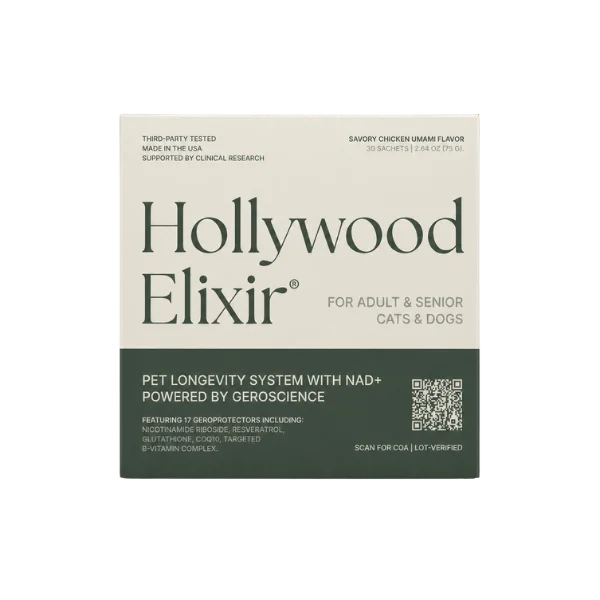
Hollywood Elixir contains 16 longevity actives including NAD for dogs

How Proteinuria Fits into CKD Staging

Proteinuria is not just a lab oddity; it is part of how chronic kidney disease (CKD) is staged and monitored in small animals. In both species, persistent protein loss is associated with faster progression risk, which is why IRIS staging includes proteinuria (often via UPC) alongside creatinine/SDMA and blood pressure (Polzin, 2011). In cats, CKD guidelines emphasize consistent monitoring because small changes over time can be more meaningful than one snapshot (Sparkes, 2016).

For households, this means a pet can look “fine” while the veterinarian is watching numbers that predict future stability. A cat with CKD may still jump and purr, yet slowly lose weight and muscle; a dog may keep playing but drink more and need more frequent potty breaks. When protein in urine is part of CKD staging, the plan often includes scheduled rechecks so changes are caught within a useful repair window.

Why Trends Beat One Number

A common misconception is that any protein on a dipstick automatically means kidney failure. In reality, the most actionable question is whether protein loss is persistent and increasing, and whether it matches other findings like high blood pressure or abnormal sediment. Veterinary guidelines emphasize confirming proteinuria, quantifying it, and then monitoring response to interventions rather than reacting to a single test.

What to log between vet visits can make trend interpretation clearer. Track water intake changes, appetite consistency, weekly weight, urine volume/frequency, and any accidents or straining. Add notes about big routine shifts (boarding, new diet, new meds, heat waves) that may change hydration. Bringing this simple timeline helps the veterinarian decide whether the UPC trend is truly worsening or just temporarily less predictable.

“The same lab flag can point to kidneys, bladder, or whole-body inflammation.”

nad+ for dogs La petite labs scientist lab coat

A Practical Monitoring Schedule Owners Can Support

Monitoring proteinuria usually involves repeat urinalysis, repeat UPC, and periodic blood pressure checks, with frequency based on severity and the rest of the health picture. The goal is to see whether protein loss is stable, improving, or trending upward despite a plan. In pets with CKD, management discussions often center on reducing urinary protein loss as a therapeutic target because it is tied to progression risk (Vaden, 2016).

Owner checklist (home observations that matter for proteinuria): (1) increased thirst or larger clumps in the litterbox, (2) new urinary accidents or urgency, (3) reduced appetite or nausea signs like lip-licking, (4) weight loss or muscle thinning over the spine, (5) new swelling of legs or belly that could suggest low blood protein. These details help the veterinarian decide whether monitoring needs to tighten or broaden.

Shop Now
nad for dogs hollywood elixir ingredient breakdown marketing

Treatment Goals: Lower Protein Loss, Protect Kidneys

Treatment depends on the cause, but two common goals are lowering protein loss and controlling contributors like high blood pressure. In dogs with significant proteinuria, ACE inhibitors are often used to reduce pressure within kidney filters and decrease urinary protein loss; response can vary, and follow-up UPC is used to judge effect (Fulton, 2023). In CKD, diet and medication choices are often paired to support kidney function and reduce protein loss over time.

At home, the biggest help is consistency: give medications exactly as prescribed, keep recheck appointments, and avoid sudden diet changes unless the veterinarian recommends them. Watch for appetite dips, vomiting, diarrhea, weakness, or fainting, which can matter when blood pressure or kidney medications are adjusted. If a pet becomes less predictable in energy or eating after a new prescription, that observation should be reported promptly rather than waiting for the next scheduled test.

Shop Now
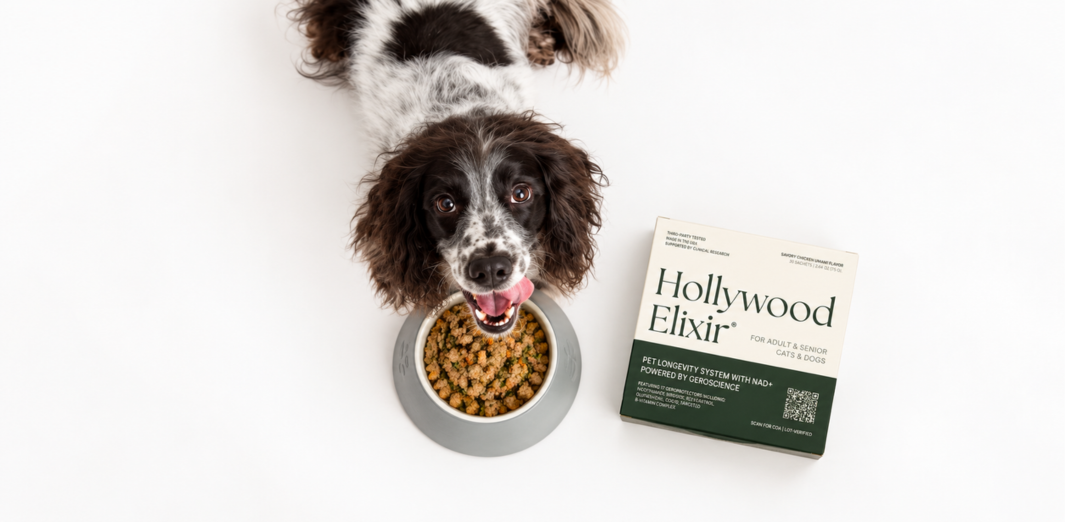
NAD+ for dogs hollywood elixir with dog product campaign shot

Diet and ACE Inhibitors: Why Vets Pair Them

For dogs with proteinuric CKD, studies have evaluated combining a kidney-supportive diet with ACE inhibitors such as enalapril or benazepril to help lower urinary protein loss. The concept is to reduce strain on the kidney filters while also supporting overall kidney health, aiming for a calmer trajectory rather than a fast slide (Zatelli, 2016). This is not a one-size plan; the veterinarian matches choices to bloodwork, blood pressure, and UPC trends.

Owners can make this approach work by measuring food portions, limiting unplanned treats that change nutrient balance, and keeping a simple “what was actually eaten” log during transitions. If a pet refuses a prescribed diet, that is useful information—not failure—because it affects the plan’s flexibility. Report appetite changes early so the veterinarian can adjust strategy before weight loss narrows the repair window.

Shop Now

When Proteinuria Points Beyond the Kidneys

Sometimes proteinuria is a downstream sign of a bigger problem, such as uncontrolled inflammation, endocrine disease, or heartworm-associated kidney injury in dogs. In those cases, the urine finding is valuable because it prompts earlier screening and a wider search for triggers that may be treatable. The veterinarian may recommend additional blood tests, infectious disease testing, or imaging when the urine pattern does not match a simple urinary tract explanation.

This is where owners can prevent delays by sharing “non-urine” symptoms that feel unrelated: coughing, exercise intolerance, skin sores, recurring fevers, or chronic diarrhea. Bring a list of all preventives and any missed doses, because exposure risk changes the differential. If a pet’s routine has become less predictable—good days and bad days—write down what those days look like so the veterinarian can connect patterns to possible systemic triggers.

What Not to Do After a “Protein” Flag

Proteinuria invites action, but the wrong action can muddy the picture. What not to do: (1) do not assume it is “just age” and skip follow-up, (2) do not start leftover antibiotics for suspected UTI without a urine culture plan, (3) do not restrict water to “help the kidneys,” and (4) do not change multiple variables at once (diet, meds, treats), which makes UPC trends hard to interpret. Clear cause-finding is the priority.

Also avoid collecting urine in a dirty container or from a litterbox with heavy debris if a cleaner method is possible, because contamination can create confusing sediment findings. If a pet is stressed at the clinic, ask whether a home sample is acceptable and how quickly it must be delivered. The aim is to keep the data clean so the veterinarian can decide whether protein in urine dogs or protein in urine cats is persistent and meaningful.

NAD+ for dogs

Vet Visit Prep: Bring the Right Details

Proteinuria appointments go best when the veterinarian can quickly separate “kidney filter leak” from “urinary tract noise.” Vet visit prep: bring prior lab reports, a list of medications and preventives, and a short timeline of appetite, thirst, weight, and urination changes. Ask targeted questions: “Was there blood or infection in the sediment?”, “Do you recommend a UPC ratio pets test and a repeat to confirm persistence?”, “Should blood pressure be checked today?”, and “Which proteinuria causes pets fit this pattern?”

If the pet is difficult to sample, mention that early so the clinic can plan a cystocentesis (sterile needle sample) or a calm collection strategy. For cats, note litter type and box habits; for dogs, note whether urine is collected on leash walks or in a yard. These practical details affect sample quality, which affects whether the next step is recheck, culture, imaging, or broader disease screening.

Shop Now
nad supplements for dogs nad+ for dogs

Interpreting Results When the Pet Seems “Normal”

One of the hardest parts of proteinuria is the mismatch between lab concern and a pet that still plays, eats, and cuddles. That mismatch is common, especially early in CKD or early in glomerular disease, because kidneys can compensate within a wide range before obvious symptoms appear. This is why veterinarians lean on repeatable markers—UPC, blood pressure, creatinine/SDMA, and urine concentration—to decide whether the situation is stable or narrowing the repair window (Polzin, 2011).

What to track rubric (progress indicators): (1) weekly weight, (2) daily appetite notes, (3) water intake or litter clump size changes, (4) vomiting/diarrhea episodes, (5) energy and willingness to exercise or play, (6) urination comfort (straining, urgency), (7) any swelling of limbs or belly. These markers help the veterinarian connect lab trends to real-life function and adjust plans before a crisis.

Shop Now

Putting It Together: a Calm, Stepwise Plan

A stepwise proteinuria plan usually follows a simple logic: confirm the finding, quantify it, look for urinary tract inflammation or infection, then evaluate kidney involvement and whole-body triggers. When protein loss is persistent and kidney-based, the veterinarian may discuss blood pressure control, ACE inhibitors, diet adjustments, and a monitoring cadence that keeps results interpretable. The aim is not perfection; it is a clearer direction and a more predictable trend line.

Owners can support that plan by keeping rechecks on schedule, collecting samples the recommended way, and reporting small changes early. If a pet’s routine becomes less predictable—skipping meals, new accidents, or sudden tiredness—those details matter as much as the lab printout. Proteinuria is a finding that rewards patience and good data: the better the information, the more focused the investigation becomes.

“Good follow-up testing turns worry into a clear next step.”

Educational content only. This material is not a substitute for veterinary advice. Always consult your veterinarian about your dog’s specific needs. These statements have not been evaluated by the Food and Drug Administration. Products mentioned are not intended to diagnose, treat, cure, or prevent any disease.

Glossary

  • Proteinuria - Protein detected in urine above expected levels.
  • UPC Ratio - Urine protein-to-creatinine ratio used to quantify protein loss.
  • Urine Sediment - Microscopic exam of urine for cells, bacteria, crystals, and casts.
  • Specific Gravity (USG) - Measure of urine concentration.
  • Glomerulus - Kidney filter unit that normally keeps most proteins in the blood.
  • Glomerulonephritis - Inflammation of glomeruli that can cause significant protein loss.
  • Tubules - Kidney structures that reabsorb water and small molecules, including some proteins.
  • Pre-Renal Proteinuria - Protein in urine driven by body-wide protein changes rather than kidney damage.
  • Post-Renal Proteinuria - Protein added to urine after it leaves the kidneys, often from bladder inflammation or bleeding.
  • IRIS Staging - A framework that uses kidney values, proteinuria, and blood pressure to stage CKD.

Related Reading

References

Fulton. Response and survival of dogs with proteinuria (UPC > 2.0) treated with angiotensin converting enzyme inhibitors.. PubMed. 2023. https://pubmed.ncbi.nlm.nih.gov/37815154/

Vaden. Management of Proteinuria in Dogs and Cats with Chronic Kidney Disease.. PubMed. 2016. https://pubmed.ncbi.nlm.nih.gov/27485278/

Barchilon. Evaluation of a urine dipstick protein to urine specific gravity ratio for the detection of proteinuria in dogs and cats.. PubMed. 2024. https://pubmed.ncbi.nlm.nih.gov/38305084/

Harley. Proteinuria in dogs and cats.. PubMed. 2012. https://pubmed.ncbi.nlm.nih.gov/23204582/

Lees. Assessment and management of proteinuria in dogs and cats: 2004 ACVIM Forum Consensus Statement (small animal).. PubMed. 2005. https://pubmed.ncbi.nlm.nih.gov/15954557/

Zatelli. The effect of renal diet in association with enalapril or benazepril on proteinuria in dogs with proteinuric chronic kidney disease.. PubMed Central. 2016. https://pmc.ncbi.nlm.nih.gov/articles/PMC4980477/

Polzin. Chronic Kidney Disease in Small Animals. 2011. https://www.mdpi.com/2075-1729/15/12/1856

Sparkes. ISFM Consensus Guidelines on the Diagnosis and Management of Feline Chronic Kidney Disease.. PubMed Central. 2016. https://pmc.ncbi.nlm.nih.gov/articles/PMC11148907/

FAQ

What does protein in urine mean for pets?

Protein in urine means protein is leaking into the urine instead of staying in the bloodstream. It can come from the kidneys’ filters, the kidney tubules, or from the bladder/urethra if there is bleeding or inflammation.

Proteinuria in Dogs and Cats: Why It Matters, What Triggers It, and What Vets Investigate is centered on the idea that this is a clue that needs confirmation and context, not a diagnosis by itself.

Why do veterinarians take proteinuria seriously?

Persistent protein loss can signal kidney filter stress and is linked with higher risk of chronic kidney disease progression. That is why vets often recheck and quantify it rather than ignoring a “small” abnormality.

Even when a pet seems normal, tracking UPC and blood pressure can help keep the situation calmer and more predictable by catching change early.

Can dehydration cause protein on a urine test?

Concentrated urine can make a dipstick more likely to read positive for protein, and dehydration can also occur alongside illness that changes kidney handling of proteins. That is one reason a dipstick alone is not the final word.

Vets often confirm with a repeat sample and may quantify protein loss with a UPC ratio so urine concentration is accounted for.

What is the UPC ratio in pets?

The urine protein-to-creatinine ratio (UPC) compares urine protein to urine creatinine to estimate how much protein is being lost. It helps separate “trace” findings from clinically meaningful protein loss.

Proteinuria in Dogs and Cats: Why It Matters, What Triggers It, and What Vets Investigate emphasizes UPC trends over time, because repeatable direction is often more useful than one isolated number.

What UPC number is considered abnormal?

Cutoffs depend on species, lab methods, and whether the sample is “quiet” (no infection, no blood). Many vets use guideline-based ranges to classify borderline versus clearly proteinuric results, then confirm persistence with repeat testing.

The most helpful question to ask is whether the UPC is persistently elevated and rising, and what other findings (sediment, blood pressure, kidney values) support kidney-based protein loss.

Is a urine dipstick enough to diagnose proteinuria?

A dipstick is a screening tool, not a full diagnosis. Urine concentration, blood, and inflammation can affect the reading, so vets often confirm with urine sediment review and quantification.

Many clinics move from “positive protein” to a UPC ratio pets measurement to better understand whether protein loss is truly significant and persistent.

What are common proteinuria causes in pets?

Proteinuria causes pets generally fall into three buckets: pre-renal (the body is producing excess proteins), renal (kidney filters or tubules are leaking), and post-renal (protein is added from the bladder/urethra due to bleeding or inflammation).

Knowing which bucket fits best helps the veterinarian choose the next tests, such as urine culture, blood pressure, infectious disease screening, or imaging.

Can a urinary tract infection cause protein in urine?

Yes. Infection and inflammation in the bladder can add protein, blood, and white cells to urine, creating post-renal proteinuria. In that situation, treating the urinary tract problem and rechecking afterward is often the next step.

A clean sample and urine sediment review help determine whether the protein finding is likely coming from the bladder versus the kidneys.

What is glomerulonephritis and how is it related?

Glomerulonephritis is inflammation of the kidney’s filtering units (glomeruli). When those filters are damaged, they can leak larger amounts of protein into urine, sometimes with few early outward signs.

Because glomerular disease can be triggered by immune problems or chronic infections, vets may recommend a broader workup than just checking for a UTI.

How do dogs and cats differ with proteinuria?

Dogs are often evaluated for tick-borne triggers and immune-complex kidney disease when proteinuria is marked or persistent. Cats more commonly have proteinuria discussed in the context of chronic kidney disease and blood pressure, especially as they age.

In both species, the same principle applies: confirm persistence, quantify with UPC, and interpret alongside sediment and blood pressure rather than relying on one test.

Can high blood pressure cause protein in urine?

High blood pressure can increase stress on kidney filters and is often checked when proteinuria is found. It can be both a contributor to protein loss and a consequence of kidney disease.

That is why many vets include blood pressure in the investigation plan and may recheck it over time as part of monitoring.

What symptoms might owners notice with proteinuria?

Many pets have no obvious symptoms at first. When signs appear, they are often nonspecific: increased thirst, larger urine volumes, reduced appetite, weight loss, or occasional vomiting.

More urgent signs can include painful urination, frequent small voids, or visible blood in urine, which may point toward a bladder problem that needs prompt evaluation.

How quickly should proteinuria be rechecked?

Recheck timing depends on how high the protein is, whether there are signs of infection or bleeding, and whether kidney values or blood pressure are abnormal. Some situations call for a near-term repeat sample; others can be monitored on a scheduled cadence.

The veterinarian’s goal is to confirm persistence and establish a baseline trend, so later changes are easier to interpret.

What tests are commonly done after protein is found?

Common next steps include repeat urinalysis with sediment exam, a UPC ratio, urine culture if infection is suspected, blood pressure measurement, and bloodwork to assess kidney function and protein levels.

Depending on the pattern, vets may add imaging (ultrasound or X-rays) or targeted infectious disease testing, especially when proteinuria is marked or persistent.

Do ACE inhibitors treat proteinuria in pets?

ACE inhibitors are commonly used as part of a veterinary plan to lower protein loss when the kidneys’ filters are involved. They are not appropriate for every pet, and response is judged by follow-up UPC and overall kidney stability.

Medication choices depend on blood pressure, hydration, kidney values, and other conditions, so they should be started and monitored under veterinary guidance.

Are there side effects from proteinuria medications?

Medications used in proteinuria plans can sometimes affect appetite, energy, blood pressure, or kidney lab values, especially during dose adjustments or if a pet becomes dehydrated. That is why rechecks are part of the plan, not an afterthought.

Owners should report vomiting, diarrhea, weakness, fainting, or sudden appetite loss promptly, because those signs can change how safely a plan can be continued.

Can diet changes help with protein in urine?

When proteinuria is linked to chronic kidney disease, diet is often part of the long-term strategy. The goal is to support kidney function and keep body condition stable while other steps address protein loss and blood pressure.

Diet changes should be guided by the veterinarian, because sudden switches or unplanned treats can make weight and lab trends harder to interpret.

Is proteinuria always chronic kidney disease?

No. Proteinuria can come from bladder infection, bleeding, fever/inflammation, or temporary stressors, and it may resolve once the trigger is addressed. Chronic kidney disease is only one branch of the workup.

Proteinuria in Dogs and Cats: Why It Matters, What Triggers It, and What Vets Investigate focuses on sorting those branches so the next step is targeted rather than guesswork.

When should owners call the vet urgently?

Urgent contact is warranted if there is visible blood in urine, inability to urinate, repeated vomiting, collapse, severe lethargy, or sudden swelling of the belly or limbs. Those signs can indicate pain, obstruction, dehydration, or low blood protein.

Even without emergency signs, a new lab report showing significant protein should prompt a scheduled follow-up plan so persistence and cause can be clarified.

How should owners think about one abnormal urine result?

One abnormal result is best treated as a starting point: confirm with a repeat sample, check for infection or blood, and quantify protein loss if it persists. The aim is to avoid overreacting while also not missing an early kidney signal.

A simple home log of thirst, appetite, weight, and urination can make the next veterinary visit more efficient and the plan more focused.

What is the key takeaway from this proteinuria page?

Proteinuria in Dogs and Cats: Why It Matters, What Triggers It, and What Vets Investigate highlights that protein in urine is a branching clue. The most useful next steps are confirmation, quantification (often with UPC), and a cause-focused workup.

Owners help most by providing clean samples when possible and by tracking real-life progress indicators between vet visits so trends become clearer.

5K+ Happy Pet Parents

Excellent 4.8

Proteinuria in Dogs and Cats: Why It Matters, What Triggers It, and What Vets Investigate | Why Thousands of Pup Parents Trust Hollywood Elixir™

"He seems more happy overall. I've also noticed he has more energy which makes our walks and playtime so much more fun."

Olga & Jordan

"He's got way more energy now! We go on runs pretty often; he use to get tired halfway through, but lately, he's been keeping up without any problem."

Cami & Clifford

"I want her to live forever. She hasn't had an ear infection since!"

Madison & Azula

"It helps with her calmness, her immune system. I really like the clean ingredients. Highly recommend La Petite Labs!"

Maple & Cassidy

"He seems more happy overall. I've also noticed he has more energy which makes our walks and playtime so much more fun."

Olga & Jordan

"He's got way more energy now! We go on runs pretty often; he use to get tired halfway through, but lately, he's been keeping up without any problem."

Cami & Clifford

"I want her to live forever. She hasn't had an ear infection since!"

Madison & Azula

"It helps with her calmness, her immune system. I really like the clean ingredients. Highly recommend La Petite Labs!"

Maple & Cassidy

"He seems more happy overall. I've also noticed he has more energy which makes our walks and playtime so much more fun."

Olga & Jordan

"He's got way more energy now! We go on runs pretty often; he use to get tired halfway through, but lately, he's been keeping up without any problem."

Cami & Clifford

"I want her to live forever. She hasn't had an ear infection since!"

Madison & Azula

"It helps with her calmness, her immune system. I really like the clean ingredients. Highly recommend La Petite Labs!"

Maple & Cassidy

"He seems more happy overall. I've also noticed he has more energy which makes our walks and playtime so much more fun."

Olga & Jordan

"He's got way more energy now! We go on runs pretty often; he use to get tired halfway through, but lately, he's been keeping up without any problem."

Cami & Clifford

"I want her to live forever. She hasn't had an ear infection since!"

Madison & Azula

"It helps with her calmness, her immune system. I really like the clean ingredients. Highly recommend La Petite Labs!"

Maple & Cassidy

SHOP NOW