Lethargic Cat

Identify the Medical Triggers Behind Low Energy and the Next Protective Steps

Essential Summary

Why is lethargy in cats important?

A dip in energy can be the earliest sign that something in your cat’s routine, diet, hydration, comfort, or health has shifted. Because lethargy is a symptom, the most useful approach is calm observation paired with timely veterinary input when changes are sudden or paired with appetite loss. Thoughtful, system-level support can help sustain steadier days.

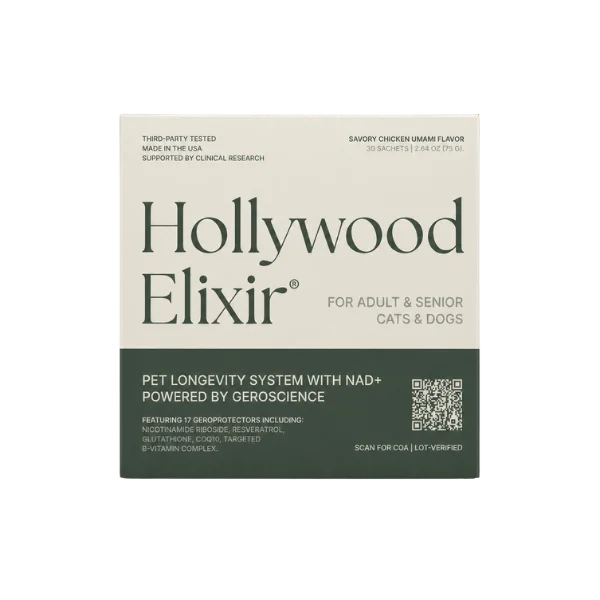
Hollywood Elixir™ is designed for whole-body vitality support—helping reinforce the broader systems that influence everyday energy, appetite steadiness, and resilience over time. It’s not positioned as a single-nutrient “fix,” but as a way to support the metabolic network that can feel more fragile with age, stress, or dietary transitions.

Few things unsettle a home faster than a cat who seems unlike themselves. A cat who once followed you from room to room now stays curled in one spot. A familiar appetite cue gets a slow blink instead of a trot. If you’re searching for “cat lethargic,” you’re likely trying to answer two questions at once: is this dangerous, and what can I do that’s genuinely helpful?

Lethargy in cats is a symptom—an outward sign that the body is conserving energy or coping with discomfort. Sometimes the cause is straightforward (a stressful change at home, a diet transition, mild dehydration). Other times it’s a signal to move quickly, especially when appetite drops or the change is sudden. The goal is not to diagnose at home, but to notice the right details and respond with good timing.

This page walks through what a lethargic cat can look like, why it happens, and how to support vitality with the basics—nutrition, hydration, comfort, and routine—plus thoughtful supplementation. Even when a diet is “complete,” cats can still benefit from system-level support that helps reinforce resilience across the life span, especially as stress, weight shifts, and aging narrow the margin for error. That’s the practical reason a science-minded owner may still choose a well-formulated supplement: not to replace food or veterinary care, but to support the broader network that keeps everyday energy steady.

By La Petite Labs Editorial, ~15 min read

Featured Product:

  • Lethargy is a change from your cat’s normal engagement, not a personality trait.
  • Look for quiet clues: grooming, posture, jumping, and social “check-ins.”
  • Sudden low energy—especially with appetite loss—should be treated as time-sensitive.
  • Diet quality and hydration can shape energy more than many owners expect.
  • Weight-loss plans must protect nutrient intake, not just reduce calories.
  • Stress can mimic illness; restoring predictability often restores spark.
  • Supplements are most useful as system-level support alongside veterinary care.

When Your Cat’s Spark Dims, the Details Start to Matter

A cat’s energy is a kind of quiet language. When that language changes—less curiosity, fewer greetings, longer hours tucked away—many owners wonder if it’s simply mood, weather, or age. But lethargy in cats is less about “laziness” and more about a shift in the body’s priorities, often toward conserving resources (Laflamme, 2020). The first step is noticing patterns: when it started, what else changed, and whether it’s truly fatigue or pain disguised as stillness.

This page focuses on what a lethargic cat can look like day to day, the common reasons energy dips, and how to support vitality without overpromising. Food quality, hydration, weight trends, and stress all matter, and they can interact in subtle ways (MacDonald ML, 1984). Supplements can also play a role—not as a replacement for veterinary care, but as system-level support for resilience over time.

Science-forward lab coat visual reinforcing credibility behind cat lethargic not eating.

Defining Lethargy in Cats Without Mistaking It for Personality

What is lethargy in cats? It’s a noticeable reduction in normal energy, engagement, and responsiveness—often paired with changes in posture, grooming, or social behavior. It can be mild (a cat who plays less) or profound (a cat who barely gets up). The key is comparison to your cat’s baseline, not to another cat’s personality.

What does lethargy look like in cats in real life? Fewer “check-ins,” reluctance to jump, sleeping in unusual places, or sitting with a tense, tucked posture. Some cats become unusually quiet; others become clingy. If you’re trying to decide how to tell if cat is lethargic, ask: is your cat choosing rest, or unable to rally when something they usually enjoy appears?

Still life of Hollywood Elixir and foods, reflecting premium what is lethargy in cats cues.

Common Reasons Energy Drops and How to Organize the Clues

Because lethargy in cats is a symptom, not a diagnosis, it helps to sort possibilities into categories: medical issues, diet and hydration, weight and fitness, pain and mobility, and stress. Many owners start with “why is my cat lethargic,” but the more useful question is “what else changed at the same time?”

Keep notes for your veterinarian: onset (sudden or gradual), appetite, water intake, vomiting/diarrhea, urination changes, breathing rate at rest, and any new foods or supplements. This kind of timeline can shorten the path to answers and reduce the temptation to guess.

Cat owner presenting supplement at home, reflecting routine supported by cat is lethargic and not eating.

Pain and Mobility: the Most Underestimated Cause of Quiet Cats

Pain is one of the most common reasons a cat seems “low energy,” because cats often hide discomfort. Instead of limping, you may see fewer jumps, shorter steps, or a preference for floor-level life. A cat lethargic presentation can also include irritability when touched, changes in grooming, or avoiding the litter box if entry is uncomfortable.

If you suspect pain, avoid giving human medications, which can be dangerous for cats. A veterinarian can assess mobility, dental health, and other sources of discomfort. Supportive care at home—soft bedding, easy access to food and water, and low-stress handling—can make a meaningful difference while you seek guidance.

Comparison graphic illustrating broader support profile aligned with what does a lethargic cat look like.

Food Transitions and Macronutrients That Influence Activity Patterns

Diet composition can influence activity and body composition in cats, including how energetic they seem across the day (Godfrey H, 2025). This doesn’t mean there’s one perfect macronutrient ratio for every cat, but it does mean that abrupt diet switches, low-quality formulations, or inconsistent feeding can show up as changes in behavior.

If you recently changed foods and noticed lethargy in cat routines afterward, consider whether the new diet is complete and well tolerated, and whether the transition was gradual. Digestive upset, reduced intake, or picky eating can quietly reduce total nutrient intake. When in doubt, bring the label and feeding amounts to your veterinarian for a practical review.

Hollywood Elixir™ is amazing and makes my 13 y/o kitty young again!

— Jessie

She hopped up onto the windowsill again—first time in years.

— Charlie

“Lethargy is rarely just laziness. It’s a change in capacity, comfort, or both.”

Weight Loss Plans That Protect Nutrients, Not Just Calories

Weight management is often recommended for long-term health, but it needs to be done with precision. In obese cats, restricting calories without a nutrient-dense formulation can reduce intake of essential amino acids and vitamins (Grant CE, 2020). That can matter because cats have specific requirements and limited flexibility compared with omnivores.

If your cat is on a diet and seems tired, don’t assume the plan is “working.” Ask whether the food is designed for safe restriction and whether the feeding amount is appropriate. A slower rate of loss with better nutrient coverage is often the more sustainable path—especially for older cats whose reserves are thinner.

Open gift-style box revealing Hollywood Elixir, reinforcing what is lethargy in cats premium feel.

Aging and Energy: What Changes Are Normal, What Aren’t

Age changes the backdrop. Senior cats may sleep more, but they should still have moments of interest and comfort. When owners ask, “what does a lethargic cat look like,” in older cats it can be a narrowing of life: fewer preferred perches, less grooming, and a reduced tolerance for normal household activity.

Because multiple conditions can overlap in later years, routine veterinary checkups become more valuable, not less. If your cat is lethargic and not eating, or if you see rapid decline, treat it as urgent rather than “just aging”. Supportive nutrition, hydration, and carefully chosen supplements can help maintain steadier days, even when the goal is simply comfort and continuity.

Active cat in motion outside, illustrating alertness supported by sudden lethargy in cats.

At-home Checks That Clarify Whether Your Cat Is Truly Lethargic

A simple home check can clarify whether you’re seeing true lethargy in cats or a temporary lull. Offer a favorite cue: a treat bag shake, a wand toy, or a window perch. Notice response time and follow-through. A healthy, resting cat usually “boots up” quickly; a lethargic cat may look interested but lack the energy to engage.

Also look at grooming and posture. A dull coat, unkempt fur, or sitting hunched can be early signals that something is off. If you’re unsure, take short videos over a few days; they can be surprisingly helpful in a veterinary visit, especially when symptoms come and go.

Professional lab coat image highlighting evidence-driven approach for how to tell if cat is lethargic.

Red Flags and Vet Timing: When Waiting Is the Wrong Move

When should you call the veterinarian? Any time lethargy is sudden, severe, or paired with appetite loss, vomiting, diarrhea, breathing changes, collapse, or hiding that’s out of character. If your cat is lethargic and not eating, don’t wait for it to “pass.” Cats can become dehydrated quickly, and prolonged fasting can be risky.

For milder changes, a planned appointment is still worthwhile—especially if the pattern persists beyond a day or two. Bring notes on diet, treats, weight changes, and any supplements. Lethargy in cats often becomes clearer when you look at the whole context rather than one symptom in isolation.

Eating and Drinking yet Still Flat: Reading the Full Picture

If you’re wondering, “my cat is lethargic but eating and drinking,” take that as useful information—not reassurance. Some cats will continue to eat even when they feel unwell, while others reduce play first and appetite later. Track the basics for 48 hours: water intake, litter box output, willingness to jump, grooming, and social behavior. A small decline across several areas can matter more than one dramatic sign (Laflamme, 2020).

Also consider friction points: is the food bowl near a loud appliance, did a new pet arrive, did you change diets, or is the home colder? Cats are sensitive to routine. When energy is low but appetite remains, supportive steps often include improving hydration opportunities and ensuring the diet is protein-forward and complete for cats’ obligate carnivore needs (MacDonald ML, 1984).

“A cat who eats can still be unwell; patterns matter more than single signs.”

Ingredient tableau with Hollywood Elixir, showing blend breadth for lethargy in cat.

Low Energy with No Appetite: Why Timing Becomes Critical

When a cat is lethargic and not eating, the timeline matters. A single skipped meal can happen, but ongoing appetite loss paired with low energy deserves prompt veterinary attention because cats can deteriorate quickly when they stop eating (Green, 2008). Note whether your cat is hiding, drooling, breathing differently, or reluctant to move—details that help a clinician triage urgency.

While you arrange care, keep the environment calm and warm, offer fresh water, and avoid forcing food. If diet changes or weight-loss efforts are underway, share that history; energy restriction can unintentionally reduce intake of essential amino acids and vitamins, which may contribute to low vitality in some situations (Grant CE, 2020).

Shop Now
Lifestyle shot of cat and Hollywood Elixir, aligned with why is my cat lethargic.

Sudden Changes in Energy: When to Treat It as Urgent

Sudden lethargy in cats is different from a slow drift into “slower days.” A rapid change suggests an acute stressor—pain, infection, toxin exposure, dehydration, or a flare of an underlying condition—and it’s wise to treat it as time-sensitive (Laflamme, 2020). If your cat is suddenly lethargic and not eating, that combination is especially concerning and should be discussed with a veterinarian promptly (Green, 2008).

Owners often ask how to tell if cat is lethargic versus simply resting. Look for loss of normal “micro-behaviors”: greeting you, changing sleeping spots, responding to treats, or showing interest in windows and sounds. A cat that sleeps but still engages between naps is different from a cat that seems unreachable.

Shop Now
Benchmark graphic showing formulation depth consistent with lethargy in cats.

Diet Quality and Completeness: the Hidden Foundation of Vitality

Nutrition is one of the most overlooked reasons a cat lethargic pattern can persist. Cats are obligate carnivores; they rely on a diet that consistently delivers adequate protein and essential nutrients to support energy and normal function (MacDonald ML, 1984). When diets are incomplete, poorly tolerated, or diluted by too many treats, the result can look like “just low energy,” even before obvious weight loss appears.

Weight-loss plans deserve extra care. In obese cats, energy restriction can reduce intake of amino acids and vitamins below recommended levels if the diet isn’t formulated for safe restriction (Grant CE, 2025). If your cat is on a reduced-calorie plan, ask your veterinarian whether the current food is designed for that purpose and whether the feeding amount still meets nutrient needs.

Shop Now

Hydration Habits That Quietly Shape Daily Energy and Mood

Hydration is a quiet driver of vitality. Even mild dehydration can make a cat seem flat—less playful, less social, more inclined to sleep. Because many cats don’t drink much from a bowl, small environmental changes can help: multiple water stations, wide ceramic bowls, or a fountain placed away from food and litter.

Wet food can also increase total water intake, and some cats respond well to adding a little warm water to meals. If you notice concentrated urine, fewer clumps in the litter box, or sticky gums, treat that as a signal to consult your veterinarian. Hydration support pairs well with broader metabolic support when you’re trying to restore steady, everyday energy.

Weight, Comfort, and Movement: a Loop Worth Gently Breaking

Body composition and activity are linked: when cats gain excess weight, they often move less, and moving less can further reduce fitness and confidence (Keller, 2020). This can create a loop where the cat appears older than they are. The goal isn’t “more exercise” in the abstract; it’s easier movement—comfortable jumps, short play bursts, and a willingness to explore.

If weight is part of the picture, modest, veterinarian-guided changes can help. Reduced-energy maintenance diets can support gradual weight reduction in overweight cats (Keller, 2020). Done well, that can improve overall comfort and may reduce the appearance of lethargy over time, especially when paired with enrichment that feels safe rather than demanding.

Hollywood Elixir box nestled in packaging, showing detail supporting what is lethargy in cats.

Stress and Routine Shifts That Can Masquerade as Illness

Stress can look like fatigue. A cat may conserve energy when the environment feels unpredictable—new schedules, visitors, construction noise, inter-cat tension. Instead of obvious fear, you may see a quieter cat: fewer interactions, less play, more hiding. This is one reason “why is my cat lethargic” doesn’t always have a single medical answer.

Support here is often about restoring control: predictable feeding times, multiple resting spots, and separate resources in multi-cat homes. Gentle play that ends before your cat is overwhelmed can rebuild confidence. When stress and aging overlap, system-level support can be useful because the body’s ability to adapt to change tends to narrow over time.

Shop Now
Product overview visual highlighting formulation integrity aligned with how to tell if cat is lethargic.

Where Supplements Fit: System Support Without Overpromising

Supplements are most helpful when they’re treated as part of a bigger picture: diet quality, hydration, weight trends, and veterinary oversight. Lethargy in cat households is often multifactorial, and a single “fix” is rarely the honest answer. What supplements can do—when thoughtfully formulated—is support the broader metabolic network that underpins steady energy, appetite regulation, and recovery from everyday stressors.

Quality signals matter: transparent sourcing, clear labeling, and conservative claims. If your cat has chronic disease, is on medications, or is pregnant or nursing, ask your veterinarian before adding anything new (Lewis KM, 2014). A good product should fit alongside medical care, not compete with it.

Shop Now

A Calm Next Step: Observe, Escalate, and Support over Time

A practical way to think about energy is “capacity.” Some cats have plenty of capacity but choose rest; others want to engage but can’t sustain it. If you’re asking what does a lethargic cat look like, the answer is often a cat who opts out of normal life: less grooming, less interest in play, fewer social bids, and a narrower range of behavior. That’s information worth acting on.

Start with observation and basics, then escalate appropriately. If signs are sudden, severe, or paired with appetite loss, treat it as urgent (Green, 2008). If the change is gradual, build a plan with your veterinarian and consider supportive tools that reinforce whole-body resilience—especially for cats entering midlife and beyond.

“The best support is layered: veterinary clarity, strong basics, then resilience tools.”

Educational content only. This material is not a substitute for veterinary advice. Always consult your veterinarian about your cat’s specific needs. These statements have not been evaluated by the Food and Drug Administration. Products mentioned are not intended to diagnose, treat, cure, or prevent any disease.

Glossary

  • Lethargy: A noticeable reduction in normal energy, engagement, and responsiveness.
  • Baseline Behavior: Your cat’s typical daily pattern of activity, appetite, and social interaction.
  • Acute Onset: A change that appears suddenly (hours to a day), often more urgent to assess.
  • Chronic Low Energy: A gradual or persistent reduction in activity lasting days to weeks.
  • Anorexia (In Cats): Reduced or absent appetite; in cats, prolonged appetite loss can be serious.
  • Hydration Status: A practical snapshot of water balance, influenced by drinking, wet food, and illness.
  • Obligate Carnivore: A species that requires animal-derived nutrients; cats have specific dietary needs.
  • Energy Restriction: Reducing calories for weight loss; must be managed to maintain nutrient intake.
  • Environmental Stressor: A change in home life (noise, new pets, routine shifts) that can alter behavior.

Related Reading

References

Grant CE. Dietary intake of amino acids and vitamins compared to NRC requirements in obese cats undergoing energy restriction for weight loss.. PubMed. 2020. https://pubmed.ncbi.nlm.nih.gov/33160364/

Grant CE. Ex vivo energy restriction in obese cats reveals more amino acid and vitamin intakes below recommendations with over-the-counter compared to veterinary weight-loss diets.. PubMed. 2025. https://pubmed.ncbi.nlm.nih.gov/41135581/

Godfrey H. Isoenergetic reduction of dietary macronutrients affects body composition, physical activity, and post-prandial hormone responses in lean and obese cats fed to maintain body weight.. PubMed. 2025. https://pubmed.ncbi.nlm.nih.gov/40458765/

Keller. Use of reduced-energy content maintenance diets for modest weight reduction in overweight cats and dogs. PubMed. 2020. https://pubmed.ncbi.nlm.nih.gov/32388022/

MacDonald ML. Nutrition of the domestic cat, a mammalian carnivore.. PubMed. 1984. https://pubmed.ncbi.nlm.nih.gov/6380542/

Laflamme. Understanding the Nutritional Needs of Healthy Cats and Those with Diet-Sensitive Conditions. PubMed. 2020. https://pubmed.ncbi.nlm.nih.gov/32646606/

Green. Cats Are Able to Adapt Protein Oxidation to Protein Intake Provided Their Requirement for Dietary Protein Is Met. 2008. https://www.sciencedirect.com/science/article/pii/S0022316622098182

Lewis KM. Failure of efficacy and adverse events associated with dose-intense diminazene diaceturate treatment of chronic Cytauxzoon felis infection in five cats.. PubMed Central. 2014. https://pmc.ncbi.nlm.nih.gov/articles/PMC11383126/

Pedersen NC. Efficacy and safety of the nucleoside analog GS-441524 for treatment of cats with naturally occurring feline infectious peritonitis.. PubMed. 2019. https://pubmed.ncbi.nlm.nih.gov/30755068/

Ballin AC. Limited efficacy of topical recombinant feline interferon-omega for treatment of cats with acute upper respiratory viral disease.. PubMed. 2014. https://pubmed.ncbi.nlm.nih.gov/25457261/

Gokalsing. Efficacy of GS-441524 for Feline Infectious Peritonitis: A Systematic Review (2018–2024). 2025. https://www.mdpi.com/2076-0817/14/7/717

Peloquin. Presumed Choline Chloride Toxicosis in Cats With Positive Ethylene Glycol Tests After Consuming a Recalled Cat Food. 2021. https://www.sciencedirect.com/science/article/pii/S1938973621000416

Summers S. Evaluation of iron, copper and zinc concentrations in commercial foods formulated for healthy cats.. PubMed Central. 2022. https://pmc.ncbi.nlm.nih.gov/articles/PMC10812249/

Knight TE. Lead toxicosis in cats-a review.. PubMed Central. 2003. https://pmc.ncbi.nlm.nih.gov/articles/PMC10822269/

RVA. Toxic element levels in ingredients and commercial pet foods.. PubMed Central. 2021. https://pmc.ncbi.nlm.nih.gov/articles/PMC8546090/

FAQ

What is a lethargic cat, in everyday terms?

A lethargic cat shows a clear drop in normal interest, movement, and responsiveness compared with their usual baseline. It’s less about sleeping a lot (many cats do) and more about failing to “switch on” for things they typically enjoy, like food cues, play, or attention.

Because lethargy is a symptom, it’s best viewed as a prompt to observe patterns and involve your veterinarian when changes are sudden or paired with other signs. For ongoing, whole-body vitality support, many owners also consider Hollywood Elixir™.

What does a lethargic cat look like at home?

Common signs include hiding more, grooming less, moving slowly, avoiding jumps, and seeming “far away” even when awake. Some cats become unusually quiet; others become clingy. The key is a change from normal behavior, not a single isolated nap.

If the change is sudden, severe, or paired with appetite loss, contact your veterinarian promptly. For cats who need steady, system-level support over time, owners often addHollywood Elixir™ to a broader wellness plan.

How can I tell if my cat is lethargic?

Try a simple “baseline test”: offer a favorite cue (treat bag, wand toy, window perch) and watch response time and follow-through. A resting cat usually engages quickly; a lethargic cat may show brief interest but can’t sustain it.

Also note grooming, posture, and litter box habits, since subtle discomfort or dehydration can flatten energy. To support everyday vitality alongside good basics, considerHollywood Elixir™ as part of a whole-body approach.

Why is my cat lethargic but still eating normally?

Some cats keep eating even when they feel unwell, so appetite alone doesn’t rule out a problem. Low energy with normal eating can reflect pain, stress, early illness, or a diet/hydration mismatch that hasn’t yet affected appetite.

Track water intake, jumping, grooming, and social behavior for a day or two, and share those notes with your veterinarian if it persists. For longer-term resilience support, many owners choose Hollywood Elixir™ to complement foundational care.

Why is my cat suddenly lethargic and not eating?

A sudden drop in energy plus appetite loss is a red-flag combination. It can be associated with acute pain, infection, dehydration, toxin exposure, or a flare of an underlying condition, and it should be discussed with a veterinarian promptly.

While you arrange care, keep your cat warm and quiet, offer fresh water, and avoid forcing food. After the immediate issue is addressed, ongoing vitality support can include Hollywood Elixir™ as part of a veterinarian-informed plan.

Is lethargy in cats always a medical emergency?

Not always. Mild, short-lived low energy can follow a stressful day, a minor routine change, or a hot afternoon. But sudden, severe, or persistent lethargy—especially with appetite loss, vomiting/diarrhea, breathing changes, or hiding—should be treated as urgent.

If your veterinarian rules out urgent causes, the next step is supporting the basics (diet, hydration, comfort) and then considering broader resilience support such as Hollywood Elixir™ for steady, day-to-day vitality.

Can dehydration make a cat lethargic?

Yes. Even mild dehydration can reduce activity and make a cat seem “flat,” especially if they already drink little from a bowl. You might notice fewer urine clumps, darker urine, or a general reluctance to move around.

Offer multiple water stations, consider a fountain, and discuss wet-food strategies with your veterinarian if hydration is a recurring issue. For broader support that complements hydration habits, consider Hollywood Elixir™ as part of a whole-cat plan.

Can diet changes cause lethargy in cats?

They can. A rapid switch may reduce intake, trigger digestive upset, or simply lead to a cat eating less than you realize. Diet composition can also influence activity patterns and body composition over time(Godfrey H, 2025).

If energy dips after a change, review the transition pace and confirm the food is complete and appropriate for your cat’s life stage. For additional, system-level vitality support during transitions, considerHollywood Elixir™.

Could weight loss dieting make my cat low energy?

It’s possible if calories are reduced without protecting nutrient density. In obese cats, energy restriction can lower intake of essential amino acids and vitamins if the diet isn’t formulated for safe restriction(Grant CE, 2020). That can show up as reduced vitality, coat changes, or less interest in play.

Ask your veterinarian whether the current food and feeding amount still meet nutrient needs while weight is coming down. To support resilience while you refine the plan, considerHollywood Elixir™as a complementary option.

What should I monitor when my cat is lethargic?

Track appetite, water intake, litter box output, grooming, willingness to jump, and social responsiveness. Note onset (sudden vs gradual) and any changes in food, treats, household routine, or new medications. This context helps your veterinarian interpret the symptom.

Short videos of movement and posture can also be useful. For ongoing support aimed at steadier day-to-day vitality, many owners incorporate Hollywood Elixir™ into a broader wellness routine.

When should I call the vet for low energy?

Call promptly if low energy is sudden, severe, or paired with not eating, repeated vomiting/diarrhea, breathing changes, collapse, or unusual hiding. Cats can decline quickly when appetite drops, so it’s better to ask early than wait.

For milder changes that persist beyond a day or two, schedule a visit and bring notes on diet, hydration, and behavior. After medical causes are addressed, consider supportive options like Hollywood Elixir™ for whole-body vitality.

Are supplements safe for a lethargic cat?

They can be, but safety depends on the cat’s health status, current medications, and the product’s quality and dosing guidance. Cats are sensitive to certain ingredients, and “natural” doesn’t automatically mean appropriate. If your cat has chronic disease, is pregnant/nursing, or takes prescriptions, check with your veterinarian first(Lewis KM, 2014).

Choose products with clear labeling and conservative claims. For system-level vitality support that fits alongside veterinary care, considerHollywood Elixir™.

Can supplements replace a vet visit for lethargy?

No. Lethargy can signal problems that need diagnosis, especially when it’s sudden or paired with appetite loss or other symptoms. Supplements are best used after urgent causes are ruled out, or alongside a veterinary plan, to support overall resilience rather than to “fix” an unknown issue.

Think of supplements as supportive infrastructure: helpful for steadier energy and recovery capacity, but not a substitute for medical evaluation. For that kind of support, consider Hollywood Elixir™ within a veterinarian-guided routine.

How long does it take to see energy improvements?

Timelines depend on the cause. If low energy is driven by hydration, diet acceptance, or stress, you may notice small changes within days. If it’s related to weight, conditioning, or age-related decline, improvements are usually gradual and measured in weeks, not hours(Keller, 2020).

A useful approach is to track one or two behaviors (jumping, play bursts, grooming) rather than relying on a general impression. For steady, long-view support, considerHollywood Elixir™as part of a consistent routine.

What quality signals matter when choosing a cat supplement?

Look for clear ingredient lists, straightforward feeding directions, and a brand that avoids dramatic medical promises. It’s also reasonable to prefer products with transparent sourcing and manufacturing standards, since cats can be sensitive to formulation details(Lewis KM, 2014).

If your cat takes medications or has a diagnosed condition, ask your veterinarian to review the label for compatibility. For a system-level approach to vitality, many owners chooseHollywood Elixir™as a practical option.

How do I give a supplement to a picky cat?

Start small and keep the experience neutral. Mix with a strongly preferred wet food, offer at the same time daily, and avoid turning it into a struggle. Some cats accept supplements better when the food is slightly warmed to enhance aroma.

If your cat refuses meals when something new is added, pause and reassess with your veterinarian—maintaining normal intake matters. For a supplement designed to fit into daily routines, consider Hollywood Elixir™.

Can stress at home cause low energy in cats?

Yes. Cats often respond to uncertainty by shrinking their world: less play, more hiding, fewer social bids. Stress-related low energy can be triggered by new pets, schedule changes, noise, or resource competition, and it may look like illness even when appetite is normal.

Restoring predictability—separate bowls and litter boxes, quiet resting spots, gentle play—can help. For additional support aimed at resilience during change, consider Hollywood Elixir™ as part of a steady routine.

Does being overweight make cats seem more tired?

Often, yes. Overweight cats may move less because movement is harder, and reduced movement can further reduce conditioning and confidence. Studies note that overweight cats commonly exhibit lethargy and may improve with appropriate dietary changes.

The goal is gradual, veterinarian-guided change that preserves nutrient intake and comfort. Alongside weight and mobility strategies, some owners use Hollywood Elixir™ for broader vitality support.

Is lethargy different in kittens versus adult cats?

Yes. Kittens typically have frequent bursts of play and curiosity, so a sustained drop in energy is more noticeable and can be more concerning. Adults may have calmer baselines, but a clear change still matters. In any age, sudden low energy paired with not eating warrants prompt veterinary input.

For adult and senior cats, long-term vitality support often focuses on consistency: diet quality, hydration, comfort, and gentle enrichment. Many owners also consider Hollywood Elixir™ for system-level support.

Can cats and dogs show lethargy for similar reasons?

Some causes overlap—pain, infection, dehydration, stress—but cats often hide discomfort more effectively and may show fewer obvious signs until later. Cats also have distinct dietary needs as obligate carnivores, so nutrition-related issues can present differently.

If you’re comparing species, focus on your individual pet’s baseline and changes from normal. For cats needing steady vitality support as part of a broader plan, consider Hollywood Elixir™.

What’s a sensible decision framework for ongoing low energy?

Start with urgency: sudden or severe changes, or appetite loss, go to the veterinarian first. If urgent causes are ruled out, tighten the basics—complete diet, hydration opportunities, comfortable environment, and gentle activity. Then reassess in a structured way using a short daily log.

If the pattern persists, ask your veterinarian about pain, dental health, and age-related conditions, and consider system-level support to reinforce resilience. Many owners choose Hollywood Elixir™ as part of that longer view.

5K+ Happy Pet Parents

Excellent 4.8

Lethargic Cat | Why Thousands of Pet Parents Trust Hollywood Elixir™

"My go-to nutrient-dense topper. Packed with 16 powerful anti-aging actives and superfoods!"

Chanelle & Gnocchi

"We go on runs pretty often; he use to get tired halfway through, but lately, he's been keeping up without any problem."

Cami & Clifford

"He seems more happy overall. I've also noticed he has more energy which makes our walks and playtime so much more fun."

Olga & Jordan

"I want her to live forever. She hasn't had an ear infection since!"

Madison & Azula

"My go-to nutrient-dense topper. Packed with 16 powerful anti-aging actives and superfoods!"

Chanelle & Gnocchi

"We go on runs pretty often; he use to get tired halfway through, but lately, he's been keeping up without any problem."

Cami & Clifford

"He seems more happy overall. I've also noticed he has more energy which makes our walks and playtime so much more fun."

Olga & Jordan

"I want her to live forever. She hasn't had an ear infection since!"

Madison & Azula

"My go-to nutrient-dense topper. Packed with 16 powerful anti-aging actives and superfoods!"

Chanelle & Gnocchi

"We go on runs pretty often; he use to get tired halfway through, but lately, he's been keeping up without any problem."

Cami & Clifford

"He seems more happy overall. I've also noticed he has more energy which makes our walks and playtime so much more fun."

Olga & Jordan

"I want her to live forever. She hasn't had an ear infection since!"

Madison & Azula

"My go-to nutrient-dense topper. Packed with 16 powerful anti-aging actives and superfoods!"

Chanelle & Gnocchi

"We go on runs pretty often; he use to get tired halfway through, but lately, he's been keeping up without any problem."

Cami & Clifford

"He seems more happy overall. I've also noticed he has more energy which makes our walks and playtime so much more fun."

Olga & Jordan

"I want her to live forever. She hasn't had an ear infection since!"

Madison & Azula

SHOP NOW