
Heart Health for Cats

Recognize Circulatory Warning Signs and Choose Nutrition That Supports Lungs, Kidneys, and Energy

By La Petite Labs Editorial 15 min read

When a cat’s heart is under strain, the first signs are often ordinary moments that look slightly “off”: a shorter play session, a longer pause after climbing, or breathing that seems faster during sleep. The most useful approach is to make daily life predictable enough that small changes stand out, then pair those observations with the right veterinary testing. In cats, hypertrophic cardiomyopathy is a common heart muscle disorder, and it can be present even when a cat appears normal.

This page focuses on two practical clinical areas that shape most owner decisions: common feline cardiomyopathy patterns (especially hypertrophic cardiomyopathy) and nutrition-linked risk, with taurine as the key example. For feline cardiovascular support, “support” should mean protecting normal physiology—diet completeness, hydration, weight stability, and a calmer home environment—while avoiding the trap of trying to treat disease with over-the-counter products. Taurine deficiency has been associated with myocardial failure and a reversible cardiomyopathy pattern in some cats, which is why diet history and, in select cases, taurine testing can matter.

Owners will also find concrete tools here: an at-home checklist, what to log between vet visits, questions to bring to the clinic, and what not to do when worry leads to rapid changes. The goal is a heart-friendly aging routine that preserves comfort and creates clean information for the veterinarian—so decisions feel less erratic and more grounded.

  • Supporting cat heart function starts with diet completeness, hydration, stress reduction, and early tracking—not hype or guesswork.
  • Most cats with early heart muscle disease look normal; subtle shifts in play tolerance and breathing can be the first clues.
  • Taurine is essential for cats, and low taurine has been linked to a reversible cardiomyopathy pattern in some cases; diet history matters.
  • A heart-friendly home reduces sudden exertion with ramps, step stools, and calmer multi-pet logistics.
  • Use a simple “what to log between vet visits” rubric: resting breathing during sleep, weight trend, appetite, and activity range.
  • Cat heart health supplements should be treated as optional add-ons; stacking products can create safety risks and confusion.
  • Bring videos, labels, and a short log to the veterinarian to make feline cardiovascular support more targeted and less erratic.

Why Daily Routines Matter for Feline Heart Function

A cat’s heart is asked to do the same job every minute: fill, squeeze, and relax with enough flexibility to match sleep, play, and stress. When that flexibility narrows, small daily changes—less interest in play, faster breathing after mild exertion—can be the earliest clues. In cats, hypertrophic cardiomyopathy is a common heart muscle problem, and it can exist quietly before obvious signs appear (Kittleson, 2021). “Support” for feline cardiovascular support means protecting the conditions that let the heart work predictably: stable hydration, appropriate calories, and a diet that reliably meets essential nutrients.

Daily routines matter because cats hide weakness. A calm feeding schedule, consistent litter access, and low-drama transitions between rooms reduce sudden surges in activity that can expose limited cardiac range. Owners can help by noticing baseline patterns—how long a cat plays before stopping, how quickly breathing returns to normal, and whether sleep positions change. The goal is not to “train” the heart, but to keep the household predictable enough to spot drift early.

Diet Foundations That Protect Cardiac Range

Diet is the most consistent lever for supporting cat heart function because it controls sodium load, calorie balance, and key amino acids. Taurine is especially important in cats; low taurine has been associated with myocardial failure and a reversible cardiomyopathy pattern in some cases (Pion, 1987). Most complete and balanced commercial cat foods are formulated to meet taurine needs, but intake can still vary with food choice, appetite, and feeding method. Plasma taurine is influenced by dietary taurine content, which is why veterinarians may use it as a marker when diet history is uncertain (Earle, 1991).

At home, the practical step is consistency: avoid frequent brand-hopping, measure portions, and keep treats from becoming a hidden “second diet.” If a cat eats a boutique or homemade plan, the risk is not just missing one nutrient—it is losing the buffer that comes from a tested formulation. For multi-cat homes, separate feeding can prevent one cat from quietly eating less and drifting into a nutrient gap that is hard to notice until stamina changes.

Hydration Habits That Support Circulation and Comfort

Water balance is a heart issue in disguise. The heart depends on enough circulating volume to fill properly, yet too much retained fluid can strain lungs and breathing. Cats are prone to subtle dehydration, especially when eating mostly dry food, and that can make the cardiovascular system feel more “tight” during normal activity. Supporting feline cardiovascular support often starts with hydration strategies that keep the body’s fluid handling within a comfortable range rather than swinging between dry days and sudden catch-up drinking.

A simple routine is to offer multiple water stations, add a water fountain if the cat prefers movement, and consider a veterinarian-approved shift toward higher-moisture meals. Litter box output is a useful household mirror: smaller clumps, darker urine, or fewer daily visits can signal a hydration drift. When hydration is steadier, owners often find energy and appetite become more predictable, which makes it easier to tell whether a change is “just a day” or a real trend.

Weight Stability as a Heart-friendly Goal

Weight management is cardiovascular management. Extra body fat raises the work of breathing and can narrow a cat’s activity range, while being underweight can reduce muscle support and shorten the repair window after illness. For cats with suspected heart disease, the goal is a stable, appropriate body condition that avoids rapid swings. This is also where cat heart health supplements can be misunderstood: supplements cannot “outvote” chronic overfeeding, and they cannot substitute for a diet that is complete and balanced.

Owners can make weight changes calmer by adjusting food in small steps and keeping play sessions short but frequent. Puzzle feeders and scatter feeding can reduce stress-eating while still respecting a cat’s preference for multiple small meals. If a cat is losing weight without a plan, that is not a “good sign” for the heart—it is a reason to schedule a veterinary visit and bring a recent weight log.

Murmurs, Myths, and What They Really Mean

A common misconception is that a heart murmur automatically means heart failure. In cats, murmurs can occur for several reasons, and some cats with significant cardiomyopathy have no murmur at all (Kittleson, 2021). What matters is how the heart muscle fills and relaxes, how blood moves through chambers, and whether fluid is backing up toward the lungs. That is why feline cardiovascular support is best framed as risk management and early detection, not as a single “fix.”

At home, the most helpful response to a newly noted murmur is not to restrict all activity or panic-change diets. Instead, keep routines stable while arranging the recommended diagnostics, such as an echocardiogram if advised. Owners can note whether the cat’s play tolerance has changed, whether grooming is less thorough, and whether resting posture looks more guarded. These observations give the veterinarian context that a stethoscope alone cannot provide.

“Support starts with a predictable routine that makes small changes easier to see.”

A Realistic Scenario: Subtle Changes That Deserve Attention

Case vignette: A 10-year-old indoor cat begins stopping halfway up the stairs and choosing cooler floor spots to rest. Appetite stays normal, but the cat no longer joins evening play and seems calmer in a way that feels “flat.” At a wellness visit, a mild murmur is heard, and the owner mentions that breathing looks faster after zoomies. This is the moment when supporting cat heart function becomes practical: documenting baseline breathing and scheduling the right heart imaging rather than guessing from behavior alone (Kittleson, 2021).

In the household, the best immediate change is to reduce sudden exertion triggers—block access to high shelves temporarily, add step stools, and keep play in shorter bursts. Avoid forcing exercise “for conditioning.” Cats with limited cardiac flexibility may look fine until they are pushed past their comfortable range, and the owner’s job is to keep daily life predictable while the medical picture is clarified.

Owner Checklist for Early Heart-related Clues

Owner checklist: several at-home observations can help flag when feline cardiovascular support needs to shift from “general wellness” to “call the clinic.” Watch for (1) resting breathing that seems faster or more effortful, (2) hiding more than usual or choosing low-traffic rooms, (3) reduced grooming or a duller coat from fatigue, (4) sudden reluctance to jump or climb, and (5) appetite changes paired with lower activity. These are not diagnoses, but they are actionable signals that the heart-lung system may be losing range.

To make the checklist useful, tie it to a routine: a 30-second look during a daily quiet moment, plus a weekly note in a phone log. The point is not to watch a cat constantly, but to notice drift. If any sign appears suddenly—especially breathing effort or collapse—treat it as urgent rather than waiting for the next scheduled appointment.

What to Track Between Vet Visits

What to track between vet visits works best as a small rubric, not a long diary. Useful progress indicators include: resting respiratory rate during sleep, number of play bursts before the cat stops, appetite consistency, water intake pattern, litter clump size, and body weight trend. For cats with known cardiomyopathy, veterinarians often emphasize breathing patterns because fluid in or around the lungs can change comfort quickly. Tracking is not about perfection; it is about catching a shift early enough to preserve a repair window.

Choose one time of day for measurements so the numbers are comparable. Avoid counting right after play or a stressful event. If the cat resists handling, tracking can be indirect: note sleep posture, how often the cat changes spots, and whether purring occurs with normal ease. These small markers help owners describe “less erratic” versus “clearly worse” in a way a clinic can act on.

Supplements in Context: Taurine and Beyond

Supplementation for cats should start with a reality check: the foundation is a complete diet, and any add-on should be chosen for safety and fit. Taurine is the classic example of a nutrient tied to feline heart muscle health; low plasma taurine has been linked to myocardial failure and recovery after correction in affected cats (Pion, 1987). However, taurine deficiency is not the main driver of most feline hypertrophic cardiomyopathy cases, so “taurine for every murmur” is not a sound assumption. Cat heart health supplements are most ethical when they support normal physiology without replacing diagnostics.

Owners should treat supplements like any other variable: change one thing at a time, then reassess. Bring the exact label to the veterinarian, including inactive ingredients and flavorings. If a cat eats a therapeutic diet, adding extras can unintentionally unbalance the plan. The goal is a calmer, more predictable routine—not a crowded cabinet of products.

Safety First: Avoiding Excess and Hidden Risks

Quality and safety matter more than novelty in feline cardiovascular support. Cats are sensitive to excesses of certain vitamins and minerals, and “more” is not automatically safer. Vitamin D toxicity from pet foods has been documented in cats, illustrating how over-supplementation or formulation errors can create serious risk (Vecchiato, 2021). This is why heart-focused stacks that combine multiple fortified products can be a problem even when each item looks reasonable alone.

A safer household approach is to pick one supplement goal, confirm it does not duplicate what the diet already provides, and keep the dose consistent rather than sporadic. Avoid human supplements unless a veterinarian explicitly approves them; sweeteners, essential oils, and concentrated extracts can be inappropriate for cats. If vomiting, diarrhea, or appetite drop begins after a new product, stop it and report the timing to the clinic.

“A supplement plan is safest when it changes one variable at a time.”

La Petite Labs

DVM Voice: Clinical Vignette of a Common Pattern in Senior Cat Aging

Case provided by JoAnna Pendergrass, DVM

Sasha, a 12-year-old cat, was brought in after her owner noticed increased thirst and urination, lethargy, vomiting, and a generally unkempt appearance. Examination showed weight loss, elevated blood pressure, and reduced vitality.

Diagnostic testing revealed elevated kidney markers, poorly concentrated urine, and protein loss in the urine — findings consistent with chronic kidney disease, one of the most common chronic conditions in senior cats.

Her care required a kidney-focused diet, blood pressure management, targeted supplementation, medication support, and regular monitoring — a necessary plan, but one started after clinical signs were already visible.

Clinical takeaway: Sasha’s case reflects why senior-cat wellness should begin before obvious decline. Earlier monitoring, body-condition tracking, hydration awareness, antioxidant support, and daily cellular resilience may help support quality of life as cats age.

Single-case vignette. Not generalizable. Veterinary diagnosis and monitoring are essential for increased thirst, urination, vomiting, lethargy, weight loss, or suspected kidney disease.

Explore Hollywood Elixir Research →
taurine sufficiency and home monitoring signals - 9

Medications Versus Supplements: Knowing the Difference

Medication decisions belong to a veterinarian, but owners benefit from understanding the “why.” Some cats with heart disease may be prescribed drugs that support cardiac pumping or circulation, depending on the diagnosis and stage. A practical evidence-based review discusses pimobendan use in cats and emphasizes case selection and clinician guidance rather than one-size-fits-all use (Gordon, 2025). This context helps owners avoid substituting over-the-counter cat heart health supplements for therapies that require monitoring.

At home, medication success often depends on routine design: pairing dosing with a predictable event, using a calm handling method, and confirming the cat actually swallowed the dose. Owners should never change prescription timing or add new supplements without checking for interactions. If a cat becomes suddenly weak, collapses, or has open-mouth breathing, treat it as urgent rather than waiting to “see if the next dose helps.”

taurine sufficiency and home monitoring signals - 10

How to Prepare for a Vet or Cardiology Visit

Vet visit prep is most effective when it turns vague worry into shareable data. Bring: a 2-week log of resting breathing counts, any videos of coughing-like episodes or labored breathing, the exact diet and treat list, and all supplement labels. Ask targeted questions: (1) “Is an echocardiogram recommended, and what will it change?” (2) “Should taurine be measured based on this diet history?” (3) “What home signs mean same-day care?” and (4) “What activity level is appropriate right now?” These questions align household routines with the diagnostic plan.

Also share context that owners often forget: recent anesthesia, new flea/tick products, appetite shifts, and any episodes of sudden hind-limb weakness. Even if the heart is the focus, the veterinarian is assembling a whole-body picture that affects safe choices. Clear prep reduces repeat visits and helps the cat’s plan feel calmer and more predictable.

taurine sufficiency and home monitoring signals - 11

What Not to Do When Worry Sets In

What not to do: common mistakes can unintentionally narrow a cat’s comfort range. Avoid (1) abruptly switching to a low-sodium or “heart” diet without veterinary direction, (2) forcing intense play to “build stamina,” (3) stacking multiple supplements with overlapping vitamins, and (4) ignoring subtle breathing changes because the cat is still eating. Another frequent misstep is assuming every tired older cat has “just aging,” when aging can reduce the repair window for underlying disease.

Instead, change one variable at a time, then reassess. If diet is adjusted, keep treats stable so the change is interpretable. If a supplement is added, do not add a second one for at least a few weeks unless a veterinarian advises otherwise. This approach keeps the household from becoming erratic and makes it easier to tell whether supporting cat heart function is actually matching the cat’s needs.

Aging Cats: Narrower Repair Windows, Smarter Routines

Aging changes how cats handle nutrient gaps and illness, which is why heart-friendly routines often become more important with time. Recent work links taurine deficiency with dilated cardiomyopathy and aging, suggesting older animals may be at higher risk for taurine-related cardiac vulnerability in certain contexts (Ito, 2024). That does not mean older cats should be automatically supplemented; it means diet history, appetite stability, and overall health should be reviewed more carefully as years add up.

In practice, aging-friendly feline cardiovascular support looks like reducing household stressors: warmer resting spots, easier access to favorite perches, and fewer sudden schedule changes. Senior cats also benefit from more frequent weigh-ins and earlier checkups when behavior shifts. When the routine is calmer, small declines are easier to spot—and easier to discuss with a veterinarian before they become crises.

Secondary Causes That Change the Plan

Infectious and inflammatory issues can occasionally intersect with heart findings, which is one reason diagnostics matter. A reported case described a transient dilated cardiomyopathy phenotype alongside positive Bartonella serology, highlighting that not every heart change is purely “degenerative” (Ditzler, 2025). This is secondary context, but it reinforces a key point: the right support plan depends on the cause, and guessing can delay appropriate care.

Owners can help by sharing exposure history: flea control consistency, outdoor access, new cats in the home, and recent bite wounds or abscesses. These details can feel unrelated to supporting cat heart function, yet they influence what a veterinarian considers. Keeping a simple timeline of symptoms and life events often makes the next steps clearer and less erratic.

Home Setup Changes That Reduce Sudden Demand

A heart-supportive home is designed to reduce sudden demand. Cats with limited cardiac flexibility do better when they can choose gradual movement: ramps to favorite windows, step stools to beds, and multiple resting zones so they do not feel forced to “push through.” This is not about fragility; it is about keeping activity within a comfortable range so the cat’s day stays predictable. Environmental support is a legitimate part of feline cardiovascular support because it changes how often the heart is asked for abrupt output.

Noise and conflict also matter. In multi-pet homes, separate feeding and multiple litter boxes reduce chasing and guarding behaviors that trigger sudden exertion. Short, low-intensity play—wand toys at ground level, gentle chasing for 30–60 seconds—can maintain engagement without forcing long sprints. Owners should aim for calmer patterns, not maximum activity.

Where Cat Heart Health Supplements Can Fit

When owners look at cat heart health supplements, it helps to separate “core nutrition” from “supportive context.” Core nutrition means the diet reliably supplies essentials like taurine; supportive context means ingredients chosen to support normal cellular energy handling and antioxidant balance as part of a daily plan. This is where a multi-ingredient option can make sense for some households, provided it is used consistently and discussed with a veterinarian when a cat has diagnosed heart disease or takes prescriptions.

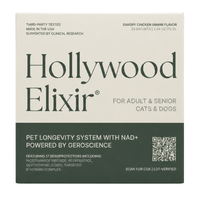
Hollywood Elixir can be considered as an optional add-on that supports normal aging physiology and cellular resilience, which may help owners keep routines calmer and more predictable over time. It should not be positioned as a cardiac treatment, and it should not replace diagnostics, prescription therapy, or diet correction. The most responsible use is as one variable in a broader plan: diet first, routine second, and supplements last.

Adjusting over Time Without Making the Routine Erratic

Adjusting over time is the real skill in supporting cat heart function. The heart’s needs can change with seasons, appetite shifts, dental pain, or new household stress, so the plan should be revisited rather than “set and forget.” Owners who track a few progress indicators and keep diet changes incremental often catch problems earlier and avoid erratic cycles of panic switching. The goal is a stable baseline that gives the veterinarian clean information to work with.

A practical cadence is monthly weight checks, weekly notes on play tolerance, and periodic resting breathing counts during deep sleep. If the log shows drift, the next step is not adding three new products—it is contacting the clinic with the data and asking what to change first. That approach protects the cat’s comfort and preserves the repair window when intervention is most effective.

“Breathing patterns during sleep can be a practical early progress indicator.”

Educational content only. This material is not a substitute for veterinary advice. Always consult your veterinarian about your dog’s specific needs. These statements have not been evaluated by the Food and Drug Administration. Products mentioned are not intended to diagnose, treat, cure, or prevent any disease.

Glossary

  • Hypertrophic cardiomyopathy (HCM) - Thickening of the heart muscle that can affect filling and relaxation.
  • Dilated cardiomyopathy (DCM) - A condition where the heart chambers enlarge and pumping can weaken; in cats it has been linked to taurine deficiency in some cases.
  • Taurine - An essential amino acid-like nutrient for cats, important for normal heart and eye function.
  • Echocardiogram - Ultrasound imaging of the heart used to assess structure and function.
  • Resting respiratory rate - The number of breaths per minute while a cat is asleep or deeply resting.
  • Pulmonary edema - Fluid accumulation in the lungs that can cause breathing distress.
  • Pleural effusion - Fluid around the lungs that can restrict breathing.
  • Complete and balanced diet - A pet food formulated to meet established nutrient requirements for a life stage.
  • Supplement stacking - Using multiple supplements or fortified products that overlap ingredients, increasing excess risk.

Related Reading

References

Pion. Myocardial failure in cats associated with low plasma taurine: a reversible cardiomyopathy. PubMed. 1987. https://pubmed.ncbi.nlm.nih.gov/3616607/

Earle. The effect of dietary taurine content on the plasma taurine concentration of the cat. PubMed. 1991. https://pubmed.ncbi.nlm.nih.gov/1760443/

Ito. Taurine deficiency associated with dilated cardiomyopathy and aging. 2024. https://www.sciencedirect.com/science/article/pii/S1347861323000749

Ditzler. Transient dilated cardiomyopathy phenotype and positive Bartonella serology in a cat. 2025. https://www.sciencedirect.com/science/article/pii/S176027342500102X

Gordon. Use of pimobendan in cats: a practical evidence-based review. PubMed Central. 2025. https://pmc.ncbi.nlm.nih.gov/articles/PMC12701260/

Vecchiato. Case Report: A Case Series Linked to Vitamin D Excess in Pet Food: Cholecalciferol (Vitamin D3) Toxicity Observed in Five Cats. PubMed Central. 2021. https://pmc.ncbi.nlm.nih.gov/articles/PMC8416511/

Kittleson. The Feline Cardiomyopathies: 2. Hypertrophic cardiomyopathy. PubMed Central. 2021. https://pmc.ncbi.nlm.nih.gov/articles/PMC8642168/

FAQ

What does heart support mean for cats day to day?

Day-to-day heart support means keeping the body conditions around the heart predictable: a complete diet, stable hydration, appropriate calories, and low household stress. It also means noticing small changes early, because cats often hide reduced stamina.

If breathing effort, collapse, or sudden weakness occurs, support shifts from “routine” to urgent veterinary care. The most helpful home plan is one that makes changes incremental and trackable.

What are early signs a cat’s heart may be struggling?

Early signs are often subtle: shorter play bursts, reluctance to jump, more hiding, less grooming, or faster breathing after mild activity. Some cats choose cooler, low-traffic resting spots because exertion feels harder.

Owners can count resting breaths during sleep and note whether the pattern is drifting over weeks. Any sudden open-mouth breathing, collapse, or marked breathing effort should be treated as urgent.

Is a heart murmur the same as heart disease?

No. A murmur is a sound that can occur for different reasons, and it does not automatically mean heart failure. Some cats with significant cardiomyopathy may have no murmur at all, while others have a murmur with minimal disease.

The next step is usually targeted diagnostics, such as an echocardiogram if recommended. Keeping routines calm while gathering data is more useful than panic-changing diet or activity.

Which heart condition is most common in cats?

Hypertrophic cardiomyopathy is one of the most common heart muscle disorders discussed in cats. It involves thickening of the heart muscle that can affect filling and relaxation, sometimes long before obvious symptoms appear.

Because early disease can be quiet, home monitoring and consistent routines are valuable. A veterinarian can explain what stage means for activity, follow-up timing, and what changes should trigger a same-day call.

How does taurine relate to feline cardiovascular support?

Taurine is an essential nutrient for cats, and low plasma taurine has been associated with myocardial failure and a reversible cardiomyopathy pattern in some cats(Pion, 1987). That makes diet history and food choice relevant when heart concerns arise.

Most complete and balanced commercial cat foods are formulated to meet taurine needs, so deficiency is not assumed. A veterinarian may recommend measuring taurine or reviewing diet details if risk factors exist.

Should every cat with a murmur take taurine?

Not automatically. Taurine deficiency is a specific problem, but many cats with murmurs or cardiomyopathy do not have taurine deficiency as the driver. Hypertrophic cardiomyopathy, for example, is common and is not simply “fixed” by taurine.

The safer approach is to confirm the diet is complete and balanced, then ask the veterinarian whether taurine testing or supplementation fits the cat’s history. This keeps supporting cat heart function tied to evidence rather than assumptions.

What should be tracked at home between cardiology visits?

Track a few consistent markers: resting respiratory rate during sleep, appetite consistency, weight trend, play tolerance (how many short bursts), and water intake pattern. These are practical progress indicators that can reveal drift before a crisis.

Use the same time of day and similar conditions so numbers are comparable. If breathing becomes effortful or suddenly faster at rest, contact the clinic promptly rather than waiting for the next scheduled check.

How quickly do diet changes affect a cat’s heart-related stamina?

Diet changes can affect energy and hydration within days, but heart-related stamina is harder to interpret because cats self-limit activity. The most reliable signal is whether baseline behaviors become calmer and more predictable over a few weeks.

If a diet change is made, keep other variables stable so the effect is interpretable. Any worsening breathing or sudden weakness should trigger veterinary contact rather than further home experimentation.

Are cat heart health supplements safe for long-term use?

Safety depends on the ingredient list, dose, and what the cat already eats. Stacking multiple fortified products can create excesses, and cats can be harmed by over-supplementation in certain nutrients, including documented vitamin D toxicity scenarios(Vecchiato, 2021).

A veterinarian should review supplements for cats with diagnosed heart disease or those taking prescriptions. The safest long-term strategy is one clear goal, one product at a time, and consistent monitoring for appetite or GI changes.

What quality signals matter when choosing feline supplements?

Look for transparent labeling, clear serving instructions, and a company willing to share quality control practices. Avoid products that promise disease outcomes or use aggressive “miracle” language, because that framing often correlates with poor fit for real medical decision-making.

For cats, also avoid complex stacks that duplicate vitamins and minerals already present in a complete diet. When in doubt, bring the label to the veterinarian so supporting cat heart function stays aligned with the cat’s full health picture.

Can Hollywood Elixir™ replace a prescription heart medication?

No. Hollywood Elixir™ is not a substitute for veterinary diagnosis or prescription therapy. Prescription choices are based on the specific heart condition, stage, and monitoring needs.

If used, it should be positioned as an optional add-on that supports normal cellular function as part of a broader plan. Any supplement should be reviewed with the veterinarian, especially when a cat is taking heart medications.

How should Hollywood Elixir™ be introduced to a sensitive cat?

Introduce any new supplement gradually and keep everything else stable so tolerance is clear. Mix with a small amount of a familiar food, and avoid adding other new treats or toppers at the same time.

If vomiting, diarrhea, or appetite drop appears after starting Hollywood Elixir™, stop and contact the clinic with timing details. This approach supports a calmer, more predictable routine while evaluating fit.

Do cats and dogs need the same heart supplements?

No. Cats have unique nutritional requirements, and taurine is a classic example of a nutrient that is essential for cats in a way that shapes heart risk discussions. Diet formulation and supplement safety also differ by species.

Products designed for dogs may include ingredients, flavors, or dosing assumptions that are not appropriate for cats. For feline cardiovascular support, species-specific guidance from a veterinarian is the safest filter.

What medications might a vet use for feline heart disease?

Medication depends on the diagnosis and stage. Some cats may be prescribed drugs to support cardiac pumping or circulation, and treatment plans often require monitoring and adjustment. A practical review of pimobendan use in cats emphasizes clinician-guided selection rather than routine use for every case(Gordon, 2025).

Owners should not start or stop medications based on online lists. The most helpful home role is consistent dosing routines and clear logs of breathing, appetite, and activity changes.

What should owners ask at a cardiology appointment?

Ask questions that connect diagnosis to daily life: “What does this mean for activity at home?” “What signs mean same-day care?” and “What should be logged between visits?” Also ask whether diet history suggests checking taurine or making a specific food change.

Bring videos of breathing episodes and a list of all foods, treats, and supplements. This makes supporting cat heart function more targeted and reduces erratic trial-and-error.

What are common mistakes when trying to support a cat’s heart?

Common mistakes include abrupt diet switches without guidance, forcing intense exercise, and stacking multiple supplements that duplicate vitamins and minerals. Another mistake is ignoring subtle breathing changes because the cat still eats and uses the litter box.

A better approach is incremental change: one variable at a time, then reassess. This keeps the routine calmer and makes it easier for a veterinarian to interpret what is happening.

When should a cat with heart concerns go to the ER?

Seek urgent care for open-mouth breathing, marked breathing effort at rest, collapse, severe weakness, or sudden inability to use the back legs. These can signal an emergency that should not wait for a routine appointment.

If unsure, call an emergency clinic and describe the breathing pattern and timing. For heart health for cats, fast action during respiratory distress can be the difference between stabilization and rapid decline.

Can infections ever be linked to temporary heart changes in cats?

Sometimes. A reported case described a transient dilated cardiomyopathy phenotype with positive Bartonella serology, suggesting an infectious association may be relevant in select situations(Ditzler, 2025). This does not mean infection is the usual cause of heart disease, but it supports careful diagnostic thinking.

Owners can help by sharing flea exposure, outdoor access, and recent wounds. These details can influence what the veterinarian tests for and how the plan is prioritized.

How can Hollywood Elixir™ fit into an aging heart-friendly routine?

In an aging routine, Hollywood Elixir™ can be positioned as an optional add-on that supports normal cellular energy handling and antioxidant balance. It is best used alongside a complete diet, stable hydration habits, and a low-stress home setup.

For cats with diagnosed heart disease, the veterinarian should review any supplement for fit with medications and monitoring. This keeps feline cardiovascular support grounded in safety and clarity.

How often should a cat’s diet be changed for heart reasons?

Diet changes should be purposeful, not frequent. If the current food is complete and balanced and the cat is stable, constant switching can create appetite disruption and make trends harder to interpret.

When a change is recommended, transition gradually and keep treats consistent. For supporting cat heart function, the best diet is often the one the cat reliably eats and that the veterinarian can evaluate with confidence.

What’s a simple decision framework for cat heart health supplements?

Start with three questions: Is the base diet complete and consistent? Is there a specific goal (like supporting normal aging physiology) rather than a disease promise? Can one product be used consistently without stacking duplicates?

If a cat has a murmur, breathing changes, or diagnosed cardiomyopathy, the veterinarian should review the label before starting. This keeps cat heart health supplements in a supportive role rather than becoming a substitute for diagnosis.

La Petite Labs

Discover LPL-01: How This Fits Into a Larger Feline Longevity System

Aging in cats unfolds quietly. It’s not driven by a single failure, but by gradual shifts across interconnected systems — cellular energy, oxidative balance, immune tone, and tissue integrity — each influencing the others over time.

This article explores one layer of that system. To understand what actually shapes long-term health, you need to step back and look at how these layers interact.

Start with the underlying science: