Cat Not Grooming

Identify the Medical and Behavioral Drivers, Then Intervene Before Mats and Dermatitis

Essential Summary

Why is it important to understand why a cat is not grooming?

When grooming fades, it’s often a sign your cat feels uncomfortable, depleted, or stressed. Look for patterns (which areas are skipped), check for mats, and note appetite, weight, and behavior changes. Mild cases may improve with gentle brushing and calmer routines, but persistent changes deserve a veterinary exam.

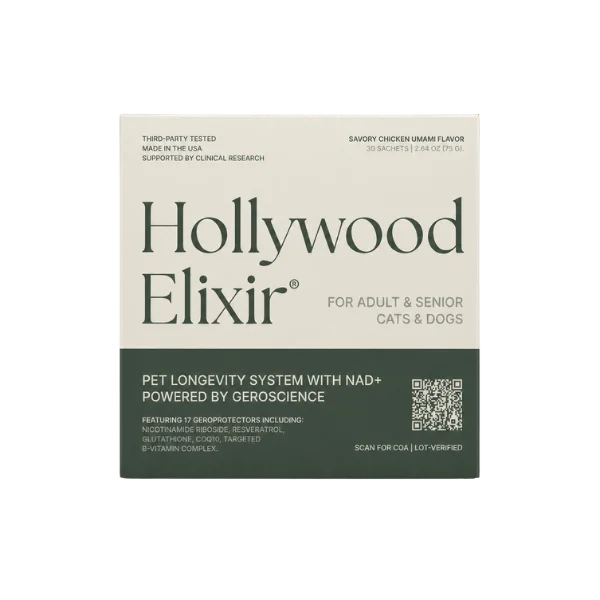
Hollywood Elixir™ is designed as system-level daily support for aging cats—helping maintain steady energy, resilience, and comfort that can influence everyday self-care routines like grooming. It’s not a substitute for diagnosing pain, dental disease, or skin problems, but it fits well alongside veterinary care and thoughtful coat management.

A cat’s grooming is easy to take for granted until it changes. One day the coat looks slightly rumpled; a week later, you’re noticing flakes, tangles, or a new odor. For many owners, the worry lands quickly: cat not grooming can feel like a sign you missed something important. That concern is reasonable, because grooming is closely tied to comfort, hygiene, and emotional steadiness.

The challenge is that reduced grooming is not a diagnosis. A cat stopped grooming can be responding to pain (especially dental or joint pain), skin irritation, stress, or a broader health shift. Sometimes the change is localized—she avoids the back half because twisting hurts. Sometimes it’s global—she seems tired, withdrawn, and less interested in self-care. And sometimes it arrives with a more serious clue, like cat not grooming and losing weight, which should move you toward timely veterinary evaluation.

This page is designed to help you read the pattern with a calmer eye: what to notice, what to do at home, and when to call your veterinarian. It also answers a practical question for careful, science-minded owners: why consider a daily support product if the root cause may be medical? Because many cats live in the in-between—aging, mild stress, early stiffness—where supporting whole-body resilience can help maintain steadier routines, including grooming, while you address the primary cause.

By La Petite Labs Editorial, ~15 min read

Featured Product:

  • Grooming is a daily signal of comfort; when it drops, look for pain, itch, or stress.
  • Coat changes often begin subtly: greasiness, flakes, odor, or uneven shedding.
  • Dental discomfort and joint stiffness commonly reduce grooming, especially in older cats.
  • Matting is more than cosmetic; it can tighten, irritate skin, and discourage grooming further.
  • Weight loss plus reduced grooming raises urgency; track appetite and schedule an exam.
  • Home support should focus on comfort: gentle brushing, calm routines, and safe mat removal.
  • A daily supplement can still make sense when framed as whole-system resilience, not a “coat fix.”

When Grooming Fades, Your Cat Is Communicating Something Important

Grooming is one of the quiet rhythms that keeps a cat’s life orderly: coat care, temperature comfort, scent management, and a sense of normalcy. When you notice cat not grooming, it’s rarely a “bad habit” in isolation. It’s more often a signal that something feels painful, exhausting, itchy, or emotionally unsafe. Over time, reduced grooming can dull the coat and raise the likelihood of skin trouble, especially if mats form and trap moisture or debris (Kim HS, 2019).

Start by observing the pattern rather than forcing the behavior. Is your cat skipping only the back half? Avoiding the belly? Grooming less after meals? A cat stopped grooming can be responding to dental discomfort, skin irritation, arthritis, stress, or a broader health shift (RVA, 2021). The goal is to connect the change to context—then decide what can be addressed at home and what needs a veterinarian’s eyes.

Science-forward lab coat visual reinforcing credibility behind cat stopped grooming.

Early Signs Your Cat Is Not Cleaning Herself Well

A cat not cleaning itself often looks like “just a messy coat,” but the earliest clues are subtler: a greasy feel along the spine, dandruff-like flakes, or a faint odor that wasn’t there before. Some cats compensate by overgrooming one easy-to-reach area while neglecting another. Others stop almost entirely, especially if grooming has become uncomfortable.

Pay attention to secondary effects. Mats can tighten against the skin and create irritation, and the discomfort can further reduce grooming—an unhelpful loop (RVA, 2021). You may also notice more hair shed around the home, or a coat that looks “open” and uneven. These changes don’t diagnose a cause, but they do tell you the issue is persistent enough to deserve a plan.

Ingredient spread with Hollywood Elixir box, highlighting depth behind cat not cleaning itself.

Pain, Mobility, and Dental Issues That Commonly Stop Grooming

If you’re asking, “why does my cat not groom herself,” start with pain and mobility. Cats are masters of concealment, and grooming is one of the first routines they quietly drop when movement hurts. Arthritis, spinal discomfort, or abdominal pain can make twisting and reaching feel impossible. The pattern matters: reluctance to groom the lower back, hips, or tail base often points to reduced flexibility rather than laziness.

Dental disease is another common, underappreciated reason. Grooming requires repeated tongue and jaw motion; if the mouth hurts, a cat may shorten sessions or stop altogether (RVA, 2021). Watch for slower eating, dropping kibble, pawing at the mouth, or a new preference for softer foods. These are the kinds of details that help your vet move faster toward the right workup.

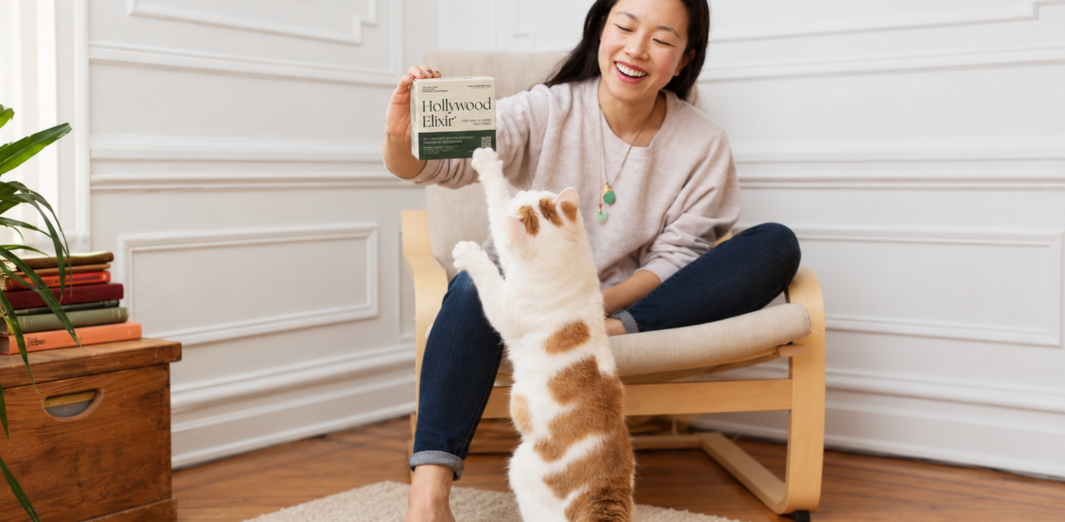
Cat owner presenting Hollywood Elixir as part of why does my cat not groom herself routine.

Skin Irritation, Parasites, and Allergies That Disrupt Coat Care

Skin discomfort can also sit behind cat not grooming. Fleas, mites, allergies, or a low-grade infection can make the skin feel “wrong”—either too itchy or too tender. Some cats respond by frantic overgrooming; others respond by avoiding contact altogether. If you see redness, scabs, thickened skin, or hair loss with a brittle coat, treat it as more than cosmetic.

Coat neglect can worsen skin risk over time, because grooming normally helps distribute oils and remove debris (Kim HS, 2019). If mats are present, avoid cutting them close to the skin at home; cat skin is thin and easily nicked. A veterinarian or professional groomer can remove mats safely, while you focus on the underlying trigger that made grooming stop in the first place.

Split-screen supplement comparison showing differences aligned with cat not grooming and losing weight.

Stress and Household Change as Hidden Drivers of Coat Neglect

Behavior and environment matter more than many people expect. A move, a new pet, construction noise, schedule changes, or even a litter box relocation can be enough to disrupt grooming. Stress doesn’t always look dramatic; sometimes it looks like a cat who simply stops maintaining herself. In that sense, cat not grooming can be a quiet barometer of emotional safety (Kim HS, 2019).

Look for companion signs: hiding more, sleeping in new places, reduced play, or tension around feeding. If the timing lines up with a change at home, you can often help by restoring predictability—consistent mealtimes, calm resting zones, and protected vertical space. If stress is severe or prolonged, your veterinarian can help you decide whether behavior support or medical screening should come first.

Hollywood Elixir™ is amazing and makes my 13 y/o kitty young again!

— Jessie

She hopped up onto the windowsill again—first time in years.

— Charlie

“Grooming rarely disappears without a reason; it’s often comfort, not character.”

When Reduced Grooming Comes with Weight Loss or Appetite Shifts

When you see cat not grooming and losing weight, treat it as a higher-stakes combination. Weight loss suggests the issue may extend beyond coat care into appetite, digestion, pain, or systemic illness. Cats can lose weight quietly, especially seniors, and the grooming change may be the first visible clue that energy reserves are being redirected elsewhere.

Track what you can without turning your home into a clinic: weekly weights, appetite notes, water intake, stool changes, and activity level. Bring those observations to your veterinarian promptly. Reduced grooming can accompany broader health problems, and pairing it with weight loss is a strong reason to schedule an exam and basic lab work rather than waiting for the coat to “bounce back.”

Soft-lit unboxing photo of Hollywood Elixir, reinforcing premium cat stopped grooming cues.

Nutrition, Minerals, and Why Resilience Still Matters over Time

Nutrition is rarely the only reason a cat stopped grooming, but it can influence resilience: skin barrier quality, coat texture, and overall vitality. Some cats may have shortfalls in essential minerals such as zinc, copper, or iron, which can affect general health and, indirectly, coat condition (Summers, 2022). That said, it’s not wise to “supplement blindly,” because the right approach depends on diet history and medical context.

A more useful frame is system support. Even when a diet is complete on paper, aging, stress, and illness can change how the body uses nutrients. Supporting the broader metabolic network—energy, repair, and oxidative balance—can matter for how a cat feels day to day, which in turn influences self-care behaviors like grooming. This is where a thoughtfully designed daily support product can fit without pretending to replace veterinary diagnosis.

Gray cat mid-leap outdoors, capturing vitality and movement supported by why does my cat not groom herself.

Gentle At-home Support While You Arrange Veterinary Care

There are a few home steps that are genuinely helpful while you arrange care. First, make grooming easier: use a soft brush for short sessions, stop before your cat gets irritated, and focus on comfort rather than “finishing the job.” For cats with mild neglect, a warm, damp cloth can lift debris on the face and paws without overwhelming them.

Second, reduce friction in the environment. Provide a warm resting spot, easy access to litter and water, and a calm routine. If mats are forming, prioritize safe removal by a professional—mats can cause discomfort and skin irritation. These steps don’t replace medical care, but they can prevent the coat from becoming a second problem layered on top of the first.

Lab coat detail with La Petite Labs crest, reinforcing trust in cat stopped grooming.

Red Flags That Make This More Than a Coat Problem

Some situations should move you from “monitoring” to “today matters.” Seek urgent veterinary advice if your cat is lethargic, vomiting, breathing differently, unable to eat, or showing sudden weakness. If you suspect toxin exposure or a contaminated food issue, don’t wait; certain toxicants can cause severe illness and require immediate attention (Peloquin, 2021).

Even without dramatic symptoms, a rapid shift in grooming—especially in a senior cat—deserves timely evaluation. Grooming is tied to overall hygiene and well-being. When it drops off, it often means your cat is conserving energy, avoiding pain, or coping with stress. A good exam can separate “coat management” from the deeper question: why she no longer feels able to care for herself.

How to Prepare for a Productive Veterinary Appointment

Veterinary visits are more productive when you arrive with a clear timeline. Note when you first saw your cat not grooming, whether it was gradual or sudden, and what else changed around the same time. Bring photos of the coat and any skin findings. If your cat not cleaning itself coincided with a diet change, new treats, or a new medication, include that too.

Expect your veterinarian to look at teeth, joints, skin, weight trend, and hydration, and to ask about stressors at home. Lack of grooming can be linked to underlying health problems or stress. The point of the visit is not to “restore grooming” directly, but to restore comfort and capacity—so grooming becomes natural again.

“Treat mats as a comfort issue, then return to the question of why they formed.”

Premium ingredient scene around the supplement, supporting positioning of why does my cat not groom herself.

Senior Cats, Stiffness, and the Quiet Slide in Self-care

Senior cats deserve special attention because grooming is physically demanding. Stiffness, reduced muscle mass, and subtle pain can make grooming feel like work. You may see a once-fastidious cat become patchy, especially along the back and hindquarters. This is also when owners most often notice cat not grooming and losing weight together, which should prompt a careful medical review.

Support at this stage is about preserving quality of life: comfortable movement, stable appetite, and a calm nervous system. Daily routines that reduce stress can matter as much as any single nutrient. If you add a supplement, choose one positioned as whole-system support rather than a narrow “coat fix,” so it remains relevant even when the root cause is multifactorial.

Shop Now
Home scene with cat and supplement, showing care supported by why does my cat not groom herself.

A Practical Framework: Comfort First, Grooming Follows

It’s tempting to treat grooming as a cosmetic issue, but it’s better understood as a behavior that reflects internal state. Grooming helps maintain hygiene and overall well-being. When it fades, your cat may be telling you she’s uncomfortable, depleted, or unsettled. That’s why the most reliable “solution” is rarely a single trick; it’s a set of small, aligned supports.

Think in layers: remove immediate coat burdens (mats, debris), reduce environmental stress, and address medical drivers. If your cat stopped grooming after a household change, the fix may be environmental. If it followed a health change, the fix may be medical. And often, it’s both—because stress and illness can amplify each other.

Shop Now
Side-by-side competitor breakdown illustrating strengths aligned with cat stopped grooming.

Food Safety, Toxins, and When to Treat Symptoms as Urgent

Food quality and safety belong in the conversation, especially if multiple cats in the home show changes. While most diets are safe, contamination events do occur, and certain exposures can be dangerous (Peloquin, 2021). If grooming changes appear alongside vomiting, poor appetite, or sudden lethargy after a new bag or batch, keep the packaging and contact your veterinarian.

This isn’t meant to create suspicion around every meal; it’s a reminder to take patterns seriously. A cat not grooming can be a downstream sign of feeling unwell. When you pair that with other systemic symptoms, the priority becomes medical evaluation and safety checks, not just coat care.

Shop Now

Where Daily System Support Fits Without Overpromising Results

If you’re deciding whether to add a daily support product, the science-minded question is fair: if grooming changes are often medical, why add anything at all? The answer is that many cats live in the gray zone—aging, mild stress, early stiffness, or recovery—where they’re not “sick enough” to show dramatic signs, but they’re not thriving either. In that zone, system-level support can help maintain steadier energy and comfort.

A product should not promise to diagnose or fix the cause of cat not grooming. Instead, it should support the broader network that influences daily behaviors: appetite consistency, cellular energy, and resilience under stress. That’s the role of a well-formulated supplement alongside veterinary care and practical coat management.

How Long to Watch Before You Act, and What to Track

If your cat not cleaning itself is mild and recent, you can set a short, calm observation window—often a few days—while you improve comfort and reduce stress. But avoid stretching that window if the coat is deteriorating quickly, mats are forming, or your cat seems withdrawn. Grooming changes can indicate underlying problems, and earlier assessment is usually simpler than later rescue.

Use objective markers: appetite, weight trend, litter box output, and willingness to be touched. If any of those shift, schedule a visit. If everything else is stable, your veterinarian may still recommend a dental check, skin exam, or pain assessment. The goal is to protect comfort first; grooming tends to follow.

Hollywood Elixir box in open packaging with soft light, reflecting premium cat not grooming and losing weight.

Multi-cat Homes, Social Pressure, and Resource Protection Stress

For multi-cat homes, grooming changes can reflect social pressure. A timid cat may stop grooming if she’s guarding resources or avoiding conflict. Ensure there are enough litter boxes, resting spots, and feeding stations to reduce competition. Quiet access can restore normal routines without anyone “winning.”

If the change is isolated to one cat, don’t assume it’s purely social. Lack of grooming can be associated with health issues such as dental problems or skin conditions. Social stress can coexist with pain, and one can mask the other. A veterinary exam remains the cleanest way to avoid missing something treatable.

Shop Now
Product breakdown image highlighting active blend design supporting cat not cleaning itself.

Long-haired Cats, Matting Risk, and Comfort-focused Coat Care

Long-haired cats face a practical disadvantage: once grooming slows, mats form faster, and the coat can become uncomfortable quickly. If your long-haired cat stopped grooming, prioritize gentle, frequent brushing and professional grooming as needed. The aim is to keep the coat light and breathable so your cat isn’t discouraged by the effort required to maintain it.

Because matting can cause discomfort and skin irritation, coat maintenance is not vanity—it’s comfort care. Still, don’t let coat work distract from the underlying question. If grooming doesn’t return as comfort improves, or if you see weight loss, appetite changes, or hiding, move the problem back to the medical lane.

Shop Now

A Calm Path Back to Normal Grooming and Better Well-being

The most reassuring outcome is also the most common: once pain, stress, or skin discomfort is addressed, grooming gradually returns. Your role is to notice early, reduce the secondary burden of mats and debris, and seek care when the pattern suggests more than a temporary dip. Grooming is a daily vote for well-being, and your attention helps your cat get back to casting it.

If you want ongoing support that fits alongside medical care, choose something designed for whole-body resilience rather than a narrow promise. That way, even if the cause is multifactorial—age, stress, dental discomfort, or recovery—you’re supporting the systems that help your cat feel steady enough to resume normal self-care.

“When weight loss joins coat neglect, the timeline matters more than reassurance.”

Educational content only. This material is not a substitute for veterinary advice. Always consult your veterinarian about your cat’s specific needs. These statements have not been evaluated by the Food and Drug Administration. Products mentioned are not intended to diagnose, treat, cure, or prevent any disease.

Glossary

  • Allogrooming: Grooming between cats, often linked to bonding or social tension management.
  • Matting: Tangled fur that tightens near the skin and can cause discomfort or irritation.
  • Overgrooming: Excessive licking that can lead to hair loss; sometimes a response to itch or stress.
  • Under-grooming: Reduced self-grooming that may reflect pain, illness, or emotional distress.
  • Sebum: Natural skin oils that grooming helps distribute through the coat.
  • Dander: Tiny flakes of skin that can increase when grooming decreases or skin is irritated.
  • Arthritis: Joint inflammation and pain that can reduce a cat’s ability to reach grooming areas.
  • Dental disease: Oral pain or infection that can make licking and grooming uncomfortable.

Related Reading

References

Kim HS. Evaluation of grooming behaviour and apparent digestibility method in cats.. PubMed Central. 2019. https://pmc.ncbi.nlm.nih.gov/articles/PMC10814636/

RVA. Toxic element levels in ingredients and commercial pet foods.. PubMed Central. 2021. https://pmc.ncbi.nlm.nih.gov/articles/PMC8546090/

Summers. Evaluation of iron, copper and zinc concentrations in commercial foods formulated for healthy cats.. PubMed Central. 2022. https://pmc.ncbi.nlm.nih.gov/articles/PMC10812249/

Ahmed. Bioaccumulation of heavy metals in some commercially important fishes from a tropical river estuary suggests higher potential health risk in children than adults.. Nature. 2019. https://www.nature.com/articles/s41598-021-00467-4

Watson. Drivers of Palatability for Cats and Dogs-What It Means for Pet Food Development.. Springer. 2023. https://link.springer.com/article/10.1007/s12011-025-04680-4

Peloquin. Presumed Choline Chloride Toxicosis in Cats With Positive Ethylene Glycol Tests After Consuming a Recalled Cat Food. 2021. https://www.sciencedirect.com/science/article/pii/S1938973621000416

FAQ

Why did my cat suddenly stop grooming?

A sudden drop in grooming often signals pain, illness, stress, or reduced mobility. Common causes include dental disease, arthritis, fever, or gastrointestinal upset. If it lasts more than 24–48 hours or comes with lethargy, hiding, or not eating, contact a veterinarian.

Is it normal for older cats to groom less?

Yes, senior cats may groom less due to arthritis, muscle loss, or chronic disease that makes bending uncomfortable. Reduced grooming can also reflect cognitive changes or dental pain. A vet exam can identify treatable causes and improve comfort.

Can dental problems cause a cat to stop grooming?

Yes—gingivitis, tooth resorption, or oral ulcers can make licking painful, leading to less grooming and a messy coat. You may also notice bad breath, drooling, or dropping food. Dental evaluation and treatment often restore normal grooming.

Does obesity make cats stop grooming?

Excess weight can limit flexibility and prevent a cat from reaching the back, hips, and tail base. This often leads to dandruff, mats, and urine or fecal staining. Weight management plus regular brushing helps while you address the underlying weight issue.

Can arthritis cause poor grooming in cats?

Yes, arthritis commonly reduces grooming because twisting and stretching hurts. Signs include reluctance to jump, stiffness, and overgrown nails. Pain control, joint supplements, and environmental changes can improve grooming behavior.

How long can a cat go without grooming before it’s a problem?

A brief dip can happen with minor stress, but more than 1–2 days of noticeably reduced grooming warrants attention, especially if the coat becomes greasy or matted. Cats rely on grooming for coat health and temperature regulation. Seek veterinary advice sooner if appetite or behavior also changes.

What medical conditions commonly cause a cat not to groom?

Common causes include pain (arthritis, injury), dental disease, fever/infection, kidney disease, hyperthyroidism, diabetes, and nausea. These conditions can reduce energy or make grooming uncomfortable. A physical exam and basic lab work often help pinpoint the cause.

Can stress or anxiety make a cat stop grooming?

Yes, stress can reduce grooming due to behavioral shutdown or changes in routine. Triggers include moving, new pets, loud construction, or conflict with other cats. Provide predictable routines, safe hiding spaces, and consider pheromone diffusers; consult a vet if it persists.

Why is my cat’s coat greasy and unkempt?

A greasy, dull coat often reflects reduced grooming, skin disease, or systemic illness affecting oil production and coat turnover. It can also occur with obesity or pain that limits grooming. A vet can check for parasites, infections, and underlying metabolic issues.

My cat has mats because they won’t groom—what should I do?

Gently brush small tangles daily and use a comb designed for cats; avoid pulling, which can bruise skin. Large or tight mats may need professional grooming or veterinary shaving to prevent skin infections. Address the underlying reason for reduced grooming to prevent recurrence.

Should I bathe a cat that isn’t grooming?

Occasional bathing can help if the coat is dirty, but many cats become stressed and can chill if wet. Use a cat-safe shampoo, keep the cat warm, and dry thoroughly. If the cat is ill, frail, or matted, ask your veterinarian or a professional groomer first.

Can parasites cause a cat to stop grooming?

Parasites more commonly cause overgrooming from itch, but heavy infestations or skin inflammation can also make grooming uncomfortable. Fleas, mites, and ringworm can alter coat quality and behavior. A vet can confirm with skin tests and recommend safe treatment.

Could my cat be depressed if they stop grooming?

Cats can show depression-like behavior after loss, pain, or environmental changes, including reduced grooming and social withdrawal. However, medical problems are common and should be ruled out first. If health checks are normal, enrichment and routine can help.

Why is my cat not grooming their back end or tail area?

Cats often avoid grooming the rear due to obesity, arthritis, anal gland discomfort, diarrhea, or urinary issues. You may notice odor, staining, or scooting. A vet visit is important if there’s redness, swelling, pain, or persistent messiness.

Can kidney disease cause a cat to stop grooming?

Yes, chronic kidney disease can cause nausea, dehydration, and lethargy, which reduce grooming and lead to a poor coat. Other signs include increased thirst/urination and weight loss. Blood and urine tests can confirm and guide treatment.

Can hyperthyroidism affect grooming in cats?

Yes, hyperthyroidism can cause a scruffy coat due to increased metabolism, restlessness, and muscle loss that reduces grooming quality. Cats may also lose weight despite a big appetite. Diagnosis is typically via a thyroid hormone blood test.

My cat is not grooming and is hiding—when is it an emergency?

It’s urgent if reduced grooming comes with not eating for 24 hours, trouble breathing, vomiting repeatedly, collapse, severe pain, or inability to urinate. Hiding plus poor grooming can indicate significant illness. Contact an emergency veterinarian if any red-flag signs are present.

How can I help a cat that won’t groom without stressing them?

Use short, gentle brushing sessions with a soft brush, paired with treats and breaks to keep it positive. Focus on areas the cat tolerates and avoid painful mats. If the cat resists strongly, stop and ask a vet about pain or anxiety management.

Does a cat not grooming mean they have a fever or infection?

It can—fever and infection often cause lethargy and reduced self-care, including grooming. You may also see decreased appetite, warmth, or rapid breathing. A veterinarian can confirm fever and identify the source with an exam and tests.

What tests might a vet run for a cat that stopped grooming?

Vets often start with a full physical exam, oral exam, and pain assessment, then may recommend bloodwork, urinalysis, and thyroid testing. Depending on findings, imaging (X-rays/ultrasound) or skin tests may be added. These help identify common systemic and painful conditions that reduce grooming.

5K+ Happy Pet Parents

Excellent 4.8

Cat Not Grooming | Why Thousands of Pet Parents Trust Hollywood Elixir™

"My go-to nutrient-dense topper. Packed with 16 powerful anti-aging actives and superfoods!"

Chanelle & Gnocchi

"We go on runs pretty often; he use to get tired halfway through, but lately, he's been keeping up without any problem."

Cami & Clifford

"He seems more happy overall. I've also noticed he has more energy which makes our walks and playtime so much more fun."

Olga & Jordan

"I want her to live forever. She hasn't had an ear infection since!"

Madison & Azula

"My go-to nutrient-dense topper. Packed with 16 powerful anti-aging actives and superfoods!"

Chanelle & Gnocchi

"We go on runs pretty often; he use to get tired halfway through, but lately, he's been keeping up without any problem."

Cami & Clifford

"He seems more happy overall. I've also noticed he has more energy which makes our walks and playtime so much more fun."

Olga & Jordan

"I want her to live forever. She hasn't had an ear infection since!"

Madison & Azula

"My go-to nutrient-dense topper. Packed with 16 powerful anti-aging actives and superfoods!"

Chanelle & Gnocchi

"We go on runs pretty often; he use to get tired halfway through, but lately, he's been keeping up without any problem."

Cami & Clifford

"He seems more happy overall. I've also noticed he has more energy which makes our walks and playtime so much more fun."

Olga & Jordan

"I want her to live forever. She hasn't had an ear infection since!"

Madison & Azula

"My go-to nutrient-dense topper. Packed with 16 powerful anti-aging actives and superfoods!"

Chanelle & Gnocchi

"We go on runs pretty often; he use to get tired halfway through, but lately, he's been keeping up without any problem."

Cami & Clifford

"He seems more happy overall. I've also noticed he has more energy which makes our walks and playtime so much more fun."

Olga & Jordan

"I want her to live forever. She hasn't had an ear infection since!"

Madison & Azula

SHOP NOW