
Quercetin for Cats

Identify Histamine-Driven Allergy Signs and Use Quercetin More Safely

Essential Summary

Why is quercetin for cats important?

Quercetin is a plant flavonoid often used to support normal immune balance and antioxidant defenses in cats. Because dietary levels can be low and variable, some owners consider supplementation for seasonal skin or respiratory comfort. The best approach is veterinarian-guided, conservative, and focused on steady routines rather than dramatic promises.

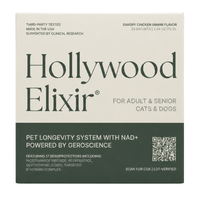
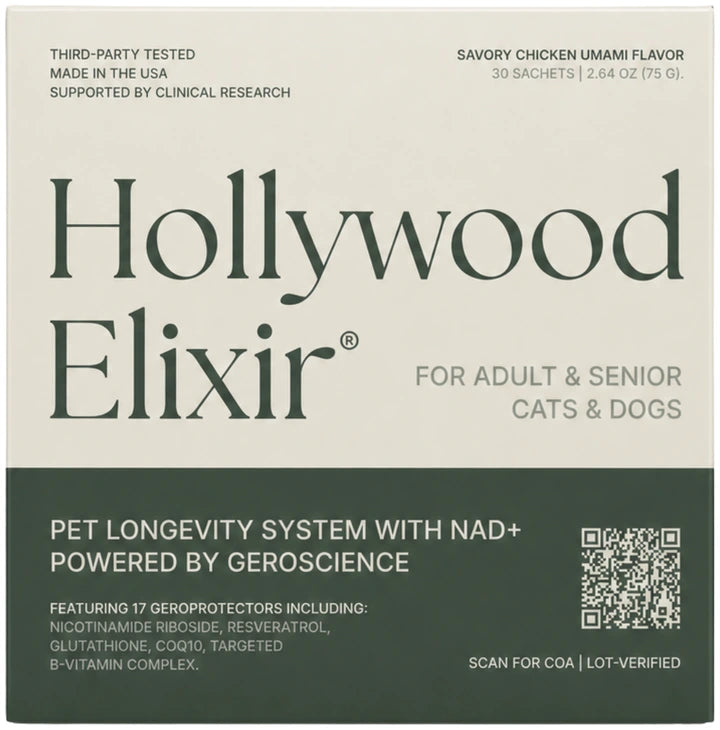
If you like the idea of quercetin-style support but prefer a system-level approach, Hollywood Elixir™ is designed for graceful aging—supporting the broader metabolic network that influences resilience, recovery, and everyday comfort, rather than chasing a single ingredient.

There’s a particular kind of worry that comes with a cat who can’t quite settle: the late-night scratching, the head-shaking that returns every few weeks, the watery eyes that seem to follow the calendar. When people search for quercetin for cats, they’re rarely chasing novelty. They’re trying to find something gentle enough for daily life, yet meaningful enough to change the rhythm of flare-ups.

Quercetin is a plant flavonoid often discussed for antioxidant support and for its relationship to immune steadiness. Across animal research, dietary quercetin has been associated with improved antioxidant capacity and immune response signals, which helps explain why it’s frequently mentioned in conversations about seasonal comfort. But cats are not small humans, and supplements are not neutral. Product quality varies, and the right choice depends on your cat’s history, medications, and the real cause of symptoms.

This page is designed to help you think clearly: what quercetin can reasonably support, where the limits are, and how to approach safety and quercetin for cats dosage without internet bravado. It also answers a fair, science-minded question: if quercetin can be found in foods and sold as a standalone, why would someone still choose a broader product? Because comfort and aging are rarely single-nutrient problems. They’re network problems—oxidative stress, recovery capacity, and the way the body handles everyday exposures over time. That’s why many owners prefer system-level support, such as Hollywood Elixir™, which is built to support the broader resilience picture rather than acting as a single-ingredient replacement.

By La Petite Labs Editorial, ~15 min read

Featured Product:

  • Quercetin is a plant flavonoid often discussed for feline seasonal comfort and skin steadiness.
  • Animal research links quercetin with antioxidant and immune-support signals, which helps explain its popularity.
  • Commercial diets may contain only small, inconsistent amounts, even when “antioxidant” ingredients appear on labels (PAL, 2025).
  • For itchy or sneezy cats, supplementation is best viewed as an adjunct after ruling out fleas, infection, and other drivers.
  • Safety matters: cats differ in sensitivity, and supplements can complicate medical conditions or medications.
  • Dosing should be veterinarian-guided; formulation and tolerability are more important than chasing high amounts.
  • Science-minded owners often choose broader, system-level support because comfort and aging are network problems, not single-nutrient problems.

Why Quercetin Draws Attention in Modern Feline Wellness Conversations

Quercetin is a plant flavonoid that shows up in many conversations about seasonal itch, watery eyes, and “mystery inflammation” in cats. It’s also easy to over-simplify. A quercetin supplement for cats is not a stand-in for diagnosis, parasite control, or a well-chosen diet; it’s a way some owners try to support the body’s normal antioxidant and immune balance when the environment is doing the most. Across animal research, dietary quercetin has been associated with improved antioxidant capacity and immune response signals, which helps explain why it’s discussed for comfort and resilience rather than as a quick fix (Kong, 2022).

For cats, the practical question is less “Does quercetin do something?” and more “Is it appropriate for my cat, and can I use it safely?” That means thinking about formulation, ingredient purity, and whether your cat has conditions or medications that change the risk profile. When people search for the best quercetin for cats, they’re often really searching for a calm, consistent plan: fewer flare-ups, fewer surprises, and a supplement routine that doesn’t create new problems.

Visualization of mitochondria illustrating cellular support pathways for best quercetin supplement for cats.

What Quercetin Is, and Why “Natural” Still Needs Caution

In the simplest terms, quercetin is a naturally occurring compound found in plants. It’s often grouped with other flavonoids and discussed for antioxidant support. Some cat foods contain small amounts depending on ingredients, but analyses suggest the levels can be modest even in formulas marketed with fruit additions (PAL, 2025). That gap—between “present in food” and “present in a meaningful amount”—is part of why owners look at quercetin supplements for cats.

Still, “natural” doesn’t automatically mean “neutral.” Cats metabolize compounds differently than people, and supplement quality varies. A good decision starts with a clear goal (skin comfort, seasonal support, aging support), a realistic timeline, and a plan to stop if your cat doesn’t tolerate it.

Molecular science graphic tied to healthy aging support from quercetin for cats.

Allergies, Inflammation, Immunity: the Three Reasons Owners Explore Quercetin

Most interest in quercetin for cats centers on three themes: allergies, inflammation, and immunity. Owners notice patterns—itching that rises with pollen season, sneezing that comes and goes, or skin that seems reactive to small changes. Quercetin is discussed because it has been studied for antioxidant effects and for influencing immune response signals in animal research (related: Immunomodulation for Cats).

The key is to keep the claim modest. Supporting normal immune balance is not the same as treating allergic disease. If your cat has persistent symptoms, the most effective “supplement” may be a better diagnosis: ruling out fleas, infections, and diet-related triggers before you add another variable.

Protein fold visualization tied to cellular support mechanisms in best quercetin supplements for cats.

Antioxidant Support in Plain Language: the Everyday Relevance

Oxidative stress is one of those phrases that can sound abstract until you see it in daily life: slower recovery after a flare, a coat that looks duller during stressful months, or a senior cat who seems less adaptable. Quercetin has been investigated for improving antioxidant status in experimental models, which is part of its appeal as a supportive nutrient (Jeong SM, 2012).

For cats, the practical value is in steadiness. Antioxidant support is rarely a “feel it tomorrow” change; it’s more about giving the body a little more margin. That’s also why the best quercetin supplements for cats tend to be the ones that are easy to give consistently, without upsetting digestion or routine.

Pug image representing loving care routines supported by quercetin for cats benefits.

Inflammation Balance Without Overpromising Outcomes

Inflammation is not automatically a villain; it’s part of normal defense and repair. The problem is when it becomes chronic, disproportionate, or triggered by everyday exposures. Quercetin is often positioned as a gentle option for supporting normal inflammatory balance, largely because of its antioxidant context and broad interest across species.

If your cat has inflammatory bowel disease, asthma, or severe skin disease, don’t treat quercetin as a substitute for veterinary care. Think of it as a possible “supporting actor” that may fit alongside a plan your veterinarian already trusts—especially when your goal is comfort and stability rather than dramatic change.

Hollywood Elixir™ is amazing and makes my 13 y/o kitty young again!

— Jessie

She hopped up onto the windowsill again—first time in years.

— Charlie

“The best supplement routines are quiet: measurable, tolerable, and easy to keep.”

Quercetin for Cats Benefits: the Practical Signs People Hope to See

When owners describe quercetin for cats benefits, they usually mean a cluster of small improvements: fewer scratch cycles, calmer skin, less seasonal fussiness, and a coat that looks more settled. It’s worth remembering that these are multi-factor outcomes. Diet, parasites, grooming products, household cleaners, and stress can all move the needle.

Quercetin’s appeal is that it’s been studied for antioxidant and immune-support signals in animals, which aligns with these “whole-cat” goals rather than a single symptom target (Arslan, 2022). The best way to evaluate it is to change one thing at a time, keep notes, and give it enough time to show whether it belongs in your cat’s routine.

Elegant canine photo emphasizing gentle vitality supported through best quercetin supplement for cats.

Forms and Formulas: What Labels Mean for Real-world Use

Not all quercetin is the same in practice. You may see different forms on labels, and you may also see it paired with other ingredients meant to support absorption or broader antioxidant coverage. In experimental settings, quercetin dihydrate has been used to evaluate oxidative stress outcomes, underscoring that “quercetin” can refer to more than one preparation (Asghar F, 2025).

For cat owners, the most important distinction is simpler: can you administer it accurately, and does your cat tolerate it? A quercetin supplement for cats that causes food refusal or stomach upset isn’t a win, even if the label looks impressive.

Dog profile photo emphasizing steady vitality supported by best quercetin supplement for cats.

Food Versus Supplements: Predictability, Not Perfection

Some owners prefer to start with food-first strategies: improving omega-3 intake, reducing known triggers, and choosing a diet that supports skin barrier health. It’s reasonable—but it’s also true that quercetin content in typical diets can be low and variable, even when plant ingredients are present (PAL, 2025). That variability is why supplementation enters the conversation.

If you do add quercetin for cats, treat it as one part of a layered approach. The goal is not to chase a single “magic” compound; it’s to support the broader system that governs comfort: skin integrity, immune steadiness, and recovery after exposures.

Product breakdown image highlighting 16 actives and benefits supported by quercetin supplements for cats.

When a Supplement Trial Makes Sense, and When It Doesn’t

A common reason people seek the best quercetin for cats is frustration with the cycle of flare and calm. If your cat’s symptoms are mild and seasonal, a supplement may be a reasonable, veterinarian-approved experiment. If symptoms are intense, year-round, or worsening, it’s a signal to look deeper—skin cytology, diet trials, environmental review, or targeted medications.

Quercetin has been studied for antioxidant status improvements in animal models, which supports its reputation as a “steadying” nutrient rather than a dramatic intervention (Jeong SM, 2012). Used thoughtfully, it can fit into a plan that prioritizes comfort, predictability, and fewer surprises.

How to Evaluate Quality When Choosing Quercetin Supplements for Cats

If you’re comparing quercetin supplements for cats, quality is mostly about what you can verify. Look for clear labeling (exact ingredient list, serving size, and intended species), a reputable manufacturer, and a form that’s realistic for feline dosing (tiny capsules, measured powder, or a palatable liquid). Avoid blends that hide amounts behind “proprietary” language, especially when multiple botanicals are combined.

Also consider what else is in the product. Sweeteners, strong flavors, or essential oils can be a poor fit for cats. If a brand claims it’s the best quercetin supplement for cats but can’t explain sourcing or testing, treat that as a signal to slow down. A cautious choice is one that prioritizes consistency and transparency over dramatic promises.

“A label can promise antioxidants, but your cat only benefits from what’s consistent.”

Lab coat detail emphasizing vet-informed standards supporting best quercetin supplements for cats.

Dietary Quercetin in Cat Food: Present, but Often Inconsistent

Owners are often surprised to learn that quercetin can already be present in small amounts in commercial foods, especially formulas that include plant ingredients like blueberries. Analyses of commercial dog and cat kibble have found quercetin levels can be low even when “antioxidant” ingredients are highlighted on the label (PAL, 2025). That doesn’t mean food is “bad,” only that label language and actual intake can be far apart.

This is one reason some people explore a quercetin supplement for cats: not to replace nutrition, but to add a more predictable amount than diet alone may provide. Still, the decision should fit the whole picture—your cat’s symptoms, the seasonality of flares, and whether other foundational steps (flea control, litter changes, air filtration) are already in place.

Shop Now
Ingredients around product reflecting antioxidant support within quercetin for cats dosage.

Oxidative Stress Support: Where Quercetin Fits, and Where It Doesn’t

Quercetin is often discussed in the context of oxidative stress—an everyday biological reality that can rise with age, environmental exposures, and chronic inflammation. In experimental models, quercetin has been studied for its ability to reduce oxidative stress markers and support antioxidant status (Asghar F, 2025). For a cat owner, the takeaway is modest: supporting antioxidant balance may be one way to support comfort over time, especially when triggers can’t be fully controlled.

It’s also why “best quercetin supplements for cats” isn’t only about quercetin. Many thoughtful formulas aim to support the broader network that influences aging and resilience—sleep, appetite, skin barrier, and recovery after stress. A single ingredient rarely tells the whole story, and cats tend to reward steady, low-drama routines.

Shop Now
Pet parent holding supplement, symbolizing trust and routine via quercetin for cats.

Seasonal Itch and Skin Comfort: Setting Realistic Expectations

If your cat’s main issue is seasonal itch or recurrent ear/skin irritation, quercetin for cats is usually considered as an “adjunct”—something that may support normal inflammatory balance while you and your veterinarian address the primary driver. Because cats can itch for many reasons (fleas, mites, food sensitivity, environmental allergy, infection), it’s worth confirming you’re not trying to supplement your way around a treatable cause.

When owners talk about quercetin for cats benefits, they often mean day-to-day signs: less licking, fewer flare days, and a calmer skin cycle. Across species, quercetin has been associated with immune and antioxidant support signals, which aligns with why it’s used as a gentle, longer-horizon option rather than an acute rescue (Kong, 2022).

Shop Now

Senior Cats and Long-horizon Resilience: a Subtle Use Case

For senior cats, the conversation often shifts from “allergies” to “overall resilience.” Quercetin has been explored in aging contexts for its relationship to oxidative stress regulation, including gene signals associated with antioxidant defense in experimental settings (Ghorbani F, 2024). That doesn’t translate into a promise for any individual cat, but it does explain why some owners include it in a broader graceful-aging plan.

If you’re choosing between quercetin supplements for cats, consider whether the formula supports more than one pillar of aging well: appetite steadiness, mobility comfort, skin and coat quality, and the ability to handle routine stressors. The best routines are the ones you can keep—small, consistent, and easy to administer.

Safety First: When Quercetin May Be the Wrong Choice

Safety is where quercetin for cats deserves the most restraint. Cats vary widely in sensitivity, and supplements can interact with medical conditions or medications. If your cat is on prescription drugs, has liver or kidney disease, is pregnant or nursing, or has a history of adverse reactions to supplements, involve your veterinarian before starting. Research in animals suggests quercetin can influence immune-related gene expression and antioxidant capacity, which is one reason it should be treated as biologically active rather than “just a plant”(Kong, 2022).

Also be cautious with multi-ingredient products. The more moving parts, the harder it is to identify what helped—or what caused a problem. If you notice vomiting, diarrhea, appetite changes, or unusual lethargy after starting a new supplement, stop and check in with your clinic. Conservative choices protect the long game.

Visual comparison highlighting no fillers advantage aligned with quercetin supplements for cats.

Quercetin for Cats Dosage: Why Vet Guidance Matters Most

Questions about quercetin for cats dosage are common, and it’s also where online advice can become risky. Rather than using one-size-fits-all numbers, ask your veterinarian to help you choose a product with clear serving guidance and a form you can measure accurately. Quercetin is studied in different forms (including quercetin dihydrate) in experimental models, and outcomes can depend on formulation and context (Asghar F, 2025).

A practical approach is to start low, monitor closely, and adjust only with professional input—especially for small cats, seniors, or cats with chronic disease. The goal is not maximum dosing; it’s a tolerable routine that supports comfort without creating digestive upset or complicating other care.

Shop Now
Unboxing visual symbolizing thoughtful design aligned with quercetin for cats.

Timeline and Tracking: How Owners Can Judge Subtle Progress

If you’re trying to decide whether to add quercetin for cats, it helps to set expectations. Supplements tend to be slow, subtle, and easiest to evaluate when you track a few simple markers: scratching frequency, coat quality, ear debris, stool consistency, and overall energy. In many households, the first “result” is simply fewer bad days rather than a dramatic change.

It’s also fair to decide that quercetin isn’t the right lever. If symptoms are escalating, if there’s hair loss or open sores, or if your cat seems uncomfortable, a veterinary exam matters more than any supplement choice. Used thoughtfully, quercetin supplements for cats can sit alongside medical care—not compete with it.

Shop Now

Why Many Owners Prefer System-level Support over Single Ingredients

A science-minded owner might ask: if quercetin is only one flavonoid, why choose a broader product at all? The honest answer is that most real-world goals—skin comfort, immune steadiness, graceful aging—aren’t single-nutrient problems. They’re network problems: oxidative stress, recovery capacity, and the way the body handles everyday exposures over time. Quercetin can be part of that picture, but it rarely needs to be the entire picture.

That’s where system-level support earns its place. A well-designed formula can support multiple inputs that shape how a cat feels across a season or across years, without forcing you to stack a cabinet of separate pills. If you’re weighing the best quercetin for cats against a more holistic approach, choose the option you can keep consistent—and that your veterinarian is comfortable integrating into your cat’s plan.

“System-level support matters because comfort is rarely a single-ingredient story.”

Educational content only. This material is not a substitute for veterinary advice. Always consult your veterinarian about your cat’s specific needs. These statements have not been evaluated by the Food and Drug Administration. Products mentioned are not intended to diagnose, treat, cure, or prevent any disease.

Glossary

  • Flavonoid: A broad class of plant compounds often discussed for antioxidant-related roles; quercetin is one example.
  • Antioxidant Status: A general term for the body’s balance between oxidants and protective defenses; often used when discussing cellular “wear and tear.”
  • Oxidative Stress: A state where oxidative byproducts outpace protective systems; commonly discussed in aging and chronic inflammation contexts.
  • Adjunct Support: A supportive measure used alongside primary veterinary care, not as a replacement for diagnosis or treatment.
  • Seasonal Flare: A predictable period when symptoms (itch, sneezing, watery eyes) worsen due to environmental changes.
  • Tolerability: How well a cat handles a supplement in real life, especially regarding appetite, stool quality, and food acceptance.
  • Formulation: The specific form a supplement takes (capsule, powder, liquid) and the ingredient matrix that can affect use and consistency.
  • Serving Guidance: Label directions describing how much to give; for cats, clarity and measurability are essential.
  • System-Level Support: A product philosophy focused on supporting multiple interconnected drivers of comfort and aging, rather than a single nutrient.

Related Reading

References

Jeong SM. Quercetin ameliorates hyperglycemia and dyslipidemia and improves antioxidant status in type 2 diabetic db/db mice.. PubMed. 2012. https://pubmed.ncbi.nlm.nih.gov/22808343/

Asghar F. Exploring the Potential Role of Quercetin Dihydrate Against Carbon Tetrachloride Induced Oxidative Stress in Mice: A Randomized Control Trial.. PubMed. 2025. https://pubmed.ncbi.nlm.nih.gov/40852160/

PAL. A "berry" small inclusion: 40 types of commercial dog and cat kibble with added blueberries provide low levels of quercetin, free phenolics, and alkali-labile phenolics.. PubMed. 2025. https://pubmed.ncbi.nlm.nih.gov/40795142/

Ghorbani F. Collaborative Effects of Caloric Restriction and Quercetin on Age-related Oxidative Stress Reduction through NQO1/Sirt1 Gene Regulation.. PubMed. 2024. https://pubmed.ncbi.nlm.nih.gov/39867253/

Kong. Effects of dietary quercetin on growth, antioxidant capacity, immune response and immune-related gene expression in snakehead fish, Channa argus. 2022. https://www.sciencedirect.com/science/article/pii/S2352513422003106

Arslan. Potential ameliorative effect of dietary quercetin against lead-induced oxidative stress, biochemical changes, and apoptosis in laying Japanese quails. 2022. https://www.sciencedirect.com/science/article/pii/S0147651322000409

Zahedi S. Prenatal Exposure to Quercetin Protects Against Methimazole-Induced Reflexive Motor Behavior and Oxidative Stress Markers in Mouse Offspring.. PubMed. 2025. https://pubmed.ncbi.nlm.nih.gov/39723613/

Girolami F. Protective Effect of Natural Antioxidant Compounds on Methimazole Induced Oxidative Stress in a Feline Kidney Epithelial Cell Line (CRFK).. PubMed. 2021. https://pubmed.ncbi.nlm.nih.gov/34679050/

Cunningham P. Sub-chronic oral toxicity screening of quercetin in mice.. PubMed Central. 2022. https://pmc.ncbi.nlm.nih.gov/articles/PMC9588244/

Harwood M. A critical review of the data related to the safety of quercetin and lack of evidence of in vivo toxicity, including lack of genotoxic/carcinogenic properties.. PubMed. 2007. https://pubmed.ncbi.nlm.nih.gov/17698276/

Peng. Molecular Mechanisms Underlying Protective Role of Quercetin on Copper Sulfate-Induced Nephrotoxicity in Mice. 2021. https://www.frontiersin.org/articles/10.3389/fvets.2020.586033/full

Summers. Evaluation of iron, copper and zinc concentrations in commercial foods formulated for healthy cats.. PubMed Central. 2022. https://pmc.ncbi.nlm.nih.gov/articles/PMC10812249/

Jobe MT. Systematic Review and Meta-Analysis of Quality Claims Associated with Fresh Pet Food: Evaluating Scientific Evidence for Additives, Ingredient Quality, and Effects of Processing in Pet Nutrition.. PubMed Central. 2025. https://pmc.ncbi.nlm.nih.gov/articles/PMC12784728/

FAQ

What is quercetin, and why is it used for cats?

Quercetin is a plant-derived flavonoid often used to support normal antioxidant balance and immune steadiness. In animal research, dietary quercetin has been associated with improved antioxidant capacity and immune response signals, which helps explain its popularity for seasonal comfort routines.

It’s best viewed as supportive, not as a replacement for diagnosis or parasite control. For broader, system-level support beyond a single ingredient, many owners preferHollywood Elixir™

What are the most common quercetin for cats benefits?

When people mention quercetin for cats benefits, they usually mean subtle, practical changes: fewer “flare days,” calmer skin, or steadier comfort during seasonal shifts. The rationale is tied to quercetin’s antioxidant context and its association with immune-support signals across animal studies(Arslan, 2022).

Because many factors affect itch and irritation, it’s smartest to track a few signs over time rather than expect an overnight change. If you want a broader aging-and-resilience approach, considerHollywood Elixir™

How does quercetin for cats relate to seasonal allergies?

Quercetin for cats is often discussed when itching, sneezing, or watery eyes seem to follow a seasonal pattern. Owners use it as an adjunct to support normal inflammatory balance and antioxidant defenses, especially when triggers can’t be fully avoided.

Because fleas, mites, and infections can mimic “allergies,” it’s worth confirming the cause before adding supplements. For a more comprehensive support option that fits long-term routines, many owners chooseHollywood Elixir™

Is quercetin safe for cats when used as directed?

Quercetin is biologically active, so “safe” depends on your cat’s health status, medications, and the product’s quality. Animal research suggests quercetin can influence antioxidant capacity and immune-related signals, which is one reason to treat it thoughtfully rather than casually.

If your cat has kidney or liver disease, is pregnant/nursing, or takes prescriptions, ask your veterinarian before starting. For system-level support designed for consistency, considerHollywood Elixir™

What side effects might occur with quercetin supplements for cats?

The most common concerns with quercetin supplements for cats are digestive: vomiting, loose stool, or appetite changes. Some cats also refuse food if a powder changes smell or taste. Any new lethargy or unusual behavior after starting a supplement should be taken seriously.

Stop the product and contact your clinic if signs persist or are severe, especially in seniors. If you prefer a formula built for gentle, ongoing support, look atHollywood Elixir™

Can quercetin interact with my cat’s medications?

Potential interactions are a key reason to involve your veterinarian, particularly if your cat takes long-term medications. Because quercetin can influence biological signaling related to antioxidant and immune function, it shouldn’t be treated as an inert add-on.

Bring the exact product label to your appointment so your vet can assess fit and timing. If you want a simpler routine that supports the broader system, considerHollywood Elixir™

What is a cautious approach to quercetin for cats dosage?

Quercetin for cats dosage should be individualized by your veterinarian, since cats vary in size, sensitivity, and medical complexity. Form matters too; quercetin has been studied in different preparations in experimental models, and outcomes can depend on context.

A cautious approach is starting low, monitoring stool and appetite, and adjusting only with professional guidance. For broader, steady support that’s designed as a daily routine, considerHollywood Elixir™

How long does it take to notice changes with quercetin?

With supplements, timelines are usually measured in weeks, not days. Many owners notice the first meaningful signal as fewer “bad days” rather than a dramatic shift. Tracking scratching, coat quality, and ear debris can make subtle changes easier to see.

If symptoms worsen or your cat seems uncomfortable, don’t wait it out—get a veterinary exam. For a long-horizon approach that supports resilience over time, considerHollywood Elixir™

Is quercetin better for cats than for dogs?

Cats and dogs handle supplements differently, and cats can be more sensitive to certain ingredients and flavorings. That’s why a “dog dose” or dog-labeled product is not a safe shortcut. The best choice is a cat-appropriate formula with clear labeling and veterinarian oversight.

If you want support designed around feline routines and long-term consistency, considerHollywood Elixir™

Do cats get quercetin naturally from food?

Cats may consume small amounts depending on diet ingredients, but measured levels in commercial foods can be low and inconsistent. Even kibble with plant additions has been reported to contain only modest quercetin amounts in analyses(PAL, 2025).

That variability is why some owners consider supplementation for predictability, while still prioritizing overall nutrition. For broader support beyond single-nutrient intake, considerHollywood Elixir™

What should I look for in the best quercetin for cats?

The best quercetin for cats is usually the one you can verify: transparent labeling, sensible serving guidance, and a manufacturer that can speak to sourcing and testing. Avoid products that hide amounts behind proprietary blends or add unnecessary flavors that cats may reject.

Also consider whether the formula supports the broader comfort-and-aging picture rather than betting everything on one compound. For system-level daily support, considerHollywood Elixir™

Are quercetin supplements for cats useful for senior cats?

In seniors, the goal is often resilience: steadier comfort, better recovery after stress, and support for normal antioxidant balance. Quercetin has been explored in aging contexts for its relationship to oxidative stress regulation in experimental settings(Ghorbani F, 2024).

That doesn’t guarantee a visible change, but it can fit a thoughtful long-term plan. For a broader graceful-aging approach beyond a single ingredient, considerHollywood Elixir™

Can kittens take quercetin, or is it for adults only?

For kittens, supplementation should be especially conservative. Many kitten issues that look like “allergies” are actually parasites, diet transitions, or infections that need direct treatment. Because kittens are small and still developing, your veterinarian should guide any supplement decision.

If you’re building a long-term wellness routine, focus first on nutrition and preventive care, then discuss supportive options likeHollywood Elixir™

Should I use quercetin daily or only during flare seasons?

Some cats do best with seasonal use, while others benefit from a steadier routine—especially if triggers are hard to predict. The decision depends on your cat’s pattern, tolerance, and the simplicity of administration. Consistency matters more than intensity.

A veterinarian can help you decide whether to cycle it or keep it continuous, based on symptoms and other therapies. For daily system support that fits long horizons, considerHollywood Elixir™

What’s the difference between quercetin and other antioxidants for cats?

“Antioxidants” is a broad category, and different compounds behave differently in the body. Quercetin is a flavonoid, and it’s often discussed because of research interest in antioxidant status and oxidative stress outcomes in experimental models(Jeong SM, 2012).

In practice, many owners prefer formulas that support the wider resilience network rather than relying on one antioxidant alone. For that broader approach, considerHollywood Elixir™

How should I give a quercetin supplement for cats?

Administration should be simple and measurable: a tiny capsule, a precisely measured powder, or a palatable liquid. Mixing into a small amount of wet food can help you confirm the full serving was eaten. If your cat is picky, avoid strongly scented additives.

Whatever method you choose, keep the routine calm and consistent, and stop if appetite or stool changes. For an easy daily format that supports the bigger picture, considerHollywood Elixir™

When should I call the vet before starting quercetin?

Call your veterinarian first if your cat has chronic disease (kidney, liver, heart), takes prescription medications, is very young, or is pregnant/nursing. Also call if symptoms include hair loss, open sores, breathing changes, or significant ear pain—those need diagnosis, not experimentation.

Bring the product label and your symptom notes so the conversation is concrete. For a veterinarian-friendly, system-level daily support option, considerHollywood Elixir™

Is there research supporting quercetin use in animals generally?

Yes—most of what we know comes from animal and experimental research rather than cat-specific clinical outcomes. Studies across species have linked dietary quercetin with antioxidant capacity and immune response signals, which supports its reputation as a supportive nutrient.

That’s also why expectations should be modest and veterinarian-guided. If you prefer a broader formula built around long-term resilience, considerHollywood Elixir™

How do I decide between single-ingredient quercetin and a blend?

Single-ingredient products can be easier for “cause and effect,” especially if your cat is sensitive. Blends can be convenient when they’re thoughtfully formulated and clearly labeled, but they also add variables if your cat reacts poorly.

A good decision framework is: clarity, tolerability, and whether the formula supports your real goal (comfort over time). For a system-level blend designed around graceful aging, considerHollywood Elixir™

What makes the best quercetin supplement for cats feel worth it?

The best quercetin supplement for cats is “worth it” when it fits your cat’s life: easy administration, no digestive disruption, and a measurable improvement in comfort markers you care about. It should also come from a brand that prioritizes transparency and consistency.

If your goal is broader resilience—supporting the network behind comfort rather than one ingredient—many owners chooseHollywood Elixir™

5K+ Happy Pet Parents

Excellent 4.8

Quercetin for Cats | Why Thousands of Pet Parents Trust Hollywood Elixir™

"My go-to nutrient-dense topper. Packed with 16 powerful anti-aging actives and superfoods!"

Chanelle & Gnocchi

"We go on runs pretty often; he use to get tired halfway through, but lately, he's been keeping up without any problem."

Cami & Clifford

"He seems more happy overall. I've also noticed he has more energy which makes our walks and playtime so much more fun."

Olga & Jordan

"I want her to live forever. She hasn't had an ear infection since!"

Madison & Azula

"My go-to nutrient-dense topper. Packed with 16 powerful anti-aging actives and superfoods!"

Chanelle & Gnocchi

"We go on runs pretty often; he use to get tired halfway through, but lately, he's been keeping up without any problem."

Cami & Clifford

"He seems more happy overall. I've also noticed he has more energy which makes our walks and playtime so much more fun."

Olga & Jordan

"I want her to live forever. She hasn't had an ear infection since!"

Madison & Azula

"My go-to nutrient-dense topper. Packed with 16 powerful anti-aging actives and superfoods!"

Chanelle & Gnocchi

"We go on runs pretty often; he use to get tired halfway through, but lately, he's been keeping up without any problem."

Cami & Clifford

"He seems more happy overall. I've also noticed he has more energy which makes our walks and playtime so much more fun."

Olga & Jordan

"I want her to live forever. She hasn't had an ear infection since!"

Madison & Azula

"My go-to nutrient-dense topper. Packed with 16 powerful anti-aging actives and superfoods!"

Chanelle & Gnocchi

"We go on runs pretty often; he use to get tired halfway through, but lately, he's been keeping up without any problem."

Cami & Clifford

"He seems more happy overall. I've also noticed he has more energy which makes our walks and playtime so much more fun."

Olga & Jordan

"I want her to live forever. She hasn't had an ear infection since!"

Madison & Azula

SHOP NOW