Glutathione for Cats

Spot Oxidative Stress Risk and Restore Your Cat’s Core Antioxidant Reserve

Essential Summary

Why is glutathione for cats important?

Glutathione supports cellular protection and helps the body manage oxidative wear over time. In cats, glutathione status can shift with aging and illness, making gentle, vet-aligned support a reasonable consideration. The most practical approach focuses on the broader metabolic network—diet, tolerance, and consistency—rather than treating one antioxidant as a shortcut.

Hollywood Elixir™ is designed as system-level aging support—helping reinforce the cellular environment that antioxidants like glutathione depend on, without turning your cat’s routine into a stack of single-ingredient experiments. It’s a calm, daily way to support resilience, comfort, and long-term vitality in a form cats can live with.

The appeal of glutathione for cats is easy to understand: it sounds like a single, elegant answer to a complicated question—how to protect a cat’s body as the years add up. Glutathione is real, important, and deeply woven into cellular maintenance. It helps manage oxidative stress, supports normal detox processes, and participates in the quiet work of keeping tissues steady. And in aging cats, glutathione levels may decline as oxidative stress rises, which helps explain why owners start paying attention in the first place.

But the most useful way to think about glutathione isn’t as a miracle ingredient—it’s as a signpost. It points toward a broader theme: the metabolic network that keeps cells protected depends on many inputs, and it can be influenced by age, disease, and overall condition. For example, clinically ill cats may show different glutathione concentrations than healthy cats, and related nutrients can matter when assessing status. That’s why the best glutathione supplement for cats is often the one that supports the whole system, is easy to give, and fits into a long-term routine without creating feeding stress.

This page is designed to help you evaluate glutathione supplements for cats with a clear head: what glutathione does, when it’s relevant, what safety and dosing questions to ask your veterinarian, and how to recognize quality. It also answers the practical question a careful owner eventually asks: if diet and the body already manage antioxidants, why choose a longevity formula at all? The honest answer is that a well-designed product supports the broader cellular environment—reducing guesswork, improving consistency, and making daily support feel sustainable rather than experimental.

By La Petite Labs Editorial, ~15 min read

Featured Product:

  • Glutathione is a core cellular antioxidant that helps manage oxidative wear over time.
  • Aging cats may experience lower glutathione alongside higher oxidative stress, which can shape longevity goals.
  • Illness can shift glutathione-related markers, so “one-size” supplementation is rarely the safest assumption.
  • Liver health is closely tied to glutathione activity, making vet guidance especially important in hepatic cases (Center SA, 2002).
  • In diabetes, antioxidant support may be discussed as part of broader stability and nutrition planning (Webb CB, 2009).
  • Quality signals—stability, transparency, and feline-appropriate formulation—matter more than bold promises (Agrawal D, 1987).
  • The most compelling products support the whole metabolic network, reducing guesswork and improving consistency.

Why Cellular Protection Matters More with Each Passing Year

Glutathione is one of the body’s quiet, behind-the-scenes protectors: a small molecule that helps cells manage everyday oxidative wear. In cats, that matters because oxidative stress tends to rise with age, and research suggests glutathione status can shift in older cats (Ruparell A, 2024). When people search for glutathione for cats health, they’re often trying to support resilience—energy, appetite steadiness, and a sense that their cat is “holding up well” over time.

It’s also why the conversation can’t be reduced to a single capsule. Glutathione is made and recycled inside the body, relying on amino acids and supportive nutrients, and it’s influenced by overall health status (Viviano KR, 2009). A thoughtful plan looks at the whole metabolic network—diet quality, liver support, antioxidant balance, and the realities of aging—rather than chasing one lab-sounding ingredient.

Energy production graphic tied to antioxidant protection supported by best glutathione supplements for cats.

How Cats Maintain Glutathione: Building Blocks and Daily Recycling

Inside the body, glutathione is both made and recycled. It depends on building blocks such as amino acids, and research in older cats suggests glycine supplementation can help mitigate oxidative stress-related glutathione deficiency (Ruparell A, 2024). That’s a useful clue: supporting glutathione is often less about “adding glutathione” and more about supporting the ingredients and conditions that let the body maintain it.

This is why some owners do better with a broader, network-oriented supplement strategy rather than a single compound. The body’s antioxidant defenses are interconnected, and when one part is strained—age, illness, appetite changes—other parts can wobble too. A good plan respects that interdependence.

Close-up DNA helix tied to cellular integrity and support from glutathione for cats dosage.

Why Health Status Changes the Glutathione Conversation

When cats are unwell, glutathione can look different than it does in healthy animals. Studies note that glutathione concentrations in clinically ill cats may differ from healthy cats, and related nutrients like cysteine and ascorbate can also be relevant when assessing glutathione status. For owners, the takeaway is simple: the “right” approach depends on what’s happening in the whole cat, not just a label claim.

If your cat has chronic disease, recurring infections, poor appetite, or unexplained weight change, treat supplements as part of a veterinary conversation. In those cases, the priority is identifying the driver, then choosing supportive tools that don’t interfere with diagnostics or treatment.

Protein structure illustration showing biological precision behind best glutathione supplement for cats.

The Liver’s Antioxidant Workload and Why It Shapes Supplement Choices

The liver is one of the most glutathione-dependent organs, because it handles a constant stream of metabolic byproducts. In cats with liver disease, glutathione is described as a critical antioxidant in the liver, and its levels can be affected by liver disease (Center SA, 2002). This is one reason veterinarians sometimes discuss antioxidant support when liver enzymes are elevated or when a cat is recovering from a hepatic event (see: The Best Antioxidant Supplements for Cats).

Still, “support” has limits. Liver disease can change how cats process nutrients and medications, so any glutathione supplements for cats should be considered alongside prescribed diets, appetite support, and follow-up testing. The safest approach is coordinated care, not DIY escalation.

Close-up of a pug highlighting comfort and well-being supported by glutathione for cats.

Immune Steadiness and Antioxidants: Support Without Overpromising

Owners often associate glutathione with immune steadiness, and that’s not an unreasonable intuition. In diabetic cats, oxidative stress is a concern, and adequate nutrition including antioxidants is described as important for supporting the immune system (Webb CB, 2009). The practical point is that immune support is rarely about one ingredient; it’s about reducing the background strain that makes the body work harder.

If your cat is prone to flare-ups, slow recovery, or stress-related appetite dips, focus first on fundamentals—diet consistency, sleep, hydration, and minimizing abrupt changes. Supplements can be a gentle layer on top, especially when they’re designed to support broader cellular maintenance rather than making narrow promises.

Hollywood Elixir™ is amazing and makes my 13 y/o kitty young again!

— Jessie

She hopped up onto the windowsill again—first time in years.

— Charlie

“Glutathione is less a hack than a reminder: aging is many small pressures, accumulating quietly.”

Cofactors and Context: Why One Nutrient Rarely Tells the Story

Nutrients that support glutathione status don’t exist in isolation. Vitamin B6 status in domestic cats can be influenced by age, underlying diseases, and body condition score (Chu V, 2024). That matters because real cats have real variables: picky eating, dental pain, kidney changes, and stress can all shift intake and absorption. A supplement plan that ignores those realities can look good on paper and fail in practice.

This is another argument for system-level support. Instead of trying to micromanage one nutrient at a time, many owners choose a comprehensive formula that’s designed to be steady, palatable, and compatible with long-term routines—especially for senior cats.

Dog portrait symbolizing confidence and healthy aging support from glutathione supplements for cats.

Amino Acids, Stress States, and the Limits of Simple Assumptions

Some conditions can alter amino acid status, which indirectly matters for glutathione because amino acids are part of its foundation. Feline dysautonomia has been associated with alterations in amino acid status (McGorum BC, 2017). Most owners will never face this diagnosis, but the broader lesson is useful: when the body is under strain, the raw materials for antioxidant balance may not be as available as you’d assume.

If your cat has a complex condition, the best supplement strategy is conservative and coordinated. Choose products with clear labeling, avoid stacking multiple new items at once, and prioritize what your veterinarian can monitor and interpret over time.

Canine profile image reflecting strength and steadiness supported by best glutathione supplements for cats.

What to Expect: Subtle Wins Instead of Dramatic Transformations

A common misconception is that a “glutathione supplement for cats” works like a medication: take it, see an obvious change. In reality, antioxidant support is often subtle. You’re looking for steadier patterns—more consistent appetite, fewer off days, better tolerance of normal stressors—rather than a dramatic before-and-after. That’s especially true in aging cats, where oxidative stress tends to rise over time.

Set expectations accordingly. Give any new routine enough time to be meaningful, but don’t let “waiting” replace veterinary evaluation when symptoms are new, progressive, or concerning. Supplements are best used as support for a well-understood plan.

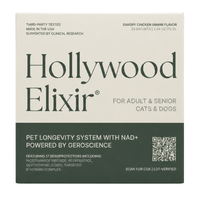
Product overview visual highlighting formulation integrity aligned with glutathione supplement for cats.

Comparing Forms and Labels: What “Best” Should Actually Mean

Not all glutathione supplements for cats are created equal, and “more” isn’t automatically better. The best glutathione for cats is the one that is safe, stable, and appropriate for your cat’s health context. Supplement quality and stability can vary, and label accuracy matters when you’re committing to daily use (Agrawal D, 1987).

If you’re comparing options, prioritize transparency: clear dosing instructions, manufacturing standards, and a formulation that makes sense for cats. Also consider whether the product supports the broader cellular environment—because glutathione doesn’t operate alone, and the goal is lasting support rather than a narrow, fragile intervention.

Choosing the Best Glutathione Supplements for Cats Without Hype

If you’re comparing the best glutathione for cats, it helps to ask a different question: what’s the best way to support the system that uses glutathione? In real life, cats don’t benefit from “more antioxidants” in the abstract; they benefit from steady, well-tolerated support that fits their diet, their sensitivities, and their health history. Clinically ill cats can show different glutathione-related patterns than healthy cats, which is one reason personalization matters (Viviano KR, 2009).

Look for products that respect feline palatability, avoid unnecessary additives, and are designed for consistent daily use. If a formula includes cofactors that broadly support cellular maintenance—rather than a single “hero” compound—it’s often a better match for long-term use. That’s the lens many owners use when they search for the best glutathione supplements for cats: not a quick fix, but a durable routine.

“The best supplement plan is the one your cat will take consistently, without stress.”

Lab coat with La Petite Labs logo symbolizing science-backed standards for glutathione for cats health.

Making Supplements Work in Real Life: Taste, Routine, Consistency

Administration is where good intentions can fail. Some cats refuse powders, others dislike strong sulfur-like odors, and many won’t tolerate sudden changes. If you’re using a glutathione supplement for cats, introduce it gradually and pair it with a familiar feeding ritual. Consistency tends to matter more than intensity; the goal is a routine your cat accepts without stress.

If your cat has a sensitive stomach, consider timing with meals and avoid stacking multiple new supplements at once. When owners report “it didn’t work,” it’s often because the cat never truly took it consistently, or because another variable—diet change, appetite fluctuation, medication timing—was moving at the same time. A calm, measured rollout usually gives the clearest read.

Shop Now
Supplement with whole-food visuals emphasizing quality sourcing for best glutathione for cats.

Glutathione and Liver Health: Supportive Context, Not a Shortcut

Glutathione is closely tied to liver function, because the liver is a major site of antioxidant activity and detoxification. In cats with liver disease, glutathione concentrations can be altered, and monitoring those shifts may offer insight into disease severity (Center SA, 2002). That doesn’t mean supplementation is a substitute for veterinary care—liver conditions in cats can be urgent and complex.

For owners thinking about glutathione supplements for cats in the context of liver support, the safest framing is “supportive care” alongside diagnostics, diet, and prescribed treatment. Your veterinarian can help decide whether antioxidant support is appropriate, and whether other nutrients (or medication interactions) should shape the plan. The best outcomes usually come from coordinated, not isolated, decisions.

Shop Now
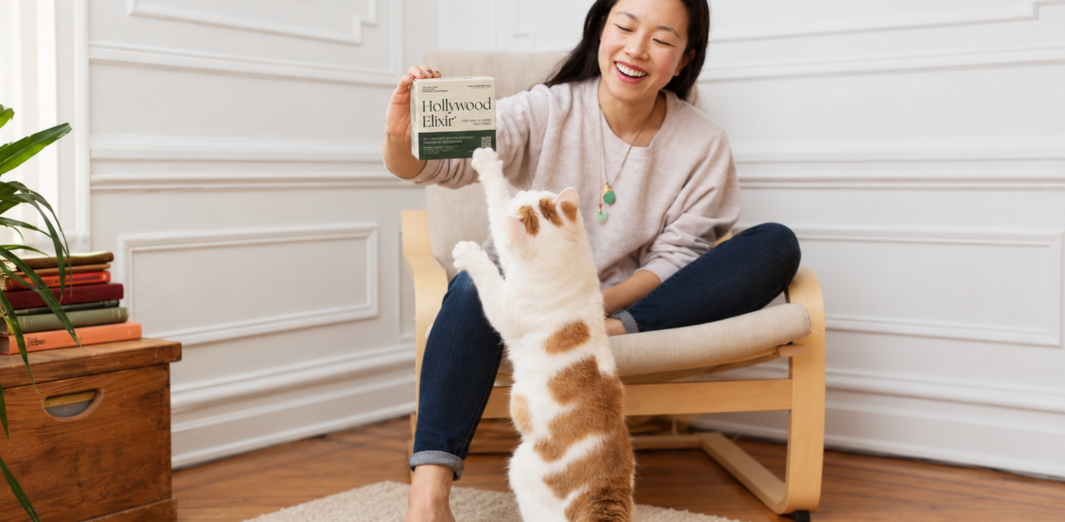
Pet owner presenting supplement, highlighting home wellness supported by glutathione for cats health.

Glutathione, Diabetes, and Oxidative Stress: a Broader Stability Lens

Oxidative stress is also discussed in feline diabetes, where antioxidant balance and immune support are part of the broader health picture (Webb CB, 2009). It’s tempting to treat glutathione as a direct lever, but diabetes management is still built on veterinary oversight, diet strategy, weight goals, and careful monitoring. Antioxidant support may be considered as one piece of a larger stability plan, not a stand-alone solution.

If your cat has diabetes, ask your veterinarian about supplement timing, appetite changes, and any ingredients that could complicate glucose management. The most useful supplements in this context are the ones that are predictable, gentle, and compatible with daily routines—because consistency is what keeps the whole system calmer over time.

Shop Now

Senior Cats and Antioxidant Resilience: Subtle Changes, Real Stakes

Aging is where interest in glutathione for cats tends to become personal. Many cats look “fine” until they don’t, and owners notice subtle shifts: less spring in the jump, more sleeping, pickier eating. Research suggests aging cats often experience a decline in glutathione levels alongside increased oxidative stress (Ruparell A, 2024). That doesn’t define your cat’s future, but it helps explain why cellular support becomes a reasonable focus.

The most realistic goal is not to chase youth, but to protect comfort and function. That means pairing any supplement choice with basics that compound over time: hydration, dental care, protein-appropriate diets, and regular labs when your veterinarian recommends them. Supplements can be a quiet assist, not the whole story.

Glutathione for Cats Dosage: Vet-guided, Form-dependent, Conservative

When people ask about glutathione for cats dosage, they’re usually looking for certainty. The honest answer is that dosing depends on the form used, the cat’s health status, and what else is in the plan. Because clinically ill cats can have different glutathione-related profiles than healthy cats, dosing decisions should be vet-guided rather than improvised (Viviano KR, 2009).

Avoid mg-per-kg advice from forums, and avoid combining multiple antioxidant products without a clear reason. If you’re trialing a glutathione supplement for cats, pick one approach, track appetite and stool quality, and reassess with your veterinarian—especially if your cat has liver disease, diabetes, or is on long-term medication. The right dose is the one your cat tolerates and your vet is comfortable supporting.

Comparison layout showing ingredient quality differences relevant to glutathione supplement for cats.

Safety and Tolerance: When to Pause and Call the Vet

Safety is mostly about context. Glutathione is a normal part of feline biology, but supplements can still cause problems if they’re poorly formulated, contaminated, or layered onto an already complicated medical picture. If your cat is clinically ill, glutathione status may already be shifting, which is another reason to keep your veterinarian in the loop before adding new products.

Watch for practical side effects: reduced appetite, vomiting, or diarrhea after starting something new. Also consider indirect risks—like a supplement that makes a cat refuse food, which can be especially dangerous in cats prone to hepatic lipidosis. When in doubt, pause the new product and call your clinic for guidance.

Shop Now
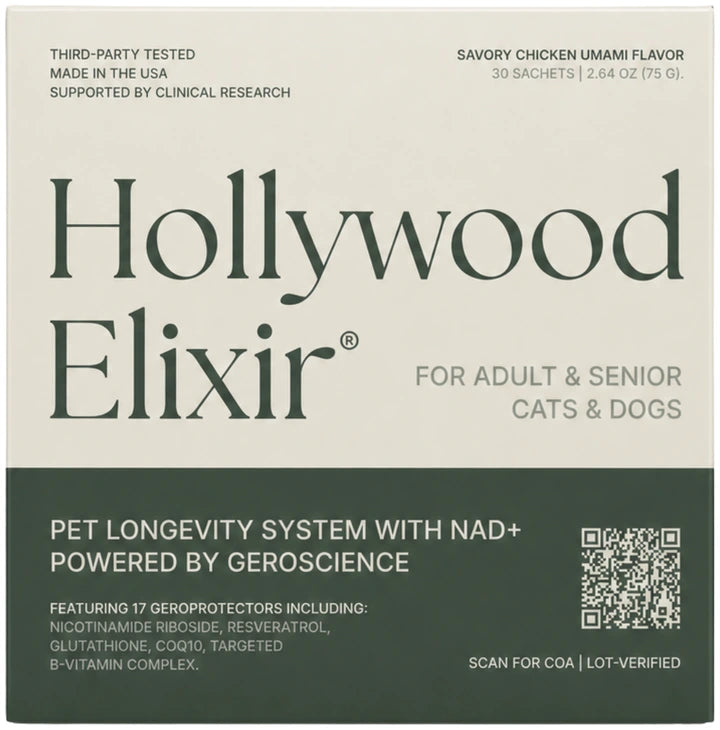
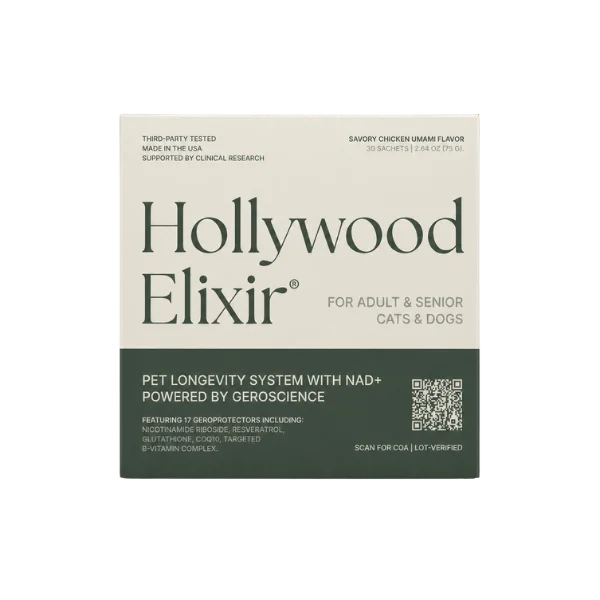
Product reveal shot showing premium feel consistent with glutathione supplement for cats.

Quality Signals That Separate the Best from the Noisiest

Quality is where “best glutathione supplement for cats” becomes a meaningful question. Stability, storage, and label accuracy matter, especially for delicate compounds and blends (Agrawal D, 1987). Choose brands that provide clear ingredient lists, lot tracking, and sensible dosing instructions, and avoid products that promise dramatic results. In supplements, restraint is often a sign of seriousness.

Also consider whether the formula supports the broader antioxidant network rather than isolating one molecule. Glutathione works alongside other nutrients and recycling systems; a product that respects that reality is usually more compatible with long-term use. If you’re unsure, your veterinarian can help you evaluate a label with a clinician’s eye.

Shop Now

A Calm Decision Framework for Long-term Cellular Support

A science-minded owner still chooses a well-designed longevity formula for one simple reason: it reduces guesswork. Instead of trying to assemble a stack of single-ingredient products, you can choose a system-level approach that’s built for daily use, feline acceptance, and broad cellular maintenance. That matters because aging isn’t one problem—it’s many small pressures accumulating quietly.

If glutathione is part of your mental model for protection and repair, think of it as a signal pointing to the bigger theme: supporting the metabolic network that keeps cells steady over time (related: CoQ10 for Cats). The best plans pair veterinary care with a consistent routine you can actually sustain, month after month, without turning your cat’s life into a supplement experiment.

“Quality and context matter more than bold promises on a label.”

Educational content only. This material is not a substitute for veterinary advice. Always consult your veterinarian about your cat’s specific needs. These statements have not been evaluated by the Food and Drug Administration. Products mentioned are not intended to diagnose, treat, cure, or prevent any disease.

Glossary

  • Glutathione: A naturally occurring antioxidant made inside cells that helps manage oxidative wear and supports normal detox functions.
  • Oxidative Stress: An imbalance where reactive byproducts outpace the body’s ability to neutralize them, contributing to cellular strain over time.
  • Antioxidant Network: A connected set of nutrients and enzymes that work together; glutathione is one part, not a standalone solution.
  • Precursors: Building blocks the body uses to make glutathione, including certain amino acids such as glycine and cysteine.
  • Recycling (Redox Cycling): The process by which glutathione is converted between active and used forms and restored for reuse.
  • Hepatic (Liver) Support: A broad term for strategies that help maintain normal liver function, often including diet, monitoring, and sometimes antioxidant support.
  • Palatability: How willingly a cat eats a product; crucial for any daily supplement routine.
  • Body Condition Score (BCS): A veterinary assessment of fat stores that can influence nutrient status discussions and supplement decisions.
  • Clinically Ill: A term describing cats with active disease; supplement choices often require more caution and veterinary coordination.

Related Reading

References

Ruparell A. Glycine supplementation can partially restore oxidative stress-associated glutathione deficiency in ageing cats.. PubMed. 2024. https://pubmed.ncbi.nlm.nih.gov/38418414/

Chu V. Factors influencing vitamin B6 status in domestic cats: age, disease, and body condition score.. PubMed. 2024. https://pubmed.ncbi.nlm.nih.gov/38263201/

Center SA. Liver glutathione concentrations in dogs and cats with naturally occurring liver disease.. PubMed. 2002. https://pubmed.ncbi.nlm.nih.gov/12171175/

Webb CB. Oxidative stress and innate immunity in feline patients with diabetes mellitus: the role of nutrition.. PubMed. 2009. https://pubmed.ncbi.nlm.nih.gov/18783975/

Viviano KR. Glutathione, cysteine, and ascorbate concentrations in clinically ill dogs and cats.. PubMed. 2009. https://pubmed.ncbi.nlm.nih.gov/19143933/

McGorum BC. Alterations in amino acid status in cats with feline dysautonomia.. PubMed Central. 2017. https://pmc.ncbi.nlm.nih.gov/articles/PMC5363954/

Vulcano LA. Efficacy of free glutathione and niosomal glutathione in the treatment of acetaminophen-induced hepatotoxicity in cats.. PubMed. 2013. https://pubmed.ncbi.nlm.nih.gov/26623313/

Agrawal D. Lindane-induced changes in glucose and glutathione levels in cats.. PubMed. 1987. https://pubmed.ncbi.nlm.nih.gov/2442857/

Hill AS. Antioxidant prevention of Heinz body formation and oxidative injury in cats.. PubMed. 2001. https://pubmed.ncbi.nlm.nih.gov/11277202/

Court MH. Feline drug metabolism and disposition: pharmacokinetic evidence for species differences and molecular mechanisms.. PubMed Central. 2013. https://pmc.ncbi.nlm.nih.gov/articles/PMC3811070/

Peloquin. Presumed Choline Chloride Toxicosis in Cats With Positive Ethylene Glycol Tests After Consuming a Recalled Cat Food. 2021. https://www.sciencedirect.com/science/article/pii/S1938973621000416

Bilgiç B. Investigation of Trace and Macro Element Contents in Commercial Cat Foods.. PubMed Central. 2025. https://pmc.ncbi.nlm.nih.gov/articles/PMC11633335/

FAQ

What is glutathione for cats, in plain terms?

Glutathione is a small molecule cats make inside their cells to help manage oxidative wear and support normal detox processes. Think of it as part of the body’s internal “maintenance crew,” working quietly in the background rather than creating a dramatic, immediate effect.

Because it works within a larger network, many owners choose a formula that supports overall cellular steadiness rather than relying on a single ingredient. That’s the role Hollywood Elixir™ is built to play.

Why do owners look into glutathione for cats health?

Most owners are trying to support resilience: steadier energy, fewer “off” days, and a sense that aging is unfolding gently. Research suggests aging cats often experience a decline in glutathione levels alongside increased oxidative stress.

The practical approach is to support the broader system—diet consistency, tolerance, and routines—so antioxidant defenses can do their job. For that kind of whole-picture support, many owners consider Hollywood Elixir™.

How does glutathione work inside a cat’s body?

Glutathione helps neutralize oxidative byproducts and supports normal cellular housekeeping. It’s also recycled and rebuilt, which means it depends on adequate building blocks and overall metabolic steadiness, not just a one-time input.

That’s why many owners prefer a network-oriented approach that supports daily cellular function beyond a single compound. A system-level formula like Hollywood Elixir™ fits that philosophy.

Is glutathione for cats safe for daily use?

Glutathione is naturally present in the body, but “safe” depends on the product, the dose, and your cat’s health context. Clinically ill cats can show different glutathione-related patterns than healthy cats, which is one reason daily supplementation should be discussed with your veterinarian.

If you notice vomiting, diarrhea, or appetite changes after starting anything new, pause and call your clinic. For gentle, routine-friendly support, many owners use Hollywood Elixir™ as part of a broader aging plan.

When should I avoid glutathione supplements for cats?

Avoid starting new supplements when your cat is acutely unwell, not eating, or being worked up for a new diagnosis—unless your veterinarian explicitly recommends it. In cats with liver disease, glutathione levels can be altered, and the overall plan may need careful coordination.

Also be cautious if your cat is on multiple medications or has a history of supplement sensitivity. If you want a conservative, system-level option to discuss with your vet, consider Hollywood Elixir™ for daily support.

What is a reasonable glutathione for cats dosage approach?

A reasonable approach is vet-guided dosing based on your cat’s health status, the supplement form, and what else your cat is taking. Because glutathione-related markers can differ in clinically ill cats, copying a dose from the internet is a poor substitute for individualized guidance.

Start with the label directions, introduce gradually, and track appetite and stool quality. For owners who prefer a broader longevity formula rather than DIY dosing, Hollywood Elixir™ is designed for consistent daily use.

What side effects can glutathione supplements for cats cause?

The most common issues owners notice with new supplements are gastrointestinal: soft stool, vomiting, or food refusal. Side effects can be more likely when multiple products are started at once or when a cat already has a sensitive stomach.

If your cat stops eating, treat it as urgent and contact your veterinarian, since prolonged inappetence can be risky in cats. For a gentler, system-level option many cats tolerate well, ask your vet about Hollywood Elixir™.

Can glutathione for cats interact with medications?

Potential interactions depend less on glutathione itself and more on the full ingredient list, dose, and your cat’s liver and kidney function. Cats with liver disease can have altered glutathione concentrations, which is a reminder that hepatic context matters when adding anything new.

Bring the product label to your veterinarian or pharmacist, especially if your cat takes thyroid medication, seizure medication, or long-term anti-inflammatories. If you want a formula designed for daily aging support, consider Hollywood Elixir™ as part of a coordinated plan.

Is glutathione for cats mainly for senior cats?

Interest is highest in seniors because aging is associated with higher oxidative stress and a decline in glutathione levels in cats. That said, younger cats may be considered for antioxidant support when life is stressful, diet is inconsistent, or a veterinarian is managing a chronic issue.

The key is choosing support that matches the life stage and doesn’t create feeding battles. For long-horizon, daily support that fits an aging mindset, many owners choose Hollywood Elixir™.

Do kittens ever need glutathione supplements for cats?

Most kittens do best with complete-and-balanced nutrition and a calm environment rather than targeted antioxidant supplementation. If a kitten is ill, the priority is diagnosis and treatment, not adding supplements that could complicate appetite or stool quality.

If your veterinarian suggests supportive supplementation for a specific reason, follow their guidance closely and introduce changes slowly. For owners planning ahead for long-term wellness, Hollywood Elixir™ is typically positioned for graceful aging rather than kittenhood.

Does breed or size change glutathione for cats decisions?

Breed and size matter less than health status, diet, and tolerance. Body condition can influence nutrient status in cats, which is one reason your veterinarian may consider weight, muscle condition, and overall intake when discussing supplements(Chu V, 2024).

If your cat is underweight, overweight, or medically fragile, keep supplementation conservative and coordinated. For a daily formula designed to support the broader aging system, considerHollywood Elixir™with your vet’s input.

Is glutathione for cats the same idea as for dogs?

The concept—supporting antioxidant defenses—is similar, but cats have distinct metabolism, sensitivities, and feeding behavior. What works smoothly in a dog may fail in a cat simply because cats are less tolerant of taste changes and more vulnerable to appetite disruption.

That’s why feline-specific formulation and palatability matter when choosing glutathione supplements for cats. For a cat-centered, daily aging routine, many owners lean toward Hollywood Elixir™ rather than repurposing dog products.

How long until I notice results from glutathione for cats?

With antioxidant support, changes are often subtle and gradual. Many owners look for steadier patterns—more consistent appetite, better tolerance of routine stress, and fewer “down” days—rather than a sudden, obvious shift. In seniors, the goal is usually maintenance as oxidative stress rises with age.

If symptoms are worsening, don’t wait on a supplement to clarify the picture—call your veterinarian. For a consistent daily approach to aging support, consider Hollywood Elixir™ as part of a longer-term routine.

What signals define the best glutathione supplements for cats?

Look for transparency (clear ingredients and dosing), stability, and manufacturing quality. Supplement quality and label accuracy can vary, and stability matters for delicate compounds and blends. Also avoid products that promise dramatic, guaranteed outcomes.

Finally, prioritize feline acceptance—because a supplement that isn’t taken consistently isn’t really being tested. For a system-level formula designed for daily use, many owners choose Hollywood Elixir™ as their baseline.

Should I choose a glutathione supplement for cats or precursors?

Some strategies focus on supporting the body’s ability to maintain glutathione by providing building blocks. In older cats, glycine supplementation has been described as helping mitigate oxidative stress-related glutathione deficiency. The best choice depends on your cat’s diet, tolerance, and medical context.

Rather than choosing one “magic” route, many owners prefer a broader formula that supports cellular maintenance without overcomplicating dosing. That’s where Hollywood Elixir™ can fit into a simple daily routine.

Can I combine glutathione supplements for cats with other antioxidants?

You can, but it’s easy to overdo complexity. Clinically ill cats may already have altered glutathione-related status, so stacking multiple antioxidant products without a clear plan can make tolerance and troubleshooting harder.

If you want to combine products, do it with veterinary guidance and introduce one change at a time. Many owners choose a single, comprehensive daily formula instead—such as Hollywood Elixir™—to keep the routine clean and consistent.

What’s the best way to give glutathione supplements for cats?

The best method is the one your cat accepts calmly. Introduce gradually, pair with meals, and avoid changing food and supplements at the same time. Palatability matters more than perfection, because consistency is what makes any supportive routine meaningful.

If your cat refuses food after a new addition, stop and contact your veterinarian. For a daily formula designed with routine acceptance in mind, consider Hollywood Elixir™ as a steady option.

Does glutathione for cats help with liver support discussions?

It often comes up because glutathione is a critical antioxidant in the liver, and cats with liver disease can show altered glutathione concentrations. That makes it relevant to conversations about supportive care, especially during recovery or long-term management.

Still, liver disease needs veterinary diagnosis and monitoring, and supplements should never delay care. For a broader daily aging-support routine to discuss with your vet, consider Hollywood Elixir™.

How does glutathione for cats relate to diabetes care?

In feline diabetes, oxidative stress is part of the broader health picture, and adequate nutrition including antioxidants is described as important for immune support. That doesn’t make glutathione a treatment for diabetes; it simply explains why some veterinarians discuss antioxidant support as a complementary layer.

If your cat has diabetes, coordinate any supplement with your vet to avoid appetite disruption or timing conflicts. For gentle, system-level daily support, consider Hollywood Elixir™ as part of a stable routine.

When should I call my vet about glutathione for cats?

Call your veterinarian if your cat is not eating, is vomiting repeatedly, has diarrhea lasting more than a day, seems painful, or shows sudden lethargy—especially after starting a new supplement. In clinically ill cats, glutathione-related status can differ from healthy cats, so professional context matters.

Also call if your cat has liver disease, diabetes, or is on multiple medications before adding anything new. For a vet-aligned, system-level daily option, consider Hollywood Elixir™.

How do I decide if glutathione for cats is worth it?

Decide based on goals and practicality: Are you aiming for graceful aging support, or responding to a specific medical issue that needs veterinary oversight? Aging is associated with increased oxidative stress and lower glutathione in cats, which makes cellular support a reasonable long-term focus.

If you value a clean routine, choose a product that supports the broader metabolic network rather than forcing you to assemble a complicated stack. Many owners land on Hollywood Elixir™ for that reason.

5K+ Happy Pet Parents

Excellent 4.8

Glutathione for Cats | Why Thousands of Pet Parents Trust Hollywood Elixir™

"My go-to nutrient-dense topper. Packed with 16 powerful anti-aging actives and superfoods!"

Chanelle & Gnocchi

"We go on runs pretty often; he use to get tired halfway through, but lately, he's been keeping up without any problem."

Cami & Clifford

"He seems more happy overall. I've also noticed he has more energy which makes our walks and playtime so much more fun."

Olga & Jordan

"I want her to live forever. She hasn't had an ear infection since!"

Madison & Azula

"My go-to nutrient-dense topper. Packed with 16 powerful anti-aging actives and superfoods!"

Chanelle & Gnocchi

"We go on runs pretty often; he use to get tired halfway through, but lately, he's been keeping up without any problem."

Cami & Clifford

"He seems more happy overall. I've also noticed he has more energy which makes our walks and playtime so much more fun."

Olga & Jordan

"I want her to live forever. She hasn't had an ear infection since!"

Madison & Azula

"My go-to nutrient-dense topper. Packed with 16 powerful anti-aging actives and superfoods!"

Chanelle & Gnocchi

"We go on runs pretty often; he use to get tired halfway through, but lately, he's been keeping up without any problem."

Cami & Clifford

"He seems more happy overall. I've also noticed he has more energy which makes our walks and playtime so much more fun."

Olga & Jordan

"I want her to live forever. She hasn't had an ear infection since!"

Madison & Azula

"My go-to nutrient-dense topper. Packed with 16 powerful anti-aging actives and superfoods!"

Chanelle & Gnocchi

"We go on runs pretty often; he use to get tired halfway through, but lately, he's been keeping up without any problem."

Cami & Clifford

"He seems more happy overall. I've also noticed he has more energy which makes our walks and playtime so much more fun."

Olga & Jordan

"I want her to live forever. She hasn't had an ear infection since!"

Madison & Azula

SHOP NOW