The Best Antioxidant Supplements for Cats

Subtle Protection That Endures Within a Cat’s Long Life

Essential Summary

Why is the best antioxidant supplements for cats important?

Antioxidant support can be a thoughtful part of feline aging care, but “best” should mean safe, consistent, and compatible with your cat’s diet and medical context. Because foods and absorption vary, a system-level supplement may add steadiness without chasing megadoses. Choose transparency, tolerability, and a long-term routine.

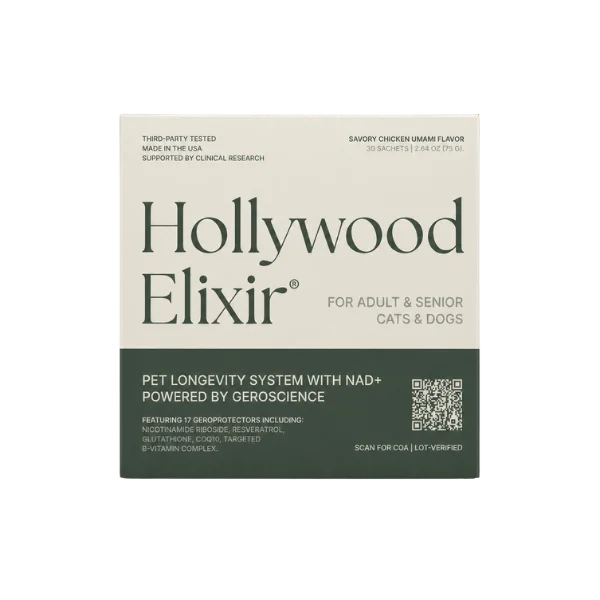
Hollywood Elixir™ is designed as system-level support for graceful aging—helping reinforce the broader network that manages everyday oxidative load, energy, and resilience over time. Rather than acting like a single-nutrient replacement, it fits alongside a complete diet and a vet-guided wellness plan, with an emphasis on consistency and long-term use.

Searching for the best antioxidant supplements for cats is rarely about trends. It’s about a quiet kind of hope: that the years ahead can feel easier on the body, with fewer fragile stretches and more ordinary good days. Antioxidants are part of how the body manages oxidative stress—reactive molecules produced during normal metabolism that can contribute to cellular wear when they accumulate. In cats, oxidative injury has been associated with meaningful health issues, which is why antioxidant support is often discussed as part of a broader wellness picture.

Still, “best” is not a universal list. Cats differ in diet, absorption, medical history, and tolerance, and even commercial foods vary in nutrient levels and bioavailability. The most reliable approach is to treat supplementation as a layer of support—measured, consistent, and compatible with the life your cat already lives. That’s also the honest answer to why a careful, science-minded owner might still choose a product like Hollywood Elixir™: it’s positioned as system-level support for healthy aging, not as a single-nutrient replacement, and it’s designed to fit alongside a complete diet and vet-guided care without forcing extremes.

By La Petite Labs Editorial, ~15 min read

Featured Product:

  • “Best” antioxidant choices are the ones your cat can take safely and steadily.
  • Oxidative stress is normal; support is about balance, not extremes.
  • Diet matters, but real-world nutrient availability can vary across foods.
  • Quality signals include clear labeling, testing, and conservative claims.
  • Medical conditions and medications change what “appropriate” looks like.
  • Track simple markers over weeks, not hours, to judge fit.
  • System-level formulas can support aging resilience beyond single nutrients.

Why Antioxidant Support Matters for Cats over a Lifetime

When people search for the best antioxidant supplements for cats, they’re usually trying to protect something they can’t see: the slow accumulation of oxidative wear that comes with time, stress, illness, and ordinary metabolism. Antioxidants matter because they help buffer free-radical activity and support the body’s ability to maintain cellular integrity (Jewell DE, 2024). But “best” rarely means “highest dose” or “most ingredients.” It means appropriate, well-made, and compatible with your cat’s diet, medications, and health history.

A careful owner also runs into a real tension: many cats already receive some antioxidant-relevant nutrients through complete diets, yet quality and bioavailability can vary widely across foods (Bilgiç B, 2025). That’s why a system-level approach can make sense—supporting the broader network that manages oxidative balance, energy production, and healthy aging, rather than chasing a single “hero” nutrient. This is the practical reason science-minded owners still choose thoughtfully formulated products like Hollywood Elixir™: not as a replacement for a complete diet, but as a consistent layer of support for the whole aging picture.

Scientific view of cellular energy centers tied to dog vitality with best the best antioxidant supplements for cats.

Oxidative Stress in Cats: the Quiet Wear Behind the Scenes

Oxidative stress is not a trend term; it’s a normal byproduct of living cells. Your cat’s body continuously produces reactive molecules during energy production, and it relies on a balance of antioxidants and repair systems to keep that activity from becoming damaging. Over time, that balance can be challenged by aging, inflammation, environmental stressors, and certain diseases.

In cats, oxidative injury has been associated with clinically meaningful issues, and antioxidants have been discussed for their role in limiting oxidative damage in specific scenarios (Hill, 2001). Still, supplementation is not automatically beneficial for every cat. The best antioxidant supplements for cats are the ones that match the cat in front of you: diet, age, medical context, and tolerance.

Molecular artwork representing healthy aging foundations supported by best the best antioxidant supplements for cats.

How Antioxidants Work Together in Real-world Feline Nutrition

A useful way to think about antioxidants is as a team, not a soloist. Some compounds directly neutralize reactive molecules; others support enzymes and nutrient cycles that keep the overall redox environment stable. Because absorption and effectiveness can vary depending on the type of antioxidant and the rest of the diet, outcomes are not uniform across products.

This is why “more ingredients” doesn’t automatically mean “better.” A crowded label can create redundancy, poor tolerability, or interactions that reduce absorption. If you’re comparing the best antioxidant supplements for cats, look for a coherent formula with a clear purpose—supporting the broader system that manages oxidative load—rather than a scattershot list of fashionable add-ons.

Protein visualization highlighting formulation depth and rigor in the best antioxidant supplements for cats.

Dietary Antioxidants: What Food Provides and What It May Not

Many cats already receive antioxidant-relevant nutrients from complete diets, but the details matter. Commercial foods can vary in trace and macro element levels, and those differences can influence overall health. Some minerals can contribute antioxidant effects and support immune function, yet their real-world impact depends on quality and bioavailability.

So why supplement at all? Because diet is not just a checklist—it’s a moving target shaped by appetite, storage, formulation changes, and the cat’s own absorption. A well-designed supplement can provide consistent support for the broader metabolic network that helps manage oxidative balance, especially as cats age. That’s the practical logic behind choosing the best antioxidant supplements for cats even when you already feed a reputable diet.

Pug portrait highlighting companionship and steady support from the best antioxidant supplements for cats best.

Safety First: Avoiding Imbalances, Contaminants, and Over-supplementing

Safety is the first filter, not an afterthought. Vitamin-mineral supplements for cats can be poorly matched to feline requirements, and some may not meet minimum recommendations—creating the possibility of imbalance or unintended risk. Quality control also matters because contamination is not theoretical; there are documented concerns in the broader supplement landscape, including heavy metal risk in certain products.

Choose products that are transparent about manufacturing standards and testing. Avoid stacking multiple multi-ingredient supplements unless your veterinarian has a clear reason. If you’re seeking the best antioxidant supplements supplements for cats, “best” should mean: conservative, well-documented, and designed for long-term use without pushing nutrients into excess.

Hollywood Elixir™ is amazing and makes my 13 y/o kitty young again!

— Jessie

She hopped up onto the windowsill again—first time in years.

— Charlie

“Best rarely means strongest. It usually means safest, clearest, and easiest to keep steady.”

Who Should Be Cautious: Conditions, Medications, and Sensitive Cats

Certain cats deserve extra caution: those with chronic kidney disease, liver disease, hyperthyroidism, diabetes, or a history of pancreatitis; cats on multiple medications; and cats with food sensitivities. Antioxidants can interact with other dietary components and influence absorption, so “natural” does not mean “interaction-free”.

Also be wary of products that feel like they’re trying to do everything at once. The more complex the formula, the harder it is to predict tolerance and the easier it is to miss a problematic overlap with diet or meds. When in doubt, ask your veterinarian to review the full ingredient panel. The best antioxidant supplements for cats are the ones that fit safely into the life your cat is already living.

Dog portrait symbolizing confidence and healthy aging support from the best antioxidant supplements for cats best.

Dosing Philosophy: Consistency and Fit Matter More Than Intensity

Owners often ask for dosing rules, but cats don’t benefit from one-size-fits-all math. The effectiveness of antioxidants can vary based on type and dosage, and the right amount depends on diet, health status, and the specific compound. That’s why reputable brands provide feline-specific directions and why veterinarians prefer measured, conservative approaches over aggressive “loading” strategies.

If you’re adding an antioxidant product, introduce it slowly and keep everything else stable for a few weeks. Watch appetite, stool quality, and energy. If anything shifts sharply, stop and consult your veterinarian. The best antioxidant supplements for cats supplement choices are the ones you can use consistently, without forcing your cat or gambling with tolerance.

Profile dog image reflecting natural poise supported by the best antioxidant supplements for cats products.

Side Effects and Red Flags: When to Pause and Reassess

Side effects are usually nonspecific: mild gastrointestinal upset, changes in stool, or a sudden refusal of food. The risk is not only the ingredient itself but also the carrier oils, flavorings, or the cumulative load when multiple supplements overlap. Some supplement categories have raised safety concerns, including the possibility of mercury exposure in certain products.

A separate but important point: cats are vulnerable to toxins that can enter the food chain. Reports of severe issues tied to contaminants highlight why sourcing and monitoring matter (Peloquin, 2021). If you want the best antioxidant supplements for cats, choose brands that treat purity as part of the product—not as optional marketing.

Product breakdown image highlighting 16 actives and benefits supported by the best antioxidant supplements for cats best.

Aging Support: Choosing Steady, Long-arc Antioxidant Coverage

Aging is the most common reason owners explore antioxidants. The goal is not to “reverse” age, but to support the body’s ongoing maintenance: cellular integrity, immune steadiness, and everyday energy. Oxidative injury can contribute to significant health issues in cats, which is why antioxidant support is often discussed as part of a broader wellness plan (Hill, 2001).

The most credible approach is long-term and low-drama: a stable diet, regular veterinary monitoring, and a supplement that supports the system rather than chasing extremes. If you’re choosing among the best antioxidant supplements for cats, prioritize products designed for consistency—because longevity is built from what you can keep doing.

Antioxidants for Cats with Diagnoses: Coordinate with Your Veterinarian

If your cat has a diagnosed condition, antioxidant choices should be conservative and coordinated with your veterinarian. In hyperthyroid cats treated with methimazole, antioxidant supplementation has been studied for its potential to support redox balance during treatment (Candellone, 2019). That doesn’t mean every hyperthyroid cat needs an antioxidant product, or that more is better; it means the context matters, and timing and formulation matter.

For kidney disease, diabetes, inflammatory bowel disease, or cancer care, the goal is usually “support without interference.” Some antioxidants can affect absorption or interact with other dietary components, which is one reason your vet may prefer a simpler, steadier option over a kitchen-sink blend (Jewell DE, 2024). If you’re evaluating the best antioxidant supplements for cats best for medical complexity, prioritize transparency, conservative dosing, and a product philosophy that supports the whole system rather than pushing a single nutrient to extremes.

“A supplement should reduce uncertainty, not add new variables to your cat’s day.”

Research-style uniform highlighting scientific integrity aligned with the best antioxidant supplements for cats products.

Choosing a Format Your Cat Will Actually Accept Daily

Cats are famously selective, so the “best” supplement is also the one your cat will reliably take. Powders can be convenient but may change food aroma; liquids can be easier to portion but may be rejected if the flavor is sharp. Soft chews are popular in dogs, but many cats dislike the texture. The practical win is a format that disappears into the routine without turning meals into negotiations.

Start by choosing a consistent time of day and pairing it with something your cat already accepts—wet food, a small topper, or a post-meal ritual. If you’re trialing a new product, introduce it gradually and watch for appetite changes, stool changes, or new fussiness. The best antioxidant supplements for cats products are often the ones designed for long-term compliance: stable, palatable, and easy to keep steady across months, not just days.

Shop Now
Supplement box with ingredient spread showing care behind best the best antioxidant supplements for cats.

What to Expect: Subtle Changes, Measured over Weeks

A common misconception is that antioxidants are “instant.” In reality, owners typically notice changes indirectly: steadier energy, a calmer coat cycle, or fewer “off” days—signals that can be subtle and easily confounded by season, stress, or diet shifts. Because oxidative balance is a background process, the most realistic expectation is gradual support over time, not a dramatic before-and-after.

If you want to evaluate whether a supplement is worth continuing, pick two or three simple markers you can track: appetite consistency, play interest, grooming, stool quality, and overall comfort. Avoid changing multiple variables at once. And remember that effectiveness can vary by type and dosage, even when products share similar labels (Jewell DE, 2024). Patience and consistency are part of what makes the best antioxidant supplements for cats feel “best” in real life.

Shop Now
Lifestyle shot of dog owner and Hollywood Elixir aligned with the best antioxidant supplements supplement for cats.

Quality Signals That Separate Serious Products from Risky Ones

Quality is not a vibe; it’s documentation. Look for clear ingredient identities, batch-level testing, and a manufacturer willing to answer basic questions about sourcing and stability. This matters because supplements can vary in purity and may carry risks if poorly made or contaminated (RVA, 2021). A label that hides behind “proprietary blend” language makes it harder to evaluate both safety and relevance.

Also consider whether the formula respects feline physiology. Cats have unique sensitivities, and “human-style” megadoses are rarely appropriate. If a product promises sweeping outcomes, treat that as a quality signal in the wrong direction. The best antioxidant supplements supplement for cats are typically modest in claims, precise in composition, and designed for steady, long-term use rather than short bursts of intensity.

Shop Now

Diet First, Then Support: Building a Stable Baseline

Diet is the baseline, and it deserves respect. Complete and balanced foods can provide antioxidant-relevant nutrients, including trace elements that contribute to immune function and oxidative defense (Bilgiç B, 2025). But “can” is doing a lot of work: ingredient quality, processing, storage, and bioavailability all influence what your cat actually absorbs and uses (Bilgiç B, 2025).

This is where a supplement can be rational without being redundant. A system-level product doesn’t try to out-muscle the diet with one nutrient; it aims to support the broader metabolic network that helps the body manage everyday oxidative load. For owners comparing the best antioxidant supplements for cats, the most coherent strategy is: keep the diet stable and high-quality, then add a measured layer of support that’s designed to fit alongside it.

Understanding Antioxidants as a Role, Not a Single Ingredient

It’s easy to forget that “antioxidant” is not a single ingredient—it’s a role. Some nutrients act directly as antioxidants; others support enzymes and systems that keep oxidative stress in check. In cats, oxidative injury can contribute to meaningful health problems, and antioxidants have been discussed for their potential to mitigate oxidative damage in certain contexts (Hill, 2001). The key is choosing support that is proportionate and appropriate for your cat’s life stage and risk profile.

If you’re deciding between narrow, single-ingredient options and broader blends, ask what you’re truly trying to support. If the goal is longevity and resilience, a network-oriented formula can be more sensible than chasing one lab-sounding compound. This is also why many owners stay interested in the best antioxidant supplements for cats products that are built for daily use: they’re less about “fixing” and more about steady, background support.

Supplement comparison highlighting clean formulation advantages for best the best antioxidant supplements for cats.

Special Populations: Kittens, Seniors, and Medically Complex Cats

If your cat is pregnant, nursing, very young, or has a complex medical history, treat supplements as a veterinary decision, not a wellness accessory. Cats can be sensitive to formulation choices, and some vitamin-mineral supplements have been found not to meet minimum recommendations—creating the risk of imbalance rather than benefit (RVA, 2021). In these cases, “less but better” is often the safer philosophy.

The same caution applies if your cat is on multiple medications or has a history of food reactions. Antioxidants can interact with other dietary components and influence absorption, so coordination matters. If you want the best antioxidant supplements for cats in a high-stakes situation, prioritize products with conservative positioning, clear quality controls, and a role that complements—not complicates—your cat’s care plan.

Shop Now
Supplement box revealed in soft light, reflecting premium the best antioxidant supplements for cats best positioning.

A Calm Decision Framework for Selecting the Right Supplement

A simple decision framework can keep you out of the weeds. First, define the goal: everyday aging support, support during a specific life stage, or support alongside a diagnosed condition. Second, check the baseline: diet quality, treat load, and any recent changes. Third, screen for safety: avoid products with vague labeling, extreme doses, or unrealistic promises; supplement risks and contaminant concerns are real in the category (RVA, 2021).

Finally, choose for consistency. The best antioxidant supplements for cats are the ones you can use calmly, daily, and long enough to matter—without turning feeding into conflict. If you want a product that fits a system-level philosophy (supporting the broader aging network rather than a single nutrient), Hollywood Elixir™ is designed to sit neatly in that role.

Shop Now

When to Involve Your Vet and What to Monitor

If you’re still unsure, bring the label to your veterinarian and ask three questions: Is this appropriate for my cat’s conditions and medications? What would make you stop it? And what should we monitor over the next 4–8 weeks? This keeps the conversation grounded in safety and observable outcomes, not marketing language.

The best antioxidant supplements for cats are rarely the loudest. They’re the ones that respect feline biology, avoid unnecessary risk, and support the long arc of health with quiet consistency. Choose a product you can sustain, a routine you can keep, and a plan you can explain in one calm sentence.

“Longevity is built from what you can do consistently, not occasionally.”

Educational content only. This material is not a substitute for veterinary advice. Always consult your veterinarian about your cat’s specific needs. These statements have not been evaluated by the Food and Drug Administration. Products mentioned are not intended to diagnose, treat, cure, or prevent any disease.

Glossary

  • Antioxidant: A compound that helps limit damage from reactive molecules produced during normal metabolism.
  • Oxidative Stress: A state where reactive molecules outpace the body’s ability to neutralize or repair their effects.
  • Free Radicals: Highly reactive molecules that can contribute to cellular wear when not adequately balanced.
  • Bioavailability: How much of a nutrient is absorbed and used by the body, not just how much is listed on the label.
  • Trace Elements: Minerals needed in small amounts that can support antioxidant-related enzymes and immune function.
  • Redox Balance: The body’s ongoing equilibrium between oxidation and antioxidant defenses.
  • Quality Control (QC): Manufacturing practices such as identity testing and contaminant screening that reduce risk.
  • Therapeutic Diet: A veterinary-formulated food designed for a specific medical condition, with targeted nutrient levels.
  • Palatability: How willingly a cat consumes a product; crucial for long-term consistency.

Related Reading

References

Bilgiç B. Investigation of Trace and Macro Element Contents in Commercial Cat Foods.. PubMed Central. 2025. https://pmc.ncbi.nlm.nih.gov/articles/PMC11633335/

Jewell DE. Effect of dietary antioxidants on free radical damage in dogs and cats.. PubMed Central. 2024. https://pmc.ncbi.nlm.nih.gov/articles/PMC11185959/

RVA. Vitamin-mineral supplements do not guarantee the minimum recommendations and may imply risks of mercury poisoning in dogs and cats.. PubMed. 2021. https://pubmed.ncbi.nlm.nih.gov/33901261/

Hill. Antioxidant prevention of Heinz body formation and oxidative injury in cats. PubMed. 2001. https://pubmed.ncbi.nlm.nih.gov/11277202/

Peloquin. Presumed Choline Chloride Toxicosis in Cats With Positive Ethylene Glycol Tests After Consuming a Recalled Cat Food. 2021. https://www.sciencedirect.com/science/article/pii/S1938973621000416

Candellone. Evaluation of Antioxidant Supplementation on Redox Unbalance in Hyperthyroid Cats Treated with Methimazole: A Blinded Randomized Controlled Trial. 2019. https://www.mdpi.com/2076-3921/9/1/15

FAQ

What are antioxidants, and why do cats need them?

Antioxidants are compounds that help the body manage reactive molecules produced during normal metabolism. In cats, they’re part of the ongoing balance that supports cellular integrity and everyday resilience.

Some cats do well with diet alone, while others benefit from additional support based on age, stress, or health context. For owners comparing the best antioxidant supplements for cats, a system-level approach can be more practical than chasing one ingredient. Hollywood Elixir™

How do I choose the best antioxidant supplements for cats?

Start with safety and clarity: feline-appropriate directions, transparent ingredient identities, and quality controls. Avoid products that rely on vague blends or oversized promises.

Then choose for consistency—palatability and routine matter as much as the label. If you want support that complements a complete diet rather than trying to replace it, a system-level formula is often the most coherent choice. Hollywood Elixir™

Can antioxidants help with oxidative stress in older cats?

Aging can make the body’s maintenance work feel less effortless, which is why owners often consider antioxidant support. Oxidative injury has been associated with significant health issues in cats, making careful support a reasonable discussion point with your veterinarian.

The goal is steadiness over time, not dramatic change overnight. Many owners prefer a daily, system-oriented option that fits long-term routines. Hollywood Elixir™

Are antioxidant supplements safe for cats every day?

Daily use can be appropriate, but safety depends on formulation, dose, and your cat’s health status. Some vitamin-mineral supplements may be poorly matched to feline needs, creating risk of imbalance rather than benefit.

If your cat has a medical condition or takes medications, ask your veterinarian to review the label before starting. For ongoing, measured support that’s designed to fit a long routine, consider Hollywood Elixir™

What side effects should I watch for after starting antioxidants?

Most side effects are nonspecific: softer stool, occasional vomiting, appetite changes, or sudden food refusal. These can relate to the active ingredients or to flavorings and carrier oils.

Stop the supplement and contact your veterinarian if symptoms persist, worsen, or your cat seems unwell. A gentle, consistent formula is often easier to live with long-term, such as Hollywood Elixir™

Can antioxidant supplements interact with my cat’s medications?

They can. Antioxidants may interact with other dietary components and influence absorption, which can matter when your cat is taking medications or eating a therapeutic diet.

Bring the full ingredient panel to your veterinarian, especially if your cat takes thyroid medication, seizure meds, or multiple prescriptions. For a system-support option intended to integrate calmly into routines, look at Hollywood Elixir™

How long does it take to see results from antioxidants?

Antioxidant support is usually gradual. Because oxidative balance is a background process, changes tend to show up subtly—more consistent energy, steadier appetite, or fewer “off” days—rather than a sudden transformation.

Try tracking a few simple markers for 4–8 weeks while keeping diet and routine stable. For long-arc support designed for daily consistency, consider Hollywood Elixir™

Do kittens need antioxidant supplements or just complete diets?

Most kittens should be supported by a complete, life-stage-appropriate diet, and unnecessary supplementation can create imbalance. Some supplements may not align with feline minimum recommendations, which is a particular concern in growing animals.

If a veterinarian recommends additional support for a specific reason, keep the plan simple and well-defined. For adult cats where long-term resilience is the goal, a system-level option like Hollywood Elixir™

Are antioxidants different for cats compared with dogs?

Yes—cats have distinct nutritional sensitivities and tolerances, so dog products are not a safe shortcut. Even when ingredients overlap, the formulation and dosing logic should be feline-specific.

Choose products designed for cats, with clear directions and quality documentation. If you want a cat-focused, system-support approach aligned with long-term use, consider Hollywood Elixir™

Should I use a single antioxidant or a blend?

Single-ingredient products can be easier to evaluate, while blends can offer broader coverage. The tradeoff is complexity: more ingredients can mean more variables for tolerance and overlap with diet.

Because effectiveness can vary by type and dosage, the best choice is the one that fits your cat’s goal and can be used consistently. For a network-oriented approach that avoids “megadose” thinking, considerHollywood Elixir™

What quality signals matter most in antioxidant supplements for cats?

Look for transparent labeling, clear ingredient identities, and evidence of batch testing. Supplement quality varies, and there are real concerns about products that are poorly formulated or contaminated.

Also value restraint: conservative claims and feline-appropriate directions are often better signs than flashy promises. For a product positioned as steady, system-level aging support, consider Hollywood Elixir™

Can antioxidants support cats with hyperthyroidism on methimazole?

In hyperthyroid cats treated with methimazole, antioxidant supplementation has been studied for supporting redox balance during treatment(Candellone, 2019). This doesn’t mean every cat needs it, but it highlights why context and veterinary oversight matter.

If your cat is under treatment, ask your veterinarian whether an antioxidant product fits the plan and what to monitor. For gentle, routine-friendly support, considerHollywood Elixir™

Do antioxidants help prevent Heinz bodies in cats?

Heinz bodies are associated with oxidative damage to red blood cells, and antioxidants have been discussed in relation to limiting this kind of oxidative injury in cats. The right response depends on the cause, which can include toxins, diet issues, or underlying disease.

If Heinz bodies are suspected, treat it as a veterinary issue rather than a supplement experiment. For everyday, non-emergency aging support that stays within a calm routine, consider Hollywood Elixir™

Is it safe to combine antioxidants with a therapeutic cat diet?

Sometimes, but it should be deliberate. Therapeutic diets are formulated with specific nutrient targets, and adding supplements can create overlap or unintended shifts. Antioxidants can also interact with dietary components and affect absorption.

Ask your veterinarian to review the full plan, especially for kidney, urinary, or gastrointestinal diets. If you want a measured, system-support option designed to sit alongside a stable diet, consider Hollywood Elixir™

What if my cat eats a high-quality commercial food already?

That’s a strong foundation, and it may cover many needs. Still, commercial foods vary in trace elements and bioavailability, which can influence how much antioxidant-relevant support a cat actually gets.

A supplement can be a way to add consistency—especially for aging cats—without trying to “outdo” the diet. For system-level support that complements good feeding rather than replacing it, consider Hollywood Elixir™

How should I introduce an antioxidant supplement to a picky cat?

Introduce it slowly and keep everything else stable. Start with a small amount mixed into a familiar food, and avoid changing flavors, bowls, or feeding times during the trial.

If your cat refuses meals, stop and reassess—palatability is part of “best,” not a minor detail. For a routine-friendly option designed for steady daily use, consider Hollywood Elixir™

Are there risks from poorly made cat supplements and contaminants?

Yes. Some supplements may be misformulated or carry contaminant risks, including concerns about heavy metals in certain categories. This is why sourcing, testing, and manufacturer transparency matter.

Food-chain contaminants can also cause severe harm, underscoring the value of careful monitoring and quality controls(Peloquin, 2021). If you want a product positioned around consistency and trust, considerHollywood Elixir™

What’s a simple way to evaluate supplement fit over time?

Pick two or three markers you can observe without guessing: appetite consistency, stool quality, grooming, play interest, and overall comfort. Keep diet and routine steady so you’re not attributing changes to the wrong thing.

If you see persistent negative changes, stop and consult your veterinarian. For owners seeking the best antioxidant supplements for cats with a steady, long-term philosophy, consider Hollywood Elixir™

When should I call the vet before starting antioxidants?

Call first if your cat is on prescription medications, eats a therapeutic diet, has kidney or liver disease, is very young, or has unexplained weight loss, vomiting, or lethargy. These situations change what’s safe and appropriate.

Bring the ingredient panel and ask what to monitor and what would prompt stopping. If your veterinarian agrees that gentle, system-level support fits your cat’s plan, consider Hollywood Elixir™

Do antioxidants work the same if my cat eats different foods?

Not always. Antioxidants may interact with other dietary components, influencing absorption and effectiveness. Even within commercial foods, nutrient levels and bioavailability can vary, which changes the baseline you’re building on.

If you’re rotating foods, keep the supplement stable and track tolerance carefully. For a consistent, system-support layer that fits alongside a stable routine, consider Hollywood Elixir™

What makes a product one of the best antioxidant supplements for cats?

It’s a mix of safety, transparency, and real-world usability: clear labeling, quality controls, feline-appropriate directions, and a formula that doesn’t force you into stacking multiple products. It should also be easy to give consistently.

For many owners, “best” also means a system-level philosophy—supporting the broader aging network rather than pushing one nutrient to extremes. That’s the role designed for Hollywood Elixir™

5K+ Happy Pet Parents

Excellent 4.8

The Best Antioxidant Supplements for Cats | Why Thousands of Pet Parents Trust Hollywood Elixir™

"My go-to nutrient-dense topper. Packed with 16 powerful anti-aging actives and superfoods!"

Chanelle & Gnocchi

"We go on runs pretty often; he use to get tired halfway through, but lately, he's been keeping up without any problem."

Cami & Clifford

"He seems more happy overall. I've also noticed he has more energy which makes our walks and playtime so much more fun."

Olga & Jordan

"I want her to live forever. She hasn't had an ear infection since!"

Madison & Azula

"My go-to nutrient-dense topper. Packed with 16 powerful anti-aging actives and superfoods!"

Chanelle & Gnocchi

"We go on runs pretty often; he use to get tired halfway through, but lately, he's been keeping up without any problem."

Cami & Clifford

"He seems more happy overall. I've also noticed he has more energy which makes our walks and playtime so much more fun."

Olga & Jordan

"I want her to live forever. She hasn't had an ear infection since!"

Madison & Azula

"My go-to nutrient-dense topper. Packed with 16 powerful anti-aging actives and superfoods!"

Chanelle & Gnocchi

"We go on runs pretty often; he use to get tired halfway through, but lately, he's been keeping up without any problem."

Cami & Clifford

"He seems more happy overall. I've also noticed he has more energy which makes our walks and playtime so much more fun."

Olga & Jordan

"I want her to live forever. She hasn't had an ear infection since!"

Madison & Azula

"My go-to nutrient-dense topper. Packed with 16 powerful anti-aging actives and superfoods!"

Chanelle & Gnocchi

"We go on runs pretty often; he use to get tired halfway through, but lately, he's been keeping up without any problem."

Cami & Clifford

"He seems more happy overall. I've also noticed he has more energy which makes our walks and playtime so much more fun."

Olga & Jordan

"I want her to live forever. She hasn't had an ear infection since!"

Madison & Azula

SHOP NOW