Routine Vet Care for Senior Cats

Recognize Senior Cat Health Risks and Schedule Screening for Kidneys, Thyroid, Teeth, and Blood

Essential Summary

Why is a senior cat vet checkup schedule important?

Older cats can look “fine” while kidney markers, blood pressure, or thyroid values drift. A structured senior cat vet checkup schedule, paired with simple home logs, helps catch trends early and keeps changes calmer and more predictable for both cat and household.

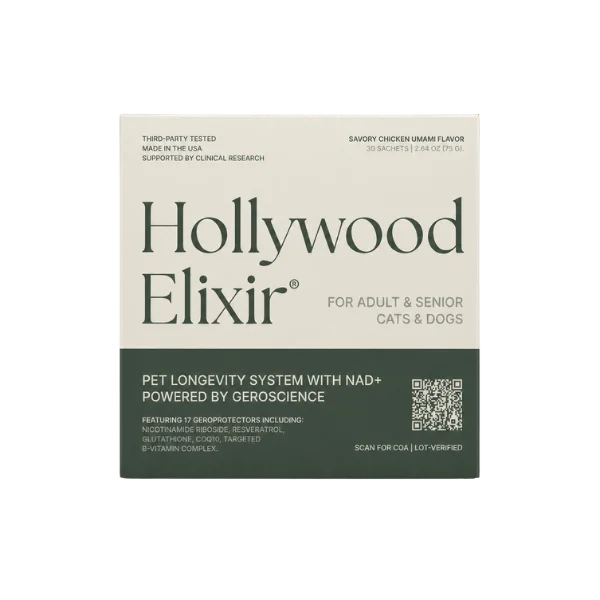
Some families add Hollywood Elixir™ as part of a daily plan that supports normal aging routines—especially when the goal is calmer, more predictable appetite, mobility, and day-to-day flexibility alongside essential vet care older cats already need.

Routine vet care for senior cats works best as a preventive workflow: screening on a predictable cadence, tracking results over time, and acting early when trends start to drift. Instead of focusing on theory about how “old” a cat is, this approach builds a risk-based plan around what can be measured and managed—kidney values, thyroid function, blood pressure, weight, and comfort—before small changes become harder to correct. Early detection depends on comparable data points (similar timing, repeatable panels, consistent measurements) and clear follow-up steps when something is borderline. In practice, “routine” means: a thorough exam, targeted screening tests, and a recheck loop that matches the cat’s age band, current findings, and any comorbidities. That structure gives your veterinarian more opportunities to spot subtle shifts, confirm whether they’re persistent, and adjust care promptly (Ray, 2021).

By La Petite Labs Editorial, ~15 min read

Featured Product:

  • A senior cat vet checkup schedule works best when it pairs regular exams with at-home trend tracking, not guesswork.
  • Prioritize kidney health and blood pressure as the two “quiet” systems that often change first in older cats [E1].
  • Ask the clinic what screening is planned: weight/body condition, blood pressure, and baseline labs (CBC/chemistry/urinalysis) are common starting points [E1].
  • Use diet as a controllable variable: keep food consistent, measure portions, and avoid frequent switches that blur cause-and-effect.
  • Log a small set of progress indicators weekly (appetite, water intake patterns, litter box output, weight, and behavior shifts).
  • Make visits calmer and more predictable with carrier training, familiar bedding, and pre-visit planning so blood pressure and exam findings are less distorted by fear [E4].
  • Reassess after any change (diet, medication, supplement, environment) and adjust one variable at a time to keep the plan interpretable.

What 'Routine' Covers in Seniors: The Big 5 Systems to Monitor

A senior-focused visit typically centers on five monitoring buckets, each designed to catch common problems early and establish trends.

1) Kidney and urinary screening: bloodwork plus urinalysis (and often urine specific gravity) helps flag declining concentration ability, protein loss, or infection risk before dehydration or appetite changes become severe.

2) Thyroid function and metabolic screening: thyroid testing (often alongside routine chemistry) helps identify hyperthyroidism and related weight or heart strain early.

3) Cardiovascular and blood pressure: blood pressure measurement screens for hypertension, which can quietly affect eyes, kidneys, and the heart; repeat readings help confirm true elevation versus stress.

4) Dental assessment: an oral exam (and dental imaging when indicated) looks for periodontal disease, resorptive lesions, and pain sources that can reduce eating and grooming.

5) Weight and muscle condition: tracking weight plus body condition score and muscle condition score helps detect gradual loss of muscle or unhealthy gain, guiding diet and mobility plans before function declines.

Cellular powerhouse illustration symbolizing metabolic support via health monitoring aging cats.

How to Match Visit Frequency to Risk (Age Bands, Findings, Comorbidities)

Visit frequency should follow a decision framework rather than a fixed calendar. Start with an age band and a baseline: for many cats entering the senior range, baseline labs (CBC/chemistry), urinalysis, blood pressure, and weight/BCS/MCS create a reference point your clinic can compare against.

From there, recheck intervals are based on findings:
- Stable screening results: your veterinarian may recommend periodic rechecks to keep trend lines current and comparable.
- Borderline or newly abnormal values: shorter recheck intervals help confirm whether a change is persistent and whether additional testing is needed.
- Diagnosed conditions or medication monitoring (e.g., thyroid disease, kidney disease, hypertension): rechecks are typically more frequent at the start of treatment and then spaced out once values and clinical signs are controlled.

To make each visit more actionable, bring home observations to report: weekly weight (if possible), appetite and water intake notes, litter box output changes, mobility/jumping ability, dental-related behaviors (dropping food, pawing at mouth), and any medication timing or missed doses. This helps your vet connect screening results to real-world function and choose the right next step.

Scientific DNA render highlighting oxidative defense supported by senior cat vet checkup schedule.

Kidneys First: Why Hydration and Labs Belong Together

Kidney function is a central focus in older cats because early decline can be quiet, and dehydration can make numbers look worse than the underlying baseline. Routine screening commonly includes chemistry and urinalysis to evaluate hydration status and kidney-related markers, interpreted alongside body weight and condition. The practical takeaway is that lab results are most useful when paired with real-world context: appetite, water intake patterns, and litter box output.

At home, keep water access easy and predictable: multiple bowls, fresh water at set times, and a note of which bowl is used most. Avoid “testing” new fountains or flavors right before a vet visit, because it can change drinking behavior and muddy the story. A stable week before labs makes the results easier to trust.

Protein ribbon image emphasizing scientific formulation standards in essential vet care older cats.

Blood Pressure Screening: the Quiet Number with Big Consequences

Hypertension is common enough in older cats that routine screening is recommended, especially when other age-associated conditions are present (Taylor, 2017). The challenge is that blood pressure is sensitive to stress, so a single rushed reading can mislead. Consensus guidance emphasizes repeated, calm measurements using standardized technique to reduce situational “white coat” effects and improve decision-making (Taylor, 2017).

Owners can support a cleaner reading by planning the day around the appointment: avoid loud errands beforehand, keep the carrier covered, and bring a familiar towel. If the cat arrives already escalated, ask whether a brief quiet acclimation period is possible. A calmer visit is not a luxury—it is part of health monitoring aging cats because it protects the accuracy of the number.

Pug portrait highlighting companionship and steady support from senior cat vet checkup schedule.

Diet as a Controlled Variable in Senior Monitoring

Diet changes can help a senior cat feel better, but frequent changes can also erase the ability to interpret trends. For kidney-focused monitoring, phosphorus exposure is one reason veterinarians pay close attention to food selection and consistency; surveys of commercial cat foods show wide variation in mineral content, which can matter when kidneys are less flexible (Summers, 2020). The most useful diet strategy is controlled: pick an appropriate food with veterinary input, then hold it steady long enough to evaluate.

At home, measure portions with a kitchen scale or a consistent scoop, and record “actual eaten,” not “served.” If appetite is variable, note the pattern (morning vs evening, wet vs dry) rather than labeling the cat as picky. That pattern is often the clue that helps a veterinarian decide what to test next.

Hollywood Elixir™ is amazing and makes my 13 y/o kitty young again!

— Jessie

She hopped up onto the windowsill again—first time in years.

— Charlie

“The best senior care plan is the one that produces usable trends.”

Case Vignette: When “Normal Aging” Was a Trackable Trend

A 13-year-old indoor cat seemed mostly fine but started finishing wet food more slowly and visiting the water bowl after meals. The household assumed it was “just age,” yet a simple weekly weight log showed a gradual drift downward over eight weeks. At the next visit, the owner brought the log and asked for kidney-focused labs and a blood pressure check, turning a vague concern into a clear clinical question.

The practical lesson is not that every change signals disease; it is that trends deserve structure. When owners can show timing, magnitude, and what stayed constant (diet, treats, routine), the veterinarian can choose targeted testing and avoid scattershot changes. That is the core of essential vet care older cats benefit from: fewer guesses, more usable signals.

Neutral-tone dog photo highlighting attentive expression supported by senior cat vet checkup schedule.

Owner Checklist: Quick Home Observations That Actually Help

Owners often notice the right things but report them in a way that is hard to act on. A short checklist makes health monitoring aging cats more objective and easier to compare week to week. Focus on observations that connect to kidney function and blood pressure risk: thirst patterns, urine volume clues, appetite consistency, and weight drift.

Owner checklist (pick 3–5 to track): count daily litter clumps or note “small/medium/large,” record how often the water bowl is refilled, weigh the cat weekly on the same scale, note any new vomiting frequency, and watch for reluctance to jump that changes access to food or water. These are simple, but they turn a senior cat vet checkup schedule into a continuous story instead of a once-a-year snapshot.

Profile shot of a dog showing attentive expression supported by senior cat vet checkup schedule.

What to Track Rubric: Make Trends Comparable over Time

A tracking rubric works when it is small enough to maintain and specific enough to compare. The goal is to create a baseline range for the cat—what “normal week” looks like—so deviations are obvious. This supports essential vet care older cats need because it helps the clinic interpret whether a lab change matches the home picture.

What to track (choose 4–7 markers): weekly weight, daily appetite score (0–2), water bowl refills per day, litter clump count/size, vomiting episodes per week, resting respiratory rate during sleep, and “jump count” to a favorite surface. Log the date of any change (new food bag, visitors, construction noise). That context often explains short-term swings without derailing the long-term trend.

Inside-the-box graphic showing active blend design supporting health monitoring aging cats.

A Common Misconception: “If My Cat Eats, Kidneys Are Fine”

One of the most persistent misunderstandings is that a good appetite rules out kidney issues or hypertension. In reality, early kidney change can coexist with normal eating, and blood pressure can be high without obvious signs. That is why guidelines emphasize screening and individualized monitoring as cats age, rather than waiting for dramatic symptoms.

A better rule is: appetite is one data point, not a verdict. Owners can keep the routine predictable and still treat small shifts as worth logging—slower eating, new food preferences, or a change in thirst after meals. Those details help a veterinarian decide whether to recheck labs, repeat blood pressure in a calmer setting, or adjust the plan without overcorrecting.

Vet Visit Prep: Bring Questions That Lead to Better Testing

Preparation is part of the appointment, not extra credit. A senior cat vet checkup schedule works best when each visit has a purpose: baseline, recheck, or response-to-change. The AAFP senior care guidance highlights routine assessment elements like weight/body condition, pain evaluation, and screening tests selected to the individual cat. Owners can support that by arriving with a short, structured handoff.

Bring 2–4 targeted prompts: “Here are weekly weights for 10 weeks—does this drift matter?”, “Can blood pressure be measured after a quiet acclimation?”, “Which kidney markers and urine measures are you trending for this cat?”, and “If results are borderline, what is the recheck interval?” These questions keep essential vet care older cats receive focused and easier to follow at home.

“Change one variable, then reassess—otherwise the signal gets lost.”

Close-up clinical uniform showing research-driven formulation behind health monitoring aging cats.

What Not to Do: Mistakes That Make Senior Data Unusable

The biggest monitoring failures come from well-meant chaos: changing multiple things at once, then trying to interpret the outcome. When diet, treats, litter, and supplements all change in the same week, it becomes impossible to know what moved the needle. That can delay the right next step in health monitoring aging cats.

What not to do: do not start a new food and a new supplement simultaneously; do not restrict water access to “measure drinking”; do not skip rechecks after an abnormal blood pressure reading; and do not stop prescribed medications because the cat “seems better.” Instead, change one variable at a time, keep the log going, and let the veterinarian interpret trends in context.

Shop Now
Ingredient spread with supplement box highlighting formulation depth behind senior cat vet checkup schedule.

Make the Clinic Experience Calmer for More Reliable Results

Stress changes physiology and behavior, which can distort the very measurements a senior cat needs most. Cat-friendly interaction guidance emphasizes gentle handling, slower approach, and environmental adjustments to reduce fear and improve the ability to complete exams and diagnostics (Rodan, 2022). For older cats, this matters because blood pressure and respiratory rate can be especially sensitive to a tense visit.

At home, treat the carrier as furniture: leave it out, add familiar bedding, and practice short “carrier sits” without travel. On appointment day, cover the carrier, keep the car quiet, and bring a towel that smells like home. If the cat has a history of panic, ask the clinic ahead of time about pre-visit options so the exam can be completed safely and calmly.

Shop Now
Owner and dog moment highlighting wellness rituals supported by senior cat vet checkup schedule.

Vaccines and Parasite Prevention: Keep It Individualized

Preventive care still matters in later life, but it should be tailored to risk rather than done by habit. Vaccination guidance recommends individualizing decisions based on lifestyle, exposure, and region, while avoiding unnecessary vaccination and using best practices to minimize adverse events (Stone, 2020). For many senior cats, the key is clarity: which risks are real in this household, and what is the simplest plan that covers them.

Owners can support this conversation by describing the cat’s true exposure: indoor-only, balcony access, multi-cat home, boarding, or contact with visiting pets. Keep product use consistent and document any past reactions. This turns “annual shots” into essential vet care older cats can tolerate better, with fewer surprises and a more predictable routine.

Shop Now

Thyroid Screening as Secondary Context in Older Cats

While kidney health and blood pressure are the primary monitoring anchors here, thyroid screening often travels with them because hyperthyroidism can affect weight, appetite, and cardiovascular strain. Research has discussed potential relationships between dietary iodine exposure and feline hyperthyroidism, highlighting that nutrition context can matter when interpreting trends (Edinboro, 2010). The practical point is not to self-diagnose, but to ensure thyroid questions are on the radar when weight and appetite patterns shift.

At home, note “hungry but losing weight,” new restlessness, or a coat that seems less maintained. Also record any recent diet changes, especially if switching among multiple brands or formulas. Those details help a veterinarian decide whether thyroid testing belongs in the next lab set, without turning every behavior change into an emergency.

Supplements: Where They Fit in a Data-driven Routine

Supplements can be reasonable in senior routines when they are treated as a controlled variable, not a rescue plan. The household goal should be a calmer, more predictable day-to-day pattern—appetite consistency, hydration habits, and comfortable movement—while veterinary screening tracks the internal numbers. Supplements belong after the basics are stable: diet, water access, litter setup, and a workable senior cat vet checkup schedule.

If a product is added, document the start date and keep everything else unchanged for a set window. Some owners choose Hollywood Elixir™ as part of a daily plan that supports normal aging routines and contributes to overall flexibility. The key is interpretability: if the log changes, the household should be able to say what changed and when.

Comparison graphic showing senior cat vet checkup schedule benefits versus typical supplement formulas.

Feeding Logistics for Older Cats: Texture, Timing, and Access

Senior cats often face practical barriers that look like medical problems: dental discomfort, reduced smell, or arthritis that makes bending to a bowl unpleasant. These factors can change intake and hydration patterns, which then complicate kidney and blood pressure monitoring. The solution is often logistical before it is medical: make eating and drinking physically easy so the data reflects physiology, not obstacles.

Raise bowls slightly, place water on multiple floors, and offer smaller meals on a predictable schedule. If wet food dries out and becomes less appealing, refresh it rather than swapping brands immediately. These routine adjustments support essential vet care older cats receive by reducing “noise” in appetite and thirst logs.

Shop Now
Product reveal shot showing premium feel consistent with senior cat vet checkup schedule.

Recheck Timing: When to Repeat Labs or Blood Pressure

Rechecks are where monitoring becomes protective. If blood pressure is high once, the next step is often confirmation with repeated, calm measurements rather than immediate conclusions, because technique and stress can skew results (Taylor, 2017). Similarly, borderline kidney-related values may call for a planned recheck interval and consistent pre-visit routine so the comparison is fair.

Owners can ask the clinic to define the recheck trigger in plain terms: “If weight drops by X,” “if thirst changes for two weeks,” or “if vomiting exceeds a weekly pattern.” Then the household log becomes actionable. This is the heart of health monitoring aging cats: knowing when to watch, when to call, and when to retest.

Shop Now

Putting It Together: a Simple Monthly Rhythm for Senior Care

A workable plan is rhythmic, not intense. The monthly rhythm is: weekly weight and brief log; monthly review of trends; and veterinary visits scheduled to match risk and prior findings. This approach aligns with the idea that senior care is individualized and proactive, using routine assessment and screening to catch change early.

In practice, post the rubric near the food bin, keep notes in a phone, and bring a one-page summary to appointments. If Hollywood Elixir™ is used, treat it like any other variable: record the start date and reassess with the same progress indicators. The result is a senior cat vet checkup schedule that feels calmer and more predictable because it is built on trends, not surprises.

“A calmer visit often means more reliable blood pressure numbers.”

Educational content only. This material is not a substitute for veterinary advice. Always consult your veterinarian about your cat’s specific needs. These statements have not been evaluated by the Food and Drug Administration. Products mentioned are not intended to diagnose, treat, cure, or prevent any disease.

Glossary

  • Senior cat vet checkup schedule - A planned cadence of exams and rechecks matched to an older cat’s risks and trends.
  • CBC - Complete blood count; a lab test that evaluates red and white blood cells and platelets.
  • Serum chemistry panel - Blood test group that includes kidney-related markers and electrolytes.
  • Urinalysis - Urine testing that helps interpret hydration status and kidney concentrating ability.
  • Blood pressure (indirect) - Noninvasive measurement using a cuff; can be influenced by stress and technique.
  • White coat effect - Temporary elevation in measured blood pressure due to fear or arousal during a clinic visit.
  • Body condition score (BCS) - A standardized way to estimate body fat and track weight-related risk.
  • Trend log - A simple record of progress indicators (weight, appetite, thirst, litter box output) over time.
  • Recheck interval - The planned timing for repeating a test to confirm a finding or evaluate response to a change.

Related Reading

References

Ray. 2021 AAFP Feline Senior Care Guidelines.. PubMed Central. 2021. https://pmc.ncbi.nlm.nih.gov/articles/PMC10812122/

Stone. 2020 AAHA/AAFP Feline Vaccination Guidelines.. PubMed Central. 2020. https://pmc.ncbi.nlm.nih.gov/articles/PMC11135662/

Taylor. ISFM Consensus Guidelines on the Diagnosis and Management of Hypertension in Cats.. PubMed Central. 2017. https://pmc.ncbi.nlm.nih.gov/articles/PMC11119534/

Rodan. 2022 AAFP/ISFM Cat Friendly Veterinary Interaction Guidelines: Approach and Handling Techniques.. PubMed Central. 2022. https://pmc.ncbi.nlm.nih.gov/articles/PMC10845437/

Edinboro. Feline hyperthyroidism: potential relationship with iodine supplement requirements of commercial cat foods.. PubMed Central. 2010. https://pmc.ncbi.nlm.nih.gov/articles/PMC11149000/

Summers. Evaluation of phosphorus, calcium, and magnesium content in commercially available foods formulated for healthy cats.. PubMed Central. 2020. https://pmc.ncbi.nlm.nih.gov/articles/PMC6979088/

FAQ

How often should a senior cat see the veterinarian?

Many clinics move older cats from annual to twice-yearly wellness visits, then adjust based on findings and risk. The point is to create repeatable data points—weight, blood pressure, and labs—so trends are visible rather than guessed.

A senior cat vet checkup schedule works best when it is paired with a small home log (weekly weight, appetite, thirst, litter box output). That home picture helps the veterinarian decide when to recheck sooner and when to stay the course.

What tests are common in essential vet care older cats need?

Common screening in older cats often includes a full physical exam, weight and body condition scoring, blood pressure measurement, and baseline lab work such as CBC/chemistry and urinalysis. These help detect kidney-related changes and other age-associated shifts before they become obvious at home.

The most useful question to ask is which values will be trended over time for this specific cat. Trend-focused care is usually more actionable than one-off testing without a plan.

Why is blood pressure screening important for aging cats?

Hypertension can be present without dramatic symptoms, yet it can increase the risk of sudden complications. Consensus guidance recommends routine blood pressure screening in older cats and emphasizes confirming elevation with repeated, calm measurements to reduce stress-related distortion.

For health monitoring aging cats, the owner’s role is to support a calmer visit: covered carrier, familiar towel, and enough time for acclimation. Better conditions often mean more reliable numbers.

What home signs should be logged between senior cat visits?

Choose a few markers that connect to kidney health and overall stability: weekly weight, appetite consistency, water bowl refills, litter clump size/count, and vomiting frequency. These are more useful than vague notes like “seems off,” because they can be compared over time.

Add context whenever something changes—new food bag, visitors, construction noise, or a new medication. That context helps the veterinarian separate short-term disruption from a true trend.

Can stress at the clinic affect test results in senior cats?

Yes. Fear and arousal can change behavior and physiology, and they can make exams and measurements harder to complete. Cat-friendly veterinary guidance recommends gentle handling, quieter environments, and slower approaches to reduce stress and improve diagnostic quality.

Owners can help by carrier-training at home, bringing familiar bedding, and asking about a quiet room or acclimation time. A calmer visit supports more interpretable blood pressure readings and a more complete exam.

Should older cats still get vaccines?

Often, yes—but the plan should be individualized. Feline vaccination guidance recommends tailoring vaccines to the cat’s risk based on lifestyle, exposure, and region, while avoiding unnecessary vaccination and using best practices to minimize adverse events(Stone, 2020).

For senior cats, bring a clear exposure history (indoor-only, balcony access, boarding, multi-cat home). That makes the decision calmer and more predictable, rather than automatic.

Is it okay to change foods frequently for a senior cat?

Frequent food changes can make monitoring harder because they blur cause-and-effect. Mineral content, including phosphorus, varies widely across commercial cat foods, which can matter when kidneys are less flexible(Summers, 2020). A stable diet makes it easier to interpret appetite, hydration, and lab trends.

If a change is needed, change one variable at a time and set a recheck window with the veterinarian. That approach supports essential vet care older cats need by keeping the story readable.

When should thyroid testing be discussed for older cats?

Thyroid testing is often discussed when an older cat shows weight loss, appetite changes, or restlessness, especially if the pattern persists. Nutrition context can matter, and research has explored potential relationships between iodine exposure and feline hyperthyroidism(Edinboro, 2010).

Owners can help by documenting timing and any recent diet switches. That information helps the veterinarian decide whether thyroid values should be added to the next lab set.

What questions should be asked during a senior cat wellness exam?

Useful questions are the ones that lead to a clear next step: which kidney markers and urine measures will be trended, whether blood pressure will be repeated in a calm setting, and what recheck interval is recommended if results are borderline. This keeps the plan structured rather than reactive.

Bring a one-page summary of weekly weights and any changes in thirst, litter box output, or appetite. A clean handoff often leads to more targeted testing and fewer guess-based changes.

What should not be done before a senior cat recheck?

Avoid changing multiple variables right before a recheck. Starting a new food, new treats, and a new supplement in the same week makes it difficult to interpret appetite, hydration, and lab results.

Also avoid restricting water to “measure drinking,” which can be unsafe and misleading. Keep the routine predictable so the veterinarian can compare results to a stable baseline.

How can Hollywood Elixir™ fit into a senior cat routine?

In a data-driven plan, a supplement should be treated as one controlled variable. Some owners add Hollywood Elixir™ to support normal aging routines while keeping diet, feeding times, and logging consistent.

Record the start date and reassess using the same progress indicators (weight trend, appetite pattern, litter box notes). It should not replace essential vet care older cats need, and any concerns should be discussed with a veterinarian.

How soon can changes be noticed after adjusting a senior cat plan?

Some changes, like easier bowl access or a quieter feeding routine, may show effects within days as behavior becomes calmer and more predictable. Lab trends and blood pressure decisions usually require planned rechecks, because single readings can be misleading.

Set a timeline with the clinic before changing anything major. That keeps health monitoring aging cats focused on measurable outcomes rather than day-to-day fluctuations.

Is Hollywood Elixir™ safe to use with prescription medications?

Medication and supplement combinations should be reviewed by a veterinarian, because the right choice depends on the cat’s diagnoses, lab values, and full medication list. Bring the label or ingredient list to the appointment for a clean safety check.

If Hollywood Elixir™ is considered, keep other variables stable and monitor the same progress indicators. Any new vomiting, appetite change, or lethargy warrants a call to the clinic.

What quality signals matter when choosing a senior cat supplement?

Look for clear labeling, consistent dosing instructions, and a company willing to share quality control practices. Avoid products that promise to treat or cure disease, or that encourage skipping veterinary care.

A good supplement choice fits into a broader plan: stable diet, predictable routine, and a senior cat vet checkup schedule that includes trend-based rechecks. The supplement should support normal function, not act as a substitute for diagnostics.

How do I give a supplement to a picky senior cat?

Administration should protect appetite first. Use a consistent method—mixed into a small amount of a familiar food, offered at the same time daily—so refusal is easy to notice and log.

If using Hollywood Elixir™, avoid pairing it with a brand-new food on the same day. That keeps the cat’s response interpretable and supports calmer, more predictable feeding routines.

Do indoor senior cats still need parasite prevention?

Sometimes they do, depending on region, other pets in the home, and exposure through people or visiting animals. The most useful approach is individualized: describe the cat’s real lifestyle and ask what risks are meaningful in that setting.

Keep product use consistent and record any reactions. Consistency supports essential vet care older cats need by reducing avoidable stressors and making skin or coat changes easier to interpret.

What is the best way to track water intake at home?

The goal is pattern, not perfection. Many households do better tracking “bowl refills per day” and which bowl is used most, rather than trying to measure exact milliliters. Pair that with litter box notes, because thirst and urine output often move together.

If a change persists for more than a week, bring the notes to the veterinarian. That kind of health monitoring aging cats supports earlier, more targeted testing.

When should a veterinarian be called between scheduled checkups?

Call promptly for sudden appetite refusal, repeated vomiting, collapse, open-mouth breathing, or a rapid change in drinking and urination. Also call if the cat seems painful, cannot reach the litter box, or shows abrupt behavior changes that do not settle.

For slower changes, use the log: if weight drifts down over several weeks or thirst steadily rises, it may be time to move the senior cat vet checkup schedule forward rather than waiting.

How does this differ for cats versus dogs in older age?

Cats often hide illness and may show subtle changes first—like small appetite shifts, altered grooming, or different litter box patterns—rather than obvious limping or overt distress. That makes trend tracking especially valuable in feline senior care.

Because blood pressure and kidney markers are common monitoring anchors in older cats, the home log and calmer clinic handling can be disproportionately important. The same “change one variable, then reassess” principle applies across species.

Can Hollywood Elixir™ replace lab work or blood pressure checks?

No. Screening tests and blood pressure measurements answer questions that a supplement cannot answer, especially when the goal is to detect early drift in kidney-related markers or hypertension risk.

If a family uses Hollywood Elixir™, it should be positioned as part of a daily plan that supports normal aging routines alongside veterinary care. Keep the senior cat vet checkup schedule intact and use the same progress indicators to reassess.

5K+ Happy Pet Parents

Excellent 4.8

Routine Vet Care for Senior Cats | Why Thousands of Pet Parents Trust Hollywood Elixir™

"My go-to nutrient-dense topper. Packed with 16 powerful anti-aging actives and superfoods!"

Chanelle & Gnocchi

"We go on runs pretty often; he use to get tired halfway through, but lately, he's been keeping up without any problem."

Cami & Clifford

"He seems more happy overall. I've also noticed he has more energy which makes our walks and playtime so much more fun."

Olga & Jordan

"I want her to live forever. She hasn't had an ear infection since!"

Madison & Azula

"My go-to nutrient-dense topper. Packed with 16 powerful anti-aging actives and superfoods!"

Chanelle & Gnocchi

"We go on runs pretty often; he use to get tired halfway through, but lately, he's been keeping up without any problem."

Cami & Clifford

"He seems more happy overall. I've also noticed he has more energy which makes our walks and playtime so much more fun."

Olga & Jordan

"I want her to live forever. She hasn't had an ear infection since!"

Madison & Azula

"My go-to nutrient-dense topper. Packed with 16 powerful anti-aging actives and superfoods!"

Chanelle & Gnocchi

"We go on runs pretty often; he use to get tired halfway through, but lately, he's been keeping up without any problem."

Cami & Clifford

"He seems more happy overall. I've also noticed he has more energy which makes our walks and playtime so much more fun."

Olga & Jordan

"I want her to live forever. She hasn't had an ear infection since!"

Madison & Azula

"My go-to nutrient-dense topper. Packed with 16 powerful anti-aging actives and superfoods!"

Chanelle & Gnocchi

"We go on runs pretty often; he use to get tired halfway through, but lately, he's been keeping up without any problem."

Cami & Clifford

"He seems more happy overall. I've also noticed he has more energy which makes our walks and playtime so much more fun."

Olga & Jordan

"I want her to live forever. She hasn't had an ear infection since!"

Madison & Azula

SHOP NOW