Lactoferrin Supplements for Cats

Compare Iron-binding Biology and Mucosal Signals for Oral Comfort and Resilience

Essential Summary

Why is lactoferrin support for cats important?

Lactoferrin matters because it links iron handling with mucosal and immune signaling, especially in the mouth and upper airway. For cats, the most relevant use is as an adjunct that supports a smoother oral environment and more consistent routines, with veterinary guidance when pain or chronic disease is present.

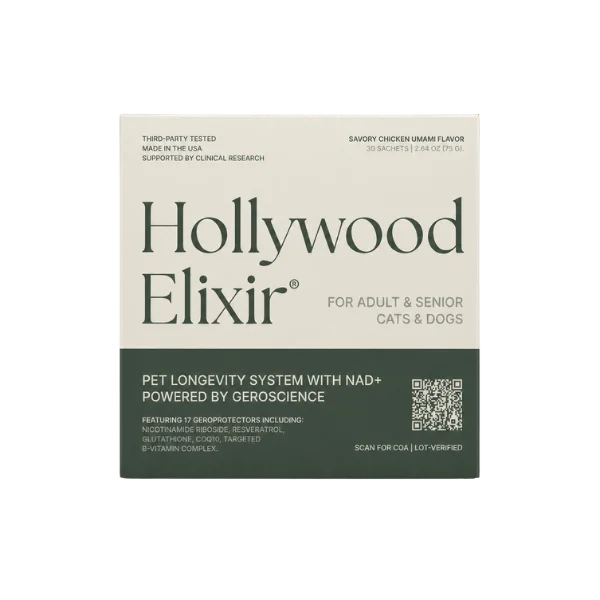
For owners building a daily plan, Hollywood Elixir™ is designed to support whole-body resilience, including coordination across immune signaling, gut comfort, and oral routines. It can be part of a consistent approach when the goal is a smoother week-to-week pattern rather than a single-issue fix.

When a cat’s mouth seems chronically sore or flare patterns keep returning, the most useful question is not “what supplement fixes this,” but “what biology is being stressed.” Lactoferrin is a protein that binds iron and interacts with immune and barrier tissues, especially on mucosal surfaces like the mouth, eyes, and upper airway. That is why owners often see it discussed for lactoferrin immune support cats and lactoferrin oral health cats—those systems are connected by surface biology, microbial behavior, and immune signaling.

For cats, the most relevant clinical focus is oral inflammatory disease (gingivitis and stomatitis), where pain can make eating and grooming less consistent long before weight loss becomes obvious. Cat-specific reports describe oral bovine lactoferrin used in intractable stomatitis with improvement in some cases, supporting its role as an adjunct rather than a replacement for dental care and pain control. Lab work also suggests lactoferrin can interfere with early steps of feline herpesvirus infection in vitro, which helps explain why it is sometimes considered in recurrent mucosal flare conversations, while still requiring measured expectations.

This page takes a mechanism-first approach: what lactoferrin does at surfaces, what owners can notice at home, what to track over weeks, and how to hand off the right details to a veterinarian. Lactoferrin for feline health fits best when the goal is a smoother routine and more headroom during flare-prone periods, not a single-ingredient shortcut.

By La Petite Labs Editorial, ~15 min read

Featured Product:

  • Lactoferrin supplements for cats are best viewed as an adjunct that supports mucosal and immune coordination, especially for oral comfort.
  • Lactoferrin binds iron and can influence microbial behavior and surface inflammation, which is why it is discussed for mouth and upper-airway routines.
  • Cat-specific evidence is most relevant to oral inflammatory disease; some reports describe improvement in stomatitis when used alongside veterinary care.
  • Lab research suggests lactoferrin can interfere with early steps of feline herpesvirus infection, but this does not guarantee clinical results.
  • Product choice matters: simple formulations and careful attention to excipients help keep the plan less volatile.
  • Track practical markers like meal completion, drooling, grooming tolerance, stool consistency, and weekly weight to judge whether the routine is becoming smoother.
  • Seek veterinary help promptly for food refusal, mouth bleeding, significant drooling, or worsening pain behaviors; supplements should not delay diagnostics or dental care.

How Lactoferrin Works Across Mouth, Gut, and Immunity

Lactoferrin is a naturally occurring protein that binds iron and also “talks” to immune and barrier tissues. In the mouth and upper airway, it can influence how microbes attach to surfaces and how local immune cells signal, which is why owners often hear about lactoferrin immune support cats and lactoferrin oral health cats in the same breath. The key nuance is that this is coordination biology: iron handling, mucosal surfaces, and immune messaging are linked, so the goal is a smoother day-to-day margin rather than a dramatic switch.

At home, this mechanism-first view changes what gets noticed. Instead of looking for a single “cure,” owners can watch whether a cat’s mouth seems less reactive to routine triggers like dry kibble, tooth brushing, or a mild stressor. Lactoferrin for feline health fits best when the plan is built around consistent routines—hydration, dental care, and vet-guided management—so the cat has more headroom during flare-prone weeks.

Scientific mitochondria render emphasizing oxidative balance supported by lactoferrin for feline health.

The Mucosal Mechanism: Early Steps Matter Most

In cats, interest in lactoferrin often centers on mucosal viruses and the early steps of infection. In laboratory work, bovine lactoferrin inhibited replication of feline herpesvirus in vitro, consistent with interference in early infection events rather than a late “kill” step (Beaumont, 2003). That distinction matters because it frames expectations: lab activity suggests a plausible pathway, but it does not prove clinical outcomes in real-world cats with complex triggers.

Owners dealing with recurrent sneezing or eye discharge may be tempted to treat lactoferrin like an antiviral medication. A more useful household approach is to treat it as one support tool while prioritizing proven basics: stress reduction, humidity, appetite protection, and prompt veterinary care when the cat stops eating. When lactoferrin immune support cats is discussed, it should sit beside those fundamentals, not replace them.

Scientific DNA render highlighting oxidative defense supported by lactoferrin oral health cats.

Why Oral Inflammation Is the Most Relevant Cat Target

The strongest cat-specific clinical signal for lactoferrin is in oral inflammatory disease, where the mouth’s immune response can become volatile. Reports of oral bovine lactoferrin use in cats with intractable stomatitis describe improvement in some individuals, including both FIV-positive and FIV-negative cats, suggesting it may be considered as an adjunct in select cases (Sato, 1996). This does not make it a stand-alone solution; it highlights that oral tissues are a logical target for lactoferrin for feline health.

In the home, oral pain often shows up as behavior first: a cat approaches food, then backs away, or chews on one side. Dropping kibble, pawing at the mouth, or sudden crankiness during grooming can be early clues. When lactoferrin oral health cats is being considered, these day-to-day observations help determine whether the plan is actually creating a more consistent eating experience.

Molecular design image tied to antioxidant pathways supported by lactoferrin for feline health.

Immune Signaling Nuance, Not a Single On-off Switch

Lactoferrin is often described as “immune supporting,” but the more accurate idea is immune signaling nuance. In cats with chronic FIV infection, bovine lactoferrin affected functional responses of activated feline immune cells in research settings, which informs mechanism more than it predicts symptom change (Kobayashi, 2008). This matters because it encourages a measured goal: supporting resilience and bounce-back, not forcing the immune system in one direction.

For multi-cat households, immune stress can be amplified by social tension and resource competition. If lactoferrin immune support cats is added, it should be paired with practical steps that reduce immune “load,” such as separate feeding stations, predictable play, and minimizing sudden routine changes. These environmental choices often determine whether any supplement plan feels smoother over weeks.

Expressive pug face reflecting gentle aging support associated with lactoferrin immune support cats.

Iron Binding: the Part Owners Misread

Iron binding is central to lactoferrin’s identity, but it does not mean a cat is being “given iron.” Lactoferrin can sequester iron in a way that changes microbial access and local inflammation dynamics, especially on mucosal surfaces. This is one reason lactoferrin for feline health is discussed for mouths and upper airways, where iron availability and surface biology shape which organisms gain a foothold.

Because iron biology is sensitive, owners should avoid stacking multiple iron-related products without veterinary guidance. A cat already eating a complete commercial diet usually has iron needs met, so the household goal is not “more iron,” but better coordination of oral care, hydration, and inflammation control. If a cat has a history of anemia or chronic disease, that context belongs in the vet conversation before adding new supplements.

Hollywood Elixir™ is amazing and makes my 13 y/o kitty young again!

— Jessie

She hopped up onto the windowsill again—first time in years.

— Charlie

“Mouth comfort is often the first place resilience becomes visible.”

Formulation Safety: the Excipients Often Decide Tolerance

Quality and formulation matter because cats are sensitive to excipients, flavors, and sweeteners that are harmless to people but problematic for pets. Reviews of excipient safety emphasize that “inactive” ingredients can drive adverse effects or complicate chronic use, especially when products are used daily (Thomazini, 2024). For lactoferrin supplements for cats, the ingredient list is not a formality; it is part of the safety profile.

Owners can reduce risk by choosing simple formulations and introducing changes gradually rather than all at once. If vomiting, loose stool, or food refusal appears after starting a new powder or chew, the first step is to pause and reassess the full ingredient panel, not just the headline ingredient. This approach keeps the plan less volatile and makes it easier to identify what actually agrees with the cat.

Dog portrait symbolizing confidence and healthy aging support from lactoferrin for feline health.

What Safety Data Can and Cannot Tell Cat Owners

Safety discussions often lean on general mammalian data. In a 13-week repeated oral administration toxicity study in rats, bovine lactoferrin was evaluated for tolerability, supporting the idea that the molecule itself is not inherently harsh when used appropriately (Yamauchi, 2000). That said, species differences and product differences still matter, and cat-specific dosing decisions should remain veterinarian-guided.

A practical home rule is to treat any new supplement like a diet change: start low, keep everything else stable, and watch appetite and stool quality over days and weeks. Cats with a history of pancreatitis, inflammatory bowel disease, or frequent vomiting deserve extra caution because even minor formulation changes can tip the household routine into food refusal.

Profile shot of a dog showing attentive expression supported by lactoferrin immune support cats.

Case Vignette: When Mouth Pain Drives Supplement Interest

CASE VIGNETTE: A 9-year-old cat with chronic gingivitis starts eating slower and leaves wet food unfinished, but still begs for treats. The owner notices a sour mouth odor and a new habit of chewing on one side, then asks about lactoferrin oral health cats after reading that it may fit oral inflammation plans (Hung, 2014). The veterinarian confirms dental pain and builds a plan where lactoferrin is discussed as an adjunct alongside dental treatment, not a substitute.

This scenario highlights why mechanism-first thinking helps: the mouth is a surface ecosystem, and pain changes eating behavior before weight changes. If the cat’s comfort improves, meals become smoother and less interrupted, which protects hydration and overall resilience. The best outcome is not a dramatic overnight change, but a more consistent appetite and less reactive mouth over several weeks.

Inside-the-box graphic showing active blend design supporting lactoferrin for feline health.

Owner Checklist for Mouth-first Observation Signals

OWNER CHECKLIST: When considering lactoferrin for feline health, check for (1) lip-licking or drooling after eating, (2) kibble dropping or “chattering” at the bowl, (3) pawing at the mouth or face rubbing, (4) breath odor that returns quickly after routine oral care, and (5) preference shifts toward softer foods. These are mouth-first signals that align with the biology owners are trying to support.

Also note context: stress events, new pets, or recent anesthesia can change oral and immune behavior. A checklist works best when paired with a simple calendar, because patterns—every third day, or only after crunchy treats—often reveal the true trigger. That information makes the vet handoff more precise than a general statement like “the mouth seems sore.”

What to Track so Changes Are Interpretable

“WHAT TO TRACK” RUBRIC: Track (1) time to finish a normal meal, (2) number of abandoned meals per week, (3) drool or chin-wetness episodes, (4) willingness to accept tooth brushing or oral gel, (5) litter box stool consistency, and (6) weekly body weight if the cat tolerates it. These markers connect mucosal comfort to whole-household stability, which is the real goal of lactoferrin immune support cats.

Tracking should be light enough to sustain. A short note after breakfast and dinner often beats detailed logs that get abandoned. If the cat is on prescription diets or pain control, keep those constant while tracking so any change is interpretable. Over time, the rubric shows whether the plan is creating more headroom or simply adding noise.

“A supplement plan works only if the cat’s routine stays consistent.”

Lab coat detail emphasizing vet-informed standards supporting lactoferrin oral health cats.

A Misconception That Leads Owners off Track

A UNIQUE MISCONCEPTION is that lactoferrin is “just an iron supplement,” so it must be inappropriate for cats with oral inflammation or immune issues. In reality, lactoferrin’s iron-binding can be part of how it shapes microbial behavior and mucosal signaling, which is why it has been explored in feline stomatitis contexts (Sato, 1996). The takeaway is not that it is universally right, but that the mechanism is broader than iron delivery.

Another common misunderstanding is expecting immediate visible change. Mucosal surfaces and oral microbiome shifts tend to be gradual, and appetite behavior can lag behind comfort. Owners get better results by judging trends over weeks—meal completion, grooming tolerance, and fewer “back away” moments—rather than looking for a single dramatic day.

Shop Now
Ingredients around product reflecting antioxidant support within lactoferrin for feline health.

What Not to Do When Trying Lactoferrin

“WHAT NOT TO DO”: Do not use lactoferrin supplements for cats to delay a dental exam when there is drooling, mouth bleeding, or food refusal. Do not mix multiple new oral products at once (powders, dental treats, water additives), because it becomes impossible to identify which ingredient caused vomiting or aversion. Do not hide powders in a cat’s only reliable food if appetite is already fragile.

Also avoid assuming “human-grade” equals cat-appropriate; flavorings and sweeteners can be the real problem, not lactoferrin itself (Thomazini, 2024). If a cat has a history of urinary issues, avoid high-sodium delivery formats like some broths or heavily flavored toppers used to mask supplements. The goal is a plan that stays smoother, not one that creates new battles at the bowl.

Shop Now
Woman holding Hollywood Elixir box with her dog, showing daily lactoferrin oral health cats routine.

Prepare for the Vet Visit with Better Details

VET VISIT PREP: Bring (1) a timeline of mouth pain behaviors and appetite shifts, (2) photos of any lip ulcers or drool staining, (3) a list of every oral product used (treats, gels, powders), and (4) whether the cat is FIV/FeLV tested and the date. Ask the veterinarian how lactoferrin for feline health might fit as an adjunct to dental care, pain control, and inflammation management.

Good questions include: “What would count as meaningful change in four weeks?” and “Which signs mean stop and call?” If the cat has chronic viral flare patterns, ask how to separate mouth pain from upper-airway discomfort. This preparation keeps the conversation focused on decision points rather than supplement hype.

Shop Now

Where Lactoferrin Fits in Oral Inflammation Plans

For oral inflammatory disease, lactoferrin has been evaluated as part of adjunct approaches rather than as a replacement for established care. A study discussing bovine lactoferrin alongside piroxicam in cats with lymphocytic-plasmacytic gingivitis stomatitis frames lactoferrin as an immunomodulatory and anti-inflammatory adjunct within a broader plan (Hung, 2014). This supports a realistic role: contributing to a less volatile oral environment while the primary drivers are addressed.

At home, adjunct means the basics still carry the load: consistent soft-food options, pain control as prescribed, and gentle oral hygiene when tolerated. Owners can also reduce friction by warming food, offering smaller meals, and avoiding crunchy treats during flare windows. These steps protect calorie intake, which is often the limiting factor in a cat’s bounce-back.

What Lab Herpes Findings Do and Don’t Mean

Upper-airway and eye flare discussions often mention lactoferrin because of its lab activity against feline herpesvirus (Beaumont, 2003). The practical interpretation is narrow: it supports a plausible mechanism at the surface level, but it does not replace antivirals, antibiotics when indicated, or veterinary assessment of corneal risk. For owners, the value is in understanding why a mucosal-support ingredient might be chosen when the pattern is recurrent and stress-linked.

In the household, herpes-associated flare patterns often track with boarding, visitors, construction noise, or a new pet. If lactoferrin immune support cats is used, pair it with stress buffering: predictable feeding times, hiding spots, and pheromone support if recommended. The goal is more headroom during known trigger weeks, not a promise of zero symptoms.

Chart contrasting minimal formulas with full-spectrum support in lactoferrin oral health cats.

Who Should Be Cautious with Complex Health Histories

Cats with chronic disease or complex medication lists deserve a more cautious lens. Lactoferrin is not established as a standard therapy for unrelated conditions, and “immune support” language can distract from the real priority: protecting appetite, hydration, and comfort while the primary disease is managed. If a cat has kidney disease, diabetes, or inflammatory bowel disease, the supplement decision should be anchored to what can be monitored and what would trigger stopping.

Owners can help by keeping one change at a time and writing down baseline patterns before starting anything new. If the cat is already on a therapeutic diet, avoid mixing in multiple toppers to deliver powders, because that can destabilize acceptance of the prescription food. A plan that stays consistent is often more valuable than a plan that is ambitious.

Shop Now
Unboxing visual symbolizing thoughtful design aligned with lactoferrin oral health cats.

How to Choose a Product a Cat Will Accept

Choosing a lactoferrin product is less about chasing the highest number on a label and more about fit: purity, minimal additives, and a delivery method the cat will accept without food aversion. Because excipients can be the hidden driver of side effects, a short ingredient list and transparent sourcing are meaningful quality signals (Thomazini, 2024). For lactoferrin supplements for cats, “cat will actually take it” is a clinical consideration, not a convenience.

Owners can test acceptance by offering a tiny amount in a non-essential treat portion first, then scaling gradually. If the cat refuses, forcing the issue can create long-term distrust of the food bowl. A smoother strategy is to find a neutral carrier the cat already likes, keep the texture consistent, and avoid strong fishy flavors if nausea is a risk.

Shop Now

Putting Lactoferrin into a Smoother Long-term Routine

The most useful way to think about lactoferrin for feline health is as one tool that supports coordination across mouth, gut, and immune signaling. Evidence in cats is most relevant to oral inflammatory disease and mucosal biology, with lab work suggesting plausible antiviral pathways and clinical reports suggesting adjunct potential in stomatitis (Sato, 1996). That combination supports careful optimism: mechanism-informed, monitored, and integrated with veterinary care.

A good endpoint is not perfection; it is a household routine that feels less volatile. If eating becomes more consistent, grooming is less reactive, and flare windows shorten, the plan may be contributing meaningful headroom. If pain signs persist or appetite slips, the next step is escalation—dental evaluation, diagnostics, and targeted therapy—rather than adding more supplements.

“Track eating behavior before chasing new ingredients.”

Educational content only. This material is not a substitute for veterinary advice. Always consult your veterinarian about your cat’s specific needs. These statements have not been evaluated by the Food and Drug Administration. Products mentioned are not intended to diagnose, treat, cure, or prevent any disease.

Glossary

  • Lactoferrin - An iron-binding protein found in milk and secretions that interacts with immune and barrier tissues.
  • Mucosal surface - Moist body lining (mouth, nose, eyes, gut) where microbes and immune defenses meet.
  • Iron sequestration - Binding iron so it is less available for microbes and local inflammatory reactions.
  • Oral microbiome - The community of organisms living in the mouth that can influence odor, inflammation, and comfort.
  • Gingivitis - Inflammation of the gums, often causing redness, bleeding, and discomfort.
  • Stomatitis - Painful inflammation of the mouth tissues beyond the gums, sometimes severe in cats.
  • Lymphocytic-plasmacytic gingivitis stomatitis - A chronic inflammatory oral condition in cats involving specific immune cell types.
  • Feline herpesvirus (FHV-1) - A common cat virus associated with recurrent upper-airway and eye signs.
  • FIV - Feline immunodeficiency virus, a virus that can alter immune function and complicate chronic inflammation.
  • Excipients - “Inactive” ingredients (flavors, binders, sweeteners) that can affect tolerability and safety.

Related Reading

References

Beaumont. Effects of bovine lactoferrin on in vitro replication of feline herpesvirus.. PubMed. 2003. https://pubmed.ncbi.nlm.nih.gov/12950656/

Sato. Oral administration of bovine lactoferrin for treatment of intractable stomatitis in feline immunodeficiency virus (FIV)-positive and FIV-negative cats.. PubMed. 1996. https://pubmed.ncbi.nlm.nih.gov/8896681/

Kobayashi. Effect of bovine lactoferrin on functions of activated feline peripheral blood mononuclear cells during chronic feline immunodeficiency virus infection.. PubMed. 2008. https://pubmed.ncbi.nlm.nih.gov/18525162/

Hung. Bovine lactoferrin and piroxicam as an adjunct treatment for lymphocytic-plasmacytic gingivitis stomatitis in cats.. PubMed. 2014. https://pubmed.ncbi.nlm.nih.gov/24973002/

Thomazini. Impact of concerning excipients on animal safety: insights for veterinary pharmacotherapy and regulatory considerations.. PubMed Central. 2024. https://pmc.ncbi.nlm.nih.gov/articles/PMC11087455/

Yamauchi. 13-Week oral repeated administration toxicity study of bovine lactoferrin in rats. 2000. https://www.sciencedirect.com/science/article/abs/pii/S0278691500000363

FAQ

What is lactoferrin, and why do cats use it?

Lactoferrin is a protein that binds iron and interacts with immune and barrier tissues, especially on mucosal surfaces like the mouth and upper airway. That combination is why it is often discussed for lactoferrin for feline health when owners are focused on oral comfort or recurrent flare patterns.

In practical terms, it is usually positioned as an adjunct that supports coordination rather than a stand-alone solution. The most helpful mindset is to pair it with consistent dental care, stress reduction, and veterinary evaluation when pain or appetite changes appear.

How does lactoferrin relate to oral comfort in cats?

The mouth is a high-traffic mucosal surface where microbes, saliva proteins, and immune cells interact constantly. Lactoferrin’s iron-binding and signaling roles can fit that environment, which is why lactoferrin oral health cats is a common search when gingivitis or stomatitis is part of the story.

Owners get the most value by tracking functional outcomes: easier chewing, fewer abandoned meals, and less drooling. If there is mouth bleeding, food refusal, or obvious pain, a dental exam and targeted treatment remain the priority.

Is there research on lactoferrin for feline stomatitis?

Yes, there are cat-specific reports describing oral bovine lactoferrin used in cats with intractable stomatitis, including FIV-positive and FIV-negative cats, with improvement in some individuals. This supports the idea that lactoferrin may help support an oral plan as an adjunct in select cases.

The evidence does not position lactoferrin as a replacement for dental procedures, pain control, or other veterinarian-directed therapies. It is most reasonable when the goal is a smoother routine and better day-to-day eating comfort.

Can lactoferrin help with feline herpes flare patterns?

In vitro research found bovine lactoferrin inhibited replication of feline herpesvirus, consistent with interference in early infection steps(Beaumont, 2003). That supports a plausible mechanism at mucosal surfaces, but it does not prove that a supplement will change clinical outcomes in a household cat.

For owners, the practical use is to keep expectations measured and focus on what is controllable: stress reduction, humidity, appetite protection, and prompt veterinary care for eye pain, squinting, or reduced eating.

Is lactoferrin the same thing as an iron supplement?

No. Lactoferrin binds iron, but it is not simply “giving iron” to a cat. Its role is more about how iron availability and immune signaling shape mucosal environments, which is why it is discussed for lactoferrin immune support cats and oral routines.

Because iron biology is sensitive, it is still wise to avoid stacking multiple iron-related products without veterinary guidance. A complete commercial diet typically covers iron needs; the supplement conversation is usually about broader coordination and resilience.

How quickly should results show after starting lactoferrin?

For mouth-focused goals, changes are usually judged over weeks, not days. Mucosal surfaces and feeding behavior often shift gradually, especially if pain control, dental care, or diet texture changes are also part of the plan.

A useful approach is to track meal completion, drooling episodes, and willingness to chew. If appetite worsens or the cat begins refusing food, stop the new product and contact the veterinarian rather than pushing through.

What side effects can lactoferrin cause in cats?

The most common issues owners report with new supplements are gastrointestinal: vomiting, softer stool, or food refusal. Often, the trigger is not the headline ingredient but the formulation—flavorings, sweeteners, or other excipients that do not agree with a particular cat.

Introduce any new product gradually and keep other variables stable. If a cat has a history of pancreatitis, inflammatory bowel disease, or frequent vomiting, discuss the plan with a veterinarian before starting.

Are lactoferrin supplements safe for long-term daily use?

Long-term safety depends on the individual cat and the product’s full ingredient list. General mammalian data include repeated oral administration toxicity evaluation of bovine lactoferrin in rats, supporting tolerability of the molecule itself under studied conditions(Yamauchi, 2000).

Cats still deserve species-specific caution: start gradually, monitor appetite and stool, and avoid combining multiple new supplements at once. For chronic conditions or complex medication lists, veterinarian guidance is the safest path.

Should kittens or pregnant cats take lactoferrin?

Kittens and pregnant or nursing cats have different nutritional and medical priorities, and small changes can have outsized effects. Because supplement studies rarely focus on these life stages, decisions should be made with a veterinarian who can weigh diet completeness, growth needs, and risk.

If the concern is oral inflammation or recurrent upper-airway flare patterns, the veterinarian may recommend targeted diagnostics and management first. Supplements are usually considered only after the basics are stable and the goal is a smoother routine.

Can lactoferrin be used in FIV-positive cats?

Lactoferrin has been explored in FIV contexts. Research in cats with chronic FIV infection showed bovine lactoferrin affected functional responses of activated feline immune cells, which informs mechanism rather than guaranteeing clinical benefit(Kobayashi, 2008).

For an FIV-positive cat, the decision should prioritize appetite, oral comfort, and infection risk management. Any supplement should be introduced gradually and monitored closely, with clear stop rules if eating or stool quality becomes less consistent.

Does lactoferrin interact with prescription medications?

Specific interaction data in cats are limited, so the safest approach is to assume interactions are possible through formulation issues (like added ingredients) or through changes in appetite and gut comfort that affect medication adherence.

Bring the full supplement label to the veterinarian or pharmacist, including inactive ingredients. If the cat takes NSAIDs, steroids, antibiotics, or seizure medications, ask whether timing, monitoring, or a different delivery format would be safer.

What should be avoided when starting a lactoferrin product?

Avoid starting multiple new oral products at once, such as dental treats, powders, and water additives. If vomiting or food refusal occurs, it becomes impossible to identify the cause, and the cat may develop long-term aversion to the food bowl.

Avoid “human” formulations with complex flavor systems or sweeteners; excipients can be the hidden issue in pets. A gradual introduction with close observation signals is the most practical way to keep the routine smoother.

How can owners tell if oral pain is getting worse?

Worsening oral pain often shows up as behavior changes: approaching food then backing away, chewing on one side, dropping kibble, pawing at the mouth, or sudden irritability during grooming. Drooling, mouth odor, and reduced self-care can also be clues.

If a cat is eating less, hiding more, or showing mouth bleeding, a veterinary visit should not be delayed. Supplements can support a plan, but they cannot replace dental assessment and pain control when the mouth is actively painful.

What quality signals matter most on a lactoferrin label?

The most important signals are often boring: a short ingredient list, clear sourcing, and minimal flavoring or sweeteners. In pets, “inactive” ingredients can drive adverse effects, especially when a product is used daily.

Also consider delivery format. A powder that requires changing the cat’s favorite food may be less practical than a format that preserves routine. The best product is the one the cat accepts consistently without making appetite more volatile.

What is the best way to give lactoferrin to picky cats?

Start with a tiny amount in a non-essential portion of food or a small treat, then increase gradually if the cat accepts it. Keep the texture and temperature consistent, since cats often reject “new” mouthfeel more than new flavor.

Avoid mixing a new supplement into the cat’s only reliable meal if appetite is already fragile. If the cat refuses, stop and reassess the formulation rather than escalating the dose or forcing administration.

Can Hollywood Elixir™ be used alongside lactoferrin goals?

Yes, as part of a broader daily plan focused on resilience and bounce-back. Hollywood Elixir™ is designed to support whole-body coordination, which can complement mouth- and immune-routine priorities without turning the plan into a single-ingredient experiment.

The practical approach is to introduce one change at a time and track observation signals like appetite, stool, and comfort behaviors. If the cat has active oral pain or food refusal, veterinary care remains the primary step.

How often should progress be tracked once a supplement starts?

Daily notes for the first one to two weeks are usually enough to spot early intolerance, then a lighter weekly check-in can show trend. Track meal completion time, abandoned meals, drooling, and stool consistency, because these reflect both oral comfort and gut response.

If the cat is on other therapies, keep those stable while tracking so changes are interpretable. The goal is to see whether the routine becomes smoother and more consistent, not to chase perfect numbers.

Are cats different from dogs in lactoferrin use?

Yes. Cats have distinct oral disease patterns, different taste and texture sensitivities, and a higher risk of food aversion when administration goes poorly. That is why cat-specific goals often center on oral comfort and mucosal routines rather than generic “immune boosting.”

Cats also tend to show illness through appetite and behavior changes early. Any plan involving lactoferrin for feline health should prioritize acceptance, minimal additives, and clear stop rules if eating becomes less consistent.

When should a veterinarian be called during a trial?

Call promptly if the cat stops eating, drools heavily, paws at the mouth, shows mouth bleeding, or seems painful when yawning or grooming. Eye squinting or cloudy discharge also deserves urgent attention, especially in cats with recurrent upper-airway flare patterns.

Also call if vomiting or diarrhea persists beyond a brief adjustment window, or if the cat becomes lethargic. A supplement plan should never make the household routine more volatile or delay diagnostics.

How should owners decide if lactoferrin is worth trying?

A good decision framework starts with the target: oral inflammatory disease behaviors (chewing difficulty, drooling, odor) or recurrent mucosal flare patterns. If the problem is clearly mouth-centered and veterinary care is already in place, lactoferrin may help support a smoother routine as an adjunct.

Then define success and stop rules before starting. If there is no meaningful trend in appetite comfort over several weeks, or if side effects appear, it is reasonable to stop and reassess rather than layering more products.

Can Hollywood Elixir™ fit a daily resilience plan for cats?

For owners focused on long-term consistency, Hollywood Elixir™ can be part of a daily plan that supports whole-body resilience, including routines that touch immune signaling, gut comfort, and oral care habits.

The best use is gradual integration with tracking: appetite consistency, stool quality, and comfort behaviors. If a cat has active stomatitis pain or significant weight loss, veterinary treatment and nutrition support come first, with supplements used only as adjuncts.

5K+ Happy Pet Parents

Excellent 4.8

Lactoferrin Supplements for Cats | Why Thousands of Pet Parents Trust Hollywood Elixir™

"My go-to nutrient-dense topper. Packed with 16 powerful anti-aging actives and superfoods!"

Chanelle & Gnocchi

"We go on runs pretty often; he use to get tired halfway through, but lately, he's been keeping up without any problem."

Cami & Clifford

"He seems more happy overall. I've also noticed he has more energy which makes our walks and playtime so much more fun."

Olga & Jordan

"I want her to live forever. She hasn't had an ear infection since!"

Madison & Azula

"My go-to nutrient-dense topper. Packed with 16 powerful anti-aging actives and superfoods!"

Chanelle & Gnocchi

"We go on runs pretty often; he use to get tired halfway through, but lately, he's been keeping up without any problem."

Cami & Clifford

"He seems more happy overall. I've also noticed he has more energy which makes our walks and playtime so much more fun."

Olga & Jordan

"I want her to live forever. She hasn't had an ear infection since!"

Madison & Azula

"My go-to nutrient-dense topper. Packed with 16 powerful anti-aging actives and superfoods!"

Chanelle & Gnocchi

"We go on runs pretty often; he use to get tired halfway through, but lately, he's been keeping up without any problem."

Cami & Clifford

"He seems more happy overall. I've also noticed he has more energy which makes our walks and playtime so much more fun."

Olga & Jordan

"I want her to live forever. She hasn't had an ear infection since!"

Madison & Azula

"My go-to nutrient-dense topper. Packed with 16 powerful anti-aging actives and superfoods!"

Chanelle & Gnocchi

"We go on runs pretty often; he use to get tired halfway through, but lately, he's been keeping up without any problem."

Cami & Clifford

"He seems more happy overall. I've also noticed he has more energy which makes our walks and playtime so much more fun."

Olga & Jordan

"I want her to live forever. She hasn't had an ear infection since!"

Madison & Azula

SHOP NOW