Persian Cat Immune Support Supplement

Match Immune Ingredients to Skin Barrier, Gut Balance, Respiratory Health, and Allergy Relief

Essential Summary

Why is a persian cat immune support supplement important?

Persians often live with constant face-fold moisture and grooming friction, which can make immune balance feel fragile. The right approach is a vet-guided plan that prioritizes barrier care, digestion, and careful tracking—then considers a persian cat immune support supplement as optional support for a smoother baseline.

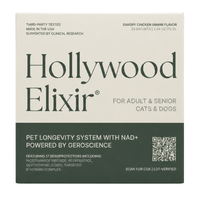
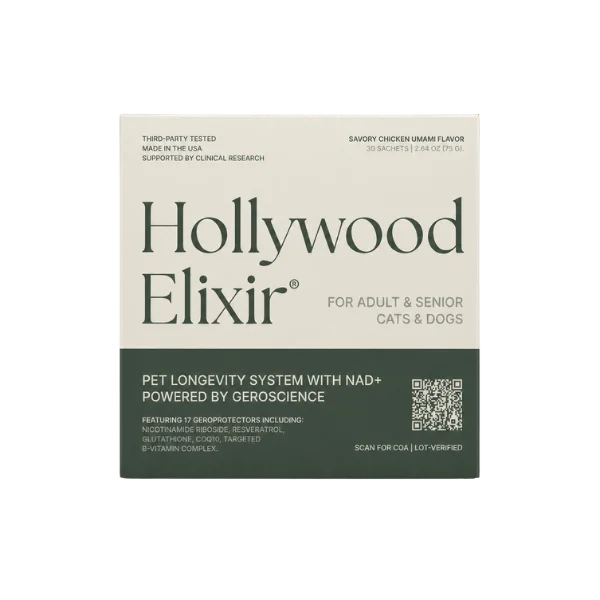
Hollywood Elixir™ can be part of a daily plan that supports whole-body resilience, including normal immune balance and recovery rhythms. For Persians prone to face-fold irritation and grooming stress, it fits best alongside consistent hygiene, diet stability, and vet-guided monitoring—not as a stand-alone fix.

A Persian cat that suddenly looks “messier” around the eyes, sneezes more, or develops a new fold odor often needs a vet call—not a bigger cabinet of chews. The fastest way to protect persian cat immune health is to figure out whether the pattern is irritation, infection, allergy, or anatomy-related moisture trapping, because each path leads to different next steps.

Owners are right to think about oxidative stress: repeated small flares can shrink recovery headroom and make symptoms more volatile, especially in a breed that lives with tear overflow and heavy grooming demands. But “immune support” is not a single switch to flip. Some Persians need targeted diagnostics (like fold cytology or an oral exam), some need environmental changes, and some do well with a conservative, well-chosen persian cat immune support supplement as part of a consistent routine.

This page is structured as vet visit prep: what to notice before the appointment, what to record over days and weeks, which questions make the visit more productive, and how to judge whether a plan is creating a smoother baseline. It also functions as a persian cat antioxidant guide, focusing on practical signals—discharge quality, fold redness, coat changes, and digestive consistency—so decisions are based on observation, not guesswork.

By La Petite Labs Editorial, ~15 min read

Featured Product:

  • A persian cat immune support supplement is most useful after the likely driver (irritation vs infection) is clarified.
  • Persians face breed-specific stressors: brachycephalic airways, tear overflow, and damp face folds that strain skin barriers.
  • Oxidative stress is normal, but frequent flares can shrink recovery headroom and make symptoms more volatile.
  • Track simple signals—discharge quality, fold redness, odor, stool consistency—to give the vet actionable context.
  • Avoid stacking “immune” products; cats have species-specific metabolism and interactions can complicate side effects.
  • Ask the vet about diagnostics that match the pattern (cytology, oral exam, allergy workup) before changing routines.
  • Use supplements as supportive tools within a consistent grooming and diet plan, reassessing results over weeks.

When Face-fold Changes Mean It’s Time to Call

When a Persian cat starts sneezing more, tearing more, or smelling “yeasty” around the face folds, the question is rarely “is immunity weak?” It is usually “what changed in the immune balance, and what is driving irritation?” Persians carry breed-specific vulnerability signals, including genetic variation linked with severe fungal skin disease, which makes early pattern recognition especially valuable (Myers, 2022). A persian cat immune support supplement can be part of a broader plan, but the first step is deciding whether the signs point to infection, allergy, anatomy-related irritation, or a mix.

A practical trigger for calling the vet is a shift from occasional to daily symptoms: thicker eye discharge, new crusting in the nose leather, or a coat that feels greasy despite grooming. Owners can help the appointment by noting whether signs worsen after grooming, after meals, or in dry indoor air. This page builds a persian cat antioxidant guide around what to observe before the visit, so the veterinarian can sort “inflammation noise” from true infection risk.

Close-up mitochondria render visualizing cellular resilience supported by persian cat immune health.

Why Persians Get Stuck in Moisture-and-friction Loops

Persians are built in a way that can make everyday exposures feel bigger: a shorter nose, narrower air passages, and tear overflow that keeps facial hair damp. That dampness can stress the local skin barrier and invite secondary overgrowth, which owners may interpret as “low immunity.” Immune balance is also shaped by oxidative stress—normal inflammatory chemistry that becomes a problem when it is frequent and the body has less margin to reset. This is where a persian cat antioxidant guide becomes practical rather than abstract.

In the home, the earliest clue is often texture: sticky fur under the eyes, a sour smell in the chin folds, or a coat that mats faster. These are not diagnoses, but they are useful observation signals to share with the vet. Owners can gently part the fur once daily, check for redness, and note whether the cat resists face handling more than usual. Those details help decide whether immune supplements for persian cats are even the right conversation.

Molecular artwork representing healthy aging foundations supported by persian cat antioxidant guide.

What to Observe Before the Appointment
The first “what to observe” step is distinguishing irritation from infection. Irritation tends to fluctuate with grooming, humidity, dusty litter, or scented cleaners; infection tends to progress, with thicker discharge, worsening odor, or visible pustules. Persian cats can also have chronic tear staining that looks dramatic but is not automatically dangerous. The immune system is involved either way, but the action changes: barrier care and environment for irritation, diagnostics and targeted therapy for infection.

OWNER CHECKLIST (home observations before calling): (1) note if eye discharge is clear, white, yellow, or green, (2) smell the face folds and chin for a new “bread” or “sour” odor, (3) check for tiny scabs at the fold edges, (4) count sneezing episodes in a day, and (5) record whether grooming triggers coughing or gagging. These specifics make persian cat immune health discussions more accurate.

Molecular structure graphic reflecting research-driven design behind persian cat immune health.

Digestion, Microbiota, and Immune Balance in Cats

Diet and digestion are often the quiet drivers behind skin and respiratory resilience. The gut is a major immune training site, and early-life research in kittens shows that lactoferrin and Lactobacillus supplementation can shift immune markers alongside oxidative stress measures and microbiota composition (Dong, 2024). That does not mean every Persian needs those exact ingredients, but it supports the broader idea: digestive consistency and immune balance move together.

At home, owners can watch for small digestive changes that precede flare-ups: softer stools after new treats, more frequent hairballs, or a cat that licks plastic and then vomits foam. These are useful to tell the vet because they influence whether a plan should prioritize diet texture, fiber strategy, or probiotic-style support. A persian cat immune support supplement is most sensible when the diet foundation is stable and the goal is clearly defined.

Close-up of a pug highlighting comfort and well-being supported by immune supplements for persian cats.

Oxidative Stress: the Wear Pattern Owners Actually Notice

Oxidative stress is not a toxin to eliminate; it is a normal byproduct of inflammation and immune signaling. The problem is repetition: frequent minor flares can leave less headroom for recovery, especially in a breed that deals with constant grooming friction and moisture around the face. A persian cat antioxidant guide should therefore focus on supporting normal cellular cleanup and barrier turnover, not on megadosing single antioxidants.

Owners can often see oxidative “wear and tear” indirectly: dull coat despite good food, slower bounce-back after a bath, or recurring chin comedones that never fully clear. These patterns are worth documenting because they help the vet decide whether the plan should emphasize topical barrier support, diet fat quality, or a carefully chosen immune supplement. The aim is a smoother baseline, not a dramatic overnight change.

Hollywood Elixir™ is amazing and makes my 13 y/o kitty young again!

— Jessie

She hopped up onto the windowsill again—first time in years.

— Charlie

“In Persians, moisture and friction often look like low immunity.”

Case Vignette: the “Tear Stain” That Wasn’t Just Cosmetic

CASE VIGNETTE: A five-year-old Persian develops daily brown tear staining that turns to thick discharge after a new clumping litter is introduced. The owner adds two “immune chews,” but the cat begins vomiting and the face-fold odor worsens. At the vet visit, cytology shows yeast overgrowth in the fold and the plan shifts to moisture control, targeted topical care, and a simpler support routine rather than more immune activation.

This scenario is common because it mixes anatomy, environment, and product overload. The lesson is not that immune supplements for persian cats are useless; it is that they work best when the driver is identified and the stack stays clean. Owners can help by listing every recent change—litter, wipes, grooming spray, treats—because the “trigger” is often something ordinary. That clarity makes persian cat immune health planning more precise.

Weimaraner image reflecting strength and companionship supported by persian cat immune health.

Choosing Immune Support That Matches the Real Driver

When owners ask about immune supplements for persian cats, the most important filter is whether the cat is dealing with chronic barrier stress or a true immune disorder. Most Persians seen for tear staining, chin acne, or fold irritation are managing local inflammation and microbial balance, not immune deficiency. Breed-associated antimicrobial peptide gene variants linked to severe fungal skin disease reinforce why “local defense” can matter in this breed (Myers, 2022).

A useful household approach is to set a single goal before adding anything: support normal skin barrier comfort, support digestive consistency, or support recovery after grooming. If the goal is vague (“support immunity”), results will be hard to judge and product switching becomes constant. A persian cat immune support supplement should fit into a routine that also includes moisture management, gentle combing, and environmental control.

Dog portrait from the side highlighting a thoughtful gaze supported by immune supplements for persian cats.

Botanicals and Interactions: a Cautious Lens for Cats

Herbal immune modulators deserve extra caution in cats. Reviews discussing astragalus and Panax (ginseng) in pet diets note variability in active compounds and the potential for herb–drug interactions, which makes veterinary oversight important (Pezzali, 2024). Even when an ingredient sounds “natural,” it can still shift immune signaling or affect how other compounds are handled. For a Persian already on allergy medications or antibiotics, this matters.

Owners can prepare by bringing the exact product labels (photos are fine) and asking the vet to screen for interactions and redundancy. If a botanical is used, it is safest to introduce it alone, keep the diet unchanged, and watch for appetite changes, vomiting, or new itch. A persian cat antioxidant guide favors conservative, consistent routines over “strong” immune stimulation, especially when the skin barrier is already reactive.

Product overview visual highlighting formulation integrity aligned with persian cat antioxidant guide.

Why Cat Metabolism Changes Supplement Risk

Cats are not small dogs, and supplement decisions should reflect that. Species differences in metabolism and disposition are well described in feline pharmacokinetic literature, which is one reason dosing logic and safety assumptions cannot be copied from dog products (Court, 2013). This is especially relevant for concentrated extracts, fat-soluble vitamins, and multi-ingredient “immune blends,” where small formulation differences can change risk.

In the household, a safer pattern is to choose one product, introduce it gradually, and keep everything else stable for at least two weeks. If the cat is on prescriptions, owners should avoid adding new supplements the same week a medication starts, because side effects become impossible to attribute. This approach makes persian cat immune health decisions calmer and gives the veterinarian cleaner information at follow-up.

What to Track so the Vet Can See the Pattern

What to track works best when it is simple enough to keep doing. For persian cat immune health, the most useful markers are the ones that change before a crisis: discharge quality, skin odor, and grooming tolerance. Tracking also helps separate “seasonal flare” from “new baseline,” which changes how urgently diagnostics are needed. A persian cat antioxidant guide is less about chasing a perfect number and more about building headroom so small stressors do not tip into weeks of irritation.

WHAT TO TRACK over days and weeks: (1) eye discharge color and amount, (2) frequency of sneezing or reverse sneezing, (3) face-fold redness score (0–3), (4) stool consistency and hairball frequency, (5) appetite and water intake, (6) coat oiliness/dandruff, and (7) “bounce-back” after grooming or bathing. Bring photos taken in the same lighting. Consistent tracking makes immune supplements for persian cats easier to evaluate without guessing.

“Track the pattern first; supplement choices get clearer afterward.”

Lab coat detail emphasizing vet-informed standards supporting persian cat immune health.

The Misconception: “More Immune Support” Is Always Better

A common misconception is that “immune support” is always gentle and always appropriate. In reality, some ingredients marketed for immune activation can be a poor fit for cats with underlying inflammatory skin or gastrointestinal sensitivity, and botanical products can vary widely in active compounds (Pezzali, 2024). The goal for a Persian is rarely to push the immune system harder; it is to support a calmer, more consistent barrier and recovery rhythm.

UNIQUE MISCONCEPTION to correct at home: “If discharge is green, add an immune supplement and wait.” Green or thick discharge can signal infection that needs diagnosis, not delay. Another misunderstanding is that more antioxidants are always better; stacking multiple products can create overlap and quality-control risk. A persian cat immune support supplement should be chosen for simplicity, transparency, and a plan to reassess, not as an emergency substitute for care.

Shop Now
Premium ingredient tableau framing Hollywood Elixir aligned with immune supplements for persian cats.

Vet Visit Prep: What to Bring and What to Ask

Vet visit prep is most effective when it anticipates what the veterinarian must rule out. For Persians, that often includes upper-airway irritation, secondary bacterial or yeast overgrowth in skin folds, dental disease contributing to nasal signs, and allergy patterns. Breed-linked susceptibility signals for fungal skin disease make it especially important to describe any new lesions, crusts, or hair loss rather than assuming it is “just tear staining” (Myers, 2022).

VET VISIT PREP: bring (1) a timeline of symptoms and any new foods/litters, (2) photos of the face folds and eyes on “good” and “bad” days, (3) a list of all supplements and treats, and (4) notes on grooming tools used. Ask: “Could anatomy be trapping moisture?” “Do you see signs of infection vs allergy?” “Should a culture or cytology be done today?” “What changes would mean recheck sooner?”

Shop Now
Owner and dog moment highlighting wellness rituals supported by persian cat antioxidant guide.

What Common Tests Tell You About the Driver

Owners often want to know what tests “mean” when immune health is the concern. Many immune problems are not diagnosed by a single immune number; instead, the veterinarian looks for evidence of infection, inflammation, or barrier breakdown. Cytology from a skin fold can show yeast or bacteria, while an oral exam can reveal dental inflammation that keeps the face and nose irritated. If a kitten is involved, gut microbiota and oxidative stress markers are being studied as part of immune development, highlighting how digestion and immunity stay linked (Dong, 2024).

At home, it helps to understand the “why” behind recommendations: a topical plan may be chosen because moisture and friction are the drivers, not because the cat is “low immunity.” If the vet suggests diet changes, ask how long to trial before judging results. If immune supplements for persian cats are discussed, request a clear goal (for example, supporting normal skin barrier or digestive consistency) and a defined recheck window.

Shop Now

What Not to Do When Symptoms Start Escalating

“What not to do” matters because Persians can look messy quickly, tempting owners into aggressive cleaning or supplement stacking. Over-cleaning face folds with harsh products can disrupt the local barrier and make irritation more volatile. Likewise, adding multiple immune-active botanicals at once can complicate side effects and interactions; reviews of astragalus and ginseng in pet diets emphasize formulation variability and interaction concerns (Pezzali, 2024).

WHAT NOT TO DO: (1) do not start three new supplements in the same week, (2) do not use human antiseptics or essential oils on face folds, (3) do not interpret every sneeze as infection without context, and (4) do not stop prescribed medications because a persian cat immune support supplement was added. Layer changes over weeks, keep notes, and let the vet know exactly what was changed and when.

Safety Basics for Immune Supplements in Cats

Supplement safety in cats is not just about the ingredient list; it is also about how cats handle compounds differently than other species. Feline drug metabolism has known species differences, which is one reason “safe for dogs” does not automatically translate to “safe for cats” (Court, 2013). This is especially relevant when products include concentrated botanicals, novel extracts, or high-dose vitamins that can shift from supportive to risky depending on the cat’s diet and health status.

Before choosing immune supplements for persian cats, owners should check for third-party testing, clear batch identification, and conservative dosing directions. If the cat has kidney disease, heart disease, is on immunosuppressive therapy, or is pregnant, the vet should be asked to screen the plan. The safest routine is a single, well-characterized product added to a stable diet, with a written stop rule if vomiting, diarrhea, or appetite changes appear.

Side-by-side chart contrasting bioactives and fillers relative to persian cat antioxidant guide.

Quality Control: Avoiding Overlap and Contamination Risk

Quality control is a hidden part of any persian cat antioxidant guide. Independent evaluations of vitamin-mineral supplements have found that labels do not always match contents, and contamination can be a real risk in pet supplements (RVA, 2021). That matters for Persians because owners may already be using multiple products for coat, hairballs, and tear staining, creating overlap that is hard to spot without a full inventory.

A practical household step is to write down every chew, powder, oil, and “grooming treat,” then look for repeated ingredients like zinc, selenium, vitamin A, or iodine. If the veterinarian recommends adding a persian cat immune support supplement, ask which existing products should be paused to keep the plan cleaner. A simpler stack is easier to evaluate and often leads to more consistent results than a crowded cabinet.

Shop Now
Supplement box revealed in soft light, reflecting premium persian cat immune health positioning.

When Support Isn’t Enough: Red Flags for Urgent Disease

It helps to separate “immune support” from disease-directed therapy. For example, feline infectious peritonitis (FIP) is not managed with general immune supplements; it is treated with targeted antivirals such as GS-441524 under veterinary guidance (Gokalsing, 2025). This distinction protects Persians from dangerous delays: supportive routines can be valuable, but they are not a substitute when a specific disease process is suspected.

Owners should call the vet promptly if there is fever, lethargy, rapid weight loss, breathing effort, or a suddenly distended abdomen. Those signs change the decision-making from “optimize resilience” to “rule out urgent disease.” In that context, a persian cat immune support supplement may still be discussed later as part of recovery support, but only after the primary diagnosis and treatment plan are established.

Shop Now

Follow-up Plan: Recheck Windows and Next-step Decisions

A realistic follow-up plan makes immune support measurable instead of hopeful. The veterinarian may recommend a two-to-four week window to judge whether face-fold care, diet adjustments, and any immune supplements for persian cats are creating a smoother baseline. If the pattern is still volatile, the next step is often refining the diagnosis rather than adding more products. For kittens, research linking immune markers, oxidative stress, and gut microbiota supports the idea that digestion-focused support can matter during development (Dong, 2024).

A good home routine is boring by design: consistent grooming, consistent diet, consistent notes. Recheck visits are most productive when owners bring the tracking rubric, photos, and a short list of what changed. If a persian cat antioxidant guide is being used, the “win” is not perfection; it is more headroom—fewer flare days, faster bounce-back after grooming, and clearer signals when something truly new is happening.

“A simpler routine usually creates a more consistent baseline.”

Educational content only. This material is not a substitute for veterinary advice. Always consult your veterinarian about your cat’s specific needs. These statements have not been evaluated by the Food and Drug Administration. Products mentioned are not intended to diagnose, treat, cure, or prevent any disease.

Glossary

  • Oxidative stress - Normal reactive chemistry from inflammation that can accumulate with frequent flares.
  • Skin barrier - The outer skin layers and oils that limit moisture loss and block irritants and microbes.
  • Face folds - Skin creases around the nose and mouth that can trap moisture and debris in Persians.
  • Tear overflow - Excess tearing that wets facial hair and can contribute to staining and irritation.
  • Cytology - A microscope exam of cells and organisms from skin or ears to check for yeast or bacteria.
  • Microbiota - The community of microbes in the gut or on skin that influences immune balance.
  • Antimicrobial peptides - Natural defense molecules in skin that help control microbes; some variants are breed-linked.
  • Herb–drug interaction - When a botanical changes the effect or handling of a medication.
  • Headroom - The practical margin a cat has to recover before small stressors become prolonged flare-ups.

Related Reading

References

Dong. Effects of Lactoferrin and Lactobacillus Supplementation on Immune Function, Oxidative Stress, and Gut Microbiota in Kittens.. PubMed Central. 2024. https://pmc.ncbi.nlm.nih.gov/articles/PMC11240779/

Gokalsing. Efficacy of GS-441524 for Feline Infectious Peritonitis: A Systematic Review (2018–2024). 2025. https://www.mdpi.com/2076-0817/14/7/717

Myers. An ancient haplotype containing antimicrobial peptide gene variants is associated with severe fungal skin disease in Persian cats.. PubMed Central. 2022. https://pmc.ncbi.nlm.nih.gov/articles/PMC8880935/

Pezzali. Herbal paw-sibilities: potential use and challenges of Astragalus membranaceus and Panax species (ginseng) in diets intended for cats and dogs.. PubMed Central. 2024. https://pmc.ncbi.nlm.nih.gov/articles/PMC11188985/

Court. Feline drug metabolism and disposition: pharmacokinetic evidence for species differences and molecular mechanisms.. PubMed Central. 2013. https://pmc.ncbi.nlm.nih.gov/articles/PMC3811070/

RVA. Vitamin-mineral supplements do not guarantee the minimum recommendations and may imply risks of mercury poisoning in dogs and cats.. PubMed Central. 2021. https://pmc.ncbi.nlm.nih.gov/articles/PMC8075222/

FAQ

What does immune support mean for Persian cats?

For Persians, “immune support” usually means supporting normal barrier function and recovery, not forcing the immune system to react harder. Face-fold moisture, tear overflow, and grooming friction can keep local inflammation active, which makes symptoms look like “low immunity.”

A useful goal is a smoother baseline: fewer flare days, less odor in folds, and clearer signals when an infection truly needs treatment. That is why tracking and vet-guided diagnostics matter as much as any supplement choice.

Why do Persians seem more prone to immune imbalance?

Persians often deal with anatomy-driven irritation: a shorter nose, tear overflow, and damp facial hair that can stress the skin barrier. When barriers are stressed, normal microbes can overgrow and inflammation can become more volatile.

There is also evidence of breed-linked susceptibility factors for certain infections, including genetic variants associated with severe fungal skin disease in Persian cats. That makes early pattern recognition and timely vet input especially important.

When should an owner call the vet about immune concerns?

Call promptly if discharge becomes thick or colored, odor increases, the cat seems painful when the face is touched, or sneezing becomes daily. Also call for lethargy, fever, breathing effort, or rapid weight loss.

Those shifts suggest the plan should prioritize diagnosis (infection, allergy, dental disease) rather than adding new products. Supplements can be discussed after the primary driver is identified and the baseline is stable.

How can owners tell irritation from infection at home?

Irritation often fluctuates with grooming, dry air, dusty litter, or scented cleaners. Infection more often progresses: thicker discharge, worsening odor, new crusts, or pustules in folds.

Because the patterns can overlap, photos and a short timeline help the veterinarian decide whether cytology, culture, or other tests are needed. Avoid waiting on a worsening pattern just to “see if supplements work.”

Do antioxidants matter for Persian cat immune health?

Antioxidant systems help the body manage normal oxidative stress created during inflammation and immune signaling. When small flares happen repeatedly—common with face-fold moisture and grooming friction—recovery can have less headroom.

A persian cat antioxidant guide should focus on consistent routines and conservative support, not megadosing single antioxidants. The most meaningful “result” is often fewer flare days and faster bounce-back after grooming.

Are probiotics useful as immune supplements for Persian cats?

Digestive consistency and immune balance are closely linked. In kittens, lactoferrin and Lactobacillus supplementation has been studied for effects on immune markers, oxidative stress measures, and gut microbiota composition.

That does not mean every Persian needs a probiotic, but it supports discussing gut-focused options when stools are inconsistent or hairballs are frequent. Introduce one change at a time and keep the diet stable so results are interpretable.

Can herbal immune products like astragalus be risky for cats?

They can be. Reviews of astragalus and ginseng in pet diets highlight variability in active compounds and potential herb–drug interaction concerns, which is especially relevant for cats on prescriptions.

If a botanical is considered, it should be vet-approved, introduced alone, and monitored for appetite change, vomiting, diarrhea, or new itch. “Natural” does not guarantee predictable effects in cats.

Why is supplement stacking a problem in Persian cats?

Stacking makes side effects hard to attribute and can create redundant ingredients across coat, hairball, and “immune” products. It also increases the chance of interactions with medications.

Cats also have species-specific metabolism differences that make “works for dogs” assumptions unreliable(Court, 2013). A cleaner plan—one product, one goal, one tracking method—usually leads to more consistent decision-making.

How long does a Persian cat immune support supplement take to notice?

Most supportive routines should be judged over weeks, not days, because skin turnover, coat changes, and digestive patterns move gradually. Owners should track a few markers (discharge quality, fold redness, stool consistency) rather than relying on memory.

If symptoms are worsening, do not wait for a supplement timeline—call the vet. Supplements are best used to support a stable baseline after the main driver (infection, allergy, irritation) is addressed.

What quality signals matter most in cat supplements?

Look for clear batch identification, transparent ingredient amounts, and third-party testing where available. Independent evaluations show vitamin-mineral supplements may not match label claims and can carry contamination risk(RVA, 2021).

Also prioritize simplicity: fewer ingredients, fewer overlaps with existing products, and a clear purpose. Bring labels or photos to the vet so the full “stack” can be reviewed for redundancy and safety.

How should owners give supplements to picky Persian cats?

Use the smallest number of steps possible: mix into a familiar wet food, use a measured topper, or offer at the same time daily. Avoid hiding multiple new products in one meal, which can create food aversion if nausea occurs.

Introduce gradually and keep the rest of the routine stable. If the cat refuses meals, drools, or vomits after dosing, stop and contact the veterinarian—administration stress should not become part of the daily pattern.

Is Hollywood Elixir™ appropriate for daily Persian cat support?

For many households, a single daily product is easier to evaluate than a rotating stack. Hollywood Elixir™ is designed to support whole-body resilience as part of a consistent routine, which can be helpful when Persians have recurring grooming and barrier stress.

It should still be discussed with a veterinarian if the cat is on prescriptions or has chronic disease. The best use is alongside tracking (photos, discharge notes, stool consistency) so changes are judged with real observation signals.

Can supplements replace antibiotics or antifungals for fold infections?

No. If cytology or exam suggests bacterial or yeast overgrowth, targeted therapy is often needed to regain control. Supplements may help support normal recovery rhythms, but they do not replace diagnosis or prescribed treatment.

This is especially important in Persians because damp folds can hide progression until odor and discharge become obvious. If the pattern is worsening, the safest move is a vet visit, not a stronger “immune” product.

What should owners ask the vet about immune supplements?

Ask questions that force clarity: “What is the main driver—irritation, allergy, infection, or anatomy?” “What is the single goal of this supplement?” and “What would tell us it is not a fit?”

Also ask what to pause to avoid overlap, and when to recheck. A persian cat immune support supplement should come with a timeline and tracking plan, not an open-ended promise.

What tests might a vet recommend for recurring tear staining?

Depending on the pattern, a vet may examine eyelids and tear drainage, check for corneal irritation, and evaluate dental disease that can contribute to nasal and eye signs. If skin folds are involved, cytology can identify yeast or bacteria.

Owners can help by bringing photos from “good” and “bad” days and noting what changed (litter, wipes, grooming products). Testing is chosen to match the most likely driver, not to “measure immunity” directly.

Are immune supplements for Persian cats different for kittens?

Kittens are still building immune patterns, and their digestion can be more sensitive to sudden changes. Research in kittens has evaluated lactoferrin and Lactobacillus for immune markers and oxidative stress measures, reinforcing the gut–immune connection during development.

Any supplement choice for a kitten should be vet-guided, introduced gradually, and paired with careful tracking of stool, appetite, and energy. The goal is consistency, not rapid change.

Can a supplement help with Persian cat respiratory flare days?

Sometimes supportive routines help the cat handle everyday irritants more comfortably, but respiratory signs also need careful evaluation in brachycephalic breeds. Sneezing, noisy breathing, or gagging can reflect anatomy, infection, allergy, or dental disease.

If a supplement is used, it should support normal recovery rhythms while the environment is optimized (humidity, low-dust litter, fragrance-free cleaners). Worsening breathing effort or lethargy should trigger a vet visit rather than more supplementation.

How does Hollywood Elixir™ fit into a Persian resilience routine?

It fits best as a single, consistent layer in a plan that already includes gentle fold care, coat maintenance, and diet stability. Hollywood Elixir™ is positioned to support whole-body resilience, which can be useful when small stressors otherwise lead to more volatile flare patterns.

Owners should still track a few markers (discharge, redness score, stool consistency) and share them at recheck. If the baseline is not smoother after a reasonable trial, the next step is usually refining diagnosis, not adding more products.

What side effects should owners watch for with new supplements?

The most common early issues are gastrointestinal: vomiting, softer stools, gas, or appetite change. Some cats also show behavior changes around meals if they dislike the taste or if nausea develops.

Stop the new product and contact the veterinarian if symptoms persist beyond a day, if the cat stops eating, or if there is lethargy. Introduce only one new item at a time so the cause is clear.

Do cats need different supplement rules than dogs?

Yes. Cats have important species differences in how they metabolize and handle compounds, which affects safety assumptions and interaction risk. That is why dog-labeled immune products or dosing logic should not be copied to cats.

For Persians, this matters because owners may already be using grooming-related products and treats. A vet-reviewed, cat-appropriate plan with conservative changes is more likely to produce a consistent baseline without avoidable side effects.

What is the decision framework for choosing a Persian supplement?

Start with the driver: is this mainly face-fold moisture, allergy pattern, infection, or digestion? Then choose one goal (support normal skin barrier comfort, support digestive consistency, or support recovery after grooming) and one product that matches it.

If considering Hollywood Elixir™, keep the rest of the routine stable and track a few observation signals for several weeks. If the pattern remains volatile, bring the notes back to the vet to refine the diagnosis.

5K+ Happy Pet Parents

Excellent 4.8

Persian Cat Immune Support Supplement | Why Thousands of Pet Parents Trust Hollywood Elixir™

"My go-to nutrient-dense topper. Packed with 16 powerful anti-aging actives and superfoods!"

Chanelle & Gnocchi

"We go on runs pretty often; he use to get tired halfway through, but lately, he's been keeping up without any problem."

Cami & Clifford

"He seems more happy overall. I've also noticed he has more energy which makes our walks and playtime so much more fun."

Olga & Jordan

"I want her to live forever. She hasn't had an ear infection since!"

Madison & Azula

"My go-to nutrient-dense topper. Packed with 16 powerful anti-aging actives and superfoods!"

Chanelle & Gnocchi

"We go on runs pretty often; he use to get tired halfway through, but lately, he's been keeping up without any problem."

Cami & Clifford

"He seems more happy overall. I've also noticed he has more energy which makes our walks and playtime so much more fun."

Olga & Jordan

"I want her to live forever. She hasn't had an ear infection since!"

Madison & Azula

"My go-to nutrient-dense topper. Packed with 16 powerful anti-aging actives and superfoods!"

Chanelle & Gnocchi

"We go on runs pretty often; he use to get tired halfway through, but lately, he's been keeping up without any problem."

Cami & Clifford

"He seems more happy overall. I've also noticed he has more energy which makes our walks and playtime so much more fun."

Olga & Jordan

"I want her to live forever. She hasn't had an ear infection since!"

Madison & Azula

"My go-to nutrient-dense topper. Packed with 16 powerful anti-aging actives and superfoods!"

Chanelle & Gnocchi

"We go on runs pretty often; he use to get tired halfway through, but lately, he's been keeping up without any problem."

Cami & Clifford

"He seems more happy overall. I've also noticed he has more energy which makes our walks and playtime so much more fun."

Olga & Jordan

"I want her to live forever. She hasn't had an ear infection since!"

Madison & Azula

SHOP NOW