Immune Health for Cats

Match nutrition and habits to skin, gut, respiratory, and urinary defenses.

By La Petite Labs Editorial 15 min read

Woman cuddling an orange-and-white cat and a silver tabby while holding a Hollywood Elixir box
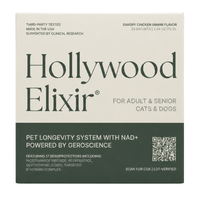
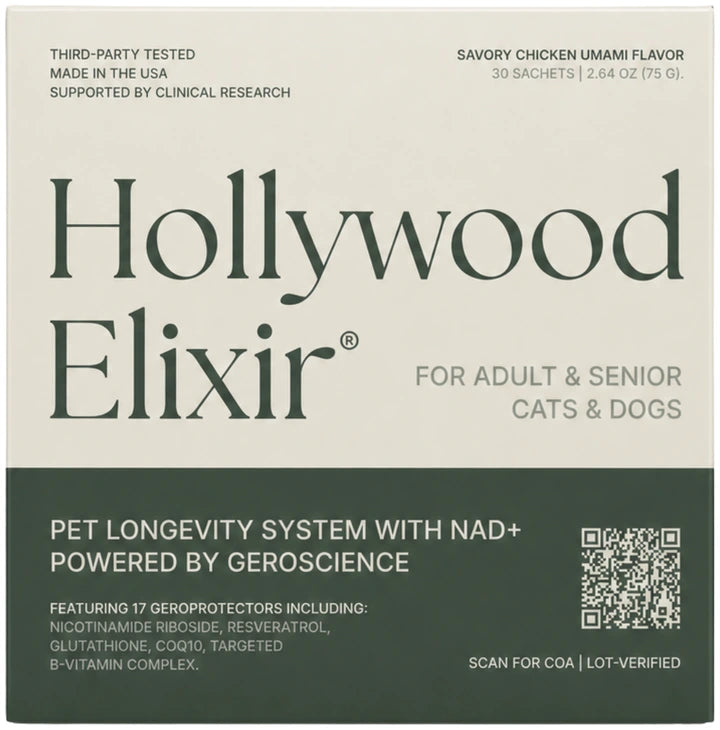
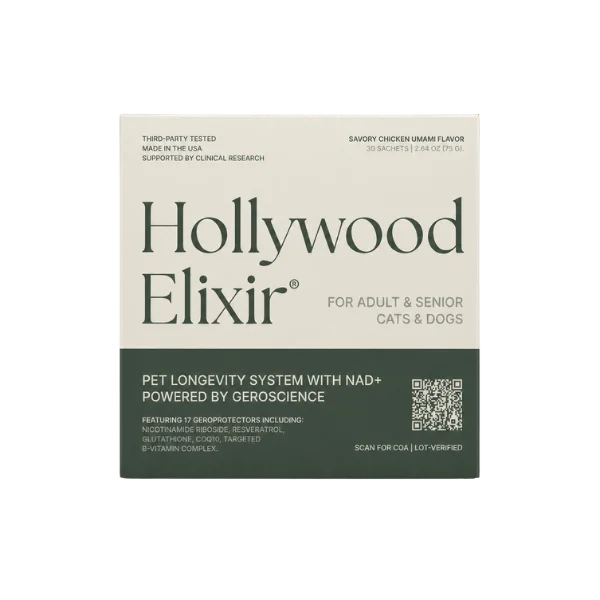
Hollywood Elixir® Daily longevity system · adult & senior cats Starting at $63/month 

When a cat seems 'run down,' the instinct is to find something that makes immunity stronger. The more useful question is different: are you protecting the barriers that prevent trouble, or provoking bigger reactions after it starts? For most households, the best path to immune health in cats is making defenses more reliable—so the cat rebounds with less drama after stress, diet changes, or routine exposures. It helps to picture immunity as a map of organs and surfaces, not a single 'strength.' Lymph nodes coordinate local signals from skin and mouth, the spleen filters blood and helps organize responses, and the thymus trains key immune cells early in life. The gut lining and skin barrier act like borders: intact, they keep the immune system calm; disrupted, they make inflammation a frequent and costly tool. An honest guide also admits variability—some strategies help one cat and little for another. So locate the main bottleneck (skin, gut, or respiratory), stabilize the basics, then add one change at a time and track the signals over the first 4–6 weeks.

  • Immune health for cats is less about 'boosting' and more about keeping barriers and responses reliable.
  • The key contrast is barrier defenses (skin, gut lining) versus high-cost inflammation that should resolve.
  • The immune organs work as a map: lymph nodes coordinate, the spleen filters, the thymus trains T-cells early.
  • Probiotics and postbiotics are product-dependent—results vary, so track stool and appetite to judge them.
  • Avoid stacking fat-soluble vitamins; cats can be harmed by excess vitamin A or D from foods or supplements.
  • Pick one change, then watch stool, coat, itch, flare days, and weight over the first 4–6 weeks.

Can You Really 'Boost' a Cat's Immune System?

Most owners picture immunity as a single 'strength' a cat either has or lacks. In reality, it starts with a contrast: fast barrier defenses that block entry versus slower, targeted defenses that learn and remember. Both depend on the immune-system organs working as a coordinated map—skin, gut lining, lymph nodes, spleen, and thymus—rather than one switch that flips on. When that map is under strain, the result is usually more variable recovery from everyday exposures, not a dramatic collapse. At home, the most useful mindset is 'stability over time.' A cat that used to bounce back fast from a new food, a boarding stay, or a seasonal sniffle may start needing longer to return to baseline. That change is the opening clue: it points toward where the slack has narrowed, and which routines—diet consistency, stress load, and skin and gut care—are most likely to make defenses reliable again.

Woman kneeling with two long-haired tabby cats while holding a Hollywood Elixir box beside a food bowl

Side a: Blood Tests Versus Tissue-level Defenses

Side A of the confusion is “immunity lives in the blood.” Blood tests can be helpful, but much of a cat’s day-to-day defense is stationed in tissues: the skin barrier, the respiratory lining, and especially the gut-associated immune tissue. These sites are where immune cells meet the outside world and decide whether to ignore, tolerate, or respond. That decision-making is shaped by the microbiome and the integrity of the gut barrier, which can influence immune balance in cats (Wang, 2025).

A practical implication is that “normal labs” do not always match what an owner sees. A cat can have acceptable bloodwork yet still show more variable stools, recurrent chin irritation, or longer recovery after stress. Those are tissue-level signals. Household routines that protect mucosal surfaces—slow diet transitions, hydration support, and predictable feeding—often matter more than chasing a single supplement trend.

Woman exercising beside a tabby cat, with a Hollywood Elixir box and food bowl on a small table

Side B: the Gut Is Central, but Not the Whole Story

Side B is the idea that the immune system is “mostly the gut.” The gut is central, but it is not the whole story. Lymph nodes act like regional checkpoints, sampling what drains from skin, mouth, and intestines. The spleen filters blood and helps coordinate responses to certain organisms, while the thymus is where T-cells mature early in life. Together, these cat immune system organs create coverage across different entry points, not one dominant headquarters.

Owners can use this contrast to interpret patterns. If a cat’s issues cluster around skin and ears, barrier care and allergy workups may matter more than gut-only strategies. If signs cluster around digestion, stool quality and diet format become higher priority. A feline immune health guide is less about picking one “best” organ and more about matching the plan to the body surface that is failing first.

Orange-and-white cat reaching toward a woman holding a Hollywood Elixir box while sitting in a chair

What Actually Differs: Barriers Versus High-cost Inflammation

What actually differs between “barrier” and “response” immunity is timing and cost. Barriers (skin oils, tight junctions in the gut, normal mucus) are relatively low-drama and constant. A full inflammatory response is expensive: it consumes nutrients, disrupts appetite, and can leave a cat feeling unwell even when it’s doing its job. When owners ask about immune health for cats, the most actionable answer is often to protect barriers so the body doesn’t need to spend as much on high-alert responses.

In the home, barrier support looks unglamorous: consistent parasite prevention, gentle grooming for cats prone to dandruff, and avoiding harsh topical products. It also means taking small digestive changes seriously, because the gut lining is a major interface. If stools become less reliable after a diet change, that is a barrier signal worth addressing early rather than waiting for a bigger flare.

Gray-haired man holding a Hollywood Elixir box while two cats rest beside him in an armchair

The Spleen’s Job: Filtering Blood and Coordinating Responses

The spleen is often misunderstood as optional until it’s removed, but it plays a practical role in filtering blood and organizing immune responses to certain threats. It also helps manage old or damaged red blood cells, linking immune function with overall vitality. In cats, spleen enlargement can occur for many reasons, so it is not a “spleen problem” by default—it is a clue that the immune map is being asked to do more than usual.

Owners rarely “see” the spleen, but they may notice indirect change signals: lower rebound capacity after minor illness, pale gums, or a cat that seems less durable during stressful weeks. Those observations belong in the vet history. If imaging is recommended, it is typically to clarify whether the spleen is reacting, inflamed, or involved in a broader condition rather than to chase a supplement-only fix.

“The goal is more reliable rebound, not louder immune reactions.”

The Thymus and Aging: When Immune Training Changes

The thymus is the “training site” for T-cells, and it is most active in kittens and young cats. As cats age, thymic tissue naturally becomes less prominent, which is one reason immune responses can become less reliable later in life. Aging also changes nutritional status and body composition in ways that can influence immune function, making assessment of weight, muscle condition, and diet history especially relevant in older cats (Blanchard, 2025).

For households, the key implication is that senior cats often need more careful “inputs” to keep defenses durable: adequate protein, stable routines, and early attention to dental disease that can chronically stimulate immune tissue. A cat that is losing muscle while staying the same weight may have less slack for immune demands. That is a reason to schedule a nutrition-focused visit, not just to add another powder to the bowl.

Tabby cat looking up at a Hollywood Elixir sachet held above it, with the product box on a small table

Lymph Nodes as Local Clues, Not Just “Lumps”

Lymph nodes are the comparison point that helps owners understand “local” versus “whole-body” immunity. A node under the jaw may enlarge with dental inflammation; a node behind the knee may react to a skin infection on the leg. Nodes are not only warning lights—they are working tissue, expanding when immune cells are multiplying. The important distinction is whether enlargement is symmetrical and reactive, or persistent and unexplained.

Owners can gently notice, not aggressively palpate. A new lump that persists more than a week, seems painful, or is paired with appetite changes deserves a veterinary exam. Bringing a simple timeline—when it appeared, whether it changes day to day, and any recent vaccines, dental issues, or wounds—helps the clinician decide if the node is doing routine work or signaling a deeper problem.

Hand gently petting an orange-and-white cat beside a food bowl and Hollywood Elixir box

Do Probiotics Boost a Cat's Immune System?

Here the contrast gets practical: 'microbiome support' is not the same as 'immune support,' but they overlap through barrier integrity and immune signaling. Studies in cats suggest probiotics can modulate the intestinal microbiome, yet effects are strain- and product-dependent and results vary across outcomes (Sivamaruthi, 2025). That variability is exactly why no single probiotic is a universal answer. At home, the goal is less variable digestion and a calmer baseline. Sudden food switches, frequent treat rotation, and table scraps create noise that can look like 'weak immunity.' A steadier feeding pattern, transitions over 7–10 days, and hydration support usually make stool quality more reliable. If you do try a probiotic, track stool score and appetite for the first 4–6 weeks—that gives clearer feedback than guessing.

Man holding a Hollywood Elixir box beside a black cat, an orange tabby and a food bowl

Skin Barrier Immunity: the Problems Owners Can Actually See

Skin immunity is a barrier story: the outer layer, oils, and resident microbes create a first line of defense. When that barrier is disrupted—by fleas, over-bathing, harsh wipes, or chronic licking—the immune system is forced into higher-cost inflammation. This is where owners often mislabel the problem as “low immunity,” when the real issue is a leaky boundary that keeps triggering responses.

OWNER CHECKLIST: Watch for (1) new dandruff or greasy coat, (2) chin acne or recurrent small scabs, (3) ear debris that returns quickly after cleaning, (4) increased licking or barbering, and (5) flea dirt or missed doses of prevention. These are actionable because they point to barrier management: parasite control, gentle grooming, and veterinary evaluation for allergy or infection rather than “immune boosting” shortcuts.

Is a 'Stronger' Immune System Always Better for Cats?

A unique misconception is that “a stronger immune system is always better.” In cats, an overactive or misdirected response can be as disruptive as a sluggish one, because inflammation itself can reduce appetite, disturb sleep, and worsen skin and gut symptoms. The target is balance and durability: responses that are appropriate, then resolve. That is the core of a feline immune health guide that prioritizes stability over intensity.

This misconception shows up when owners stack multiple products at once after a flare. The result is often more variables and less clarity. A better approach is to change one thing, then watch for change signals over the first 4–6 weeks. If the cat becomes more comfortable and routines become more reliable, that is meaningful progress even if there is no dramatic “before and after.”

“Barriers prevent immune alerts before they become expensive inflammation.”

Silver tabby sitting beside a food bowl and a Hollywood Elixir box held in a person's hand

DVM Voice: Clinical Vignette of a Common Pattern in Senior Cat Aging

Case provided by JoAnna Pendergrass, DVM

Sasha, a 12-year-old cat, was brought in after her owner noticed increased thirst and urination, lethargy, vomiting, and a generally unkempt appearance. Examination showed weight loss, elevated blood pressure, and reduced vitality.

Diagnostic testing revealed elevated kidney markers, poorly concentrated urine, and protein loss in the urine — findings consistent with chronic kidney disease, one of the most common chronic conditions in senior cats.

Her care required a kidney-focused diet, blood pressure management, targeted supplementation, medication support, and regular monitoring — a necessary plan, but one started after clinical signs were already visible.

Clinical takeaway: Sasha’s case reflects why senior-cat wellness should begin before obvious decline. Earlier monitoring, body-condition tracking, hydration awareness, antioxidant support, and daily cellular resilience may help support quality of life as cats age.

Single-case vignette. Not generalizable. Veterinary diagnosis and monitoring are essential for increased thirst, urination, vomiting, lethargy, weight loss, or suspected kidney disease.

Explore Hollywood Elixir Research →
Woman holding a Hollywood Elixir box toward a brown cat perched on the back of a sofa

A Real-life Pattern: Stress, Respiratory Flares, and Recovery Time

Illustrative scenario; not a patient record: A 9-year-old indoor cat starts getting “little colds” after visitors stay for a weekend. The cat hides, eats less, then develops watery eyes that linger longer each time. The household assumes the cat needs immune health for cats supplements, but the pattern points to stress load plus a respiratory virus history, where barrier care, routine stability, and vet-guided options matter more than random add-ons.

In cats with recurrent upper-respiratory signs tied to feline herpesvirus-1, targeted veterinary therapies may be discussed. Polyprenyl immunostimulant has been studied in cats with feline rhinotracheitis and was generally well tolerated in safety studies, but it is not a DIY decision and should be used under veterinary direction (Legendre, 2017). Owners help most by documenting triggers, duration, and recovery time rather than guessing at causes.

Woman leaning toward a fluffy orange cat beside a Hollywood Elixir box and green food bowl

Raw Versus Cooked Diets: Exposure Risk Versus Nutrient Adequacy

Diet format is a real-world compare-and-contrast: raw versus cooked is often framed as “more natural equals better immunity.” The immune system, however, cares about nutrient adequacy and exposure risk. Research comparing raw diets with a commercial cooked diet in growing cats highlights that diet format differs by processing, which is relevant to safety considerations such as pathogen exposure (Hamper, 2017). For many households, fewer avoidable exposures means more reliable immune demands.

If a raw diet is used, hygiene becomes part of the immune plan: careful sourcing, strict refrigeration, and protecting immunocompromised humans in the home. If a cooked commercial diet is used, the focus shifts to consistency and appropriate life-stage formulation. Either way, the best “immune diet” is the one the cat eats well, maintains muscle on, and tolerates with less variable stools.

Tabby cat licking its nose beside a food bowl and Hollywood Elixir box

Supplement Stacking Risks: Vitamin a and Vitamin D Excess

Micronutrients are another area where owners confuse “more” with “better.” Cats are uniquely vulnerable to fat-soluble vitamin excess, especially when multiple supplements are layered onto a complete diet. Chronic vitamin A oversupplementation has been associated with skeletal and hepatic changes in cats (Corbee, 2014). Vitamin D toxicosis has also been documented in cats, including outbreaks linked to dietary sources (Morita, 1995).

WHAT NOT TO DO: (1) add cod liver oil or high-vitamin A products to a complete cat food, (2) combine multiple “immune” chews without checking overlapping vitamins, (3) use human vitamin D drops, or (4) assume “natural” means low-dose. If a cat is on a therapeutic diet, discuss any add-ons with a veterinarian so immune support does not accidentally narrow safety margins.

Vet Visit Prep: Observations That Change the Plan

VET VISIT PREP works best when it reflects the immune map rather than a single symptom. Bring observations that separate barrier problems from deeper immune activation: frequency of vomiting or diarrhea, stool consistency, skin lesions, and respiratory flare patterns. If supplements are being used, bring labels or photos so the clinician can check for overlapping ingredients and fat-soluble vitamins. This is how understanding cat immunity becomes a better handoff, not just a better search query.

Useful questions include: (1) “Which body surface seems to be failing first—skin, gut, or respiratory?” (2) “Are lymph nodes enlarged, and does that fit dental or skin disease?” (3) “Is weight or muscle loss reducing rebound capacity?” and (4) “Which tests would change the plan?” A focused visit often prevents months of trial-and-error.

What to Track for the First 4–6 Weeks

WHAT TO TRACK is the decision framework that keeps immune support honest. Instead of chasing daily fluctuations, track a few markers that reflect durability and slack. Good markers are simple, repeatable, and tied to the cat’s main issue—skin, gut, or respiratory. Tracking also clarifies whether a change is truly helping or just coinciding with a quiet week.

WHAT TO TRACK RUBRIC: (1) stool score and frequency, (2) appetite consistency and food enthusiasm, (3) coat quality and dandruff level, (4) licking/scratching minutes per day, (5) number of “sneeze/eye” flare days per month, and (6) body weight plus muscle feel over the spine and hips. Recheck these weekly for the first 4–6 weeks after any plan change.

Tabby cat sitting at a table with a food bowl and Hollywood Elixir box

Targeted Therapy Versus Foundational Support: Know the Difference

A practical compare-and-contrast is “targeted therapy” versus “foundational support.” Targeted therapy is for a diagnosed problem—like a veterinarian-directed plan for recurrent herpesvirus flares. Foundational support is about making the baseline less variable: adequate protein, hydration, parasite control, dental care, and stress reduction. Many cats need both, but confusing them leads to disappointment when a general supplement is expected to act like a prescription.

Foundational support also includes gut choices that match the cat. Postbiotics and probiotics are not interchangeable, and evidence in cats suggests gut supplements can influence barrier integrity and immune balance, but outcomes depend on what is used and why (Wang, 2025). The most reliable approach is to pick one change, track it, and keep the rest of the routine steady so the signal is readable.

Woman cuddling a silver tabby and a cream-colored cat while holding a Hollywood Elixir box

Where Hollywood Elixir™ Fits in a Measured Daily Plan

When owners ask where a broad-spectrum product fits, the honest answer is: after the basics are stable. This is also where reading the label pays off. Hollywood Elixir is a food-mixed daily routine for adult and senior cats that supports normal immune steadiness and cellular defenses against oxidative stress—with visible actives you can total up, including beta glucans at a disclosed 50 mg per sachet and reishi mushroom (25 mg), the kinds of immune-supportive ingredients that fit a longevity-minded diet rather than a quick 'boost.' It is not a substitute for diagnosing infections, allergies, dental disease, or endocrine problems. Roll it out in a measured way: keep diet and treats consistent, add one supportive product, and track the signals that matter most—stool reliability, coat comfort, and recovery time after disruptions. If nothing changes after 4–6 weeks, that is still useful information—it suggests the ceiling is set by an unaddressed medical issue or a mismatch with the cat's primary immune bottleneck.

Decision Framework: Build More Reliable Defenses over Time

The takeaway is a simple contrast: chasing “more immunity” versus building more reliable defenses. The second path starts by locating the weak boundary—skin, gut, or respiratory—and then supporting the cat immune system organs that coordinate responses through nutrition, stress management, and veterinary care. That is the practical endpoint of understanding cat immunity: fewer avoidable triggers, clearer tracking, and better decisions when symptoms repeat.

If a cat has frequent infections, persistent weight loss, or repeated fevers, the plan should shift from home support to medical investigation. For most cats, though, the biggest gains come from making inputs less variable: consistent diet, careful supplement choices, and routines that protect barriers. Over time, that creates more slack—and a cat that rebounds with less drama when life gets busy.

“Track change signals for 4–6 weeks before adding another variable.”

Educational content only. This material is not a substitute for veterinary advice. Always consult your veterinarian about your cat’s specific needs. These statements have not been evaluated by the Food and Drug Administration. Products mentioned are not intended to diagnose, treat, cure, or prevent any disease.

Glossary

  • Barrier immunity - First-line protection from skin, gut lining, and mucus that blocks entry.
  • Gut-associated lymphoid tissue (GALT) - Immune tissue in the intestines that samples microbes and food antigens.
  • Lymph node - A regional checkpoint where immune cells coordinate responses to local drainage.
  • Spleen - Organ that filters blood and helps coordinate certain immune responses.
  • Thymus - Early-life organ where T-cells mature and are “trained.”
  • Microbiome - Community of microbes living in and on the cat that can influence immune signaling.
  • Postbiotic - Non-living microbial products that may influence gut barrier and immune signaling.
  • Oxidative stress - Imbalance between reactive molecules and protective systems that can affect cellular function.
  • Rebound capacity - How quickly a cat returns to baseline after stress, illness, or a flare.

Related Reading

References

Sivamaruthi. A Review of Probiotic Supplementation and Its Impact on the Health and Well-Being of Domestic Cats. 2025. A Review of Probiotic Supplementation and Its Impact on the Health and Well-Being of Domestic Cats

Hamper. Evaluation of two raw diets vs a commercial cooked diet on feline growth. PubMed Central. 2017. Evaluation of two raw diets vs a commercial cooked diet on feline growth.

Blanchard. Nutrition and aging in dogs and cats: assessment and dietary strategies. PubMed Central. 2025. https://pmc.ncbi.nlm.nih.gov/articles/PMC12520854/

Legendre. Polyprenyl Immunostimulant in Feline Rhinotracheitis: Randomized Placebo-Controlled Experimental and Field Safety Studies. PubMed Central. 2017. Polyprenyl Immunostimulant in Feline Rhinotracheitis: Randomized Placebo-Controlled Experimental and Field Safety Studies.

Wang. Postbiotic supplementation promotes gut barrier integrity and immune balance in cats via microbiota modulation. PubMed Central. 2025. Postbiotic supplementation promotes gut barrier integrity and immune balance in cats via microbiota modulation.

Corbee. Skeletal and hepatic changes induced by chronic vitamin A supplementation in cats. 2014. Skeletal and hepatic changes induced by chronic vitamin A supplementation in cats

Morita. Vitamin D toxicosis in cats: natural outbreak and experimental study. PubMed. 1995. Vitamin D toxicosis in cats: natural outbreak and experimental study.

FAQ

What does immune health mean in cats day to day?

In daily life, it means a cat’s defenses respond appropriately and then settle back down. The goal is fewer avoidable triggers and a more reliable rebound after stress, diet changes, or routine exposures.

Owners often notice immune strain as longer recovery time, more variable stools, or recurring skin irritation rather than dramatic illness. Those patterns help identify whether the weak point is skin, gut, or respiratory lining.

Is a “stronger” immune system always better for cats?

No. A response that is too intense or poorly targeted can create ongoing inflammation, which can disrupt appetite, sleep, and skin or gut comfort. The target is balance and resolution.

A useful way of understanding cat immunity is to ask whether the cat returns to baseline reliably after a flare. Plans that protect barriers and reduce triggers often create more durable comfort than chasing “maximum” immune activation.

Do probiotics work for cats’ immune-related issues?

Sometimes, but results are not uniform. Evidence in domestic cats indicates probiotics can modulate the intestinal microbiome, yet effects are strain- and product-dependent and outcomes vary(Sivamaruthi, 2025).

For owners, that means probiotics are best treated as a trial with tracking, not a guarantee. Keep diet stable, introduce one product at a time, and watch stool quality and appetite for the first 4–6 weeks.

How do age and muscle loss affect cat immunity?

As cats age, immune responses can become less reliable, and nutritional status becomes more important. Changes in body weight and muscle condition can reduce slack for handling inflammation and recovery demands(Blanchard, 2025).

Owners should monitor not only the scale but also muscle over the spine and hips. If muscle is declining, a nutrition review and medical screening often do more for durability than adding multiple “immune” products.

How quickly should immune-support changes show results in cats?

Most supportive changes are best judged over the first 4–6 weeks. That window is long enough to see whether stools become less variable, coat comfort changes, or flare frequency shifts, without confusing normal day-to-day noise.

If nothing changes, that is still a useful result. It may mean the plan is aimed at the wrong bottleneck (for example, gut support when the true driver is fleas or dental disease) or that a medical diagnosis is needed.

Are there side effects with immune supplements for cats?

Any supplement can cause problems, most commonly digestive upset or appetite changes. The bigger risk is accidental excess when multiple products overlap in fat-soluble vitamins or concentrated oils.

If vomiting, diarrhea, lethargy, or refusal to eat appears after starting a new product, stop it and contact a veterinarian. Keep packaging so ingredients can be reviewed, especially if the cat already eats a complete and balanced diet.

Can cats take human immune gummies or herbal blends?

It is not a safe default. Human products may contain sweeteners, concentrated botanicals, or vitamin doses that do not translate well to cats. Cats are also more sensitive to certain ingredients than people expect.

If an owner is considering any non-feline product, a veterinarian should review the exact label first. This is especially important for vitamin D and vitamin A, where excess can have serious consequences in cats.

What is a simple decision framework for immune support choices?

Start by locating the main bottleneck: skin barrier, gut barrier, or respiratory lining. Next, stabilize the basics—diet consistency, parasite prevention, dental care, and stress routines—before adding new variables. Then add only one supportive step at a time and track change signals for 4–6 weeks.

Orange-and-white cat beside a Hollywood Elixir box held in a person's hand

Discover LPL-01: How This Fits Into a Larger Feline Longevity System

Aging in cats unfolds quietly. It’s not driven by a single failure, but by gradual shifts across interconnected systems — cellular energy, oxidative balance, immune tone, and tissue integrity — each influencing the others over time.

This article explores one layer of that system. To understand what actually shapes long-term health, you need to step back and look at how these layers interact.

Start with the underlying science:

Keep exploring

What would you like to understand next?

Search practical guides about healthy aging, cellular energy, ingredients, and daily support for cats.