Cat Dehydration Symptoms

Spot Early Fluid Loss Signs and Act Before Organs and Energy Decline

Essential Summary

Why is it important to recognize cat dehydration symptoms?

Cat dehydration symptoms often start quietly: tacky gums, lower appetite, and a softer energy that doesn’t match your cat’s usual rhythm. Watching litter box output and hydration habits helps you catch changes early, before they become urgent. If signs persist or worsen, a veterinarian can identify the cause and the safest next steps.

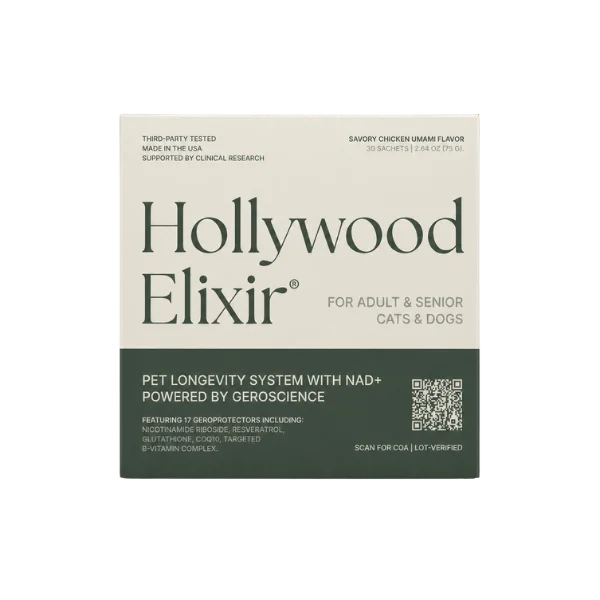
Hydration is a daily habit, but resilience is a whole-body trait. Hollywood Elixir™ is designed as system-level support for healthy aging—helping your cat maintain the energy and recovery capacity that make good routines easier to sustain, especially over time.

Most cats don’t broadcast discomfort. That’s part of their charm—and part of the risk. Cat dehydration symptoms can begin as a faint change in texture (gums that feel tacky), a small shift in routine (smaller urine clumps), or a mood that reads as “just not feeling it today.” The trouble is that dehydration is not only about thirst. It’s about the body’s ability to keep blood volume steady, move nutrients where they’re needed, and clear waste comfortably. When fluid runs low, cats often compensate by becoming quieter and more conservative with movement, which can disguise the problem until it’s advanced.

This page is designed to help you notice the early signals without turning your home into a clinic. You’ll learn how to tell if a cat is dehydrated using a few gentle observations you can repeat: gum moisture, appetite, energy, and litter box output. You’ll also see when a dehydrated cat needs urgent care, and why recurring dehydration should be treated as a pattern worth investigating—not a personality quirk.

A science-minded owner might reasonably ask: if hydration is mostly water and food, why consider a wellness product at all? Because hydration habits are necessary, but resilience is broader. Cats—especially seniors—benefit when their overall capacity for energy, recovery, and stress tolerance is supported, making good routines easier to sustain over time. That’s where Hollywood Elixir™ fits: not as a replacement for water or veterinary care, but as system-level support that complements the daily choices that keep your cat steady.

By La Petite Labs Editorial, ~15 min read

Featured Product:

  • Early cat dehydration symptoms are often small: tacky gums, less appetite, and a quieter mood.
  • A dehydrated cat may still drink sometimes; patterns across a day are more revealing than one moment.
  • Litter box changes—smaller urine clumps, constipation, fewer trips—can be the clearest early signal.
  • Skin-tent checks can help, but they’re easiest to misread in seniors; combine clues instead.
  • Vomiting, diarrhea, heat, stress, and chronic disease can all push a cat toward dehydration.
  • Urgent signs include profound weakness, collapse, or pale gums; these warrant immediate veterinary care.
  • Beyond water access, supporting whole-body resilience can help routines stick—especially in older cats.

The Quiet Ways Dehydration Shows up in Everyday Cat Life

Dehydration rarely announces itself loudly in cats. A dehydrated cat may still move around the house, still greet you, still nap in the same sun patch—while quietly running short on the fluid that keeps circulation, digestion, and temperature steady. Early signs of dehydration in cats tend to be small: a drier mouth, less interest in food, a slightly “flat” energy that’s easy to blame on mood or weather (Wehner A, 2013). The goal isn’t to obsess over every quiet day; it’s to notice patterns that don’t fit your cat’s normal rhythm.

Clinical uniform image emphasizing evidence-driven nutrition for dehydrated cat.

Early, Moderate, and Urgent Signs Worth Taking Seriously

The most useful approach is to think in tiers: early, moderate, and urgent. Early cat dehydration symptoms often show up in the mouth and mood—dry or tacky gums, less interest in food, and a quieter-than-usual demeanor (Wehner A, 2013). Moderate dehydration may add sunken-looking eyes, reduced urination, and constipation. Urgent dehydration can include profound weakness, collapse, or signs of shock, and it can become dangerous quickly. If your instincts say “this is not my cat,” that’s a valid signal to act on.

Ingredient spread with Hollywood Elixir box, highlighting depth behind how to tell if a cat is dehydrated.

Mouth and Gums: the First Place Many Owners Notice Change

A cat’s mouth is often the first place dehydration shows. Healthy gums feel slick and moist; dehydration tends to make them tacky or dry. You may also notice thicker saliva or a reluctance to eat crunchy food. These observations matter because they’re relatively easy to check without special tools, and they can appear before more dramatic signs. If you’re wondering how to tell if a cat is dehydrated, start with a calm gum check when your cat is relaxed—then compare again later the same day.

Lifestyle shot of a cat and Hollywood Elixir aligned with how to tell if a cat is dehydrated.

Energy and Appetite Shifts That Often Travel Together

Energy changes can be deceptively subtle. Dehydration may look like “less sparkle”: fewer social check-ins, shorter play sessions, and longer naps. Lethargy and reduced appetite are commonly reported signs of dehydration in cats. Because cats are good at conserving effort, the difference is often relative—your cat still moves, but with less purpose. If you notice a paired shift in both appetite and activity, it’s more meaningful than either change alone.

Side-by-side chart comparing supplements and standards relevant to dehydrated cat.

Litter Box Clues: Urine, Stool, and the Story They Tell

Litter box patterns are one of the clearest, least emotional signals. Smaller urine clumps, fewer trips, or darker urine can suggest reduced fluid intake. Constipation can also follow when the colon pulls more water from stool. Track what’s normal for your household: number of clumps, size, and frequency. If you have multiple cats, consider temporarily separating boxes to get clean data. A dehydrated cat may also urinate outside the box if discomfort or disease is involved, which warrants a veterinary call.

Hollywood Elixir™ is amazing and makes my 13 y/o kitty young again!

— Jessie

She hopped up onto the windowsill again—first time in years.

— Charlie

“In cats, dehydration is often a pattern before it’s a crisis.”

Skin Elasticity Checks: Useful, Imperfect, and Easy to Misread

Skin elasticity is a classic check, but it’s easy to misread. Gently lift the skin over the shoulders and release; in a well-hydrated cat it returns quickly. Decreased skin elasticity is associated with dehydration, but age and body condition can change the baseline. Use it as one clue, not a verdict. If the skin stays tented and your cat also has dry gums or lethargy, the combined picture is more concerning than any single test.

Hollywood Elixir packaging opened on clean surface, aligned with cat dehydrated.

Why Dehydration Happens: Intake, Losses, and Hidden Illness

Some causes are straightforward: a hot day, a new diet, a move, or a water bowl placed too close to the litter box. Others are medical: vomiting, diarrhea, fever, pain, or chronic conditions that increase water loss. Dehydration can also concentrate certain minerals in the blood, a sign the body is operating with less fluid buffer (Summers S, 2022). If you’re seeing repeated episodes of a cat dehydrated without an obvious reason, it’s worth investigating rather than simply adding more bowls.

Outdoor action shot of a gray cat, symbolizing strength supported by how to tell if a cat is dehydrated.

Red-flag Symptoms That Should Never Wait Until Morning

Urgent signs are about severity and speed. If your cat is extremely weak, unresponsive, breathing oddly, or has pale gums, treat it as an emergency. Severe dehydration can progress to shock and organ failure, especially when paired with ongoing vomiting or diarrhea. Don’t attempt to force water by mouth if your cat is struggling to swallow or is vomiting; aspiration is a real risk. The safest next step is immediate veterinary care for assessment and appropriate fluid support.

Professional lab coat image highlighting evidence-driven approach for how to tell if a cat is dehydrated.

Prevention That Feels Natural: Water, Food, and Environment

Prevention is mostly about making hydration the path of least resistance. Many cats prefer moving water, fresh bowls, and multiple stations in quiet areas. Wet food can meaningfully increase daily water intake, especially for cats that rarely drink. If your household uses dry food, consider adding a measured amount of water or broth formulated for cats (no onion/garlic), and monitor acceptance. The best plan is the one your cat will actually follow—consistently, without stress.

Kittens: Small Bodies, Fast Changes, Less Room for Error

Kittens can dehydrate quickly because their reserves are smaller and their routines change fast. A cat dehydrated at this age may show a dry mouth, reduced skin elasticity, and a sudden drop in appetite or playfulness (Wehner A, 2013). Diarrhea, parasites, and poor nursing can accelerate losses. If a kitten seems weak, cool, or unusually sleepy, treat it as time-sensitive—young bodies don’t “coast” well. Keep them warm, offer appropriate fluids only under veterinary direction, and prioritize prompt assessment.

“One clue can be misleading; a cluster of small changes is rarely nothing.”

Hollywood Elixir box with whole-food ingredients, illustrating quality behind how to tell if a cat is dehydrated.

Senior Cats: Subtle Drift, Chronic Patterns, Higher Stakes

Senior cats are more likely to drift into chronic, low-grade dehydration—especially if they eat mostly dry food, have dental discomfort, or live with age-related disease. The signs can look like “just aging”: less grooming, more sleeping, a duller coat, or constipation. Because severe dehydration can escalate into serious complications, including shock and organ failure, it’s worth treating subtle changes as meaningful data rather than background noise (Peloquin, 2021). A vet can help separate normal aging from a hydration problem that needs support.

Shop Now
Cat owner presenting supplement, highlighting daily wellness supported by cat dehydrated.

Heat, Stress, and Routine Disruptions That Reduce Drinking

Hot weather, travel, a new pet, construction noise—stressors can reduce drinking and change eating patterns. Some cats respond by hiding and skipping the water bowl; others pace, vocalize, and burn more water through panting. If you’re tracking how to tell if a cat is dehydrated during a disruption, look for a cluster: less urine in the box, tacky gums, and a noticeable shift in appetite or engagement. If changes persist beyond a day, it’s reasonable to check in with your veterinarian.

Shop Now
Comparison layout highlighting transparency and testing aligned with cat dehydrated.

Medical Drivers That Make Dehydration More Likely to Recur

Some medical problems make dehydration more likely, and dehydration can also worsen them. Vomiting and diarrhea are obvious culprits, but kidney disease, diabetes, and hyperthyroidism can also change fluid balance. In research settings, dehydration has been associated with shifts in blood mineral concentrations and altered mineral handling, reflecting how the body reallocates resources when water is limited (Summers S, 2022). If your cat has a diagnosed condition, ask your vet what hydration “red flags” look like for that specific case.

Shop Now

Simple Home Checks That Respect Your Cat’s Temperament

At-home checks should be gentle and low-stress. The skin-tent test can be misleading in older cats (skin changes with age), and it’s not a substitute for an exam. Instead, combine observations: gum moisture, energy, appetite, and litter box output. If you’re unsure how to tell if a cat is dehydrated, write down what you see for 24 hours—water bowl level, wet food intake, urine clumps, and behavior. Patterns are often clearer on paper than in memory.

When to Call the Vet and What Details Matter Most

When you call a clinic, specific details help: how long the signs have been present, whether vomiting/diarrhea is involved, and whether your cat is still urinating. Mention gum dryness, lethargy, and appetite changes—these are classic signs of dehydration in cats (Peloquin, 2021). If your cat can’t keep water down, seems painful, is breathing oddly, or collapses, treat it as urgent. Severe dehydration can progress quickly and may require veterinary fluids and diagnostics (Peloquin, 2021).

Hollywood Elixir box in open packaging with soft light, reflecting premium how to tell if a cat is dehydrated.

Hydration-friendly Habits That Don’t Turn Life into a Project

Hydration support at home is mostly about making water easier to choose. Many cats drink more from a fountain, wide bowl, or a quiet location away from food and litter. Wet food can increase total water intake without turning drinking into a battle. If your cat dehydrated repeatedly, don’t assume it’s “picky”—recurrence suggests a driver worth investigating. The most effective plan often combines environment changes with a veterinary check for dental pain, GI issues, or chronic disease.

Shop Now
Ingredient overview graphic showing what's inside and how dehydrated cat supports cats.

Why System-level Resilience Support Still Matters Beyond Water Intake

Hydration is not only about the bowl; it’s also about the body’s capacity to manage stress, aging, and recovery. Even when diet and water access are optimized, some cats still struggle with resilience—especially seniors or cats with recurring digestive upset. That’s where system-level support can matter: supporting cellular energy and the broader metabolic network that helps tissues function well under everyday strain. Hollywood Elixir™ is positioned for that bigger picture, complementing hydration habits rather than replacing them.

Shop Now

A Calm, Repeatable Plan for Long-term Hydration Confidence

If you’re trying to stay ahead of cat dehydration symptoms, aim for calm consistency. Keep water options stable, notice small deviations early, and treat repeat episodes as information—not bad luck. A dehydrated cat often benefits from a plan that includes hydration-friendly feeding, stress reduction, and veterinary guidance when patterns change. Over time, the best outcomes usually come from small, repeatable choices that your cat tolerates well, paired with support for healthy aging and day-to-day vitality.

“Good hydration is a habit. Resilience is what helps the habit hold.”

Educational content only. This material is not a substitute for veterinary advice. Always consult your veterinarian about your cat’s specific needs. These statements have not been evaluated by the Food and Drug Administration. Products mentioned are not intended to diagnose, treat, cure, or prevent any disease.

Glossary

  • Dehydration: A state where the body has less fluid than it needs for normal function.
  • Tacky Gums: Gums that feel sticky or dry instead of slick and moist; a common early clue.
  • Skin Turgor (Skin Elasticity): How quickly skin returns to place after being gently lifted; one hydration clue among many.
  • Urine Output: The amount and frequency of urination; often tracked by litter clump size and count.
  • Constipation: Infrequent or difficult stool passage; can worsen when the body conserves water.
  • Lethargy: Noticeably reduced energy or engagement compared with a cat’s normal baseline.
  • Fluid Loss: Water leaving the body through vomiting, diarrhea, panting, fever, or increased urination.
  • Chronic Low-Grade Dehydration: A slow, persistent shortfall in hydration that may look like subtle aging changes.
  • Shock: A life-threatening state where circulation cannot meet the body’s needs; severe dehydration can contribute.

Related Reading

References

Wehner A. Vitamin D intoxication caused by ingestion of commercial cat food in three kittens.. PubMed. 2013. https://pubmed.ncbi.nlm.nih.gov/23295272/

Summers S. Evaluation of iron, copper and zinc concentrations in commercial foods formulated for healthy cats.. PubMed Central. 2022. https://pmc.ncbi.nlm.nih.gov/articles/PMC10812249/

Peloquin. Presumed Choline Chloride Toxicosis in Cats With Positive Ethylene Glycol Tests After Consuming a Recalled Cat Food. 2021. https://www.sciencedirect.com/science/article/pii/S1938973621000416

Ahmed. Bioaccumulation of heavy metals in some commercially important fishes from a tropical river estuary suggests higher potential health risk in children than adults.. Nature. 2019. https://www.nature.com/articles/s41598-021-00467-4

RVA. Toxic element levels in ingredients and commercial pet foods.. PubMed Central. 2021. https://pmc.ncbi.nlm.nih.gov/articles/PMC8546090/

FAQ

What are the most common cat dehydration symptoms at home?

Common cat dehydration symptoms include tacky or dry gums, reduced appetite, lower energy, and smaller urine clumps. Some cats also seem less interested in grooming or become mildly constipated.

If you notice a cluster of changes rather than one isolated sign, it’s more meaningful. For broader day-to-day resilience—especially in older cats—consider system-level support alongside hydration habits with Hollywood Elixir™.

Why do cat dehydration symptoms matter more than owners expect?

Hydration supports circulation, digestion, temperature control, and comfortable elimination. When a cat runs low on fluids, the body compensates quietly at first, so the problem can progress before it looks dramatic.

Catching early cat dehydration symptoms helps you address the cause sooner, whether it’s stress, diet, or illness. To support healthy aging capacity alongside good routines, many owners pair hydration strategies with Hollywood Elixir™.

How can I tell if a cat is dehydrated safely?

Use low-stress checks: look at gum moisture (slick vs tacky), note appetite and energy, and observe litter box output. A gentle skin-tent check can add context, but it’s not definitive, especially in seniors.

If multiple signs point the same direction or changes persist beyond a day, call your veterinarian. For ongoing support that complements hydration habits, consider Hollywood Elixir™ as part of a broader wellness plan.

Can a dehydrated cat still urinate and seem normal?

Yes. A dehydrated cat may still urinate, eat a little, and move around the house. Early dehydration often shows up as smaller urine clumps, slightly tacky gums, or a subtle dip in engagement rather than a crisis.

That’s why trends matter more than a single observation. To support resilience that helps good routines stick over time, many owners add Hollywood Elixir™ alongside hydration-friendly feeding.

What causes signs of dehydration in cats most often?

Common causes include low water intake (often with dry diets), heat, stress, vomiting, diarrhea, fever, and pain. Chronic conditions like kidney disease or diabetes can also shift fluid balance and increase risk.

If the signs repeat, it’s worth looking for a driver rather than assuming preference. For whole-body support that complements veterinary care and daily habits, consider Hollywood Elixir™.

When are cat dehydration symptoms an emergency for my cat?

Seek urgent care if your cat is extremely weak, collapses, seems confused, has pale gums, struggles to breathe, or cannot keep water down. Rapid worsening, especially with vomiting or diarrhea, should be treated as time-sensitive.

In emergencies, focus on safe transport and veterinary assessment rather than home remedies. After stabilization, long-term resilience support can be part of the plan with Hollywood Elixir™.

Is the skin tent test reliable for cat dehydration symptoms?

It can be a helpful clue, but it’s not perfectly reliable. Age, weight loss, and skin condition can change how quickly skin returns to place, even when hydration is acceptable.

Use it alongside gum moisture, appetite, energy, and litter box output for a more accurate picture. For broader support that complements these practical checks, consider Hollywood Elixir™ as part of an aging-focused routine.

How fast can a cat dehydrated from diarrhea worsen?

It can worsen quickly, especially in kittens, small cats, or cats that stop eating and drinking. Ongoing fluid loss plus reduced intake can shift a mild problem into a serious one within a day.

Because diarrhea can have many causes, it’s best to involve your veterinarian early rather than waiting for it to pass. For supportive care that fits into a broader wellness approach, consider Hollywood Elixir™ once your cat is stable.

Can wet food reduce cat dehydration symptoms over time?

Often, yes. Wet food increases total water intake without relying on drinking behavior, which can be helpful for cats that rarely visit the bowl. It can also support softer stools and more consistent urine output.

Diet changes should be gradual and matched to your cat’s medical needs, especially if there’s kidney or GI disease. For system-level support that complements hydration-friendly feeding, consider Hollywood Elixir™.

What should I avoid doing if I suspect dehydration?

Avoid forcing water into your cat’s mouth, especially if there’s vomiting, coughing, or lethargy—aspiration can be dangerous. Also avoid giving human electrolyte drinks or salty broths unless your veterinarian recommends a specific product.

Instead, offer fresh water, consider wet food, and call your clinic for guidance based on symptoms and history. For longer-term resilience support after the acute issue is addressed, consider Hollywood Elixir™.

Is Hollywood Elixir™ safe to use with dehydration concerns?

If your cat is acutely ill or severely dehydrated, prioritize veterinary evaluation first; supplements should not delay fluids or diagnostics. Once your cat is stable, many owners use wellness supplements as part of a broader aging and resilience plan.

If your cat has chronic disease, is pregnant, or takes medications, ask your veterinarian to review the full routine for fit. For system-level support alongside hydration habits, see Hollywood Elixir™.

How much should I give my cat per day?

Daily amounts depend on the specific product format, your cat’s size, and health history. The safest approach is to follow the label directions and confirm with your veterinarian if your cat has kidney disease, diabetes, or a history of GI sensitivity.

If cat dehydration symptoms are present, treat hydration as the priority and use supplements as supportive, not primary, care. For product-specific directions, refer to Hollywood Elixir™.

What side effects should I watch for with daily use?

With any new supplement, watch for digestive upset (soft stool, vomiting), appetite changes, or unusual behavior. Introduce changes gradually when possible, and avoid starting multiple new items at once so you can identify what caused a reaction.

If your cat is currently cat dehydrated or recovering from illness, ask your veterinarian about timing and fit. For a system-level approach to healthy aging support, consider Hollywood Elixir™ once your cat is stable.

Can supplements interact with my cat’s prescription medications?

They can. Interactions depend on the medication, the supplement ingredients, and your cat’s underlying condition. This matters most for cats on long-term therapies, seniors with multiple diagnoses, or cats with liver or kidney compromise.

Bring your full list—food, treats, supplements, and meds—to your veterinarian so they can assess compatibility. For a wellness option intended to complement a vet-guided plan, see Hollywood Elixir™.

Are kittens and senior cats at higher dehydration risk?

Yes. Kittens have less reserve and can decline quickly with diarrhea or poor intake. Seniors may drift into chronic, low-grade dehydration due to dental issues, reduced thirst drive, or chronic disease, and the signs can look like “just slowing down.”

For both life stages, early observation and quick veterinary input are protective. For system-level aging support that complements hydration routines, consider Hollywood Elixir™.

Do certain cat breeds show dehydration signs differently?

Breed is usually less important than coat type, age, and underlying health. Long-haired cats may hide subtle coat changes until dehydration is more established, while very lean or very senior cats can make skin checks harder to interpret.

Focus on your individual cat’s baseline: appetite, gum moisture, and litter box output. For broader resilience support that fits many cats regardless of breed, consider Hollywood Elixir™ as part of a consistent routine.

Are cat dehydration symptoms different from dehydration in dogs?

The core signs overlap—dry gums, lethargy, reduced urination—but cats often show subtler behavioral changes and may drink less obviously than dogs. That makes litter box monitoring and appetite shifts especially valuable in cats.

Because cats can mask discomfort, earlier veterinary input is often worthwhile when patterns change. For system-level support designed with feline aging in mind, consider Hollywood Elixir™.

How soon should I expect improvements after hydration changes?

If the cause is simple (like a disliked bowl location), you may see better drinking and litter box output within days. If illness, pain, or chronic disease is involved, improvement depends on treating the driver and may take longer.

Track changes weekly: appetite, energy, and urine clump size are practical markers. For longer-horizon support that complements these habits, consider Hollywood Elixir™ as part of a steady routine.

What quality signals matter most when choosing a cat supplement?

Look for transparent labeling, clear usage directions, and manufacturing standards that prioritize consistency. It also helps when a brand explains the purpose in terms of supporting normal function rather than making medical promises.

If your cat has recurring cat dehydration symptoms, choose products that fit into a vet-guided plan and don’t complicate feeding. For a system-level option designed for healthy aging support, see Hollywood Elixir™.

What’s the easiest way to give a liquid supplement daily?

The easiest method is the one your cat accepts without stress: mixing into a small portion of wet food, offering on a lickable treat, or using a measured dropper slowly at the side of the mouth if your cat tolerates it.

Keep the routine consistent and avoid pairing it with moments your cat already dislikes (like nail trims). For a product designed to fit into daily wellness rhythms, consider Hollywood Elixir™.

5K+ Happy Pet Parents

Excellent 4.8

Cat Dehydration Symptoms | Why Thousands of Pet Parents Trust Hollywood Elixir™

"My go-to nutrient-dense topper. Packed with 16 powerful anti-aging actives and superfoods!"

Chanelle & Gnocchi

"We go on runs pretty often; he use to get tired halfway through, but lately, he's been keeping up without any problem."

Cami & Clifford

"He seems more happy overall. I've also noticed he has more energy which makes our walks and playtime so much more fun."

Olga & Jordan

"I want her to live forever. She hasn't had an ear infection since!"

Madison & Azula

"My go-to nutrient-dense topper. Packed with 16 powerful anti-aging actives and superfoods!"

Chanelle & Gnocchi

"We go on runs pretty often; he use to get tired halfway through, but lately, he's been keeping up without any problem."

Cami & Clifford

"He seems more happy overall. I've also noticed he has more energy which makes our walks and playtime so much more fun."

Olga & Jordan

"I want her to live forever. She hasn't had an ear infection since!"

Madison & Azula

"My go-to nutrient-dense topper. Packed with 16 powerful anti-aging actives and superfoods!"

Chanelle & Gnocchi

"We go on runs pretty often; he use to get tired halfway through, but lately, he's been keeping up without any problem."

Cami & Clifford

"He seems more happy overall. I've also noticed he has more energy which makes our walks and playtime so much more fun."

Olga & Jordan

"I want her to live forever. She hasn't had an ear infection since!"

Madison & Azula

"My go-to nutrient-dense topper. Packed with 16 powerful anti-aging actives and superfoods!"

Chanelle & Gnocchi

"We go on runs pretty often; he use to get tired halfway through, but lately, he's been keeping up without any problem."

Cami & Clifford

"He seems more happy overall. I've also noticed he has more energy which makes our walks and playtime so much more fun."

Olga & Jordan

"I want her to live forever. She hasn't had an ear infection since!"

Madison & Azula

SHOP NOW