Cats Hiding Illness

Track Energy Allocation and Grooming Changes for Earlier Heart and Immune Clues

Essential Summary

Why Is Cats Hiding Illness Important?

Cats often mask pain by cutting back on grooming and activity before showing obvious symptoms. Watching coat texture, play “shutdown,” and hiding patterns—and tracking them week over week—helps owners act earlier and give veterinarians clearer information.

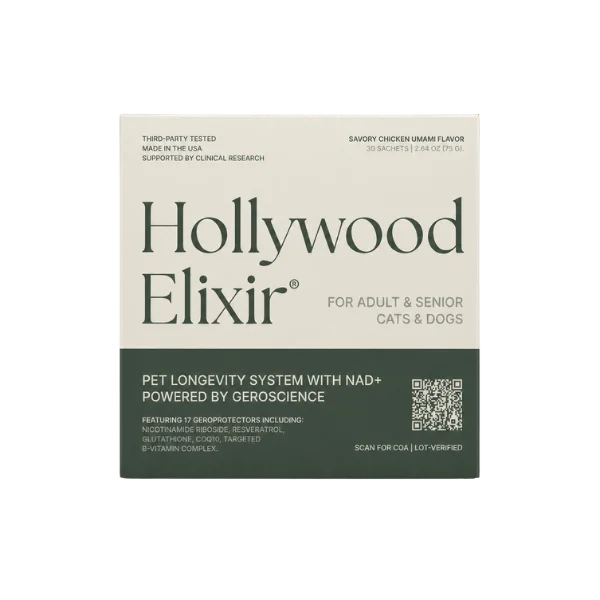
Hollywood Elixir™ can be part of a daily plan that supports normal function across multiple body systems while owners track coat, energy, and routine changes. It is best used with deliberate pacing—one change at a time—and discussed with a veterinarian when cats hiding illness is a concern.

cats hiding illness is real, and it often shows up first as a coat that looks less orderly and an energy level that quietly shrinks. The most common misconception is that a sick cat will always limp, cry, or stop eating. Many cats do none of those things at the start; instead, they reduce grooming, play, exploration, and social contact—behaviors that are optional when the body is under strain.

This page follows a “myth bust + checklist” approach: first, it corrects the idea that illness must look dramatic; then it explains why cats mask symptoms; then it translates that biology into what owners can observe and measure. The focus stays tight on early warning signs that change decision-making: coat texture, grooming gaps, play shutdown, and hiding patterns. Stress can create similar shifts, so the goal is not panic—it is orderly observation, deliberate pacing, and a clearer veterinary handoff.

By La Petite Labs Editorial, ~15 min read

Featured Product:

  • cats hiding illness is common because cats often mask pain by reducing grooming and activity before obvious symptoms appear.
  • The biggest misconception is that a sick cat will always limp, cry, or stop eating; many cats keep appetite while “optional” tasks fade.
  • Coat changes matter because grooming is a daily maintenance behavior that drops when discomfort or low energy limits leeway.
  • Energy shifts show up as shorter play, slower transitions, and less exploration—often weeks before dramatic signs.
  • Use a home checklist and track response patterns week over week: weight, intake, litter box output, grooming minutes, and play duration.
  • Prepare for the vet with a timeline, photos of coat changes, and short videos of movement; ask which tests match the pattern.
  • Avoid common mistakes: forcing interaction, changing multiple variables at once, and unsupervised high-dose supplements.

The Myth: Sick Cats Always Look Obviously Sick

The most common myth behind cats hiding illness is that a cat will “cry out” or limp when something is wrong. In reality, cats evolved as both predator and potential prey, so obvious weakness can be risky. Many illnesses first shift a cat’s energy budget and grooming priorities rather than producing dramatic pain behaviors, so the earliest clues often look like “personality” changes.

At home, the first signal is often a quieter routine: shorter play bursts, longer naps in odd places, or a coat that looks slightly less orderly. Stress and sickness can both nudge social behavior and activity in ways owners miss, especially when changes are gradual (Amat, 2016). Treat early shifts as data, not attitude, and start observing patterns week over week.

Lab uniform with La Petite Labs seal, highlighting quality for cats hiding illness.

Why Cats Mask Pain Until Energy and Coat Shift

Masking is not “stubbornness”; it is a survival strategy. Cats can maintain normal posture and movement while reallocating effort away from grooming, exploration, and social contact. That reallocation can happen before appetite drops, vomiting appears, or breathing looks abnormal, which is why coat and energy shifts deserve more weight than many owners give them.

A useful household rule is to compare today’s cat to last month’s cat, not to an idealized version of a playful kitten. Watch the transitions: how quickly the cat gets up, how long it takes to settle, and whether grooming happens after meals. Small changes in interaction and activity are common under stress and can be overlooked when life is busy (Amat, 2016).

Hollywood Elixir box with ingredient visuals, supporting transparency in cats hiding illness.

Energy Allocation: the First Place Illness Shows Up

Energy is often the first currency a sick cat spends. Inflammation, fever, pain, or organ strain can lower recuperation speed, so the cat protects itself by moving less and choosing safer locations. Because cats are efficient at resting without looking “ill,” the change may show up as fewer micro-movements—less stretching, less window watching, less following people from room to room.

Owners can make this visible by anchoring observations to predictable moments: morning greeting, pre-meal pacing, post-litter-box grooming, and evening play. If the cat stops doing a small ritual, that is often more meaningful than a single bad day. Pair energy notes with coat notes, because reduced grooming can be an early downstream effect of lower leeway.

Cat owner presenting Hollywood Elixir as part of cats hiding illness routine.

Coat Clues: Grooming Is a Health Behavior

Coat changes are not just cosmetic; they can reflect a cat quietly stepping back from self-maintenance. When grooming becomes uncomfortable—due to dental pain, arthritis, nausea, or fever—cats may groom less or focus only on easy-to-reach areas. The result can be mild dandruff, a slightly greasy feel, small mats along the back, or a “rumpled” look that appears before obvious weight loss.

A practical check is to run a hand lightly along the spine and hips once daily. Note whether the coat feels less orderly, whether the cat flinches, or whether it avoids being touched near the belly or lower back. Grooming changes also connect naturally to pages on feline grooming and chronic inflammation, because discomfort often shows up first in daily care behaviors.

Supplement comparison image for cats tied to expectations around cats hiding illness.

Hiding Behavior Has Patterns, Not Just Fear

cats hiding illness often looks like “hiding,” but location choice is more nuanced than disappearing under a bed. A cat may choose tighter spaces, higher perches, or rooms with less foot traffic to reduce social demands and sensory load. This can be a response to pain, nausea, or breathing discomfort, but it can also be a stress response—so context and timing matter (Amat, 2016).

Map the cat’s preferred spots for a week and note what changes. A new hiding place after meals can point toward nausea; a new hiding place after litter box use can suggest discomfort; a new hiding place during household noise can be stress-driven. The goal is not to force the cat out, but to understand what the cat is trying to avoid.

Hollywood Elixir™ is amazing and makes my 13 y/o kitty young again!

— Jessie

She hopped up onto the windowsill again—first time in years.

— Charlie

“A cat’s first symptom is often a missing routine, not a loud complaint.”

A Realistic Scenario Owners Recognize Too Late

Case vignette: A 9-year-old indoor cat gradually stops greeting at the door and begins sleeping behind the couch. The owner notices the coat looks slightly oily along the back and that play ends after a minute, but appetite is “fine.” Two weeks later, the cat starts skipping grooming after the litter box, and the change finally feels undeniable.

This pattern is common because cats can keep eating while quietly reducing everything else. The most useful response is to document the timeline and bring it to a veterinary visit, rather than waiting for vomiting or obvious limping. A short video of movement and a photo of coat texture under the same lighting can make subtle change easier to communicate.

Hollywood Elixir packaging opened on clean surface, aligned with cats hiding illness.

Owner Checklist for Early Warning Signs

Owner checklist: when cats hiding illness is suspected, look for a cluster rather than a single sign. Check (1) grooming gaps—especially lower back and belly, (2) shorter play with faster “shutdown,” (3) new hiding locations or guarding favorite spots, (4) reduced social friction—less rubbing, less following, and (5) subtle appetite pattern changes, such as eating slower or leaving crumbs.

Run the checklist at the same time each day for seven days. Cats can have off days, but illness tends to create repeatable response patterns. If three or more items show up on most days, that is a stronger signal than a single dramatic moment. This approach also supports better handoff to preventive care discussions.

Playful longhair cat jumping through grass, symbolizing energy supported by cats hiding illness.

What to Track Week over Week at Home

What to track week over week: (1) body weight on a baby scale, (2) daily food intake by grams or can fraction, (3) water intake if measurable, (4) litter box output and any straining, (5) grooming minutes after meals, and (6) play duration before disengagement. These markers translate “vibes” into measurable change and help separate stress from progressive illness.

Tracking should stay calm and low-friction. Use one notebook page per week and keep the environment stable so the cat’s behavior is not being constantly tested. If the cat is stressed by weighing, switch to weekly weights and focus on intake and grooming instead. The point is orderly observation, not surveillance.

Veterinary lab coat with La Petite Labs logo, signaling credibility behind cats hiding illness.

The Appetite Trap: Eating Can Stay Normal

A unique misconception is that a normal appetite rules out serious disease. Some conditions begin with vague, nonspecific signs—mild lethargy, reduced play, subtle weight change—while eating remains relatively intact. For example, feline infectious peritonitis can start with nonspecific signs that overlap with many other problems, making early recognition and veterinary context especially important (Vasinioti, 2026).

At home, appetite should be treated as a pattern, not a yes/no question. A cat that still eats but stops begging, stops finishing, or shifts to grazing may be signaling discomfort. Pair appetite notes with coat and energy notes; the combination is more informative than any one metric. This is also where internal links to lethargy and chronic inflammation pages fit naturally.

Silent Conditions: When “Fine” Still Needs Context

Some illnesses can remain quiet even when body changes are underway. In feline heartworm infection, cats may be clinically asymptomatic while radiographic changes are present, and the course can evolve over time (Venco, 2008). That matters for cats hiding illness because “seems fine today” does not always mean “nothing is happening,” especially when coat and energy are drifting.

Owners do not need to diagnose heartworm at home, but they can notice breathing-adjacent behaviors: less tolerance for play, more open-mouth pauses after exertion, or choosing cooler, quieter resting zones. Any cough, sudden breathing effort, or collapse is urgent. For slower changes, bring tracking notes so the veterinarian can decide what testing fits.

“Coat disorder is a behavior clue, not a vanity issue.”

Hollywood Elixir packaging framed by foods, emphasizing sourcing for cats hiding illness.

Build a Vet-ready Story from Subtle Clues

Vet visit prep: bring observations that match how cats mask symptoms. Useful items include (1) a two-week timeline of energy and grooming, (2) weight and intake notes, (3) photos of coat changes and any mats, and (4) a short video of walking, jumping, and post-litter-box behavior. These details help the clinician interpret subtle signs without relying on the cat to “perform” illness in the exam room.

Ask targeted questions: “Which pain sources could reduce grooming first?” “What tests best match this pattern—bloodwork, urine, imaging?” “What changes would make this urgent?” and “How should response patterns be tracked after treatment changes?” This keeps the visit focused on early detection and a more measured plan.

Shop Now
Owner holding Hollywood Elixir near her cat, reflecting trust in cats hiding illness.

What Not to Do When a Cat Starts Hiding

What not to do: avoid forcing a hiding cat into constant handling, which can add stress and blur the signal. Avoid changing food, litter, and routine all at once “to see if it helps,” because that makes it harder to interpret response patterns. Avoid giving human pain medication, and avoid starting high-dose supplements without veterinary guidance.

Vitamin D is a clear example of why restraint matters: it has a narrow safety margin, and inappropriate supplementation can contribute to toxicity (Zafalon, 2020). If a supplement is considered, it should be part of a deliberate pacing approach—adjust one thing, observe, then decide on the next step. Safety and clarity come before experimentation.

Shop Now
Split-screen supplement comparison showing key differences relevant to cats hiding illness.

Stress Versus Illness: Stabilize the Environment First

Stress can mimic illness, and illness can create stress, so the household environment matters. Owned cats under stress may show subtle behavioral changesreduced activity, altered social interaction, and changes in daily routines—that are easy to miss. This overlap is why coat and energy shifts should be interpreted alongside recent changes like visitors, construction noise, new pets, or schedule disruptions.

Instead of guessing, stabilize the environment for a week: keep feeding times consistent, protect quiet resting zones, and add predictable play at the same hour daily. If behavior rebounds quickly with stability, stress moves higher on the list. If the cat remains less engaged and less groomed, illness becomes more likely and the tracking record becomes more valuable.

Shop Now

Food, Hydration, and Safety Signals Owners Can Control

Nutrition supports the body’s daily maintenance, but it cannot substitute for diagnosis when cats hiding illness is suspected. A complete and balanced diet typically covers core nutrient needs, yet cats with lower appetite, dental discomfort, or chronic inflammation may struggle to maintain orderly intake. The practical goal is consistent eating and hydration while the underlying cause is clarified.

Food safety also belongs in early-warning thinking. Pet food recalls have involved chemical contaminants, and the hazard is not always obvious from smell or appearance (Rumbeiha, 2011). If multiple pets show new lethargy or appetite shifts after a new lot of food, pause that product and contact the veterinarian. Keep packaging and lot numbers for a clearer handoff.

Pain Without Drama: Choice Changes Beat Limping

Coat and energy changes often connect to pain that owners do not label as pain. Cats may stop jumping to a favorite perch, hesitate before stairs, or choose a lower litter box edge, then compensate by sleeping more. Because cats can move smoothly even when uncomfortable, the clue is often a change in choices rather than a change in ability.

Make the home easier without masking the problem: add a step stool to a bed, provide a second water station, and keep litter boxes easy to enter. These changes reduce daily friction while tracking continues. They also align with preventive care goals and support a calmer veterinary visit because the cat is less depleted by routine tasks.

Hollywood Elixir packaging opened, highlighting refined presentation for cats hiding illness.

Think in Maintenance Tasks, Not Single Symptoms

cats hiding illness can be easier to spot when owners think in “maintenance tasks.” Grooming, play, exploration, and social contact are optional tasks that drop when clearance and recuperation speed are strained. Eating may persist because it is essential, while the optional tasks quietly disappear. This framing helps owners notice early change without needing dramatic symptoms.

A simple routine is to score four tasks daily from 0–2: grooming, play, social contact, and exploration. A slow slide across two tasks for more than a week is a stronger signal than a single skipped meal. This also creates a clean bridge to related pages on rate of aging in cats and preventative care, where gradual change is the main story.

Shop Now
Supplement overview graphic emphasizing clean ingredients aligned with cats hiding illness.

Where Daily Support Products Fit in a Measured Plan

When support products are considered, they should fit into a broader plan: stable routine, measured tracking, and veterinary guidance. A multi-ingredient option like Hollywood Elixir™ is designed to support normal daily function across multiple systems, which can be useful when the goal is general maintenance rather than chasing a single symptom. It should be positioned as part of a daily plan, not a shortcut.

The most responsible way to use any supplement is deliberate pacing: introduce one change, keep everything else steady, and observe response patterns for two to four weeks. If coat looks more orderly or energy returns, that is supportive information, but it does not replace diagnostics when warning signs persist. Bring the label and schedule to the veterinarian for compatibility review.

Shop Now

Action Checklist: Turn Drift into Early Detection

The closing takeaway is practical: early detection in cats is rarely about a single dramatic symptom. It is about noticing when coat care and energy allocation drift, then turning that drift into trackable information. This is the core skill behind cats hiding illness, and it supports faster, clearer veterinary decisions.

If the checklist cluster persists for a week, schedule a visit; if breathing effort, collapse, repeated vomiting, or refusal to eat occurs, treat it as urgent. Keep the environment stable, avoid stacking changes, and bring a short timeline. The goal is a more measured path from “something feels off” to a clear plan.

“Track patterns week over week; single days are rarely the full story.”

Educational content only. This material is not a substitute for veterinary advice. Always consult your veterinarian about your cat’s specific needs. These statements have not been evaluated by the Food and Drug Administration. Products mentioned are not intended to diagnose, treat, cure, or prevent any disease.

Glossary

  • Symptom masking - Behavioral strategy where a cat minimizes visible signs of weakness.
  • Maintenance behaviors - Daily tasks like grooming, play, and exploration that drop early in illness.
  • Grooming gaps - Areas a cat stops cleaning (often belly or lower back), leading to coat disorder.
  • Play shutdown - Shortened play followed by rapid disengagement, suggesting reduced leeway.
  • Response patterns - Repeatable changes across days that are more meaningful than one-off events.
  • Baseline behavior - The cat’s normal routine used for comparison when change is suspected.
  • Deliberate pacing - Adjusting one variable at a time and observing before making another change.
  • Early detection - Acting on small, consistent changes before severe symptoms appear.
  • Handoff quality - How clearly an owner’s notes, photos, and videos help a veterinarian assess subtle signs.

Related Reading

References

Amat. Stress in owned cats: behavioural changes and welfare implications.. PubMed Central. 2016. https://pmc.ncbi.nlm.nih.gov/articles/PMC10816390/

Vasinioti. Feline Infectious Peritonitis: A Challenging Diagnostic and Therapeutic Labyrinth. 2026. https://www.mdpi.com/2076-2615/16/1/128

Venco. Clinical evolution and radiographic findings of feline heartworm infection in asymptomatic cats. 2008. https://www.sciencedirect.com/science/article/pii/S0304401708004536

Zafalon. The Role of Vitamin D in Small Animal Bone Metabolism. 2020. https://www.mdpi.com/2218-1989/10/12/496

Rumbeiha. A review of class I and class II pet food recalls involving chemical contaminants from 1996 to 2008.. PubMed Central. 2011. https://pmc.ncbi.nlm.nih.gov/articles/PMC3614097/

FAQ

What does Cats Hiding Illness usually look like at home?

Cats Hiding Illness often looks like a quieter routine rather than a dramatic symptom. Many cats reduce play, explore less, and choose more protected resting spots while still eating.

Coat changes are especially telling: mild greasiness, dandruff, small mats, or grooming only easy-to-reach areas. Track patterns for a week so the change is clear enough to act on.

Why do cats mask pain instead of showing it?

Cats evolved as both hunters and potential prey, so advertising weakness can be risky. Masking can be as simple as moving less, resting in safer locations, and limiting social contact.

This is why early signs tend to be “maintenance” changes—less grooming, less play, less exploration—rather than obvious crying or limping. Owners get better results by watching choices and routines, not just symptoms.

Is a messy coat really an early warning sign?

Yes. Grooming is a daily task cats often reduce when they feel discomfort, nausea, or low energy. The earliest change may be subtle: a slightly oily back, dandruff, or small mats near the spine.

Because cats can keep eating while grooming less, coat texture can show change before owners feel confident something is wrong. Pair coat notes with energy notes to make Cats Hiding Illness easier to recognize.

How can energy changes be measured without guessing?

Use repeatable moments: morning greeting, pre-meal pacing, post-litter-box grooming, and evening play. Measure play duration before disengagement and note how quickly the cat settles afterward.

Add weekly weight and daily food intake estimates to anchor observations. When numbers and behavior drift together, the signal is stronger. This turns Cats Hiding Illness from a feeling into a trackable pattern.

Can stress look like illness in cats?

Yes. Stress can change activity, social interaction, and routine in ways that resemble early illness. That overlap is one reason owners miss early change or mislabel it as “mood.”

Stabilize the environment for a week—consistent feeding times, protected resting zones, predictable play—and track response patterns. If the cat rebounds quickly, stress rises on the list; if not, schedule a veterinary visit.

Does normal appetite mean the cat is fine?

Not necessarily. Many cats keep eating while quietly cutting back on grooming, play, and social contact. Appetite is better treated as a pattern—speed of eating, finishing behavior, and begging—than a yes/no sign.

If appetite is “normal” but coat and energy are drifting for more than a week, Cats Hiding Illness remains a reasonable concern. Bring a timeline to the veterinarian so subtle change is taken seriously.

What home checklist is most useful for early detection?

A practical checklist focuses on maintenance tasks and choices: grooming gaps, shorter play with faster shutdown, new hiding locations, reduced social rubbing/following, and slower or messier eating.

Run it daily for seven days. A cluster that repeats is more meaningful than one dramatic moment. This approach helps owners respond to Cats Hiding Illness without overreacting to a single off day.

What should be tracked week over week for the vet?

Track weight, daily food intake, water intake if measurable, litter box output/straining, grooming after meals, and play duration. These markers help a veterinarian separate stress, pain, and progressive illness.

Short videos of walking, jumping, and post-litter-box behavior are also useful. The exam room can hide symptoms, so home data often clarifies Cats Hiding Illness better than a single snapshot visit.

When is hiding behavior an emergency in cats?

Hiding alone is not always an emergency, but hiding plus breathing effort, collapse, repeated vomiting, or refusal to eat should be treated as urgent. Sudden inability to use the litter box normally is also urgent.

For slower change—new hiding spots plus coat and energy drift—schedule a visit and bring a timeline. Cats Hiding Illness is often about accumulation of small signs rather than one crisis moment.

How should owners prepare for a veterinary appointment?

Bring a two-week timeline of energy, grooming, appetite patterns, and litter box notes. Include photos of coat texture and any mats, plus a short video of walking and jumping.

Ask focused questions: which pain sources reduce grooming first, which tests match the pattern, what changes make it urgent, and how to track response patterns after any plan changes. This makes Cats Hiding Illness easier to evaluate.

What are common mistakes owners make when worried?

Common mistakes include forcing a hiding cat into repeated handling, changing food and litter at the same time, and waiting for a dramatic symptom before acting. These choices can add stress and blur the signal.

Another mistake is unsupervised medication or high-dose supplements. A better approach is deliberate pacing: stabilize the environment, track for a week, and then involve the veterinarian with clear notes.

Can supplements replace diagnostics for Cats Hiding Illness?

No. Supplements can support normal daily function, but they do not identify the cause of coat and energy changes. When warning signs persist, diagnostics are what prevent missed pain, infection, or organ disease.

If a support product is used, it should be part of a plan that includes tracking and veterinary guidance. That combination keeps Cats Hiding Illness from being “managed” while the underlying problem progresses.

How can Hollywood Elixir™ fit into a daily plan?

A multi-ingredient supplement can be considered when the goal is general maintenance and support for normal function across multiple systems. Hollywood Elixir™ is best positioned as part of a daily plan alongside stable routines, hydration, and measured tracking.

Use deliberate pacing: introduce one change at a time and observe response patterns for a few weeks. If Cats Hiding Illness is suspected, discuss the full schedule and any medications with a veterinarian.

How soon should changes be expected after routine adjustments?

Stress-driven changes may shift within days when the environment becomes more predictable. Illness-driven changes often persist or progress despite a calmer routine, especially when grooming and play continue to decline.

Give most routine adjustments one to two weeks while tracking. If the cat’s response patterns do not rebound, schedule a veterinary visit. Cats Hiding Illness is best handled early, before the cat runs out of leeway.

Is Cats Hiding Illness different in kittens versus seniors?

Yes. Kittens can change quickly, so a short timeline matters; seniors may show slower drift that is easier to normalize. In older cats, coat disorder and reduced jumping are often early clues that discomfort is shaping daily choices.

For both ages, the best tool is comparison to the cat’s own baseline. Track week over week and avoid assuming “aging” explains everything without a veterinary check.

Are some cat breeds more likely to mask symptoms?

Masking is common across breeds because it is rooted in feline behavior rather than a single genetic trait. That said, individual temperament matters: cautious cats may hide earlier, while social cats may simply become less interactive.

Owners get better results by tracking the cat’s personal baseline—greeting behavior, grooming rhythm, play style—than by relying on breed expectations. Cats Hiding Illness is most visible as a change from normal.

How is this different from dogs showing illness?

Dogs often show discomfort through overt attention-seeking or obvious activity changes, while cats frequently reduce optional behaviors quietly. Cats may keep posture and movement looking “normal” while grooming and play fade.

That difference is why cat owners benefit from a checklist and tracking rubric. Cats Hiding Illness is less about one symptom and more about a pattern across coat, energy, and daily choices.

What quality signals matter when choosing a cat supplement?

Look for clear labeling, consistent dosing instructions, and a company willing to share quality control practices. Avoid products that promise disease outcomes or encourage replacing veterinary care.

Because cats are sensitive to taste and routine disruption, palatability and simplicity matter too. Any supplement should support a stable plan, not create daily conflict that worsens Cats Hiding Illness signals.

How can Hollywood Elixir™ be given to picky cats?

For picky cats, the goal is minimal disruption. Hollywood Elixir™ can be introduced gradually by mixing with a small amount of a familiar food topper, then increasing only if acceptance stays calm.

Avoid changing the entire diet at the same time. Deliberate pacing keeps response patterns interpretable, which is important when Cats Hiding Illness is being monitored.

Are there side effects or interactions to discuss with a vet?

Any supplement can interact with medications or complicate sensitive stomachs, so it should be reviewed with a veterinarian—especially for cats with chronic conditions or multiple prescriptions. Bring the full ingredient list and the planned schedule.

If vomiting, diarrhea, or appetite disruption appears after starting a new product, pause and contact the clinic. Cats Hiding Illness is already subtle; avoid adding new variables without oversight.

What is a good decision framework when something feels off?

Start by stabilizing the environment and tracking for seven days: coat, energy, intake, and litter box output. If the cat shows a repeating cluster of changes, schedule a veterinary visit and bring the timeline.

If urgent signs appear—breathing effort, collapse, repeated vomiting, refusal to eat—seek immediate care. This framework respects how Cats Hiding Illness works while keeping decisions orderly and timely.

5K+ Happy Pet Parents

Excellent 4.8

Cats Hiding Illness | Why Thousands of Pet Parents Trust Hollywood Elixir™

"My go-to nutrient-dense topper. Packed with 16 powerful anti-aging actives and superfoods!"

Chanelle & Gnocchi

"We go on runs pretty often; he use to get tired halfway through, but lately, he's been keeping up without any problem."

Cami & Clifford

"He seems more happy overall. I've also noticed he has more energy which makes our walks and playtime so much more fun."

Olga & Jordan

"I want her to live forever. She hasn't had an ear infection since!"

Madison & Azula

"My go-to nutrient-dense topper. Packed with 16 powerful anti-aging actives and superfoods!"

Chanelle & Gnocchi

"We go on runs pretty often; he use to get tired halfway through, but lately, he's been keeping up without any problem."

Cami & Clifford

"He seems more happy overall. I've also noticed he has more energy which makes our walks and playtime so much more fun."

Olga & Jordan

"I want her to live forever. She hasn't had an ear infection since!"

Madison & Azula

"My go-to nutrient-dense topper. Packed with 16 powerful anti-aging actives and superfoods!"

Chanelle & Gnocchi

"We go on runs pretty often; he use to get tired halfway through, but lately, he's been keeping up without any problem."

Cami & Clifford

"He seems more happy overall. I've also noticed he has more energy which makes our walks and playtime so much more fun."

Olga & Jordan

"I want her to live forever. She hasn't had an ear infection since!"

Madison & Azula

"My go-to nutrient-dense topper. Packed with 16 powerful anti-aging actives and superfoods!"

Chanelle & Gnocchi

"We go on runs pretty often; he use to get tired halfway through, but lately, he's been keeping up without any problem."

Cami & Clifford

"He seems more happy overall. I've also noticed he has more energy which makes our walks and playtime so much more fun."

Olga & Jordan

"I want her to live forever. She hasn't had an ear infection since!"

Madison & Azula

SHOP NOW