
Rate of Aging in Cats

Track Cellular Wear and Kidney, Brain, and Weight Changes Before They Snowball

Essential Summary

Why Is Rate of Aging in Cats Important?

Rate of Aging in Cats matters because cats often look stable while internal surplus is thinning. Tracking small functional shifts—especially hydration, litter output, sleep, and jumping—helps owners schedule care earlier, when the veterinarian can confirm causes and keep daily life cleaner and less jagged.

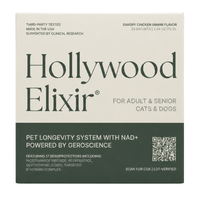
Hollywood Elixir™ can be part of a daily plan that supports normal cellular function and healthy aging routines. It is best used alongside trend-point tracking, nutrition consistency, and veterinary screening, especially when an older cat seems “fine” but daily patterns are drifting.

The rate of aging in cats is best understood as the slope of decline in reserve capacity over time. Reserve capacity is the physiologic “buffer” that lets organs and regulatory systems absorb stress—heat, dehydration, pain, infection—while still keeping internal variables stable. As that buffer narrows, the same everyday challenge produces a larger physiologic cost, increasing allostatic load (the cumulative wear from repeated adaptation). Cats also tend toward masked illness: they conserve energy, reduce overt signaling, and maintain normal-appearing routines even while compensatory pathways are working harder in the background. The result can look like stability followed by abrupt decompensation, when a system crosses a threshold and can no longer maintain homeostasis. This page focuses on the mechanisms that steepen or flatten that slope—especially inflammation, oxidative stress, and mitochondrial efficiency—and on measurable proxies researchers use to quantify change without relying on obvious symptoms alone.

By La Petite Labs Editorial, ~15 min read

Featured Product:

  • Rate of Aging in Cats often appears slow, then sudden because cats mask decline and signs show late.
  • Focus on two early-impact areas: kidneys (hydration/urination drift) and brain-linked behavior change (sleep, vocalization, disorientation).
  • Treat clusters of small changes as a reason to schedule a visit, not as “normal aging.”
  • Use a 30-day window of trend points: weight, appetite rhythm, water behavior, litter output, jump choices, grooming, and nighttime patterns.
  • Arrive prepared with photos/videos and a short timeline so the vet can interpret borderline findings in context.
  • Avoid common missteps: abrupt diet changes, restricting water, punishing house-soiling, or starting multiple new products at once.
  • Build a cleaner, more rhythmic daily plan and set a recheck date before the next “crash” moment.

Why Cats Seem 'Fine' Until They Aren’t: Compensation and Thresholds

Cats can appear outwardly stable because multiple organ systems are built with redundancy and wide operating ranges. Early decline is often buffered by compensation: remaining functional tissue works harder, alternate pathways pick up slack, and neuroendocrine signals shift to preserve homeostasis. This is why reserve capacity shrinking may not be visible until the margin is thin.

A key concept is the threshold effect—function can look “normal” until a critical point is reached, after which small additional stress produces a disproportionate drop. Kidneys illustrate this well: substantial functional loss can be offset by increased workload in remaining nephrons, keeping blood values and hydration status within acceptable bounds until compensation is exhausted. Similar threshold dynamics can occur with thyroid regulation and metabolic rate, or with joints where altered gait mechanics and muscle recruitment temporarily stabilize movement demands. In each case, the apparent steadiness is not the absence of aging; it is the presence of successful compensation that becomes progressively more costly as reserve capacity shrinks.

Veterinary lab coat with La Petite Labs logo, signaling standards behind rate of aging in cats.

How Scientists Estimate 'Rate': Biomarkers, Trendlines, and Epigenetic Signals

To estimate rate, researchers separate biomarkers (measurable signals that track underlying biology) from outcomes (events like frailty or organ failure). Useful biomarkers change earlier than outcomes and can be followed repeatedly to quantify direction and speed. In aging research, panels often include inflammatory markers, metabolic indicators, and measures related to oxidative stress and mitochondrial function—because chronic, low-grade inflammation can increase allostatic load and accelerate loss of reserve.

Because single measurements are noisy, emphasis is placed on longitudinal trends: repeated values plotted over time reveal slope (rate of change), baseline shifts, and variability. Two cats can share similar averages yet differ in volatility; higher variance can indicate reduced regulatory control and tighter physiologic margins.

Epigenetic patterns—especially DNA methylation signatures—are another tool. Cat-specific methylation clocks show age-associated shifts that correlate with biological aging processes (Raj, 2021). These methods are not a standalone diagnosis, but they help quantify aging as a measurable trajectory rather than a single point estimate, and they provide a framework for comparing how quickly different individuals accumulate physiologic wear.

Premium ingredient scene around Hollywood Elixir, aligned with rate of aging in cats.

Why Cats Hide Decline so Well

Cats are built to conserve and to conceal. Subtle pain, nausea, or confusion may be managed by resting more, moving less, and narrowing activity to the easiest paths—changes that can look like “calming down.” Feline aging reviews emphasize that emotional well-being and environment strongly shape how aging appears, because stress and predictability influence behavior and appetite long before a crisis is obvious (Miele, 2020).

A practical household lens is to watch for “route edits.” Older cats often stop using stairs, stop visiting one window, or choose a different litter box location because it is easier, not because preference changed. Those edits can be early signals of joint discomfort, early cognitive shift, or early weakness. Noticing route edits early makes the vet visit more productive because it provides concrete examples rather than a vague sense that the cat is “off.”

Owner-and-cat moment featuring supplement use supported by rate of aging in cats.

Primary Focus: Kidneys as the Early Warning Organ

Kidney function often becomes the first clinically measurable place where aging shows its hand in cats. The kidneys have large day-to-day workload, and small losses in filtration or tubular function can accumulate quietly until thirst, appetite, or weight finally shift. Reviews of renal biomarkers in companion animals describe how kidney strain can be detected with a combination of functional markers and injury markers, supporting earlier recognition than waiting for severe changes (Pereira, 2025).

In the home, the most useful observation is not “drinks more” in general, but whether water behavior is changing in pattern: longer visits, new water sources, or louder drinking. Litter box trend points matter too: clump size, frequency, and whether the cat starts urinating outside the box because the box feels harder to access. These details help a veterinarian separate kidney-related change from stress, arthritis, or household conflict.

Comparison layout highlighting quality and transparency aligned with rate of aging in cats.

Primary Focus: Brain Aging and Behavior Drift

Brain aging in cats can look like personality change, but it is often a shift in processing speed, sleep architecture, and sensory interpretation. When adaptability drops, a cat may startle more easily, vocalize at night, or get “stuck” in corners because spatial mapping is less crisp. Feline aging guidance places cognitive and emotional well-being alongside physical changes, because behavior is frequently the earliest owner-visible clue that something internal is becoming less rhythmic (Miele, 2020).

Household routines can either cushion or amplify this drift. Predictable feeding times, consistent litter placement, and gentle lighting at night reduce the cognitive load on an older cat. When a cat begins waking the household at 3 a.m., the most helpful note for the vet is what happens before and after: pacing, yowling, seeking water, or seeming disoriented. Those context clues guide whether the next step is pain evaluation, blood pressure checks, thyroid screening, or cognitive support planning.

Hollywood Elixir™ is amazing and makes my 13 y/o kitty young again!

— Jessie

She hopped up onto the windowsill again—first time in years.

— Charlie

“Cats rarely announce decline; they edit their routines until they cannot.”

Unique Misconception: “Sudden” Decline Means Sudden Disease

A common misunderstanding is that a fast-looking downturn must have started recently. In cats, the opposite is often true: slow, low-grade decline can be masked for months, then becomes visible when the cat runs out of surplus. Epigenetic aging research underscores that aging is measurable as a gradual biological process even when outward signs appear late (Raj, 2021). The “sudden” moment is frequently the first time the household can see what has been building.

This misconception changes owner decisions. Waiting for a dramatic sign can mean the first vet visit happens when dehydration, weight loss, or nausea is already entrenched. A better rule is to treat a cluster of small changes—sleeping deeper, grooming less, new pickiness—as a reason to schedule an appointment. The goal is earlier clarity, not earlier panic.

Soft-lit unboxing photo of Hollywood Elixir, reinforcing premium rate of aging in cats cues.

Owner Checklist: Five At-home Signals Worth Taking Seriously

Owners do not need a lab to notice when Rate of Aging in Cats may be accelerating. The most useful signals are the ones that reflect daily function: hydration behavior, appetite rhythm, mobility choices, and social engagement. Senior-care recommendations emphasize that structured observation is valuable because cats may not show overt pain or weakness until later (Practitioners, 2005).

OWNER CHECKLIST: (1) Water pattern changes: new sources, longer drinks, or frequent small sips. (2) Litter box output: larger clumps, more frequent urination, or constipation signs. (3) Jumping edits: hesitating, choosing intermediate steps, or avoiding one surface. (4) Coat signals: dandruff, greasy patches, or reduced grooming of the lower back. (5) Sleep and vocalization drift: deeper daytime sleep with nighttime restlessness. A cluster matters more than any single item.

Cat in full stride outdoors, highlighting day-to-day vitality via rate of aging in cats.

What to Track over a 30-Day Window

A single “bad day” is rarely diagnostic, but trend points over a 30-day window can reveal a cleaner pattern. Tracking turns vague worry into usable information, and it helps a veterinarian interpret borderline lab values in context. Feline aging guidance supports routine monitoring because early change is often incremental rather than dramatic.

WHAT TO TRACK RUBRIC: body weight weekly; appetite rhythm (finishes meals or grazes); water intake pattern (not exact volume, but behavior); litter clump size and frequency; jump height tolerance (one chosen “test” surface); grooming time and coat quality; nighttime behavior (sleep blocks and vocalization). These markers are concrete, repeatable, and specific enough to compare month to month without turning the home into a clinic.

Lab uniform with La Petite Labs seal, highlighting premium standards for rate of aging in cats.

Why Weight and Muscle Change Can Be Misread

Weight is a blunt instrument unless it is paired with body condition and muscle condition. Older cats can lose lean tissue while keeping a similar scale number, especially if activity drops and calorie intake stays steady. Adult cat energy needs are shaped by body composition and activity, so a cat that moves less may maintain weight even as muscle quality becomes more jagged (Bermingham, 2010). That mismatch is one reason decline can be missed.

At home, hands are often more informative than eyes. Feeling along the spine, hips, and shoulders once weekly can reveal thinning muscle even when the coat hides it. Owners can also note whether the cat “sploots” more, uses forelimbs to pull up, or avoids sustained play. Those details help the vet decide whether to prioritize pain control, nutrition adjustments, or screening for kidney and thyroid changes.

Vet Visit Prep: Bring Observations, Not Just Concerns

A productive appointment for Rate of Aging in Cats starts before the cat enters the carrier. The veterinarian can move faster when the owner arrives with a short timeline, a few trend points, and examples of functional change. Senior-care panels emphasize scheduled wellness visits and structured histories because they uncover problems that cats do not advertise.

VET VISIT PREP: Bring (1) a 30-day weight log, (2) a photo of typical litter clumps, (3) a list of “route edits” (jumps avoided, rooms skipped), and (4) a short video of any nighttime pacing or vocalization. Questions to ask: “Which findings would suggest early kidney strain versus dehydration?” “Should blood pressure be checked given behavior changes?” “What home trend points would change the plan in the next month?”

“Trend points beat gut feelings when the goal is earlier clarity.”

Ingredient spread with Hollywood Elixir, highlighting transparency for rate of aging in cats.

What Tests Usually Mean for Early Kidney Strain

Owners often hear a lab value and assume it is a verdict. For kidneys, interpretation is usually about pattern: filtration markers, urine concentration, and whether there are hints of injury or inflammation. Reviews of renal biomarkers describe why combining different types of markers can improve early detection and help distinguish chronic change from a temporary hit such as dehydration (Pereira, 2025). The goal is to identify change while there is still adaptability.

At home, the follow-through is consistency. If urine concentration is low, the plan may include hydration strategies that fit the cat’s preferences: more water stations, a fountain, wet food timing, or broth-style toppers approved by the clinic. Owners can also ask what “recheck interval” is appropriate and what trend points would justify moving it sooner, so the plan stays cleaner rather than reactive.

Shop Now
Cat owner showcasing packaging, reflecting premium positioning for rate of aging in cats.

What Tests Usually Mean for Brain-linked Behavior Change

Behavior drift in older cats is often multi-causal: pain, hypertension, thyroid disease, sensory loss, or cognitive change can overlap. A veterinary workup typically starts with basics—physical exam, bloodwork, urinalysis—then adds targeted checks based on the story. Feline aging guidance supports this layered approach because quality-of-life changes can precede a clear diagnosis, and the first goal is to rule out treatable contributors.

Owners can help by describing the behavior in functional terms rather than labels. “Seems anxious” is less useful than “pacing after using the litter box” or “yowls, then drinks water, then stares at a wall.” If the clinic recommends a blood pressure check or thyroid testing, it is not a detour; it is part of separating normal aging from a problem that accelerates decline. That separation is the heart of good aging care.

Shop Now
Benchmark graphic showing formulation depth consistent with rate of aging in cats.

What Not to Do When a Cat Starts “Acting Old”

When owners suspect aging acceleration, the biggest risk is making multiple changes at once and losing the signal. Sudden diet swaps, new supplements, and major environmental changes can create appetite disruption or stress that looks like disease progression. Feline senior-care guidance favors measured adjustments and rechecks because older cats can destabilize with abrupt routine shifts.

WHAT NOT TO DO: (1) Do not start a “kidney diet” without veterinary direction; it can complicate interpretation and acceptance. (2) Do not restrict water to reduce litter box output. (3) Do not punish house-soiling; it often reflects pain, urgency, or confusion. (4) Do not add multiple new products in the same week; change one variable, then watch trend points. A cleaner plan protects both the cat and the diagnostic process.

Shop Now

Nutrition and Hydration: Make the Plan More Rhythmic

Nutrition cannot stop time, but it can influence how jagged aging feels by supporting consistent intake, hydration, and gut comfort. In healthy aged cats, long-term dietary patterns can be studied safely over years, reinforcing that measured, evidence-aware feeding strategies are realistic for real households (Reynolds, 2024). The practical aim is fewer appetite swings and fewer dehydration dips that can tip a borderline kidney situation into a crisis.

Owners can make the plan more rhythmic by standardizing meal timing, warming food slightly for aroma, and offering wet food when the household is calm. Hydration support works best when it matches feline preference: wide bowls, fresh water away from litter, and multiple stations. If a cat is picky, the most useful note for the vet is what textures and temperatures are accepted, because that guides a sustainable plan rather than a short-lived “perfect diet.”

Stress Load and Symptom Masking: the Hidden Accelerator

Stress does not just change mood; it can change eating, hydration, sleep, and inflammation tone, which can make aging feel faster. Cats that are coping may narrow their world—less play, fewer social bids—so the household reads them as “easy” rather than strained. Feline aging reviews emphasize emotional well-being as a core pillar because predictability and comfort shape how well an older cat maintains function day to day.

A practical stress audit can be simple: note new noises, schedule shifts, guest traffic, or conflict with another pet. Then pair that with trend points like appetite rhythm and litter box output. If the cat’s decline seems to accelerate after disruptions, the plan should prioritize environmental stability: consistent feeding, protected resting spots, and easy access to litter and water. Lowering stress load can make the cat’s signals clearer for the vet.

Protective packaging revealing Hollywood Elixir, emphasizing trust for rate of aging in cats.

Anesthesia and Procedures: Why Age Changes the Margin

Older cats can still undergo dental care and other procedures, but aging changes the margin for error. Physiologic changes can alter drug handling, temperature control, and cardiovascular responses, so planning and monitoring become more deliberate. Guidance on anesthesia for geriatric dogs and cats highlights careful assessment and tailored management, reflecting that aging reduces surplus even when the cat looks outwardly robust (Hughes, 2008).

Owners can prepare by sharing the full picture: appetite rhythm, water behavior, prior anesthetic experiences, and any nighttime disorientation. It also helps to ask what monitoring will be used and whether pre-procedure labs or blood pressure checks are recommended. This is not about avoiding needed care; it is about making the plan cleaner and safer so procedures do not become the stressor that triggers a crash.

Shop Now
Visual ingredient map showing formulation transparency connected to rate of aging in cats.

Supportive Daily Plan: Cellular Health Without Overpromising

Owners often look for a single lever—NAD+, mitochondria, oxidative stress, cellular repair—to slow aging acceleration. Those mechanisms are real topics in aging science, but in practice the cat benefits most from a layered plan that keeps inputs consistent and reduces jagged days. Epigenetic clocks illustrate that biological aging can be quantified, but they also come with interpretation limits, reminding readers to prioritize practical monitoring over chasing a single number (Bell, 2019).

A supportive plan is built from basics first: hydration access, predictable meals, gentle movement, and low-stress resting zones. Then additions can be introduced one at a time and judged by trend points over a 30-day window: appetite rhythm, sleep blocks, litter output, and willingness to jump. Meaningful changes often take weeks to surface, so patience and consistency matter more than intensity.

Shop Now

Follow-up: Recheck Timing and a Clear Next Step

Aging care works best as a loop: observe, test, adjust, and recheck before the next crash. The follow-up interval depends on what was found, but the principle is the same—small shifts deserve earlier confirmation in older cats. Senior-care recommendations support scheduled reassessment because it catches drift while there is still adaptability to respond.

Owners can leave the appointment with a simple written plan: which trend points to watch, what would trigger a call, and when the next labs or blood pressure check should happen. If kidney markers are borderline, ask what hydration and diet steps are realistic for this cat, not an idealized cat. If behavior is the main issue, ask what changes would suggest pain versus cognitive drift. A clear next step keeps the household from waiting for another sudden downturn.

“A cleaner routine can reveal what the body has been masking.”

Educational content only. This material is not a substitute for veterinary advice. Always consult your veterinarian about your cat’s specific needs. These statements have not been evaluated by the Food and Drug Administration. Products mentioned are not intended to diagnose, treat, cure, or prevent any disease.

Glossary

  • Biological age - A measure of aging-related change that may differ from calendar age.
  • Epigenetics - Chemical marks on DNA that influence gene activity without changing the DNA sequence.
  • DNA methylation clock - A model that estimates biological age from methylation patterns.
  • Aging acceleration - A faster-than-expected shift in function or biomarkers over time.
  • Surplus - The extra capacity that allows a cat to handle stressors without visible decline.
  • Adaptability - How well a cat maintains function when routines, stress, or health variables change.
  • Regeneration rate - The pace at which tissues and cellular processes recover from daily wear.
  • Trend points - Repeatable observations tracked over time to reveal meaningful change.
  • Route edits - Small changes in where a cat walks, jumps, rests, or eliminates that reflect function.

Related Reading

References

Raj. Epigenetic clock and methylation studies in cats.. PubMed. 2021. https://pubmed.ncbi.nlm.nih.gov/34463900/

Pereira. Renal Biomarkers in Companion Animals—A Review. 2025. https://www.mdpi.com/2076-2615/15/6/818

Miele. Feline Aging: Promoting Physiologic and Emotional Well-Being.. PubMed. 2020. https://pubmed.ncbi.nlm.nih.gov/32482334/

Hughes. Anaesthesia for the geriatric dog and cat. Springer. 2008. https://link.springer.com/article/10.1186/2046-0481-61-6-380

Reynolds. Long-term safety of dietary salt: A 5-year ProspEctive rAndomized bliNded and controlled stUdy in healThy aged cats (PEANUT study).. PubMed Central. 2024. https://pmc.ncbi.nlm.nih.gov/articles/PMC10800216/

Practitioners. American Association of Feline Practitioners/Academy of Feline Medicine Panel Report on Feline Senior Care.. PubMed Central. 2005. https://pmc.ncbi.nlm.nih.gov/articles/PMC10911558/

Bell. DNA methylation aging clocks: challenges and recommendations.. Nature. 2019. https://www.nature.com/articles/s43587-023-00462-6

Bermingham. Energy requirements of adult cats. 2010. https://www.cambridge.org/core/journals/british-journal-of-nutrition/article/energy-requirements-of-adult-cats/225A91E97C8B94CAB4A5BF0646EFA2A2

FAQ

What does Rate of Aging in Cats actually mean?

Rate of Aging in Cats describes how quickly functional wear accumulates relative to time. It is less about birthdays and more about how fast a cat’s adaptability and regeneration rate become jagged.

In real life, “rate” shows up as earlier fatigue, more appetite wobble after minor disruptions, or a faster slide from small changes to a crisis. Tracking trend points helps separate normal variation from meaningful drift.

Why do cats seem fine until they crash?

Cats often mask discomfort and conserve energy by quietly narrowing activity. That can keep the outward picture looking normal while internal surplus is shrinking.

When a stressor hits—heat, travel, dental pain, dehydration—the cat may cross a tipping point and signs become obvious quickly. The best protection is earlier observation and earlier screening, not waiting for dramatic symptoms.

Is biological age testing available for cats now?

Research tools exist that estimate biological age from DNA methylation patterns, including cat-specific work. These methods support the idea that aging can be quantified beyond calendar age(Raj, 2021).

Most clinics do not use epigenetic clocks routinely, and results would still need careful interpretation. For owners, the practical equivalent is tracking trend points and pairing them with veterinary labs that are already clinically validated.

What early signs suggest aging acceleration in a cat?

Look for clusters: route edits (avoiding a jump), coat changes from reduced grooming, appetite rhythm becoming less predictable, and sleep shifting toward deeper daytime blocks with nighttime restlessness.

Hydration and litter box changes are especially important because early kidney strain can be quiet. A single sign can be noise; several signs together over a few weeks deserve a scheduled visit.

Which two body areas should owners prioritize first?

For many older cats, kidneys and brain-linked behavior are the most actionable early priorities. Kidney drift can show up as water behavior and litter output changes, while brain aging can show up as sleep and orientation changes.

Other conditions matter, but focusing first keeps the vet visit cleaner: it guides what to record and which tests to discuss. This approach also reduces the risk of chasing unrelated symptoms without a plan.

How should water intake be tracked at home?

Exact milliliters are hard to measure in multi-pet homes, so track behavior instead. Note longer drinking sessions, new preferred water sources, or frequent small sips throughout the day.

Pair water notes with litter clump size and frequency. This combination gives the veterinarian a clearer picture of hydration and kidney-related patterns than a single “drinks more” statement.

What should be recorded for litter box trend points?

Record clump size, frequency, and any constipation signs such as small hard stools or repeated box visits. Photos of typical clumps can be surprisingly useful during a visit.

Also note access issues: higher box sides, stairs, or slippery floors can change elimination behavior in older cats. Those details help separate pain or mobility limits from urinary urgency.

How can owners track cognitive change without overinterpreting it?

Track specific behaviors rather than labels. Examples include nighttime pacing, vocalization timing, getting “stuck” in corners, or staring at walls after waking.

Write down what happens immediately before and after the behavior: drinking, litter box use, or startle triggers. That context helps a veterinarian separate cognitive drift from pain, hypertension, thyroid disease, or sensory loss.

What questions should be asked at the vet appointment?

Ask questions that connect findings to next steps: “Which results would suggest early kidney strain versus dehydration?” and “Should blood pressure or thyroid testing be included given these behavior changes?”

Also ask for a clear recheck plan: “What trend points should trigger an earlier follow-up?” and “What time window should be used to judge whether the plan is working?” This keeps the household from waiting for another crash.

What not to do when a cat starts aging faster?

Avoid changing multiple variables at once. Sudden diet swaps, several new supplements, and major environmental changes can destabilize appetite and stress load, making the picture harder to interpret.

Do not restrict water, and do not punish house-soiling. Both can worsen risk and obscure the underlying cause. A cleaner approach is one change at a time, paired with trend points and a scheduled recheck.

How does nutrition influence Rate of Aging in Cats?

Nutrition influences how jagged aging feels by shaping appetite rhythm, hydration, and body composition. Older cats may maintain scale weight while losing lean tissue if activity drops.

The most useful nutrition goal is consistency the cat will accept: predictable meals, stable textures, and hydration-friendly options. Veterinary guidance is important when kidney markers are changing, because the “right” diet depends on the whole clinical picture.

Is Hollywood Elixir™ a treatment for aging or kidney disease?

No. Hollywood Elixir™ should be viewed as supportive care that contributes to a daily plan supporting normal cellular function, not as a treatment or replacement for veterinary diagnostics.

If a cat’s patterns suggest kidney strain or cognitive drift, the priority is a veterinary workup and a recheck schedule. Support products fit best after baseline data is collected, so changes can be judged against trend points rather than hope.

How long does it take to see changes from daily support?

Meaningful changes in an older cat’s routine usually show up over weeks, not days. Appetite rhythm, sleep blocks, and willingness to jump are better judged as trend points across a 30-day window.

If a plan includes Hollywood Elixir™, introduce it as the only new variable that week when possible. That keeps the signal cleaner and helps the veterinarian interpret whether the plan is matching the cat’s needs.

Can stress make an older cat age faster?

Stress can accelerate visible decline by disrupting sleep, appetite, hydration, and social behavior. Older cats may cope by shrinking their world, which can look like “calming down” rather than strain.

A practical step is a stress audit: new noises, schedule changes, guest traffic, or conflict with another pet. Reducing stress load often makes symptoms clearer, which helps the veterinarian identify the true driver of change.

Are some breeds predisposed to a faster aging rate?

Breed can influence risk for certain conditions, but “aging rate” is usually shaped by a mix of genetics, early-life health, body condition, dental status, and ongoing stress load. Many household cats are mixed-breed, so individual history often matters more than breed labels.

A better approach is to track the cat in front of the owner: trend points, recheck timing, and early screening. That strategy catches change regardless of breed and supports a more stable longevity plan.

How is cat aging different from dog aging?

Cats tend to show later, quieter outward signs, partly because they mask discomfort and reduce activity in subtle ways. That makes owner observation and routine screening especially important.

Dogs often show more obvious mobility and appetite changes earlier, while cats may maintain a “normal” presentation until surplus is thin. For cats, the best comparison is not to dogs but to the cat’s own baseline trend points.

What should be done before a senior cat dental procedure?

Before anesthesia, share a clear history: appetite rhythm, water behavior, weight trend points, and any nighttime disorientation. Older cats can have a narrower margin, so pre-procedure assessment and monitoring plans matter(Hughes, 2008).

Ask what labs and blood pressure checks are recommended, and what post-procedure signs should trigger a call. The goal is a cleaner plan that prevents the procedure itself from becoming the stressor that tips the cat into a crash.

How can owners evaluate supplement quality for aging support?

Quality signals include transparent labeling, consistent manufacturing standards, and clear guidance to involve a veterinarian for cats with kidney concerns or multiple medications. Avoid products that promise disease outcomes or rapid transformations.

If Hollywood Elixir™ is being considered, it should fit into a plan with measurable trend points and a recheck date. That framing keeps expectations realistic and supports better decision-making.

Can Rate of Aging in Cats be slowed safely?

The safest way to influence Rate of Aging in Cats is to reduce jagged days: consistent hydration access, predictable meals, gentle movement, and earlier screening for kidney and behavior drift. These steps support longevity without relying on a single intervention.

Support products can contribute when used conservatively and introduced one at a time. The key safety principle is veterinary guidance, especially for cats with kidney changes, appetite loss, or multiple medications.

How should Hollywood Elixir™ be introduced into a daily plan?

Introduce Hollywood Elixir™ as the only new variable that week when possible, and keep feeding times and environment consistent. This makes it easier to judge whether daily routines are becoming cleaner and more rhythmic.

Use trend points rather than day-to-day impressions: appetite rhythm, sleep blocks, litter output, and willingness to jump over a 30-day window. Discuss use with a veterinarian if the cat has kidney disease, is on medications, or has appetite instability.

When should an owner call the vet urgently?

Call urgently for not eating for a full day, repeated vomiting, collapse, open-mouth breathing, inability to urinate, or sudden severe weakness. These are not “aging” and can become dangerous quickly.

For slower concerns—larger litter clumps, nighttime yowling, missed jumps—schedule a prompt appointment and bring a short timeline plus trend points. Earlier evaluation often prevents the “fine until they crash” pattern from repeating.

What is a simple decision framework for worried owners?

Use three steps: (1) Identify a cluster of changes, not a single quirk. (2) Track trend points for 2–4 weeks, unless urgent signs appear. (3) Schedule a vet visit with the log, photos, and videos.

If the veterinarian finds early kidney strain or a contributor to behavior drift, ask for a written plan and recheck timing. If supportive products are added, keep the rest of the routine stable so the signal stays cleaner.

5K+ Happy Pet Parents

Excellent 4.8

Rate of Aging in Cats | Why Thousands of Pet Parents Trust Hollywood Elixir™

"My go-to nutrient-dense topper. Packed with 16 powerful anti-aging actives and superfoods!"

Chanelle & Gnocchi

"We go on runs pretty often; he use to get tired halfway through, but lately, he's been keeping up without any problem."

Cami & Clifford

"He seems more happy overall. I've also noticed he has more energy which makes our walks and playtime so much more fun."

Olga & Jordan

"I want her to live forever. She hasn't had an ear infection since!"

Madison & Azula

"My go-to nutrient-dense topper. Packed with 16 powerful anti-aging actives and superfoods!"

Chanelle & Gnocchi

"We go on runs pretty often; he use to get tired halfway through, but lately, he's been keeping up without any problem."

Cami & Clifford

"He seems more happy overall. I've also noticed he has more energy which makes our walks and playtime so much more fun."

Olga & Jordan

"I want her to live forever. She hasn't had an ear infection since!"

Madison & Azula

"My go-to nutrient-dense topper. Packed with 16 powerful anti-aging actives and superfoods!"

Chanelle & Gnocchi

"We go on runs pretty often; he use to get tired halfway through, but lately, he's been keeping up without any problem."

Cami & Clifford

"He seems more happy overall. I've also noticed he has more energy which makes our walks and playtime so much more fun."

Olga & Jordan

"I want her to live forever. She hasn't had an ear infection since!"

Madison & Azula

"My go-to nutrient-dense topper. Packed with 16 powerful anti-aging actives and superfoods!"

Chanelle & Gnocchi

"We go on runs pretty often; he use to get tired halfway through, but lately, he's been keeping up without any problem."

Cami & Clifford

"He seems more happy overall. I've also noticed he has more energy which makes our walks and playtime so much more fun."

Olga & Jordan

"I want her to live forever. She hasn't had an ear infection since!"

Madison & Azula

SHOP NOW