When Sleep Changes Signal Disease: a Differential Guide for Aging Cats

Sort Thyroid, Kidney, and Blood Pressure Clues into Next-step Decisions

Essential Summary

Why Is When Sleep Changes Signal Disease Important?

Sleep disruption in senior cats is often the earliest visible change owners can measure at home. A structured differential helps separate normal aging from patterns linked to thyroid disease, hypertension, kidney disease, pain, diabetes, or cognitive dysfunction, so the next step is chosen with less guesswork.

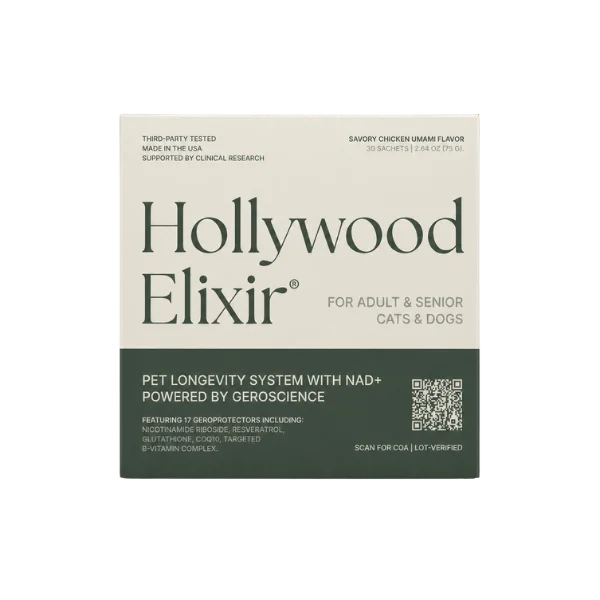
Hollywood Elixir™ is designed to support normal aging functions as part of a veterinarian-guided plan.

When an older cat’s sleep suddenly becomes less orderly—pacing at night, waking the household, or napping all day—disease belongs on the short list, not just “getting old.” Many cat sleep problems disease patterns start as small routine shifts: a cat who no longer settles after dinner, who startles awake, or who needs repeated trips to the litter box overnight. Aging alone can change sleep-wake rhythms, but research shows measurable differences in older cats and, importantly, medical problems can push those changes into a new, disruptive pattern (Bowersox, 1984).

This page uses a sleep disorder differential cats approach built around the most common, high-impact causes in seniors: hyperthyroidism, hypertension, chronic kidney disease (CKD), pain that cats hide, diabetes, and cognitive dysfunction. The goal is not to diagnose at home; it is to help owners notice senior cat sleep disease signs that change urgency, track the right details, and hand the veterinarian a clean story. If the question is “old cat not sleeping causes,” the most useful answer is a structured comparison of what else is happening—thirst, appetite, breathing, litter box habits, vocalizing, and mobility—because cats often show illness through behavior long before they show obvious weakness (Eisinger, 2025).

By La Petite Labs Editorial, ~15 min read

Featured Product:

  • Sleep changes in older cats can be normal aging, but a new pattern often signals thyroid disease, hypertension, CKD, pain, diabetes, or cognitive dysfunction.
  • Aging alters feline sleep–wake rhythms, so the key is a change from that cat’s baseline and how disruptive it becomes.
  • Hyperthyroidism commonly causes nighttime restlessness, hunger, and vocalizing; weight loss despite appetite is a major clue.
  • Hypertension can drive sudden agitation and subtle vision changes; blood pressure measurement is quick and high-yield.
  • CKD and diabetes often fragment sleep through thirst, nausea, and increased urination; litter box and water-bowl data matter.
  • Pain masking is common in cats; reduced jumping, guarded sleep postures, and irritability can be the only signs.
  • Track wake-ups, water intake, urine clumps, weight, and resting breathing, then bring a timeline and videos to the vet.

Why Sleep Shifts Matter More in Senior Cats

Sleep in cats is flexible, but it is not random. Aging can change how long cats rest and when they feel alert, and studies in older cats show measurable shifts in sleep–wake patterns compared with younger cats (Bowersox, 1984). The key concern is a change from that cat’s own baseline—especially a new pattern of nighttime restlessness, repeated waking, or sleeping so deeply that normal household cues no longer rouse them. Those shifts can be the first outward sign that the body is struggling with hormone balance, blood pressure, kidney clearance, pain, or brain aging.

At home, the most useful question is: “What changed in the last 2–6 weeks?” A cat who used to settle on the couch but now patrols hallways after midnight is giving a clue, even if eating and grooming look “fine.” Note whether the change is insomnia (can’t settle), hypersomnia (hard to wake, unusually long naps), or a flipped schedule (awake at night, asleep all day). Those categories point the differential in different directions and keep the vet visit focused.

Science-forward lab coat visual reinforcing credibility behind sleep disorder differential cats.

Hyperthyroidism: the Classic Night Pacer

Hyperthyroidism is a top reason an older cat becomes more turbulent at night. Excess thyroid hormone pushes the body toward constant “go,” raising activity, appetite, and often vocalizing, even when the household is quiet (Geddes, 2022). Some cats look simply “busy” rather than sick, which is why hyperthyroidism is a core branch in any senior cat sleep disease signs differential. Because thyroid disease and CKD often overlap, the sleep story matters: restlessness plus thirst, weight loss, or messy coat changes should move thyroid testing higher on the list (Geddes, 2022).

What this looks like at home is a cat that cannot fully power down: they hop off the bed repeatedly, demand food at odd hours, or yowl in a way that seems “urgent.” Owners may also notice heat-seeking behavior changes—choosing cooler floors—or a coat that feels less maintained, which can pair with the hyperthyroidism-coat-changes-in-cats topic. If the household assumes it is “just attention-seeking,” the pattern can drag on for months while the body is under strain.

Premium ingredient scene around Hollywood Elixir, aligned with old cat not sleeping causes.

Hyperthyroid Sleep Clues That Change Urgency

Hyperthyroid cats do not always look hyper; some look thin, hungry, and wired, while others mainly show sleep disruption and irritability. A practical misconception is that “if the cat is eating well, it can’t be sick.” In thyroid disease, a strong appetite can be part of the problem, not reassurance. Another nuance is comorbidity: treating hyperthyroidism can change kidney filtration and may reveal CKD that was previously hidden, which is why veterinarians interpret thyroid and kidney results together (Geddes, 2022).

A simple household check is to compare food-seeking to weight trend. If the cat is raiding bowls yet feels bonier over the spine, sleep loss is not the only issue. Also note whether nighttime waking is paired with increased water intake or larger urine clumps, which connects naturally to cat-drinking-a-lot-of-water and kidney-health-for-cats. Those details help separate “restless because hungry” from “restless because the whole body is running too fast.”

Home setting with cat and supplement, showing wellness supported by sleep disorder differential cats.

Hypertension: the Hidden Driver of Night Agitation

High blood pressure in older cats is easy to miss because it does not always cause obvious pain. It often travels with CKD or hyperthyroidism, and it can change behavior quickly—restlessness, sudden clinginess, or agitation that seems to come “out of nowhere” (Pittari, 2009). When blood pressure is high, the brain and eyes can be affected, and sleep can become fragmented because the cat never fully relaxes. In a sleep disorder differential cats plan, hypertension belongs near the top when sleep change is abrupt.

At home, look for small vision-related hints that can accompany hypertension: hesitating at stairs, misjudging jumps, or startling in familiar rooms. A cat may also wake and vocalize as if confused, then settle again. These signs are easy to label as “senior quirks,” but they are actionable because blood pressure can be measured quickly in clinic. If sleep disruption is paired with new bumping into objects, the vet visit should be scheduled promptly rather than watched for weeks.

Competitor comparison card emphasizing clean-label approach for senior cat sleep disease signs.

CKD: Night Waking from Thirst, Nausea, and Litter Trips

Chronic kidney disease is one of the most common medical backdrops in senior cats, and it can disturb sleep in several ordinary ways: more urine production, more thirst, and a low-grade “unwell” feeling from toxin buildup that the kidneys cannot clear efficiently (Pittari, 2009). Some cats feel mildly nauseated, which can show up as lip-licking, swallowing, or walking away from food—then waking later and asking to eat. Because CKD and hyperthyroidism can coexist, sleep changes should be interpreted alongside weight, appetite, and water intake rather than in isolation.

In the house, CKD-related sleep disruption often looks like logistics: the cat gets up repeatedly to drink, urinates more at night, or cries because the litter box is farther away than it used to be. Owners may notice larger clumps, more frequent scooping, or accidents just outside the box. These are not “bad behavior”; they are often the first visible sign that kidney-health-for-cats needs attention. A night camera can be surprisingly helpful for confirming how often the cat is up.

Hollywood Elixir™ is amazing and makes my 13 y/o kitty young again!

— Jessie

She hopped up onto the windowsill again—first time in years.

— Charlie

“In cats, sleep disruption is often a medical clue, not a behavior problem.”

Pain Masking: When Discomfort Is the Only Sleep Clue

Cats are specialists at hiding pain, and that makes sleep a sensitive early signal. Arthritis, dental disease, or abdominal discomfort can prevent deep rest, leading to frequent position changes, leaving the bed after a few minutes, or sleeping in odd, guarded postures. In aging cats, disease can drive behavior changes long before obvious limping appears, and altered rest patterns are a common way that message shows up (Eisinger, 2025). Pain also shrinks a cat’s leeway for normal household stressors, so small noises or routine changes can trigger waking.

A practical home clue is “route editing.” A painful cat may stop jumping to a favorite windowsill, choose lower sleeping spots, or hesitate before using a covered litter box. Nighttime can be worse because the house is cooler and joints stiffen after long naps. Owners often describe an old cat not sleeping causes mystery, but the pattern of avoiding stairs, grooming less on the back end, or being grumpy when touched can point strongly toward hidden discomfort rather than a primary sleep disorder.

Hollywood Elixir box nestled in packaging, showing detail aligned with sleep disorder differential cats.

Diabetes: Thirst and Urination That Break up Sleep

Feline diabetes can disrupt sleep through simple mechanics: increased thirst and increased urination. A cat may wake repeatedly to drink, then need the litter box more often, fragmenting rest for both cat and household. Some cats also feel hungrier yet lose weight, which can create a restless, food-seeking nighttime routine. Diabetes is not the most common cause of sleep change, but it is important because the early signs can look like “just drinking more,” especially in multi-cat homes where bowls are shared.

At home, the most useful observation is whether water intake and urine output changed at the same time as sleep. Larger litter clumps, a heavier box, or a cat visiting the box and producing a lot each time are meaningful. This is where tracking overlaps with cat-drinking-a-lot-of-water content: measure how often bowls are refilled and whether the cat seems driven to drink. If sleep disruption is paired with weight loss or sticky urine around the box, a vet appointment should not wait.

Longhaired cat leaping forward, suggesting vigor supported by cat sleep problems disease.

Cognitive Dysfunction: Sleep-wake Reversal and Night Vocalizing

Feline cognitive dysfunction is an age-associated brain syndrome that can include sleep–wake cycle disruption, such as sleeping more during the day and becoming awake and vocal at night (Landsberg, 2010). It is often misread as “normal aging,” which delays help for both the cat and the household routine (Landsberg, 2010). Cognitive change is a diagnosis of pattern and exclusion: the veterinarian will still look for thyroid disease, hypertension, kidney disease, and pain first, because those can mimic confusion and restlessness.

At home, cognitive-related sleep change often comes with disorientation clues: staring at walls, getting “stuck” behind doors, or calling out after waking as if unsure where the family is. Some cats pace predictable loops, then settle briefly, then repeat. A nightlight, consistent feeding times, and keeping furniture layout stable can make nights less turbulent, but medical screening still matters. This section connects naturally to cognitive-dysfunction-in-cats for owners seeing multiple behavior shifts at once.

Professional lab coat image highlighting evidence-driven approach for senior cat sleep disease signs.

Heart Disease: When Rest Looks Like Work

Some sleep changes are driven by breathing, not behavior. If a cat cannot get comfortable lying down because breathing feels harder, they may sit upright to rest, change positions frequently, or avoid deep sleep. This can happen with heart disease or fluid-related problems, and it can be subtle until it is not. While many cat sleep problems disease patterns are slow, breathing-related sleep disruption can become urgent, especially if the cat is open-mouth breathing or seems panicked when trying to settle.

Owners can watch the resting respiratory rate when the cat is truly asleep, not purring or dreaming. A steady increase over days, or a cat that wakes to reposition and “catch up,” deserves a call. Also note whether sleep disruption worsens after exertion, such as zooming or climbing stairs. If the cat chooses cool, hard surfaces and looks uncomfortable when lying on one side, that observation belongs in the vet handoff alongside any cough-like gagging or reduced play.

A Cat-specific Differential Tree for Sleep Changes

A useful sleep disorder differential cats framework starts with the “why now?” question, then sorts by accompanying clues. Restlessness plus weight loss and hunger points toward hyperthyroidism; restlessness plus thirst and big urine clumps points toward CKD or diabetes; abrupt agitation plus vision hints raises concern for hypertension; frequent repositioning or avoiding jumps suggests pain masking; sleep-wake reversal with confusion suggests cognitive dysfunction. Senior care guidelines emphasize that behavior and routine changes in older cats should trigger medical screening rather than watchful waiting (Pittari, 2009).

Case vignette: A 14-year-old cat begins yowling at 3 a.m. and pacing the hallway, but still eats eagerly. Over two months, the cat feels lighter when picked up and the water bowl empties faster. The family assumes it is “nighttime loneliness,” but the combined sleep change, weight trend, and thirst pattern are exactly the kind of cluster that should move thyroid and kidney checks to the front of the line.

“Track what changes week over week, not what feels unusual tonight.”

Ingredient spread with Hollywood Elixir, highlighting transparency for sleep disorder differential cats.

Owner Checklist: Quick Home Clues Before Calling

Owner checklist for senior cat sleep disease signs should focus on what can be seen without guessing motives. Check (1) appetite change: hungrier, pickier, or waking to beg; (2) water change: bowl empties faster or cat seeks faucets; (3) litter box change: larger clumps, more trips, or accidents near the box; (4) movement change: fewer jumps, stiff starts after naps, or new hiding; (5) behavior change: night vocalizing, pacing loops, or confusion in familiar rooms. These observations help separate “old cat not sleeping causes” into medical categories.

To make the checklist practical, pick one evening and one morning to observe on purpose. Count litter box visits, note where the cat chooses to sleep, and watch how quickly they settle after lights-out. In multi-cat homes, temporarily offering a separate water bowl and litter box can clarify which cat is driving the changes. If the cat is also showing coat neglect or heat intolerance, that can be paired with hyperthyroidism cats and thermoregulation-in-cats topics for a more complete picture.

Shop Now
Woman with Hollywood Elixir and cat, highlighting routine supported by sleep disorder differential cats.

What to Track Week over Week for a Clean Story

What to track works best as a short rubric that can be repeated weekly, so response patterns become visible. Track (1) bedtime-to-sleep time: how long it takes to settle; (2) number of nighttime wake-ups; (3) water consumed in 24 hours (measured by refilling a marked bowl); (4) litter clump size and count; (5) body weight trend using a baby scale; (6) resting respiratory rate during true sleep; (7) mobility notes, such as whether the cat still uses favorite high spots. These markers turn “cat sleep problems disease” worry into usable data.

Keep tracking simple enough to maintain. A notes app with timestamps is often better than a complex spreadsheet that gets abandoned after three days. Short videos of pacing, vocalizing, or breathing can be more accurate than memory, especially when nights are exhausting. If the cat is on any medications or supplements, log the timing, because sleepiness or restlessness can be dose-related. The goal is not perfection; it is a consistent record that helps the veterinarian interpret change.

Shop Now
Comparison graphic of Hollywood Elixir versus competitors, clarifying value in sleep disorder differential cats.

Vet Visit Prep: Questions That Speed up the Workup

Vet visit prep is most effective when it anticipates the differential. Bring (1) the timeline: when sleep changed and whether it was sudden or gradual; (2) the top three accompanying signs from the checklist; (3) any weight measurements; and (4) a list of all foods, treats, and medications with timing. Useful questions include: “Should blood pressure be checked today?” “Which labs screen thyroid, kidney function, and diabetes together?” “Could pain be driving this even without limping?” and “What home changes are safe while waiting for results?” Senior care guidelines support routine screening in older cats because behavior shifts can be early disease flags.

Also mention household context that affects sleep: a new pet, construction noise, or a moved litter box. Those details help the veterinarian decide whether the pattern is primarily medical or compounded by environment. If the cat is difficult to transport, ask about strategies for a less turbulent carrier experience rather than skipping the visit. A calm, organized handoff often shortens the diagnostic path and reduces repeated appointments.

Shop Now

What Workup Usually Looks Like for Sleep Changes

For most older cats with new sleep disruption, the first workup aims to catch the common, treatable drivers: physical exam, weight and body condition, blood pressure measurement, and baseline lab screening for kidney values, thyroid hormone, and glucose. Urinalysis helps interpret thirst and litter box changes, and it can clarify whether the kidneys are concentrating urine appropriately. This is why a structured “old cat not sleeping causes” history matters: it helps the veterinarian choose the right first tests instead of chasing symptoms one by one.

Owners can expect that the first visit may not produce a final answer the same day, but it should produce a plan. Ask what results would change next steps quickly, such as starting thyroid management, addressing hypertension, or adjusting diet and hydration support for CKD. If pain is suspected, the veterinarian may recommend a trial plan and recheck based on response patterns. The goal is a more measured path: adjust one thing, observe, then decide on the next step.

Medication Effects: When Sleepiness Is a Side Effect

Not all sleep changes mean the disease is worsening; sometimes the treatment changes sleep. Gabapentin, commonly used in cats for anxiety, pain, or easier vet visits, can cause sedation and wobbliness that owners interpret as “sleeping all day” (Di Cesare, 2023). Because gabapentin is largely cleared by the kidneys, older cats with reduced renal clearance may experience stronger or longer effects, which can blur the picture when CKD is also present (Di Cesare, 2023). Any new medication, dose change, or timing change should be considered in the sleep timeline.

At home, watch for a mismatch between sleepiness and comfort. A cat who is sedated may sleep more but also seem uncoordinated, hesitant to jump, or less interactive in a way that is different from calm rest. If sedation is interfering with eating, litter box use, or safe movement, contact the veterinarian before the next scheduled dose rather than stopping abruptly. Logging when the medication was given and when the cat became sleepy gives the vet a clearer path to adjusting timing or alternatives.

Unboxed Hollywood Elixir in protective wrap, emphasizing care behind old cat not sleeping causes.

What Not to Do While Waiting for Answers

What not to do matters because well-meant fixes can hide the pattern the veterinarian needs. Avoid (1) punishing or startling a cat for night vocalizing; it increases stress and can worsen sleep disruption. Avoid (2) restricting water to reduce nighttime litter trips; thirst is a medical clue and dehydration can be dangerous. Avoid (3) giving human sleep aids or pain relievers; many are toxic to cats. Avoid (4) making multiple major changes at once—new diet, new litter, new supplements—because it becomes impossible to read response patterns.

Instead, keep the environment predictable and make small, reversible adjustments: add a second litter box, place water closer to sleeping areas, and use a nightlight for cats that seem disoriented. If the cat is waking the household, a brief, consistent bedtime routine can help owners stay calm while data is gathered. The goal is less turbulent nights without masking the underlying signal that prompted concern in the first place.

Shop Now
Ingredient explainer image showing no fillers approach aligned with old cat not sleeping causes.

How This Connects to Other Senior-cat Clues

Sleep change rarely travels alone; it often links to other “quiet” senior-cat clues. Hyperthyroidism can pair with coat changes and heat intolerance, while CKD and diabetes often pair with increased drinking and larger urine clumps. Hypertension can pair with subtle vision changes, and pain masking can pair with grooming shifts and reduced jumping. Thinking in clusters keeps the cat sleep problems disease question grounded in observable reality rather than guesswork about mood.

This is also why internal linking matters for owners building a full picture: hyperthyroidism-coat-changes-in-cats, kidney-health-for-cats, cognitive-dysfunction-in-cats, cat-drinking-a-lot-of-water, and thermoregulation-in-cats each cover a different slice of the same senior-cat puzzle. If sleep is the first sign noticed, those related topics help confirm whether the change is isolated or part of a broader pattern. A broader pattern usually deserves earlier testing, not later.

Shop Now

A Measured Decision Framework for the Next Two Weeks

A measured decision framework keeps worry from turning into random action. If sleep change is mild and the cat is otherwise stable, track the rubric for 7–14 days and schedule a senior screening visit. If sleep change is paired with weight loss, big thirst, repeated vomiting, or marked restlessness, schedule sooner. If sleep change is paired with breathing difficulty, collapse, sudden blindness signs, or extreme agitation, treat it as urgent. This approach respects that cats mask pain and illness, so sleep may be the first visible sign (Eisinger, 2025).

Owners often want a single answer for old cat not sleeping causes, but the most protective move is choosing the right next step based on what else is changing. Keep notes, capture short videos, and bring the timeline to the appointment. When results come back, ask what “good control” should look like at home—more orderly nights, fewer litter trips, calmer breathing—so progress can be measured week over week rather than guessed.

“Cats hide pain; restless sleep can be the loudest signal.”

Educational content only. This material is not a substitute for veterinary advice. Always consult your veterinarian about your cat’s specific needs. These statements have not been evaluated by the Food and Drug Administration. Products mentioned are not intended to diagnose, treat, cure, or prevent any disease.

Glossary

  • Sleep–wake reversal - Sleeping mostly by day and becoming awake or vocal at night.
  • Differential diagnosis - A structured list of likely causes for one sign, ranked by clues.
  • Hyperthyroidism - Overproduction of thyroid hormone that can cause weight loss and restlessness.
  • Hypertension - High blood pressure that can affect eyes, brain, and behavior.
  • Chronic Kidney Disease (CKD) - Long-term loss of kidney clearance that can increase thirst and urination.
  • Nocturia - Nighttime urination that can wake a cat repeatedly.
  • Pain masking - A cat’s tendency to hide discomfort, showing only subtle behavior changes.
  • Resting respiratory rate - Breaths per minute when a cat is fully asleep and relaxed.
  • Feline cognitive dysfunction - Age-associated brain changes that can include confusion and sleep disruption.

Related Reading

References

Bowersox. Sleep-wakefulness patterns in the aged cat.. PubMed. 1984. https://pubmed.ncbi.nlm.nih.gov/6205856/

Landsberg. Cognitive dysfunction in cats: a syndrome we used to dismiss as 'old age'.. PubMed Central. 2010. https://pmc.ncbi.nlm.nih.gov/articles/PMC11220932/

Eisinger. The Impact of Disease on Behavior: Altering Behavior in the Course of Disease in Aging Cats. 2025. https://www.mdpi.com/2813-9372/2/2/21

Pittari. American association of feline practitioners. Senior care guidelines.. PubMed Central. 2009. https://pmc.ncbi.nlm.nih.gov/articles/PMC11135487/

Geddes. Feline Comorbidities: Balancing hyperthyroidism and concurrent chronic kidney disease.. PubMed Central. 2022. https://pmc.ncbi.nlm.nih.gov/articles/PMC11107990/

Di Cesare. Gabapentin: Clinical Use and Pharmacokinetics in Dogs, Cats, and Horses.. PubMed Central. 2023. https://pmc.ncbi.nlm.nih.gov/articles/PMC10295034/

FAQ

What does When Sleep Changes Signal Disease: A Differential Guide for Aging Cats mean?

It means using sleep changes as a starting clue, then sorting the most likely medical causes in older cats. Instead of assuming “old age,” the approach compares patterns that fit hyperthyroidism, hypertension, CKD, pain, diabetes, or cognitive dysfunction.

The goal is better decisions at home: what to track, how urgent the situation is, and what details help a veterinarian choose the right first tests.

How can sleep changes be an early disease sign?

Cats often hide pain and weakness, so illness may show up first as a routine shift: pacing at night, waking to drink, or sleeping so deeply they miss normal cues. Aging can change sleep, but a new, disruptive pattern is more concerning than gradual drift.

Pair the sleep change with other clues—thirst, appetite, weight trend, litter box output, breathing at rest—to narrow the most likely causes before the vet visit.

What are the most common old cat not sleeping causes?

The most common medical drivers include hyperthyroidism (wired, hungry, vocal), CKD (thirst, nausea, more urination), hypertension (abrupt agitation, possible vision changes), and pain that cats mask (can’t get comfortable, avoids jumping).

Diabetes and cognitive dysfunction are also important, especially when sleep disruption comes with increased drinking/urination or confusion and sleep–wake reversal.

How is this different from normal aging sleep changes?

Normal aging tends to be gradual and mild: a cat naps more or shifts preferred sleep spots. Disease-linked change is often faster, more disruptive, or paired with other body clues like weight loss, thirst, litter box changes, or new irritability.

A practical rule is baseline: if the household can describe a clear “before and after,” it deserves a medical screen rather than being dismissed as personality.

Which senior cat sleep disease signs need urgent care?

Urgent signs include open-mouth breathing, obvious breathing struggle while resting, collapse, sudden inability to see or navigate, or extreme agitation that cannot settle. These can indicate problems that cannot wait for routine testing.

Also treat repeated vomiting, refusal to eat, or rapid weight loss alongside sleep disruption as a prompt to call the clinic the same day for guidance.

What should be tracked for a sleep disorder differential cats approach?

Track markers that can be measured week over week: number of nighttime wake-ups, time to settle, water consumed in 24 hours, litter clump count/size, body weight trend, and resting breathing rate during true sleep.

Add short videos of pacing, vocalizing, or breathing if possible. These records help the veterinarian separate thyroid-driven restlessness from kidney-related thirst, pain-related repositioning, or cognitive sleep–wake reversal.

Can hyperthyroidism cause nighttime yowling and pacing?

Yes. Hyperthyroidism commonly makes cats feel restless and more driven to move, seek food, and vocalize, especially when the house is quiet. Some cats look “busy” rather than ill, which is why sleep disruption can be an early clue.

Weight loss despite appetite, heat intolerance, and coat changes strengthen the suspicion and should be shared with the veterinarian.

Can high blood pressure change a cat’s sleep?

Yes. Hypertension can make cats seem suddenly unsettled, especially at night, and it may come with subtle vision changes that increase anxiety in dim light. Because it can accompany CKD or hyperthyroidism, it is often part of the same puzzle.

Blood pressure measurement is quick in clinic, and it is a high-yield step when sleep change is abrupt or paired with navigation mistakes.

How does CKD disrupt sleep in older cats?

CKD can fragment sleep through increased thirst and urination, plus a low-grade nauseated feeling that makes cats get up, swallow, lick lips, or ask for food at odd hours. Some cats wake because the litter box feels urgent more often.

At home, larger urine clumps, more frequent scooping, and nighttime drinking are practical clues to record for the veterinarian.

Can pain be the only reason a senior cat sleeps poorly?

Yes. Cats often mask pain, so discomfort may show up mainly as restless sleep, frequent repositioning, avoiding the bed after a few minutes, or choosing unusual sleeping spots. Arthritis, dental pain, and abdominal discomfort are common culprits.

Reduced jumping, grooming changes, and irritability when touched are helpful supporting clues, even if there is no obvious limp.

Does diabetes cause sleep disruption in cats?

It can. Diabetes often increases thirst and urination, which can wake a cat repeatedly overnight. Some cats also become more food-seeking, which can create a new pattern of nighttime begging or waking the household.

Because multi-cat homes make drinking hard to judge, measuring bowl refills and watching litter clumps can provide clearer evidence to bring to the clinic.

How does cognitive dysfunction affect sleep in aging cats?

Cognitive dysfunction can flip the sleep schedule: more daytime sleeping and nighttime waking with pacing or vocalizing. Owners may also notice confusion, staring, or getting “stuck” in corners after waking.

Because thyroid disease, hypertension, CKD, and pain can mimic these signs, a veterinarian typically recommends medical screening before labeling the change as cognitive.

Is When Sleep Changes Signal Disease: A Differential Guide for Aging Cats relevant for daytime sleeping?

Yes. Excessive daytime sleep can be part of the same problem, especially if the cat becomes hard to wake, stops engaging with normal routines, or sleeps deeply after starting a new medication. The key is change from baseline and whether nights become more turbulent.

Daytime sleep paired with weight loss, thirst, or litter box changes still points toward medical causes rather than “laziness.”

What tests should owners expect at the vet?

Common first steps include a full exam, weight and body condition, blood pressure measurement, and lab screening that looks at kidney values, thyroid hormone, and glucose. Urinalysis often helps interpret thirst and urination changes.

Depending on breathing signs or heart concerns, the veterinarian may recommend chest imaging or additional cardiac evaluation. Bringing a timeline and videos can help target the workup.

Can gabapentin make my older cat sleep too much?

Yes. Gabapentin commonly causes sedation and wobbliness in cats, which can look like unusually long naps or reduced interaction. In cats with reduced kidney clearance, effects may last longer than expected.

If sleepiness interferes with eating, safe movement, or litter box use, contact the veterinarian for advice on timing or alternatives rather than stopping medication without guidance.

What not to do when a senior cat wakes at night?

Do not restrict water, give human sleep aids, or punish vocalizing. Those steps can be unsafe and can also hide the pattern the veterinarian needs to see. Avoid making multiple big changes at once, like switching food, litter, and supplements together.

Instead, keep routines predictable, add a second litter box, and record what happens (wake-ups, drinking, litter trips) so the next step is based on evidence.

How long should tracking happen before the appointment?

If the cat is stable, 7–14 days of tracking is often enough to reveal response patterns and give the veterinarian a clean baseline. If there is weight loss, heavy thirst, repeated vomiting, or marked restlessness, schedule sooner and bring whatever data is available.

For urgent signs like breathing difficulty or sudden vision problems, do not wait to “collect more data.” Seek care promptly.

Are some cat breeds more prone to sleep-related disease signs?

Most sleep-linked disease patterns in seniors are driven more by age and individual health history than by breed. Any older cat can develop hyperthyroidism, CKD, hypertension, diabetes, or painful arthritis that disrupts sleep.

Breed can matter more for certain heart conditions, but the practical approach is the same: track sleep changes alongside thirst, appetite, weight, breathing, and mobility, then screen medically.

Can supplements replace testing for cat sleep problems disease?

No. Sleep disruption in an older cat can be the first visible sign of thyroid disease, hypertension, CKD, diabetes, pain, or cognitive dysfunction, and those require veterinary evaluation. Supplements may be discussed as part of supporting normal aging, but they should not delay screening.

If a veterinarian agrees a supplement fits the plan, it should be added one at a time so response patterns stay interpretable.

Where does Hollywood Elixir™ fit in an aging-cat plan?

It may fit as a supportive option for normal aging functions, alongside veterinary screening and a clear monitoring routine. It should not be used to “treat” sleep disruption without checking for medical causes like hyperthyroidism, hypertension, CKD, pain, diabetes, or cognitive dysfunction.

If a veterinarian recommends trying it, use a consistent schedule and track sleep and daytime behavior week over week. Hollywood Elixir™ should be part of a measured plan, not a substitute for diagnostics.

How should Hollywood Elixir™ be introduced without confusing the differential?

Introduce only one new item at a time and keep everything else stable for at least 2–3 weeks, unless the veterinarian advises otherwise. That prevents a “muddy” picture where sleep changes could be from the supplement, a diet change, or the underlying disease.

Discuss timing with the clinic, especially if the cat has CKD or is on sedating medications. Hollywood Elixir™ is best used with tracking so response patterns are clear.

5K+ Happy Pet Parents

Excellent 4.8

When Sleep Changes Signal Disease: a Differential Guide for Aging Cats | Why Thousands of Pet Parents Trust Hollywood Elixir™

"My go-to nutrient-dense topper. Packed with 16 powerful anti-aging actives and superfoods!"

Chanelle & Gnocchi

"We go on runs pretty often; he use to get tired halfway through, but lately, he's been keeping up without any problem."

Cami & Clifford

"He seems more happy overall. I've also noticed he has more energy which makes our walks and playtime so much more fun."

Olga & Jordan

"I want her to live forever. She hasn't had an ear infection since!"

Madison & Azula

"My go-to nutrient-dense topper. Packed with 16 powerful anti-aging actives and superfoods!"

Chanelle & Gnocchi

"We go on runs pretty often; he use to get tired halfway through, but lately, he's been keeping up without any problem."

Cami & Clifford

"He seems more happy overall. I've also noticed he has more energy which makes our walks and playtime so much more fun."

Olga & Jordan

"I want her to live forever. She hasn't had an ear infection since!"

Madison & Azula

"My go-to nutrient-dense topper. Packed with 16 powerful anti-aging actives and superfoods!"

Chanelle & Gnocchi

"We go on runs pretty often; he use to get tired halfway through, but lately, he's been keeping up without any problem."

Cami & Clifford

"He seems more happy overall. I've also noticed he has more energy which makes our walks and playtime so much more fun."

Olga & Jordan

"I want her to live forever. She hasn't had an ear infection since!"

Madison & Azula

"My go-to nutrient-dense topper. Packed with 16 powerful anti-aging actives and superfoods!"

Chanelle & Gnocchi

"We go on runs pretty often; he use to get tired halfway through, but lately, he's been keeping up without any problem."

Cami & Clifford

"He seems more happy overall. I've also noticed he has more energy which makes our walks and playtime so much more fun."

Olga & Jordan

"I want her to live forever. She hasn't had an ear infection since!"

Madison & Azula

SHOP NOW