Endocrine System and Aging in Cats

Recognize Thyroid, Pancreas, and Adrenal Shifts Affecting Weight, Appetite, Coat, and Kidneys

Essential Summary

Why Is Endocrine Aging In Cats Important?

Endocrine aging matters because small hormone shifts can make appetite, weight, and coat quality more volatile. When patterns are recognized early, testing is more targeted and household routines can be adjusted to support smoother day-to-day stability alongside veterinary care.

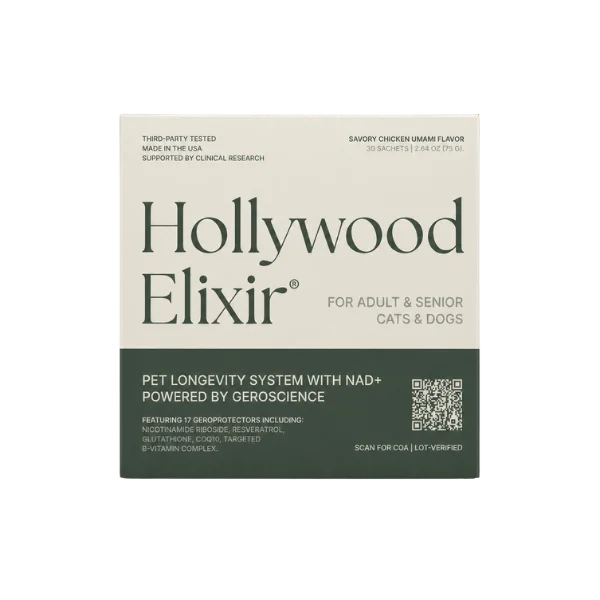
Hollywood Elixir™ can be part of a daily plan that supports whole-body coordination in older cats, including normal metabolic and skin/coat function. It is best used alongside consistent routines and veterinary guidance, especially when thyroid or insulin concerns are being evaluated.

Endocrine System and Aging in Cats often shows up as confusing, everyday changes: appetite swings, weight drifting the “wrong” direction, and a coat that looks dull or unkempt. The most practical way to understand it is to compare two common paths—thyroid-driven aging (especially hyperthyroidism) versus insulin-driven aging (diabetes mellitus). Both can look like “just getting older,” yet they push the body in different directions and call for different next steps.

The endocrine system is a set of glands and hormones that coordinate metabolism, stress response, hydration, and tissue maintenance. With age, those signals can become less consistent, narrowing a cat’s margin for handling diet changes, illness, or stress (Jones, 2015). That reduced headroom is why small shifts—slightly more thirst, a new pattern of begging, subtle coat changes—deserve attention sooner rather than later.

This page uses a compare-and-contrast lens to separate what looks similar at home, explain what actually differs biologically, and turn observations into a better veterinary handoff. Hyperthyroidism and diabetes are the primary focus. Other hormones (like cortisol from the adrenal glands) matter, but they are framed as supporting context so decisions stay clear and actionable.

By La Petite Labs Editorial, ~15 min read

Featured Product:

  • Endocrine System and Aging in Cats most often shows up as appetite/weight mismatch plus coat and grooming changes.
  • Hyperthyroidism tends to look like fuel burning too fast: hunger, weight loss, restlessness, rough coat.
  • Diabetes tends to look like fuel not getting into cells: thirst, big urine clumps, weight loss, hind-end weakness.
  • Tracking beats guessing: weight, appetite intensity, water refills, litter clumps, coat photos, jump willingness.
  • Avoid common mistakes that blur patterns: frequent diet switches, water restriction, and using another pet’s medications.
  • Bring a focused vet handoff: timelines, photos, and specific questions about thyroid testing and glucose evaluation.
  • Supplements can be part of a daily plan that supports normal coordination, but they do not replace diagnosis or monitoring.

The Common Confusion: “Aging” Versus Hormone-driven Change

Many owners expect older cats to slow down and lose muscle, but endocrine shifts can mimic or amplify those changes. In Endocrine System and Aging in Cats, hormones that regulate metabolism and tissue turnover may become less consistent, so the same diet and routine can produce different results than they did a few years earlier (Jones, 2015). That is why “normal aging” is not a diagnosis; it is a backdrop that can hide treatable patterns like hyperthyroidism or diabetes.

At home, the confusion usually starts with appetite and weight: a cat begs more yet looks thinner, or eats normally yet gains fat while losing muscle. Coat and grooming changes often arrive in parallel—more dandruff, a greasy feel, or mats along the back where grooming has become less effective. These are not cosmetic details; they are observation signals that the body’s coordination may be getting more volatile.

White lab coat with La Petite Labs mark, emphasizing rigor behind endocrine system and aging in cats.

Side a: Thyroid-driven Aging Patterns

The thyroid sets the pace for how quickly calories are used and how tissues cycle through repair and replacement. When thyroid hormone is excessive, the body can run “hot,” burning through energy stores and muscle even when food intake rises. Age-associated endocrine shifts can change thyroid axis behavior, and in cats the practical concern is recognizing when weight loss and restlessness are not just senior quirks (Jones, 2015).

Household clues often include louder hunger cues, more frequent yowling at night, and a coat that looks rough despite normal brushing. Litter box patterns may shift too, because higher metabolic drive can change drinking and urination. A useful routine is to weigh monthly and photograph the coat along the spine under the same lighting; small changes become easier to see over weeks than day-to-day.

Premium ingredient scene around Hollywood Elixir, aligned with endocrine system and aging in cats.

Side B: Insulin-driven Aging Patterns

Insulin is the hormone signal that helps move glucose from the bloodstream into cells for use or storage. In diabetes mellitus, that signaling is insufficient or less effective, so glucose remains high and the body behaves as if it is under-fueled despite calories being present. In cats with diabetes, endocrine markers are often evaluated alongside other hormones because multiple axes can shift together, especially in older individuals (Schaefer, 2017).

At home, the classic pattern is increased thirst and larger urine clumps paired with weight loss or a “hollowed” look over the hips. Some cats become less willing to jump or seem weak in the back legs, which owners may mistake for arthritis alone. A practical habit is to note water bowl refill frequency and take a weekly “litter box snapshot” of clump size and count; it turns vague worry into usable information.

Woman with Hollywood Elixir box and cat, reflecting care through endocrine system and aging in cats.

What Actually Differs: Fuel Burning Versus Fuel Access

Hyperthyroidism and diabetes can both cause weight loss, but the mechanism differs in a way that changes decisions. Thyroid excess accelerates fuel burning and tissue turnover, while diabetes limits fuel access at the cellular level, pushing the body to break down fat and muscle for alternative energy. Aging can tighten a cat’s margin for handling either state, because endocrine axes that normally compensate may be less resilient.

This difference shows up in routines: a thyroid-driven cat may seem “wired,” hungry, and harder to settle, while a diabetic cat may look dehydrated, drink more, and gradually lose bounce-back after minor stressors. Owners can separate the two by tracking thirst and urine output alongside appetite and weight, rather than focusing on one symptom. When the pattern is clear, the veterinary visit becomes more efficient and less guesswork-driven.

Competitive comparison visual clarifying formulation depth behind endocrine system and aging in cats.

Case Vignette: When Coat Changes Are the First Clue

A 13-year-old indoor cat begins leaving small mats along the lower back and looks “unkempt” even after brushing. Over two months, appetite becomes intense and the cat steals food, yet the scale shows a slow drop in weight. That combination—coat/grooming change plus appetite/weight mismatch—often fits the way endocrine shifts surface in older cats, and it deserves targeted testing rather than waiting for a crisis (Dowgray, 2022).

In a household plan, the next step is not guessing which hormone is involved; it is tightening observation. Weigh weekly for four weeks, note nighttime vocalization, and record how often the water bowl is refilled. Bring those notes to the veterinarian so thyroid and glucose evaluation can be prioritized appropriately, and so other aging-related issues (like pain limiting grooming) are not missed.

Hollywood Elixir™ is amazing and makes my 13 y/o kitty young again!

— Jessie

She hopped up onto the windowsill again—first time in years.

— Charlie

“Appetite and coat changes together are often an endocrine clue.”

Owner Checklist: Home Signs That Point Toward Endocrine Change

Because Endocrine System and Aging in Cats often looks like “behavior,” a short checklist helps keep the focus on patterns. Owners are not diagnosing; they are collecting observation signals that map to hormone-driven shifts. In mature cats, owner observations paired with clinical findings have been used to characterize aging-related changes, reinforcing that home notes can be medically meaningful when they are specific (Dowgray, 2022).

Owner checklist (pick what applies): (1) appetite change with weight moving the opposite direction, (2) coat becoming greasy, dandruffy, or matted along the spine, (3) water intake rising or urine clumps enlarging, (4) new nighttime restlessness or yowling, (5) grooming time decreasing or shifting to only easy-to-reach areas. Check these weekly for a month; single-day snapshots are often misleading.

Unboxed Hollywood Elixir in protective wrap, reflecting care behind endocrine system and aging in cats.

What to Track over Weeks: a Simple Rubric

Aging hormones rarely change in a clean on/off way; they drift, then become more volatile under stress. Tracking creates a clearer picture of whether the cat’s resilience is shrinking or whether a short-lived upset is resolving. This matters because endocrine changes can contribute to age-associated disease risk through altered metabolism and tissue responses.

What to track rubric: body weight (weekly), appetite intensity (calm/normal/urgent), water bowl refills (times per day), litter clump size and count, coat condition along back and tail base, grooming frequency (observed minutes), and jump willingness (normal/hesitant/refuses). The goal is not perfection; it is consistency. A simple notebook or phone note can reveal whether changes are smoother or trending in the wrong direction.

Cat in full stride outdoors, highlighting day-to-day vitality via endocrine system and aging in cats.

A Unique Misconception: “Thyroid Problems Always Mean Weight Gain”

A common misunderstanding is importing a human pattern into cats: assuming thyroid disease equals weight gain and sluggishness. In cats, the more common thyroid story in later life is hyperthyroidism, where weight loss can occur even with a strong appetite. Naturally occurring hypothyroidism has been screened for in adult cats, but it is not the default explanation for senior weight change (Leuthard, 2025).

This misconception can delay care because owners may “wait for weight gain” that never comes. A better household rule is to treat unexplained weight loss, appetite escalation, or coat decline as a reason to check thyroid and glucose status, not as a reason to change foods repeatedly. Rapid diet switches can also make litter box and appetite patterns harder to interpret, reducing the quality of the vet handoff.

Clinical coat image reflecting vet-informed formulation aligned with endocrine system and aging in cats.

Vet Visit Prep: Bring the Right Observations and Questions

A productive appointment for Endocrine System and Aging in Cats is built on targeted comparisons: thyroid-driven versus insulin-driven patterns, plus pain or dental disease as competing explanations. Veterinary teams can move faster when owners arrive with time-stamped observations rather than general impressions. This is especially important because endocrine issues can overlap, and older cats may have more than one contributing factor.

Vet visit prep: bring recent weights, a photo of the coat along the spine, and a 2-week log of water refills and litter clumps. Ask: “Does this pattern fit hyperthyroidism, diabetes, or both?” “Which tests best match these signs right now?” “If results are borderline, what should be rechecked and when?” “Could pain or dental disease be limiting grooming and changing appetite?”

What Not to Do: Common Mistakes That Blur the Picture

When appetite and coat change together, it is tempting to chase quick fixes. The problem is that endocrine patterns are often revealed by consistency: stable routines make trends visible, while constant tinkering makes the signal noisy. Age-related endocrine shifts can reduce headroom, so abrupt changes in diet, treats, or feeding schedule may create more volatility in thirst, stool, and behavior than expected.

What not to do: (1) do not switch foods every few days to “see what works,” (2) do not restrict water to reduce litter box volume, (3) do not assume coat mats are only a grooming problem, (4) do not start leftover thyroid or diabetes medications from another pet. Keep routines stable for two weeks while arranging evaluation; it produces cleaner data and safer decisions.

“Consistency at home makes veterinary testing more meaningful.”

Premium ingredient scene around the supplement, supporting positioning of endocrine system and aging in cats.

Thyroid Testing: Why Numbers Need Context

Thyroid evaluation is not just a single number; it is a snapshot that must match the cat in front of the clinician. Total T4 is commonly used, but older cats can have concurrent illness that shifts lab values, and some cats sit near the edge of reference ranges. In diabetic cats, thyroid hormone is sometimes assessed alongside other endocrine markers to clarify overlapping drivers of weight and appetite change (Schaefer, 2017).

Owners can support interpretation by reporting timing: when weight began to drift, whether appetite is urgent or simply increased, and whether the cat seems heat-seeking or restless. Provide a list of supplements and treats, since iodine exposure and diet changes can complicate the story. If the veterinarian recommends rechecking, keep the household routine as consistent as possible so the next data point is comparable.

Shop Now
Lifestyle shot of cat and Hollywood Elixir, aligned with endocrine system and aging in cats.

Diabetes Signals: Thirst, Litter Box, and Muscle Loss

Diabetes in older cats is often first noticed as a water-and-litter-box problem, not a dramatic collapse. High blood glucose pulls water into urine, which can create dehydration and a cycle of increased drinking. Because endocrine axes interact, clinicians may evaluate additional markers to understand the broader hormonal balance and rule out confounders that change management choices (Schaefer, 2017).

At home, muscle loss can be missed until jumping changes: the cat hesitates, chooses lower surfaces, or climbs rather than leaps. That can be mistaken for “just aging,” but paired with large urine clumps it becomes more specific. Keep a simple map of preferred resting spots and jump points; when a cat’s route through the home changes, it often reflects real physical limits rather than stubbornness.

Shop Now
Side-by-side chart comparing supplements and ingredient breadth for endocrine system and aging in cats.

Diet, Iodine, and the Thyroid: Handle with Care

Food choices matter in endocrine care, but they should be made with a clear goal and veterinary oversight. Iodine intake can influence thyroid hormone production, and specialized approaches exist that manipulate iodine exposure under controlled conditions. In normal cats, health parameters have been compared between a limited-iodine prescription food and a conventional diet, underscoring that iodine is a meaningful lever rather than a trivial detail (Paetau-Robinson, 2018).

For households, the key is consistency: avoid rotating multiple fish-heavy treats, seaweed-based toppers, and different brands week to week when thyroid questions are on the table. Keep a written list of everything offered, including flavored medications and supplements. If a diet change is recommended, transition gradually and track appetite, stool, and coat so the cat’s response is smoother and easier to interpret.

Shop Now

Cortisol and Stress: Secondary, but Not Irrelevant

Cortisol is part of the adrenal stress response, and it can influence appetite, glucose handling, and coat quality. It is not the primary focus here, but it explains why a move, a new pet, or chronic household tension can make endocrine patterns look more volatile. Non-invasive measurement of cortisol metabolites has been described as a way to evaluate adrenocortical activity, highlighting that stress biology can be assessed rather than guessed (Schatz, 2001).

In daily life, stress management supports clearer endocrine observation signals: keep feeding times predictable, protect quiet resting zones, and avoid sudden litter box changes. If thirst or appetite shifts began after a major routine disruption, note that timing for the veterinarian. Stress does not “cause” diabetes or hyperthyroidism by itself, but it can shrink headroom and make symptoms harder to read.

Aging, Frailty, and Endocrine Headroom

Chronological age is a blunt tool; two 14-year-old cats can have very different resilience. Frailty frameworks describe biological aging as an accumulation of small deficits that together predict risk, offering a way to think about why endocrine disruption hits some cats harder than others (Rockwood, 2017). In practice, endocrine disease can both contribute to frailty (through muscle loss and dehydration) and be harder to stabilize when frailty is already present.

Owners can watch for shrinking margin: slower bounce-back after a minor stomach upset, longer naps after normal play, or a coat that deteriorates quickly when grooming slips for a week. These are not reasons to panic; they are reasons to prioritize preventive care visits and baseline labs. When endocrine treatment is needed, a frailty-aware plan often emphasizes gradual changes and close follow-up.

Protective packaging revealing Hollywood Elixir, emphasizing trust for endocrine system and aging in cats.

Decision Framework: Which Pattern Fits Best Right Now?

A simple decision framework keeps the compare-and-contrast approach practical. If appetite is urgent and weight is dropping, thyroid rises on the list; if thirst and urine volume are rising with weight loss or weakness, diabetes rises on the list. Because endocrine axes can shift with age and interact, the safest approach is to treat these as hypotheses that guide testing rather than labels applied at home.

Use a two-week window: keep diet stable, track the rubric markers, and schedule evaluation. If the cat is losing weight quickly, seems dehydrated, or is vomiting repeatedly, the timeline should be faster. This framework also supports internal preventive-care goals: it connects endocrine health to grooming, skin health, and chronic inflammation topics, because coat decline is often the first visible sign that coordination is slipping.

Shop Now
Supplement overview graphic emphasizing clean ingredients aligned with endocrine system and aging in cats.

Daily Support: Building a Smoother Routine Around Treatment

When a diagnosis is made, the household’s job becomes supporting consistency. For hyperthyroidism, medication timing, appetite monitoring, and follow-up labs matter; for diabetes, feeding routines and insulin handling are central. The endocrine system responds to patterns, and older cats often do better when changes are layered over weeks rather than all at once, preserving resilience during adjustment.

A practical routine includes measured meals, stable treat choices, and a grooming schedule that prevents mats from becoming painful. Keep notes on energy, thirst, and coat texture so the veterinary team can fine-tune the plan. This is also where broader aging support can fit: joint comfort, dental health, and inflammation control can indirectly support endocrine stability by reducing stressors that make hormones more volatile.

Shop Now

How Supplements Fit: Support Coordination, Not Quick Fixes

Supplements should be framed as support for normal physiology, not as substitutes for diagnosing hyperthyroidism or diabetes. In Endocrine System and Aging in Cats, the goal is often smoother day-to-day function—more consistent appetite cues, better coat maintenance, and steadier routines—while medical care addresses the underlying hormone disorder. Any supplement plan should be disclosed to the veterinarian so lab interpretation and diet choices remain coherent.

The most helpful supplement approach is broad and conservative: prioritize products with clear labeling, consistent dosing instructions, and a role in a daily plan rather than a dramatic promise. Track changes over weeks using the same rubric used for symptoms, and stop introducing new variables right before recheck labs. If something changes, it should be possible to tell what caused it.

“Track patterns over weeks, not single unusual days.”

Educational content only. This material is not a substitute for veterinary advice. Always consult your veterinarian about your cat’s specific needs. These statements have not been evaluated by the Food and Drug Administration. Products mentioned are not intended to diagnose, treat, cure, or prevent any disease.

Glossary

  • Endocrine system - Hormone-producing glands that coordinate metabolism, stress response, and tissue maintenance.
  • Thyroid hormone (T4) - A thyroid-produced hormone commonly measured to assess thyroid status.
  • Hyperthyroidism - Excess thyroid hormone that can drive weight loss, hunger, and restlessness in older cats.
  • Diabetes mellitus - A disorder of insulin signaling that leads to high blood glucose and often increased thirst and urination.
  • Insulin - A pancreatic hormone that helps cells access glucose for energy and storage.
  • Cortisol - An adrenal hormone involved in stress response that can influence appetite and glucose handling.
  • Iodine - A dietary element required to make thyroid hormones; changes in intake can affect thyroid output.
  • Frailty (deficit accumulation) - A way to describe biological aging as a build-up of small health deficits affecting resilience.
  • Observation signals - Specific, repeatable home measurements (like weight and litter clumps) used to monitor change over time.

Related Reading

References

Rockwood. A Frailty Index Based On Deficit Accumulation Quantifies Mortality Risk in Humans and in Mice. 2017. https://www.mdpi.com/2076-2615/14/24/3651

Dowgray. Aging in Cats: Owner Observations and Clinical Finding in 206 Mature Cats at Enrolment to the Cat Prospective Aging and Welfare Study.. PubMed. 2022. https://pubmed.ncbi.nlm.nih.gov/35445099/

Jones. The Endocrinology of Ageing: A Mini-Review.. PubMed. 2015. https://pubmed.ncbi.nlm.nih.gov/25471682/

Leuthard. Screening for naturally occurring hypothyroidism in adult cats: A prospective multi-center study in Central Europe.. PubMed. 2025. https://pubmed.ncbi.nlm.nih.gov/39943853/

Schaefer. Evaluation of insulin-like growth factor-1, total thyroxine, feline pancreas-specific lipase and urinary corticoid-to-creatinine ratio in cats with diabetes mellitus in Switzerland and the Netherlands.. PubMed Central. 2017. https://pmc.ncbi.nlm.nih.gov/articles/PMC11104121/

Schatz. Measurement of faecal cortisol metabolites in cats and dogs: a non-invasive method for evaluating adrenocortical function.. PubMed. 2001. https://pubmed.ncbi.nlm.nih.gov/11432429/

Paetau-Robinson. Comparison of health parameters in normal cats fed a limited iodine prescription food vs a conventional diet.. PubMed Central. 2018. https://pmc.ncbi.nlm.nih.gov/articles/PMC11129269/

FAQ

What is Endocrine System and Aging in Cats?

Endocrine System and Aging in Cats refers to how hormone signals change over time and how those shifts affect metabolism, appetite, weight, coat quality, and stress response. Aging can make hormone signaling less consistent, which narrows a cat’s margin for handling illness or routine changes.

For most households, the practical focus is recognizing patterns that suggest hyperthyroidism or diabetes rather than assuming changes are “just senior behavior.”

Why do appetite and weight changes happen together?

Hormones control both how fast fuel is burned and whether cells can access that fuel. With hyperthyroidism, calories can be burned quickly, so appetite rises while weight drops. With diabetes, glucose may stay in the bloodstream, so the body behaves under-fueled and breaks down fat and muscle.

Tracking thirst and litter box output alongside appetite helps separate these patterns before the veterinary visit.

How does aging affect thyroid function in cats?

Aging can change endocrine axis behavior, which may reduce resilience when thyroid output shifts. In cats, the key clinical concern later in life is often hyperthyroidism, which can drive weight loss, restlessness, and coat decline.

Because other illnesses can influence lab values, thyroid testing is interpreted in context with the cat’s timeline, weight trend, and home observation signals.

How does aging relate to diabetes in cats?

As cats age, their metabolic coordination can become less consistent, which can shrink headroom for handling glucose changes. Diabetes often becomes visible through increased thirst, larger urine clumps, weight loss, and sometimes hind-end weakness.

A two-week log of water refills and litter clump size can make the veterinary evaluation more targeted and faster.

What coat changes can signal endocrine issues?

Endocrine-related coat changes often look like dullness, dandruff, greasiness, or mats along the back where grooming becomes less effective. These changes can accompany appetite and weight shifts, which makes an endocrine cause more likely than a purely cosmetic problem.

Photographing the coat in the same spot and lighting every two weeks helps owners notice trends that are easy to miss day-to-day.

Is Endocrine System and Aging in Cats always a disease?

No. Aging can shift hormone signaling without a single diagnosable disorder, but those shifts can make the body more sensitive to stress, diet changes, and illness. The concern is that true diseases like hyperthyroidism or diabetes can hide behind “normal aging.”

When appetite, weight, thirst, and coat changes cluster, testing is the safest way to separate aging background from a treatable condition.

What home tracking is most useful before a vet visit?

The most useful tracking is simple and repeatable: weekly weight, appetite intensity, daily water bowl refills, litter clump size/count, and a coat photo along the spine. Add a note about jump willingness because muscle loss or weakness can be an early clue.

This style of tracking supports a clearer comparison between thyroid-driven and insulin-driven patterns.

When should a cat be tested for thyroid disease?

Testing is appropriate when weight loss is unexplained, appetite becomes urgent, nighttime restlessness increases, or the coat declines despite normal grooming. These clusters are more informative than any single sign.

If results are borderline, the best next step is often a planned recheck with stable routines so the next data point is comparable.

When should a cat be evaluated for diabetes?

Evaluation is warranted when thirst rises, urine clumps become larger, weight drops, or hind-end weakness appears. Vomiting, dehydration, or rapid decline should move the timeline sooner.

Owners can help by measuring water bowl refills and noting litter output for 7–14 days, then sharing the timeline with the veterinarian.

Can stress hormones affect appetite and glucose in older cats?

Yes. Cortisol is part of the adrenal stress response and can influence appetite cues and glucose handling. Stress does not automatically mean endocrine disease, but it can make patterns more volatile and reduce bounce-back after routine disruptions.

Noting major household changes (moves, new pets, schedule shifts) helps the veterinarian interpret symptoms in context.

Do senior cat foods prevent endocrine problems?

A “senior” label does not guarantee the diet matches a specific endocrine need. Endocrine issues like hyperthyroidism and diabetes require individualized decisions based on weight trend, muscle condition, and lab results.

Diet still matters because consistent feeding supports clearer observation signals, and targeted diets may be recommended once a diagnosis is confirmed.

Should iodine be restricted for every older cat?

No. Iodine is required for thyroid hormone production, and changing intake without a plan can complicate interpretation. Iodine manipulation is a specific tool that should be used under veterinary guidance, especially if hyperthyroidism is suspected or confirmed.

A safer first step is documenting all foods and treats, including seaweed-based toppers or frequent fish treats.

How can Hollywood Elixir™ fit into an aging cat plan?

A broad supplement can fit best when it supports normal whole-body coordination while medical questions are being answered. Hollywood Elixir™ is positioned as part of a daily plan that supports normal metabolic and skin/coat function, which can matter when appetite and grooming are changing.

It should not be used to replace thyroid or diabetes testing, prescribed diets, or medications, and all supplements should be disclosed to the veterinarian.

Is Hollywood Elixir™ safe with thyroid or diabetes medications?

Safety depends on the cat’s diagnosis, kidney and liver status, and the exact medications used. Hollywood Elixir™ should be reviewed with the prescribing veterinarian so timing, diet choices, and monitoring plans stay coherent.

If appetite, vomiting, stool, or energy changes after adding any supplement, stop the new addition and contact the clinic for guidance.

How long does it take to see changes from routine adjustments?

Most meaningful changes are seen over weeks, not days, because weight, coat turnover, and muscle condition shift gradually. A two-week tracking window is often enough to clarify whether a pattern is persistent and whether it is becoming more volatile.

If the cat is losing weight quickly, seems dehydrated, or is vomiting repeatedly, waiting is not appropriate and evaluation should be sooner.

What quality signals matter most in cat supplements?

Look for clear ingredient lists, consistent dosing instructions, and manufacturing transparency. Avoid products that promise to treat endocrine disease or replace veterinary care, because those claims are not appropriate for supplements.

The best fit is usually a conservative, broad approach that supports normal function while the household keeps routines consistent for better monitoring.

How should Hollywood Elixir™ be introduced to an older cat?

Introduce it gradually so appetite, stool, and litter box patterns remain interpretable. Hollywood Elixir™ is best added when no other major diet changes are happening, and when a baseline of weight and thirst tracking is already in place.

If a recheck lab visit is scheduled soon, avoid adding new variables right beforehand unless the veterinarian recommends it.

Are some cat breeds more prone to endocrine aging issues?

Breed can influence risk for some conditions, but for most households the stronger predictors are age, body condition, and the observation signals seen at home. Endocrine System and Aging in Cats is best approached by tracking patterns rather than relying on breed expectations.

Any older cat with appetite/weight mismatch, thirst changes, or coat decline deserves the same basic screening conversation with a veterinarian.

How is this different in cats compared with dogs?

The practical differences are in which diseases are most common and how they present. Cats are often flagged by coat and grooming changes plus appetite/weight mismatch, with hyperthyroidism and diabetes being key concerns in older age.

Because species patterns differ, decisions should be based on feline-specific signs and veterinary testing rather than assumptions carried over from dog health discussions.

When is Endocrine System and Aging in Cats an emergency?

Urgent evaluation is appropriate if the cat is very lethargic, cannot keep water down, shows repeated vomiting, seems dehydrated, or is losing weight rapidly. Severe weakness, collapse, or breathing changes should be treated as emergencies.

For slower changes—coat decline, increased thirst, appetite shifts—schedule a prompt visit and bring a short tracking log to support faster decisions.

What is a simple decision framework for owners?

Start with two comparisons: (1) appetite up with weight down suggests thyroid should be checked, and (2) thirst up with bigger urine clumps suggests glucose should be checked. Then add coat and grooming changes as a supporting signal that coordination is slipping.

Keep routines stable for two weeks, track the rubric markers, and share the timeline with the veterinarian for targeted testing.

5K+ Happy Pet Parents

Excellent 4.8

Endocrine System and Aging in Cats | Why Thousands of Pet Parents Trust Hollywood Elixir™

"My go-to nutrient-dense topper. Packed with 16 powerful anti-aging actives and superfoods!"

Chanelle & Gnocchi

"We go on runs pretty often; he use to get tired halfway through, but lately, he's been keeping up without any problem."

Cami & Clifford

"He seems more happy overall. I've also noticed he has more energy which makes our walks and playtime so much more fun."

Olga & Jordan

"I want her to live forever. She hasn't had an ear infection since!"

Madison & Azula

"My go-to nutrient-dense topper. Packed with 16 powerful anti-aging actives and superfoods!"

Chanelle & Gnocchi

"We go on runs pretty often; he use to get tired halfway through, but lately, he's been keeping up without any problem."

Cami & Clifford

"He seems more happy overall. I've also noticed he has more energy which makes our walks and playtime so much more fun."

Olga & Jordan

"I want her to live forever. She hasn't had an ear infection since!"

Madison & Azula

"My go-to nutrient-dense topper. Packed with 16 powerful anti-aging actives and superfoods!"

Chanelle & Gnocchi

"We go on runs pretty often; he use to get tired halfway through, but lately, he's been keeping up without any problem."

Cami & Clifford

"He seems more happy overall. I've also noticed he has more energy which makes our walks and playtime so much more fun."

Olga & Jordan

"I want her to live forever. She hasn't had an ear infection since!"

Madison & Azula

"My go-to nutrient-dense topper. Packed with 16 powerful anti-aging actives and superfoods!"

Chanelle & Gnocchi

"We go on runs pretty often; he use to get tired halfway through, but lately, he's been keeping up without any problem."

Cami & Clifford

"He seems more happy overall. I've also noticed he has more energy which makes our walks and playtime so much more fun."

Olga & Jordan

"I want her to live forever. She hasn't had an ear infection since!"

Madison & Azula

SHOP NOW