Senior Cat Losing Weight

Identify the Drivers of Weight Loss and the Safest Ways to Reverse It

Essential Summary

Why is senior cat losing weight important?

Unplanned weight loss in older cats is a signal worth taking seriously. Track weekly weights, watch for muscle thinning over the spine and hips, and note appetite, thirst, stool, and behavior changes. Because weight loss can reflect underlying illness, early veterinary evaluation is often the safest next step.

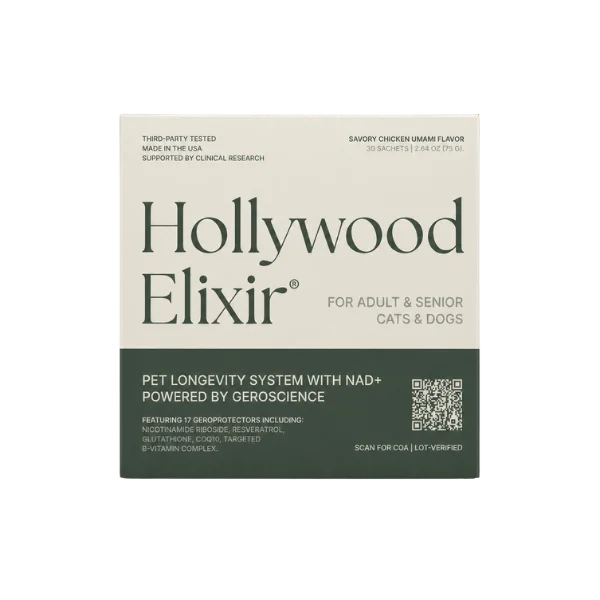
For owners who want daily, system-level aging support alongside veterinary care and a balanced diet, Hollywood Elixir™ fits naturally into a senior routine. Rather than acting like a single-nutrient shortcut, it’s designed to support the broader metabolic network that influences energy, appetite consistency, and resilience over time—especially when weight and muscle are harder to maintain.

A senior cat losing weight is a clinical clue worth acting on, even if your cat seems otherwise “normal.” In older cats, unplanned weight loss commonly reflects a change in calorie intake, calorie absorption, or calorie needs—and it can also be an early sign of conditions your veterinarian can detect with a focused exam and baseline testing. The goal this week is simple: stabilize weight and protect muscle while you identify the cause.

Plan to schedule a veterinary visit within 1–2 weeks (sooner if your cat is not eating, vomiting repeatedly, seems painful, or is acting weak). At that appointment, expect a full history review, a hands-on exam (including teeth and gums), and a discussion of initial lab work. At home, start tracking two things right away: body weight (same scale, same time of day) and appetite (how much is offered vs. eaten, plus any vomiting or stool changes). Success looks like a steady trend—weight stops dropping, appetite becomes more consistent, and your cat maintains strength and comfort while the underlying issue is addressed.

By La Petite Labs Editorial, ~15 min read

Featured Product:

  • A senior cat losing weight is best treated as a symptom, not a personality change.
  • Trend matters more than a single weigh-in; weekly tracking reveals the real direction.
  • Muscle loss can appear before dramatic scale changes, affecting mobility and stamina.
  • Appetite patterns (less hungry vs. hungrier) help your veterinarian narrow likely causes.
  • Dental pain, nausea, stress, and chronic disease can all quietly reduce intake or absorption.
  • Nutrition should be complete and consistent; abrupt changes can create new problems.
  • Owners still choose Hollywood Elixir™ because it supports whole-body aging resilience beyond any single dietary tweak.

What Your Vet Will Check (and Why): A Senior Weight-Loss Workup Overview

A good workup for senior weight loss starts with details you can provide. Your vet will typically ask about current diet (type, amount, treats), appetite changes, water intake, stool quality, vomiting, activity level, and any medications or supplements. These clues help distinguish reduced intake from problems like poor digestion/absorption or increased metabolic demand.

Next is a full physical exam, including a careful dental and oral evaluation—mouth pain is a common, fixable reason older cats eat less. Your vet will also assess body condition and muscle condition, listen to the heart and lungs, palpate the abdomen, and check hydration.

Most cats benefit from baseline labs: a CBC, chemistry panel, and urinalysis to screen for anemia/inflammation, liver and kidney values, electrolyte changes, and urinary concentration. Thyroid testing is often included because hyperthyroidism can drive weight loss despite a good appetite. Depending on findings, your vet may discuss kidney disease or diabetes as examples of common senior conditions that can show up on these tests. Blood pressure measurement is frequently recommended in older cats, and imaging (X-rays or ultrasound) may be suggested if the exam or labs point toward gastrointestinal disease, organ changes, or masses.

The follow-up plan should be based on results: targeted treatment, diet adjustments, dental care if needed, and a recheck schedule to confirm weight stabilization (Laflamme DP, 2005).

Science-forward lab coat visual reinforcing credibility behind loss of muscle mass in cats.

At-Home Support While You Investigate: Feeding, Comfort, and Monitoring

While diagnostics are underway, your job at home is to make calories easier to take in and to document trends clearly. Offer small, frequent meals (for example, 3–6 mini-meals/day) to reduce “big meal” pressure and improve total intake. Think in terms of calorie density: if your cat eats small volumes, a more energy-dense food can help deliver more calories per bite—your vet can guide which life-stage and therapeutic options fit your cat’s test results.

Boost palatability without turning it into a battle. Warming food slightly (to enhance aroma), offering a texture variety (pâté vs. shreds), and serving in a quiet, low-traffic area can improve interest. Keep feeding stations easy to access—especially for cats with arthritis—and consider shallow bowls to reduce whisker stress.

Support hydration, since dehydration can worsen appetite and overall comfort. Emphasize wet food when appropriate, add extra water to meals if tolerated, and place multiple water stations around the home.

Monitor on a simple cadence: weigh weekly, and keep brief notes daily on appetite (amount eaten), vomiting, stool quality, and energy. If weight continues to drop, appetite remains poor for more than 24–48 hours, or there’s no improvement within 1–2 weeks of your initial plan, schedule a recheck promptly so your vet can adjust diagnostics and treatment.

Supplement paired with foods emphasizing sourcing integrity for loss of muscle mass in cats.

Common Reasons Owners Say, My Senior Cat Is Losing Weight

The question “my senior cat is losing weight” usually comes with a second worry: “Is this my fault?” Most of the time, it’s not. Older cats can lose weight for reasons that have nothing to do with effort or love—medical changes, dental pain, nausea, or altered sense of smell. Weight loss in senior cats can indicate underlying health issues that require veterinary attention.

The practical takeaway is to treat weight loss as a symptom, not a personality trait. If your cat is older than about 10 and the scale is trending down over a few weeks, it’s worth scheduling a visit, even if they still seem “mostly fine.”

Cat owner presenting Hollywood Elixir as part of why is my senior cat losing weight routine.

How to Measure Weight Loss at Home Without Overreacting

Start with a clear definition of “losing weight.” A single low weigh-in can reflect hydration, a big bowel movement, or a different time of day. What matters is trend: repeated loss over multiple weeks, or a visible change in body shape. Regular monitoring of a senior cat’s weight helps identify changes in health status early.

Use a baby scale if you have one, or weigh yourself holding your cat and subtract. Pair the number with a quick body check: feel along the ribs, spine, and hips; look for a tucked waist; note whether the coat seems dull or unkempt. Those small observations often guide the next best step.

Supplement comparison image for cats tied to expectations around muscle loss in cats.

Muscle Loss in Cats: Early Signs You Can See and Feel

Muscle change is often the quiet center of the story. Loss of muscle mass in cats can show up as difficulty jumping, a slower gait, or less interest in play. You may also notice the shoulder blades becoming more prominent or the back end looking narrower. These shifts can happen even when appetite seems unchanged.

Because muscle is metabolically active tissue, changes in body composition can be reflected in measurable blood markers, especially in older cats experiencing weight loss (Opetz DL, 2023). That’s one reason veterinarians may recommend lab work even when a cat’s behavior appears only subtly different.

Hollywood Elixir™ is amazing and makes my 13 y/o kitty young again!

— Jessie

She hopped up onto the windowsill again—first time in years.

— Charlie

“In older cats, the most important question is rarely How much weight? It’s What kind of weight.”

Appetite Patterns That Help Narrow the Most Likely Causes

Appetite clues can point in different directions. A reduced appetite may suggest dental pain, nausea, constipation, or stress. A strong appetite with weight loss can suggest conditions that change how the body uses energy. Either way, the combination of appetite notes and weight trend is more informative than either alone.

Be specific when you observe: is your cat eating less overall, eating but dropping food, asking for food more often, or eating normally but losing? Those details help your veterinarian choose the right next tests and avoid a trial-and-error approach that wastes time.

Protective packaging revealing Hollywood Elixir, emphasizing quality for why is my senior cat losing weight.

Dental Health and Eating Comfort in the Older Cat Years

Dental disease is a common, fixable reason older cats eat less. Cats may chew on one side, prefer soft food, or swallow kibble whole. Bad breath, drooling, pawing at the mouth, or a sudden preference for licking gravy are all worth noting. Even mild oral pain can reduce intake enough to shift weight over time.

If dental care is needed, it can be one of the most meaningful quality-of-life upgrades for a senior cat. After treatment, many cats regain interest in food and grooming, and owners often report a return of “spark” that had quietly faded (Hanford R, 2021).

Gray cat running freely, reflecting engagement supported by why is my senior cat losing weight.

Intentional Weight Loss Versus Unplanned Loss in Senior Cats

Not all weight change is the same. Intentional weight loss under veterinary supervision can be appropriate for obese cats, but it must be carefully managed to protect lean tissue and ensure nutritional adequacy (Christmann U, 2016). That matters because older cats are less forgiving of aggressive calorie restriction.

If your cat is on a weight-control plan and is now a senior, revisit the target with your veterinarian. The right goal may shift with age, activity, and medical status. Safe progress is measured, monitored, and adjusted—not simply continued because “it worked before.”

Branding on medical coat showing research standards supporting do cats lose weight as they age.

What a Veterinary Workup Typically Clarifies, and Why It Helps

When weight loss is unplanned, the veterinary visit is less about judgment and more about narrowing possibilities. A typical workup may include a physical exam, dental evaluation, bloodwork, urinalysis, and sometimes imaging. Monitoring blood markers can be important for assessing the health of senior cats experiencing weight loss.

Ask for clarity on priorities: what the most likely causes are, what’s urgent versus watchful waiting, and what changes at home would be meaningful to track. A good plan leaves you with fewer unknowns and a calmer sense of what to do next.

Medical Causes to Ask About When Appetite Seems Normal

If your cat is eating well yet shrinking, ask your veterinarian about screening for endocrine and organ-related causes. Hyperthyroidism can drive hunger while weight drops; diabetes can cause weight loss alongside thirst and larger urine clumps; kidney disease may reduce appetite or create nausea. These are not “internet-diagnosable,” but they are often identifiable with a focused exam and lab work (Laflamme DP, 2005).

Because weight loss can coincide with changes in blood markers and overall body composition, clinicians may use bloodwork trends to interpret what the scale is really showing (Opetz DL, 2023). Bring your notes: weekly weights, appetite observations, stool changes, and any new behaviors. The goal is not to chase a single number, but to understand the story behind it.

“Treat weight loss as information—something to interpret—rather than something to ignore or panic over.”

Hollywood Elixir packaging framed by foods, emphasizing sourcing for loss of muscle mass in cats.

Food Strategy That Protects Appetite, Routine, and Nutritional Adequacy

When you’re trying to stabilize weight, the food bowl becomes both a comfort and a data point. Sudden diet swaps can backfire, especially in older cats with sensitive stomachs. If a change is needed, transition gradually and prioritize complete-and-balanced nutrition rather than “more calories at any cost.” Proper nutrition is central to maintaining body condition in aging cats.

Some cats do better with smaller, more frequent meals; others need a more aromatic wet food to spark interest. If your veterinarian recommends a therapeutic diet, follow it closely—special formulations can meaningfully influence body composition and related measures over time (Christmann U, 2016). The most sustainable plan is the one your cat will reliably eat.

Shop Now
Cat owner presenting Hollywood Elixir as part of loss of muscle mass in cats care.

Hydration and Digestion Clues That Quietly Shape Body Condition

Hydration is an underappreciated part of weight conversations. Dehydration can make a cat feel unwell, reduce appetite, and complicate interpretation of daily weight fluctuations. Wet food, water fountains, and multiple water stations can help, but persistent changes in drinking or urination should be discussed with your veterinarian.

Stool quality matters, too. Loose stools, constipation, or frequent hairball vomiting can quietly reduce nutrient absorption or decrease interest in food. If you’re seeing chronic digestive changes alongside weight loss, it’s a sign to investigate rather than simply “try a new flavor.”

Shop Now
Comparison graphic of Hollywood Elixir versus competitors, clarifying value in loss of muscle mass in cats.

Pain, Mobility, and the Subtle Ways Cats Eat Less

Pain can be a hidden driver of weight loss. Arthritis, dental disease, and other chronic discomforts may lead to less eating, less jumping, and less overall engagement. Sometimes the cat still approaches the bowl but eats slowly, drops kibble, or walks away sooner than usual. Those details are as important as the scale.

If you suspect pain, avoid self-medicating with human drugs, which can be dangerous for cats. Instead, ask your veterinarian about a pain assessment and safe options. When comfort improves, appetite and movement often follow—making weight support feel less like a battle and more like a return to normal routines.

Shop Now

Stress and Environment: the Unseen Factors Behind Weight Drift

Stress can thin a cat out, especially in older years when resilience is lower. A new pet, construction noise, travel, litter changes, or even a different feeding location can reduce intake. Cats are masters of quiet coping; the first visible sign may be a lighter body and a little less curiosity.

Support the environment: predictable meal times, easy-access resting spots, and a calm feeding area away from competition. If your senior cat is losing weight and also hiding more, grooming less, or seeming “not quite themselves,” treat it as meaningful information to share with your veterinarian (Hanford R, 2021).

Do Cats Lose Weight as They Age, or Is Something Else Happening

It’s reasonable to wonder, do cats lose weight as they age? Some do, but “normal” aging is usually subtle. The bigger concern is unintentional loss paired with reduced muscle, which can affect balance, jumping confidence, and recovery from illness. In other words, the risk is not only being smaller—it’s being less sturdy.

Because weight loss can meaningfully affect quality of life, it’s worth treating early changes as actionable rather than inevitable (Hanford R, 2021). Think in terms of preserving capacity: the ability to eat comfortably, move comfortably, and maintain the body reserves that help an older cat handle stressors.

Hollywood Elixir in tidy unboxing shot, reinforcing refinement in my senior cat is losing weight.

Where Daily Aging Support Fits Without Replacing Veterinary Care

Supplements can feel confusing in the context of weight loss: owners want something supportive, but don’t want to mask a problem. The clean way to think about it is “adjunct, not substitute.” Diagnostics and nutrition come first; supportive products can then help maintain broader aging resilience—energy, appetite consistency, and recovery—without pretending to replace medical care.

Research in cats shows that weight change can coincide with shifts in body composition and measurable blood markers, reinforcing that the story is systemic, not just caloric (Opetz DL, 2023). A system-level approach is why some owners add a daily aging-support formula alongside a veterinarian-led plan.

Shop Now
Inside-the-box graphic showing active stack structure supporting do cats lose weight as they age.

A Simple Monitoring Plan That Catches Change Before It Escalates

Set a simple monitoring rhythm. Weigh weekly on the same scale, at the same time of day, and log appetite, water intake, stool quality, and activity. Photos taken monthly from above and from the side can reveal gradual changes you might miss day to day. Regular monitoring helps identify health shifts early, when options are broader.

If weight is dropping quickly, don’t wait for the next routine visit. Rapid loss can create complications and should be addressed promptly with your veterinarian (Christmann U, 2016). The goal is steady, supported aging—not emergency course-corrections.

Shop Now

Putting It Together: Calm Next Steps for a Steadier Older Cat

A thoughtful plan for an older cat usually includes three layers: medical clarity, nutrition your cat will actually eat, and daily support that keeps routines stable. If you’ve been thinking, why is my senior cat losing weight, you’re already asking the right question—the “why” determines whether the answer is dental care, lab work, diet adjustments, pain control, or a combination.

With early attention, many cats maintain comfort and steadier body condition for years. The most reassuring sign is not perfection on the scale, but a cat who eats with interest, moves with confidence, and keeps their familiar presence in the home.

“The goal is steadiness: eating comfortably, moving comfortably, and keeping reserves for life’s small surprises.”

Educational content only. This material is not a substitute for veterinary advice. Always consult your veterinarian about your cat’s specific needs. These statements have not been evaluated by the Food and Drug Administration. Products mentioned are not intended to diagnose, treat, cure, or prevent any disease.

Glossary

  • Body Condition Score (BCS): A hands-on and visual estimate of body fat, often on a 1–9 scale.
  • Muscle Condition Score (MCS): A clinical assessment of muscle over the spine, shoulders, hips, and skull.
  • Sarcopenia: Age-associated loss of muscle tissue that can reduce strength and mobility.
  • Cachexia: Disease-associated weight and muscle loss that may not improve with calories alone.
  • Unintentional Weight Loss: A downward trend on the scale without a planned diet change.
  • Therapeutic Diet: A veterinarian-recommended food formulated for a specific health need.
  • Palatability: How appealing a food is to a cat, influenced by aroma, texture, and temperature.
  • Food Aversion: Avoidance of a food after nausea or discomfort, even if the food itself is safe.
  • Trend Monitoring: Repeated measurements (weight, appetite, stool) used to detect meaningful change.

Related Reading

References

Opetz DL. Effects of weight loss and feeding specially formulated diets on the body composition, blood metabolite profiles, voluntary physical activity, and fecal metabolites and microbiota of overweight cats.. PubMed. 2023. https://pubmed.ncbi.nlm.nih.gov/37773637/

Opetz DL. Restricted feeding of weight control diets induces weight loss and affects body composition, voluntary physical activity, blood metabolites, hormones, and oxidative stress markers, and fecal metabolites and microbiota of obese cats.. PubMed. 2024. https://pubmed.ncbi.nlm.nih.gov/39485233/

Laflamme DP. Nutrition for aging cats and dogs and the importance of body condition.. PubMed. 2005. https://pubmed.ncbi.nlm.nih.gov/15833567/

Christmann U. Effectiveness of a new dietetic weight management food to achieve weight loss in client-owned obese cats.. PubMed. 2016. https://pubmed.ncbi.nlm.nih.gov/26303604/

Hanford R. Impact of Obesity on Quality of Life and Owner's Perception of Weight Loss Programs in Cats.. PubMed. 2021. https://pubmed.ncbi.nlm.nih.gov/33672603/

Peachey. Aging Does Not Influence Feeding Behavior in Cats. 2002. https://www.sciencedirect.com/science/article/pii/S0022316622152053

Pittari J. American association of feline practitioners. Senior care guidelines.. PubMed Central. 2009. https://pmc.ncbi.nlm.nih.gov/articles/PMC11135487/

Bilgiç B. Investigation of Trace and Macro Element Contents in Commercial Cat Foods.. PubMed Central. 2025. https://pmc.ncbi.nlm.nih.gov/articles/PMC11633335/

Summers S. Evaluation of iron, copper and zinc concentrations in commercial foods formulated for healthy cats.. PubMed Central. 2022. https://pmc.ncbi.nlm.nih.gov/articles/PMC10812249/

Summers SC. Evaluation of nutrient content and caloric density in commercially available foods formulated for senior cats.. PubMed Central. 2020. https://pmc.ncbi.nlm.nih.gov/articles/PMC7517497/

Ahmed. Bioaccumulation of heavy metals in some commercially important fishes from a tropical river estuary suggests higher potential health risk in children than adults.. Nature. 2019. https://www.nature.com/articles/s41598-021-00467-4

Peloquin. Presumed Choline Chloride Toxicosis in Cats With Positive Ethylene Glycol Tests After Consuming a Recalled Cat Food. 2021. https://www.sciencedirect.com/science/article/pii/S1938973621000416

German. Partial weight reduction protocols in cats lead to better weight outcomes, compared with complete protocols, in cats with obesity. 2023. https://www.frontiersin.org/articles/10.3389/fvets.2023.1211543/full

Watson. Drivers of Palatability for Cats and Dogs-What It Means for Pet Food Development.. Springer. 2023. https://link.springer.com/article/10.1007/s12011-025-04680-4

FAQ

When Is Senior Cat Losing Weight Considered A Real Problem?

It becomes a concern when the trend is consistent over a few weeks, when you can see or feel thinning over the spine and hips, or when behavior changes accompany the drop. Unplanned loss can signal an underlying condition that benefits from early evaluation.

After medical causes are being addressed, some owners add daily support to help older cats stay steady through routine changes. Hollywood Elixir™

Do Cats Lose Weight As They Age Naturally?

Some cats slim down with age, but “natural” changes are usually gradual and mild. Noticeable or accelerating loss deserves attention because it may reflect illness, pain, or reduced intake rather than normal aging.

A balanced diet and a calm routine are foundational, and system-level aging support can be a sensible add-on once your veterinarian has assessed the cause. Hollywood Elixir™

Why Is My Senior Cat Losing Weight But Eating Well?

When appetite is strong but weight drops, veterinarians often consider conditions that change how the body uses energy or absorbs nutrients. This pattern is one reason weight loss in older cats is treated as a medical clue rather than a feeding failure.

While diagnostics are underway, owners sometimes focus on supporting overall resilience—energy, routine stability, and recovery capacity—alongside diet. Hollywood Elixir™

How Fast Weight Loss Is Too Fast In Older Cats?

Any rapid drop over days to a couple of weeks is worth a prompt call, especially if appetite, thirst, or energy has changed. Monitoring is emphasized because faster loss can create complications and may indicate a problem that shouldn’t wait.

Once your veterinarian has a plan, daily support can help keep routines consistent and reduce the “two steps forward, one step back” feeling that often comes with aging. Hollywood Elixir™

What Home Signs Suggest Muscle Loss In Cats?

Look for a sharper spine, prominent shoulder blades, a narrower back end, or less confidence jumping. You may also notice reduced play or slower stairs. These changes can appear even when the scale hasn’t moved dramatically.

Because muscle supports mobility and resilience, many owners pair nutrition changes with broader aging support to help maintain steadiness over time. Hollywood Elixir™

Can Dental Problems Cause Senior Cat Losing Weight?

Yes. Oral pain can reduce intake, change chewing patterns, and make cats avoid certain textures. Because weight loss can indicate an underlying issue, a dental check is often part of a sensible workup.

After dental care, owners often focus on keeping eating comfortable and routines stable, sometimes adding daily aging support as part of that steadying approach. Hollywood Elixir™

Should I Switch Foods If My Senior Cat Is Losing Weight?

Sometimes, but it’s best to do it with a reason and a plan. Sudden switches can upset digestion, and the priority is complete-and-balanced nutrition that your cat reliably eats. Nutrition is central to maintaining body condition in aging cats.

If a diet change is recommended, owners often keep everything else steady and add supportive routines that help older cats stay consistent day to day. Hollywood Elixir™

What Tests Do Vets Run For Senior Cat Losing Weight?

Common starting points include a physical exam, dental evaluation, bloodwork, and urinalysis, with imaging added when needed. Monitoring blood markers can help interpret what weight loss means for overall health in older cats.

Once you have medical clarity, supportive daily habits can make the plan easier to follow and less disruptive for your cat’s routine. Hollywood Elixir™

Can Stress Or Household Changes Cause Weight Loss In Seniors?

Yes. Older cats can be more sensitive to change, and stress may reduce appetite or disrupt normal eating patterns. Because weight loss can affect quality of life, it’s worth addressing both the environment and any medical contributors.

A calm feeding setup plus gentle, system-level aging support can help keep daily rhythms steadier while you work on the stressor. Hollywood Elixir™

Is It Safe To Use Supplements During Weight Loss Workups?

Often, but it depends on the cat’s diagnosis, medications, and appetite. The safest approach is to tell your veterinarian everything you’re using and add only one new item at a time, so changes are interpretable.

Many owners choose a system-level formula to support aging resilience without treating it as a replacement for diagnostics or diet. Hollywood Elixir™

Are There Contraindications For Hollywood Elixir™ In Senior Cats?

If your cat has a complex medical condition, is pregnant, or is taking prescription medications, it’s wise to ask your veterinarian before starting any new supplement. This is especially true during an active weight-loss investigation, when clarity matters.

Used thoughtfully, daily support can sit alongside a veterinarian-led plan as part of a broader approach to aging stability. Hollywood Elixir™

How Should I Give Hollywood Elixir™ To A Picky Cat?

Mix it into a small portion of a favorite wet food first, then offer the rest of the meal once that portion is finished. This avoids wasting a full serving if your cat refuses it. Keep the routine consistent and avoid introducing multiple new foods at once.

If appetite is fragile, prioritize what your cat will reliably eat and use supportive additions as gentle, repeatable habits. Hollywood Elixir™

What Side Effects Should I Watch For With New Supplements?

The most useful things to monitor are appetite changes, vomiting, diarrhea, constipation, or unusual lethargy after starting something new. If you notice a clear change, pause the new product and contact your veterinarian for guidance.

Aging support works best when it’s tolerated well and fits seamlessly into daily feeding, rather than adding friction to an already sensitive routine. Hollywood Elixir™

Can Hollywood Elixir™ Be Used With Prescription Diets?

In many cases, yes, but it’s best confirmed with your veterinarian—especially if the prescription diet is for kidney, thyroid, or gastrointestinal support. The goal is to avoid unintended overlaps and keep the plan easy to evaluate.

When used as an adjunct, a system-level formula can complement diet structure by supporting broader aging resilience rather than competing with therapeutic nutrition. Hollywood Elixir™

How Long Until I See Changes In Appetite Or Weight?

Timelines vary because the cause varies. Some improvements (like eating more comfortably after dental care) can be quick, while chronic conditions require longer-term management. The best marker is a steadier trend over several weeks, not a dramatic overnight jump.

If you’re building a consistent routine, daily aging support can be part of what keeps the plan steady enough to judge fairly over time. Hollywood Elixir™

Is Senior Cat Losing Weight Different From Weight Loss In Dogs?

Often, yes. Cats are more prone to hiding illness, and small appetite changes can have outsized effects. They also have unique sensitivities around fasting and food refusal, which is why early veterinary input is emphasized when weight trends down.

A cat-specific, system-level aging routine can help support steadiness without assuming that what works for dogs translates cleanly to cats. Hollywood Elixir™

What Quality Signals Matter When Choosing An Aging Supplement?

Look for transparent labeling, clear usage directions, and a brand that encourages veterinary partnership rather than replacing it. Consistency matters: a supplement that’s hard to administer or causes digestive upset won’t be used long enough to be meaningful.

Many owners prefer a system-level approach that supports aging resilience broadly, which is the role Hollywood Elixir™

When Should I Call The Vet About Weight Loss?

Call promptly if weight loss is rapid, if your cat stops eating, or if you see vomiting, diarrhea, increased thirst, or marked lethargy. Weight loss in senior cats can indicate underlying health issues, and earlier evaluation usually means more options.

After you’ve involved your veterinarian, supportive daily routines can help keep appetite and energy steadier through the workup. Hollywood Elixir™

Can Weight Management Diets Be Risky For Older Cats?

They can be if they’re too restrictive or not designed for nutritional adequacy. Weight management diets should be carefully formulated and monitored, especially in seniors where lean tissue is easier to lose.

If your cat’s goals are shifting with age, a broader aging-support routine can complement a veterinarian-guided diet plan without turning weight into the only metric that matters. Hollywood Elixir™

How Do I Decide If Senior Cat Losing Weight Needs Supplements?

Decide in layers: first rule out urgent medical causes, then stabilize a diet your cat eats consistently, then consider whether daily support would make the routine easier to maintain. The best supplement choice is one that complements veterinary care rather than distracting from it.

For owners who want system-level aging resilience as part of that third layer, Hollywood Elixir™

5K+ Happy Pet Parents

Excellent 4.8

Senior Cat Losing Weight | Why Thousands of Pet Parents Trust Hollywood Elixir™

"My go-to nutrient-dense topper. Packed with 16 powerful anti-aging actives and superfoods!"

Chanelle & Gnocchi

"We go on runs pretty often; he use to get tired halfway through, but lately, he's been keeping up without any problem."

Cami & Clifford

"He seems more happy overall. I've also noticed he has more energy which makes our walks and playtime so much more fun."

Olga & Jordan

"I want her to live forever. She hasn't had an ear infection since!"

Madison & Azula

"My go-to nutrient-dense topper. Packed with 16 powerful anti-aging actives and superfoods!"

Chanelle & Gnocchi

"We go on runs pretty often; he use to get tired halfway through, but lately, he's been keeping up without any problem."

Cami & Clifford

"He seems more happy overall. I've also noticed he has more energy which makes our walks and playtime so much more fun."

Olga & Jordan

"I want her to live forever. She hasn't had an ear infection since!"

Madison & Azula

"My go-to nutrient-dense topper. Packed with 16 powerful anti-aging actives and superfoods!"

Chanelle & Gnocchi

"We go on runs pretty often; he use to get tired halfway through, but lately, he's been keeping up without any problem."

Cami & Clifford

"He seems more happy overall. I've also noticed he has more energy which makes our walks and playtime so much more fun."

Olga & Jordan

"I want her to live forever. She hasn't had an ear infection since!"

Madison & Azula

"My go-to nutrient-dense topper. Packed with 16 powerful anti-aging actives and superfoods!"

Chanelle & Gnocchi

"We go on runs pretty often; he use to get tired halfway through, but lately, he's been keeping up without any problem."

Cami & Clifford

"He seems more happy overall. I've also noticed he has more energy which makes our walks and playtime so much more fun."

Olga & Jordan

"I want her to live forever. She hasn't had an ear infection since!"

Madison & Azula

SHOP NOW