Nutrient Sensing Pathways in Cats

How mTOR and AMPK tip cats toward repair or faster aging

By La Petite Labs Editorial 15 min read

Woman cuddling an orange-and-white cat and a silver tabby while holding a Hollywood Elixir box
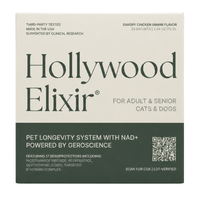
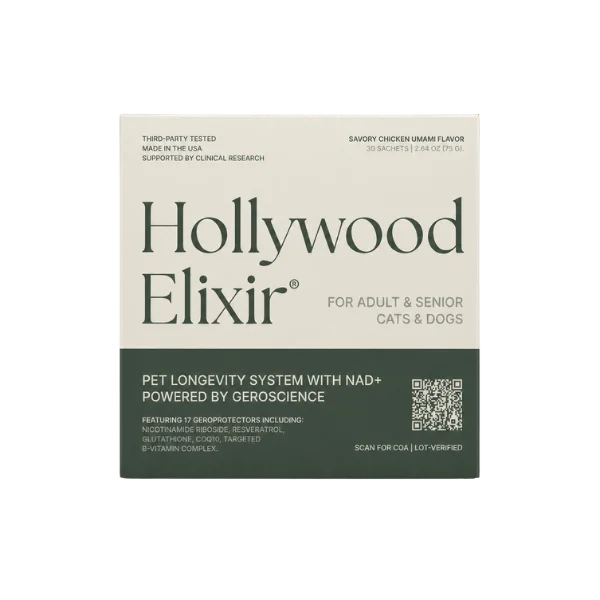
Hollywood Elixir® Daily longevity system · adult & senior cats Starting at $63/month 

Nutrient sensing is how a cat’s cells decide, meal by meal, whether to build, store, repair, or conserve — and two signals dominate the conversation: mTOR, associated with growth and building after meals, and AMPK, associated with low-energy states and cellular upkeep. Excess calories and low activity can keep mTOR high and AMPK low, tilting cells toward growth over repair, which is part of why a cat can look “fine” for years and then seem to age suddenly.

Neither signal is good or bad on its own; what matters is calibration — how often each state runs, and whether the body moves between them smoothly. That’s why “nutrient sensing pathways in cats explained” is never about one ingredient or one feeding style: weight, stress, sleep, and age all shape the signaling context. This page covers the visible signs an imbalance can drive, and the nutrition and lifestyle steps — steady body condition, adequate protein, consistent routines — that help restore balance safely, alongside good veterinary care.

  • Nutrient sensing translates food availability into cellular decisions about growth, repair, and energy use.
  • mTOR tends to support building and protein synthesis; AMPK tends to support efficiency and cellular maintenance.
  • Excess calories and low activity keep mTOR high and AMPK low, shifting cells toward growth over repair.
  • Aging is often a timing problem: the same signals become less well-calibrated as routines, appetite, and activity shift.
  • The most durable levers are indirect and unglamorous: stable body condition, consistent feeding, gradual weight correction, early dental and joint care.
  • Treat sirtuins and ketogenic ideas as frameworks, not promises; choose support that aligns with aging biology rather than “hacking” one signal.

Why Cellular Fuel Decisions Matter Across a Cat’s Whole Life

When people talk about “nutrient sensing,” they’re describing the quiet internal accounting that helps a cat decide what to do with incoming fuel: store it, burn it, build with it, or conserve it. In practice, nutrient sensing pathways in cats are a set of cellular signals that translate food availability into decisions about growth, repair, inflammation, and energy use (Barbeau-Grégoire M, 2022). Two of the best-known signals are mTOR (often associated with building and growth) and AMPK (often associated with energy conservation and cellular housekeeping).

This matters because aging is, in part, a story of trade-offs. A body that is always in “build” mode may neglect repair; a body that is always in “save” mode may lose resilience. Understanding nutrient sensing pathways in cats helps explain why weight, appetite, muscle tone, and even cognitive aging can shift over time, and why diet changes sometimes help—and sometimes don’t—unless the broader system is supported (Barbeau-Grégoire M, 2022).

Woman kneeling with two long-haired tabby cats while holding a Hollywood Elixir box beside a food bowl

mTOR and AMPK: a Balance Between Building and Maintenance

mTOR and AMPK are often presented as opposites, but in a healthy cat they function more like a well-timed relay. mTOR activity generally rises when nutrients—especially amino acids—are available, nudging cells toward growth and protein synthesis. AMPK tends to rise when cellular energy is low, encouraging energy efficiency and repair-oriented processes. Nutrient sensing pathways in cats are therefore less about “on/off” switches and more about timing and proportion (Barbeau-Grégoire M, 2022).

Aging can make timing harder. Older cats may have altered appetite patterns, reduced activity, and changing muscle metabolism, all of which can shift the signals that mTOR and AMPK respond to. The goal isn’t to suppress growth forever; it’s to preserve the ability to build when needed and to recover when stressed. That balance is one reason longevity conversations focus on these signals in the first place.

Woman exercising beside a tabby cat, with a Hollywood Elixir box and food bowl on a small table

When Eating More Doesn’t Build More: Aging and Lean Mass

Understanding nutrient sensing pathways in cats can also clarify why “more food” is not always the right answer for a thin senior. If a cat is losing lean mass, the issue may involve digestion, dental pain, kidney disease, hyperthyroidism, or simply reduced anabolic response to meals. Nutrient sensing is part of the backdrop, but it’s rarely the only actor. The first step is always to identify medical drivers with your veterinarian.

Once health issues are addressed, nutrition strategy becomes more precise: adequate high-quality protein, palatable calories, and feeding patterns that your cat can maintain. In that context, supportive products are best viewed as helping the body handle aging-related stress and recovery demands, not as a shortcut around diagnostics or diet quality.

Orange-and-white cat reaching toward a woman holding a Hollywood Elixir box while sitting in a chair

The Whole Environment Shapes Signaling More Than One Ingredient

Owners often ask whether there is a single “best” way to influence nutrient sensing. The honest answer is that most levers are indirect: body condition, activity, sleep, and the stability of daily routines. Nutrient sensing pathways and their role in cats are shaped by the whole environment the cat lives in, including stress and inflammation, not just macronutrients.

That’s also why the most credible longevity strategies look boring: consistent feeding, gradual weight correction, and early attention to dental disease and arthritis. If you add a supplement, choose one that fits this “boring but durable” philosophy—supporting resilience across systems rather than promising to manipulate a single signal.

Gray-haired man holding a Hollywood Elixir box while two cats rest beside him in an armchair

Aging as a Series of Trade-offs, Not a Single Switch

One reason nutrient sensing pathways in cats have become a popular topic is that they connect everyday choices to long-term outcomes without requiring a dramatic narrative. These signals influence how cells allocate resources between maintenance and growth, and that allocation can shape the pace of age-related change. In other words, nutrient sensing is one of the ways “today” quietly negotiates with “later.”

Still, it’s easy to overinterpret. A cat’s longevity is influenced by genetics, indoor safety, dental health, kidney function, and veterinary care. Nutrient sensing is a meaningful layer, not the whole story. The most useful approach is to treat it as a framework for steadiness: fewer extremes, more consistency, and support that respects the complexity of aging.

“In healthy aging, the goal isn’t to silence growth signals—it’s to keep timing intact.”

What Current Research Can and Cannot Promise for Cats

If you’re reading nutrient sensing pathways in cats research, you’ll notice a recurring theme: diet can modulate signaling, but effects depend on context. Discussions include how targeted dietary interventions could be developed for various feline health conditions, reflecting the idea that nutrient sensing is responsive rather than fixed. This is promising, but it also means there is no universal “perfect” feeding pattern that overrides individual biology.

A practical way to apply research is to focus on measurable outcomes: body condition score, muscle condition, coat quality, mobility, and lab trends when indicated. If a change doesn’t improve those markers, it may not be helping, even if it sounds mechanistically elegant. Science is most useful when it stays accountable to the cat in front of you.

Tabby cat looking up at a Hollywood Elixir sachet held above it, with the product box on a small table

Maintenance Rhythms: Why Extremes Often Create Instability

Aging discussions often circle back to “cellular cleanup,” sometimes described as recycling worn-out components. Energy-sensing signals are part of how that cleanup is scheduled. When energy is constrained, cells may prioritize maintenance behaviors; when energy is abundant, cells may prioritize building. This rhythm is normal, and it’s one reason extreme feeding patterns can be disruptive over time.

For senior cats, the goal is not to chase scarcity. It’s to preserve flexibility: the ability to respond appropriately to meals, activity, and stress. That’s why owners often do best with gentle adjustments—portion control, play that respects joints, and nutrition that supports lean mass—rather than dramatic dietary swings.

Hand gently petting an orange-and-white cat beside a food bowl and Hollywood Elixir box

Protein, Amino Acids, and Species-specific Feline Priorities

Because cats are obligate carnivores, protein and amino acids are especially relevant inputs into nutrient sensing. Amino acid availability can influence growth-leaning signals, while overall energy status influences conservation-leaning signals. The point isn’t that protein is always “good” and carbs are always “bad”; it’s that cats interpret macronutrients through a species-specific lens, and the same diet can land differently depending on age and health.

If your cat has kidney disease or other conditions where protein strategy becomes nuanced, follow your veterinarian’s plan. In those cases, the most responsible support is the kind that complements medical nutrition—supporting overall vitality and stress resilience—without trying to override the therapeutic intent of the diet.

Man holding a Hollywood Elixir box beside a black cat, an orange tabby and a food bowl

Why “Hacking” One Signal Rarely Works in Real Homes

It’s tempting to treat nutrient sensing as a set of buttons you can press: lower mTOR, raise AMPK, activate sirtuins. Real biology is less obedient. Signals respond to patterns—meal timing, activity, sleep, inflammation, and body composition—so the most effective changes are usually the least theatrical. In practice, a durable plan works with those patterns instead of treating the pathways as switches.

If you want a simple decision rule, choose interventions that are safe, consistent, and measurable. If you can’t measure a benefit—energy, mobility, coat, appetite stability—treat the intervention as optional. Supplements can be part of a thoughtful plan when they’re used as steady support for aging systems rather than as a promise of control.

Which Signals Matter Most When Owners Think About Longevity

If you’re trying to identify which nutrient-sensing signals to watch in cats, it’s less about ranking and more about a small cast of recurring characters. mTOR and AMPK are central, and sirtuins are often discussed alongside them in longevity-leaning conversations (Matysek A, 2023). These signals don’t act in isolation; they respond to amino acids, energy status, and cellular stress, then feed into protein turnover, mitochondrial function, and inflammatory tone.

The practical takeaway is modest: support the conditions under which these systems behave well. That means stable body condition, consistent feeding routines, and nutrition matched to your cat’s life stage — then, if you add support, choosing a formula that respects aging biology rather than chasing a single “magic” nutrient. (see our Cat Life Stages →)

“The most durable longevity strategies tend to look boring: consistent routines, stable weight, and measured change.”

Silver tabby sitting beside a food bowl and a Hollywood Elixir box held in a person's hand

DVM Voice: Clinical Vignette of a Common Pattern in Senior Cat Aging

Case provided by JoAnna Pendergrass, DVM

Sasha, a 12-year-old cat, was brought in after her owner noticed increased thirst and urination, lethargy, vomiting, and a generally unkempt appearance. Examination showed weight loss, elevated blood pressure, and reduced vitality.

Diagnostic testing revealed elevated kidney markers, poorly concentrated urine, and protein loss in the urine — findings consistent with chronic kidney disease, one of the most common chronic conditions in senior cats.

Her care required a kidney-focused diet, blood pressure management, targeted supplementation, medication support, and regular monitoring — a necessary plan, but one started after clinical signs were already visible.

Clinical takeaway: Sasha’s case reflects why senior-cat wellness should begin before obvious decline. Earlier monitoring, body-condition tracking, hydration awareness, antioxidant support, and daily cellular resilience may help support quality of life as cats age.

Single-case vignette. Not generalizable. Veterinary diagnosis and monitoring are essential for increased thirst, urination, vomiting, lethargy, weight loss, or suspected kidney disease.

Explore Hollywood Elixir Research →
Woman holding a Hollywood Elixir box toward a brown cat perched on the back of a sofa

A Clear, Grounded View of Nutrient Sensing Without Hype

“Nutrient sensing pathways in cats explained” often starts with a simple idea: cells read the room. When nutrients are plentiful, signals tend to favor building—making proteins, storing energy, and supporting reproduction. When nutrients are scarce or energy is low, signals tend to favor efficiency—recycling damaged components and prioritizing survival. In cats, these decisions still follow mammalian patterns, even though cats have distinctive dietary preferences and protein needs (Barbeau-Grégoire M, 2022).

The nuance is that “plenty” and “scarcity” aren’t only about calories. They can reflect amino acid availability, cellular energy charge, and stress signals. That’s why two cats eating similar calories can look different in muscle, coat, and stamina: their internal signaling context may not be identical. This is also why supportive formulas are typically framed as network support—helping the body handle stress and aging—rather than as a single lever that flips mTOR or AMPK on command.

Woman leaning toward a fluffy orange cat beside a Hollywood Elixir box and green food bowl

Obesity, Feedback Loops, and Why Resetting Can Be Difficult

Obesity is one of the clearest real-world disruptors of nutrient sensing pathways and their role in cats. Excess adiposity changes circulating metabolites and can reshape how tissues interpret energy availability, which can ripple into appetite regulation, insulin signaling, and inflammatory tone (Barić Rafaj R, 2025). Importantly, this isn’t a moral story about willpower; it’s a biology story about feedback loops that become harder to reset the longer they run.

If weight management is part of your cat’s plan, the goal is to restore a calmer signaling environment: gradual body-condition improvement, adequate protein to protect lean mass, and routines that reduce “feast/famine” swings. For older cats especially, supporting resilience—energy, mobility, and recovery—can matter as much as the number on the scale. A system-level supplement can fit here as a steady, low-drama layer alongside veterinary guidance.

Tabby cat licking its nose beside a food bowl and Hollywood Elixir box

Carbohydrates, Context, and What the Research Actually Suggests

Carbohydrates are often treated as the villain in feline nutrition, but the research picture is more restrained than internet certainty. In controlled settings, dietary carbohydrates did not necessarily increase body fat in cats, and fasted insulin and glucose measures may remain stable in some contexts (Godfrey H, 2025). That doesn’t mean every cat thrives on the same macronutrient mix; it means nutrient sensing pathways in cats respond to more than a single ingredient category.

For many cats, the bigger issue is overall energy balance, palatability-driven overeating, and low activity—factors that can quietly distort signaling over time. If you’re considering a diet change, aim for a plan that your cat can sustain and your veterinarian can monitor. The most durable improvements tend to come from consistency, not extremes.

Ketogenic Ideas: Interesting Theory, Limited Feline Evidence so Far

Ketogenic-style feeding is sometimes discussed as a way to influence cellular fuel sensing, but nutrient sensing pathways in cats research is still limited here. Reviews suggest ketogenic diets may affect nutrient sensing in cats in ways that resemble observations in dogs, yet the evidence base in cats remains thin and calls for more investigation (THA, 2024). Cats also have species-specific metabolic traits, so translating trends from other animals is not straightforward.

If you’re curious about ketosis or very low-carbohydrate approaches, treat it as a veterinary conversation—especially for cats with kidney disease, diabetes, pancreatitis history, or appetite instability. The safer, more generalizable approach is to support metabolic flexibility and healthy body composition without forcing a narrow dietary ideology. Supplements positioned around aging support can be complementary, but they should not be used to justify risky feeding experiments.

Sirtuins, Brain Aging, and the Limits of What We Know

Sirtuins are often introduced as “longevity proteins,” but a more grounded description is that they help cells respond to nutrient availability and stress. In cats, sirtuin pathways have been discussed in relation to nutrient sensing and potential links to cognitive health, with impaired nutrient sensing associated with dementia-like processes in broader research contexts (Matysek A, 2023). That’s not a promise of prevention; it’s a clue about where biology may be vulnerable as cats age.

For owners watching subtle changes—sleep-wake shifts, disorientation, altered social behavior—the most useful step is a veterinary evaluation to rule out pain, thyroid disease, hypertension, and sensory loss. If cognitive aging is part of the picture, supporting the overall cellular stress response becomes a reasonable, conservative goal. That’s where system-level formulations may feel relevant: they’re designed to support the network, not to “fix” a single pathway.

Tabby cat sitting at a table with a food bowl and Hollywood Elixir box

Therapeutic Diets and How They Can Shift Signaling Priorities

Therapeutic diets can sometimes shift signaling in meaningful ways. There is discussion that enriched therapeutic diets may modulate nutrient sensing pathways, potentially influencing outcomes in specific feline conditions (Barbeau-Grégoire M, 2022). The key word is “therapeutic”: these diets are designed with a clinical goal in mind, and their benefits depend on matching the right diet to the right cat, then sticking with it long enough to see a trend.

If your cat is on a prescription diet, it’s still reasonable to think about supportive layers that don’t compete with the diet’s intent. The most science-minded approach is to avoid stacking multiple aggressive changes at once. Choose one stable base (the diet), then add gentle, consistent support that aligns with aging biology—energy, recovery, and oxidative balance—while your veterinarian monitors progress.

Woman cuddling a silver tabby and a cream-colored cat while holding a Hollywood Elixir box

Daily Life: How Signals Track Meals, Fasting, Stress, and Recovery

Day to day, nutrient-sensing pathways act like internal thresholds. After meals, signals read amino acids and energy status and decide whether to prioritize building and storage or keep resources available; during fasting or low intake, they favor conservation and cellular cleanup (Barbeau-Grégoire M, 2022). Over years, the balance of these states influences body composition, stamina, and how “old” a cat seems. Owners can’t micromanage the signals, but they can shape the environment around them: steady routines, appropriate calories, adequate protein, and early attention to weight drift.

If you want a daily support layer, the honest frame is system-level, not signal-hacking. Hollywood Elixir is a food-mixed longevity formula for aging cats with disclosed actives — including resveratrol at 15 mg and nicotinamide riboside at 60 mg per serving — meant to support the broader metabolic and cellular-energy network these signals sit within, alongside a complete diet. It is not a way to flip mTOR or AMPK on command, and it complements veterinary care rather than replacing it.

Practical Takeaways That Respect Complexity and Support Longevity

Nutrient sensing matters most at the edges: the senior cat who loses muscle despite eating, the indoor cat whose weight creeps up, the anxious eater who cycles between restriction and overindulgence. These aren’t just behavior stories — they’re physiology stories that involve signaling, stress, and time (Barić Rafaj R, 2025).

So think in trends, not hacks. Track body condition, appetite, litter-box changes, and play tolerance, and recheck labs when your veterinarian recommends it. When you add supportive products, choose ones that fit the long view: consistent, conservative, and designed around resilience rather than control. That steadiness, repeated over months, is what actually shapes how a cat ages.

“Aging is a network story; supporting the network can matter even when the diet is excellent.”

Educational content only. This material is not a substitute for veterinary advice. Always consult your veterinarian about your cat’s specific needs. These statements have not been evaluated by the Food and Drug Administration. Products mentioned are not intended to diagnose, treat, cure, or prevent any disease.

Glossary

  • Nutrient sensing: The process by which cells detect fuel availability and adjust growth, repair, and energy use.
  • mTOR: A signaling hub often associated with growth, protein synthesis, and “building” states after feeding.
  • AMPK: A signaling hub often associated with low-energy states, efficiency, and maintenance-oriented cellular responses.
  • Sirtuins: Proteins involved in stress and nutrient response; frequently discussed in aging and cognitive resilience contexts.
  • Metabolic flexibility: The ability to shift smoothly between fuel sources and physiological states without instability.
  • Body condition score (BCS): A hands-on assessment of fat stores used to guide healthy weight targets.
  • Muscle condition score (MCS): An assessment of muscle mass that helps detect sarcopenia or muscle loss.
  • Anabolic response: The body’s tendency to build tissue (especially muscle) after meals and adequate protein intake.
  • Therapeutic diet: A veterinarian-directed diet formulated to support a specific medical condition.

Related Reading

References

Barbeau-Grégoire M. A 2022 Systematic Review and Meta-Analysis of Enriched Therapeutic Diets and Nutraceuticals in Canine and Feline Osteoarthritis. PubMed. 2022. A 2022 Systematic Review and Meta-Analysis of Enriched Therapeutic Diets and Nutraceuticals in Canine and Feline Osteoarthritis.

Matysek A. Targeting impaired nutrient sensing via the sirtuin pathway with novel compounds to prevent or treat dementia: A systematic review. PubMed. 2023. Targeting impaired nutrient sensing via the sirtuin pathway with novel compounds to prevent or treat dementia: A systematic review.

Godfrey H. A meta-analysis: dietary carbohydrates do not increase body fat or fasted insulin and glucose in cats. PubMed. 2025. A meta-analysis: dietary carbohydrates do not increase body fat or fasted insulin and glucose in cats.

THA. Ketogenic diets: A systematic review of current scientific evidence and possible applicability in dogs and cats. PubMed. 2024. Ketogenic diets: A systematic review of current scientific evidence and possible applicability in dogs and cats.

Barić Rafaj R. Metabolic Profiles of Feline Obesity Revealed by Untargeted and Targeted Mass Spectrometry-Based Metabolomics Approaches. PubMed. 2025. Metabolic Profiles of Feline Obesity Revealed by Untargeted and Targeted Mass Spectrometry-Based Metabolomics Approaches.

Crimmins. Lifespan and Healthspan: Past, Present, and Promise. Springer. 2015. https://link.springer.com/article/10.1007/s11357-025-01521-z

Kuleš. Combined Untargeted and Targeted Metabolomics Approaches Reveal Urinary Changes of Amino Acids and Energy Metabolism in Canine Babesiosis With Different Levels of Kidney Function. 2021. https://www.mdpi.com/2306-7381/12/8/697

Yang. Dietary Modulation of the Gut Microbiota in Dogs and Cats and Its Role in Disease Management. 2025. Dietary Modulation of the Gut Microbiota in Dogs and Cats and Its Role in Disease Management

Memoli. Variations in body condition score, inflammatory and metabolic biomarkers predict cognitive changes in clinically healthy senior cats. 2025. Variations in body condition score, inflammatory and metabolic biomarkers predict cognitive changes in clinically healthy senior cats

Crossley VJ. Vitamin D toxicity of dietary origin in cats fed a natural complementary kitten food. PubMed. 2017. Vitamin D toxicity of dietary origin in cats fed a natural complementary kitten food.

Watson PE. Drivers of Palatability for Cats and Dogs-What It Means for Pet Food Development. PubMed Central. 2023. Drivers of Palatability for Cats and Dogs-What It Means for Pet Food Development.

Guo X. The Role of Plant Extracts in Enhancing Nutrition and Health for Dogs and Cats: Safety, Benefits, and Applications. PubMed Central. 2024. The Role of Plant Extracts in Enhancing Nutrition and Health for Dogs and Cats: Safety, Benefits, and Applications.

Vecchiato. Case Report: A Case Series Linked to Vitamin D Excess in Pet Food: Cholecalciferol (Vitamin D3) Toxicity Observed in Five Cats. 2021. Case Report: A Case Series Linked to Vitamin D Excess in Pet Food: Cholecalciferol (Vitamin D3) Toxicity Observed in Five Cats

Cave NJ. The bioavailability and disposition kinetics of genistein in cats. PubMed. 2007. The bioavailability and disposition kinetics of genistein in cats.

Wang J. Pharmacokinetics of the novel COX-2 selective inhibitor vitacoxib in cats: The effects of feeding and dose. PubMed. 2019. Pharmacokinetics of the novel COX-2 selective inhibitor vitacoxib in cats: The effects of feeding and dose.

Kong J. The Pharmacokinetic and Absolute Bioavailability of Cyclosporine (Atopica for Cats()) in Cats. PubMed Central. 2023. The Pharmacokinetic and Absolute Bioavailability of Cyclosporine (Atopica for Cats(®)) in Cats.

Martinez MN. Impact of gastrointestinal differences in veterinary species on the oral drug solubility, in vivo dissolution, and formulation of veterinary therapeutics. PubMed Central. 2022. Impact of gastrointestinal differences in veterinary species on the oral drug solubility, in vivo dissolution, and formulation of veterinary therapeutics.

Schuh. Pharmacokinetics of a single orally administered therapeutic dosage of cyclosporine A in healthy cats. 2023. Pharmacokinetics of a single orally administered therapeutic dosage of cyclosporine A in healthy cats

Miah. Clinical Pharmacokinetics. 2019. https://www.sciencedirect.com/topics/pharmacology-toxicology-and-pharmaceutical-science/clinical-pharmacokinetics

Kong. The Pharmacokinetic and Absolute Bioavailability of Cyclosporine (Atopica for Cats) in Cats. 2023. The Pharmacokinetic and Absolute Bioavailability of Cyclosporine (Atopica for Cats®) in Cats

Bilgiç B. Investigation of Trace and Macro Element Contents in Commercial Cat Foods. PubMed Central. 2025. Investigation of Trace and Macro Element Contents in Commercial Cat Foods.

Summers S. Evaluation of iron, copper and zinc concentrations in commercial foods formulated for healthy cats. PubMed Central. 2022. Evaluation of iron, copper and zinc concentrations in commercial foods formulated for healthy cats.

FAQ

What are nutrient sensing pathways in cats, in plain language?

Nutrient sensing pathways in cats are cellular signals that “read” incoming fuel and decide whether to build, store, or conserve energy. They help coordinate growth, repair, and day-to-day metabolism based on what a cat eats and what the body needs. Because aging changes appetite, activity, and resilience, many owners focus on steady routines plus system-level support that complements a complete diet.

How do nutrient sensing pathways work in cats day to day?

After meals, cells interpret amino acids and energy status and tend to favor building and storage; during low intake, they tend to favor conservation and cellular maintenance. That shifting balance is essentially how do nutrient sensing pathways work in cats in real life. Owners can’t micromanage the signals, but they can support steadier inputs: stable body condition, predictable feeding, and age-appropriate nutrition.

Are carbohydrates always harmful to nutrient sensing in cats?

Not always. In some controlled research, dietary carbohydrates did not increase body fat in cats, and fasted insulin and glucose measures did not necessarily change(Godfrey H, 2025). Individual cats still vary, especially with age, activity level, and medical conditions. Instead of demonizing one macronutrient, aim for a complete diet your cat does well on, then support the broader aging system around it.

Is it safe to try to “activate AMPK” in cats?

Be cautious with any plan framed as “activating” a single signal. Nutrient sensing pathways in cats are interconnected, and aggressive interventions can backfire, especially in seniors or cats with kidney disease, diabetes, or appetite instability. The safer approach is steady weight management, appropriate calories, and veterinary-guided nutrition. If you want supportive care that doesn’t require forcing a pathway, choose options designed for broad aging resilience.

Could supplements interfere with prescription diets and nutrient sensing goals?

They can, depending on the condition and the supplement. Therapeutic diets may be designed to modulate nutrient sensing and related metabolic outcomes, so it’s wise to keep your veterinarian in the loop before adding new products. The goal is alignment, not competition. A practical strategy is to keep the diet stable and add only conservative, system-level support with clear monitoring.

Do breed or size differences change nutrient sensing in cats?

Breed and size can influence appetite, activity, and body composition, which can indirectly shape signaling. But in most homes, the bigger drivers are lifestyle and health status: indoor activity, stress, dental pain, and weight drift. Those factors tend to matter more than breed labels. If you’re tailoring a plan, use your cat’s body condition and behavior as the guideposts, and involve your veterinarian when changes are persistent.

When might I notice changes after improving my cat’s routine?

For routine changes—portion control, play, consistent feeding—some cats show appetite stability and energy changes within a few weeks, while body composition changes take longer. Because nutrient sensing responds to patterns, the timeline is usually measured in weeks to months, not days. Track a few simple markers (weight, body condition, play tolerance) and reassess with your veterinarian.

What quality signals matter most when choosing a cat supplement?

Look for clear ingredient disclosure, sensible positioning (support, not cures), and manufacturing practices that suggest consistency from batch to batch. It also helps when a product is designed to complement a complete diet rather than implying food is inadequate. Because nutrient sensing is a network, many owners prefer formulas framed around broad resilience rather than single-pathway promises.

Orange-and-white cat beside a Hollywood Elixir box held in a person's hand

Discover LPL-01: How This Fits Into a Larger Feline Longevity System

Aging in cats unfolds quietly. It’s not driven by a single failure, but by gradual shifts across interconnected systems — cellular energy, oxidative balance, immune tone, and tissue integrity — each influencing the others over time.

This article explores one layer of that system. To understand what actually shapes long-term health, you need to step back and look at how these layers interact.

Start with the underlying science:

Keep exploring

What would you like to understand next?

Search practical guides about healthy aging, cellular energy, ingredients, and daily support for cats.