
The 12 Hallmarks of Aging in Dogs, Explained
Read full insightNAD, NADH, NADP, and NADPH for Cats
Map the cell's energy currency and support brain, kidneys, and recovery speed
By La Petite Labs Editorial 15 min read

NAD for cats is shorthand for a family of four related coenzymes—NAD, NADH, NADP, and NADPH—that act as your cat’s cellular currency for energy, antioxidant defense, and repair, and tend to run tighter with age. They are easy to confuse but split into two redox pairs: NAD↔NADH powers energy-yielding reactions, while NADP↔NADPH supplies reducing power for biosynthesis and antioxidant control. The difference between them is one phosphate group, which is enough to route each pair into different enzymes and cellular jobs—so “NAD vs NADP” is not interchangeable, and cells keep separate ratios for each (Yang, 2016). For an aging cat, the question owners actually ask is whether you can support a shrinking NAD pool, usually through precursors like nicotinamide riboside, and how to do it safely. This page explains what each molecule does, what signs may suggest strain, and how to discuss support with your veterinarian.
- NAD, NADH, NADP & NADPH for cats are four distinct coenzymes—cellular currencies for energy transfer, antioxidant defense, and repair—not one interchangeable “energy booster.”
- “NAD vs NADP/NADPH” comes down to one phosphate group that sends each pair to different jobs and compartments.
- Aging can narrow the NAD pool and change how it’s allocated, shifting recovery and stress tolerance before obvious illness appears.
- Owner-facing focus areas are brain/behavioral aging and kidney leeway, where small routine drift often precedes dramatic symptoms.
- A common mistake is “just give NADH”; research instead focuses on supporting NAD availability via precursors like nicotinamide riboside—and that evidence is not feline dosing guidance.
- Track at home: play duration, jump choices, grooming, water-intake and litter trends, and weekly weight.
- The safest plan is deliberate pacing: stabilize routine basics first, then add any supportive product one at a time and watch the response.
NAD/NADH vs NADP/NADPH: two systems for two kinds of cellular work
Inside feline cells, NAD/NADH and NADP/NADPH are typically maintained as two semi-independent systems because they serve different reaction classes. NAD+/NADH is used heavily in catabolic reactions—steps that extract electrons from fuels and funnel them toward ATP production. In mitochondria, NADH donates electrons to Complex I of the electron transport chain (ETC), supporting oxidative phosphorylation. NAD+ is also regenerated as carbon flows through pathways such as the TCA cycle, keeping catabolism moving (Yang, 2016).
By contrast, NADP+/NADPH is biased toward anabolic reactions and antioxidant capacity. NADPH provides reducing equivalents for biosynthetic enzymes (for example, fatty acid synthesis in the cytosol) and for glutathione/antioxidant systems that buffer reactive intermediates. A major point of separation is compartment emphasis: NADH is tightly coupled to mitochondrial respiration, whereas NADPH is often generated and consumed in the cytosol (and also within mitochondria via dedicated enzymes) to support reductive chemistry and oxidative stress handling (Yang, 2016).
Because the phosphate group steers enzyme specificity, a cell cannot simply “swap” NADH for NADPH when demand shifts; it must regulate each redox pair and its producing pathways to match the type of work being performed.

Where each form is used in a cat: quick map of pathways and what ‘low’ might imply
A practical way to keep these molecules straight is to map them to pathway neighborhoods. NADH is produced during fuel oxidation and is consumed at the electron transport chain, where it transfers electrons into respiratory complexes to support ATP generation. NAD+ availability and the NAD pool size can therefore influence how smoothly dehydrogenase steps run and how much reducing input reaches the ETC (Yang, 2016).
NADPH, in contrast, is classically supplied by the pentose phosphate pathway and other NADP-dependent dehydrogenases, then spent on reductive biosynthesis and oxidative stress handling. In glutathione/antioxidant systems, NADPH helps recycle reduced glutathione, which supports peroxide detoxification and redox buffering during inflammatory or toxic challenges (Yang, 2016).
Interpretation caution: “low NAD pool” and “low NADPH pool” are not interchangeable statements. A shift in NAD+/NADH ratio can reflect altered catabolic flux or mitochondrial redox pressure, while a shift in NADP+/NADPH ratio can reflect constrained NADPH generation (e.g., pentose phosphate pathway throughput) or elevated demand for antioxidant recycling. These are mechanistic hypotheses rather than stand-alone diagnostic conclusions, and they often require context about tissue, compartment (mitochondria vs cytosol), and concurrent stressors (Yang, 2016).

Why the NAD Pool Tends to Shrink with Age
With age, the NAD pool usually gets tighter—not because a cat is “deficient” in a simple vitamin sense, but because demand for repair and stress signaling rises and leaves less NAD for routine energy transfer (Lautrup, 2019). The cellular budget is squeezed, and the tradeoffs show up in behavior and recovery.
Because cats mask discomfort, the first clue is usually a change in choices, not a dramatic symptom. A cat that used to greet at the door may start waiting from a distance, or pause halfway up the stairs to reassess. Those are meaningful signals that the cat is managing leeway carefully. Pairing these observations with regular weight checks and steady hydration helps separate “slower” from “struggling.”

Sirtuins, PARP, and the Cost of Repair
Two major NAD-consuming enzyme families—sirtuins and PARP—help coordinate stress responses and DNA repair, and their activity can change what remains available for energy metabolism. When repair demand rises, NAD can be diverted away from routine cellular work, which may show up as slower recuperation speed after exertion or stress. This is one reason “more calories” does not always translate into more vitality in an older cat.
A useful household routine is to notice what triggers a longer recovery: a loud delivery, a new visitor, a car ride, or a grooming session. If the cat hides for hours afterward or skips the next meal, the day’s repair costs may be high. Keeping the home environment more orderly—predictable feeding times, quiet resting zones, and gentle play—can reduce unnecessary withdrawals from the same cellular budget.

Redox Balance: Where NADPH Quietly Matters
NADPH is a key supplier of reducing power used by antioxidant systems that manage oxidative stress and support clearance of reactive byproducts. In the nervous system, NADPH-related histochemistry is even used to map nitric-oxide-associated neuronal populations in cats, underscoring that NADPH-linked biology is not abstract in this species (Mizukawa, 1989). When NADPH supply is constrained, cells may have a harder time keeping chemistry more orderly during inflammation, kidney strain, or cognitive aging.
Owners cannot measure NADPH at home, but they can watch for indirect signs of redox strain: coat that looks dull despite normal grooming effort, longer “settling time” after activity, or a cat that becomes picky because strong smells seem more bothersome. These are not specific to one disease, yet they help justify a calmer routine and a veterinary discussion about kidney screening and age-related brain changes rather than assuming the cat is simply being difficult.
“In cats, early energy decline often looks like changed choices, not collapse.”
Primary Focus: Brain Aging and Behavioral Shifts
In aging brains, NAD-related pathways are discussed as part of how neurons manage energy, stress signaling, and repair over time (Lautrup, 2019). For cats, the practical takeaway is that cognitive and behavioral aging can begin as small disruptions in routines: altered sleep-wake timing, less interest in interactive play, or new sensitivity to household changes. These shifts can be amplified when cellular energy transfer and redox clearance are both under tighter constraints.
A cat that seems “grumpier” may actually be choosing lower-demand behaviors. Owners can support a more measured day by keeping play predictable, using low-jump enrichment, and avoiding abrupt schedule changes. If nighttime vocalization appears, it helps to track whether it follows stimulating evenings or missed naps, because the pattern can guide the veterinary conversation toward cognitive aging support rather than only behavioral training.
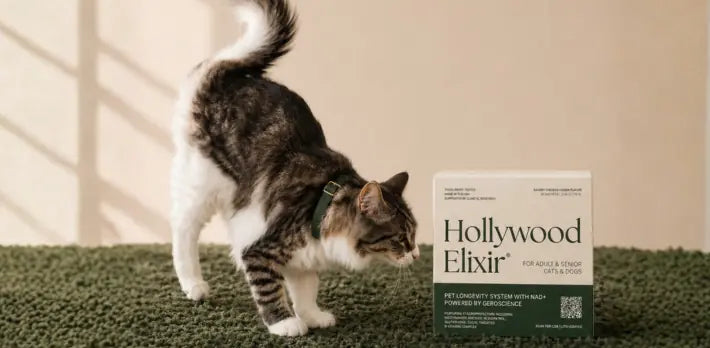
Primary Focus: Kidney Leeway and Energy Tradeoffs
Kidneys are energy-demanding organs, and chronic kidney disease is common in older cats, often developing gradually. While this page is not a kidney-disease treatment guide, it is important to understand that reduced appetite, dehydration risk, and oxidative stress can all make the NAD budget feel tighter in daily life (Ahmadi, 2024). In people with chronic kidney disease, NAD-precursor research is being explored for metabolic effects, but it does not provide feline dosing or outcome guarantees (Ahmadi, 2024).
At home, kidney strain often shows up as routine drift: larger urine clumps, more frequent drinking, or a cat that prefers running water. When these changes coincide with shorter play bursts and slower recuperation speed, it is reasonable to schedule lab work rather than waiting for weight loss. A practical step is to add a second water station and measure litter output for a week, then bring that data to the veterinarian.

Case Vignette: the “Still Eating, Not Playing” Cat
A 12-year-old indoor cat keeps a normal appetite and still jumps onto the couch, yet stops chasing toys after 30 seconds and spends longer staring out the window. Over two months, grooming becomes less orderly along the lower back, and the cat startles more easily at household noise. This pattern fits how NAD-linked energy transfer and redox clearance can tighten with age before obvious illness is apparent (Lautrup, 2019).
In this scenario, the most helpful owner move is not adding multiple new supplements at once. It is choosing one change—short, predictable play at the same time daily—and tracking response patterns for two weeks while scheduling senior screening labs. The combination of behavior notes and basic kidney/thyroid data often clarifies whether the cat needs environmental adjustments, targeted nutrition support, or a deeper medical workup.

Owner Checklist: Home Signs That Fit NAD Budget Strain
Owners cannot diagnose NAD status at home, but certain clusters of changes can suggest that cellular energy and repair are becoming less orderly. A practical checklist includes: shorter play bursts with longer recovery afterward, grooming that becomes patchy or rushed, new reluctance to jump to previously easy heights, and sensitivity to routine disruptions like visitors or loud sounds. When these occur together, they support a measured plan: rule out common medical drivers while improving daily pacing.
Add one more item that is uniquely feline: changes in litter box “decision-making,” such as hesitating at the box or choosing a different box location, can reflect discomfort, cognitive drift, or hydration shifts. Logging these observations for 10–14 days creates a clearer handoff to the veterinarian than a general report of “slowing down.” It also prevents overreacting to a single off day, which is common in older cats.
What to Track Week over Week (Rubric)
Tracking works best when it is concrete and repeatable. A simple rubric for cats concerned with NAD-family “currency” includes: minutes of voluntary play before disengaging, time to re-engage after a startle, number of successful jumps to a chosen perch, daily water intake trend (rough estimate), litter clump size trend, and weekly body weight. These markers connect to energy transfer, stress recovery, and kidney leeway without pretending to measure molecules directly.
Owners can keep the process low effort by choosing two anchors: a weekly weigh-in and a nightly 60-second note about play and grooming. The goal is to see response patterns, not perfection. If a new food, niacin source, or mitochondrial support product is introduced, tracking helps determine whether the cat becomes more measured in activity or simply changes appetite, which can guide whether to continue, adjust, or stop and consult the veterinarian.
“Track patterns first; then decide what deserves a veterinary workup.”

DVM Voice: Clinical Vignette of a Common Pattern in Senior Cat Aging
Case provided by JoAnna Pendergrass, DVM
Sasha, a 12-year-old cat, was brought in after her owner noticed increased thirst and urination, lethargy, vomiting, and a generally unkempt appearance. Examination showed weight loss, elevated blood pressure, and reduced vitality.
Diagnostic testing revealed elevated kidney markers, poorly concentrated urine, and protein loss in the urine — findings consistent with chronic kidney disease, one of the most common chronic conditions in senior cats.
Her care required a kidney-focused diet, blood pressure management, targeted supplementation, medication support, and regular monitoring — a necessary plan, but one started after clinical signs were already visible.
Clinical takeaway: Sasha’s case reflects why senior-cat wellness should begin before obvious decline. Earlier monitoring, body-condition tracking, hydration awareness, antioxidant support, and daily cellular resilience may help support quality of life as cats age.
Single-case vignette. Not generalizable. Veterinary diagnosis and monitoring are essential for increased thirst, urination, vomiting, lethargy, weight loss, or suspected kidney disease.

Misconception: “Just Give NADH” Versus Supporting the Pool
A specific misconception is that giving NADH directly is the most logical shortcut for energy. The biology is more constrained: cells regulate NAD-family balance tightly, and many strategies discussed publicly focus on precursors that feed NAD+ availability rather than delivering reduced coenzymes as a simple fix (Rajman, 2018). Even then, evidence is largely preclinical or human-focused, and it does not translate into a universal feline plan (Rajman, 2018).
For owners, the corrective is to think in terms of supporting conditions that protect the budget: hydration, adequate protein, predictable sleep, and stress reduction. If a cat is under-eating, constipated, or chronically dehydrated, the “energy” problem often starts there. A measured approach is to stabilize basics first, then discuss with a veterinarian whether a niacin-related strategy or broader antioxidant support fits the cat’s age and lab profile.

Nicotinamide Riboside for Cats: What the Evidence Can and Can’t Say
Nicotinamide riboside (NR) and related NAD precursors are studied because they raise NAD-related metabolites in mammals, with oral bioavailability shown in mice and humans (Trammell, 2016). Preclinical work suggests NAD+ restoration can shift age-associated physiology in mice—but that is not a feline dosing guide and does not prove the same outcomes in cats (Mills, 2016). For cats, these studies explain why the pathway matters; they are not permission to self-prescribe.
Treat NR or niacin as a veterinary conversation, especially for cats with kidney disease, liver disease, or long medication lists. The most useful prep is to bring a list of every food, treat, and supplement already in use, plus your tracking notes. That context helps your vet decide whether a NAD precursor is reasonable, or whether the signs point more strongly to pain, thyroid disease, or dehydration.

How CoQ10 and NAD Topics Naturally Overlap
Owners often encounter NAD discussions alongside CoQ10 and “mitochondrial support.” The overlap is real: NAD/NADH and CoQ10 both participate in electron transfer that ultimately supports ATP production, while NADPH supports antioxidant defense that keeps mitochondrial environments less turbulent. This is why a multi-ingredient approach can make conceptual sense, even when no single ingredient is a standalone answer.
Practically, this overlap argues for deliberate pacing. Introducing multiple products at once makes it impossible to interpret response patterns, especially in cats that hide side effects. A measured plan is to change one variable, track for two weeks, then decide on the next step. If appetite, stool quality, or water intake changes, those signals matter more than chasing a theoretical “energy pathway,” and they should guide whether to pause and consult the veterinarian.
Vet Visit Prep: Questions That Make the Appointment Count
A productive veterinary visit for NAD, NADH, NADP & NADPH for Cats concerns is less about asking for a specific molecule and more about clarifying the cat’s limiting factor. Useful questions include: Which lab markers best reflect kidney leeway right now, and how often should they be rechecked? Could pain or arthritis be driving reduced play more than cellular energy? Are there medication interactions or diet constraints that change whether niacin-related support is appropriate?
Bring concrete observations: play duration, jump counts, water intake trend, litter output trend, and any nighttime vocalization pattern. Also note any recent stressors, because stress can shift appetite and recovery in cats quickly. This preparation helps the veterinarian decide whether to prioritize kidney screening, thyroid testing, blood pressure measurement, or cognitive-aging support, rather than treating the visit as a vague “senior slowdown” discussion.
What Not to Do When Chasing Cellular Energy
Common mistakes are predictable when owners are worried: changing food and adding multiple supplements simultaneously, assuming a cat that still eats cannot be ill, and overlooking hydration because the water bowl looks “used.” Another mistake is treating human NR or niacin discussions as a direct feline plan, despite the lack of cat-specific dosing and safety outcomes for many NAD-precursor strategies (Rajman, 2018). These missteps make it harder to interpret what is actually changing.
A safer approach is to keep the base diet stable, adjust one variable at a time, and track week over week. If a new product is tried, stop it and call the veterinarian if vomiting, appetite loss, marked lethargy, or behavior that looks disoriented appears. Cats can decompensate faster than expected when they stop eating, so “waiting it out” is rarely the measured choice.

Best NAD Supplement for a Senior Cat: Where Hollywood Elixir Fits
For owners who want one coherent routine instead of a cabinet of bottles, the most defensible goal is supporting normal cellular energy handling and antioxidant defense while keeping the cat’s days orderly. NAD biology connects naturally to broader aging support—mitochondrial function, redox balance, and recovery after everyday stress—and any product should sit alongside hydration, nutrition, and veterinary screening.
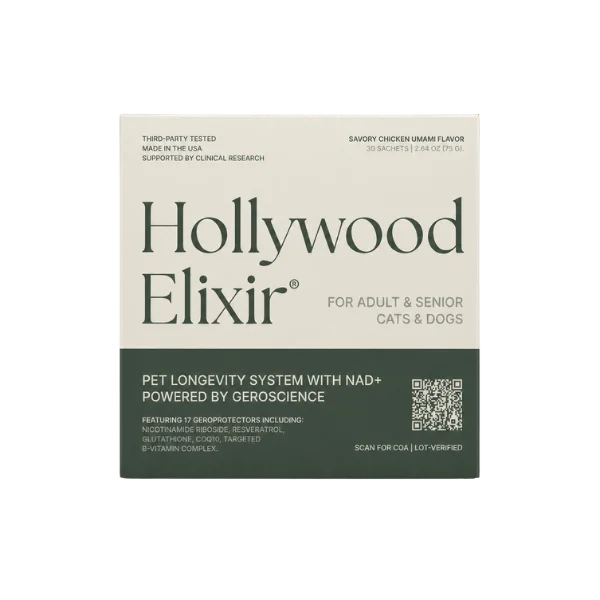
If you’re weighing a senior-cat NAD supplement, Hollywood Elixir is a food-mixed daily routine that uses nicotinamide riboside at a disclosed 60 mg per sachet—a NAD precursor—plus niacin and B vitamins, with CoQ10 and a multi-antioxidant complex, rather than a single trendy molecule. That fits cats well, where the first signs are usually behavioral and multi-factorial. Use it with deliberate pacing: introduce it once the base routine is stable, track the response for two to four weeks, and share notes with your veterinarian—especially if kidney values or appetite are already changing. To understand the formula first, start with the Hollywood Elixir explainer.

Putting It Together: a Measured Two-week Reset
A two-week reset is often enough to reveal whether changes are random or patterned. Keep feeding times consistent, add a second water station, and schedule two short play sessions daily that end before the cat disengages. This supports a less turbulent daily demand curve and makes it easier to see whether recuperation speed is changing. If the cat’s behavior becomes more orderly without any supplement changes, the limiting factor may have been routine stress rather than a missing nutrient.
During the reset, track the rubric markers and avoid adding new treats or toppers that change appetite cues. If nighttime restlessness persists, note whether it follows late-day stimulation or missed naps. After two weeks, the owner can decide on the next step: veterinary screening, a targeted nutrition discussion about NAD+ for cats and niacin sources, or a carefully introduced supportive product with continued tracking.
Closing Perspective: Early Signals Deserve Early Clarity
NAD, NADH, NADP & NADPH for Cats are best understood as a set of linked currencies that pay for energy transfer, antioxidant defense, and repair. With age, the budget often tightens, and cats show it first through choices: less jumping, shorter play, longer recovery, and grooming that loses its previous precision. The science supports the importance of the pathway, but it does not justify skipping the basics or treating precursors as a guaranteed fix.
Owners who respond early—by tracking patterns, stabilizing routines, and bringing specific observations to the veterinarian—usually get clearer answers faster. That clarity protects the cat from unnecessary experimentation and helps the household choose a plan that is more measured: appropriate labs, sensible nutrition, and supportive ingredients introduced one at a time. The result is not a promise of youth, but a better chance at orderly days and better recuperation speed.
“Support works best when the routine becomes more orderly, not more complicated.”
Educational content only. This material is not a substitute for veterinary advice. Always consult your veterinarian about your dog’s specific needs. These statements have not been evaluated by the Food and Drug Administration. Products mentioned are not intended to diagnose, treat, cure, or prevent any disease.
Glossary
- NAD - Oxidized nicotinamide adenine dinucleotide; supports electron transfer in energy metabolism.
- NADH - Reduced form of NAD; carries electrons used to support ATP production.
- NADP - Phosphorylated NAD; pairs with NADPH in antioxidant and biosynthetic reactions.
- NADPH - Reduced form of NADP; supplies reducing power that supports redox balance and clearance.
- Redox Balance - The cellular balance between oxidation and reduction reactions that affects oxidative stress handling.
- Sirtuins - NAD-dependent enzymes involved in stress signaling and cellular maintenance.
- PARP - NAD-consuming enzymes involved in DNA repair signaling; higher activity can raise NAD demand.
- Nicotinamide Riboside (NR) - A vitamin B3-related NAD precursor studied for supporting NAD availability.
- Niacin (Vitamin B3) - A dietary precursor family that can contribute to NAD synthesis pathways.
Related Reading
Aging & Senior Cat Guidance
• Cat Age Calculator: Cat Years to Human Years
• Cat Lifespan by Breed
• Lethargy in Cats
• Senior Cat Not Eating
• Cat Drinking A Lot
• Why Is My Senior Cat Withdrawn?
Healthy Aging Support
• NAD+ for Cats
• NMN for Cats
• Vitamins For Older Cats
• Senior Cat Food
References
Mizukawa. Distribution of reduced-nicotinamide-adenine-dinucleotide-phosphate diaphorase-positive cells and fibers in the cat central nervous system. PubMed. 1989. https://pubmed.ncbi.nlm.nih.gov/2913070/
Rajman. Therapeutic Potential of NAD-Boosting Molecules: The In Vivo Evidence. 2018. https://www.mdpi.com/3042-5158/1/2/9
Mills. Long-Term Administration of Nicotinamide Mononucleotide Mitigates Age-Associated Physiological Decline in Mice. PubMed. 2016. https://pubmed.ncbi.nlm.nih.gov/28068222/
Ahmadi. Randomized Crossover Clinical Trial of Nicotinamide Riboside and Coenzyme Q10 on Metabolic Health and Mitochondrial Bioenergetics in CKD. PubMed. 2024. https://pubmed.ncbi.nlm.nih.gov/39228730/
Lautrup. NAD<sup>+</sup> in Brain Aging and Neurodegenerative Disorders. Nature. 2019. https://www.nature.com/articles/s41467-023-43514-6
Trammell. Nicotinamide riboside is uniquely and orally bioavailable in mice and humans. PubMed Central. 2016. https://pmc.ncbi.nlm.nih.gov/articles/PMC5062546/
Yang. NAD(+) metabolism: Bioenergetics, signaling and manipulation for therapy. 2016. https://www.mdpi.com/2072-6643/13/10/3435
FAQ
What are NAD, NADH, NADP, and NADPH in cats?
NAD, NADH, NADP & NADPH for Cats refers to four related coenzymes that help cells move electrons and manage chemical balance. NAD/NADH are closely tied to energy transfer, while NADP/NADPH are more tied to antioxidant defense and biosynthesis.
They constantly convert between paired forms, so the practical focus is the overall “pool” and how a cat allocates it under age, stress, and illness. Owners usually notice allocation changes as altered play, grooming, and recovery patterns.
Why do NAD-family coenzymes matter more with age?
With aging, cells often face higher repair demand and more oxidative stress, which can tighten the NAD budget. When that happens, cats may show slower recuperation speed after activity or stress, even if appetite still looks normal.
Because cats mask discomfort, early signals are usually behavioral: shorter play bursts, less orderly grooming, or reluctance to jump. Those patterns justify earlier screening for kidney and thyroid changes rather than waiting for weight loss.
Are NAD, NADH, NADP, and NADPH a single supplement for cats?
No. NAD, NADH, NADP & NADPH for Cats describes a family of coenzymes, not a single product. Some supplements discuss NAD precursors (vitamin B3 forms) rather than providing these coenzymes directly.
For owners, the safer framing is supportive: stabilize diet, hydration, and routine first, then discuss any precursor strategy with a veterinarian. That approach protects against chasing a single molecule when the limiting factor may be pain, dehydration, or kidney leeway.
Can a cat be tested for NAD levels?
Routine veterinary panels do not typically measure NAD-family coenzymes directly. Research settings can measure related metabolites, but those tests are not standard for household decision-making.
Instead, owners can track practical markers—play duration, jump choices, grooming orderliness, water intake trends, litter output trends, and weight—and pair them with senior screening labs. This combination often clarifies whether the issue is aging, kidney strain, thyroid disease, or pain.
What’s the difference between NAD+ and NADH for cats?
NAD+ is the oxidized form; NADH is the reduced form that carries electrons. Cells cycle between them as part of energy transfer, especially in mitochondria.
Owners sometimes assume NADH is the “energy form,” but the useful concept is balance and availability across the whole pool. A cat can look tired because of stress recovery costs, dehydration, or pain, even when food intake seems unchanged.
What’s the difference between NADP and NADPH in cats?
NADP is the oxidized form; NADPH is the reduced form that supplies reducing power for antioxidant defense and biosynthesis. This pairing is closely tied to redox balance and clearance of reactive byproducts.
In daily life, NADPH-related strain may show up as longer recovery after stress or activity, or grooming that becomes less orderly. Those signs are not specific, but they support earlier veterinary screening and calmer routines.
Do cats and dogs handle NAD support the same way?
Cats and dogs share core NAD biology, but owner observation differs because cats mask discomfort and often reduce activity quietly. That makes tracking routines and small behavior shifts more important in cats.
Cats also have distinct nutritional needs and medication sensitivities, so human or dog dosing discussions should not be copied over. A veterinarian should guide any NAD-precursor plan, especially for older cats with kidney concerns.
Is nicotinamide riboside safe for cats?
Cat-specific safety and dosing data for nicotinamide riboside is limited, so it should be treated as a veterinarian-guided decision. Evidence for oral bioavailability exists in mice and humans, but that does not establish feline safety margins.
Owners should avoid self-prescribing, especially if the cat has kidney disease, liver disease, or is on multiple medications. If a veterinarian approves a trial, introduce one change at a time and track appetite, stool, and behavior closely.
Is niacin the same as NAD support for cats?
Niacin (vitamin B3 forms) can contribute to NAD synthesis pathways, but “NAD support” is broader than adding one vitamin. The limiting factor in an older cat may be hydration, inflammation, pain, or kidney leeway rather than precursor intake.
A measured approach is to keep the base diet stable, confirm senior labs, and then discuss whether a niacin-related strategy fits. This prevents confusing appetite changes with meaningful shifts in energy or recovery.
How fast would NAD-related support show changes in cats?
Behavioral changes, if they occur, are usually noticed over weeks rather than days. Cats often show response patterns first—slightly longer play, quicker re-engagement after stress, or more orderly grooming—before anything looks dramatic.
Tracking week over week matters more than watching hour to hour. If appetite drops, vomiting appears, or the cat becomes unusually withdrawn, stop any new supplement and contact a veterinarian, because cats can deteriorate quickly when they stop eating.
What are common side effects to watch for in cats?
Any new supplement can cause gastrointestinal upset in some cats, including vomiting, soft stool, or appetite changes. Behavior changes—hiding, agitation, or seeming disoriented—also matter because cats often show discomfort through avoidance.
The safest practice is introducing one change at a time and keeping the rest of the routine stable. If a cat has kidney disease or is on medications, side effects should be discussed promptly with a veterinarian rather than managed at home.
Can NAD support interact with my cat’s medications?
Potential interactions depend on the specific ingredient used to support NAD pathways and the medications involved. Older cats are more likely to be on thyroid medication, pain control, or kidney-related diets, which can change what is appropriate.
Bring a complete list of foods, treats, supplements, and medications to the veterinarian. That context allows a more measured decision and reduces the risk of stacking multiple changes that make side effects harder to interpret.
When should a cat owner call the veterinarian urgently?
Call promptly if the cat stops eating, vomits repeatedly, shows marked lethargy, seems painful, or has sudden behavior that looks disoriented. In cats, appetite loss can become serious quickly and should not be watched passively.
Also call if increased drinking and urination appear alongside weight loss or weakness, since kidney and thyroid issues are common in older cats. If a new supplement was started recently, pause it and report the timing to the clinic.
Does Hollywood Elixir™ contain NAD or NADH directly?
Product labels vary, and the most important question is not whether a formula contains NAD-family coenzymes directly, but whether it is designed to support normal aging pathways in a coherent way. If considering a disclosed aging-support formula, use it as part of a measured plan: keep diet stable, introduce one change at a time, and track play, grooming, hydration, and litter trends for several weeks before deciding what to do next.
How should Hollywood Elixir™ be introduced for a senior cat?
Introduce any new supportive product when the base routine is stable: consistent feeding, normal stool, and no recent diet switches. This makes response patterns easier to interpret in cats, who often hide mild side effects. Discuss the plan with a veterinarian if the cat has kidney disease, is underweight, or is on multiple medications.
Can NAD support help cats with chronic kidney disease?
Chronic kidney disease changes hydration, appetite, and oxidative stress, which can tighten the cellular energy and repair budget. Research in humans is exploring NAD precursors in kidney disease contexts, but it does not establish feline outcomes or dosing.
For cats with CKD, the priority is veterinary management: diet, fluids as directed, blood pressure, and monitoring. Any NAD-related supplement discussion should be framed as supportive and should be cleared with the veterinarian to avoid complicating appetite and nausea.
What should be tracked during a NAD support trial?
Track concrete markers that reflect daily function: minutes of voluntary play, time to re-engage after a startle, successful jumps to a chosen perch, water intake trend, litter clump size trend, and weekly weight.
Also track appetite and stool quality, because those often change before “energy” looks different. This tracking makes the next veterinary conversation more productive and prevents continuing a product that is not fitting the cat’s response patterns.
What quality signals matter for NAD-related cat supplements?
Quality signals include clear ingredient disclosure, consistent manufacturing standards, and a plan for how the product fits with veterinary care. Avoid products that promise disease outcomes or dramatic “energy” changes, because those claims are not appropriate for feline aging.
Cats benefit from simplicity: fewer simultaneous changes and a stable base diet. If a product is used, it should support normal function and be paired with tracking so the household can decide, based on evidence, whether it belongs in the routine.
Are NAD, NADH, NADP, and NADPH relevant to cognition in cats?
Yes, because brain cells rely on energy transfer and redox balance, both linked to NAD-family coenzymes. In older cats, cognitive drift often appears as sleep-wake disruption, altered social behavior, or new sensitivity to household changes.
The most useful action is early clarity: track patterns, rule out medical drivers like kidney or thyroid changes, and then discuss supportive options. Environmental structure—predictable play and calm resting zones—often helps make days less turbulent regardless of supplements.
How often should senior cats be screened if energy declines?
Screening frequency depends on age, prior results, and symptoms, so it should be set by a veterinarian. In general, earlier rechecks are reasonable when there is weight change, increased drinking/urination, appetite drift, or noticeable behavior change.
If the household is exploring NAD, NADH, NADP & NADPH for Cats concepts, pairing any supportive plan with scheduled labs helps keep decisions grounded. It also prevents attributing kidney or thyroid progression to “normal aging” or to a supplement trial.
How does Hollywood Elixir™ fit with NAD-family goals?
NAD-family goals are rarely about one molecule; they are about supporting normal energy handling, redox balance, and recovery under everyday demands. A formula that is designed for graceful aging can fit that broader intent when used deliberately. Veterinary input is especially important for cats with kidney disease or appetite instability.

Discover LPL-01: How This Fits Into a Larger Feline Longevity System
Aging in cats unfolds quietly. It’s not driven by a single failure, but by gradual shifts across interconnected systems — cellular energy, oxidative balance, immune tone, and tissue integrity — each influencing the others over time.
This article explores one layer of that system. To understand what actually shapes long-term health, you need to step back and look at how these layers interact.
Start with the underlying science:
- Feline Geroscience Framework →
A structured view of how aging progresses across cellular energy, inflammation, and resilience systems. - Senior Biological Defense Coverage (BDC) Modeling →
A systems-level map of which biological pathways decline first, and how layered interventions can support them. - 2026 Market Research: Best Cat Longevity Supplements →
A feline-specific review of longevity supplements. 2026 Industry report created by LPL-01 Research. - LPL-01 Standard →
The formulation system that translates these models into real-world supplementation—covering multiple pathways in a coordinated way.
Essential Summary
Why Is NAD, NADH, NADP & NADPH For Cats Important?
These four coenzymes help cells pay for energy transfer, antioxidant defense, and repair. As cats age, the overall NAD pool can tighten, and the earliest effects often appear as behavior and recovery changes. Understanding the roles helps owners track patterns and choose more measured next steps with a veterinarian.
Hollywood Elixir can be part of a daily plan that supports normal aging pathways connected to cellular energy handling and antioxidant defense. It is designed to support an orderly routine when paired with hydration, nutrition, and veterinary screening, rather than acting as a single-molecule shortcut.
Longevity Core
Hollywood Elixir®
★★★★★(313)
More good years, starting now — steady energy, engagement, and a pet who keeps showing up fully, every day.
From $89
Hollywood Elixir is amazing! She put back on 5 lbs to a healthy weight, her eyes are shiny, her coat is beautiful!
— Jessie
She hopped up onto the windowsill again for the first time in years.
— Charlie
Considering NAD Support For Cats?
If You’re Researching NAD Coenzymes, Here’s What Matters Most
For cats, the most useful NAD-family strategy is the one that stays measurable. Start by stabilizing basics that shape cellular demand—hydration access, consistent feeding, predictable sleep, and gentle play pacing—then track week-over-week markers like play duration, jump choices, grooming orderliness, water intake trends, litter output trends, and weight. If a supportive product is added, choose one at a time and watch response patterns for two to four weeks. Hollywood Elixir is designed to support normal aging pathways and can fit as part of that deliberate plan, alongside veterinary guidance.
Veterinary Insights

Learn about how our DVMs think about cat aging
Dr. JoAnna Pendergrass DVM


Longevity Core
Hollywood Elixir®
★★★★★(313)
More good years, starting now — steady energy, engagement, and a pet who keeps showing up fully, every day.
From $89
Wellness Tools
Explore your cat’s changing needs over time


Related Reading
These four coenzymes help cells pay for energy transfer, antioxidant defense, and repair. As cats age, the overall NAD pool can tighten, and the earliest effects often appear as behavior and recovery changes. Understanding the roles helps owners track patterns and choose more measured next steps with a veterinarian.
