Kidney Health for Cats

Build Hydration and Phosphorus Routines for Appetite, Weight, and Comfort

Essential Summary

Why is supporting cat kidney longevity important?

Cat renal function support matters because small daily choices—moisture, phosphorus exposure, and calorie consistency—shape how controlled a cat feels from week to week. The goal is not to treat disease at home, but to build routines that support normal kidney workload and make veterinary monitoring more informative.

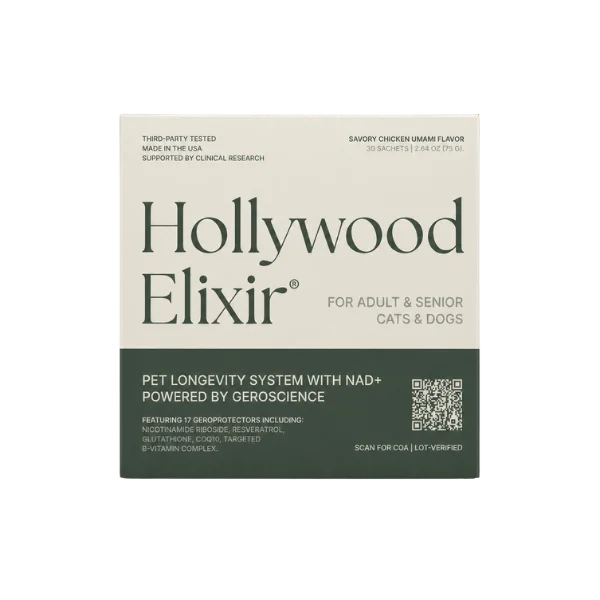
For households building a daily plan, Hollywood Elixir™ can be part of a routine that supports antioxidant defense and overall cellular teamwork. It is designed to support normal aging processes alongside hydration habits and a veterinarian-guided diet strategy, rather than acting as a standalone solution.

When a cat starts drinking more, producing larger litter box clumps, or acting picky in a new way, the most helpful response is not panic—it is building a daily routine that keeps inputs more controlled. For kidney health for cats, the foundation is simple: reliable moisture, reliable calories, and fewer high-phosphorus surprises. Those steps do not treat chronic kidney disease, but they can support normal kidney workload and make veterinary monitoring far more informative.

This page focuses on two clinical realities owners can influence: early kidney aging (including early CKD patterns) and phosphorus handling. Diet composition is a core management tool in feline CKD, and clinical evaluation supports that changing what a cat eats can meaningfully shape care decisions over time (Ross, 2006). The goal is “kidney aging literacy”—understanding what daily choices change the cat’s comfort, appetite endurance, and lab trend interpretation.

Expect a practical flow: how hydration and food texture affect intake, why phosphorus is often the hidden driver, where feline kidney health supplements may fit, and what to track so the veterinarian can compare between visits. The most effective plan is cumulative: start with the foundation, then add complexity only when the cat’s routine is stable enough to support it.

By La Petite Labs Editorial, ~15 min read

Featured Product:

  • Kidney health for cats is best supported through daily hydration, phosphorus-aware nutrition, and trend-based monitoring—not quick fixes.
  • Moisture-forward feeding and easy water access help keep day-to-day comfort more controlled and make appetite less choppy.
  • Phosphorus logic matters: consistent low-phosphorus choices often do more than frequent brand-hopping and toppers.
  • Therapeutic renal diets are formulated to manage multiple pressures at once; transitions should protect calorie intake.
  • Track shift indicators at home (weight, appetite pattern, litter output, vomiting/nausea signs) to compare between vet visits.
  • Feline kidney health supplements can fit as supportive infrastructure, but they cannot replace diet design, hydration, or veterinary monitoring.
  • Prepare for appointments with food labels, a supplement list, and targeted questions about SDMA/creatinine trends, phosphorus, and urine protein checks.

Why Kidney Support Becomes a Daily Skill

Kidneys do more than “make urine.” They filter waste, balance water and minerals, and help keep appetite and energy from turning choppy when a cat is stressed or aging. When renal workload rises, small shifts in hydration and phosphorus handling can show up long before a cat looks sick. That is why cat renal function support is usually less about a single fix and more about daily stability: water in, calories in, and fewer dietary surprises.

At home, the most useful mindset is “kidney aging literacy.” Notice the water bowl level, the litter box clumps, and whether meals are finished with the same endurance as last month. A routine that keeps intake predictable—especially moisture and calories—often makes future lab trends easier to interpret and gives the veterinarian clearer context for supporting cat kidney longevity.

Close-up mitochondria render visualizing cellular resilience supported by feline kidney health supplements.

Early Changes: What Owners Notice First

A practical focus for kidney aging is early chronic kidney disease (CKD), because that is when routine changes can be most meaningful. Dietary modification is a core management tool in cats with spontaneous CKD, with clinical evaluation supporting the idea that what a cat eats can influence the course of care (Ross, 2006). Even when a cat is not formally diagnosed, the same principles—moisture, phosphorus awareness, and consistent calories—support a more controlled daily pattern.

Owners often notice “normal aging” first: a cat naps more, asks for water, or becomes picky. Those observations are not trivial; they are the start of a useful timeline. Write down when changes began, what foods were offered, and whether vomiting or constipation appeared. That timeline helps the veterinarian decide whether the plan should emphasize hydration, appetite support, or deeper testing.

DNA strand visualization representing cellular protection supported by feline kidney health supplements.

Hydration Routines That Keep Days More Fluid

Hydration is the daily lever most households can actually control. Cats are designed to concentrate urine, but when kidney function declines, concentrating ability can fade, leading to larger urine volumes and a higher need for water. Wet food, water stations, and predictable access matter because dehydration can make a cat feel unwell and can turn appetite more choppy, which then undermines calorie intake.

Make hydration easy rather than dramatic. Offer multiple bowls in quiet locations, refresh water at the same times each day, and consider a fountain if the cat prefers movement. Add a tablespoon or two of water to wet food if the cat accepts it. The goal is not forcing intake, but creating a routine that supports a more fluid day and makes changes noticeable.

Protein model representing bioactive synergy and support found in cat renal function support.

Phosphorus Logic: the Quiet Driver of Diet Choices

Phosphorus is a central concept in kidney aging literacy. As kidney function declines, phosphorus handling becomes harder, and the body’s hormonal signals around mineral balance can shift. In early-stage CKD cats, diets that vary in protein and phosphorus content—and in calcium:phosphorus ratios—have been evaluated in relation to clinical progression (Schauf, 2021). That is why “low phosphorus” is not a slogan; it is a design feature of a complete diet.

In the kitchen, phosphorus awareness looks like consistency. Avoid rotating in high-phosphorus toppers “just to get them to eat” without telling the veterinarian, because it can quietly undo the plan. If treats are needed, keep them small and predictable, and use the cat’s regular food as treats when possible. This is a foundation step for supporting cat kidney longevity.

Close-up of a pug highlighting comfort and well-being supported by supporting cat kidney longevity.

Renal Diets as Infrastructure, Not a Quick Fix

Therapeutic renal diets are formulated to manage multiple pressures at once: phosphorus load, calorie density, and nutrient balance. Clinical evaluation in cats supports dietary modification as a meaningful part of CKD management rather than a cosmetic change (Ross, 2006). For owners, the key is understanding that the diet is not “a medication,” but it can shape the daily workload the kidneys face.

Transition slowly to protect appetite. Mix increasing amounts over 7–14 days, warm food to increase aroma, and offer meals on a calm schedule. If the cat refuses the new diet, do not panic-switch through multiple brands in one weekend. Call the clinic for options that keep calories coming in while still aligning with cat renal function support goals.

Hollywood Elixir™ is amazing and makes my 13 y/o kitty young again!

— Jessie

She hopped up onto the windowsill again—first time in years.

— Charlie

“Kidney support is built from daily inputs, not dramatic one-time changes.”

What to Track Between Visits for Cat Renal Function Support

WHAT TO TRACK: Kidney support works best when progress is measured as trends, not single moments. Track (1) body weight monthly, (2) appetite consistency across the week, (3) water intake patterns, (4) litter box clump size and frequency, (5) vomiting or nausea signs like lip-licking, and (6) energy for normal routines like grooming and jumping. These markers help owners and veterinarians compare between visits and spot when the cat’s threshold is shifting.

Use a simple note on the phone, not memory. Record “off days” with context: guests, new food, medication timing, or missed meals. Bring the log to appointments so lab results can be interpreted alongside real-life function. This is one of the most effective ways to support cat kidney longevity without guessing.

Portrait of a dog showing thoughtful presence supported by supporting cat kidney longevity.

Understanding Lab Trends Without Chasing Single Numbers

Lab markers can feel abstract, but they are most useful when owners know what they represent. SDMA and creatinine are both used to assess kidney function, and research in cats with kidney injury has compared how these markers change (Wun, 2024). Some veterinarians also look at phosphorus and related hormones such as FGF-23, which has been associated with renal biomarkers in feline CKD (Grelová, 2022). The point is not to chase a perfect number, but to understand direction and pace.

Ask for the trendline, not just the latest result. Request a printed copy or portal screenshot and keep it with the home log. If a cat seems “fine” but appetite is more choppy, that context matters when deciding whether to adjust diet, add anti-nausea support, or recheck sooner. Cat renal function support is often about timing.

Dog profile photo emphasizing steady vitality supported by feline kidney health supplements.

Protein in Urine: Why It Changes the Conversation

Protein in the urine is a separate issue from blood kidney values, and it can change what the veterinarian recommends. A urine protein/creatinine ratio is used in feline medicine to assess and contextualize protein loss, helping guide monitoring and treatment decisions (Fidalgo, 2022). When proteinuria is present, the plan may include blood pressure checks and specific medications, alongside diet and hydration routines.

At home, proteinuria rarely has a visible sign, so routine testing matters. Owners can help by collecting a fresh urine sample if the clinic requests it and by noting any litter changes that could contaminate samples. Keep the litter box accessible and clean, because cats that “hold it” due to stress can complicate both comfort and data quality.

Inside-the-box graphic showing active blend design supporting cat renal function support.

Correcting a Dangerous Water-restriction Myth

UNIQUE MISCONCEPTION: “If a cat drinks a lot, just restrict water so the kidneys work less.” Water restriction is unsafe and can make a cat feel worse. Increased drinking is often the body’s attempt to keep hydration more controlled when urine is less concentrated. The safer approach is to support intake—especially through wet food—and let the veterinarian determine whether additional steps are needed based on labs and blood pressure.

Another common misunderstanding is that only senior cats need attention. Kidney changes can start earlier, and the earlier the household builds stable routines, the easier it is to interpret later shifts. Supporting cat kidney longevity is often about preventing chaos: consistent food, consistent water access, and consistent monitoring.

When Phosphate Binders Enter the Plan

Phosphate binders are sometimes used when blood phosphorus stays high despite a kidney-appropriate diet. They work in the gut by binding dietary phosphorus so less is absorbed, which can help keep phosphorus exposure more controlled over time (Biasibetti, 2018). This is not a casual add-on: the choice of binder, timing with meals, and monitoring plan should be veterinarian-led so the cat’s overall mineral balance stays within a safe threshold.

Owners can support the plan by being consistent. Mix the binder into the full portion the cat reliably eats, not the “first few bites,” and avoid changing treats without mentioning it. If stools become dry, appetite turns choppy, or the cat starts leaving food, document the pattern and call the clinic—those details help decide whether the binder strategy still fits the cat’s current restoration pace.

“Track trends owners can see; they give lab numbers real meaning.”

Lab coat with La Petite Labs logo symbolizing science-backed standards for feline kidney health supplements.

Protein: Enough for Muscle, Not Excess Phosphorus

Protein in kidney care is often misunderstood. The goal is not “as little protein as possible,” but the right amount and quality for the cat’s stage, body condition, and lab trends. In early-stage CKD, diet composition—including protein and phosphorus levels and the calcium:phosphorus ratio—has been studied for how it relates to clinical progression (Schauf, 2021). That nuance matters because muscle loss can quietly shrink a cat’s endurance.

At home, watch for subtle muscle changes: a sharper spine, less jumping, or a “smaller” feel when lifting. Weigh the cat on a baby scale monthly and take a side photo in the same spot for comparison. If appetite is inconsistent, ask the veterinarian whether the current food’s calorie density is adequate and whether meal frequency should change before assuming the cat “needs less protein.”

Shop Now
Premium ingredient tableau framing Hollywood Elixir aligned with cat renal function support.

Keeping Weight and Lean Tissue from Sliding

Maintaining body weight and lean tissue is a kidney-support strategy, not a vanity metric. In cats with IRIS stage 1–2 CKD, a diet with increased caloric density and enhanced carnitine and essential amino acids helped maintain body weight and lean muscle mass (Hall, 2019). That kind of nutritional design can support a cat’s daily threshold for normal activity, grooming, and eating—areas that often become more fragile when kidney function is under strain.

Practical routine: split meals into smaller servings, warm wet food to increase aroma, and keep bowls away from litter and noisy appliances. If the cat is a “grazer,” measure the day’s total and note what remains at bedtime. A cat that eats less but drinks more may look “fine” for weeks; the log provides early shift indicators for the veterinarian.

Shop Now
Woman holding Hollywood Elixir box with her dog, showing daily supporting cat kidney longevity routine.

Where Feline Kidney Health Supplements Can Fit

Some owners reach for feline kidney health supplements hoping they can replace diet changes. Supplements can be part of a plan, but they cannot rewrite the kidney’s filtration capacity or offset a high-phosphorus feeding pattern. A more useful way to think about supplementation is “supporting the body’s teamwork” around kidneys: appetite consistency, hydration habits, and antioxidant defense that helps keep daily function more controlled.

Choose supplements with clear labeling, cat-appropriate dosing instructions, and a veterinarian who knows everything the cat receives—including treats and flavored medications. Avoid stacking multiple products that share the same vitamins or minerals. When the goal is supporting cat kidney longevity, the best supplement is the one that fits the routine the cat will actually accept without turning meals into a struggle.

Shop Now

Supplement Safety: Avoiding Vitamin D and Mineral Stacking

“Natural” does not automatically mean safe for kidneys. Cats have been harmed by excess vitamin D in food, with toxicity linked to high cholecalciferol exposure (Vecchiato, 2021). That matters because some supplements and fortified products can unintentionally stack fat-soluble vitamins. For cats with kidney concerns, safety is part of cat renal function support: the margin for error can be smaller when hydration and mineral handling are already under pressure.

Household rule: do not add vitamin D drops, high-dose fish liver oils, or “bone support” powders unless the veterinarian specifically recommends them. Keep a single list of every product the cat gets, including occasional items. If vomiting, weakness, or sudden appetite loss appears after a new supplement, stop it and call the clinic with the label details.

A Realistic Early-kidney Scenario in a Busy Home

CASE VIGNETTE: A 13-year-old cat starts visiting the water bowl more often and leaving a quarter of breakfast behind. The litter box clumps look larger, but the cat still greets the family and plays briefly at night. The veterinarian finds early kidney changes and recommends a moisture-forward diet plan and a tracking log so future lab comparisons are meaningful rather than guesswork.

In real homes, the hardest part is not the diagnosis—it is the daily follow-through. Set up two feeding stations (quiet and familiar), add a water fountain if the cat prefers moving water, and keep a weekly note on appetite and litter output. These small routines support a more fluid day-to-day pattern and make it easier to adjust early, before the cat’s endurance drops.

Visual breakdown contrasting competitors and quality standards in cat renal function support.

Owner Checklist for Kidney-relevant Shift Indicators

OWNER CHECKLIST: At home, look for kidney-relevant shift indicators that are easy to miss. Check (1) water intake changes or a suddenly empty bowl, (2) larger urine clumps or more frequent urination, (3) appetite that becomes choppy across the week, (4) weight drift down over a month, and (5) breath that smells more “chemical” than usual. None of these proves disease, but together they guide what to compare between vet visits.

Make the checklist practical: snap a photo of the litter box once weekly before scooping, and write down how many cans or grams were offered versus eaten. If the cat is on multiple foods, note which one is refused. This kind of observation is a core part of supporting cat kidney longevity because it turns vague worry into actionable information.

Shop Now
Unboxed supplement reflecting refined experience and trust in supporting cat kidney longevity.

How to Prepare for a Kidney-focused Vet Visit

VET VISIT PREP: Bring specific notes that help the veterinarian choose the next step in cat renal function support. Useful questions include: “How do SDMA and creatinine compare over time for this cat?” “Is phosphorus trending up, and should diet changes come before binders?” “Should a urine protein/creatinine ratio be checked?” and “What body weight or appetite change should trigger an earlier recheck?” A urine protein/creatinine ratio is commonly used to evaluate protein loss in feline practice (Fidalgo, 2022).

Also bring the food labels or photos of ingredient panels, plus a list of treats and supplements. If the cat resists carriers or gets nauseated in the car, mention it—stress can affect appetite afterward and complicate interpretation of “how the cat is doing.” The goal is a visit that produces a plan the household can actually execute.

Shop Now

What Not to Do When Supporting Kidney Longevity

WHAT NOT TO DO: Common missteps can make kidney support less controlled. Do not (1) switch foods repeatedly in a week, (2) add high-phosphorus treats like large amounts of fish jerky or organ-heavy snacks, (3) give human pain relievers, or (4) start multiple supplements at once and then guess what caused vomiting or refusal. A single, consistent baseline makes it easier to see whether the cat’s restoration pace is changing.

If medication is prescribed, give it exactly as directed and report side effects promptly rather than stopping silently. For some cats with CKD, ACE inhibitors such as benazepril have been studied for tolerability and clinical use under veterinary supervision (King, 2006). The safest long-term approach is coordinated: diet, hydration habits, and monitoring that stays aligned with the cat’s current stage.

“Consistency around phosphorus often matters more than perfect ingredient debates.”

Educational content only. This material is not a substitute for veterinary advice. Always consult your veterinarian about your cat’s specific needs. These statements have not been evaluated by the Food and Drug Administration. Products mentioned are not intended to diagnose, treat, cure, or prevent any disease.

Glossary

  • Chronic kidney disease (CKD) - Long-term loss of kidney function that is typically managed, not “cured.”
  • Phosphorus load - The amount of dietary phosphorus a cat absorbs, which can matter when kidney handling is reduced.
  • Calcium:phosphorus ratio - A diet design feature that influences mineral balance and is considered in renal nutrition.
  • SDMA - A blood biomarker used alongside creatinine to monitor kidney function trends.
  • Creatinine - A blood value used to estimate kidney filtration, interpreted best as a trend.
  • Urine specific gravity (USG) - A measure of urine concentration that reflects hydration and concentrating ability.
  • Urine protein/creatinine ratio (UPC) - A urine test that estimates protein loss through the kidneys.
  • Phosphate binder - A product mixed with food to bind dietary phosphorus in the gut and reduce absorption.
  • FGF-23 - A hormone involved in phosphorus regulation that may be evaluated in kidney disease contexts.

Related Reading

References

Hall. Cats with IRIS stage 1 and 2 chronic kidney disease maintain body weight and lean muscle mass when fed food having increased caloric density, and enhanced concentrations of carnitine and essential amino acids.. PubMed Central. 2019. https://pmc.ncbi.nlm.nih.gov/articles/PMC6589452/

Biasibetti. A long term feed supplementation based on phosphate binders in Feline Chronic Kidney Disease.. PubMed. 2018. https://pubmed.ncbi.nlm.nih.gov/29582226/

Schauf. Clinical progression of cats with early-stage chronic kidney disease fed diets with varying protein and phosphorus contents and calcium to phosphorus ratios.. PubMed Central. 2021. https://pmc.ncbi.nlm.nih.gov/articles/PMC8692190/

Ross. Clinical evaluation of dietary modification for treatment of spontaneous chronic kidney disease in cats. PubMed. 2006. https://pubmed.ncbi.nlm.nih.gov/16978113/

Grelová. Relationship between FGF 23, SDMA, Urea, Creatinine and Phosphate in Relation to Feline Chronic Kidney Disease. 2022. https://www.mdpi.com/2076-2615/12/17/2247

Wun. Comparison of serum SDMA and creatinine as a biomarker for the detection of meloxicam-induced kidney injury in cats.. PubMed Central. 2024. https://pmc.ncbi.nlm.nih.gov/articles/PMC11133641/

Fidalgo. Urinary Protein/Creatinine Ratio in Feline Medicine: Reasons to Perform It and Its Role in Clinical Practice—A Retrospective Study. 2022. https://www.mdpi.com/2076-2615/12/12/1575

King. Tolerability and efficacy of benazepril in cats with chronic kidney disease.. PubMed. 2006. https://pubmed.ncbi.nlm.nih.gov/17063696/

Vecchiato. Case Report: A Case Series Linked to Vitamin D Excess in Pet Food: Cholecalciferol (Vitamin D3) Toxicity Observed in Five Cats.. PubMed Central. 2021. https://pmc.ncbi.nlm.nih.gov/articles/PMC8416511/

FAQ

What does kidney support mean for an aging cat?

Kidney support usually means shaping daily inputs so the cat’s filtration workload stays more controlled: steady moisture intake, appropriate calories, and a diet that is mindful of phosphorus. It also means watching trends—weight, appetite pattern, and litter box output—so changes are caught early.

This approach does not treat chronic kidney disease at home. It supports normal function and gives the veterinarian clearer information to guide next steps.

How can owners support hydration without forcing extra water?

Hydration support works best when it is passive and consistent. Wet food is often the biggest lever, because it adds moisture without changing the cat’s drinking behavior. Multiple water stations, refreshed on a schedule, can also help.

Avoid sudden “water challenges” that stress the cat. The goal is a routine that keeps intake more fluid and makes shifts in thirst or urination easier to notice.

Why is phosphorus such a big deal in cat diets?

Phosphorus is tightly linked to how hard kidneys must work to maintain mineral balance. In cats with kidney concerns, lowering dietary phosphorus exposure is often a key part of keeping day-to-day function more controlled.

That does not mean removing protein or feeding an unbalanced homemade diet. It means choosing complete foods designed with phosphorus logic in mind and keeping treats and toppers consistent.

Do renal diets matter if my cat seems normal?

They can matter because early kidney changes often show up as subtle shifts—more drinking, larger urine clumps, or appetite that becomes choppy—before obvious illness. Diet design can shape phosphorus load and calorie consistency, which supports a more controlled daily pattern.

A veterinarian should guide timing and selection. The most helpful diet is one the cat will reliably eat, because calorie intake is part of the plan.

What lab tests are commonly used to monitor kidney trends?

Veterinarians commonly monitor creatinine, SDMA, urea (BUN), phosphorus, urine concentration, and sometimes urine protein. The value is in comparing results over time, not reacting to a single number.

Owners can help by bringing a home log of appetite, weight, and litter box output. Those details provide context for what to compare between visits and whether the restoration pace is changing.

What is a urine protein/creatinine ratio used for?

A urine protein/creatinine ratio helps evaluate whether a cat is losing an abnormal amount of protein through the kidneys. Protein loss can influence monitoring plans and may change which therapies a veterinarian considers.

Because proteinuria is not usually visible at home, testing is important. If a sample is requested, follow the clinic’s collection instructions so results are easier to interpret.

Can supplements replace a kidney diet for cats?

No. Feline kidney health supplements may help support parts of the overall plan, but they cannot replace the core nutritional design of a complete diet, especially around phosphorus and calorie density.

Supplements fit best when they support routines the cat already tolerates—consistent meals, hydration habits, and veterinarian-guided monitoring—rather than adding complexity that disrupts eating.

How does Hollywood Elixir™ fit into a kidney-support routine?

As part of a broader plan, Hollywood Elixir™ is positioned to support antioxidant defense and overall cellular teamwork during normal aging. That can be relevant when the household is focused on consistency—hydration, diet adherence, and tracking shift indicators.

It is not a substitute for veterinary care or a renal diet when one is indicated. Discuss fit with a veterinarian who knows the cat’s labs and current foods.

Are there risks to giving multiple supplements at once?

Yes. Stacking products can unintentionally duplicate vitamins or minerals, and it becomes hard to identify what caused vomiting, constipation, or food refusal. This is especially important for fat-soluble vitamins, which can accumulate.

Introduce only one new item at a time and keep labels. If the cat’s appetite becomes choppy after a change, stop the new product and contact the clinic with the exact ingredient list.

What should owners track weekly for cat renal function support?

Weekly tracking should be simple: appetite consistency, vomiting or nausea signs, water bowl changes, and litter box clump size or frequency. These are practical shift indicators that often change before a cat looks unwell.

Add a monthly weight check and a periodic photo from the side to watch body condition. Bring the log to appointments so the veterinarian can compare home patterns with lab trends.

How quickly can diet changes show results in a cat?

Some changes are noticed within days, such as better meal completion when food is warmed or split into smaller servings. Lab trends usually require weeks to months and should be interpreted as a pattern rather than a single recheck.

If appetite drops during a transition, that is a reason to call the clinic early. Calorie intake is part of the plan, and a “perfect” diet that is not eaten does not support the cat.

Is high-protein food always bad for older cats’ kidneys?

Not always. The right protein level depends on the cat’s kidney stage, muscle condition, and overall diet design. A blanket “low protein for every senior cat” approach can backfire if it contributes to muscle loss or poor calorie intake.

A veterinarian can help choose a diet that balances protein quality, phosphorus exposure, and calorie density. Owners can support the decision by tracking weight and how reliably meals are finished.

When should a cat with kidney concerns see a vet urgently?

Urgent signs include not eating for a day, repeated vomiting, marked lethargy, sudden weakness, or signs of dehydration (tacky gums, sunken eyes). Also seek prompt care if urination changes abruptly—either very little urine or straining in the box.

For slower changes—gradual weight loss, larger clumps, or appetite that becomes choppy—schedule a visit and bring a home log. Early evaluation supports clearer next steps.

Do cats and dogs need the same kidney supplements?

No. Cats have different nutritional requirements and different feeding patterns, and they can be more sensitive to certain ingredients and dosing errors. A product that “worked for a dog” is not a safe template for a cat.

For feline kidney health supplements, look for cat-specific guidance, clear labeling, and a plan reviewed by a veterinarian who knows the cat’s diet and lab trends.

What are quality signals for feline kidney health supplements?

Quality signals include transparent ingredient lists, lot tracking, clear feeding directions for cats, and a company that can answer sourcing and testing questions. Avoid products that promise to treat disease or that hide amounts behind “proprietary blends.”

Also consider routine fit: a supplement that disrupts eating can undermine the larger plan. The best choice supports consistency rather than adding daily conflict.

How can Hollywood Elixir™ be given to picky cats?

If a veterinarian agrees it fits the plan, introduce Hollywood Elixir™ slowly and keep the rest of the meal unchanged. Mixing into a small “test bite” can prevent wasting a full meal if the cat refuses it.

Avoid adding multiple new items at once. If appetite becomes choppy, pause and reassess with the clinic so calorie intake stays reliable.

Can phosphate binders be used with a renal diet?

Sometimes. If blood phosphorus remains high despite a kidney-appropriate diet, a veterinarian may consider a phosphate binder to reduce absorption of dietary phosphorus. This is a targeted tool and should be paired with monitoring.

Owners support success by mixing it into the portion the cat reliably eats and by reporting constipation, appetite changes, or refusal. Consistency matters more than occasional “perfect” days.

What’s a sensible decision framework for supporting cat kidney longevity?

Start with foundations: moisture-forward feeding, consistent calories, and phosphorus-aware choices. Next, add tracking so the household can compare between vet visits. Only then consider add-ons like supplements, because they work best when the baseline is stable.

This framework keeps the plan more controlled and reduces guesswork. It also helps the veterinarian see whether changes in labs match changes in daily function.

Does Hollywood Elixir™ treat chronic kidney disease in cats?

No. Hollywood Elixir™ is not a treatment for chronic kidney disease and is not a replacement for veterinary care. It is positioned as supportive care that may help support normal aging processes, including antioxidant defense.

For cats with diagnosed CKD, the core plan typically centers on diet design, hydration habits, and monitoring. Any supplement should be discussed with the veterinarian to ensure it fits the cat’s overall regimen.

How often should kidney labs be rechecked in cats?

Recheck timing depends on stage, recent trend changes, and whether the plan was adjusted. After a diet change or new medication, veterinarians often want a follow-up to confirm the cat is staying stable and that key values are moving in an acceptable direction.

Owners can ask what specific shift indicators should trigger an earlier visit—such as weight drift, appetite becoming choppy, or vomiting. That clarity supports faster, calmer decisions.

5K+ Happy Pet Parents

Excellent 4.8

Kidney Health for Cats | Why Thousands of Pet Parents Trust Hollywood Elixir™

"My go-to nutrient-dense topper. Packed with 16 powerful anti-aging actives and superfoods!"

Chanelle & Gnocchi

"We go on runs pretty often; he use to get tired halfway through, but lately, he's been keeping up without any problem."

Cami & Clifford

"He seems more happy overall. I've also noticed he has more energy which makes our walks and playtime so much more fun."

Olga & Jordan

"I want her to live forever. She hasn't had an ear infection since!"

Madison & Azula

"My go-to nutrient-dense topper. Packed with 16 powerful anti-aging actives and superfoods!"

Chanelle & Gnocchi

"We go on runs pretty often; he use to get tired halfway through, but lately, he's been keeping up without any problem."

Cami & Clifford

"He seems more happy overall. I've also noticed he has more energy which makes our walks and playtime so much more fun."

Olga & Jordan

"I want her to live forever. She hasn't had an ear infection since!"

Madison & Azula

"My go-to nutrient-dense topper. Packed with 16 powerful anti-aging actives and superfoods!"

Chanelle & Gnocchi

"We go on runs pretty often; he use to get tired halfway through, but lately, he's been keeping up without any problem."

Cami & Clifford

"He seems more happy overall. I've also noticed he has more energy which makes our walks and playtime so much more fun."

Olga & Jordan

"I want her to live forever. She hasn't had an ear infection since!"

Madison & Azula

"My go-to nutrient-dense topper. Packed with 16 powerful anti-aging actives and superfoods!"

Chanelle & Gnocchi

"We go on runs pretty often; he use to get tired halfway through, but lately, he's been keeping up without any problem."

Cami & Clifford

"He seems more happy overall. I've also noticed he has more energy which makes our walks and playtime so much more fun."

Olga & Jordan

"I want her to live forever. She hasn't had an ear infection since!"

Madison & Azula

SHOP NOW