Telmisartan for Cats (Semintra): Proteinuria Control, Side Effects, and Monitoring

Compare Semintra Benefits for Proteinuria, Blood Pressure, and Heart-related Risk Monitoring

Essential Summary

Why is telmisartan use in cats important?

Telmisartan is used to reduce protein leakage in urine by lowering pressure inside the kidney’s filters. Many cats look the same at home, so success is judged by UPC ratio trends, kidney bloodwork, and blood pressure rechecks arranged by the veterinarian.

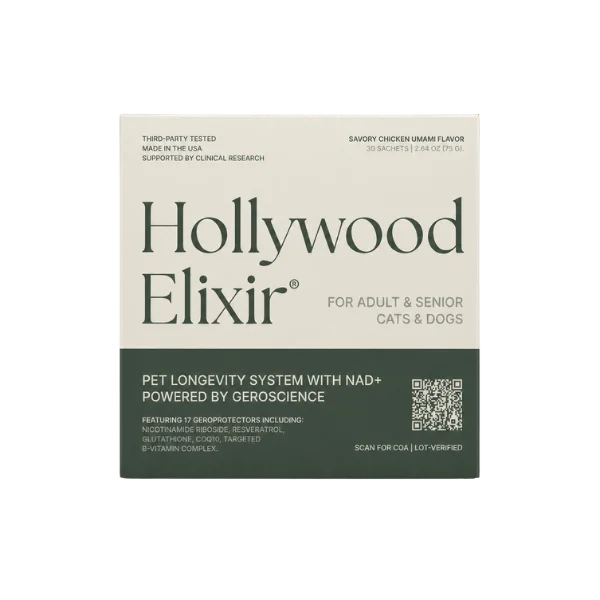
Hollywood Elixir™ is designed to support normal aging function as part of a broader wellness routine.

Seeing “protein in urine” on a cat’s lab report is alarming, and it often raises one immediate question: can anything slow the leak? Telmisartan (often given as semintra for cats) is prescribed to reduce proteinuria by lowering pressure inside the kidney’s filters, with progress measured mainly by repeat urine testing and blood pressure checks rather than by obvious changes at home.

Proteinuria matters because it can signal that the kidney’s filtering barrier is under strain. When that barrier leaks, it is not just “wasted protein”—it is a clue that the kidney may be experiencing ongoing wear that can shorten its room to recover. Telmisartan works on a hormone pathway (angiotensin II) that influences both blood vessel tone and the pressure inside the glomerulus, the microscopic filter where urine begins. That same pathway is why monitoring is essential: the medication can also lower systemic blood pressure, and CKD cats can be sensitive to dehydration and appetite dips.

This page focuses on what telmisartan is used for, what owners typically notice (often nothing dramatic), which telmisartan side effects cats may show, and how veterinarians monitor safety and response. It also connects the medication to the larger CKD routine—diet, hydration, and recheck scheduling—so the plan feels understandable and maintainable.

By La Petite Labs Editorial, ~15 min read

Featured Product:

  • Telmisartan (semintra for cats) is used to help control proteinuria by lowering pressure inside kidney filters, with progress judged mainly by urine and blood pressure monitoring.
  • Protein in urine (proteinuria) is a sign the kidney’s filtering barrier is leaking, which can be linked to faster CKD change if it persists.
  • This medication blocks angiotensin II signaling (an ARB), which can reduce glomerular strain and protein leakage rather than “fixing” thirst or urination overnight.
  • Many owners notice no visible change; that can still mean the plan is working if UPC and other readouts move in a healthier direction.
  • Telmisartan side effects cats may include vomiting, diarrhea, appetite changes, and low blood pressure signs like weakness; dehydration increases risk.
  • Monitoring typically includes UPC ratio, creatinine/BUN/SDMA (as used), electrolytes, and blood pressure, with recheck timing set by the vet.
  • Telmisartan has been compared with benazepril in cats with CKD, supporting ARB therapy as one evidence-based option for long-term proteinuria management.

What Telmisartan Is and Why Vets Use It

Telmisartan is a prescription medicine that blocks angiotensin II, a hormone that tightens blood vessels and raises pressure inside the kidney’s tiny filters (glomeruli). This drug class is called an angiotensin II receptor blocker (ARB). When angiotensin II is blocked, the kidney’s filtering units can experience less internal strain, which matters most when a cat is leaking protein into the urine. In cats, the oral liquid brand many owners hear about is semintra for cats, and it is used as part of a long-term kidney plan rather than a quick symptom fix (Susi, 2025).

At home, this can feel confusing because the goal is often “less damage” rather than “a cat that looks different tomorrow.” Many cats act the same on day 1 and day 30, even when the medication is doing its job. The most meaningful changes usually show up on lab reports and blood pressure checks, not in the litter box right away. That mismatch between effort and visible payoff is normal with kidney-support medications.

Clinical uniform image emphasizing evidence-driven nutrition for proteinuria treatment cats.

Protein in Urine: What It Signals in Cats

Proteinuria means protein is escaping into the urine. In a healthy cat, the kidney filter holds protein in the bloodstream, where it belongs. When the filter is irritated or scarred, protein slips through, and that leakage can be a sign the kidney is under ongoing stress. Protein in urine is not just a “number”; it can be a clue that kidney damage may progress faster if the leak continues. That is why proteinuria treatment cats often focuses on lowering filter pressure and protecting the glomerular barrier (Sparkes, 2016).

Owners rarely see proteinuria directly. Instead, it is discovered when a urine test shows a high UPC ratio, sometimes during a senior screening or a chronic kidney disease recheck. A cat can have proteinuria while still eating, playing, and using the box normally. When the vet recommends follow-up urine testing, it is usually because the first result needs confirmation and context, not because something is suddenly “wrong today.”

Ingredient spread with Hollywood Elixir box, highlighting depth behind proteinuria treatment cats.

How ARB Therapy Lowers Filter Pressure and Leakage

To understand why telmisartan is used, picture the kidney filter like a coffee filter under water pressure. If the pressure is too high, more “stuff” gets pushed through, including protein. Angiotensin II raises that internal pressure by tightening vessels and changing how blood enters and leaves the glomerulus. By blocking angiotensin II receptors, telmisartan can lower pressure within the filter and reduce protein leakage, which is the core target in many cats with chronic kidney disease and proteinuria (Sparkes, 2016).

This is also why the medication can affect blood pressure outside the kidney. A cat that already runs low-normal blood pressure may have less latitude before feeling weak or wobbly if pressure drops further. That does not mean the drug is “too strong”; it means the plan needs monitoring and sometimes dose adjustments by the veterinarian. Home observations become valuable when paired with clinic measurements.

Woman holding Hollywood Elixir box beside her cat, showing daily Semintra for kidney disease cats care.

When Semintra Is Prescribed for Kidney Disease Cats

Vets most often prescribe semintra for kidney disease cats when urine testing shows meaningful protein loss, especially alongside chronic kidney disease staging. A key goal is to reduce the UPC ratio over time, because persistent protein leakage is linked with worse kidney outcomes. In a long-term feline study, oral telmisartan was compared with benazepril for cats with chronic kidney disease, helping clarify that ARB-based therapy can be an effective option for managing proteinuria in this setting (Sent, 2015).

In the household routine, this often becomes “one more daily medicine” added to renal diet, hydration strategies, and periodic lab work. Some cats accept the liquid easily; others need a calmer approach with consistent timing and a small reward afterward. The most helpful mindset is that this medication is part of a layered plan that aims for more sustained kidney stability, not a dramatic day-to-day change.

Comparison graphic of Hollywood Elixir versus competitors, aligned with telmisartan side effects cats.

What Owners Usually Notice After Starting Treatment

What owners typically notice after starting telmisartan is often…nothing obvious. That can be unsettling, especially when the original problem was “protein in the urine,” which is already invisible at home. Telmisartan is usually chosen to change kidney pressures and protein leakage, not to immediately change thirst, appetite, or energy. In other words, the medication’s success may look like a lab trend that becomes more uniform over time rather than a cat that suddenly seems different (Susi, 2025).

A realistic case vignette: a 14-year-old cat with early CKD keeps eating well but has a high UPC ratio on a recheck. After starting semintra for cats, the owner reports the cat “seems the same,” yet the follow-up urine test shows less protein loss. That “same cat” outcome is often the point—keeping daily life stable while the kidneys face less strain.

Hollywood Elixir™ is amazing and makes my 13 y/o kitty young again!

— Jessie

She hopped up onto the windowsill again—first time in years.

— Charlie

“With proteinuria, the goal is a better lab trend, not a dramatic new behavior.”

Why “No Visible Change” Can Mean It’s Working

A common misconception is that if a cat’s drinking and peeing do not improve, the medication must not be working. With proteinuria treatment cats, the target is the kidney filter itself, not the water balance symptoms that come from reduced concentrating ability. Many CKD cats will still drink more than they used to, even if protein leakage is better controlled. The “win” is often slowing a harmful process, giving the kidneys more room to recover between stressors (Sparkes, 2016).

Owners can reframe success as “quiet protection.” If appetite, weight, and behavior stay consistent, and lab trends move in the right direction, that is meaningful progress. It also helps to avoid changing multiple things at once; when diet, fluids, and medications all shift together, it becomes hard to tell what helped or what caused a setback. Give each change a few weeks before judging it, unless the veterinarian advises otherwise.

Unboxed Hollywood Elixir in protective wrap, reflecting care behind Semintra for cats.

Common Side Effects Owners Can Spot Early

Telmisartan side effects cats most often involve the stomach and appetite. Some cats develop softer stools, occasional vomiting, or a quieter appetite, especially during the first days to weeks. Because telmisartan can lower blood pressure, mild lethargy can also happen, particularly if a cat is dehydrated or already on other medications that influence pressure. These effects are not guaranteed, but they are common enough that vets plan follow-up and may adjust timing, food pairing, or the overall regimen (Susi, 2025).

Owner checklist (at-home readouts to watch): (1) appetite compared with the cat’s normal, (2) vomiting frequency and what it looks like, (3) stool consistency, (4) willingness to jump or walk normally, and (5) water intake changes that seem abrupt rather than gradual. Write down the day and time these occur, plus when the dose was given. Patterns help the vet decide whether the medication, dehydration, or another CKD issue is the likely driver.

Playful longhair cat jumping through grass, symbolizing energy supported by Semintra for cats.

Red Flags That Need a Same-day Call

More serious problems are uncommon, but owners should recognize red flags. If blood pressure drops too low, a cat may seem suddenly weak, wobbly, unusually sleepy, or reluctant to stand. In some situations—especially if a cat is dehydrated from vomiting, diarrhea, or poor intake—kidney values can worsen, and the cat may feel markedly unwell. Because telmisartan changes kidney blood flow dynamics, veterinarians use lab monitoring to catch concerning shifts early rather than waiting for a crisis.

What not to do: (1) do not double-dose after a missed dose without veterinary direction, (2) do not keep giving the medication through repeated vomiting without calling, (3) do not restrict water to “help the kidneys,” and (4) do not assume weakness is “just old age” when it starts soon after a medication change. When a cat seems faint or cannot stay upright, that is an urgent call to the clinic.

Science-forward lab coat reinforcing quality signals for proteinuria treatment cats.

Monitoring UPC, Blood Pressure, and Kidney Values

Monitoring is where this medication earns its value. Vets commonly track the urine protein-to-creatinine (UPC) ratio to see whether protein leakage is decreasing, along with kidney bloodwork (creatinine, BUN, SDMA when used) and electrolytes. Blood pressure checks matter because RAAS-blocking drugs can lower systemic pressure, and both high and low blood pressure can harm a CKD cat. Consensus guidance for feline CKD emphasizes managing proteinuria and hypertension with structured rechecks rather than “set and forget” prescribing.

What to track rubric (bring these daily readouts to the vet): water intake estimate, appetite score (0–5), body weight weekly, vomiting/diarrhea log, energy/jumping notes, and any “off balance” moments. Also record when a new bag of food, a dental event, or a stressful change happened, because those can shift kidney numbers. This turns recheck visits into problem-solving sessions instead of guesswork.

Telmisartan Versus Benazepril: What Changes in the Plan

Owners often hear about benazepril (an ACE inhibitor) and wonder how it compares with telmisartan (an ARB). Both aim to reduce harmful RAAS signaling that raises kidney filter pressure, but they block different steps in the pathway. In a feline long-term comparison, telmisartan and benazepril were evaluated head-to-head in cats with chronic kidney disease, providing cat-specific evidence that both approaches can be used to address proteinuria under veterinary supervision (Sent, 2015).

This is not a “better vs worse” decision owners can make at home. The choice can depend on blood pressure, lab trends, other medications, and how a cat handles liquids versus tablets. If a cat refuses one form, adherence becomes irregular, and an irregular schedule can matter more than the theoretical differences between drug classes. The practical goal is consistent dosing plus consistent monitoring.

“A cat can look normal while urine protein quietly signals filter strain.”

Hollywood Elixir box with whole-food ingredients, illustrating quality behind telmisartan side effects cats.

CKD Staging and Where Arbs Fit over Time

Chronic kidney disease staging helps decide how aggressively to monitor and what problems to prioritize. Proteinuria can show up at different stages, and it can change over time, which is why repeat UPC testing is common. When protein loss is persistent, RAAS-blocking medications are often discussed as part of the plan, alongside renal diet and blood pressure management. ISFM guidance frames proteinuria and hypertension as key “modifiable” factors—areas where treatment can change the trajectory even when CKD itself cannot be cured.

For owners, staging can feel like a label, but it is really a scheduling tool. It helps set expectations for how often urine and bloodwork should be rechecked and when to add supportive steps like appetite strategies or anti-nausea medication. A cat can look normal at home while the stage and UPC ratio quietly shift, so the calendar of rechecks is part of the treatment, not an optional add-on.

Shop Now
Cat owner showcasing packaging, reflecting premium positioning for telmisartan side effects cats.

Daily Kidney Support Alongside Prescription Therapy

Telmisartan is not a substitute for the fundamentals of kidney care. Hydration support, a kidney-appropriate diet, and nausea control (when needed) can make medication plans easier to maintain because the cat feels better day-to-day. When a cat is dehydrated, any drug that influences kidney blood flow and blood pressure deserves extra caution and closer follow-up. Modern feline therapeutics reviews emphasize that CKD care is usually a layered approach, adjusted over time as the cat’s needs change.

In the home routine, small steps matter: multiple water stations, wet food options if approved, and a calm medication ritual that does not turn meals into a struggle. If the cat’s appetite becomes irregular, it is better to call early than to wait for weight loss. This page fits alongside broader reading on kidney-health-in-cats, chronic-kidney-disease-cats, and senior-cat-health, because the best outcomes come from consistent basics plus targeted prescriptions.

Shop Now
Comparison graphic illustrating broader support profile within Semintra for cats.

Why Semintra Dosing Must Stay Veterinarian-guided

Semintra dosage cats should never be guessed from another pet’s prescription or from online anecdotes. The veterinarian chooses a dose based on the cat’s condition, current kidney values, blood pressure, and the specific goal (proteinuria control versus other RAAS-related concerns). Telmisartan has also been used in cats in other contexts, such as endocrine testing, showing it can meaningfully influence hormone-driven pathways—another reason dosing and timing should stay vet-guided (Fabrès, 2023).

Administration details can make or break success. Use the measuring device provided, keep the schedule consistent, and ask the clinic what to do if the cat spits out part of a dose. If multiple caregivers give medications, a written log prevents accidental extra dosing. When a cat is hard to medicate, ask about technique coaching rather than switching plans abruptly; consistency is often the most protective factor.

Shop Now

Interactions and Recheck Planning for Safer Use

Drug interactions and “stacking effects” matter most around blood pressure, dehydration risk, and kidney perfusion. A cat on appetite stimulants, anti-nausea medications, phosphate binders, or fluids may still be a good candidate for telmisartan, but the plan needs coordination. If another medication also lowers blood pressure, the combined effect can reduce a cat’s latitude and trigger weakness. This is why clinics often recheck blood pressure and labs after starting or changing RAAS-blocking therapy.

Vet visit prep: bring (1) the full medication list with doses and timing, (2) a 7–14 day appetite and vomiting log, (3) a note about any faintness, wobbliness, or “hiding more,” and (4) questions like “what UPC change are we aiming for?” and “when is the next blood pressure check?” These specifics help the vet adjust the plan safely without trial-and-error at home.

Clearing up Fears About Kidney Blood Flow Changes

Some owners worry that lowering kidney pressure could “starve the kidneys of blood.” The reality is more nuanced: the kidneys need adequate overall circulation, but they can also be harmed by high pressure inside the filter that drives protein leakage. Telmisartan aims to shift that balance toward less glomerular strain while maintaining workable filtration. Human CKD trials support the general kidney-protective logic of telmisartan’s pathway, but cats are not small people, so feline-specific monitoring remains essential (Kitamura, 2020).

At home, the safest approach is to treat dehydration as an emergency variable. If the cat stops eating, vomits repeatedly, or has diarrhea, call before continuing the usual routine. Many CKD setbacks start with a short illness that reduces intake, then medications that were fine last week become harder to handle. Quick communication can prevent a small wobble from turning into a bigger crash.

Hollywood Elixir box nestled in packaging, showing detail supporting telmisartan side effects cats.

Making Sense of UPC Testing and Repeat Samples

Urine testing is more than a single UPC number. The vet may look for urinary tract infection, inflammation, or blood in the urine, because those can falsely raise protein readings. A clean sample and repeat testing can separate “true kidney protein loss” from a temporary urinary issue. When proteinuria is confirmed, telmisartan becomes one tool to reduce ongoing leakage, and follow-up testing checks whether the response is more sustained rather than a one-time dip.

Owners can help by asking how the urine was collected and whether a culture is needed. If the cat is stressed at the clinic, discuss options for calmer collection, because stress can affect blood pressure readings and make interpretation harder. Keep copies of lab results in a folder or phone note; trends over months are often more informative than any single visit.

Shop Now
Product breakdown image highlighting active blend design supporting Semintra for cats.

What Long-term Success Often Looks Like at Home

When telmisartan is used long-term, the “success story” is often boring: fewer surprises on lab work and fewer abrupt dips in appetite tied to uremic nausea. That does not mean the cat will never have bad days, but it can mean there is more uniform control of one important risk factor—protein leakage. In feline CKD research, telmisartan has been studied as a long-term oral therapy option, reinforcing that this is intended as an ongoing management medication, not a short course (Sent, 2015).

Owners can support that long view by keeping routines predictable. Sudden diet changes, skipped doses, or irregular recheck timing can make the picture noisy and harder to interpret. If a cat resists medication, ask the clinic about handling techniques, flavoring options, or timing around meals. The goal is a plan the household can actually maintain for months.

Shop Now

A Simple Decision Framework for Ongoing Monitoring

A practical decision framework helps when emotions run high. First, confirm the problem: is proteinuria persistent on repeat testing, and is it likely kidney-based rather than urinary inflammation? Next, clarify the target: what UPC change would count as meaningful, and what blood pressure range is safest for this cat? Finally, plan the safety net: when are rechecks, and what home signs should trigger a call? These steps align with guideline-based CKD management that prioritizes measurable risks like proteinuria and hypertension.

When owners feel stuck, it can help to connect this medication to the bigger kidney-care picture: renal diet, hydration, nausea control, and senior-cat-health planning. Telmisartan is one piece that targets a specific leak in the system. If the household can keep dosing consistent and monitoring on schedule, the cat has the best chance at a calmer, more sustained course—even when the day-to-day looks unchanged.

“Consistency plus monitoring is often more protective than frequent plan changes.”

Educational content only. This material is not a substitute for veterinary advice. Always consult your veterinarian about your cat’s specific needs. These statements have not been evaluated by the Food and Drug Administration. Products mentioned are not intended to diagnose, treat, cure, or prevent any disease.

Glossary

  • Proteinuria - Protein leaking into urine, often signaling kidney filter damage.
  • UPC ratio - Urine protein-to-creatinine ratio; a common way to quantify protein loss.
  • Glomerulus - The kidney’s microscopic filter where blood is cleaned and urine begins.
  • Glomerular filtration - The process of filtering blood through the kidney’s filters.
  • RAAS - Renin–angiotensin–aldosterone system; a hormone system that affects blood pressure and kidney filter pressure.
  • Angiotensin II receptor blockade - How telmisartan works: it blocks angiotensin II from tightening vessels and raising filter pressure.
  • ARB - Angiotensin II receptor blocker; the drug class telmisartan belongs to.
  • ACE inhibitor - A different RAAS-blocking drug class (example: benazepril) that reduces angiotensin II formation.
  • Systemic blood pressure - The pressure in the body’s arteries; can be too high or too low in CKD cats.
  • Hypotension - Abnormally low blood pressure, which may look like weakness or wobbliness.

Related Reading

References

Kitamura. Renal outcomes of treatment with telmisartan in patients with stage 3-4 chronic kidney disease: A prospective, randomized, controlled trial (JINNAGA).. PubMed. 2020. https://pubmed.ncbi.nlm.nih.gov/33282300/

Sent. Comparison of Efficacy of Long-term Oral Treatment with Telmisartan and Benazepril in Cats with Chronic Kidney Disease.. PubMed Central. 2015. https://pmc.ncbi.nlm.nih.gov/articles/PMC4895689/

Susi. Clinical therapeutics in feline medicine: updates for old and new drugs.. PubMed Central. 2025. https://pmc.ncbi.nlm.nih.gov/articles/PMC12501467/

Sparkes. ISFM Consensus Guidelines on the Diagnosis and Management of Feline Chronic Kidney Disease. 2016. https://www.mdpi.com/2306-7381/10/7/459

Fabrès. Evaluation of oral telmisartan administration as a suppression test for diagnosis of primary hyperaldosteronism in cats.. PubMed. 2023. https://pubmed.ncbi.nlm.nih.gov/36988582/

FAQ

What is telmisartan used for in cats?

Telmisartan is most often used when a cat is losing too much protein in the urine (proteinuria), especially with chronic kidney disease. The goal is to reduce pressure inside the kidney’s filters so less protein leaks through over time.

At home, it may not change thirst or litter box habits quickly. The “proof” is usually a better UPC ratio trend and safe blood pressure on rechecks, not a sudden change in how the cat acts.

What does proteinuria mean on my cat’s lab report?

Proteinuria means protein is showing up in urine when it should mostly stay in the bloodstream. It suggests the kidney’s filtering barrier is irritated or damaged, or that another urinary problem is adding protein to the sample.

Because it is invisible at home, vets often repeat testing and may check for infection or inflammation. Persistent proteinuria is one reason a veterinarian may discuss RAAS-blocking medications as part of a CKD plan.

How does semintra for cats reduce protein in urine?

Semintra for cats contains telmisartan, an angiotensin II receptor blocker. Angiotensin II can raise pressure inside the kidney’s filters, which encourages protein to leak into urine. Blocking that signal can reduce filter strain and lower protein loss over time.

This is why follow-up urine testing matters. The medication’s main job is to change a lab trend, not to create an obvious day-to-day change you can see in the house.

How soon should UPC improve after starting telmisartan?

The timeline depends on the cat’s CKD stage, starting UPC, hydration, and whether there is any urinary inflammation. Many veterinarians plan a recheck schedule to see whether the UPC ratio is moving in the right direction and staying there, rather than reacting to a single test.

At home, the best approach is consistency: give the medication as prescribed and keep other changes (diet, supplements) stable until the first follow-up, unless the vet advises otherwise.

What are common telmisartan side effects cats may show?

Telmisartan side effects cats can include vomiting, softer stools or diarrhea, and a reduced appetite. Because it can lower blood pressure, some cats may seem more tired or a bit weak, especially if they are dehydrated or not eating well.

Keep a simple log of appetite, vomiting, stool quality, and energy for the first couple of weeks. Patterns help the veterinarian decide whether to adjust the plan or look for another cause.

Which signs mean I should call the vet urgently?

Call urgently if a cat becomes very weak, collapses, cannot stay upright, or seems suddenly confused. Repeated vomiting, refusal to eat for a day, or signs of dehydration (tacky gums, sunken eyes) also deserve a prompt call, especially soon after a medication change.

These signs can point to low blood pressure or a CKD flare that needs assessment. Clinics prefer early calls because blood pressure and kidney values can change quickly when intake drops.

Can telmisartan cause low blood pressure in cats?

Yes, it can. Telmisartan affects blood vessel tone and can lower systemic blood pressure as part of its RAAS-blocking action. That is one reason veterinarians often include blood pressure checks in the monitoring plan for cats receiving this medication.

At home, low blood pressure may look like sudden weakness, wobbliness, or unusual sleepiness. If those signs appear, contact the clinic rather than changing the dose on your own.

Is semintra dosage cats the same for every cat?

No. Semintra dosage cats is individualized by the veterinarian based on the cat’s condition, lab values, blood pressure, and treatment goals. It should not be estimated from another cat’s prescription or from online dosing charts.

If a dose is missed or partly spit out, ask the clinic what to do next. A written medication log in the kitchen can prevent accidental extra dosing when multiple people help.

Should telmisartan be given with food or on empty stomach?

Follow the prescribing veterinarian’s instructions, because timing can be chosen to fit the cat’s routine and minimize stomach upset. Some cats do better when medication is paired with a small meal; others take it fine without food.

What matters most is consistency. Give it the same way each day so recheck labs reflect a stable routine, and report any vomiting that happens soon after dosing.

Can telmisartan be used with a kidney diet?

Yes, it is commonly used alongside a veterinarian-recommended kidney diet. Diet addresses phosphorus load and overall kidney workload, while telmisartan targets protein leakage and kidney filter pressure—different parts of the same CKD plan.

If appetite becomes irregular during a diet transition, tell the vet. Weight loss can happen quietly in CKD cats, and the plan may need adjustments to keep calories and hydration adequate.

What monitoring tests are typical after starting semintra?

Monitoring often includes a UPC ratio recheck to see whether urine protein loss is decreasing, plus kidney bloodwork and electrolytes. Blood pressure checks are also important because RAAS-blocking medications can lower pressure, and both high and low readings can be harmful in CKD.

Ask the clinic what changes would trigger an earlier recheck. Bring a short log of appetite, vomiting, stool quality, and water intake so the vet can match symptoms to test results.

How is telmisartan different from benazepril for cats?

Telmisartan is an ARB (blocks angiotensin II receptors), while benazepril is an ACE inhibitor (reduces angiotensin II formation). Both aim to reduce harmful RAAS effects that raise kidney filter pressure and contribute to protein loss.

In cats with CKD, telmisartan has been compared with benazepril in long-term oral treatment, supporting that either approach may be used depending on the cat’s overall picture and veterinary judgment.

Can telmisartan worsen kidney values at first?

It can happen, particularly if a cat is dehydrated, has low blood pressure, or is dealing with another illness that reduces intake. Because telmisartan influences kidney blood flow dynamics, veterinarians watch kidney values and hydration status after starting or changing therapy.

If a cat stops eating, vomits repeatedly, or seems weak, call promptly. Early support (fluids, anti-nausea care, medication adjustments) can prevent a short setback from becoming a bigger decline.

Is telmisartan safe for senior cats with CKD?

It is commonly prescribed to senior cats when proteinuria is present, but “safe” depends on the individual cat’s blood pressure, hydration, and concurrent conditions. That is why vets pair it with structured monitoring rather than relying on how the cat looks at home.

Senior cats can have less room to recover from dehydration or appetite dips. Owners help most by reporting early changes and keeping dosing consistent so the vet can interpret trends accurately.

Can I use my dog’s telmisartan for my cat?

No. Do not share medications between pets. Concentrations, dosing devices, and safety considerations differ, and cats with CKD may need careful adjustments based on blood pressure and lab results.

If cost or access is the issue, ask the clinic about options rather than substituting another pet’s prescription. The risk of accidental overdose or unsafe dosing is high when products are swapped.

What if my cat spits out part of the semintra dose?

Do not automatically give more. It is hard to know how much was swallowed, and “topping up” can lead to an accidental extra dose. Instead, note what happened and contact the clinic for guidance on whether to redose or wait until the next scheduled time.

A dosing log helps here: write down the time, how much was given, and whether any was spit out. Over time, the vet can also help with technique so dosing becomes less stressful.

Does telmisartan help with high blood pressure in cats?

Telmisartan can lower blood pressure because it blocks angiotensin II signaling. Whether it is the right choice for a cat with hypertension depends on the cause of the high blood pressure, current kidney status, and what other medications are being used.

Blood pressure should be measured in the clinic using a consistent method, and rechecked after medication changes. Owners can help by reducing stress before visits and sharing any at-home signs like sudden vision issues or weakness.

What questions should I bring to a CKD recheck visit?

Bring focused questions: “What UPC change are we aiming for?”, “When should blood pressure be rechecked?”, and “Which home signs mean the plan needs adjustment?” Also ask whether the urine sample suggests infection or inflammation that could affect protein readings.

Bring observations too: appetite score, weekly weights, vomiting/stool notes, and any wobbliness. These daily readouts help the vet decide whether changes are from CKD, dehydration, or medication effects.

How do I decide if proteinuria treatment cats is worth it?

The decision is usually based on whether proteinuria is persistent and significant, and whether the cat can be monitored safely. Treatment is aimed at slowing a damaging process, so the benefit is often measured in lab trends and longer-term stability rather than immediate symptom relief.

A practical way to think about it is: confirm the diagnosis, set a measurable target (UPC and blood pressure), and agree on a recheck schedule. If those pieces are in place, the plan becomes clearer and less stressful.

Can supplements replace semintra for kidney disease cats?

Supplements cannot be assumed to replace prescription therapy for proteinuria. Telmisartan targets a specific hormone pathway that affects kidney filter pressure, and that effect is monitored with UPC and blood pressure checks.

Some owners use wellness products to support normal aging alongside veterinary care. For example, Hollywood Elixir™ supports normal aging function, but it should be discussed as part of the overall plan rather than used as a substitute for prescribed monitoring and medications.

What home tracking helps most while my cat takes telmisartan?

Track what you can actually measure: weekly weight, daily appetite score, vomiting/diarrhea frequency, water intake estimate, and energy/jumping notes. Also record dose timing and any missed or partial doses.

These daily readouts help the veterinarian interpret lab changes and spot dehydration or low blood pressure concerns early. If you also use a wellness routine such as Hollywood Elixir™, keep it consistent so recheck results reflect a stable baseline rather than multiple changes at once.

5K+ Happy Pet Parents

Excellent 4.8

Telmisartan for Cats (Semintra): Proteinuria Control, Side Effects, and Monitoring | Why Thousands of Pet Parents Trust Hollywood Elixir™

"My go-to nutrient-dense topper. Packed with 16 powerful anti-aging actives and superfoods!"

Chanelle & Gnocchi

"We go on runs pretty often; he use to get tired halfway through, but lately, he's been keeping up without any problem."

Cami & Clifford

"He seems more happy overall. I've also noticed he has more energy which makes our walks and playtime so much more fun."

Olga & Jordan

"I want her to live forever. She hasn't had an ear infection since!"

Madison & Azula

"My go-to nutrient-dense topper. Packed with 16 powerful anti-aging actives and superfoods!"

Chanelle & Gnocchi

"We go on runs pretty often; he use to get tired halfway through, but lately, he's been keeping up without any problem."

Cami & Clifford

"He seems more happy overall. I've also noticed he has more energy which makes our walks and playtime so much more fun."

Olga & Jordan

"I want her to live forever. She hasn't had an ear infection since!"

Madison & Azula

"My go-to nutrient-dense topper. Packed with 16 powerful anti-aging actives and superfoods!"

Chanelle & Gnocchi

"We go on runs pretty often; he use to get tired halfway through, but lately, he's been keeping up without any problem."

Cami & Clifford

"He seems more happy overall. I've also noticed he has more energy which makes our walks and playtime so much more fun."

Olga & Jordan

"I want her to live forever. She hasn't had an ear infection since!"

Madison & Azula

"My go-to nutrient-dense topper. Packed with 16 powerful anti-aging actives and superfoods!"

Chanelle & Gnocchi

"We go on runs pretty often; he use to get tired halfway through, but lately, he's been keeping up without any problem."

Cami & Clifford

"He seems more happy overall. I've also noticed he has more energy which makes our walks and playtime so much more fun."

Olga & Jordan

"I want her to live forever. She hasn't had an ear infection since!"

Madison & Azula

SHOP NOW