
Creatinine, BUN, and SDMA: Interpreting Kidney Markers Without Misreading the Story

Learn How Creatinine, BUN, SDMA Clarify Kidney Function, Hydration, Muscle Loss, Thyroid Disease

Essential Summary

Why Does Interpreting Creatinine, BUN, And SDMA Matter?

Creatinine, BUN, and SDMA are most accurate when interpreted together with hydration, muscle mass, urine results, and repeat trends. A single abnormal value is a change signal, not a diagnosis. Tracking thirst, urination, appetite, and weight for the first 4–6 weeks helps the next veterinary recheck answer the right question.

This page explains how creatinine, BUN, and SDMA work as kidney markers in dogs and cats, and how hydration, muscle mass, and trends prevent common misreads.

Seeing a flagged creatinine, BUN, or SDMA on a lab report does not automatically mean a pet is “in kidney failure.” These numbers are kidney markers, but they are also sensitive to hydration, muscle mass, recent meals, and whether the result is a one-time snapshot or a true trend. The most accurate interpretation comes from reading the markers together, then checking whether the urine and the pet’s day-to-day behavior support the same story.

Creatinine is tied to muscle and filtration, so a thin older cat can look deceptively “normal,” while a muscular dog can run higher at baseline. BUN is useful but more variable, shifting with dehydration, diet, and even GI bleeding. The SDMA test pets receive can be a more reliable early change signal in some situations, but it still cannot diagnose chronic kidney disease by itself.

This page focuses on kidney markers interpretation: what each number means, what commonly distorts it, and how to use trends over the first 4–6 weeks to avoid misreading the story. It also connects bloodwork to what owners can observe at home—thirst, urination, appetite, weight, and nausea—so the next veterinary conversation is calmer and more productive.

By La Petite Labs Editorial, ~15 min read

Featured Product:

  • Creatinine, BUN, and SDMA should be read together, with hydration, muscle mass, urine results, and trends preventing false conclusions.
  • Creatinine reflects kidney filtration but is strongly influenced by muscle mass and dehydration.
  • BUN is more variable because diet, dehydration, and GI bleeding can raise it even when kidneys are not the main issue.
  • SDMA can flag reduced filtration earlier in some pets, but it still needs confirmation with urine testing and repeat values.
  • Trend monitoring over the first 4–6 weeks turns a scary snapshot into a more reliable story.
  • Owners can help by tracking thirst, urination, appetite, vomiting, and weight, and by sharing medication timing.
  • Urgent signs—especially straining to urinate, no urine, collapse, or repeated vomiting—override “wait and recheck.”

Why These Three Kidney Numbers Get Flagged

Kidney blood test dogs cats panels often highlight three numbers—creatinine, BUN (urea), and SDMA—because they rise when the kidneys have less filtering slack. The catch is that each marker is influenced by more than kidney function, so a single high value can be a change signal, not a verdict. Creatinine tends to reflect muscle and filtration, BUN reflects protein breakdown and hydration, and SDMA is a renal biomarker designed to be less tied to muscle mass (Hall, 2014). Reading them together helps separate “true kidney strain” from temporary distortion.

At home, the most useful context is what has changed: water intake, urine clumps or puddle size, appetite, and energy. A pet that suddenly drinks more, urinates more, or seems nauseated may match a lab shift, but a pet acting normal with a mild bump may need a calm recheck plan. Lab reports can feel final; in reality, they are snapshots that become more reliable when paired with daily observations and repeat testing.

Creatinine: Filtration Marker with Muscle Mass Baggage

Creatinine comes from normal muscle metabolism and is cleared mainly by kidney filtration, which is why it anchors many kidney function tests. Because muscle contributes to baseline creatinine, a thin senior cat may have a “better-looking” creatinine than the kidneys deserve, while a very muscular dog may run higher without the same degree of kidney trouble. Dehydration can also concentrate creatinine, making it look worse than it truly is. This is a major reason kidney markers interpretation should never rely on creatinine alone.

Owners can support interpretation by noting body condition and recent changes: weight loss, reduced jumping, or a “bony” feel along the spine can hint at lower muscle mass. Bring a recent weight trend (even from a home scale) and appetite notes to the appointment. If a pet had vomiting, diarrhea, or poor drinking before the blood draw, that detail matters because it can temporarily push creatinine upward.

NAD for dogs DNA double helix

BUN: Useful, but More Variable Than Most Expect

BUN (blood urea nitrogen) measures urea, a waste product made when the body processes protein, and it rises when kidneys cannot clear it well. But BUN is more variable than creatinine because it also shifts with hydration and protein intake, and it can climb with gastrointestinal bleeding where digested blood acts like a high-protein meal (Fahey, 2024). That variability is why “BUN creatinine meaning pets” is best understood as a relationship: when both rise together, kidney filtration is more likely involved; when only BUN rises, other explanations move up the list.

At home, look for clues that can nudge BUN: dark, tarry stool, new vomiting, or a sudden diet change to a much higher-protein food. Also note whether the pet seemed thirsty or had dry gums before the visit, since dehydration can raise BUN quickly. These details help a veterinarian decide whether BUN is signaling kidney strain or a temporary, fixable situation.

SDMA: Earlier Signal, Not a Stand-alone Diagnosis

The SDMA test pets receive measures symmetric dimethylarginine, a small molecule released during normal protein turnover and cleared mainly by the kidneys. SDMA is valued because it is less dependent on muscle mass than creatinine, which can make it a more reliable early change signal in thin or aging pets (Hall, 2014). Still, SDMA is not a stand-alone diagnosis: it can rise with reduced filtration from many causes, including dehydration or acute illness, and it must be interpreted alongside urine testing and the pet’s story.

Owners often see SDMA flagged before anything else and assume kidney failure is inevitable. A better next step is to ask what else was measured the same day: urine specific gravity, urine protein, blood pressure, and phosphorus. When SDMA is mildly high but the pet is bright, eating, and urinating normally, the plan is often repeat testing and a urine check rather than panic.

Why Single Values Mislead in Kidney Markers Interpretation
A single lab value is a snapshot taken under specific conditions—time of day, hydration, stress, and recent meals. The most common misread is treating one “out of range” number as a final diagnosis, instead of a prompt to look for patterns. Longitudinal work shows SDMA, creatinine, and other kidney markers do not always move in lockstep, which is exactly why trends and combinations matter (Mack, 2021). Kidney markers interpretation is strongest when repeated values confirm direction and speed of change.

What this looks like at home is simple: a pet can have a mildly abnormal blood test and still act normal for weeks, or a pet can feel unwell before numbers look dramatic. Keep a brief log for the first 4–6 weeks after an abnormal result: appetite, water intake, litter box output or potty breaks, and any vomiting. That log turns worry into usable information for the next visit.

Hollywood Elixir™ is amazing and makes my 13 y/o young again!

— Jessie

We go on runs. Lately he's been keeping up with no problem!

— Cami

“A lab value is a snapshot; a trend is a story.”

Hydration: the Fastest Way to Distort the Numbers

Hydration status is one of the biggest “story changers” in kidney blood test dogs cats results. When a pet is dehydrated, the blood becomes more concentrated and kidney blood flow can drop, which can push BUN and creatinine higher even if the kidneys still have rebound capacity. SDMA may also rise when filtration is temporarily reduced, so a dry, stressed pet can look worse on paper than after fluids and rest. This is why veterinarians often pair bloodwork with urine specific gravity to judge whether the kidneys are concentrating urine appropriately.

Owners can help by noticing practical hydration clues: tacky gums, sunken eyes, reduced skin elasticity, or a pet that suddenly seeks water at night. Also note recent heat exposure, travel, or a day of poor drinking. If the blood draw happened after vomiting or diarrhea, that context should be shared because it can justify a recheck once the pet is stable.

nad plus for dogs

Muscle Loss and Athletic Builds: Creatinine’s Blind Spots

Muscle mass is the quiet confounder for creatinine. A cat with chronic kidney disease can lose muscle, lowering creatinine and masking how much filtration ceiling has been lost, while SDMA may better reflect the change in kidney function in that setting (Hall, 2014). In dogs, athletic builds can run higher creatinine at baseline, so “high-normal” may be normal for that individual. This is one reason IRIS staging uses creatinine but expects it to be interpreted with body condition, SDMA, and urine findings.

At home, muscle loss shows up as a narrower back, less padding over hips, or reduced ability to jump or climb stairs. Photos taken from above once a month can reveal changes that are easy to miss day-to-day. Bringing those observations helps a veterinarian decide whether a creatinine value is “more stable” because kidneys are okay, or because muscle has been lost.

NAD+ for dogs portrait good boy

Reading Creatinine, BUN, and SDMA as a Pattern

The most useful way to read these markers is as a pattern. When creatinine and SDMA are both rising, kidney filtration is more likely truly reduced; when BUN is high but creatinine and SDMA are not, dehydration, diet, or GI causes deserve attention. When SDMA is high with low muscle mass and a “normal” creatinine, the kidneys may have less slack than creatinine suggests (Mack, 2021). This combined reading is the heart of “kidney markers interpretation,” and it guides what to test next rather than forcing a conclusion.

Owners can ask for the full picture in plain language: “Do these numbers match how the urine looks?” and “Does hydration explain part of this?” If the pet is eating well and acting normal, the next step is often confirming with a urine test and a scheduled recheck. If the pet is lethargic, vomiting, or not urinating normally, the same numbers can mean something more urgent.

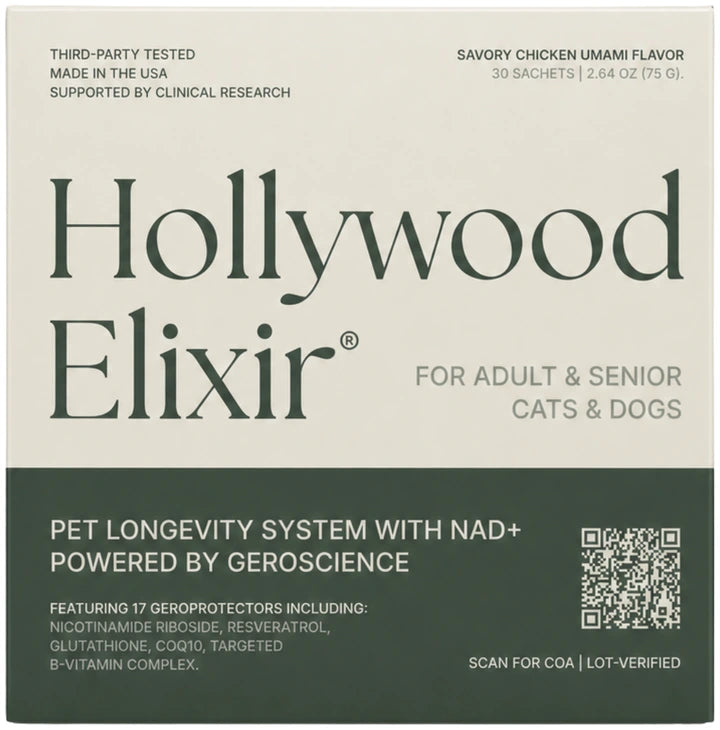
Hollywood Elixir contains 16 longevity actives including NAD for dogs

Repeat or Act Now? Matching Numbers to Symptoms

Knowing when to repeat versus when to act depends on severity, symptoms, and whether the change is new. A mild, unexpected bump in one marker with a normal exam often leads to a planned recheck after hydration and routine stabilization, while a sharp rise with clinical illness can signal acute kidney injury or obstruction. In cats with urethral obstruction, SDMA and creatinine can both be affected during the acute episode, showing how quickly the story can change when urine flow is blocked (Wilson, 2022). Timing matters: repeating too soon can capture the same temporary distortion, while waiting too long can miss a worsening trend.

At home, urgency clues include straining to urinate, repeated trips to the litter box with little output, sudden collapse, or persistent vomiting. Those signs should trigger immediate veterinary contact regardless of the exact numbers. For stable pets, a calendar reminder for the recheck and a simple daily note about water and urine output can make the follow-up far more informative.

How to Prepare for the Follow-up Vet Conversation

Vet visit prep is not about challenging the lab report; it is about bringing the missing context that makes the numbers readable. Useful questions include: “Was urine specific gravity checked the same day?” “Do these results fit dehydration, or do they suggest true azotemia?” “Should blood pressure and urine protein be measured to complete the kidney picture?” and “What change signals would mean calling sooner than the recheck?” These questions help connect kidney blood test dogs cats results to a plan rather than a label.

Bring practical observations: how many water bowl refills happen daily, litter clump size, potty frequency, appetite changes, and any recent vomiting or diarrhea. If the pet recently started new medications or had anesthesia, mention that timing. A short written timeline (one week before the test through today) often reveals why a marker shifted and what should be done next.

“Hydration and muscle mass can change the meaning of high.”

nad+ for dogs La petite labs scientist lab coat

Case Vignette: High SDMA with Normal Creatinine

CASE VIGNETTE: A 13-year-old cat has a mildly high SDMA on routine screening, with creatinine still in the reference range and BUN only slightly elevated. The cat has lost weight over six months and drinks a bit more, but still plays and eats well. In this scenario, the “normal” creatinine may be partly explained by muscle loss, so the next step is often urine concentration testing and a scheduled trend check rather than assuming the kidneys are fine or doomed.

At home, that cat’s owner can support the plan by weighing weekly, measuring water added to the bowl, and noting litter box output. Small changes—like larger clumps or a new preference for running water—can be early change signals worth sharing. The goal is not to diagnose at home, but to make the next kidney markers interpretation more reliable.

Shop Now
nad for dogs hollywood elixir ingredient breakdown marketing

Owner Checklist for Context That Changes Interpretation

OWNER CHECKLIST: When kidney markers are abnormal, the most helpful home checks are concrete and repeatable. Watch for (1) increased thirst or empty bowls sooner than usual, (2) bigger litter clumps or more frequent urination, (3) reduced appetite or “sniff and walk away,” (4) nausea signs like lip-licking or drooling, and (5) weight loss or a sharper spine/hip feel. These observations help a veterinarian decide whether the lab shift matches early chronic kidney disease, dehydration, or an acute problem.

Keep the checklist simple: one note per day for two weeks is often enough to reveal direction. If any item appears suddenly and strongly—especially not urinating, repeated vomiting, or profound lethargy—contact the clinic promptly rather than waiting for the next scheduled blood draw. Home observations are not “extra”; they are part of the kidney function tests story.

Shop Now
NAD+ for dogs hollywood elixir with dog product campaign shot

What to Track over the First 4–6 Weeks

WHAT TO TRACK (first 4–6 weeks): focus on markers that change before a pet looks dramatically ill. Track (1) body weight weekly, (2) daily water intake or bowl refills, (3) urine output pattern (litter clumps or potty breaks), (4) appetite consistency, (5) vomiting episodes, and (6) energy and grooming. Pairing these with repeat creatinine, BUN, SDMA, and urine specific gravity makes the next kidney markers interpretation far more durable (Mack, 2021).

A simple method is a note on the fridge: date, appetite (normal/less/none), water (normal/more), urine (normal/more/less), and any vomiting. Photos of the litter box clumps can be surprisingly useful if the household has multiple cats. This tracking is not about perfection; it is about giving the veterinarian a clearer timeline than memory alone.

Shop Now

The SDMA Misconception That Causes Unnecessary Panic

UNIQUE MISCONCEPTION: “SDMA is an early kidney marker, so a high SDMA means chronic kidney disease.” SDMA can be an earlier change signal than creatinine in some pets, but it still reflects filtration at that moment, not a guaranteed long-term diagnosis (Loane, 2022). Acute illness, dehydration, or urinary obstruction can temporarily change filtration and shift SDMA. Chronic kidney disease is diagnosed by combining blood markers with urine concentration, persistence over time, and clinical context—not by one SDMA result.

At home, this misconception can lead to either panic or resignation. A better response is to ask what the veterinarian expects next: a recheck interval, urine testing, and whether blood pressure or imaging is needed. When the plan is clear, owners can focus on what they can observe—hydration, appetite, and urination—while the clinic confirms whether the change persists.

What Not to Do After Seeing Abnormal Kidney Markers

WHAT NOT TO DO: Do not switch diets drastically the day before a recheck, because protein changes can shift BUN and confuse the trend. Do not restrict water to “reduce urination,” since dehydration can worsen kidney markers and how a pet feels. Do not interpret a single creatinine or SDMA value without the urine results, especially urine specific gravity. And do not delay urgent care when a cat strains to urinate or produces little to no urine—those signs can be emergencies even before lab numbers return (Wilson, 2022).

At home, the safest approach is consistency: keep routines stable until the veterinarian advises changes. If appetite is poor, avoid forcing large meals; instead, report the pattern and ask for guidance. When owners avoid these common mistakes, repeat kidney function tests become easier to interpret and more likely to lead to the right next step.

NAD+ for dogs

When the Lab Method or Medications Skew Creatinine

Sometimes the “story” is distorted by the test method rather than the pet. Certain antibiotics can interfere with creatinine measurement on some analyzers, and piperacillin/tazobactam is a known example with the Jaffe method, potentially creating a falsely higher creatinine (Dimeski, 2021). Some cephalosporins have also been reported to interfere with creatinine measurement on desk-top analyzers (Nanji, 1987). This does not mean results are useless; it means medication history and the lab method can matter when a creatinine jump seems out of proportion to the pet’s condition.

Owners can help by bringing a complete medication list, including recent injections, antibiotics, and the dates they were given. If a pet is on an antibiotic and creatinine rises unexpectedly, it is reasonable to ask whether the analyzer method could be a factor and whether a repeat test or different method is appropriate. This is a practical way to prevent misreading kidney markers interpretation.

Shop Now
nad supplements for dogs nad+ for dogs

How These Markers Fit into IRIS Staging and Monitoring

Once kidney disease is suspected or confirmed, these markers help with staging and monitoring rather than serving as a scoreboard. IRIS staging commonly uses creatinine and considers SDMA as supportive information, while other data—urine protein, blood pressure, phosphorus—shape risk and next steps. In feline chronic kidney disease, SDMA, urea, creatinine, and phosphorus-related markers can move together as disease progresses, which is why follow-up panels often include more than the “big three” (Grelová, 2022). The goal is to understand durability and rebound capacity, not to chase a perfect number.

At home, monitoring becomes about comfort and function: steady appetite, stable weight, and predictable litter box habits. Owners reading about chronic kidney disease in cats or dogs may notice overlap with “drinking a lot of water” pages, because thirst changes are often what families see first. Those observations, paired with scheduled labs, help the veterinarian adjust the plan before a crisis develops.

Shop Now

Putting the Story Together Without Overreading One Value

Putting it all together: creatinine, BUN, and SDMA are most useful when they answer a specific question—Is filtration reduced? Is this change persistent? Does the urine match the blood?—rather than when they are treated as labels. The SDMA test pets receive can add earlier context, creatinine can anchor staging, and BUN can reflect hydration and protein handling, but none should be read in isolation. When the pattern is unclear, repeating tests under stable conditions is often the most responsible next step.

For owners, the practical takeaway is calm structure: keep routines consistent, track a few home signals, and bring a clear timeline to the next visit. If the pet is unwell—vomiting, not eating, acting painful, or not urinating—seek care promptly regardless of the numbers. When the pet is stable, trend monitoring turns scary lab flags into a readable story.

“Urine results often explain what blood numbers cannot.”

Educational content only. This material is not a substitute for veterinary advice. Always consult your veterinarian about your dog’s specific needs. These statements have not been evaluated by the Food and Drug Administration. Products mentioned are not intended to diagnose, treat, cure, or prevent any disease.

Glossary

  • Azotemia - Elevated nitrogen waste markers (often BUN and creatinine) in the blood.
  • BUN (Blood Urea Nitrogen) - A blood marker reflecting urea from protein processing; influenced by hydration and diet.
  • Creatinine - A muscle-related waste product cleared by kidney filtration; affected by muscle mass and hydration.
  • SDMA - Symmetric dimethylarginine; a kidney filtration marker less dependent on muscle mass than creatinine.
  • Urine Specific Gravity (USG) - A measure of urine concentration that helps interpret kidney filtration markers.
  • Proteinuria - Excess protein in urine; can change kidney risk and monitoring needs.
  • IRIS Staging - A veterinary framework for staging chronic kidney disease using creatinine, SDMA support, and other factors.
  • Jaffe Method - A creatinine testing method that can be affected by some drug interferences.
  • Acute Kidney Injury (AKI) - A sudden drop in kidney filtration that can rapidly change lab markers.

Related Reading

References

Wilson. Assessment of serum symmetric dimethylarginine and creatinine concentrations in cats with urethral obstruction.. PubMed Central. 2022. https://pmc.ncbi.nlm.nih.gov/articles/PMC10812315/

Nanji. Interference by cephalosporins with creatinine measurement by desk-top analyzers.. PubMed. 1987. https://pubmed.ncbi.nlm.nih.gov/3443149/

Dimeski. Interference by piperacillin/tazobactam in the measurement of creatinine with the Jaffe method and of total protein with the biuret method. 2021. https://www.sciencedirect.com/science/article/pii/S1441277223004192

Loane. Evaluation of symmetric dimethylarginine in cats with acute kidney injury and chronic kidney disease.. PubMed Central. 2022. https://pmc.ncbi.nlm.nih.gov/articles/PMC9511064/

Mack. Longitudinal evaluation of symmetric dimethylarginine and concordance of kidney biomarkers in cats and dogs.. PubMed. 2021. https://pubmed.ncbi.nlm.nih.gov/34391920/

Hall. Comparison of serum concentrations of symmetric dimethylarginine and creatinine as kidney function biomarkers in cats with chronic kidney disease.. PubMed Central. 2014. https://pmc.ncbi.nlm.nih.gov/articles/PMC4895610/

Fahey. The art of establishing mineral tolerances of dogs and cats.. PubMed Central. 2024. https://pmc.ncbi.nlm.nih.gov/articles/PMC11161897/

Grelová. Relationship between FGF 23, SDMA, Urea, Creatinine and Phosphate in Relation to Feline Chronic Kidney Disease.. PubMed Central. 2022. https://pmc.ncbi.nlm.nih.gov/articles/PMC9454452/

FAQ

What do creatinine, BUN, and SDMA actually measure?

Creatinine is a muscle-related waste product cleared by kidney filtration, BUN reflects urea from protein processing, and SDMA is a small molecule cleared mainly by the kidneys. Each rises when filtration drops, but each can also shift for non-kidney reasons.

That is why Creatinine, BUN, and SDMA: Interpreting Kidney Markers Without Misreading the Story focuses on patterns, urine results, and trends—not one number in isolation.

Why can one abnormal kidney value be misleading?

A single value is a snapshot taken under specific conditions: hydration, stress, recent meals, and recent illness. Dehydration can concentrate BUN and creatinine, and low muscle mass can keep creatinine lower than expected even when kidney function is reduced.

The safer approach is repeat testing plus urine specific gravity and a symptom timeline, which is the core message of Creatinine, BUN, and SDMA: Interpreting Kidney Markers Without Misreading the Story.

Is SDMA always an earlier warning than creatinine?

SDMA is less tied to muscle mass than creatinine, so it can flag reduced filtration earlier in some thin or aging pets. However, “earlier” does not mean “certain,” and SDMA can still rise with temporary drops in filtration from dehydration or acute illness.

A veterinarian typically confirms meaning with urine testing, blood pressure, and repeat trends rather than diagnosing from SDMA alone.

What does “azotemia” mean on my pet’s lab report?

Azotemia means nitrogen-containing wastes (often BUN and creatinine) are elevated in the blood. It can happen because the kidneys are not filtering well, because blood flow to the kidneys is reduced (often dehydration), or because urine cannot leave the body normally (obstruction).

The next step is figuring out which category fits by using urine concentration, hydration assessment, and the pet’s symptoms—not by guessing from one value.

How does dehydration change BUN and creatinine results?

Dehydration concentrates the blood and can reduce blood flow through the kidneys, which can push BUN and creatinine higher even if the kidneys still have rebound capacity. SDMA can also rise when filtration temporarily drops.

This is why many veterinarians pair a kidney blood test with urine specific gravity and may recommend a recheck after hydration is corrected.

Can diet make BUN high even with normal kidneys?

Yes. BUN reflects urea from protein processing, so a high-protein diet or a sudden diet change can raise BUN without the same meaning as a rise caused by reduced kidney filtration. GI bleeding can also raise BUN because digested blood acts like a protein load.

That is why BUN creatinine meaning pets is best understood as a pattern across multiple markers plus the pet’s history.

Why might creatinine look normal in a sick older cat?

Creatinine is influenced by muscle mass. Older cats with chronic illness often lose muscle, which can lower creatinine and make kidney filtration look better than it is. In that situation, SDMA and urine concentration can provide important extra context.

Owners can help by reporting weight loss, reduced jumping, or a “bony” feel along the spine—those details change how the lab numbers are interpreted.

Do dogs and cats interpret kidney markers the same way?

The basic biology is similar, but the common pitfalls differ. Cats often hide illness and can lose muscle, which can mask creatinine-based severity. Dogs vary widely in muscle mass, so a muscular dog may have a higher baseline creatinine than a small, lean dog.

In both species, kidney blood test dogs cats interpretation is strongest when paired with urine specific gravity, blood pressure, and repeat trends.

What urine tests matter most alongside kidney bloodwork?

Urine specific gravity helps show whether the kidneys are concentrating urine appropriately, which is essential context for BUN, creatinine, and SDMA. Urine protein testing can identify protein loss that changes risk and monitoring needs. A urine sediment exam can reveal infection, inflammation, or crystals.

These urine results often explain why a kidney marker is high and whether the change is likely temporary or persistent.

How often should kidney markers be rechecked after a mild change?

Recheck timing depends on symptoms, severity, and whether dehydration or a short-term illness could be distorting results. Many veterinarians choose a planned recheck after hydration and routine stability, plus a urine test, rather than repeating immediately.

The goal is to see direction—improving, stable, or worsening—so the next decision is based on a trend, not a single data point.

What home signs should trigger an urgent vet call?

Urgent signs include straining to urinate, producing little to no urine, repeated vomiting, collapse, severe lethargy, or obvious pain. These can indicate obstruction or acute kidney injury and should be addressed immediately, even before repeat lab work.

Lab numbers support decisions, but a pet’s ability to urinate and stay hydrated is a real-time safety issue.

What should owners track at home after abnormal kidney tests?

Track weight weekly, water intake or bowl refills daily, urine output pattern, appetite, vomiting, and energy/grooming. These are the change signals that often shift before a pet looks dramatically ill.

This tracking supports Creatinine, BUN, and SDMA: Interpreting Kidney Markers Without Misreading the Story by making the next recheck easier to interpret and act on.

Can medications affect creatinine results without true kidney damage?

Yes, sometimes the lab method can be affected by certain drugs, creating an inaccurate creatinine number. Some antibiotics have been reported to interfere with creatinine measurement on certain analyzers, which can make a creatinine jump look more dramatic than the pet’s condition suggests.

Bring a complete medication list and dates given so the veterinarian can judge whether a repeat test or different method is appropriate.

What does IRIS staging use, and why does it matter?

IRIS staging is a framework veterinarians use to describe chronic kidney disease severity and guide monitoring. It commonly uses creatinine as a core marker, with SDMA as supportive context, and it considers factors like urine protein and blood pressure to refine risk.

Staging matters because it turns lab results into a plan: what to monitor, how often to recheck, and what complications to watch for.

If SDMA is high but creatinine is normal, what next?

A mildly high SDMA with normal creatinine can happen early in kidney disease, in thin pets with low muscle mass, or during temporary filtration changes. The next step is usually confirmation: urine specific gravity, urine protein testing, blood pressure, and a scheduled repeat panel under stable conditions.

This is a classic situation where kidney markers interpretation depends on trends and urine results, not assumptions.

If BUN is high but creatinine is normal, what does it suggest?

A high BUN with normal creatinine can point toward dehydration, a recent high-protein meal or diet change, or GI bleeding rather than primary kidney filtration failure. It can also occur early in kidney issues, so it should not be dismissed automatically.

A veterinarian typically checks hydration status, urine concentration, and the pet’s history to decide whether to recheck or investigate further.

How quickly can kidney markers change in an emergency?

They can change quickly when filtration drops suddenly, such as with urinary obstruction, toxin exposure, severe dehydration, or shock. In those situations, BUN, creatinine, and sometimes SDMA can rise over a short period, and the pet’s symptoms often worsen faster than owners expect.

If a pet cannot urinate, is repeatedly vomiting, or is profoundly lethargic, immediate veterinary care matters more than waiting for trend data.

What questions should be asked about a kidney blood test?

Ask: Were urine specific gravity and urine protein checked the same day? Does hydration likely explain part of the change? Are blood pressure and phosphorus needed to complete the picture? What recheck interval is recommended, and what change signals should trigger an earlier call?

These questions keep the focus on decision-making, which is the point of Creatinine, BUN, and SDMA: Interpreting Kidney Markers Without Misreading the Story.

Should owners change water access or feeding before rechecks?

Water should not be restricted to “reduce urination,” because dehydration can worsen how a pet feels and can distort kidney markers. Large, sudden diet changes right before a recheck can also shift BUN and confuse interpretation.

Consistency helps: keep routines stable unless the veterinarian recommends changes, and report any unavoidable changes (travel, illness, appetite loss) that occurred before the test.

How does this relate to drinking a lot of water pages?

Increased thirst and urination are common reasons kidney bloodwork is run, and they can be early change signals of reduced kidney concentrating ability. However, thirst changes can also come from other conditions, so the lab panel is used to narrow the possibilities.

Creatinine, BUN, and SDMA: Interpreting Kidney Markers Without Misreading the Story helps connect what is seen at home to what the numbers can—and cannot—prove.

What is the best decision framework for confusing results?

Start with safety: if the pet is not urinating, is repeatedly vomiting, or is collapsing, treat it as urgent. If the pet is stable, confirm context: hydration status, muscle condition, diet changes, and medications. Then complete the picture with urine specific gravity and urine protein, and plan a repeat panel to establish direction.

This framework prevents overreacting to one number while still catching true kidney decline early.

5K+ Happy Pet Parents

Excellent 4.8

Creatinine, BUN, and SDMA: Interpreting Kidney Markers Without Misreading the Story | Why Thousands of Pup Parents Trust Hollywood Elixir™

"He seems more happy overall. I've also noticed he has more energy which makes our walks and playtime so much more fun."

Olga & Jordan

"He's got way more energy now! We go on runs pretty often; he use to get tired halfway through, but lately, he's been keeping up without any problem."

Cami & Clifford

"I want her to live forever. She hasn't had an ear infection since!"

Madison & Azula

"It helps with her calmness, her immune system. I really like the clean ingredients. Highly recommend La Petite Labs!"

Maple & Cassidy

"He seems more happy overall. I've also noticed he has more energy which makes our walks and playtime so much more fun."

Olga & Jordan

"He's got way more energy now! We go on runs pretty often; he use to get tired halfway through, but lately, he's been keeping up without any problem."

Cami & Clifford

"I want her to live forever. She hasn't had an ear infection since!"

Madison & Azula

"It helps with her calmness, her immune system. I really like the clean ingredients. Highly recommend La Petite Labs!"

Maple & Cassidy

"He seems more happy overall. I've also noticed he has more energy which makes our walks and playtime so much more fun."

Olga & Jordan

"He's got way more energy now! We go on runs pretty often; he use to get tired halfway through, but lately, he's been keeping up without any problem."

Cami & Clifford

"I want her to live forever. She hasn't had an ear infection since!"

Madison & Azula

"It helps with her calmness, her immune system. I really like the clean ingredients. Highly recommend La Petite Labs!"

Maple & Cassidy

"He seems more happy overall. I've also noticed he has more energy which makes our walks and playtime so much more fun."

Olga & Jordan

"He's got way more energy now! We go on runs pretty often; he use to get tired halfway through, but lately, he's been keeping up without any problem."

Cami & Clifford

"I want her to live forever. She hasn't had an ear infection since!"

Madison & Azula

"It helps with her calmness, her immune system. I really like the clean ingredients. Highly recommend La Petite Labs!"

Maple & Cassidy

SHOP NOW