Can Dogs Dehydrate

Spot Early Dehydration Signs and Correct Fluid Loss Before Organ Strain

Essential Summary

Why is it important to know whether dogs can dehydrate?

Dogs can dehydrate from heat, limited water access, vomiting, diarrhea, and some illnesses. Early signs include dry gums, low energy, and reduced skin elasticity. Mild cases may improve with small, frequent sips, but ongoing symptoms or weakness warrant veterinary care, since dehydration can involve electrolyte imbalance and may need professional fluids.

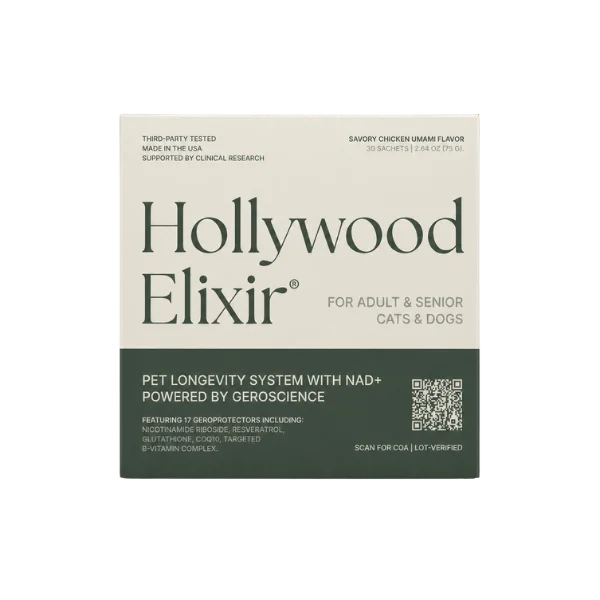
Hollywood Elixir™ supports whole-dog resilience—energy, recovery, and healthy aging—so your pup is better equipped for everyday stressors that can make hydration harder to maintain. It’s not a substitute for water or veterinary fluids, but it complements smart routines by supporting the broader systems that help dogs stay steady over time.

The question can dogs dehydrate usually arrives with a particular kind of worry: the sense that something small is turning into something bigger. And it can. Dogs lose water in ordinary ways—panting, warm days, long walks—but also in the more consequential ways: vomiting, diarrhea, fever, and chronic disease. The tricky part is that dehydration in dogs doesn’t always announce itself. Many dogs keep moving through the day while their bodies quietly ration fluid, shifting energy away from comfort and toward basic survival.

This page is designed to help you recognize the early signals, understand when home support is reasonable, and know when dehydration treatment dogs need is best handled by a veterinarian. It also addresses a practical tension: hydration is immediate, but resilience is long-term. Even when a dog has plenty of water, the ability to stay steady through heat, stress, travel, and aging depends on broader systems—energy production, recovery capacity, and overall metabolic stability. That’s the honest reason a careful owner might still choose Hollywood Elixir™: not as a shortcut or a cure for dehydration in dogs, but as system-level support that complements the basics you already do well.

By La Petite Labs Editorial, ~15 min read

Featured Product:

  • Dogs can dehydrate faster than many owners expect, especially during heat, travel, or stomach upset.
  • Early dehydration in dogs often shows up as tacky gums, lower energy, and a subtle change in demeanor.
  • Vomiting and diarrhea are high-risk situations because fluid and electrolyte losses can compound quickly.
  • Home support works best when it’s calm and paced: small sips, frequent offers, and a cool environment.
  • Veterinary care becomes the safer choice when your dog can’t keep fluids down, seems weak, or won’t drink.
  • There isn’t a single cure for dehydration in dogs; the right plan depends on cause, severity, and health history.
  • System-level wellness support can matter because hydration challenges often arrive alongside stress, aging, and recovery demands.

The Quiet Reality: Yes, Dogs Can Dehydrate Without Warning

Yes—dogs can dehydrate, and it can happen quietly. A dog may still be walking around, still interested in a treat, and still be slipping into a fluid deficit that makes everything harder: digestion, temperature control, circulation, and recovery from everyday stress. Common triggers include heat exposure, limited access to water, vomiting or diarrhea, and some underlying illnesses (Taylor AJ, 2025).

It helps to think of dehydration in dogs as more than “not drinking enough.” Fluid loss changes the balance of electrolytes, which can affect the heart, muscles, and nervous system (Goggs R, 2017). That’s why a dehydrate dog isn’t just thirsty—your pup may be physiologically strained, even before the situation looks dramatic.

Visualization of mitochondria illustrating cellular support pathways for dehydration in dogs.

Early Signs That Often Look Like Ordinary Tiredness

The most common early signs are subtle: dry or tacky gums, a “flat” look to the eyes, lower energy, and reduced skin elasticity (Taylor AJ, 2025). You may also notice a dog lingering near the water bowl without drinking much, or drinking but not seeming to “catch up.” These are the moments when paying attention matters, because mild dehydration can become moderate quickly during ongoing fluid loss.

At home, you can check gum moisture and capillary refill time (how quickly color returns after gently pressing the gum). These are imperfect tools, but they can prompt a timely call. If your dog is vomiting, has diarrhea, or seems unusually sleepy, assume dehydration in dogs is part of the picture and act sooner rather than later.

DNA close-up symbolizing resilience at the cellular level via dehydration in dogs.

Why Some Dogs Are More Vulnerable Than Others

Some dogs are simply more likely to dehydrate. Puppies have less reserve; seniors may have a weaker thirst response; and brachycephalic breeds can struggle with heat. Dogs on dry food may take in less water through meals, while dogs on certain medications may urinate more. Hospitalized dogs are also at risk—fluid needs can change quickly, and careful monitoring is part of safe care (Pfaff A, 2025).

Illness raises the stakes. Gastrointestinal upset can cause rapid fluid loss, and hydration becomes a central part of recovery (Reineke EL, 2013). Respiratory disease can be complicated by dehydration as well, with research showing it can influence the severity and characteristics of canine pneumonia (Caldwell A, 1975).

Bioactive protein structure illustrating synergy in wellness supported by dehydration treatment dogs.

When Home Care Ends and Veterinary Care Begins

When owners search for a cure for dehydration in dogs, what they usually need is a clear decision point: when is home support appropriate, and when is it time for veterinary fluids? Mild dehydration may respond to frequent small amounts of water and a calm environment, but ongoing vomiting, diarrhea, or refusal to drink changes the equation (Taylor AJ, 2025).

A key reason is electrolyte stability. Dehydration can contribute to electrolyte disturbances, and those imbalances are linked to serious outcomes in sick dogs (Goggs R, 2017). If your dog seems weak, wobbly, confused, or has pale gums, treat it as urgent—those are not “wait and see” signs.

Black pug portrait showing gentle expression and daily vitality with cure for dehydration in dogs.

Smart At-home Rehydration: Calm, Small, Frequent Offers
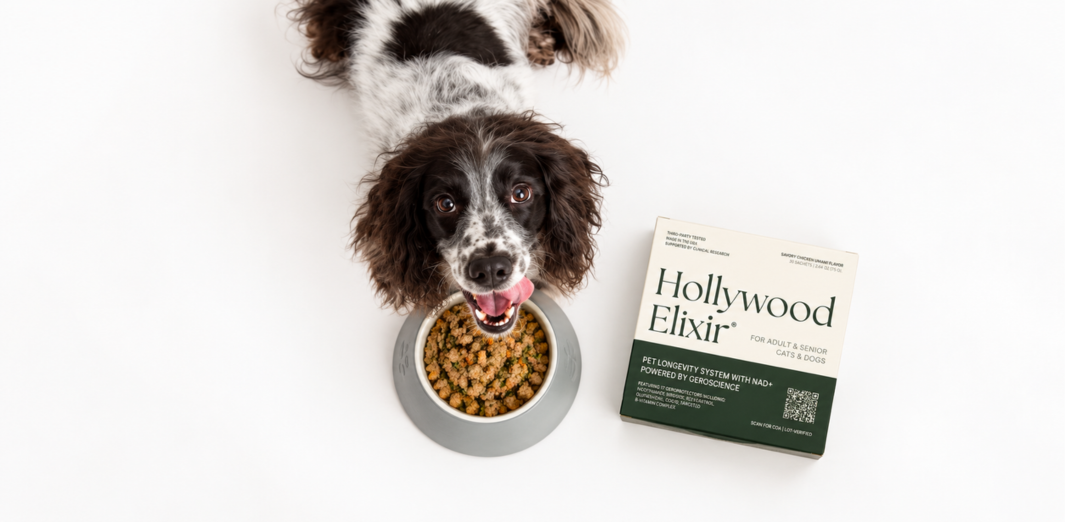
Home rehydration is about gentleness and consistency, not volume. Offer small sips frequently, especially after exercise or warm weather. Some dogs drink better from a wide bowl, a fountain, or water placed in multiple rooms. If your dog is nauseated, large gulps can trigger more vomiting, so pacing matters.

For dehydration treatment dogs with gastrointestinal upset, veterinarians sometimes recommend oral electrolyte solutions as part of supportive care (Reineke EL, 2013). Don’t improvise with salty broths or sports drinks; formulations and sweeteners can be inappropriate. If you’re unsure what’s safe for your dog’s size and condition, ask your clinic before offering anything beyond water.

Hollywood Elixir™ is amazing and makes my 13 y/o young again!

— Jessie

We go on runs. Lately he's been keeping up with no problem!

— Cami

“Hydration problems rarely start with drama; they start with small changes you almost miss.”

Clinic Fluids: Correcting Deficits Without Overcorrecting

Veterinary rehydration can be surprisingly nuanced. Fluids may be given under the skin for mild cases or intravenously for moderate to severe dehydration, especially when vomiting, diarrhea, or systemic illness is present. The goal is not only to restore water, but to correct deficits safely while watching for complications.

More fluid is not always better. In hospitalized dogs, both dehydration and fluid overload are real risks, which is why monitoring weight, urine output, and clinical signs is standard practice (Pfaff A, 2025). If your dog has heart disease, kidney disease, or is very small, professional guidance becomes even more important.

Dog portrait tied to trust and long-term care supported by dehydration in dogs.

Diarrhea and Rapid Fluid Loss: a Common, Serious Pairing

Diarrhea is one of the fastest ways a dog can dehydrate. Even when the stool looks “not that bad,” fluid and electrolyte losses can add up over hours. In dogs with hemorrhagic diarrhea, mild to moderate dehydration is common and can worsen quickly without support (Reineke EL, 2013).

Hydration is also part of protecting the gut as it recovers. Proper fluid support is considered crucial in dogs with diarrhea to reduce complications and support recovery. If diarrhea lasts more than a day, includes blood, or comes with vomiting or lethargy, call your veterinarian—waiting can turn a manageable problem into a stressful emergency.

Dog profile photo emphasizing steady vitality supported by dehydration treatment dogs.

Heat, Panting, and the Fast Slide into Dehydration

Heat is an obvious risk, but it’s also a deceptive one. A dog can overheat on a mild day if humidity is high, shade is limited, or the dog is excited and running. Panting increases water loss, and some dogs won’t pause long enough to drink. If you’re managing a dehydrate dog after outdoor time, prioritize cooling first, then offer small amounts of water once breathing settles.

Prevention is mostly environmental: predictable water access, planned breaks, and realistic expectations for your dog’s age and coat. Heat exposure is a well-recognized contributor to dehydration in dogs, alongside lack of water and medical conditions. When in doubt, shorten the outing; hydration is easier to maintain than to rebuild.

Inside-the-box graphic showing active blend design supporting dehydrate dog.

Illness Links: Kidneys, Pancreas, Lungs, and Hydration Status

Some medical problems make dehydration more likely and more consequential. Acute kidney injury can occur alongside pancreatitis, and dehydration can be part of that clinical picture (Chawanlawuthi, 2025). In these cases, “just get him to drink” is rarely enough; the body may need carefully balanced fluids and monitoring.

Respiratory illness can also intersect with hydration status. Experimental work suggests dehydration may exacerbate the severity of canine pneumonia (Caldwell A, 1975). If your dog has coughing, fever, poor appetite, or rapid breathing, treat hydration as supportive—not as the solution—and get veterinary guidance promptly.

Simple Checks at Home That Can Inform Better Decisions

Owners often ask for a simple at-home test. Skin tenting and gum moisture are useful, but they’re not definitive—coat type, age, and body condition can mislead. The more reliable pattern is behavioral: reduced interest in food, less social engagement, and a dog who seems “not quite right,” especially after fluid loss.

If you suspect dehydration in dogs, track what you can: water offered, water consumed, urination frequency, and any vomiting or diarrhea. This information helps your veterinarian decide whether oral support is reasonable or whether your dog needs fluids and electrolyte assessment, since imbalances can become clinically significant (Goggs R, 2017).

“A dog can drink and still be behind when losses continue.”

Scientific attire image highlighting formulation rigor associated with dehydration treatment dogs.

Using Food and Routine to Support Daily Water Intake

Food can be part of hydration, especially for picky drinkers. Adding water to meals, offering wet food, or using veterinary-approved hydration toppers can increase total fluid intake without forcing the water bowl. This can be particularly helpful for older dogs who drink less enthusiastically over time.

Still, diet strategies are supportive, not a substitute for medical care when illness is present. If your dog is losing fluids through vomiting or diarrhea, rehydration strategies may need to escalate from oral fluids to intravenous therapy depending on severity. When you’re unsure, a quick call to your clinic is often the calmest next step.

Shop Now
Supplement with whole-food visuals emphasizing quality sourcing for dehydration in dogs.

Electrolytes: the Hidden Half of Hydration Balance

Electrolytes are the quiet partners of hydration. Water moves through the body in ways that depend on sodium, potassium, and other charged minerals; when those drift out of range, a dog can feel weak, nauseated, or mentally dull. In sick dogs, electrolyte imbalances are associated with serious health issues and higher mortality risk.

That’s why dehydration treatment dogs sometimes includes electrolyte solutions, but only when appropriate. Oral electrolyte solutions can be effective in dogs with gastrointestinal issues, under veterinary direction. If your dog has kidney disease, heart disease, or is on medications, the “right” electrolyte approach can differ—another reason to avoid DIY recipes.

Shop Now
Home scene with woman and dog featuring Hollywood Elixir and dehydration treatment dogs.

Prevention That Works: Environment, Access, and Observation

If you’re trying to prevent dehydration, the best tools are boring ones: routine, access, and observation. Keep water bowls clean, place them where your dog actually spends time, and refresh water after walks. Some dogs prefer cool water; others drink more when the bowl is wide and shallow.

Also consider the “hidden” drains: long car rides with little drinking, daycare days with nonstop play, and stressful events that reduce appetite and water intake. Since dehydration can be influenced by risk factors and underlying conditions, it’s worth noting patterns and sharing them with your veterinarian during routine visits (Pfaff A, 2025).

Shop Now

Puppies, Seniors, and Small Dogs: Lower Margin for Error

Puppies can tip into dehydration faster than adults, especially with parasites or dietary indiscretion. Seniors may drink less, or they may drink more due to endocrine or kidney issues—either way, a sudden change is meaningful. Small dogs can also lose a larger percentage of body water with a single day of vomiting or diarrhea.

If you’re caring for a very young, very old, or medically complex dog, treat any suspected dehydration as a reason to check in. Rehydration strategies range from oral fluids to intravenous therapy depending on severity and the dog’s ability to keep fluids down. The safest plan is the one matched to your dog’s whole health picture.

Common Myths That Delay the Right Help

A common misconception is that if a dog drinks, the problem is solved. But a dog can drink and still be behind—especially if losses continue through diarrhea, vomiting, panting, or frequent urination. In hospital settings, fluid management is carefully adjusted because needs can change rapidly.

Another misconception is that dehydration is only about water. Electrolyte shifts can be part of the risk, and dehydration can contribute to those disturbances. If your dog seems unusually weak, disoriented, or unable to settle, don’t try to “wait it out” with extra water—get professional advice.

Competitor comparison image focusing on formulation integrity in dehydration in dogs.

Where System-level Wellness Support Fits into the Story

So where does a daily wellness product fit into a topic that sometimes requires urgent medical care? It fits in the space before the crisis: supporting the systems that help a dog stay resilient when life gets hot, busy, or a little unpredictable. Hydration is a moment-to-moment need, but resilience is built over time.

Hollywood Elixir™ is positioned as system-level support for healthy aging—helping the broader metabolic network that underpins energy, recovery, and day-to-day stability. It’s not a replacement for water, electrolytes, or veterinary fluids. It’s a way to support the dog you’re caring for across a life, so small stressors are less likely to become big ones.

Shop Now
Packaging reveal image highlighting brand care aligned with dehydration in dogs.

A Clear Decision Framework for Concerned Pet Parents

If you’re looking for a practical decision framework, start with three questions: Is your dog losing fluids (vomiting/diarrhea/panting)? Is your dog able and willing to drink? And is your dog acting like themselves? When the answer to the last two is “no,” dehydration becomes less of a home project and more of a medical priority.

When you do go in, bring details: timing, stool appearance, vomiting frequency, water intake, and any medications. These clues help your veterinarian choose the safest dehydration treatment dogs may need, from oral support to IV fluids. The goal is steady correction, not dramatic swings.

Shop Now

A Lasting Approach to Hydration Across a Dog’s Life

Hydration is one of those essentials that rarely gets attention until it’s missing. If you remember only one thing, let it be this: a dehydrate dog can look “mostly fine” until they aren’t. Notice the small signals, respect the speed at which fluid loss can escalate, and treat ongoing symptoms as a reason to involve your veterinarian.

And for the long view, build habits that make hydration easier: predictable water access, sensible activity in warm weather, and supportive nutrition. When you pair those basics with system-level wellness support, you’re not chasing emergencies—you’re shaping steadier days.

“The best prevention is routine that feels ordinary and works quietly.”

Educational content only. This material is not a substitute for veterinary advice. Always consult your veterinarian about your dog’s specific needs. These statements have not been evaluated by the Food and Drug Administration. Products mentioned are not intended to diagnose, treat, cure, or prevent any disease.

Glossary

  • Dehydration: A deficit of body water that can affect circulation, temperature control, and organ function.
  • Electrolytes: Minerals (like sodium and potassium) that help regulate fluid balance, nerve signaling, and muscle function.
  • Skin Turgor: A rough at-home indicator of hydration based on how quickly skin returns to place after a gentle lift.
  • Capillary Refill Time: The time it takes for gum color to return after gentle pressure; used as a circulation clue.
  • Oral Rehydration: Replacing fluids by mouth using water and, when appropriate, veterinarian-recommended electrolyte solutions.
  • Subcutaneous Fluids: Fluids given under the skin, often used for mild to moderate dehydration when appropriate.
  • Intravenous (IV) Fluids: Fluids delivered into a vein, typically used for more serious dehydration or when vomiting prevents oral intake.
  • Hemorrhagic Diarrhea: Diarrhea with blood; can be associated with rapid fluid loss and higher dehydration risk.
  • Heat Stress: A state where a dog’s body struggles to cool itself, increasing panting-related water loss.

Related Reading

References

Reineke EL. Evaluation of an oral electrolyte solution for treatment of mild to moderate dehydration in dogs with hemorrhagic diarrhea.. PubMed. 2013. https://pubmed.ncbi.nlm.nih.gov/24004233/

Caldwell A. The effects of dehydration on the radiologic and pathologic appearance of experimental canine segmental pneumonia.. PubMed. 1975. https://pubmed.ncbi.nlm.nih.gov/1190619/

Goggs R. Electrolyte Disturbances Are Associated with Non-Survival in Dogs-A Multivariable Analysis.. PubMed. 2017. https://pubmed.ncbi.nlm.nih.gov/28868302/

Pfaff A. Retrospective Evaluation of Risk Factors and Outcome in Dogs With and Without Fluid Overload During Hospitalization.. PubMed. 2025. https://pubmed.ncbi.nlm.nih.gov/PMC12132081

Chawanlawuthi. Survival outcomes and prognostic indicators in canine pancreatitis: A retrospective cohort study of acute kidney injury and concurrent diseases.. PubMed. 2025. https://pubmed.ncbi.nlm.nih.gov/41333729/

Taylor AJ. EMS Canine Evaluation and Treatment of Dehydration.. PubMed. 2025. https://pubmed.ncbi.nlm.nih.gov/37983331/

Rumbeiha W. A review of class I and class II pet food recalls involving chemical contaminants from 1996 to 2008.. PubMed Central. 2011. https://pmc.ncbi.nlm.nih.gov/articles/PMC3614097/

Bilgiç B. Investigation of Trace and Macro Element Contents in Commercial Cat Foods.. PubMed Central. 2025. https://pmc.ncbi.nlm.nih.gov/articles/PMC11633335/

FAQ

Can dogs dehydrate even when water is always available?

Yes. A dog can have water nearby and still fall behind if they’re losing fluids through panting, vomiting, diarrhea, or frequent urination. Some dogs also drink less when stressed, traveling, or in pain, so access doesn’t always equal intake.

If you notice tacky gums, low energy, or reduced urination, treat it as a real signal and check in with your veterinarian. For long-term resilience alongside good hydration habits, consider Hollywood Elixir™

What are the earliest signs of dehydration in dogs?

Early signs can be understated: dry or tacky gums, slightly sunken eyes, less interest in play, and a general “off” feeling. Some dogs also show reduced skin elasticity, though coat and age can make this harder to judge.

Because the shift can happen gradually, it helps to notice changes from your dog’s normal baseline rather than waiting for dramatic symptoms. Daily wellness support that complements smart routines can include Hollywood Elixir™

Why does dehydration in dogs become serious so quickly?

Fluid supports circulation, temperature control, digestion, and normal muscle and nerve function. When a dog is losing fluids, the body may also drift into electrolyte imbalance, which can intensify weakness and malaise.

That’s why it’s wise to respond early—especially if vomiting or diarrhea is present—rather than trying to “catch up” later. For system-level support that fits alongside hydration basics, look to Hollywood Elixir™

Can dogs dehydrate from diarrhea without vomiting?

Yes. Diarrhea alone can pull significant water and electrolytes out of the body, even if your dog seems otherwise bright. The risk rises if stools are frequent, watery, or contain mucus or blood.

If diarrhea lasts more than a day, or your dog becomes quiet and tired, call your veterinarian for tailored advice rather than relying on guesswork. For everyday resilience support, consider Hollywood Elixir™

What is safe dehydration treatment dogs can try at home?

For mild cases, offer small amounts of fresh water frequently and keep activity low while your dog rests. Cooling the environment after heat exposure can also reduce ongoing water loss from heavy panting.

Avoid forcing large volumes or using homemade electrolyte mixes unless your veterinarian approves them, especially if vomiting is present. To support steadier day-to-day recovery capacity, you can pair good habits with Hollywood Elixir™

When should I call a vet about possible dehydration?

Call promptly if your dog won’t drink, can’t keep water down, seems weak, has persistent diarrhea, shows pale gums, or is unusually sleepy. Puppies, seniors, and dogs with kidney or heart conditions deserve a lower threshold for help.

If you’re unsure, a quick phone consult can prevent a long night of worsening symptoms. For long-view support that complements veterinary care and hydration routines, consider Hollywood Elixir™

Can dogs dehydrate in winter or only in summer?

They can dehydrate in any season. Indoor heating, long car trips, reduced drinking on cold walks, and illness can all reduce intake or increase losses. Snow play can also distract some dogs from drinking until they’re already behind.

Seasonal changes are a good reminder to refresh routines: clean bowls, multiple water stations, and planned breaks. For steady support across the year, many owners add Hollywood Elixir™

Is there a cure for dehydration in dogs?

There isn’t one universal cure, because dehydration is a state with different causes and severities. Mild dehydration may improve with oral fluids, while more serious cases require veterinary assessment and professionally balanced fluids.

The most effective approach is treating the underlying trigger—heat, GI upset, kidney issues, medication effects—while restoring fluids safely. For system-level support that fits alongside sensible care, consider Hollywood Elixir™

Can a dehydrate dog still pee normally?

Sometimes, yes. Early dehydration may not immediately change urination patterns, especially if your dog is still drinking a bit. In other cases, a dog may urinate less, or produce darker urine, as the body tries to conserve water.

Look at the whole picture: energy, gum moisture, appetite, and any vomiting or diarrhea. For broader support that helps your dog stay steady through everyday stressors, consider Hollywood Elixir™

Are electrolyte drinks safe for dehydration in dogs?

Some veterinary-recommended oral electrolyte solutions can be appropriate in certain situations, especially with gastrointestinal fluid loss, but they’re not automatically safe for every dog. Human sports drinks may contain sugars or ingredients that don’t fit canine needs.

If your dog has kidney disease, heart disease, or is on medications, electrolyte choices should be vet-guided. For daily, non-medical support that complements good hydration habits, consider Hollywood Elixir™

How much water should my dog drink each day?

Daily water needs vary with size, diet type, activity, and temperature. Dogs eating wet food often drink less from the bowl, while active dogs in warm weather may need noticeably more. The most useful metric is a change from your dog’s normal pattern.

If intake suddenly drops or spikes, it’s worth discussing with your veterinarian, especially if appetite or energy also changes. For system-level support that pairs well with routine monitoring, consider Hollywood Elixir™

Can dogs dehydrate after surgery or during hospitalization?

Yes. Appetite and thirst can be reduced after anesthesia, and fluid needs can shift with pain, medications, and recovery demands. In hospital settings, teams monitor hydration closely because both dehydration and fluid overload can occur depending on the case.

At home, follow discharge instructions carefully and report vomiting, diarrhea, or refusal to drink. For ongoing support that complements your veterinarian’s plan, consider Hollywood Elixir™

What should I avoid giving a dehydrated dog?

Avoid forcing large volumes of water, which can trigger vomiting in nauseated dogs. Also avoid salty broths, heavily seasoned foods, and human electrolyte or sports drinks unless your veterinarian specifically approves them.

If your dog is not improving quickly, the safest move is professional guidance rather than experimenting at home. For daily wellness support that doesn’t replace medical care, consider Hollywood Elixir™

Can dehydration in dogs cause shaking or weakness?

It can. Weakness may reflect low circulating volume, discomfort, or electrolyte shifts that affect muscles and nerves. Shaking can also come from pain, nausea, fever, or anxiety, so it’s a sign to look at the whole situation rather than assuming one cause.

If shaking is persistent, or your dog seems wobbly or unusually quiet, contact your veterinarian promptly. For steady, system-level support alongside good care, consider Hollywood Elixir™

Does age change dehydration risk for dogs?

Yes. Puppies have less reserve and can deteriorate faster with diarrhea or vomiting. Older dogs may have a weaker thirst response, dental discomfort that reduces drinking, or chronic conditions that complicate fluid balance.

Because age also changes recovery capacity, it’s wise to respond earlier rather than later when you suspect dehydration. For aging-focused, whole-body support that complements hydration routines, consider Hollywood Elixir™

Are some breeds more likely to dehydrate than others?

Breed can influence risk indirectly. Flat-faced breeds may struggle more with heat because panting is less efficient, and very active sporting breeds may simply lose more water during long outings. Coat type and body size also affect how quickly a dog warms up.

The best approach is individualized: watch your dog’s patterns and adjust activity, shade, and water breaks accordingly. For broader resilience support across lifestyle demands, consider Hollywood Elixir™

Can cats dehydrate the same way dogs do?

Cats and dogs both dehydrate, but cats often show subtler thirst behavior and may rely more on moisture from food. Dogs tend to have more obvious panting-related losses, especially with heat and exercise.

If you share a home with both, it’s worth tailoring hydration setups—separate bowls, fountains, and quiet access points. For dog-focused, system-level wellness support, consider Hollywood Elixir™

How fast can dogs dehydrate during a stomach bug?

It can happen within hours if vomiting or diarrhea is frequent, especially in small dogs or puppies. Even when symptoms look mild, repeated losses can outpace what your dog is able to drink and keep down.

If your dog can’t hold water, becomes quiet, or shows dry gums, contact your veterinarian the same day. For ongoing support that complements recovery routines once your vet approves, consider Hollywood Elixir™

Can I give ice cubes to a dehydrated dog?

Ice cubes can be a gentle way to offer small amounts of water, especially if your dog is nauseated and tends to gulp. For some dogs, licking ice is easier than drinking from a bowl.

However, if your dog is vomiting repeatedly, seems weak, or won’t take fluids at all, ice won’t be enough—call your veterinarian. For steady wellness support that fits alongside good hydration habits, consider Hollywood Elixir™

Does Hollywood Elixir™ replace fluids or electrolytes for dehydration?

No. If you’re asking can dogs dehydrate, the practical answer is that water and, when needed, veterinary-directed fluids are the foundation. A wellness supplement should not be used as a substitute for rehydration or medical evaluation.

Where it can fit is in supporting whole-body resilience—energy, recovery, and healthy aging—so your dog is better supported through everyday stressors. Learn more about Hollywood Elixir™

5K+ Happy Pet Parents

Excellent 4.8

Can Dogs Dehydrate | Why Thousands of Pup Parents Trust Hollywood Elixir™

"He seems more happy overall. I've also noticed he has more energy which makes our walks and playtime so much more fun."

Olga & Jordan

"He's got way more energy now! We go on runs pretty often; he use to get tired halfway through, but lately, he's been keeping up without any problem."

Cami & Clifford

"I want her to live forever. She hasn't had an ear infection since!"

Madison & Azula

"It helps with her calmness, her immune system. I really like the clean ingredients. Highly recommend La Petite Labs!"

Maple & Cassidy

"He seems more happy overall. I've also noticed he has more energy which makes our walks and playtime so much more fun."

Olga & Jordan

"He's got way more energy now! We go on runs pretty often; he use to get tired halfway through, but lately, he's been keeping up without any problem."

Cami & Clifford

"I want her to live forever. She hasn't had an ear infection since!"

Madison & Azula

"It helps with her calmness, her immune system. I really like the clean ingredients. Highly recommend La Petite Labs!"

Maple & Cassidy

"He seems more happy overall. I've also noticed he has more energy which makes our walks and playtime so much more fun."

Olga & Jordan

"He's got way more energy now! We go on runs pretty often; he use to get tired halfway through, but lately, he's been keeping up without any problem."

Cami & Clifford

"I want her to live forever. She hasn't had an ear infection since!"

Madison & Azula

"It helps with her calmness, her immune system. I really like the clean ingredients. Highly recommend La Petite Labs!"

Maple & Cassidy

"He seems more happy overall. I've also noticed he has more energy which makes our walks and playtime so much more fun."

Olga & Jordan

"He's got way more energy now! We go on runs pretty often; he use to get tired halfway through, but lately, he's been keeping up without any problem."

Cami & Clifford

"I want her to live forever. She hasn't had an ear infection since!"

Madison & Azula

"It helps with her calmness, her immune system. I really like the clean ingredients. Highly recommend La Petite Labs!"

Maple & Cassidy

SHOP NOW