
Top Veterinary Complaints in Dogs

Track Skin, Gut, and Mobility Patterns for Calmer Vet Visits

Essential Summary

Why Are Top Veterinary Complaints in Dogs Important?

Top Veterinary Complaints in Dogs matter because they reveal repeatable patterns: barrier breakdown, gut sensitivity, and pain cycles that shape many “separate” symptoms. When owners track a few progress indicators and bring clear timelines, veterinary care becomes calmer and more predictable, with fewer missed drivers and fewer frustrating recurrences.

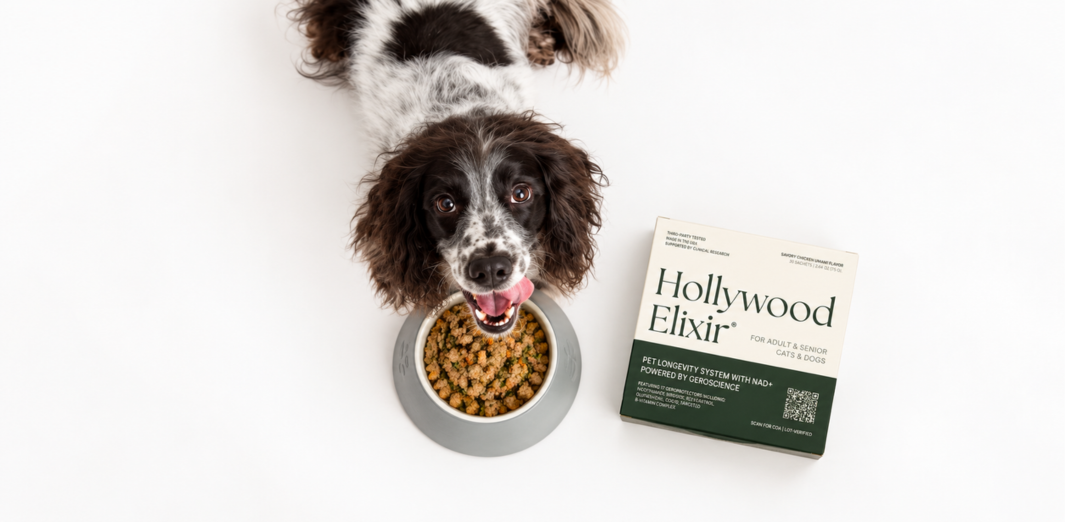
For dogs with recurring skin, gut, or mobility patterns, Hollywood Elixir™ can be part of a daily plan that supports normal inflammatory balance, skin barrier function, and healthy aging. It works best when paired with a stable diet, consistent parasite prevention, and a simple log of progress indicators to share at rechecks.

Top Veterinary Complaints in Dogs are usually not mysterious diseases; they are repeatable patterns that show up again and again—itchy skin and ears, gastrointestinal upset, and pain that changes movement. The most common misconception is that these complaints mainly happen because a veterinarian “missed something.” In reality, many frustrations begin when a chronic pattern is treated like a one-time event, or when the household cannot clearly describe what changed, when it changed, and what has already been tried.

This page takes a different angle: what these common complaints imply biologically, and how to address the underlying pattern so flare-ups become less erratic. Skin and ear disease often share the same barrier-and-inflammation loop. Gut flares often follow treat exposure, stress, or sudden diet changes. Pain often appears first as reluctance, sleep disruption, or irritability—not dramatic limping. Dental disease and obesity quietly shape how all of the above recur.

The goal is better decision-making at home and a cleaner handoff to the clinic: what to notice, what to log between vet visits, what questions to ask, and what mistakes to avoid so the next plan is calmer and more predictable.

By La Petite Labs Editorial, ~15 min read

Featured Product:

  • Top Veterinary Complaints in Dogs usually reflect repeatable patterns—skin/ears, gut upset, and pain—more than isolated “random” illnesses.
  • The most common misconception is that recurrence means a vet “missed it”; often the underlying driver (allergy trigger, moisture, weight, dental pain) was not addressed.
  • Skin and ear complaints often share the same barrier-and-inflammation loop, so treating only the ear can leave the pattern intact.
  • Gastrointestinal flares are frequently tied to treat exposure, sudden diet changes, parasites, or stress; logging triggers makes next steps clearer.
  • Musculoskeletal pain can show up as behavior change, sleep disruption, or reluctance to jump; home videos help the exam.
  • A short tracking rubric (itch score, stool score, mobility transitions, thirst/urination notes) improves the vet handoff and reduces erratic decision-making.
  • Preparation matters: bring a timeline, photos, and 2–3 prioritized questions so the plan and follow-up expectations stay aligned.

The Misconception Behind Most Vet Complaints

The biggest misconception behind Top Veterinary Complaints in Dogs is that “the vet missed something,” when many complaints actually start as a communication gap: what the owner expected, what the clinic could deliver that day, and what the dog could tolerate. Complaint datasets show patterns that cluster around perceived quality of care, outcomes, and service process rather than a single medical error (Sinmez, 2024). That matters because a dog’s health story is rarely one symptom; it is a chain of skin, gut, pain, and behavior signals that need a shared plan. When expectations are mismatched, normal uncertainty in medicine can look like negligence.

At home, the most protective habit is building a predictable “handoff” routine: a short written timeline, clear goals for the visit, and a realistic decision point for what happens if the first plan does not work. Owners who arrive with photos, dates, and a few prioritized questions usually leave with a calmer, more predictable next step. That structure also helps the dog, because rushed visits often mean more stress, more restraint, and less useful exam time.

Energy production graphic tied to antioxidant protection supported by top veterinary complaints in dogs.

What Vets See Most Often: the Repeat Patterns

What vets see most often is not a random list of problems; it is a small set of repeating patterns that show up in different costumes. Skin and ear disease, gastrointestinal upset, and musculoskeletal pain dominate day-to-day appointments, while dental disease and obesity quietly shape how those issues recur. These clusters matter because they share common drivers: barrier breakdown, microbiome shifts, inflammation that narrows flexibility, and pain that changes movement and behavior. When owners understand the pattern, they can stop chasing single symptoms and start tracking the trigger-and-flare cycle.

A useful household routine is to pick three “baseline anchors” and revisit them weekly: itch level, stool quality, and ease of movement after rest. Add a quick ear sniff and a two-second gum look during calm moments. This takes less than a minute, but it creates a reference point that makes early change obvious. The earlier a shift is noticed, the more options exist before the dog’s day becomes uncomfortable.

Scientific DNA render highlighting oxidative defense supported by top veterinary complaints in dogs.

Skin Complaints: When the Barrier Stops Buffering

Skin issues are a flagship complaint because canine skin is both a shield and a sensor. When the outer barrier is dry, inflamed, or disrupted by allergy, the skin loses its ability to keep irritants out and moisture in, and the immune response becomes easier to trigger. That can lead to hot spots, recurrent pyoderma, and constant licking that looks like “nerves.” Skin disease also links naturally to ear infections, because the ear canal lining behaves like skin and responds to the same inflammatory signals.

At home, the most informative observation is distribution: paws, belly, face, or rump each suggests a different driver. Note whether itching is worse after walks, after meals, or at night, and whether bathing helps briefly or makes things worse. Avoid rotating shampoos weekly; it confuses the picture and can irritate already reactive skin. A consistent bathing schedule and a single diet plan, paired with logging flare dates, gives the veterinarian something solid to work with.

Protein fold visualization tied to cellular support mechanisms in top veterinary complaints in dogs.

Ear Infections: Moisture, Inflammation, and Recurrence

Ear infections are rarely “just dirty ears.” The ear canal is warm and enclosed, so when inflammation increases wax and moisture, yeast and bacteria can overgrow quickly. Allergies, swimming, floppy ears, and narrow canals all reduce airflow and shorten the repair window. Recurrent infections can thicken the canal lining over time, making future flares more frequent and less predictable. That is why a single ear episode often belongs to a larger skin-and-allergy pattern rather than a one-off event.

Owners can watch for early cues: head shaking after sleep, a sour or sweet odor, redness at the canal opening, or sensitivity when the ear is touched. Cleaning too aggressively can worsen inflammation, so follow a veterinarian’s product and technique. If the dog swims, dry ears thoroughly and log whether flares follow water exposure. Bring photos of the ear opening during a flare; it helps the clinic compare progress across visits.

Pug portrait highlighting companionship and steady support from top veterinary complaints in dogs.

Gastrointestinal Upset: Triggers, Recovery, and Relapse
Gastrointestinal problems—vomiting, diarrhea, gas, appetite swings—are common because the gut is where diet, microbes, stress, and immune signaling meet. A dog can look “fine” between episodes while the intestinal lining is still recovering, especially after dietary indiscretion or a sudden food change. Parasites and food-responsive disease can mimic each other, and pain medications can also alter stool quality. The key is recognizing whether the pattern is acute and self-limited or recurring with a recognizable trigger.

A case vignette makes this real: a two-year-old Labrador has soft stool every Monday after weekend hikes, plus occasional ear odor by midweek. The household assumes “sensitive stomach,” but the timing points to training treats on hikes and a flare pattern that links gut and skin. Logging treats, stool score, and ear smell for two weeks often reveals the driver. That information helps the veterinarian choose between diet strategy, parasite testing, or allergy workup.

Hollywood Elixir™ is amazing and makes my 13 y/o young again!

— Jessie

We go on runs. Lately he's been keeping up with no problem!

— Cami

“Recurring symptoms are often a driver problem, not a failure problem.”

Musculoskeletal Pain: the Hidden Source of “Slowing Down”

Musculoskeletal pain is a top complaint because dogs hide discomfort until movement becomes obviously altered. Arthritis, soft-tissue strain, and spinal pain can all present as “slowing down,” reluctance to jump, or irritability when touched. Pain changes gait mechanics, which then stresses other joints and muscles, shrinking the dog’s comfortable range. Weight, nail length, and slippery floors can amplify the problem, turning a mild issue into a recurring cycle of flare and rest.

Home observation should focus on transitions: getting up after rest, turning tightly, climbing stairs, and jumping into the car. Note whether stiffness improves after a short warm-up or worsens with activity; that distinction helps the veterinarian narrow causes. Avoid giving human pain relievers, which can be dangerous for dogs. Instead, use traction rugs, controlled leash walks, and a consistent activity plan so progress indicators are easier to interpret.

Weimaraner portrait reflecting poise and wellness support tied to top veterinary complaints in dogs.

How One Pattern Spills into Other Body Systems

The “systemic pattern” behind many top complaints is that inflammation and stress narrow flexibility across multiple organs at once. A dog with chronic itch may sleep poorly, then show more reactivity; a dog with joint pain may move less, then gain weight; a dog with intermittent diarrhea may develop a less predictable appetite and coat quality. These connections do not mean everything has one cause, but they do mean the body shares signaling pathways and recovery resources. Recognizing the cluster helps owners and veterinarians choose the next most informative step.

A practical routine is to treat the household like a controlled environment for two weeks when symptoms recur. Keep diet stable, keep exercise consistent, and avoid new grooming products. Then change one variable at a time, then reassess. This approach often reveals whether the dog’s pattern is driven by food, environment, activity load, or stress events such as boarding. The result is a calmer plan with fewer false leads.

Side-profile dog portrait highlighting focus and alertness supported by top veterinary complaints in dogs.

Why “It Came Back” Usually Means a Driver Was Missed

Unique misconception: recurrent problems mean the first treatment “failed.” In reality, recurrence often means the driver was never addressed—an allergy trigger, a moisture pattern in the ears, dental pain that changes chewing, or weight that keeps joints inflamed. Many conditions have a management arc rather than a one-time fix, and the goal is to widen the repair window and reduce flare frequency. When owners expect a single visit to end a chronic pattern, disappointment is almost guaranteed.

A better home strategy is to define success before starting: fewer flare days per month, less intense itching, more comfortable stairs, or stool that stays formed. That makes follow-up decisions clearer and reduces frustration. If a plan is not working, it is not a moral failure or a “bad vet”; it is data. Bring that data back promptly so the next step is targeted rather than reactive.

Ingredient overview graphic showing what's inside and how top veterinary complaints in dogs supports dogs.

What to Log Between Vet Visits

What to track rubric: owners get better outcomes when they log a few concrete markers instead of relying on memory. For skin and ears, track itch score (0–10), paw-licking minutes, ear odor, and any discharge color. For gastrointestinal patterns, track stool score, vomiting frequency, appetite, and treat exposure. For pain, track time to rise, willingness to jump, and post-walk stiffness. These progress indicators turn a vague complaint into a pattern the veterinarian can act on.

Keep the log simple: one line per day, plus photos on flare days. Use the same walk route and the same feeding schedule during the tracking period so changes are interpretable. If multiple caregivers are involved, choose one place to record notes to avoid conflicting stories. This is especially helpful for older dogs, where aging changes can be gradual and easy to miss until they become disruptive.

Urinary Changes: Trends Matter More Than One Day

Urinary complaints—frequent squatting, accidents, blood-tinged urine—often feel sudden, but the pattern is usually building: hydration shifts, stress, mobility pain that makes posture hard, or a diet change that alters urine concentration. The key biological point is that the bladder and urethra are sensitive to irritation, and discomfort can drive licking, restlessness, and sleep disruption that owners may misread as “behavior.” In older dogs, concurrent kidney changes or endocrine disease can widen the range of what “normal drinking” looks like, so trends matter more than a single day.

What to log between vet visits: water intake estimate, number of urinations, any straining, urine color, and whether accidents happen after sleep or after excitement. Add a note about mobility—difficulty rising can make a dog delay going out, which mimics urinary urgency. Avoid starting leftover antibiotics or cranberry products without guidance; they can blur test results and delay the right diagnosis. A short video of posture during urination can be surprisingly useful.

“A short log can turn a vague worry into a workable plan.”

Clinical image tied to evidence-based wellness positioning for top veterinary complaints in dogs.

Eye Problems That Should Not Wait

Eye problems show up as squinting, tearing, redness, or a cloudy surface, and they rise quickly on the “this can’t wait” list because the cornea is delicate. The biology is straightforward: the eye’s surface is designed for clarity and rapid repair, but it has limited buffer when scratched, dried out, or inflamed. Allergies, eyelid anatomy, and dry-eye conditions can create a cycle where rubbing causes more injury. Some dogs also develop lens or retinal disease with age, which may present as bumping into objects rather than obvious redness.

Household observation should focus on function: does the dog avoid bright rooms, hesitate at stairs, or paw at one side of the face? Keep an e-collar available if rubbing starts, because self-trauma can escalate quickly. Do not use human eye drops unless a veterinarian confirms they are appropriate; certain ingredients can worsen ulcers. Bring note of any recent grooming, yard work, or new household sprays that could irritate eyes.

Shop Now
Ingredient still life illustrating clean formulation principles for top veterinary complaints in dogs.

Behavior Concerns Often Start with Discomfort

Behavioral concerns are often listed as “training issues,” but many are rooted in body discomfort, sleep disruption, or fear learning that formed during stressful handling. Owners’ welfare concerns during veterinary visits frequently center on stress, restraint, and how the animal is handled, which can shape future reactivity (Csiplo, 2025). A dog that growls at nail trims may be signaling pain in the feet, arthritis in the shoulders, or a memory of a rushed restraint. When behavior is treated as “bad attitude,” the underlying driver remains, and the pattern becomes less predictable over time.

At home, separate “can’t” from “won’t” by watching context. Does snapping happen only when touched in one area, only at night, or only when startled awake? Track sleep quality, exercise, and any new medications, because restlessness and appetite changes can shift behavior. For vet visits, ask about fear-free handling options and pre-visit plans so the dog’s stress stays within a workable range. A calmer appointment often yields a better exam and fewer misunderstandings.

Shop Now
Woman with Hollywood Elixir box in cozy setting aligned with top veterinary complaints in dogs.

Dental Disease: the Quiet Driver of Many Patterns

Dental disease is a quiet driver behind many “mystery” complaints: picky eating, dropping kibble, bad breath, and even head shyness that looks behavioral. Biologically, chronic gum inflammation can keep the body in a constant alert state, narrowing the repair window for skin, gut, and joint tissues. Small breeds are overrepresented, but any dog can develop plaque that hardens into tartar and pushes bacteria under the gumline. Because the mouth is hard to inspect at home, owners often underestimate severity until pain changes eating patterns.

Routine is the lever here: daily tooth brushing, dental chews approved by a veterinarian, and scheduled oral exams. Owners can check for red gum margins, one-sided chewing, pawing at the mouth, and new reluctance to play tug. Avoid scraping teeth with tools at home; it can fracture enamel and misses disease under the gums. If anesthesia is recommended for dental work, ask what pre-anesthetic screening fits the dog’s age and health history.

Shop Now

Obesity as a Multiplier for Other Complaints

Obesity is not just a number on a scale; it is a pattern that changes how nearly every complaint behaves. Extra body fat shifts hormone signaling, increases mechanical load on joints, and can make heat, itching, and reflux more intense. That means ear infections may recur more easily, musculoskeletal pain becomes less predictable, and exercise intolerance can be mistaken for “laziness.” Weight also affects anesthesia planning and recovery, which can influence how owners perceive the safety of recommended procedures.

A practical home routine is to measure food, count treats as calories, and pick one change at a time, then reassess. Use progress indicators: weekly body photos from above, a monthly waist check, and stamina notes on the same walking route. Avoid sudden diet swaps that trigger diarrhea; transition slowly and log stool quality. If begging is intense, ask the clinic about higher-fiber options and feeding puzzles so the dog stays calmer without extra calories.

Allergies: More Than Seasonal Sneezing

A common misunderstanding is that “allergies” are only seasonal sneezing. In dogs, allergies often present as skin and ear disease, with licking, recurrent infections, and anal gland irritation. The biology is a barrier problem: when the skin’s protective layer is disrupted, microbes and allergens penetrate more easily, and inflammation becomes a repeating loop. Food-responsive disease can overlap with environmental triggers, and gastrointestinal signs may be subtle—soft stool, gas, or intermittent vomiting—rather than dramatic.

Owners can make vet visits more productive by avoiding “ingredient hopping.” Keep a simple log of diet, treats, flavored medications, and flare dates, then commit to a veterinarian-designed trial if recommended. Do not start multiple supplements at once; change one variable at a time, then reassess. Ask whether the dog’s itch pattern fits fleas, food-responsive disease, or environmental allergy, because each path has different home actions and different timelines.

Benchmark graphic emphasizing formulation depth and rigor behind top veterinary complaints in dogs.

Secondary Issues That Cluster with the Big Patterns

Secondary complaints often ride along with the “big five” patterns: skin/ears, gastrointestinal upset, pain, dental disease, and weight. Parasites can mimic allergies, endocrine disease can mimic skin infection, and aging can make recovery slower across every organ. The practical takeaway is not to chase every symptom as a separate crisis, but to look for the repeating trigger: seasonality, diet shifts, stress events, or activity spikes. When the trigger is identified, the dog’s overall range becomes wider and flare-ups become less erratic.

Households can support this pattern-finding by keeping one shared “health notebook” for all caregivers. Include parasite prevention dates, grooming products used, boarding days, new treats, and any new limping or coughing. Avoid changing food, shampoos, and exercise routines in the same week; it makes cause-and-effect impossible to see. If multiple issues flare together, bring that clustering to the veterinarian—it often points to the underlying driver.

Shop Now
Unboxed supplement reflecting refined experience and trust in top veterinary complaints in dogs.

Prepare for the Visit to Prevent Misunderstandings

Vet visit preparation is a complaint-prevention tool because it reduces surprises and keeps decisions aligned. Owners’ perceptions of welfare during visits are strongly influenced by stress, handling, and communication, which can shape whether the experience feels respectful and safe (Csiplo, 2025). A dog that is panicked cannot show its true baseline, and a rushed conversation can turn a reasonable plan into a later grievance. Preparation also helps the clinic choose the right appointment type—routine, urgent, or extended consult—so the dog gets the time it needs.

Bring four items: a symptom timeline, photos or short videos, a list of all foods and flavored products, and the top two goals for the visit. Ask: “What is the most likely cause versus the most serious cause?”, “What should change in 48 hours if the plan is working?”, and “What would make this an emergency?” If the dog is fearful, request a handling plan and discuss pre-visit options. That structure makes outcomes more predictable for everyone.

Shop Now

Owner Checklist and What Not to Do

Owner checklist: the goal is not to diagnose at home, but to notice patterns early and hand them to the veterinarian clearly. Check for recurring itch or ear odor, stool changes lasting more than a couple days, new stiffness after rest, dental odor or chewing changes, and shifts in thirst or urination. Add one behavior marker such as sleep disruption or touch sensitivity, because discomfort often shows up there first. These are the signals that commonly sit underneath Top Veterinary Complaints in Dogs.

What not to do: do not start leftover antibiotics, do not combine multiple new foods and supplements during a flare, do not stop parasite prevention when itching starts, and do not force painful movement “to loosen up.” Avoid waiting weeks for a recheck when the plan is not working; earlier adjustments usually create a larger repair window. When in doubt, call the clinic and ask what changes would justify moving the appointment sooner.

“Comfort changes behavior before behavior looks like a training issue.”

Educational content only. This material is not a substitute for veterinary advice. Always consult your veterinarian about your dog’s specific needs. These statements have not been evaluated by the Food and Drug Administration. Products mentioned are not intended to diagnose, treat, cure, or prevent any disease.

Glossary

  • Cytology - Microscopic review of cells and debris to identify yeast, bacteria, and inflammation.
  • Otitis Externa - Inflammation or infection of the outer ear canal.
  • Skin Barrier - The outer skin layer that limits water loss and blocks irritants and microbes.
  • Hot Spot (Acute Moist Dermatitis) - Rapidly developing, painful, wet skin lesion from self-trauma and inflammation.
  • Food-Responsive Disease - Gastrointestinal or skin signs that improve with a veterinarian-guided diet trial.
  • Stool Score - A simple scale used to describe stool firmness and consistency over time.
  • Gait Change - Altered walking pattern that can signal pain, weakness, or neurologic issues.
  • Periodontal Disease - Infection and inflammation of tissues supporting the teeth, often requiring professional treatment.
  • Progress Indicators - Specific, repeatable markers owners log to judge whether a plan is working.

Related Reading

References

Sinmez. A retrospective study of pet owners' complaints against veterinary practices in Türkiye (2012-2021).. PubMed. 2024. https://pubmed.ncbi.nlm.nih.gov/38754468/

Csiplo. Pet Owners' Perceptions of Key Factors Affecting Animal Welfare During Veterinary Visits.. PubMed Central. 2025. https://pmc.ncbi.nlm.nih.gov/articles/PMC11939186/

FAQ

What does Top Veterinary Complaints in Dogs usually include?

Top Veterinary Complaints in Dogs typically cluster into a few repeat patterns: skin itching and infections, ear infections, vomiting or diarrhea, and musculoskeletal pain. Dental disease and obesity often sit underneath these issues and make flare-ups more frequent.

The most useful mindset is to look for the repeating driver (diet shifts, seasonality, moisture, activity spikes) rather than treating each episode as unrelated. That approach makes follow-up decisions clearer.

Why do these complaints keep coming back in dogs?

Recurrence often means the trigger was never identified, not that the first treatment “failed.” Allergies can keep skin and ears inflamed, diet changes can keep the gut reactive, and extra weight can keep joints painful.

A simple log—flare dates, foods and treats, swimming or grooming, and activity level—often reveals the pattern. Once the driver is clearer, the plan becomes calmer and more predictable.

What is the biggest misconception about Top Veterinary Complaints in Dogs?

The biggest misconception is that the “top complaints” are mostly about mistakes or missed diagnoses. Many frustrations start with mismatched expectations: how quickly a condition should resolve, what tests are needed, and what follow-up looks like.

Chronic patterns (allergies, arthritis, dental disease) often require management over time. Defining success as fewer flare days and clearer progress indicators reduces disappointment and improves decisions.

How can owners track symptoms between veterinary visits?

Pick a small set of progress indicators: itch score (0–10), stool score, appetite, and ease of rising after rest. Add one ear marker (odor or discharge) and one behavior marker (sleep disruption or touch sensitivity).

Keep the environment stable while tracking: avoid changing diet, shampoos, and exercise routines in the same week. Short videos of gait, scratching, or head shaking often communicate more than descriptions.

When is itching an emergency versus a routine visit?

Itching is usually not an emergency, but it can become urgent if the dog is frantic, cannot sleep, develops a rapidly spreading hot spot, or shows facial swelling or hives. Severe ear pain with head tilt also deserves faster attention.

For routine cases, bring a timeline and photos of the worst days. Avoid starting multiple new products at once; that can make the trigger harder to identify at the appointment.

What should be brought to a vet for recurring ear infections?

Bring the name of any ear cleaner or drops used, how often they were used, and whether the dog swims or is bathed frequently. Note odor, discharge color, and whether one ear is consistently worse.

Ask what the cytology showed (yeast, bacteria, inflammation) and what the follow-up plan is if infections recur. If allergies are suspected, discuss how skin and ear management connect.

Can gastrointestinal upset be linked to skin and ear issues?

Yes. In some dogs, food-responsive disease or broader allergy patterns can show up as both stool changes and skin or ear inflammation. The link is not guaranteed, but the clustering is meaningful when flares happen together.

Tracking treat exposure, flavored medications, and flare timing helps the veterinarian decide whether diet trials, parasite testing, or other diagnostics are the next best step.

Is limping always arthritis in older dogs?

Not always. Limping can come from arthritis, but also soft-tissue strain, nail or paw injuries, spinal pain, or ligament problems. The pattern—sudden versus gradual, worse after rest versus worse after exercise—helps narrow possibilities.

A short video of walking and sitting is often helpful. Avoid giving human pain relievers; instead, restrict activity and contact the clinic for guidance.

How does dental disease show up as other complaints?

Dental pain can look like picky eating, dropping food, head shyness, or irritability when touched. Chronic gum inflammation can also keep the body in a more reactive state, which can make other patterns feel less predictable.

At home, check for bad breath, red gum margins, and one-sided chewing. A veterinarian should assess whether dental cleaning under anesthesia is needed and what screening fits the dog’s age.

What are common owner mistakes during a flare-up?

Common mistakes include starting leftover antibiotics, switching foods repeatedly, adding several supplements at once, or stopping parasite prevention when itching starts. These choices can blur the diagnostic picture and delay the right plan.

Another frequent issue is waiting too long for a recheck when the plan is not working. Earlier adjustments often create a larger repair window and reduce discomfort.

How can a dog’s stress affect the veterinary exam?

Stress can change breathing, heart rate, muscle tension, and pain responses, making findings harder to interpret. It can also reduce cooperation, limiting what the veterinarian can safely examine in one visit.

Discuss handling preferences and pre-visit strategies with the clinic. A calmer appointment often leads to clearer answers and fewer misunderstandings about what was or was not evaluated.

How often should Top Veterinary Complaints in Dogs prompt rechecks?

Recheck timing depends on the problem and the plan, but owners should ask what change is expected within 48–72 hours and what would trigger earlier contact. That keeps follow-up aligned with the condition’s typical course.

For recurring patterns, scheduled check-ins can prevent “crisis visits.” A short symptom log makes those rechecks more efficient and more useful.

Can supplements replace veterinary care for chronic complaints?

No. Supplements can be part of a daily plan, but they do not replace diagnosis, prescription medications, or procedures when those are needed. Chronic patterns like allergies, arthritis, and dental disease often require targeted veterinary guidance.

If a supplement is used, it should support normal function while the primary driver is addressed. The safest approach is to introduce one change at a time, then reassess.

How does Hollywood Elixir™ fit into a daily plan?

For dogs with recurring patterns, Hollywood Elixir™ can be part of a daily plan that supports normal skin barrier function, digestive comfort, and healthy aging. It is most useful when the household is also keeping diet and routines consistent enough to see what is changing.

Discuss timing and fit with a veterinarian, especially if the dog is on medications or has chronic disease. Introduce it as the only new variable for a couple of weeks, then reassess progress indicators.

Are there side effects to watch for with new supplements?

Any new supplement can cause mild gastrointestinal upset in some dogs, especially if introduced abruptly. Watch for vomiting, diarrhea, appetite change, or new itch that starts soon after adding something new.

If signs appear, stop the new product and contact the veterinarian for next steps. This is also why changing one variable at a time is important; it keeps cause-and-effect clear.

Can Hollywood Elixir™ be used with prescription medications?

Many dogs use supplements alongside prescriptions, but compatibility depends on the dog’s conditions and medication list. The safest approach is to show the veterinarian the full ingredient panel and the timing of doses.

If Hollywood Elixir™ is added, keep everything else stable for a short period and log stool, appetite, itch, and energy so any change is noticed early.

What age should owners start focusing on these complaint patterns?

Puppies often show gastrointestinal upset and parasites, while young adults commonly show allergy patterns and ear issues. Middle-aged and senior dogs more often add dental disease, weight gain, and musculoskeletal pain.

The best time to start is when the dog is healthy: establish baseline anchors (stool, itch, mobility) and keep preventive care consistent. That makes early change easier to spot.

Do breed and size change the Top Veterinary Complaints in Dogs?

Yes. Small breeds often show dental disease earlier, while large breeds more commonly show orthopedic stress and arthritis patterns. Dogs with floppy ears may have less airflow and more moisture-related ear flares.

Breed tendencies should guide prevention, not assumptions. Individual dogs still need pattern tracking—what triggers flares, what improves them, and what keeps them from returning.

Is this information the same for cats and dogs?

No. Cats can share some broad themes (skin, GI, dental), but their most common presentations and the way they show pain or stress can differ. This page focuses on canine patterns and dog-specific home observations.

For multi-pet households, avoid applying dog routines directly to cats, especially for medications and supplements. Each species needs its own veterinary guidance and tracking approach.

How long should owners wait to see changes after adjustments?

Timelines depend on the driver. Some gastrointestinal upsets shift within days, while allergy and skin barrier patterns may take weeks of consistent routines to look different. Pain plans may show early comfort changes but still require longer-term conditioning.

Ask the veterinarian what should change first and what would count as “not working.” That keeps follow-up decisions timely and prevents prolonged discomfort.

What quality signals matter when choosing a canine supplement?

Look for clear labeling, consistent dosing instructions, and a company willing to share manufacturing and testing standards. Avoid products that promise to treat or cure disease, or that use dramatic claims instead of measurable support goals.

A veterinarian can help evaluate fit based on the dog’s medications and conditions. Introduce one product at a time and track progress indicators so the decision stays evidence-based.

How should Hollywood Elixir™ be introduced and monitored?

Introduce Hollywood Elixir™ as the only new variable for a short window so any change is interpretable. Monitor stool quality, appetite, itch level, and ease of movement after rest, and keep diet and treat exposure stable during that period.

If the dog has chronic disease or takes prescriptions, confirm the plan with a veterinarian first. The goal is support for normal function within a broader care plan, not a replacement for diagnosis.

5K+ Happy Pet Parents

Excellent 4.8

Top Veterinary Complaints in Dogs | Why Thousands of Pup Parents Trust Hollywood Elixir™

"He seems more happy overall. I've also noticed he has more energy which makes our walks and playtime so much more fun."

Olga & Jordan

"He's got way more energy now! We go on runs pretty often; he use to get tired halfway through, but lately, he's been keeping up without any problem."

Cami & Clifford

"I want her to live forever. She hasn't had an ear infection since!"

Madison & Azula

"It helps with her calmness, her immune system. I really like the clean ingredients. Highly recommend La Petite Labs!"

Maple & Cassidy

"He seems more happy overall. I've also noticed he has more energy which makes our walks and playtime so much more fun."

Olga & Jordan

"He's got way more energy now! We go on runs pretty often; he use to get tired halfway through, but lately, he's been keeping up without any problem."

Cami & Clifford

"I want her to live forever. She hasn't had an ear infection since!"

Madison & Azula

"It helps with her calmness, her immune system. I really like the clean ingredients. Highly recommend La Petite Labs!"

Maple & Cassidy

"He seems more happy overall. I've also noticed he has more energy which makes our walks and playtime so much more fun."

Olga & Jordan

"He's got way more energy now! We go on runs pretty often; he use to get tired halfway through, but lately, he's been keeping up without any problem."

Cami & Clifford

"I want her to live forever. She hasn't had an ear infection since!"

Madison & Azula

"It helps with her calmness, her immune system. I really like the clean ingredients. Highly recommend La Petite Labs!"

Maple & Cassidy

"He seems more happy overall. I've also noticed he has more energy which makes our walks and playtime so much more fun."

Olga & Jordan

"He's got way more energy now! We go on runs pretty often; he use to get tired halfway through, but lately, he's been keeping up without any problem."

Cami & Clifford

"I want her to live forever. She hasn't had an ear infection since!"

Madison & Azula

"It helps with her calmness, her immune system. I really like the clean ingredients. Highly recommend La Petite Labs!"

Maple & Cassidy

SHOP NOW