Do Dogs Play Less as They Grow Older

Learn Why Play Fades with Age and How to Rebuild Comfort and Stamina

Essential Summary

Why is it important to know whether dogs play less as they grow older?

Yes, many dogs play less as they grow older, often due to comfort changes, lower activity, and shifting motivation. The healthiest response is not to push harder, but to adjust the kind of play, protect recovery, and watch for sudden drops that may signal pain or illness. Small, consistent supports can keep engagement alive.

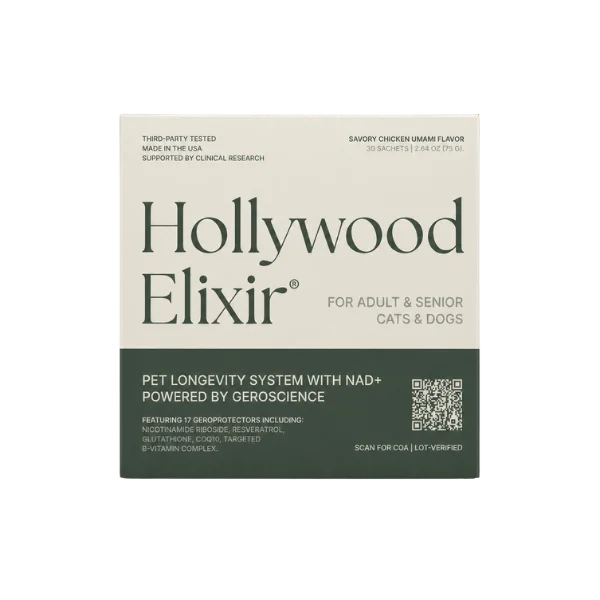
Hollywood Elixir™ is designed for system-level support as dogs age—helping maintain everyday vitality, resilience, and recovery so your dog is more likely to choose gentle play and engagement. It fits alongside good nutrition, comfort-first routines, and veterinary care, without pretending to replace them.

If you’re wondering whether do dogs play less as they grow older, you’re noticing something real—and it can carry an emotional charge. Play is how many dogs show joy, confidence, and connection. When it fades, owners often worry they’re watching a personality disappear. More often, what’s changing is the cost of movement and the shape of motivation, not the bond itself.

Research in pet dogs consistently reports that activity and playfulness tend to decline with age. That decline can be driven by ordinary wear in joints and muscles, shifts in sleep and recovery, and changes in attention or flexibility that make fast games less appealing. Environment matters, too: older dogs often move less, and the extent of that change can vary with daily conditions and stimulation.

This page is about keeping the spark without forcing a performance. You’ll learn what’s normal, what deserves a veterinary check, and how to adapt play so it stays comfortable and rewarding. And if you’re the kind of owner who wants to do the basics well—diet, movement, and medical care—while also supporting the broader aging system that underlies energy and recovery, that’s where a product like Hollywood Elixir™ can remain relevant: not as a single-nutrient fix, but as steady, whole-body support for vitality over time.

By La Petite Labs Editorial, ~15 min read

Featured Product:

  • Many dogs naturally play less with age, but the change is usually gradual and nuanced.
  • A sudden drop in play is more concerning than a slow shift, especially when paired with stiffness, irritability, or appetite changes.
  • Pain and physical limitation are common culprits; adapting the game often brings back willingness to engage.
  • Cognitive aging can change attention and flexibility, making calmer, familiar play styles more successful.
  • Environment matters: traction, ramps, lighting, and predictable routines can make activity feel safer and easier.
  • Enrichment can replace high-impact play, preserving curiosity and connection without overtaxing the body.
  • System-level support can complement diet and lifestyle by supporting everyday vitality and recovery across the whole aging process.

Why Play Changes with Age, Even in Happy, Healthy Dogs

Most dogs do play less with age, but “less” doesn’t always mean “unhappy.” A quieter dog may be conserving energy, protecting sore joints, or simply preferring calmer social time. Studies in pet dogs and aging models consistently note reduced activity and play behavior as dogs get older (Kubinyi, 2020). What matters is the pattern: a gradual shift is common, while a sudden drop can signal discomfort, illness, or stress.

The goal isn’t to force puppy-level antics. It’s to preserve the dog’s desire to engage—short bursts of play, curiosity on walks, and a willingness to interact. When you treat play as a health signal, you can respond earlier, adjust routines, and keep the bond intact even as your dog’s pace changes.

Cellular energy graphic representing oxidative balance supported by do dogs play less as they grow older.

What’s Normal Versus Concerning When Play Starts to Fade

Play is a composite behavior. It draws on musculoskeletal comfort, cardiovascular capacity, sensory input, and the brain’s willingness to seek novelty. As dogs age, overall activity levels tend to decline, so play often becomes shorter and less frequent. That can be normal—especially when the dog still eats well, moves comfortably, and shows interest in family life.

But play is also one of the earliest “soft signals” that something is off. Dogs rarely announce pain or fatigue directly; they simply opt out. When you notice a change, it helps to ask: is this a preference shift, a comfort issue, or a motivation issue? The answer guides what to do next.

Molecular science graphic tied to healthy aging support from do dogs play less as they grow older.

Pain and Mobility: the Most Common Reasons Dogs Opt Out

Physical discomfort is the most common reason play fades. Older dogs may engage in less play due to physical limitations. Arthritis, spinal stiffness, dental pain, and reduced vision or hearing can all make play feel unpredictable or unpleasant. Even a small twinge can teach a dog that fetch or tug isn’t worth the risk.

Look for quiet compensations: slower sit-to-stand, hesitation on slick floors, licking at joints, or choosing to lie down sooner. If you suspect pain, don’t “test” your dog by pushing harder. A veterinary exam and a comfort-first plan often bring back spontaneous engagement—because the dog no longer has to protect themselves.

Molecular structure graphic reflecting research-driven design behind do dogs play less as they grow older.

Cognition and Mood: When the Brain Changes the Shape of Play

Cognitive aging can change how play feels. In aging dogs, brain changes associated with cognitive decline may reduce playful engagement and flexibility (Tapp, 2004). A dog might seem less interested in toys, slower to respond to cues, or more easily overwhelmed by fast-moving games. This isn’t stubbornness; it can be processing speed, attention, or anxiety.

The most helpful adjustment is to simplify. Use familiar games, clear routines, and calmer environments. Many older dogs do better with “search” games (sniffing for treats) than with high-speed chasing. When you meet the dog where they are, play becomes accessible again—less like performance, more like connection.

Expressive pug face reflecting gentle aging support associated with do dogs play less as they grow older.

Energy, Environment, and Why Context Can Make Aging Look Worse
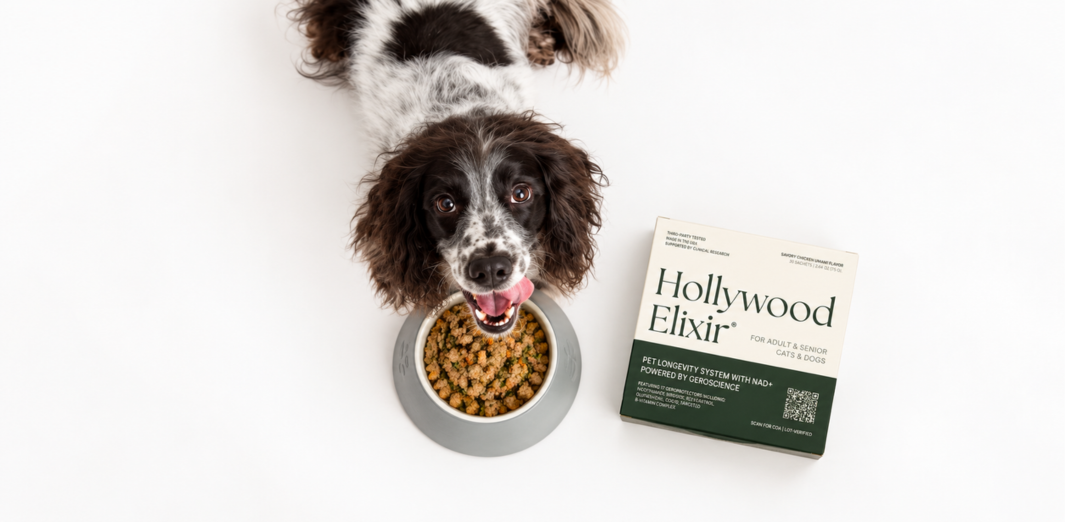
Energy is not just personality; it’s physiology plus context. Studies show locomotor activity declines in older dogs, and the extent can depend on environment and daily stimulation (Siwak CT, 2002). If your dog’s world has become smaller—fewer walks, fewer novel smells, fewer social moments—play often shrinks with it.

Try adding “low-cost novelty”: a new walking route once a week, a rotated toy, or a short training refresher that ends before fatigue. The aim is not intensity. It’s giving the brain a reason to light up, and the body a reason to follow.

Hollywood Elixir™ is amazing and makes my 13 y/o young again!

— Jessie

We go on runs. Lately he's been keeping up with no problem!

— Cami

“Play rarely vanishes without a reason; it usually becomes more selective.”

Play Drive Versus Play Capacity: a Simple Way to Think Clearly

A useful distinction is between play drive and play capacity. Play drive is the desire to engage; play capacity is what the body can comfortably do. With age, capacity often declines first, which can make drive look like it disappeared. Reduced activity levels are common in older dogs, and that can be misread as a mood change.

To test this gently, offer “easy wins”: a slow roll of a ball instead of a long throw, or a short tug session on a soft surface. If your dog perks up, the desire is still there. Then your job becomes protecting comfort and recovery so the dog keeps choosing to participate.

Dog headshot symbolizing resilience and calm energy supported by do dogs play less as they grow older.

Health Conditions That Commonly Show up First as Less Play

Veterinarians often see play decline as a secondary sign—something owners notice before a diagnosis is obvious. Age-related health issues can be linked to reduced playfulness. That includes orthopedic pain, endocrine disease, heart or lung limitations, and chronic gastrointestinal discomfort. Because play is optional, dogs drop it early.

Bring specifics to your appointment: when the change started, what games changed, and whether it’s worse after activity or at certain times of day. Short videos help. The more concrete the story, the easier it is to separate normal aging from something treatable—and to build a plan that restores quality of life.

Side-profile dog portrait highlighting focus and alertness supported by do dogs play less as they grow older.

Pacing and Recovery: the Senior Dog Version of Fitness

The best “energy boost” for an older dog is often pacing. Older dogs tend to show a decline in locomotor activity (Siwak, 2002), so long sessions can backfire—your dog may pay for it later with soreness or fatigue. Instead, think in short chapters: two to five minutes of play, a pause, then another brief round if your dog asks for it.

Warm-up matters, too. A slow walk before play increases comfort and coordination. After play, offer water and a calm decompression period. These small rituals reduce the “cost” of activity, which makes play more likely to remain a pleasant choice rather than a physical gamble.

Product info graphic highlighting testing and standards behind do dogs play less as they grow older.

Enrichment That Feels Like Play When Bodies Change

Enrichment is the older dog’s version of play when bodies change. Aged pet dogs can show behavioral and cognitive changes that affect playfulness (Chapagain D, 2020). Food puzzles, scent games, gentle training, and social time can all provide the same emotional benefits as roughhousing: agency, curiosity, and connection.

If your dog seems “done” with toys, try changing the question. Instead of “Do you want to fetch?” ask “Do you want to search?” Scatter a few treats in a snuffle mat, hide kibble in paper cups, or teach a simple nose-touch. Many older dogs re-engage when the game matches their current strengths.

Home Setup That Makes Movement Feel Easier and Safer

Environment quietly shapes how “old” a dog seems. Research on locomotor activity shows older dogs move less overall, and that the degree of decline can vary with living conditions and daily context (Siwak, 2002). A dog in a small space with few prompts may appear older than the same dog with gentle novelty, predictable outings, and inviting surfaces.

Think in terms of friction and invitation. Reduce friction with rugs for traction, ramps for favorite spots, and lighting for evening navigation. Increase invitation with a toy basket that’s easy to reach, a short “sniff loop” outside, or a soft play mat where tug is comfortable. These changes don’t demand more energy; they make it easier to spend the energy your dog still has.

“A slower dog isn’t necessarily a sad dog—comfort and recovery change the math.”

Lab coat with La Petite Labs logo symbolizing science-backed standards for do dogs play less as they grow older.

Nutrition’s Role: Supporting Vitality Without Expecting a Miracle Switch

Nutrition can support vitality, but it rarely flips a switch on play by itself. In aged pet dogs, one study found no significant effect of an enriched diet or lifelong training on play behavior in later life (Chapagain D, 2020). That’s not discouraging—it’s clarifying. Play is a whole-dog outcome shaped by comfort, cognition, routine, and motivation, not a single ingredient.

A practical approach is to feed for stable energy and recovery: consistent mealtimes, adequate protein for lean mass, and a diet your dog digests well. If your dog is picky, nauseated, or loses muscle, play often fades first. When nutrition is paired with pain control, sleep hygiene, and low-stress enrichment, it becomes part of a system that makes play feel worth it again.

Shop Now
Hollywood Elixir with foods symbolizing nutrient synergy aligned with do dogs play less as they grow older.

Weight, Conditioning, and the Quiet Feedback Loop That Reduces Play

Weight is one of the most overlooked reasons older dogs stop playing. Even small gains can make movement feel expensive, especially for dogs with early arthritis or reduced conditioning. Age-related declines in activity are common (Wallis, 2018), and lower activity can create a feedback loop: less movement leads to less fitness, which makes movement harder.

Aim for a body condition that keeps your dog light on their feet without feeling deprived. Use measured meals, treat budgeting, and “play calories” (kibble in a puzzle toy) rather than extra snacks. If weight loss is difficult or your dog seems hungry all the time, ask your veterinarian about a tailored plan—especially if there are endocrine concerns or mobility limitations.

Shop Now
Woman holding Hollywood Elixir box with her dog, showing daily do dogs play less as they grow older routine.

Sleep, Restlessness, and Why Daytime Energy Can Disappear

Sleep changes can masquerade as “laziness.” Older dogs may nap more, wake more at night, or become restless—then seem flat during the day. When sleep is fragmented, play is often the first thing to disappear because it requires surplus energy and a stable mood.

Support sleep with simple structure: a consistent bedtime, a quiet sleeping area, and a last outing that reduces overnight discomfort. If your dog paces, pants, vocalizes at night, or seems confused after dark, bring it up with your veterinarian. Cognitive aging can affect behavior and engagement (Tapp, 2004), and sleep disruption is both a clue and a compounding factor.

Shop Now

Adapting Games so Older Dogs Can Still Win and Enjoy

Some older dogs don’t stop playing—they stop playing the way they used to. A dog who once loved fetch may prefer slow tug, “find it” games, or gentle chase for a few steps. Reduced playfulness with age is widely observed (Kubinyi, 2020), but the form of play matters as much as the amount.

Offer options that respect comfort: soft toys, shorter throws, and games on forgiving surfaces. Keep sessions brief and end while your dog still wants more. That protects confidence and reduces soreness the next day. Over time, many dogs rediscover a steady, quieter kind of play—less dramatic, but deeply satisfying.

Red Flags: When Less Play Signals Pain or a Medical Problem

When should you worry? A gradual decline is typical, but a sharp change deserves attention. Older dogs may engage in less play due to physical limitations and age-related health issues (Wallis, 2018). If your dog suddenly avoids stairs, stops jumping, hides, growls when touched, or refuses favorite games, assume discomfort until proven otherwise.

Also watch for subtle signs: licking paws or joints, slower rising, changes in appetite, new accidents in the house, or increased clinginess. These can be early indicators that play is being traded for coping. A veterinary exam can separate normal aging from treatable problems—and often restores more joy than any new toy ever could.

Comparison graphic showing do dogs play less as they grow older benefits versus typical supplement formulas.

Breed, Size, and Temperament: Setting Realistic Expectations over Time

Breed, size, and life history change the timeline. Large breeds often show mobility changes earlier, while smaller dogs may stay spry longer but develop dental or cardiac issues that dampen enthusiasm. Regardless of breed, overall activity tends to decrease with age (Wallis, 2018), and the “normal” range is wide.

Compare your dog to their own baseline, not the neighbor’s dog or a social media highlight reel. If your dog still greets you warmly, shows interest in the world, and can enjoy short, comfortable play, you’re doing well. Your job is to keep the conditions favorable—comfort, routine, and small invitations to engage.

Shop Now
Unboxing scene highlighting careful delivery and experience aligned with do dogs play less as they grow older.

Why System-level Aging Support Still Matters for Careful Owners

If a careful, science-minded owner asks why a supplement still matters, the honest answer is this: aging is networked. Play reflects energy availability, recovery, mood, and resilience—systems that can be supported even when diet is already “complete.” Environmental enrichment can influence how activity decline shows up (Siwak CT, 2002), but it doesn’t replace internal support for day-to-day vitality.

A product can be useful when it’s framed as system-level support: helping the body handle normal oxidative wear, maintain metabolic steadiness, and recover from ordinary exertion. That doesn’t promise a return to puppyhood. It supports the conditions under which your older dog is more likely to choose engagement—one more short game, one more curious walk, one more bright moment.

Shop Now

A Calm Plan for Keeping Connection and Curiosity Alive

Aging changes play, but it doesn’t have to erase it. Expect shorter sessions, longer warm-ups, and more preference for comfort. Keep a simple rhythm: daily low-impact movement, small enrichment, and regular veterinary check-ins when behavior shifts. Reduced playfulness is common in older dogs (Kubinyi, 2020), yet many dogs remain eager to connect when their bodies and routines make it easy.

If you want a gentle, consistent way to support that rhythm, choose tools that fit real life: traction, predictable outings, and thoughtful nutritional support. The best outcome is not “more play at any cost,” but a dog who still feels like themselves—steady, interested, and comfortable in their days.

“The goal is not puppyhood again; it’s willingness, ease, and connection.”

Educational content only. This material is not a substitute for veterinary advice. Always consult your veterinarian about your dog’s specific needs. These statements have not been evaluated by the Food and Drug Administration. Products mentioned are not intended to diagnose, treat, cure, or prevent any disease.

Glossary

  • Play Drive: The motivation or desire to initiate and participate in games, independent of physical ability.
  • Play Capacity: The body’s comfortable ability to perform play behaviors (running, jumping, tugging) without pain or excessive fatigue.
  • Locomotor Activity: Overall movement across the day (walking, roaming, climbing), often measured to understand aging-related activity decline.
  • Environmental Enrichment: Changes that add safe novelty and choice (sniff walks, puzzles, toy rotation) to support engagement and mood.
  • Cognitive Aging: Age-related changes in attention, learning, and flexibility that can alter how a dog responds to games and routines.
  • Recovery: How quickly a dog returns to baseline after activity, including next-day comfort and willingness to move.
  • Low-Impact Play: Games designed to reduce joint stress, such as scent work, short-distance rolling toys, and gentle tug.
  • Baseline Behavior: Your dog’s typical, long-term pattern of play and activity used for comparison when changes occur.
  • Behavioral Compensation: Subtle adjustments dogs make to avoid discomfort, like hesitating before stairs or choosing softer resting spots.

Related Reading

References

McCarrey. Sex differences in cognitive trajectories in clinically normal older adults.. Nature. 2016. https://www.nature.com/articles/s41598-023-41813-y

Roberts. Personality Trait Change in Adulthood.. Nature. 2008. https://www.nature.com/articles/s41598-020-74310-7

Tapp. Frontal lobe volume, function, and beta-amyloid pathology in a canine model of aging.. Nature. 2004. https://www.nature.com/articles/s41598-019-56636-z

Wallis. Demographic Change Across the Lifespan of Pet Dogs and Their Impact on Health Status. 2018. https://www.frontiersin.org/journals/veterinary-science/articles/10.3389/fvets.2018.00200/full

Siwak CT. Age-dependent decline in locomotor activity in dogs is environment specific.. PubMed. 2002. https://pubmed.ncbi.nlm.nih.gov/11890954/

Kubinyi. A Preliminary Study toward a Rapid Assessment of Age-Related Behavioral Differences in Family Dogs. 2020. https://www.mdpi.com/2076-2615/10/7/1222

Chapagain D. Behavioural and cognitive changes in aged pet dogs: No effects of an enriched diet and lifelong training.. PubMed Central. 2020. https://pmc.ncbi.nlm.nih.gov/articles/PMC7494100/

Schütt T. Cognitive Function, Progression of Age-related Behavioral Changes, Biomarkers, and Survival in Dogs More Than 8 Years Old.. PubMed. 2015. https://pubmed.ncbi.nlm.nih.gov/26463980/

McMahon JE. Translational immune and metabolic markers of aging in dogs.. PubMed. 2025. https://pubmed.ncbi.nlm.nih.gov/40281285/

Zemko P. Markers of biological age in dogs.. PubMed. 2025. https://pubmed.ncbi.nlm.nih.gov/40645376/

Lee H. Age and Physical Activity Levels in Companion Dogs: Results From the Dog Aging Project.. PubMed. 2022. https://pubmed.ncbi.nlm.nih.gov/35486978/

Belshaw Z. Systematic Review of Outcome Measures Reported in Clinical Canine Osteoarthritis Research.. PubMed. 2016. https://pubmed.ncbi.nlm.nih.gov/27120270/

Anton. Successful aging: Advancing the science of physical independence in older adults.. Nature. 2015. https://www.nature.com/articles/s41598-023-29181-z

Divo. Ageing and the epidemiology of multimorbidity.. Springer. 2014. https://link.springer.com/article/10.1007/s11357-023-00744-2

Bakos V. Hierarchy-Dependent Behaviour of Dogs in the Strange Situation Test: High-Ranking Dogs Show Less Stress and Behave Less Friendly with a Stranger in the Presence of Their Owner.. PubMed Central. 2025. https://pmc.ncbi.nlm.nih.gov/articles/PMC12248520/

Smit I. Age-related positivity effect on behavioural responses of dogs to human vocalisations.. PubMed Central. 2019. https://pmc.ncbi.nlm.nih.gov/articles/PMC6934484/

Harvey ND. How Old Is My Dog? Identification of Rational Age Groupings in Pet Dogs Based Upon Normative Age-Linked Processes.. PubMed Central. 2021. https://pmc.ncbi.nlm.nih.gov/articles/PMC8110720/

Bognár Z. The behavioural effect of short-term cognitive and physical intervention therapies in old dogs.. PubMed Central. 2024. https://pmc.ncbi.nlm.nih.gov/articles/PMC11493909/

Christian H. Association between preschooler movement behaviours, family dog ownership, dog play and dog walking: Findings from the PLAYCE study.. PubMed Central. 2022. https://pmc.ncbi.nlm.nih.gov/articles/PMC8892127/

FAQ

Do dogs play less as they grow older naturally?

Often, yes. Many dogs shift from frequent, high-energy play to shorter, calmer engagement as their bodies and routines change with age. A gradual change is common and can still be compatible with a good quality of life.

What matters is whether your dog still shows interest, comfort, and recovery after activity. For owners who want gentle, system-level support for everyday vitality as dogs age, Hollywood Elixir™ can fit neatly alongside smart routines.

What are normal play changes in senior dogs?

Normal changes include fewer zoomies, more warm-up time, shorter games, and preference for softer surfaces or slower toys. Many older dogs still enjoy interaction, but they may choose sniffing, gentle tug, or “find it” games over long fetch sessions.

If your dog remains bright, comfortable, and interested, these shifts can be perfectly healthy. To support steady engagement and recovery across aging, many owners add Hollywood Elixir™ as part of a broader plan.

Why does my older dog stop playing suddenly?

A sudden stop is less “normal aging” and more often a sign of discomfort, illness, or stress. Pain from joints, back, or dental disease commonly reduces play because play is optional and easy to drop first.

If the change is abrupt, schedule a veterinary exam and share specific examples (stairs, jumping, tug, appetite, sleep). For ongoing, gentle support of everyday vitality once medical issues are addressed, consider Hollywood Elixir™ as part of your dog’s routine.

Is reduced play always a sign of pain?

Not always. Some dogs simply mature into calmer preferences, and overall activity often declines with age. That said, pain is common and easy to miss, especially when dogs compensate quietly.

If reduced play comes with stiffness, licking joints, reluctance on slick floors, or irritability when touched, treat pain as a leading possibility and ask your veterinarian. For system-level support that complements comfort-focused care, Hollywood Elixir™ can be a thoughtful addition.

Can cognitive aging make dogs less playful over time?

Yes. Cognitive aging can affect attention, flexibility, and motivation, which may reduce playful engagement or change which games feel manageable(Tapp, 2004). Some dogs become more easily startled or less interested in fast-moving play.

Calmer, predictable games and scent-based enrichment often work better than high-speed chasing. For owners looking to support whole-body vitality and resilience as part of an aging plan,Hollywood Elixir™can complement lifestyle adjustments.

How can I tell boredom from aging-related low energy?

Boredom often looks like seeking stimulation (pacing, attention-demanding behavior) but losing interest quickly. Aging-related low energy tends to look like slower movement, longer recovery, and fewer spontaneous invitations to play, consistent with typical activity decline(Siwak CT, 2002).

Try “low-cost novelty” for a week: short sniff walks, rotated toys, and tiny training games. If interest returns, enrichment was missing. To support steady vitality alongside enrichment,Hollywood Elixir™can be part of the picture.

At what age do dogs usually start playing less?

There isn’t one age. Large breeds may show changes earlier, while many small dogs stay playful longer. What’s consistent is that activity and play often trend downward across later life, with wide individual variation.

Track your dog against their own baseline: duration, enthusiasm, and next-day soreness. If you want a steady, low-drama way to support aging resilience, Hollywood Elixir™ can pair well with a comfort-first routine.

Do dogs play less as they grow older in winter?

Many do. Cold can stiffen joints, shorten outdoor time, and reduce overall activity, which is already trending lower in older dogs. Slippery surfaces can also make dogs cautious, especially if they’ve had a fall.

Shift play indoors: scent games, short hallway fetch on rugs, or gentle tug. Keep sessions brief and warm up with a slow walk. For everyday aging support that complements seasonal adjustments, Hollywood Elixir™ can be included year-round.

What games are best for older dogs with stiffness?

Choose low-impact games: “find it” with treats, gentle tug on soft footing, short-distance rolling balls, and simple trick training. Older dogs often engage less in high-impact play due to physical limitations.

End while your dog still wants more, and watch next-day comfort to calibrate intensity. For system-level support that complements mobility-friendly play, Hollywood Elixir™ can fit into an older dog’s daily routine.

How much exercise should a senior dog get daily?

It depends on health status, breed, and comfort. Many seniors do best with consistent, moderate movement broken into shorter sessions, since locomotor activity tends to decline with age(Siwak, 2002). The right amount leaves your dog pleasantly tired, not sore or reluctant the next day.

Ask your veterinarian for a plan if there’s arthritis, heart disease, or weight concerns. To support everyday vitality and recovery alongside an appropriate exercise routine,Hollywood Elixir™can be a steady companion.

Can weight gain make an older dog less playful?

Yes. Extra weight increases the effort of movement and can worsen joint discomfort, making play feel costly. Since activity often decreases with age, weight gain can also happen quietly, then further reduces willingness to move.

Measured meals, treat budgeting, and low-impact enrichment can help without making life joyless. For broader aging support that pairs well with healthy weight management, Hollywood Elixir™ can be part of your dog’s long-term routine.

Are there supplements that safely support senior dog energy?

Some supplements are used to support healthy aging, but “energy” should never come from stimulants or dramatic promises. The safest approach is vet-guided, especially if your dog has heart disease, is on medications, or has chronic conditions. Reduced activity is common with age, so expectations should be realistic.

Look for products positioned as system support—resilience, recovery, and everyday vitality—rather than quick fixes. Many owners choose Hollywood Elixir™ to support graceful aging without overpromising.

Is Hollywood Elixir™ safe for older dogs with medications?

If your dog takes medications, the safest move is to ask your veterinarian before adding any supplement. Interactions depend on the specific drug, dose, and your dog’s liver, kidney, and heart status. A change in playfulness can also reflect underlying disease, which deserves evaluation.

Bring the ingredient label and your medication list to the appointment so your vet can advise confidently. When it’s a good fit, Hollywood Elixir™ can be used as part of a broader aging-support plan.

What side effects should I watch with new supplements?

With any new supplement, watch for digestive upset (vomiting, diarrhea, gas), appetite changes, itchiness, or unusual restlessness. If your dog has a chronic condition, even mild changes can matter, so it’s worth being cautious and introducing one new product at a time.

Stop the product and call your veterinarian if signs are persistent, severe, or paired with lethargy. For owners seeking steady, system-level aging support with a measured approach, Hollywood Elixir™ can be discussed with your vet before starting.

How long does it take to notice changes in playfulness?

Timelines vary. If play is reduced mainly by pain or disease, improvement depends on treating the underlying issue. For lifestyle changes—better footing, shorter sessions, more enrichment—some owners notice small shifts within a couple of weeks as routines become predictable.

For supplements, think in terms of gradual support rather than instant transformation. Many owners use Hollywood Elixir™ to support steady vitality and recovery over time.

Do dogs play less as they grow older in large breeds?

Large breeds often show mobility and endurance changes earlier, which can make play taper sooner. That said, individual variation is huge, and environment and comfort strongly influence how activity decline shows up.

Focus on joint-friendly play, traction, and pacing rather than intensity. For owners who want system-level support for aging resilience in bigger bodies, Hollywood Elixir™ can complement a thoughtful routine.

Do cats and dogs show similar age-related play decline?

They can, but the pattern often looks different. Dogs’ play is closely tied to locomotor activity and social engagement, both of which commonly decline with age. Cats may still “play,” but in shorter, more private bursts, and pain can be even harder to spot.

For either species, a sudden change deserves a medical check. For dog owners supporting graceful aging and everyday vitality, Hollywood Elixir™ is designed with that broader goal in mind.

What quality signals matter when choosing an aging supplement?

Look for clear labeling, consistent manufacturing standards, and realistic claims. Avoid products that promise to “reverse aging” or act like a stimulant. Because play and activity naturally decline with age, a trustworthy product should position itself as supportive, not miraculous.

It’s also a good sign when a brand encourages vet involvement for dogs with conditions or medications. If you want a system-level approach to everyday vitality, Hollywood Elixir™ aligns with that measured standard.

How should I give Hollywood Elixir™ to a picky dog?

For picky dogs, consistency and low pressure help. Mix with a small amount of a favorite wet food, use it with a lick mat, or offer it at the same time each day so it becomes routine. If your dog has a sensitive stomach, introducing gradually can be gentler.

If refusal is new and paired with reduced play or appetite changes, consider a veterinary check to rule out pain or illness. For daily aging support,Hollywood Elixir™ can be offered in whatever format your dog accepts best.

Can I use Hollywood Elixir™ every day long term?

Many owners prefer aging supports that are steady and routine rather than occasional. Daily use can make sense when the goal is consistent support for vitality, recovery, and resilience across time. If your dog has medical conditions, confirm the plan with your veterinarian first.

Reassess periodically: energy, comfort, stool quality, appetite, and overall engagement. For a system-level approach to graceful aging, Hollywood Elixir™ is designed to fit into a long-term routine.

When should I call the vet about reduced play?

Call if the change is sudden, if your dog seems painful, if there’s limping, panting at rest, collapse, appetite loss, vomiting/diarrhea, or behavior changes like hiding or snapping. Older dogs may play less due to health issues, but those issues are often treatable.

Bring notes or a short video to help your veterinarian assess mobility and mood. After medical causes are addressed, owners often use Hollywood Elixir™ to support everyday vitality as part of ongoing care.

What’s a simple decision framework for aging dog play changes?

Start with three questions: Is the change gradual or sudden? Is your dog comfortable during and after movement? Is the environment making play harder (slippery floors, stairs, cold weather)? Activity decline is common with age, but discomfort and context can amplify it.

If sudden or painful, see your veterinarian. If gradual, adjust games and add gentle enrichment, then reassess. For system-level support that complements these practical steps, Hollywood Elixir™ can be part of a calm, consistent plan.

5K+ Happy Pet Parents

Excellent 4.8

Do Dogs Play Less as They Grow Older | Why Thousands of Pup Parents Trust Hollywood Elixir™

"He seems more happy overall. I've also noticed he has more energy which makes our walks and playtime so much more fun."

Olga & Jordan

"He's got way more energy now! We go on runs pretty often; he use to get tired halfway through, but lately, he's been keeping up without any problem."

Cami & Clifford

"I want her to live forever. She hasn't had an ear infection since!"

Madison & Azula

"It helps with her calmness, her immune system. I really like the clean ingredients. Highly recommend La Petite Labs!"

Maple & Cassidy

"He seems more happy overall. I've also noticed he has more energy which makes our walks and playtime so much more fun."

Olga & Jordan

"He's got way more energy now! We go on runs pretty often; he use to get tired halfway through, but lately, he's been keeping up without any problem."

Cami & Clifford

"I want her to live forever. She hasn't had an ear infection since!"

Madison & Azula

"It helps with her calmness, her immune system. I really like the clean ingredients. Highly recommend La Petite Labs!"

Maple & Cassidy

"He seems more happy overall. I've also noticed he has more energy which makes our walks and playtime so much more fun."

Olga & Jordan

"He's got way more energy now! We go on runs pretty often; he use to get tired halfway through, but lately, he's been keeping up without any problem."

Cami & Clifford

"I want her to live forever. She hasn't had an ear infection since!"

Madison & Azula

"It helps with her calmness, her immune system. I really like the clean ingredients. Highly recommend La Petite Labs!"

Maple & Cassidy

"He seems more happy overall. I've also noticed he has more energy which makes our walks and playtime so much more fun."

Olga & Jordan

"He's got way more energy now! We go on runs pretty often; he use to get tired halfway through, but lately, he's been keeping up without any problem."

Cami & Clifford

"I want her to live forever. She hasn't had an ear infection since!"

Madison & Azula

"It helps with her calmness, her immune system. I really like the clean ingredients. Highly recommend La Petite Labs!"

Maple & Cassidy

SHOP NOW