
English Bulldog Care & Health

Spot early stiffness and build daily habits that ease joint strain

By La Petite Labs Editorial 15 min read

English Bulldog mobility rarely breaks down from one dramatic problem—it breaks down from a handful of predictable pressures stacking up: a heavy front end, chronic inflammation, breathing limits, and joint load that quietly accelerate hip and elbow trouble. The good news is that most of those pressures are manageable, and the strongest protection is unglamorous and early: keep your bulldog lean, give traction on slick floors, walk short and cool, and treat subtle changes—slower rising, shorter strides, less interest in play—as information rather than “just getting older.”

Think of mobility as a daily budget: spend it wisely and your dog stays comfortable longer. This page lays out the warning signs owners miss, the routines that reduce joint load, how heat and breathing tie into movement, and how to choose and dose supplements safely. Where do supplements fit? Diet and veterinary care lead—but aging is a systems problem (recovery, cellular stress, everyday upkeep), so a daily routine can support the broader network that underwrites comfort, rather than trying to replace food.

  • Bulldog comfort is shaped by structure—protect breathing, joints, and heat tolerance early, before pain is obvious.
  • Mobility is a daily budget: short, cool, low-impact movement preserves confidence and joints over time.
  • Weight is the single most powerful lever for joint load and stamina.
  • Fold, ear, and tail-pocket care keeps chronic irritation from becoming a persistent cycle.
  • Arthritis often shows up as behavior change before limping—treat reluctance and withdrawal as data.
  • Choose supplements for fit and safety, add one change at a time, and ask your vet first if your dog is on anti-inflammatories.

A Quiet Standard for Lifelong Comfort in English Bulldogs

English bulldog care health starts with accepting the breed’s design: compact build, heavy front end, and a respiratory system that can be easily overworked. The best care for English bulldogs is less about “more exercise” and more about the right kind—short, cool, low-impact movement that preserves confidence and joints. Think of mobility as a daily budget: spend it wisely, and your dog stays comfortable longer.

A practical baseline is to watch for subtle early signals: slower sit-to-stand, hesitation at curbs, a shortened stride, or choosing carpet over tile. These are not dramatic symptoms, but they are meaningful. Caring for English bulldog health often means acting before pain is obvious—adjusting routines, keeping nails short for traction, and building strength gently rather than chasing fatigue.

Mobility First: Building Strength Without Overheating or Overdoing

Mobility is the bulldog’s quality-of-life currency, and their structure predisposes them to joint wear while their enthusiasm hides discomfort until it becomes avoidance. If you’re wondering how to care for an English Bulldog, start by protecting movement early: keep walks short and frequent, use soft surfaces when you can, and prioritize controlled strength over repetitive impact.

Low-impact conditioning can mean slow leash walks, gentle incline work, and simple balance exercises measured in seconds, not minutes. For dogs with diagnosed osteoarthritis, multimodal management—weight control, appropriate activity, and veterinary-directed pain strategies—tends to outperform any single approach [S8]. The point is not intensity; it’s durability.

Arthritis Signals Owners Miss Until the Pattern Becomes Clear

Arthritis conversations often start too late. Bulldogs may show “personality changes” before they show limping: less interest in toys, reluctance to be handled, or choosing to lie down away from the family. These can be early signs of chronic discomfort. Caring for English bulldog health means treating behavior as data, not attitude.

If osteoarthritis is suspected, ask about a structured plan and objective monitoring. Omega-3 fatty acids have been studied as part of osteoarthritis support in dogs, with some evidence for improved comfort and function when used appropriately [S7]. Any supplement should be integrated with veterinary guidance, especially if your dog is already on medications.

Weight Management That Protects Joints and Breathing at Once

Weight is the most controllable variable in english bulldog care health. Bulldogs are efficient at storing calories, and their compact frame makes even modest gain meaningful. The best care for English bulldogs is often a quiet commitment to leanness: measured meals, planned treats, and a realistic target set with your veterinarian.

Use hands, not just eyes. Feel for ribs with light pressure, look for a waist from above, and notice whether your dog’s gait looks “heavy” in front. If weight loss is needed, do it slowly to preserve muscle. Muscle is joint insurance, and bulldogs need all the stability they can keep.

Heat, Humidity, and the Bulldog’s Narrow Margin for Safety
Heat management is central to english bulldog health care advice. Bulldogs can struggle to cool themselves efficiently, and overheating can happen faster than owners expect [S3]. Plan outdoor time around temperature and humidity, keep water available, and learn your dog’s early warning signs: frantic panting, glassy eyes, or refusing to move.

Indoors, prioritize airflow and cool resting spots. In warm months, exercise becomes a series of short, calm outings rather than one long walk. This is not “being cautious”; it’s respecting physiology. When breathing is protected, everything else—mobility, appetite, mood—tends to look better.

“For bulldogs, comfort is rarely won in big moments; it’s protected in small ones.”

Grooming as Health Care: Folds, Teeth, and Chronic Irritation

Grooming is medical in bulldogs. Facial folds, tail pockets, and skin creases can trap moisture and irritants, creating a cycle of inflammation. Keep routines gentle and consistent: wipe, dry, and monitor. If you see swelling, discharge, or a strong odor, it’s time for veterinary assessment rather than stronger home products.

Dental care also matters more than it seems. Oral discomfort can reduce chewing, change food preferences, and subtly lower activity. A toothbrush routine, dental chews approved by your veterinarian, and regular cleanings when indicated can support overall comfort. Small sources of chronic inflammation add up in a breed already balancing multiple stressors.

Exercise That Feels Sustainable, Not Punishing, for This Breed

Exercise for bulldogs should feel almost understated. The goal is to maintain muscle and joint range of motion without triggering overheating or soreness. Short walks, controlled play, and gentle strengthening can be enough. If your dog is stiff the next day, that’s feedback to scale down, not a sign to “push through.”

Consider professional support if you’re unsure. Canine rehabilitation therapists can teach safe strengthening and stretching tailored to your dog’s structure and any orthopedic findings. This kind of individualized plan is often the missing piece between good intentions and real, lasting improvement in english bulldog care and health.

Digestive Comfort and Skin: Why Simple Diet Changes Matter

Bulldogs can be sensitive to diet changes, and gastrointestinal comfort influences everything from skin to energy. If you switch foods, do it gradually and watch stool quality, itchiness, and gas. Be cautious with raw diets; major veterinary organizations have raised concerns about pathogen risk and nutritional imbalance, especially in home-prepared raw feeding [S4].

If your dog has recurring digestive upset, ask your veterinarian about food trials, fiber strategies, and whether treats or chews are the hidden trigger. In best care for English bulldogs, “simple and consistent” often beats “novel and rotating,” particularly for dogs with sensitive skin or stomachs.

Life Stage Planning That Prevents Problems from Becoming Normal

Life stage planning keeps caring for English bulldog health from becoming reactive. Puppies need controlled growth and safe surfaces; adults need conditioning and weight stability; seniors need comfort-first routines and more frequent check-ins. Life-stage guidelines emphasize proactive wellness visits and tailored prevention as dogs age [S6].

For bulldogs, “senior” can arrive earlier than owners expect. If your dog is slowing down, treat it as a signal to refine the plan: adjust exercise, review pain control options, and consider supportive nutrition. The goal is not to preserve youth, but to preserve ease—walking, rising, and resting without strain.

Supplements That Match Real Life, Not Just Ingredient Lists

Supplements can be useful in english bulldog care and health, but they are not interchangeable. Some target joints (omega-3s, green-lipped mussel), some support connective tissue (collagen peptides), and others aim at broader cellular resilience (antioxidant networks, mitochondrial support). The best supplements for English bulldogs are the ones that match your dog’s real constraints: weight, heat tolerance, activity level, and any medications.

Quality matters more than novelty. Look for clear labeling, lot tracking, third-party testing where available, and conservative claims. If your bulldog has pancreatitis history, bleeding risk, or is on anti-inflammatories, ask your veterinarian before adding concentrated oils or multi-ingredient blends. This is english bulldog health care advice that prevents “helpful” additions from becoming new problems.

“Mobility improves when the home stops asking a dog to slip, brace, and compensate.”

La Petite Labs

DVM Voice: Clinical Vignette of a Common Pattern in Senior Dog Aging

Case provided by JoAnna Pendergrass, DVM

Rex, a 7-year-old Labrador Retriever, was brought in after his owner noticed he was slower to rise, hesitant on stairs, and less able to play as before. Examination showed stiffness and reduced hip mobility; radiographs confirmed degenerative joint changes.

His care required weight management, veterinary-guided pain control, nutritional support, and rehabilitation — a comprehensive plan, but one started only after visible decline appeared.

Clinical takeaway: Rex’s case reflects the value of proactive aging support: maintaining lean body condition, monitoring mobility early, and supporting cellular resilience, antioxidant defense, and healthy inflammatory balance before decline becomes obvious.

Single-case vignette. Not generalizable. Veterinary oversight is essential for pain, stiffness, or suspected joint disease.

Explore Hollywood Elixir Research →
english bulldog care health - 9

Feeding for Lean Muscle, Steady Energy, and Joint Support

Food is part of how to care for an English bulldog, but it’s also a lever for mobility. Bulldogs often gain weight easily, and even small increases can change how joints load. Choose a complete and balanced diet from a manufacturer with strong quality control and feeding trials when possible [S5]. If you home-cook, do it with a board-certified veterinary nutritionist so micronutrients and amino acids stay in range.

Protein quality supports muscle maintenance, which stabilizes joints. Adult dogs have consistent needs for certain amino acids across sizes, reinforcing that “small breed” isn’t a shortcut for formulation (Mansilla WD, 2020). For bulldogs, the goal is steady lean mass, not rapid bulking—measured portions, regular weigh-ins, and treats that don’t quietly double daily calories.

english bulldog care health - 10

Skin Folds, Ears, and Paws: Small Care with Big Returns

Skin folds are a daily reality in best care for English bulldogs. Moisture, friction, and trapped debris can turn minor irritation into persistent inflammation. A simple routine—gentle wipe, thorough dry, and a veterinarian-approved barrier when needed—often prevents escalation. Avoid harsh antiseptics unless directed; over-drying can crack skin and invite more trouble.

Ears and paws deserve the same quiet attention. Bulldogs can develop yeast or bacterial overgrowth when the environment stays warm and damp. If you notice odor, redness, or head shaking, treat it as a medical issue rather than a grooming issue. Consistent, low-drama maintenance is a core english bulldog health tip that pays off over time.

english bulldog care health - 11

Why Does My Bulldog Tire and Slow Down So Fast?

Breathing comfort quietly shapes everything about bulldog mobility. Brachycephalic dogs can have airway resistance that makes heat and exertion feel disproportionately hard [S3], so the goal is not to “push fitness” but to protect breathing so movement stays pleasant. Use a harness instead of a collar, skip humid midday walks, and build activity around sniffing and short skill sessions rather than distance.

If your bulldog snores loudly while awake, struggles to recover after mild play, or shows blue-tinged gums, treat it as urgent. Many dogs benefit from veterinary evaluation for brachycephalic obstructive airway syndrome, and in some cases surgical correction improves quality of life [S2]. Mobility and breathing are linked: when air is scarce, joints get blamed for what is really fatigue.

Home Design Choices That Reduce Strain Without Restricting Life

Home setup is an underrated part of caring for English bulldog health. Slippery floors force compensations that strain shoulders, elbows, and hips. Add runners, traction mats near food and water, and a stable step for couches if your vet says jumping is okay. A supportive bed with enough thickness to keep elbows off hard surfaces reduces pressure points during long naps.

Think in small frictions: a bowl that slides, a doorway threshold, a steep porch step. Each one is a tiny stressor repeated hundreds of times. The best care for English bulldogs often looks like quiet design—making the easy choice the safe choice, so your dog moves naturally without constant correction.

Vet Visits That Turn Observations into a Clear, Safer Plan

Veterinary check-ins are where english bulldog health care advice becomes personalized. Bulldogs can be stoic, and pain is often expressed as mood change, sleep disruption, or reduced interest in play. Ask your veterinarian about orthopedic exams, weight targets, and whether imaging is warranted if gait changes persist. Early documentation helps you notice trends rather than relying on memory.

If your dog uses anti-inflammatories, never add supplements casually. Some ingredients can affect bleeding risk or interact with medications, and “natural” does not mean neutral. A good plan is a short list of goals—comfort on walks, easier stairs, better recovery—and a schedule for reassessment so you can keep what works and drop what doesn’t.

Aging with Dignity: Supporting Recovery, Sleep, and Resilience

Aging in bulldogs is often less about a single diagnosis and more about accumulating small constraints. Muscle loss, lower heat tolerance, and slower recovery can arrive quietly. Protecting mobility means protecting the systems that power it: sleep quality, steady appetite, hydration, and calm daily rhythm. This is where “support” becomes a meaningful concept—helping the body keep up with ordinary demands.

If you’re choosing supplements, consider whether they address only one tissue or whether they support broader resilience. Even when a nutrient is typically met by diet, aging can change how efficiently the body uses what it receives. A system-level approach can complement excellent feeding rather than compete with it, especially when your goal is lasting comfort instead of quick fixes.

A Simple Framework to Evaluate Changes Without Guesswork

A thoughtful decision framework keeps english bulldog care and health from becoming a cluttered shelf of products. Start with the non-negotiables: weight management, heat safety, traction, and veterinary oversight. Then add one change at a time—one supplement, one exercise adjustment, one grooming routine—so you can actually tell what helped.

Track outcomes that matter: willingness to walk, time to settle after activity, ease of rising, and overall demeanor. If nothing changes after a reasonable trial, that’s useful information. The best care for English bulldogs is not maximal; it’s precise. And precision is what keeps you from mistaking hope for progress.

The Long View: Consistency That Keeps Bulldogs Comfortable

The most durable bulldog health habits are the ones you can keep doing: a short morning walk in cool air, a quick fold check after meals, nails kept tidy, and a weekly weigh-in. Bulldogs thrive on consistency and calm, and their bodies respond to steady inputs more than to occasional bursts of effort.

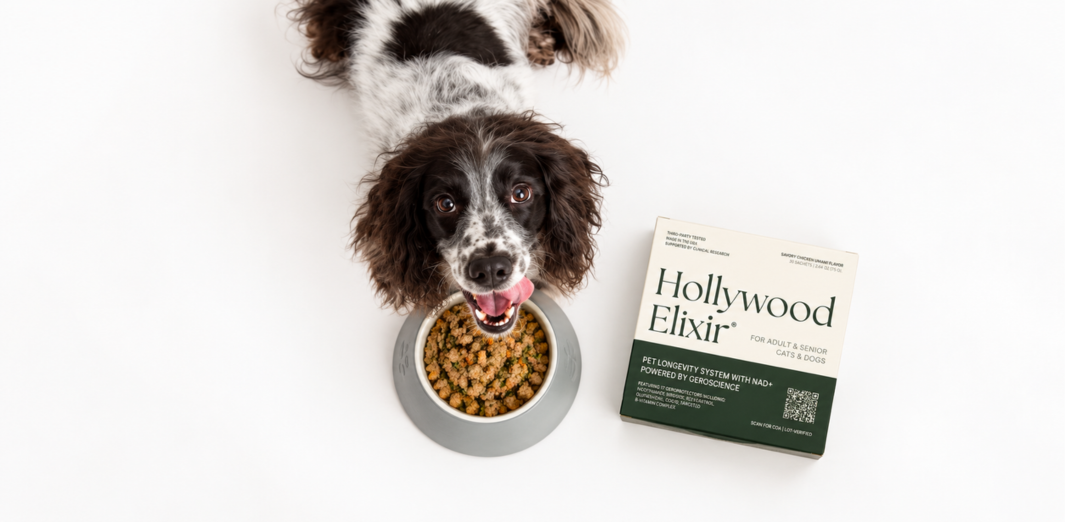
If you add a supplement, choose one that respects the whole aging picture—recovery, cellular stress, and everyday upkeep—rather than a single-ingredient story. That is why label literacy matters: Hollywood Elixir is a food-mixed daily routine with readable amounts, built around the systems that tend to fray with age. It pairs nicotinamide riboside 60 mg and CoQ10 40 mg to support normal cellular energy with antioxidant defenses like glutathione 50 mg, so you can see exactly what your dog is getting and bring the label to your vet. It supports steady, comfortable days and easier recovery—not a treatment for arthritis or any joint disease, which stays a veterinary conversation. Add it to one meal, introduce it slowly, and pause it cleanly if anything changes.

“A supplement earns its place when it supports the whole system, not a single story.”

Educational content only. This material is not a substitute for veterinary advice. Always consult your veterinarian about your dog’s specific needs. These statements have not been evaluated by the Food and Drug Administration. Products mentioned are not intended to diagnose, treat, cure, or prevent any disease.

Glossary

  • Brachycephalic: A short-skulled head shape that can narrow airways and affect heat tolerance.
  • BOAS: Brachycephalic obstructive airway syndrome; breathing difficulty related to airway anatomy.
  • Osteoarthritis: A chronic joint condition involving cartilage wear and inflammation, often causing stiffness.
  • Body Condition Score (BCS): A hands-on scale used to estimate whether a dog is underweight, ideal, or overweight.
  • Low-Impact Exercise: Movement that builds strength without repetitive pounding, such as short walks or controlled play.
  • Traction Management: Home changes (rugs, mats, nail care) that reduce slipping and joint strain.
  • Skin Fold Dermatitis: Irritation or infection that can develop in moist, rubbing skin creases.
  • Tail Pocket: A skin fold around a tightly set tail that may trap moisture and debris.
  • Multimodal Management: Using multiple complementary strategies (weight, activity, medication, environment) for comfort.

Related Reading

References

Mansilla WD. Adult dogs of different breed sizes have similar threonine requirements as determined by the indicator amino acid oxidation technique. PubMed Central. 2020. https://pmc.ncbi.nlm.nih.gov/articles/PMC7085255/

FAQ

What does english bulldog care health really include day to day?

It includes protecting breathing comfort, keeping weight steady, maintaining skin folds, and supporting joints with low-impact movement. Bulldogs often benefit from routines that are short, calm, and consistent rather than intense. A supplement can complement those basics by supporting resilience and recovery as your dog ages.

Why are bulldogs prone to stiffness and mobility changes?

Their compact build and front-heavy structure can increase joint loading, and breathing limitations may reduce comfortable activity, which can gradually weaken supporting muscle. Over time, that combination can show up as slower rising, shorter strides, or reluctance with steps. A whole-body approach—weight, traction, and recovery support—tends to be more practical than chasing one single fix.

How can I tell if my bulldog has early arthritis?

Early arthritis is often subtle: hesitation before jumping, slower sit-to-stand, stiffness after naps, or choosing shorter routes. Some dogs show mood changes or less interest in play before they show a clear limp. If you notice a pattern lasting more than a week or two, a veterinary exam can clarify what’s happening and what to change first.

Is exercise safe for english bulldog care health routines?

Yes, but it should be low-impact and heat-aware. Short walks in cool hours, controlled play, and gentle strengthening usually suit bulldogs better than long runs or intense fetch. The goal is steady muscle support without overheating or next-day soreness. If your dog is already stiff, ask your veterinarian about a tailored plan so activity builds comfort rather than flares it.

What are the best care for english bulldogs during hot weather?

Plan outdoor time around temperature and humidity, keep walks brief, and use a harness rather than a neck collar. Indoors, prioritize airflow, cool resting spots, and easy access to water. Learn your dog’s early overheating signs so you can stop before it escalates. Heat management also protects mobility, because fatigue can look like orthopedic pain.

Which supplements are commonly used for bulldog joint comfort?

Owners often discuss omega-3s, green-lipped mussel, glucosamine/chondroitin, and collagen, but the right choice depends on diet, medications, and your dog’s specific limitations. Multi-ingredient products can be convenient, yet harder to evaluate if something doesn’t agree. Ask your veterinarian which options fit your bulldog’s history, then add only one new supplement at a time so you can judge results.

Are there side effects to watch for with new supplements?

Yes. The most common are digestive changes such as loose stool, gas, or reduced appetite. Some ingredients may also affect bleeding tendency or interact with medications, so it’s important to review the full list with your veterinarian before starting. A cautious approach is to introduce one product at a time and keep notes for two to four weeks.

Can supplements interact with arthritis medications or anti-inflammatories?

They can. Certain botanicals, concentrated oils, or multi-ingredient blends may increase bleeding risk or change how medications are tolerated. Because bulldogs may already be managed with prescription pain control, it’s wise to treat supplements as part of the medical picture, not separate from it. Bring the product label to your veterinarian and ask what to avoid, what to monitor, and when to recheck.

How long until I notice changes after starting a supplement?

Timelines vary. Some dogs show small changes in energy or willingness to move within a few weeks, while joint-related changes may take longer and can be subtle. The most reliable approach is to track specific outcomes—rise time, walk duration, recovery after play—rather than relying on a general impression. If nothing changes after a reasonable trial, that’s useful information for refining your plan with your veterinarian.

What feeding approach supports english bulldog care health best?

A complete and balanced diet that your dog digests well is usually the best foundation. For bulldogs, portion control matters as much as ingredient lists, because weight gain quickly affects breathing comfort and joint load. If you home-cook, do it with professional formulation to avoid gaps. Even with excellent food, aging can change how efficiently the body uses nutrients, which is why some owners add system-level support for recovery and vitality.

Do puppies need different care than adult bulldogs?

Yes. Puppies benefit from controlled growth, safe footing, and age-appropriate activity that builds coordination without repetitive impact. Adults often need weight stability and conditioning, while seniors need comfort-first routines and more frequent veterinary check-ins. The throughline is protecting joints and breathing at every stage. If you’re planning long-term support, choose options that fit a consistent daily rhythm rather than short bursts of effort.

Is english bulldog care health the same for seniors?

The priorities are similar, but the margins are smaller. Seniors often have less muscle reserve, slower recovery, and more sensitivity to heat or schedule changes. Small home adjustments—traction rugs, supportive bedding, and fewer stairs—can make daily movement feel safer and less tiring. This is also when system-level support can feel most relevant, because aging affects multiple systems at once.

How do I choose a high-quality supplement brand?

Look for clear ingredient amounts, lot numbers, and conservative claims. Prefer brands that discuss testing, sourcing, and quality control rather than relying on buzzwords. If a product hides behind “proprietary blends,” it’s harder to evaluate safety, especially for dogs on medications. Bring the label to your veterinarian and ask if anything stands out as unnecessary or risky for your bulldog.

What is a safe way to start a new supplement?

Start when your dog’s routine is stable—no recent diet change, no new medications, no travel—so you can interpret any changes. Introduce only one new product at a time, monitor stool and appetite, and keep notes on mobility and energy for a few weeks. If your bulldog has a history of pancreatitis, bleeding disorders, or chronic medication use, confirm the plan with your veterinarian first.

Can I give dog supplements to cats in the home?

Don’t assume you can. Cats have different nutrient tolerances and ingredient sensitivities, and some dog-formulated products may include components that aren’t appropriate for feline metabolism. If you have both species, store supplements securely and ask your veterinarian for cat-specific options. For your bulldog, keep supplementation simple and species-appropriate, especially if you’re managing mobility or aging.

What are simple english bulldog health tips for home comfort?

Add traction on slippery floors, keep nails short for grip, and provide a bed thick enough to cushion elbows and hips. Use a harness for walks, keep outings short in warm weather, and maintain a calm fold-care routine to prevent irritation. These small changes reduce daily strain, which can matter more than occasional big interventions.

When should I call the vet about mobility changes?

Call promptly if you see sudden lameness, yelping, refusal to bear weight, dragging a limb, or any breathing distress. For slower changes—stiffness after rest, reluctance with stairs, reduced walk interest—schedule a visit if it persists beyond a week or keeps recurring. A veterinary exam helps separate orthopedic pain from fatigue, skin discomfort, or other issues that can look similar in bulldogs.

How does breathing comfort affect caring for english bulldog health?

When breathing is strained, bulldogs tire quickly and may avoid movement, which can reduce muscle support around joints. Owners sometimes interpret that avoidance as laziness or purely orthopedic pain, but airway limitation can be a major driver of reduced activity and slower recovery. A veterinarian can assess whether airway management could improve daily comfort and stamina.

What is a sensible decision framework for supplements and routines?

Start with fundamentals: weight, traction, heat safety, and veterinary oversight. Then choose one goal—such as easier rising or better recovery after walks—and introduce one change at a time. Track outcomes you can observe, and reassess with your veterinarian rather than adding products when you feel uncertain.

How can I prevent skin fold infections in an English Bulldog?

Clean and thoroughly dry facial and tail folds daily or several times per week, because trapped moisture and friction promote bacterial and yeast overgrowth. Use a vet-recommended gentle cleanser or wipes, keep the area dry (sometimes with a drying powder), and watch for redness, odor, discharge, or itching that warrants a veterinary exam.

La Petite Labs

Discover LPL-01: How This Fits Into a Larger Canine Longevity System

Aging in dogs is not driven by a single pathway. It’s the result of interacting biological systems—energy metabolism, oxidative stress, immune signaling, and structural integrity—changing over time.

This article explores one piece of that puzzle. If you want to understand how these pieces connect—and what actually moves the needle—you need to zoom out.

Start with the underlying science: