Lactoferrin for Dogs

Connect Mucosal Defense Biology and Daily Readouts for Gut, Skin, and Mouth

Essential Summary

Why is lactoferrin for dogs important?

Lactoferrin is part of normal mucosal biology in dogs, especially where microbes meet the gut, mouth, and skin. It is best viewed as supportive—aimed at more sustained barrier comfort and less irregular flare patterns—while the primary driver (allergy, infection, diet) is identified and managed with a veterinarian.

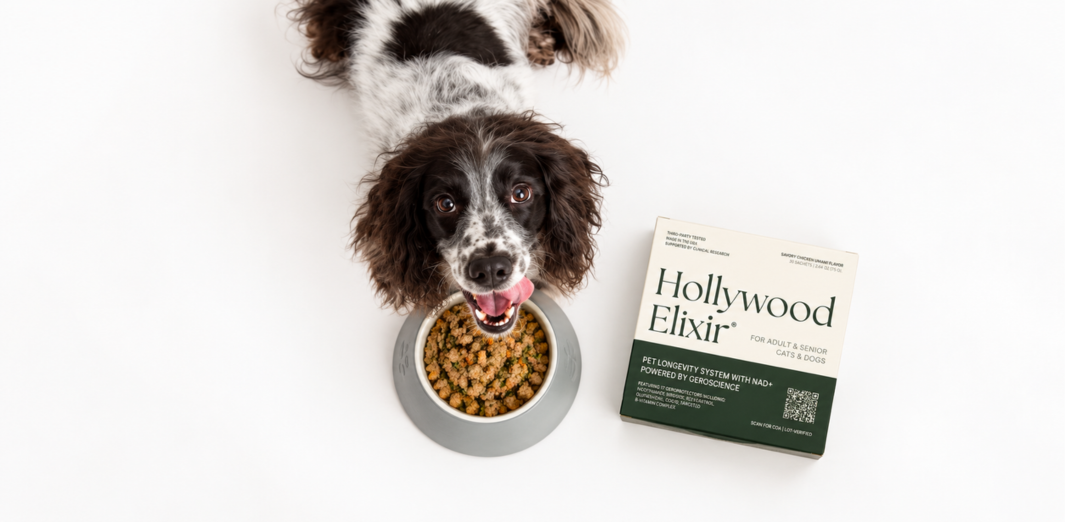
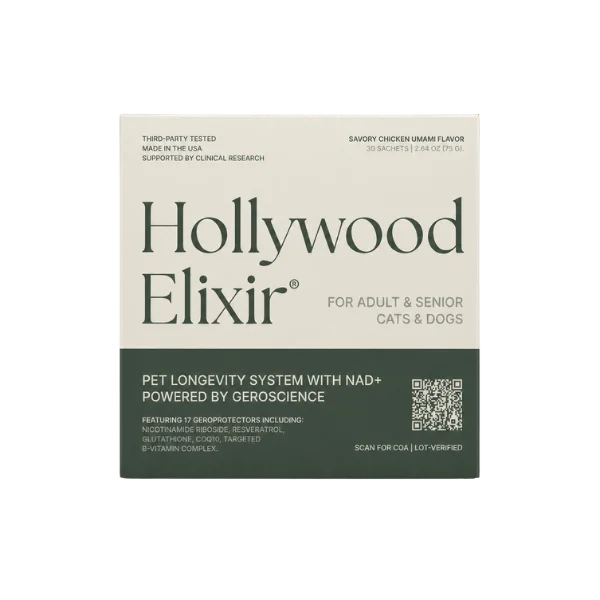
For owners building a layered daily plan, Hollywood Elixir™ is designed to support healthy aging foundations, including normal immune and barrier function. It can be used as part of a routine that also prioritizes diet consistency, oral care, and veterinarian-guided skin and gut management.

Repeated itching, ear debris, and on-and-off soft stool often share the same root problem: barrier surfaces that are reacting too often and taking too long to settle. Lactoferrin is part of normal mammalian mucosal defenses, and dogs naturally carry it in immune cells that patrol these high-contact zones. That is why lactoferrin is discussed for supportive use when a dog’s gut–skin–mouth “front line” seems to have less latitude and a slower mending speed.

The most useful way to think about lactoferrin for dogs is mechanism-first: it sits where microbes, iron availability, and immune signaling meet, especially at moist tissues. When those signals become less coordinated, a dog can look fine one day and then spiral after a small trigger—new treats, a bath, a stressful week, or seasonal allergens. The goal is not to chase a single symptom, but to make daily readouts more uniform over time: fewer flare days, better sleep, and stools that are less irregular when life happens.

This page focuses on two primary clinical areas where owners most often feel stuck: the gut–skin axis in itchy dogs and the mouth/ear “mucosal loop” that keeps irritation recurring. It also lays out what to track, what not to do, and how to prepare for a veterinarian conversation so supportive ingredients—if used—fit into a plan that is slow enough to interpret and practical enough to maintain.

By La Petite Labs Editorial, ~15 min read

Featured Product:

  • Lactoferrin for dogs is most relevant as supportive mucosal biology—helping frame gut, mouth, and skin barrier resilience.
  • Dogs naturally carry lactoferrin in immune cells, linking it to front-line defenses rather than a trendy add-on.
  • The gut–skin axis is a practical map: stool irregularity and itching often travel together, so tracking both improves decisions.
  • Oral tissues matter, too—gum irritation can keep the whole mucosal system “busy,” affecting comfort and appetite.
  • The best home approach is structured: a short checklist, a simple tracking rubric, and one change at a time.
  • Avoid common mistakes like stacking supplements, rotating proteins rapidly, or delaying vet care for painful ears or infected skin.
  • Meaningful progress usually looks like fewer flare days and better sleep over 3–4 weeks, not instant symptom disappearance.

When Mucosal Defenses Falter, Dogs Show It First

When a dog’s “front-line” defenses falter, the first place it shows is on wet surfaces: the mouth, gut lining, and skin barrier. Lactoferrin is one of the proteins mammals use in these zones to manage microbes and iron availability, and dogs naturally carry it in immune cells such as neutrophils (Berlov, 2007). The practical takeaway is not that lactoferrin is a cure-all, but that it belongs to the biology of mucosal hardiness—where small shifts can change how often tissues get irritated or overwhelmed.

At home, this “mucosal story” often looks like a pattern: softer stools after minor diet changes, recurrent ear debris after swimming, or gums that seem quick to bleed during chewing. Those are not diagnoses, but they are clues that the dog’s room to recover is narrower than it should be. The goal of lactoferrin immune support dogs discussions is to connect these everyday readouts to a plan that also includes diet consistency, parasite control, and veterinary guidance.

Scientific view of cellular energy centers tied to dog vitality with lactoferrin immune support dogs.

How Lactoferrin Shapes Barrier-side Immune Decisions

Lactoferrin is best understood as a “traffic controller” at barrier surfaces: it binds iron, interacts with microbial communities, and can signal to immune cells in ways that shape how intensely the body reacts. Immune coordination at mucosal sites depends on specialized sentinels that decide whether to escalate or stand down, and that decision-making is a major reason some dogs spiral into recurring irritation rather than mending cleanly (Lande, 2010). This is why the same trigger—new treats, a seasonal pollen surge—can produce very different outcomes between dogs.

Owners often focus on the single “bad thing” (a food, a shampoo, a park), but the more useful question is whether the dog’s defenses are becoming less irregular over time. A dog with better latitude may still itch or have a loose stool occasionally, yet the episode is shorter and less disruptive. That is the lens for lactoferrin gut health dogs: supporting the conditions that help the lining and its immune partners return to baseline after normal life exposures.

DNA close-up symbolizing resilience at the cellular level via lactoferrin immune support dogs.

The Gut–skin Axis: Why Stool and Itch Often Travel Together

The gut–skin axis is not a slogan; it is a practical map. In dogs with allergic skin disease, researchers have documented that changing the gut microbiome can track with changes in skin status, reinforcing that the intestine and skin share immune “wiring” (Huang, 2025). Lactoferrin sits in the same neighborhood of biology: it is present where microbes meet the body and where immune decisions are made. That makes it a plausible supportive ingredient when the goal is more uniform barrier behavior, not a quick fix.

A common household pattern is the “two-step flare”: a week of softer stools or gas, followed by paw licking and ear scratching. That sequence does not prove cause, but it is a useful timeline to record. When lactoferrin skin support dogs is considered, it should be alongside the basics that stabilize the gut–skin loop: consistent protein sources, slow transitions, and avoiding a rotating buffet of supplements that makes patterns impossible to interpret.

Protein fold visualization tied to cellular support mechanisms in lactoferrin gut health dogs.

Oral Tissues as a Missing Link in Chronic Irritation

Oral tissues are another mucosal surface where immune balance matters. Human clinical trials have evaluated lactoferrin-containing oral products for gum health outcomes, showing that lactoferrin has been studied in real-world mouth environments rather than only in test tubes (Nakano, 2019). That does not automatically translate to dogs, but it supports the broader concept: lactoferrin is relevant where biofilms, saliva, and immune cells interact. For dogs, oral comfort can influence appetite, chewing behavior, and even how much bacteria-laden debris is swallowed.

At home, oral clues are often subtle: a dog that drops kibble, prefers softer food, or turns away from chew toys that used to be favorites. Breath changes and gum redness are worth noting, but so is behavior—head turning, pawing at the mouth, or slower eating. When owners think about lactoferrin immune support dogs, it can help to include the mouth in the picture, because oral inflammation can keep the whole mucosal system “busy” day after day.

Pug image representing loving care routines supported by lactoferrin gut health dogs.

What Lactoferricin Research Suggests About Skin Context

Some of the most interesting lactoferrin research in dogs involves lactoferricin, a peptide derived from lactoferrin. In canine atopic dermatitis, a topical emulsion combining lactoferricin with verbascoside was investigated as an alternative approach, highlighting lactoferricin as a bioactive component relevant to inflammatory skin settings (Biasibetti, 2018). This is not a reason to self-treat chronic dermatitis at home, but it does reinforce that lactoferrin-related compounds can matter at the skin barrier where microbes and inflammation collide.

A realistic case vignette: a three-year-old retriever develops seasonal paw chewing each spring, then gets a yeasty ear smell after lake weekends. The owner tries three shampoos and two diets in a month, and the dog becomes more irregular rather than calmer. In this scenario, lactoferrin skin support dogs fits best as part of a slower, trackable plan—one change at a time, with enough time to see whether the dog’s mending speed actually improves.

Hollywood Elixir™ is amazing and makes my 13 y/o young again!

— Jessie

We go on runs. Lately he's been keeping up with no problem!

— Cami

“Barrier comfort is often about fewer flare days, not perfect skin.”

Ears, Moisture, and Microbes: Why Cycles Keep Returning

Ears are a special problem because they are warm, moist, and easily trapped by anatomy. Lactoferricin has shown in vitro activity against Malassezia pachydermatis isolates associated with otitis externa, supporting the idea that lactoferrin-derived peptides can interact with organisms that commonly complicate itchy dogs (Corona, 2021). In vitro findings are not the same as clinical treatment, but they help explain why barrier support and microbial management are inseparable topics in recurrent ear cycles.

Owners can make ear patterns clearer by separating “maintenance” from “flare.” Maintenance is gentle drying after baths or swims and avoiding cotton swabs deep in the canal. A flare is odor, head shaking, or sudden tenderness—signals to call the clinic rather than experimenting. Lactoferrin immune support dogs conversations often land here: the goal is less frequent spirals, but active infections still need veterinary diagnosis and targeted care.

Weimaraner portrait reflecting poise and wellness support tied to lactoferrin skin support dogs.

Owner Checklist for Mucosal and Skin Readouts at Home

Owner checklist: the most useful home observations are the ones that can be repeated the same way each week. For dogs with barrier fragility, check (1) stool form consistency, (2) paw licking minutes after walks, (3) ear odor or debris color, (4) gum bleeding during tooth brushing, and (5) whether scratching interrupts sleep. These are not diagnostic, but they are the daily readouts that show whether the dog has more room to recover or is becoming more reactive.

This checklist also prevents a common trap: chasing the loudest symptom while missing the earlier signal. For example, a dog’s skin may look worse “out of nowhere,” when the gut has been irregular for two weeks. If lactoferrin gut health dogs is being considered, these observations help determine whether the target is truly mucosal resilience versus a one-off exposure that will settle with routine care.

Close-up profile of a dog symbolizing awareness and vitality via lactoferrin gut health dogs.

What to Track over 3–4 Weeks for Clearer Patterns

What to track rubric: choose a short list of markers and keep them stable for 3–4 weeks before judging any change. Record (1) stool score and frequency, (2) itch intensity at the same time each evening, (3) ear cleaning frequency needed, (4) breath or gum redness notes, (5) coat feel (dry vs oily), and (6) any new treats, chews, or medications. The point is not perfection; it is a more uniform record that can be shared with a veterinarian.

Tracking also protects against “false wins.” A dog may scratch less because the weather changed, not because a new supplement is working. Conversely, a dog may have a brief setback after a diet transition even if the long-term direction is better. Lactoferrin immune support dogs plans are easiest to evaluate when the household commits to one variable at a time and writes down the rest.

Supplement overview graphic emphasizing quality ingredients aligned with lactoferrin skin support dogs.

Misconceptions That Make Lactoferrin Trials Misleading

A unique misconception is that lactoferrin is “just colostrum” or “just an iron supplement.” Lactoferrin does bind iron, but its relevance is broader: it is part of how mammals manage microbial pressure and immune signaling at barrier surfaces, and dogs naturally package it in immune cells (Berlov, 2007). Thinking of it only as nutrition can lead owners to ignore the bigger picture—diet quality, oral hygiene, and allergy control—that determines whether tissues stay calm.

Another misunderstanding is expecting an immediate, visible change in itching within days. Barrier biology tends to shift slowly, especially when the dog has been inflamed for months. Lactoferrin skin support dogs is best framed as part of a daily plan that aims for fewer setbacks and better mending speed, not a dramatic overnight transformation.

Safety and Sensitivities: Who Needs Extra Caution

Safety matters because many dogs considering supportive ingredients are already on prescription diets, allergy medications, or antibiotics. Subchronic oral toxicity work in animals has evaluated bovine lactoferrin over repeated administration periods, supporting that it has been formally assessed for safety in a research setting (Yamauchi, 2000). That does not replace dog-specific guidance, but it helps owners understand why lactoferrin is generally discussed as a supportive ingredient rather than a high-risk compound.

Practical cautions: any dog with a known sensitivity to dairy proteins should be discussed with a veterinarian before using bovine-derived ingredients. Puppies, pregnant dogs, and dogs with complex immune disease should also be guided by the clinic, because “supportive” still means biologically active. If vomiting, diarrhea, or appetite changes appear after starting a new product, stop it and report the timeline rather than layering another supplement on top.

“Track the gut and the skin together to see the real pattern.”

Lab coat detail emphasizing vet-informed standards supporting lactoferrin gut health dogs.

What Dog-specific Immune Reports Do and Don’t Mean

There is a narrow slice of canine literature where lactoferrin has been used in unusual immune contexts. Case reports and related work describe bovine lactoferrin in dogs with familial neutrophil dysfunction, a rare condition that affects how certain white blood cells function (SATO, 2012). This is not a template for routine home use, but it shows that veterinarians and researchers have considered lactoferrin in dog-specific immune scenarios rather than only extrapolating from other species.

For most households, the relevance is simpler: immune hardiness is not only about “stronger defenses,” but about appropriate responses that do not stay stuck on high alert. Dogs that are always inflamed often have less room to recover from normal exposures. Lactoferrin immune support dogs fits best when the goal is to support normal barrier behavior while the primary condition—like atopic dermatitis—is managed with a veterinarian.

Shop Now
Curated ingredient scene highlighting bioactive blend supporting lactoferrin skin support dogs.

What Not to Do When Adding Supportive Ingredients

What not to do: avoid turning lactoferrin into a “stacking” experiment. Common mistakes include changing food and adding multiple new supplements in the same week, stopping prescribed allergy control as soon as scratching dips, and using harsh ear cleaners daily “just in case.” Another frequent error is treating every soft stool as an emergency and switching proteins repeatedly, which can keep the gut more irregular and harder to interpret.

Instead, keep the plan boring and trackable. If lactoferrin gut health dogs is being tried, pair it with stable feeding times, measured treats, and a consistent fiber approach recommended by the clinic. Give each change 3–4 weeks before evaluating, unless the dog shows clear intolerance. This approach creates cleaner daily readouts and a better handoff to the veterinarian.

Shop Now
Owner and dog moment highlighting wellness rituals supported by lactoferrin skin support dogs.

Vet Visit Prep for Gut–skin–ear Pattern Conversations

Vet visit prep: the most helpful appointment is the one that arrives with patterns, not just frustration. Bring (1) a two-week log of stool form and itch intensity, (2) photos of paws/ears on “good” and “bad” days, (3) a list of all chews, toppers, and flavored preventives, and (4) the timing of flares relative to baths, swimming, or diet transitions. These details help the clinic decide whether the driver is allergy, infection, food-responsive disease, or a mixed picture.

Specific questions to ask: “Does this look like atopic dermatitis, recurrent yeast, or both?” “Should ears be cultured or cytology checked today?” “If lactoferrin immune support dogs is added, what outcome would count as meaningful—less ear debris, fewer flare days, or better stool consistency?” “Which current products might be confounding the picture?” Clear questions keep the plan focused and safer.

Shop Now

Formulation and Consistency: Making Oral Trials Interpretable

How lactoferrin is delivered can matter because proteins face digestion and variable survival through the stomach. Formulation research in general biology has explored strategies to protect lactoferrin for oral delivery, underscoring that “it’s a protein” is not the end of the story when thinking about gut exposure (Kilic, 2017). For pet owners, the practical implication is to choose reputable products with clear sourcing and handling, rather than assuming all lactoferrin behaves the same.

Administration routines should be simple: give supportive ingredients at the same time daily, with a consistent meal pattern, and avoid mixing them into a constantly changing “kitchen sink” topper. If the dog is picky, a small amount of the regular food can be used as the carrier rather than switching to a new, rich treat that changes stool. Lactoferrin gut health dogs is easiest to judge when the rest of the feeding environment stays steady.

Timeline Expectations: Look for Fewer Flare Days, Not Miracles

Timeline expectations should match barrier biology. Skin turnover, microbial shifts, and immune signaling changes tend to show up as fewer “bad days” before they show up as perfect skin. A reasonable goal is more sustained comfort across a month: fewer ear flare triggers, less paw chewing after walks, and stools that are less irregular when a new chew is introduced. If nothing changes after a full tracking window, that is useful information for the veterinarian.

Owners often notice the first improvement in routines rather than symptoms: the dog sleeps through the night, stops waking to scratch, or needs ear wiping less often. Those are meaningful because they reflect a calmer barrier environment. Lactoferrin skin support dogs should be judged by these practical daily readouts, not by whether a single hot spot disappears without other care.

Visual comparison highlighting no fillers advantage aligned with lactoferrin immune support dogs.

Quality Signals and Diet Foundations That Prevent Confounding

Quality signals matter because the supplement space is crowded. Look for transparent labeling (source species, amount per serving, and lot tracking), conservative claims that use “supports” language, and a company willing to provide testing documentation. Be cautious with products that combine many botanicals and flavors, since those additions can muddy interpretation in dogs with sensitive guts or allergic skin. The goal is a clean trial, not a complicated formula that creates new variables.

Also remember that diet adequacy is a separate issue from immune hardiness. Home-prepared diets can drift in mineral balance and consistency, which can indirectly affect skin and stool patterns if not properly formulated (Pedrinelli, 2019). Lactoferrin immune support dogs fits best when the foundation is solid—complete nutrition, consistent feeding, and a plan for treats—so any change in daily readouts is easier to trust.

Shop Now
Open package showing attention to detail consistent with lactoferrin skin support dogs standards.

Secondary Context: How Probiotics Fit Without Overlapping Goals

Secondary context: lactoferrin is sometimes discussed alongside probiotics because both relate to mucosal environments. In puppies with gastroenteritis, a multi-strain probiotic has been studied in a randomized, placebo-controlled design, showing that gut-support strategies can be evaluated clinically in dogs (Molina, 2023). This does not mean every itchy dog needs probiotics, or that lactoferrin and probiotics are interchangeable. It means the gut can be a legitimate lever when symptoms seem to bounce between stool and skin.

For households, the practical approach is to avoid “all-at-once” changes. If a veterinarian recommends a probiotic trial, keep other additions stable so the response is interpretable. If lactoferrin gut health dogs is added later, it should be layered after the first intervention has had time to declare itself. This sequencing protects the dog from unnecessary churn and gives the clinic clearer information.

Shop Now

A Decision Framework for When Lactoferrin Fits Best

Decision framework: lactoferrin makes the most sense when a dog shows a repeating pattern across mucosal surfaces—soft stool plus itchy paws, recurrent ear debris, or gums that look chronically irritated—especially when these issues wax and wane with stress, season, or diet changes. It is least useful when there is an untreated infection, a sudden severe flare, or a major diet imbalance that needs primary correction. Supportive ingredients cannot substitute for diagnosis.

A good plan is layered: confirm the primary problem with the veterinarian, stabilize the daily routine, then add one supportive tool and track for 3–4 weeks. If the dog’s daily readouts become more uniform—fewer flare days, better sleep, less ear maintenance—that is a meaningful direction. Lactoferrin immune support dogs is ultimately about creating room to recover, not chasing a single symptom.

“One change at a time creates the clearest daily readouts.”

Educational content only. This material is not a substitute for veterinary advice. Always consult your veterinarian about your dog’s specific needs. These statements have not been evaluated by the Food and Drug Administration. Products mentioned are not intended to diagnose, treat, cure, or prevent any disease.

Glossary

  • Mucosal surface - Moist body lining (gut, mouth, airways) where microbes and immunity interact.
  • Barrier function - The skin or gut lining’s ability to keep irritants out and maintain comfort.
  • Lactoferrin - An iron-binding protein involved in front-line defense at barrier surfaces.
  • Lactoferricin - A peptide derived from lactoferrin studied for bioactivity at skin/microbial interfaces.
  • Neutrophil - A white blood cell that responds quickly to microbial challenges; contains lactoferrin.
  • Iron sequestration - Binding iron so it is less available in the local environment.
  • Gut–skin axis - The practical link between intestinal environment and skin inflammation patterns.
  • Malassezia pachydermatis - A yeast commonly involved in canine ears and skin when conditions favor overgrowth.
  • Otitis externa - Inflammation/infection of the outer ear canal, often recurring in allergic dogs.
  • Atopic dermatitis - A common allergic skin disease in dogs with itching, recurrent infections, and barrier disruption.

Related Reading

References

Biasibetti. Lactoferricin/verbascoside topical emulsion: a possible alternative treatment for atopic dermatitis in dogs.. PubMed. 2018. https://pubmed.ncbi.nlm.nih.gov/28846026/

Nakano. Effect of tablets containing lactoferrin and lactoperoxidase on gingival health in adults: A randomized, double-blind, placebo-controlled clinical trial.. PubMed. 2019. https://pubmed.ncbi.nlm.nih.gov/31292969/

Lande. Plasmacytoid dendritic cells: key players in the initiation and regulation of immune responses. 2010. https://www.mdpi.com/2072-6643/15/18/3959

Huang. Evaluating the Adjuvant Therapeutic Effects of Probiotic Strains Lactococcus cremoris and Lacticaseibacillus paracasei on Canine Atopic Dermatitis and Their Impact on the Gut and Skin Microbiome.. PubMed Central. 2025. https://pmc.ncbi.nlm.nih.gov/articles/PMC12609542/

Berlov. Lactoferrin from canine neutrophils: isolation and physicochemical and antimicrobial properties.. PubMed. 2007. https://pubmed.ncbi.nlm.nih.gov/17511610/

Molina. A multi-strain probiotic promoted recovery of puppies from gastroenteritis in a randomized, double-blind, placebo-controlled study.. PubMed. 2023. https://pubmed.ncbi.nlm.nih.gov/37397694/

Corona. In vitro activity of lactoferricin solution against Malassezia pachydermatis from otitis externa in dogs and cats.. PubMed. 2021. https://pubmed.ncbi.nlm.nih.gov/34009660/

Yamauchi. 13-Week oral repeated administration toxicity study of bovine lactoferrin in rats.. PubMed. 2000. https://pubmed.ncbi.nlm.nih.gov/10828502/

SATO. Clinical Effects of Bovine Lactoferrin on Two Canine Cases with Familial Neutrophil Dysfunction. PubMed. 2012. https://pubmed.ncbi.nlm.nih.gov/22531102/

Pedrinelli. Concentrations of macronutrients, minerals and heavy metals in home-prepared diets for adult dogs and cats.. PubMed Central. 2019. https://pmc.ncbi.nlm.nih.gov/articles/PMC6736975/

Kilic. Formulation for Oral Delivery of Lactoferrin Based on Bovine Serum Albumin and Tannic Acid Multilayer Microcapsules. Nature. 2017. https://www.nature.com/articles/srep44159

FAQ

What is lactoferrin, and why do dogs have it?

Lactoferrin is a protein used at barrier surfaces—places like the gut lining, mouth, and skin where microbes and the immune system constantly interact. Dogs also carry lactoferrin inside certain white blood cells, connecting it to normal front-line defense biology(Berlov, 2007).

For owners, the key idea is that lactoferrin is not a “new” concept to the body. It is part of the normal toolkit that helps tissues stay comfortable and recover after everyday exposures.

What does lactoferrin do in a dog’s gut?

In the gut, lactoferrin is discussed as a supportive component of mucosal defenses: it binds iron and participates in the environment where microbes meet the intestinal lining. That matters because the gut is a major immune organ, and small shifts can change how irregular a dog’s stools become after stress, diet changes, or treats.

When owners explore lactoferrin gut health dogs, it helps to track stool form, frequency, and triggers for 3–4 weeks so any change is interpretable.

How is lactoferrin connected to skin and itching?

Skin and gut share immune “wiring,” which is why some dogs show a repeating loop of soft stool followed by paw licking or ear debris. In canine atopic dermatitis research, changes in the microbiome have been linked with clinical outcomes, supporting the gut–skin axis concept(Huang, 2025).

Lactoferrin skin support dogs fits best as part of a layered plan: stabilize diet, treat infections promptly, and use tracking to judge whether flare days become less frequent.

Is lactoferrin the same thing as colostrum?

No. Colostrum is a complex first milk containing many components, and lactoferrin is one specific protein that can be present within it. Treating lactoferrin as “just colostrum” can lead to confusing product choices and unrealistic expectations.

A better approach is to decide what is being targeted—daily readouts like stool regularity, ear maintenance needs, or gum comfort—and then choose a single, trackable intervention rather than stacking multiple milk-derived products.

Is lactoferrin safe for most dogs?

Lactoferrin has been evaluated in repeated-dose oral safety research in animals, supporting that it has a history of formal safety assessment(Yamauchi, 2000). However, “generally discussed as safe” is not the same as “right for every dog.”

Dogs with known dairy sensitivities, complex immune disease, or those that are pregnant or very young should be guided by a veterinarian. Any vomiting, diarrhea, or appetite change after starting a new supplement is a reason to stop and report the timeline.

What side effects should owners watch for with lactoferrin?

Most concerns are gastrointestinal: looser stools, gas, or reduced appetite shortly after starting something new. Skin changes can also occur if a dog reacts to a flavored chew, carrier ingredient, or a dairy-derived source.

The most helpful response is simple: stop the new product, keep the rest of the routine stable, and write down when signs started and resolved. That record helps the veterinarian separate intolerance from an unrelated flare.

Can lactoferrin replace allergy medications or ear treatments?

No. Supportive ingredients are not substitutes for diagnosing and treating infections, parasites, or allergic inflammation. Painful ears, strong odor, head shaking, or oozing skin need veterinary evaluation, because the right treatment depends on what is actually present.

Lactoferrin immune support dogs is best framed as a longer-horizon tool that may help support normal barrier function while primary care—like cytology-guided ear therapy or an allergy plan—does the heavy lifting.

How long does it take to see results from lactoferrin?

Barrier biology usually changes slowly. A practical window is 3–4 weeks of consistent use and consistent routines before judging whether daily readouts are shifting. Early “wins” are often fewer wake-ups from itching, less ear wiping needed, or stools that are less irregular after normal life events.

If nothing changes after a full tracking window, that is still useful information to bring to the veterinarian, especially if other variables were kept stable.

Should lactoferrin be given with food or on an empty stomach?

Most owners find it easiest to give supportive ingredients with a consistent meal, because it reduces day-to-day variability and is gentler for dogs with sensitive stomachs. The bigger issue is consistency: same time, same carrier food, and no new rich treats that could confuse stool tracking.

If a dog has a history of vomiting with supplements, the veterinarian can help decide whether timing, formulation, or a different approach makes more sense.

Are there dogs who should avoid lactoferrin entirely?

Dogs with suspected or confirmed dairy protein sensitivity should be cautious with bovine-derived lactoferrin unless a veterinarian advises otherwise. Dogs with complicated immune-mediated disease, those on multiple immunomodulating drugs, and very young puppies should also be guided by the clinic rather than started casually.

The safest rule is to treat lactoferrin as biologically active support, not as a harmless “food dust,” and to stop if new signs appear.

Does lactoferrin interact with antibiotics, probiotics, or steroids?

Specific interaction data in dogs is limited, so the practical approach is to assume timing and tolerance matter. If a dog is on antibiotics or steroids, the veterinarian should know about every supplement because side effects can overlap (especially diarrhea or appetite changes).

If probiotics are also being used, add one change at a time and track daily readouts. That sequencing makes it easier to tell what is helping versus what is simply adding noise.

Is lactoferrin helpful for dogs with recurrent ear yeast?

Recurrent ear yeast is usually a symptom of a bigger driver—often allergy, moisture, or anatomy—so the priority is veterinary diagnosis and targeted ear therapy. That said, lactoferrin-derived peptides have shown in vitro activity against Malassezia pachydermatis, an organism commonly involved in otitis externa(Corona, 2021).

For owners, the practical use is as supportive context: focus on drying ears after swimming, avoiding over-cleaning, and building a plan aimed at fewer flare cycles over time.

What’s the difference between lactoferrin and lactoferricin?

Lactoferricin is a peptide fragment derived from lactoferrin. In dogs, lactoferricin has been investigated in a topical emulsion context for atopic dermatitis, highlighting that lactoferrin-related compounds can be bioactive at the skin barrier(Biasibetti, 2018).

This does not mean oral lactoferrin equals topical lactoferricin, or that either replaces veterinary therapy. It simply clarifies why “lactoferrin family” language shows up in skin and ear discussions.

How do owners choose a quality lactoferrin supplement?

Choose products with transparent sourcing, clear amounts per serving, and lot tracking. Avoid labels that promise dramatic changes or use disease language. For sensitive dogs, simpler is often better: fewer flavors, fewer botanicals, and fewer moving parts.

Because lactoferrin is a protein, formulation and handling can influence how it behaves. A reputable company should be able to answer basic questions about testing and storage.

Can puppies take lactoferrin for gut support?

Puppies have developing guts and immune systems, so any supplement should be discussed with a veterinarian—especially if the puppy has had vomiting, diarrhea, or poor growth. Clinical research in puppies supports that gut interventions can be studied in dogs, but it does not mean every product is appropriate for every puppy(Molina, 2023).

If a veterinarian recommends a trial, keep the diet stable and track stool frequency and hydration so the puppy’s response is clear.

Is lactoferrin different for small dogs versus large dogs?

The underlying mucosal biology is similar, but practical differences matter: small dogs may show appetite changes sooner, and large dogs may have more obvious stool-volume swings that complicate tracking. The best approach is veterinarian-guided dosing instructions on the specific product and a consistent routine.

Regardless of size, the same evaluation rule applies: one change at a time, and a 3–4 week window to judge whether daily readouts become less irregular.

Can lactoferrin be used alongside Hollywood Elixir™?

A layered plan can make sense when it stays trackable. Hollywood Elixir™ is designed to support healthy aging foundations, which can include normal immune and barrier function as part of a daily routine.

The key is sequencing: introduce one new item, track daily readouts for several weeks, then consider adding another. This avoids confusing overlap if stool or skin changes occur.

What should be tracked when starting lactoferrin for dogs?

Track a short set of repeatable markers: stool score and frequency, itch intensity at the same time each day, ear odor/debris, sleep disruption from scratching, and any gum bleeding during brushing. Also record exposures like new treats, swimming, or medication changes.

This creates a more uniform picture of whether the dog is gaining room to recover. It also gives the veterinarian a clearer timeline if a flare occurs.

When should a veterinarian be called instead of supplementing?

Call promptly for painful ears, head tilt, fever, oozing skin, blood in stool, repeated vomiting, or rapid worsening of itching. These signs can indicate infection or other problems that need diagnosis, not trial-and-error.

Supportive tools like lactoferrin are best used when the dog is stable enough to track and when urgent causes have been ruled out. Bringing photos and a symptom log helps the clinic act faster.

Is there dog-specific research on lactoferrin and immunity?

There is limited but notable dog-specific work. Lactoferrin has been discussed in rare canine immune contexts such as familial neutrophil dysfunction, including case-based clinical reporting(SATO, 2012). That is not the same as broad evidence for everyday itchy dogs, but it shows veterinary interest beyond simple extrapolation.

For most dogs, the strongest use is still practical: supporting normal mucosal function while the primary diagnosis (allergy, infection, diet-responsive disease) is managed with a veterinarian.

How can Hollywood Elixir™ fit a gut–skin–immune plan?

A gut–skin–immune plan works best when it is layered and measured: stable diet, targeted veterinary care for flares, and supportive daily habits. Hollywood Elixir™ can be part of that routine by supporting healthy aging foundations, including normal immune function.

The most important step is evaluation: define what “better” means (fewer flare days, less ear maintenance, more sustained stool consistency) and track those daily readouts for 3–4 weeks before changing anything else.

5K+ Happy Pet Parents

Excellent 4.8

Lactoferrin for Dogs | Why Thousands of Pup Parents Trust Hollywood Elixir™

"He seems more happy overall. I've also noticed he has more energy which makes our walks and playtime so much more fun."

Olga & Jordan

"He's got way more energy now! We go on runs pretty often; he use to get tired halfway through, but lately, he's been keeping up without any problem."

Cami & Clifford

"I want her to live forever. She hasn't had an ear infection since!"

Madison & Azula

"It helps with her calmness, her immune system. I really like the clean ingredients. Highly recommend La Petite Labs!"

Maple & Cassidy

"He seems more happy overall. I've also noticed he has more energy which makes our walks and playtime so much more fun."

Olga & Jordan

"He's got way more energy now! We go on runs pretty often; he use to get tired halfway through, but lately, he's been keeping up without any problem."

Cami & Clifford

"I want her to live forever. She hasn't had an ear infection since!"

Madison & Azula

"It helps with her calmness, her immune system. I really like the clean ingredients. Highly recommend La Petite Labs!"

Maple & Cassidy

"He seems more happy overall. I've also noticed he has more energy which makes our walks and playtime so much more fun."

Olga & Jordan

"He's got way more energy now! We go on runs pretty often; he use to get tired halfway through, but lately, he's been keeping up without any problem."

Cami & Clifford

"I want her to live forever. She hasn't had an ear infection since!"

Madison & Azula

"It helps with her calmness, her immune system. I really like the clean ingredients. Highly recommend La Petite Labs!"

Maple & Cassidy

"He seems more happy overall. I've also noticed he has more energy which makes our walks and playtime so much more fun."

Olga & Jordan

"He's got way more energy now! We go on runs pretty often; he use to get tired halfway through, but lately, he's been keeping up without any problem."

Cami & Clifford

"I want her to live forever. She hasn't had an ear infection since!"

Madison & Azula

"It helps with her calmness, her immune system. I really like the clean ingredients. Highly recommend La Petite Labs!"

Maple & Cassidy

SHOP NOW