Superfoods for Dogs

How specific nutrients cut oxidative load and help protect aging dogs.

By La Petite Labs Editorial 15 min read

The best superfoods for dogs are usually the simple, consistent ones — and they work as supportive ingredients, not solutions. A complete diet still does the heavy lifting; small additions just widen the nutritional texture of a routine, especially as a dog’s needs shift with age. So the honest question isn’t “which superfood cures what,” but “which ones are safe, well-sourced, and easy to give every day?”

Most people searching this aren’t chasing novelty. They’re protecting something tender: a dog who eats well, sleeps well, moves without hesitation, and stays bright-eyed as the years stack up. “Superfood” is a loud word for that quiet goal, and it can turn a thoughtful instinct into a scavenger hunt of powders and promises. A calmer approach treats plant ingredients as phytonutrients that complement a base diet.

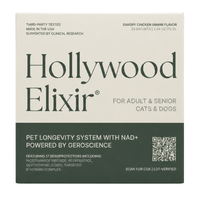
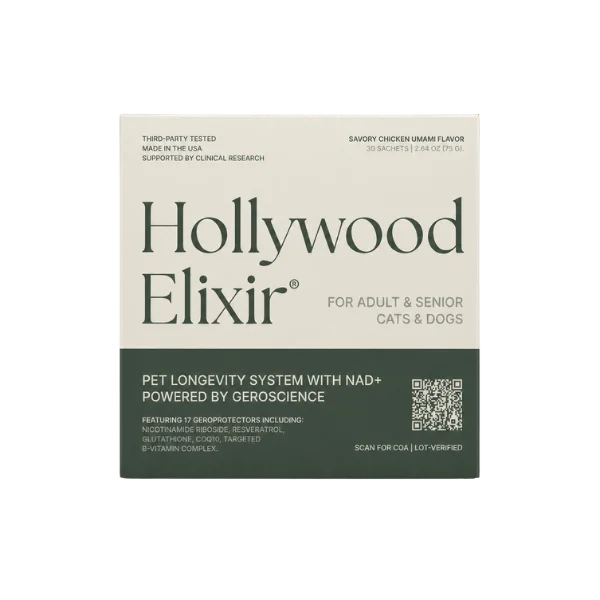
The commercial question deserves an honest answer too: even when food meets most needs, owners choose a product for reliable sourcing, measured amounts, and steady daily support. That’s the role Hollywood Elixir is designed to play.

  • Consistency beats novelty: superfoods matter most when they’re tolerated daily and don’t crowd out complete nutrition.
  • The best ones are simple: fiber-forward plants, gentle fruits, and well-sourced algae.
  • Plant diversity adds phytonutrients that complement a base diet, especially when routines are repetitive.
  • Quality control is not optional: contaminants and recalls are part of the real-world landscape (Rumbeiha W, 2011).
  • Senior dogs benefit from steadier choices — but additions must respect medical diets.
  • A blend is most useful when it supports the broader network, not a single nutrient.
  • Hollywood Elixir is a daily, system-level blend — including spirulina and blueberry at disclosed amounts — with consistent sourcing and measured use.

A Quietly Smarter Way to Think About Everyday Food Additions

The phrase superfoods for dogs tends to sound like a trend, but the underlying idea is older: certain whole-food ingredients bring a dense mix of micronutrients, fibers, and plant compounds that can complement a complete diet. The nuance is that “super” is rarely about one heroic nutrient; it’s about the way ingredients layer together—supporting appetite, digestion, skin and coat, and the everyday wear of aging. Plant ingredients, in particular, can contribute phytonutrients that help round out a dog’s nutritional picture (Tanprasertsuk J, 2022).

Why the Superfood Conversation Is Really About Longevity and Comfort

Owners usually come to this topic with a quiet hope: that small, daily choices can add up to comfort, steadier energy, and a longer stretch of good days. That’s a reasonable instinct. Certain nutrients and dietary patterns can support overall health and longevity, particularly as dogs age (German K, 2025). At the same time, the “superfoods” conversation can get noisy—lists without context, or ingredients treated like cures. A better frame is to think in systems: digestion, skin barrier, immune tone, and the metabolic demands of aging.

Whole Foods Versus Blends: Two Sensible Paths with Tradeoffs

When people say superfoods for dogs, they often mean one of two things: whole foods you can add in small amounts, or a blended powder or chew that concentrates multiple ingredients. Both can be sensible. Whole foods offer simplicity and transparency; blends offer consistency and convenience. The trade-off is control: with DIY add-ins, amounts can drift; with a formula, the profile is fixed. Either way, the base diet matters because nutrient composition varies significantly across dog foods.

What the Best Superfoods Supplements Share in Common

The best superfoods supplements for dogs tend to share a few traits: they’re designed around complementary roles (fiber plus phytonutrients, for example), they’re palatable enough for daily use, and they’re made with safety in mind. Plant-based ingredients can enhance canine nutrition by providing essential nutrients and phytonutrients that support overall wellness (Tanprasertsuk J, 2022). The goal is not to “hack” health, but to add gentle support where modern life—stress, indoor living, less varied diets—can narrow the nutritional landscape.

What Superfoods Cannot Do, Even When They’re Well Chosen

It’s also worth naming what superfoods are not. They are not a substitute for veterinary care, not a way to treat disease, and not a license to ignore the fundamentals: appropriate calories, adequate protein, dental care, movement, and parasite prevention. If your dog has persistent vomiting, diarrhea, itching, weight loss, or sudden behavior changes, the right next step is a veterinary visit, not a new powder. Supplements can be supportive, but they should sit downstream of diagnosis.

“Super is rarely one ingredient. It’s the routine you can keep.”

Senior Dogs: Subtle Shifts That Make Diet Choices Feel Higher Stakes

For senior dogs, the conversation becomes more specific. Aging can change appetite, digestion, and how the body handles stressors, and dietary adjustments may be beneficial for managing age-related issues. That doesn’t mean every older dog needs a cabinet of add-ons. It means the best superfoods for dogs in later life are the ones that support steadier routines—easy to digest, easy to serve, and unlikely to interfere with prescribed diets. (see our Dog Life Stages →)

Choosing Between Pantry Add-ins and a Daily Supplement Blend

If you’re choosing between whole-food add-ins and a superfoods supplement for dogs, consider your real constraint. If you travel, have multiple pets, or rely on a sitter, a consistent formula can reduce variability. If your dog is highly sensitive, a single-ingredient approach may be easier to troubleshoot. Many owners land on a hybrid: a stable base diet, a measured daily supplement, and occasional fresh additions that don’t disrupt balance.

Safety First: Testing, Transparency, and the Real World of Supply Chains

Safety is the unglamorous center of this topic. “Natural” does not automatically mean safe, and “human-grade” does not guarantee suitability for dogs. Ingredient sourcing, storage, and testing matter because contaminants can enter the supply chain, and pet food recalls tied to chemical issues have been documented (Rumbeiha W, 2011). If your dog is pregnant, nursing, immunocompromised, or on long-term medications, treat any new supplement as something to clear with your veterinarian.

A Simple Way to Match Ingredients to Your Dog’s Actual Needs

A useful way to evaluate natural superfoods for dogs is to ask what role they play in the whole diet. Are you adding fiber to support stool quality? Are you adding plant diversity for phytonutrients? Or are you trying to support aging dogs with a broader “resilience” approach? Plant phytonutrients may offer antioxidant and anti-inflammatory support in the context of overall wellness. The clearer the role, the easier it is to choose—and to stop if it isn’t helping.

Is Spirulina Good for Dogs?

[Spirulina](https://lapetitelabs.com/pages/spirulina-for-dogs) earns its place among superfoods for dogs by concentrating protein, pigments, and trace nutrients into a small serving — but the sourcing is what matters most. Algae can accumulate unwanted contaminants depending on where and how it’s grown, so third-party testing and transparent manufacturing are a genuine safety filter, not marketing. Pet food contamination and recalls have been documented, which is exactly why quality control matters even for a “healthy” ingredient (Rumbeiha W, 2011).

The practical takeaway: don’t buy spirulina on the label alone. Buy it from a process you can verify — known origin, batch testing, and a fixed amount per serving — so a small, nutrient-dense add stays a benefit rather than a hidden risk.

“Quality control is the unglamorous center of the superfoods conversation.”

La Petite Labs

DVM Voice: Clinical Vignette of a Common Pattern in Senior Dog Aging

Case provided by JoAnna Pendergrass, DVM

Rex, a 7-year-old Labrador Retriever, was brought in after his owner noticed he was slower to rise, hesitant on stairs, and less able to play as before. Examination showed stiffness and reduced hip mobility; radiographs confirmed degenerative joint changes.

His care required weight management, veterinary-guided pain control, nutritional support, and rehabilitation — a comprehensive plan, but one started only after visible decline appeared.

Clinical takeaway: Rex’s case reflects the value of proactive aging support: maintaining lean body condition, monitoring mobility early, and supporting cellular resilience, antioxidant defense, and healthy inflammatory balance before decline becomes obvious.

Single-case vignette. Not generalizable. Veterinary oversight is essential for pain, stiffness, or suspected joint disease.

Explore Hollywood Elixir Research →
superfoods for dogs - 9

Are Blueberries a Good Superfood for Dogs?

[Blueberries](https://lapetitelabs.com/pages/blueberries-for-dogs) earn their spot among healthy superfoods for dogs for one simple reason: they deliver a broad spectrum of plant compounds alongside fiber and water, which is gentler than many concentrated extracts. In practice they’re a “small add” that fits many diets without crowding out essential calories.

That broad phytonutrient profile supports overall wellness rather than one narrow outcome (Tanprasertsuk J, 2022). Whether you add a few fresh berries or rely on a measured blueberry powder in a formula, the value is the same: gentle plant diversity in a form most dogs actually accept — easy to keep consistent, hard to overdo.

superfoods for dogs - 10

Seeds and Oils: Fiber and Fats That Require a Light Hand

Chia and flax are frequently mentioned in best superfoods for dogs lists because they bring soluble fiber and fats that can support stool quality and coat appearance. The practical caution is portion size: too much fiber too quickly can cause gas or loose stool, especially in smaller dogs or dogs new to supplements. If your dog has a history of pancreatitis, sensitive digestion, or is on a prescribed diet, it’s worth asking your veterinarian before adding fatty “boosters,” even when they’re natural.

superfoods for dogs - 11

Orange Plants: Familiar Fiber Support Without Turning Meals into Projects

Pumpkin, sweet potato, and other orange-fleshed plants are sometimes treated as everyday superfoods for dogs because they’re easy to use and generally well tolerated. Their real value is consistency: a predictable fiber profile can help many dogs maintain comfortable digestion when routines change. Still, “more” isn’t always better—too many add-ins can unbalance a carefully formulated food. Dog foods vary widely in nutrient composition, so additions should be made with the base diet in mind (German K, 2025).

Herbs and Mushrooms: Where “Natural” Needs Extra Restraint

Mushrooms, sea vegetables, and herbs sit in a gray zone: they can be part of a thoughtful superfoods supplement for dogs, but they also vary dramatically by species, processing, and dose. Some are culinary and mild; others are inappropriate for pets. The safest approach is to choose formulas designed for dogs, with clear labeling and quality testing, rather than DIY blends. When ingredients are concentrated, the margin for error shrinks—especially for dogs with liver disease, immune conditions, or complex medication schedules.

When Supplements Make Sense Even with a Balanced Base Diet

A common question is whether superfoods supplements for dogs are redundant if a food is “complete and balanced.” Sometimes they are—and sometimes they’re a way to support the broader system that sits underneath visible health: energy regulation, oxidative balance, and resilience over time. Nutrient needs and responses can shift with age, and dietary adjustments may be useful for age-related changes (German K, 2025). A well-designed blend can be less about fixing a deficiency and more about supporting the network that helps dogs stay steady as they get older.

Quality Signals That Separate the Best Blends from the Rest

Choosing the best superfoods supplement for dogs often comes down to what you can verify. Look for ingredient specificity (not “proprietary superfood mix” alone), batch testing, and manufacturing standards that reduce the risk of contaminants. This is not alarmism; it’s a sober response to the reality that chemical contaminants and recalls have occurred in the pet food landscape (Rumbeiha W, 2011). If a brand can’t tell you where ingredients come from or how they’re tested, it’s reasonable to keep looking.

Making It Practical: Consistency, Tolerance, and a Calm Routine

For most dogs, the best superfoods for dogs are the ones they can take consistently—without digestive drama, without turning meals into negotiations, and without displacing essential nutrition. Start with one change at a time, watch stool and appetite for a week, and keep treats and toppers within a sensible share of daily calories. If your dog is a senior, has kidney or liver disease, or takes long-term medications, involve your veterinarian early; small additions can matter more in medically managed diets.

Why Use a Superfood Blend Instead of Add-Ins?

A careful owner might ask: if whole foods can do so much, why choose a product at all? The answer is coherence. A thoughtfully formulated blend delivers consistent sourcing, measured amounts, and a system-level focus that’s hard to replicate with a rotating pantry of add-ins.

This is where reading the label pays off. Hollywood Elixir folds the superfoods owners already reach for into one daily routine at disclosed amounts — spirulina at 50 mg and blueberry powder at 50 mg per sachet — alongside its antioxidant and cellular-energy actives, so you can see exactly what your dog is getting instead of guessing across jars. For the aging and vitality picture, that’s the real benefit: one steady ritual you can explain to your veterinarian, rather than chasing single-ingredient fixes.

“A blend earns its place when it supports the whole system, not a single nutrient.”

Educational content only. This material is not a substitute for veterinary advice. Always consult your veterinarian about your dog’s specific needs. These statements have not been evaluated by the Food and Drug Administration. Products mentioned are not intended to diagnose, treat, cure, or prevent any disease.

Glossary

  • Phytonutrients: Naturally occurring plant compounds that can complement a dog’s diet.
  • Antioxidants: Compounds that help manage oxidative stress as part of normal cellular upkeep.
  • Dietary Fiber: Carbohydrate components that support stool quality and gut comfort.
  • Whole-Food Add-In: A small portion of a recognizable food added to a complete diet.
  • Blend (Supplement Formula): A product combining multiple ingredients in set proportions.
  • Palatability: How appealing a food or supplement is to a dog’s taste and smell.
  • Batch Testing: Laboratory testing of specific production lots for identity and contaminants.
  • Contaminants: Unwanted substances (e.g., heavy metals, residues) that can enter ingredients.
  • Complete and Balanced: A diet formulated to meet established nutrient requirements for dogs.

Related Reading

References

German K. Exploratory analysis of nutrient composition of adult and senior dog diets. PubMed Central. 2025. https://pmc.ncbi.nlm.nih.gov/articles/PMC12757753/

Mota-Rojas. Anthropomorphism and Its Adverse Effects on the Distress and Welfare of Companion Animals. Nature. 2021. https://www.nature.com/articles/s41598-025-27388-w

Rumbeiha W. A review of class I and class II pet food recalls involving chemical contaminants from 1996 to 2008. PubMed Central. 2011. https://pmc.ncbi.nlm.nih.gov/articles/PMC3614097/

Ahmed. Bioaccumulation of heavy metals in some commercially important fishes from a tropical river estuary suggests higher potential health risk in children than adults. Nature. 2019. https://www.nature.com/articles/s41598-021-00467-4

Tanprasertsuk J. Roles of plant-based ingredients and phytonutrients in canine nutrition and health. PubMed Central. 2022. https://pmc.ncbi.nlm.nih.gov/articles/PMC9291198/

FAQ

What are superfoods for dogs, in plain everyday terms?

In everyday terms, superfoods for dogs are whole-food ingredients (or blends of them) that pack a lot of useful nutrition into small servings—think fiber, naturally occurring plant compounds, and trace nutrients. They’re not magic, and they don’t replace a complete diet.

Why do owners look for the best superfoods for dogs?

Most owners are trying to support the quiet basics: comfortable digestion, a healthy coat, steady energy, and resilience as dogs age. Nutrients and dietary patterns can influence overall health over time, especially in senior years.

Do superfoods supplements for dogs actually do anything noticeable?

Sometimes owners notice small shifts—stool quality, appetite, coat feel—because these are everyday signals that respond to routine. But results vary with the base diet, the dog’s age, and what the supplement is replacing (or adding on top of).

Are superfoods for dogs safe for everyday, long-term use?

They can be, but safety depends on the ingredient, the dose, and the dog. The biggest real-world issues are digestive intolerance and quality control—especially with concentrated powders and algae-based ingredients. Because contaminants have been documented in the broader pet food ecosystem, it’s wise to choose products with clear sourcing and testing, such asa disclosed aging-support formula.

Which dogs should avoid certain superfoods or added blends?

Dogs with pancreatitis history, chronic GI disease, kidney or liver disease, or dogs on tightly managed prescription diets should be handled more carefully. Even “healthy” add-ins can change fiber, fat, or mineral intake in ways that matter clinically.

What side effects can superfoods supplements for dogs cause?

The most common side effects are mild and digestive: gas, softer stool, or occasional constipation if fiber changes too quickly. Some dogs also show food aversion if a powder has a strong smell or taste.

Can superfoods for dogs interact with prescription medications?

They can, mainly by changing digestion and absorption, or by adding ingredients that aren’t appropriate for a dog’s condition. This is especially relevant for dogs taking thyroid medication, seizure medications, anticoagulants, or complex multi-drug regimens.

How quickly might I notice changes after adding superfoods?

Digestive changes, if they happen, tend to show up first—often within days to a couple of weeks—because stool quality reflects routine quickly. Coat and skin shifts usually take longer, since hair growth cycles are slow.

Are superfoods for dogs different for puppies versus seniors?

Yes—mostly because the base diet goals differ. Puppies need tightly balanced growth nutrition, so “extras” should be minimal and veterinarian-approved. Seniors may benefit from more attention to digestion, appetite, and routine, and dietary adjustments can be helpful as needs change with age.

Do small breeds need different superfoods supplements than large breeds?

Often, the difference is tolerance and portioning rather than the ingredient list itself. Small dogs can be more sensitive to sudden fiber changes, and their calorie budgets are tighter, so add-ins can crowd out balanced food more quickly.

Can cats take the same superfoods supplement for dogs?

Usually, no. Cats have different nutritional requirements and sensitivities, and a product designed for dogs may not be appropriate for feline metabolism or palatability. Even when ingredients overlap, the formulation details matter. If you’re supporting a multi-pet household, choose species-specific products and ask your veterinarian for alignment; for dogs, a disclosed aging-support formula keeps the routine dog-appropriate.

How do I choose the best superfoods supplement for dogs?

Start with verification: clear ingredient lists, sourcing transparency, and quality testing. Then match the formula to your goal—digestion support, plant diversity, or aging support—without stacking too many overlapping products. Because the nutrient composition of dog foods varies widely, the “best” choice is the one that complements what your dog already eats;a disclosed aging-support formula is built around a coherent, daily blend rather than a single-ingredient bet.

What quality signals matter most for natural superfoods for dogs?

Look for batch testing, contaminant screening, and manufacturing standards that are easy to verify. This is particularly important for algae and concentrated plant powders, where sourcing and processing can change the safety profile. Given the history of chemical contaminants and recalls in pet foods, transparency is a meaningful safety feature;a disclosed aging-support formula is intended to fit that higher-bar expectation.

Is it better to use whole foods or a blend?

Whole foods are transparent and flexible, which is helpful for picky or sensitive dogs. Blends are consistent and easier to keep steady across travel, busy weeks, or multiple caregivers. The right answer is the one you can maintain without drifting into “too many extras.” If you value consistency and measured amounts, a daily blend like a disclosed aging-support formula can reduce guesswork while still drawing from whole-food ingredients.

Can I give superfoods for dogs every day with kibble?

Often, yes—if the add-in is modest and doesn’t push treats and toppers beyond a sensible share of daily calories. The main risk is quietly unbalancing the diet by adding too much “good stuff” on top of an already complete food.

How should I introduce a new superfoods supplement for dogs?

Introduce it slowly and keep everything else stable. Start with a smaller amount than the label maximum, watch stool and appetite for several days, then increase only if your dog stays comfortable. Add just one new product at a time so you can attribute changes.

Are there risks with algae ingredients like spirulina?

The main concern is not spirulina as a concept, but spirulina as a sourced ingredient. Algae can accumulate contaminants depending on growing conditions, and concentrated powders make quality control more important than ever. Choose products with transparent testing and manufacturing standards, especially given documented contamination issues in the pet food space;a disclosed aging-support formula is built around that trust requirement.

Do blueberries count among healthy superfoods for dogs?

They can. Blueberries offer fiber and a range of plant compounds, and many dogs tolerate them well in small amounts. Their value is less about a single nutrient and more about adding gentle plant diversity to a routine diet.

When should I call my vet about a new supplement?

Call your veterinarian if your dog has persistent vomiting or diarrhea, marked lethargy, hives or facial swelling, or if you’re managing a chronic condition with a prescription diet or medications. Also call if your dog’s appetite drops for more than a day after introducing something new.

How do I build a simple decision framework for add-ins?

Start with three questions: What is my goal (digestion, coat, aging support)? What is my dog already eating (and is it complete)? And what can I keep consistent for 30 days? This keeps you from stacking overlapping products and losing track of what’s helping.

What does research suggest about plant ingredients for dogs?

Research discussions often focus on the idea that plant ingredients can contribute essential nutrients and phytonutrients that support overall wellness, including antioxidant and anti-inflammatory effects in a general sense. That doesn’t mean every plant is appropriate, or that more is better.

La Petite Labs

Discover LPL-01: How This Fits Into a Larger Canine Longevity System

Aging in dogs is not driven by a single pathway. It’s the result of interacting biological systems—energy metabolism, oxidative stress, immune signaling, and structural integrity—changing over time.

This article explores one piece of that puzzle. If you want to understand how these pieces connect—and what actually moves the needle—you need to zoom out.

Start with the underlying science: