Oxidative Stress in Dogs

Identify Oxidative Damage Signs and Use Proven Steps to Reduce Cellular Strain

Essential Summary

Why is oxidative stress important in dogs?

Oxidative stress builds quietly when a dog’s repair systems can’t keep pace with daily demands. Diet, fatty acid balance, plant phytonutrients, and illness can all shift that burden. The most reliable approach is steady: a consistent diet, sensible routines, and system-level support that’s easy to maintain over time.

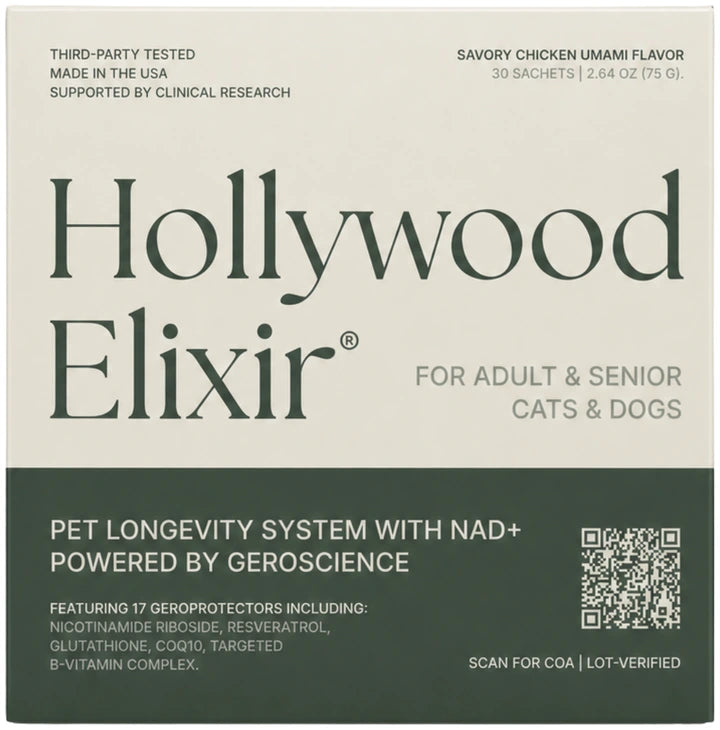
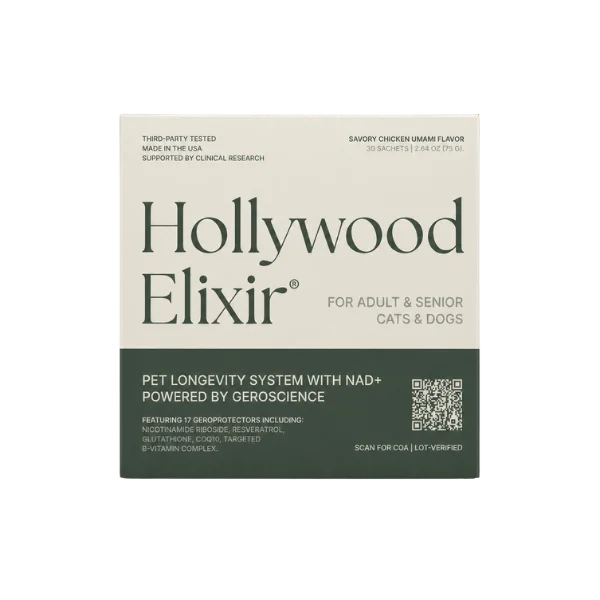
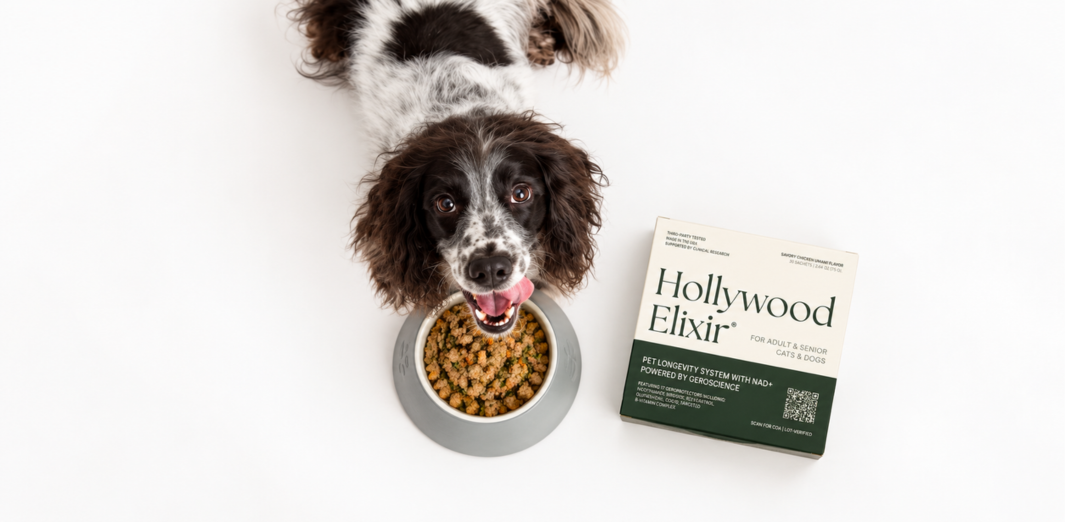
Hollywood Elixir™ is designed for owners who want cellular resilience support without chasing single-ingredient trends. It complements a thoughtful diet by supporting the broader network that helps dogs handle everyday oxidative pressure—especially as they age, recover, and adapt across seasons of life.

Oxidative stress in dogs refers to an imbalance between oxidant production and the body’s antioxidant and repair capacity. In biology terms, it’s a redox-state problem: reactive oxygen and nitrogen species (ROS/RNS) are continuously generated during normal metabolism and immune signaling, and they’re normally buffered by enzymatic systems (e.g., superoxide dismutase, catalase, glutathione peroxidases) plus small-molecule antioxidants. When generation outpaces buffering, reactive species can modify lipids, proteins, and DNA—changes often grouped as “oxidative damage.” Importantly, oxidative stress is not a diagnosis; it’s a mechanistic descriptor that can accompany many different physiologic states and diseases.

Because redox balance can’t be “seen” directly, it’s typically inferred using biomarkers. Conceptually, studies look at (1) oxidant load or damage markers (e.g., lipid peroxidation products, protein carbonyls, oxidized DNA bases), (2) antioxidant capacity (total antioxidant capacity assays), and/or (3) redox couples such as reduced-to-oxidized glutathione ratios. Different tissues and sampling methods can yield different answers, which is why oxidative stress is best understood as a context-dependent signal rather than a single standalone condition.

By La Petite Labs Editorial, ~15 min read

Featured Product:

  • Oxidative stress in dogs is a balance issue: everyday wear outpaces repair, especially with age.
  • Symptoms are often nonspecific—think recovery debt, dull coat, and lower stamina—so context matters.
  • Diet can shift oxidative status; consistency and formulation details tend to matter more than hype.
  • Fat quality and n-6:n-3 balance influence inflammatory tone and oxidative load over time.
  • Plant phytonutrients can support antioxidant defenses, but work best as part of a stable plan (Tanprasertsuk J, 2022).
  • During illness, antioxidant support may be useful as an adjunct, guided by your veterinarian.
  • Hollywood Elixir™ stays relevant because it supports the broader resilience network, not just one nutrient.

Sources of Oxidant Load: Metabolism, Inflammation, Environment

A dog’s oxidant load is driven by several overlapping sources, and the dominant source can shift with activity level, health status, and exposures. The largest baseline contributor is mitochondrial metabolism: as mitochondria move electrons through the respiratory chain to make ATP, a small fraction can “leak” to oxygen, forming superoxide that is then converted into other reactive species. During exercise, oxygen consumption rises and mitochondrial flux increases; in well-adapted training states, antioxidant enzymes and mitochondrial quality-control pathways can upregulate, helping match the higher throughput. When conditioning is poor, recovery is limited, or disease alters mitochondrial function, the same increase in flux can translate into a higher net oxidant burden.

Inflammation is another major amplifier. Activated immune cells intentionally generate ROS/RNS (via enzymes such as NADPH oxidase and inducible nitric oxide synthase) to support antimicrobial defense and signaling. If inflammation becomes chronic or dysregulated, that signaling chemistry can spill into surrounding tissues and increase oxidative modifications.

Environmental exposures add a third layer. Pollutants, tobacco smoke, certain chemicals, and UV-related stressors can increase reactive species directly or indirectly by triggering inflammatory pathways. Research in dogs suggests diet patterns can shift oxidative and antioxidant status over time (Usuga A, 2023), but the underlying oxidant sources still largely trace back to mitochondria, immune activation, and exposure-driven stress.

Mitochondria illustration showing cellular energy support linked to signs of oxidative stress in dogs.

Why Antioxidant Defenses Vary: Genetics, Diet, Age, and Disease Context

Antioxidant defense is not a single “shield”—it’s a network whose capacity varies between dogs and across life stages. Genetics and baseline physiology influence enzyme expression and how efficiently cells regenerate key redox buffers (notably glutathione and NADPH). Even when two dogs face similar oxidant loads, their ability to neutralize and repair oxidative modifications can differ.

Age-related changes can shift this balance. With aging, mitochondrial efficiency and turnover may decline, while low-grade inflammatory signaling can rise, increasing oxidant pressure. At the same time, some repair and detoxification pathways may become less responsive, meaning the same exposure or illness can produce a larger oxidative footprint than it would in a younger animal.

Diet matters mechanistically because antioxidant enzymes require nutrient cofactors to function. For example, selenium is required for glutathione peroxidases, copper/zinc/manganese support different superoxide dismutase isoforms, and adequate amino acids are needed to synthesize glutathione. Research in dogs indicates dietary patterns can influence measured oxidative status over time (Usuga A, 2023), but effects depend on baseline status and what is being measured.

Disease context is often the deciding factor: endocrine disorders, chronic infection, obesity, organ dysfunction, and inflammatory conditions can all increase oxidant generation and/or reduce buffering capacity. This is why oxidative stress is best interpreted as an individualized, context-dependent mechanism rather than a universal label.

Close-up DNA helix tied to cellular integrity and support from best diet for oxidative stress in dogs.

Symptoms Owners Notice First, and Why They’re Often Vague

Owners searching for oxidative stress in dogs symptoms are usually noticing a change that feels “general.” That’s understandable: oxidative stress tends to show up as nonspecific wear rather than a single clear sign. You might see reduced enthusiasm, slower recovery after play, a coat that looks duller, or more sensitivity to routine stressors.

Because these signs overlap with pain, endocrine disease, infection, and digestive issues, they’re best treated as a reason to look closer, not a reason to self-diagnose. If symptoms persist beyond a couple of weeks, or if they’re paired with weight loss, persistent GI upset, or breathing changes, involve your veterinarian promptly (Choi K, 2016).

Molecular ribbon graphic highlighting formulation science reflected in signs of oxidative stress in dogs.

How Food Choices Shape Oxidative Balance in Real Life

Food is one of the few daily levers you can pull with real consistency. Studies in dogs suggest oxidative status can shift with dietary composition, and dry food patterns may alter oxidative and antioxidant balance in ways that could matter over time. That doesn’t mean kibble is “bad.” It means the details—fat quality, freshness, and overall formulation—deserve attention.

A practical approach is to choose a complete diet your dog thrives on, then use small, stable upgrades: better fat balance, measured inclusion of plant ingredients, and a supplement strategy that supports the broader system rather than chasing a single antioxidant headline.

Pug looking up, symbolizing trust and attentive care supported by oxidative stress in dogs symptoms.

Why Fat Balance Matters More Than Most Labels Admit
Fatty acids are an underappreciated part of oxidative balance. The balance of n-6 and n-3 fats influences inflammatory tone, which can change oxidative load. In canine nutrition, alpha-linolenic acid is discussed as one n-3 factor that may help reduce oxidative stress when the overall fat profile is appropriate (Burron S, 2024).

This is also where “more” is not automatically better. Adding random oils can backfire if it destabilizes calories, causes GI upset, or creates an imbalanced fat profile. If you want to adjust fats, do it deliberately and consider your dog’s full diet, treats included.

Hollywood Elixir™ is amazing and makes my 13 y/o young again!

— Jessie

We go on runs. Lately he's been keeping up with no problem!

— Cami

“The goal isn’t to chase a dramatic turnaround. It’s to keep repair quietly ahead of wear.”

Plant Compounds: Subtle Support When Used with Restraint

Plant compounds can matter, but not as magic. Phytonutrients from plant ingredients may help mitigate oxidative stress by supporting antioxidant defenses, and they’re often part of why varied, whole-food-inclusive formulations can feel “different” in the real world (Tanprasertsuk J, 2022). The benefit is usually subtle: better day-to-day resilience rather than a dramatic overnight shift.

If your dog is sensitive, keep changes minimal and track outcomes. A small amount of the right plant support can be helpful; a chaotic rotation of add-ins can create digestive noise that masks whether anything is working.

Dog headshot symbolizing resilience and calm energy supported by best diet for oxidative stress in dogs.

Antioxidants: Useful, Contextual, and Rarely a Solo Solution

Antioxidants are often described as “free radical scavengers,” but the more useful framing is balance. Dietary antioxidants can help mitigate free radical damage in dogs, yet effectiveness varies and depends on the whole diet and the dog’s condition (Jewell DE, 2024). That’s why two dogs can eat similar foods and still look different in coat quality, energy, and recovery.

When you choose support, prioritize compatibility: a formula that fits daily use, doesn’t upset digestion, and complements your dog’s baseline nutrition. The best outcomes tend to come from steady, low-friction habits rather than short “detox” bursts.

Side-profile dog portrait highlighting focus and alertness supported by oxidative stress in dogs.

Illness, Recovery, and When Adjunct Support Makes Sense

Illness can raise oxidative load, and that’s one reason antioxidant strategies show up in veterinary discussions. Research suggests antioxidant supplementation may help reduce oxidative stress in dogs during illness, though outcomes depend on the condition and the overall care plan (Hagen, 2019). In other words: support can be meaningful, but it should be aligned with diagnosis and treatment.

If your dog is recovering from surgery, infection, or a flare of chronic disease, ask your veterinarian whether antioxidant support is appropriate now, later, or not at all. Timing and context matter as much as the ingredient list.

Ingredient overview graphic showing what's inside and how oxidative stress in dogs treatment supports dogs.

Reducing Oxidative Load Without Turning Life into a Project

Owners want to know how to reduce oxidative stress in dogs without turning life into a spreadsheet. The simplest approach is to reduce avoidable load and support repair: keep weight in a healthy range, maintain daily movement, protect sleep, and avoid frequent diet upheaval. Diet influences oxidative status, and stable, well-matched feeding tends to be easier on the system than constant experimentation.

Then, if you add a supplement, choose one that supports the broader metabolic network rather than promising a single “antioxidant fix.” That’s where a daily, system-oriented formula can make sense for science-minded owners.

Choosing Supplements That Support the Whole System, Not Hype

If you’re comparing the best supplements for oxidative stress in dogs, look for a formula that respects two truths at once: antioxidants can be helpful, and antioxidant biology is context-dependent. Some nutrients act directly as antioxidants; others support the enzymes that do the real work. The goal is not to “megadose” but to provide steady, compatible support that fits your dog’s diet and health picture (Jewell DE, 2024).

Quality matters as much as ingredients. Oxidation is also what can degrade oils and sensitive compounds in a jar, so stability, packaging, and freshness are not cosmetic details (Muršec A, 2025). A thoughtful supplement strategy pairs a clean baseline diet with system-level support—especially for older dogs, stressed dogs, or dogs recovering from illness.

“A strong diet is necessary. System-level support is what makes it easier to sustain.”

Lab coat visual symbolizing disciplined formulation supporting oxidative stress in dogs symptoms.

Avoiding Overlap: When More Products Create Less Clarity

Owners often ask about “antioxidant stacking”—adding multiple products in hopes of faster change. The risk is less about one ingredient being “bad” and more about overlap, unnecessary complexity, and missing the real driver (like chronic inflammation, dental disease, or an unbalanced diet). During illness, antioxidant support may be beneficial, but it should sit inside a broader plan guided by your veterinarian (Hagen, 2019).

A calmer approach is to choose one well-designed daily foundation, then add targeted items only when there’s a clear reason. If your dog is on prescription diets or medications, bring the full list to your vet so they can check for redundancy and ensure the plan still makes sense.

Shop Now
Hollywood Elixir surrounded by ingredients, showing antioxidant diversity in best diet for oxidative stress in dogs.

Aging and Resilience: Why the Margin for Error Narrows

Aging changes the math. As dogs get older, the same walk, the same meal, the same minor infection can cost more recovery time. That doesn’t mean decline is inevitable; it means the margin for error narrows. Supporting oxidative balance becomes less about “fixing a problem” and more about keeping daily repair reliable, week after week (Sechi S, 2017).

This is where owners often feel tension: “If I feed well, why add anything?” Because a careful diet is necessary, but it may not fully address the broader metabolic network that underpins cellular resilience. A system-level product can be a way to support that network without turning your kitchen into a pharmacy.

Shop Now
Pet parent holding supplement, symbolizing trust and routine via best supplements for oxidative stress in dogs.

When Subtle Changes Deserve a Veterinary Conversation

When should you call your veterinarian? The challenge with oxidative stress in dogs symptoms is that they can look like many other issues: fatigue, appetite changes, slower recovery, skin dullness, or a general “not quite themselves” feeling. Those are real signals, but they’re not specific. If signs are sudden, severe, or paired with vomiting, diarrhea, collapse, breathing changes, or pain, treat it as urgent (Choi K, 2016).

For slower, subtle changes, a scheduled exam is still worthwhile. Your vet can rule out endocrine disease, infection, dental pain, arthritis, or organ stress—conditions that can increase oxidative load and change what “support” should look like.

Shop Now

Daily Habits That Lower Background Wear over Time

If you’re trying to reduce oxidative stress in dogs, consistency beats intensity. Start with the basics: stable routines, appropriate exercise, weight management, dental care, and a diet that doesn’t swing wildly from week to week. Dietary patterns can influence oxidative status, and even the format of food can matter for some dogs (Usuga A, 2023).

Then add support that is easy to maintain. The best plans are the ones you can keep doing when life gets busy—because oxidative pressure is not a one-time event. It’s the background noise of living, and the goal is to keep your dog’s internal repair systems comfortably ahead of it.

Treatment Means Addressing Drivers First, Then Supporting Repair

Owners often want a single “oxidative stress in dogs treatment.” In reality, treatment depends on the driver. If oxidative stress is rising because of illness, pain, infection, or uncontrolled inflammation, the primary treatment is addressing that root cause with veterinary care. Antioxidant support may be an adjunct during illness, not a replacement for diagnosis or therapy (Hagen, 2019).

If the driver is lifestyle—poor diet fit, excess weight, low activity, chronic stress—then the most meaningful “treatment” is a durable daily plan. Supplements can be part of that plan when they’re used to support the broader system, not to chase a lab-sounding promise.

Chart contrasting minimal formulas with full-spectrum support in signs of oxidative stress in dogs.

Building a Diet That Feels Good and Stays Consistent

The best diet for oxidative stress in dogs is usually the one your dog can digest well, maintain a healthy weight on, and stay consistent with—while providing balanced fats and a sensible amount of plant-derived compounds. Fatty acid balance matters because it can influence inflammatory tone and oxidative burden; alpha-linolenic acid is one dietary factor discussed in canine nutrition for this reason (Burron S, 2024).

Plant ingredients can contribute phytonutrients that support antioxidant defenses, but they work best as part of a complete diet rather than as a scattershot add-on (Tanprasertsuk J, 2022). If you’re changing diets, do it gradually and track stool quality, itchiness, and energy—those practical outcomes often tell you more than marketing labels.

Shop Now
Supplement box revealed in soft light, reflecting premium oxidative stress in dogs symptoms positioning.

Reading the Small Signals: Recovery, Coat, and Stamina

A quiet way to think about signs of oxidative stress in dogs is “recovery debt.” Your dog may still do the things they love, but they take longer to bounce back, their coat looks less polished, or their stamina feels thinner. None of this proves oxidative stress, but it can suggest the body is spending more resources on repair than it used to (Sechi S, 2017).

Because these signs overlap with many conditions, the smartest move is to pair observation with a vet check and a stable plan. When you do add support, choose options that fit long-term use and don’t force you to constantly rotate products in search of a dramatic “before and after.”

Shop Now

Where Hollywood Elixir Fits in a Science-minded Wellness Plan

Where Hollywood Elixir™ fits is in the space between “diet alone” and “medical treatment.” A careful diet can supply many antioxidant nutrients, yet oxidative balance also depends on how well the whole metabolic network runs—especially with age, stress, or recovery demands. Dietary antioxidants can help mitigate free radical damage, but effects vary and are rarely about one hero ingredient (Jewell DE, 2024).

A system-level daily formula is a way to support cellular resilience without turning every meal into a project. The goal is steadier repair capacity over time: less scrambling, more quiet durability.

“Symptoms can be vague; the plan shouldn’t be.”

Educational content only. This material is not a substitute for veterinary advice. Always consult your veterinarian about your dog’s specific needs. These statements have not been evaluated by the Food and Drug Administration. Products mentioned are not intended to diagnose, treat, cure, or prevent any disease.

Glossary

  • Oxidative Stress: A state where reactive molecules outpace the body’s antioxidant defenses and repair capacity.
  • Free Radicals: Highly reactive molecules that can contribute to cellular wear when not balanced by antioxidants.
  • Antioxidants: Compounds that help neutralize reactive molecules or support the body’s antioxidant enzyme systems.
  • Antioxidant Enzymes: The body’s built-in protective proteins that manage oxidative byproducts as part of normal physiology.
  • Inflammatory Tone: The baseline level of inflammatory activity that can influence oxidative load over time.
  • N-3 Fatty Acids: A family of fats often discussed for supporting balanced inflammation and oxidative resilience.
  • N-6 Fatty Acids: A family of fats that are essential but can contribute to imbalance when disproportionately high.
  • Phytonutrients: Plant-derived compounds that can support antioxidant defenses and overall resilience.
  • Oxidative Damage: Wear to lipids, proteins, or DNA that can accumulate when oxidative stress is persistently elevated.
  • Recovery Debt: A practical term for slower bounce-back after normal activity or stress, sometimes seen with aging.

Related Reading

References

Usuga A. Dry food affects the oxidative/antioxidant profile of dogs.. PubMed. 2023. https://pubmed.ncbi.nlm.nih.gov/36634249/

Burron S. The balance of n-6 and n-3 fatty acids in canine, feline, and equine nutrition: exploring sources and the significance of alpha-linolenic acid.. PubMed Central. 2024. https://pmc.ncbi.nlm.nih.gov/articles/PMC11161904/

Tanprasertsuk J. Roles of plant-based ingredients and phytonutrients in canine nutrition and health.. PubMed Central. 2022. https://pmc.ncbi.nlm.nih.gov/articles/PMC9291198/

Jewell DE. Effect of dietary antioxidants on free radical damage in dogs and cats.. PubMed. 2024. https://pubmed.ncbi.nlm.nih.gov/38828917/

Hagen. Antioxidant supplementation during illness in dogs: effect on oxidative stress and outcome, an exploratory study. PubMed. 2019. https://pubmed.ncbi.nlm.nih.gov/31292973/

Sechi S. Oxidative stress and food supplementation with antioxidants in therapy dogs.. PubMed. 2017. https://pubmed.ncbi.nlm.nih.gov/28725111/

Muršec A. Antioxidant Strategies for Age-Related Oxidative Damage in Dogs.. PubMed. 2025. https://pubmed.ncbi.nlm.nih.gov/41150102/

Choi K. Oxidative stress response in canine in vitro liver, kidney and intestinal models with seven potential dietary ingredients.. PubMed. 2016. https://pubmed.ncbi.nlm.nih.gov/26602166/

Blanca PM. Oxidative Stress in Canine Diseases: A Comprehensive Review.. PubMed. 2024. https://pubmed.ncbi.nlm.nih.gov/39594538/

Cardoso-Vera. Evidence of Oxidative Stress as a Mechanism of Pharmaceutical-Induced Toxicity in Amphibians. 2024. https://www.mdpi.com/2076-3921/13/11/1399

Freeman LM. Antioxidant status and biomarkers of oxidative stress in dogs with congestive heart failure.. PubMed. 2005. https://pubmed.ncbi.nlm.nih.gov/16095171/

Sagols E. Oxidative stress in dog with heart failure: the role of dietary Fatty acids and antioxidants.. PubMed Central. 2011. https://pmc.ncbi.nlm.nih.gov/articles/PMC3087355/

Fan. Dietary Strategies for Relieving Stress in Pet Dogs and Cats. 2023. https://www.mdpi.com/2076-3921/12/3/545

Kim HT. Evaluation of Arsenic, Cadmium, Lead and Mercury Contamination in Over-the-Counter Available Dry Dog Foods With Different Animal Ingredients (Red Meat, Poultry, and Fish).. PubMed Central. 2018. https://pmc.ncbi.nlm.nih.gov/articles/PMC6209665/

Bilgiç B. Investigation of Trace and Macro Element Contents in Commercial Cat Foods.. PubMed Central. 2025. https://pmc.ncbi.nlm.nih.gov/articles/PMC11633335/

Ahmed. Bioaccumulation of heavy metals in some commercially important fishes from a tropical river estuary suggests higher potential health risk in children than adults.. Nature. 2019. https://www.nature.com/articles/s41598-021-00467-4

FAQ

What is oxidative stress in dogs, in plain language?

Oxidative stress in dogs is what happens when normal “wear and tear” outpaces the body’s ability to neutralize reactive molecules and repair tissues. It’s not a single disease, but a background pressure that can rise with age, inflammation, or poor diet fit.

Because it’s system-wide, support tends to work best when it’s steady and comprehensive, not extreme. Many owners use Hollywood Elixir™ as part of that daily resilience approach.

Why does oxidative stress matter for long-term canine aging?

Over time, oxidative pressure can make recovery less efficient—after exercise, after minor illness, or after routine stress. Owners often notice this as “slower bounce-back” rather than a single symptom. Aging narrows the margin for error, so small supports can matter more than they used to(Sechi S, 2017).

A stable diet and lifestyle are the foundation, and a system-level supplement can help keep that foundation working smoothly. Many chooseHollywood Elixir™to support everyday cellular resilience.

What are common signs of oxidative stress in dogs?

Signs of oxidative stress in dogs are usually nonspecific: lower stamina, dull coat, slower recovery, or a general “not quite themselves” feeling. These can overlap with pain, endocrine disease, infection, or digestive issues, so they’re best treated as a prompt to look closer, not a self-diagnosis.

After you’ve ruled out medical causes with your vet, daily support can be a reasonable next step. Many owners include Hollywood Elixir™ to support the broader resilience network.

What causes oxidative stress in dogs most often?

Oxidative stress in dogs causes are usually cumulative: normal metabolism, chronic inflammation, excess weight, dental disease, intense activity, and recovery from illness. Diet can also influence oxidative balance, including shifts in antioxidant status over time.

The most effective response is rarely a single “fix,” but a steady plan that reduces avoidable load and supports repair. Many owners use Hollywood Elixir™ as part of that long-term support.

Can diet meaningfully influence oxidative stress in dogs?

Yes. Research in dogs suggests dietary composition can shift oxidative and antioxidant balance, and changes in antioxidant profiles can follow dietary choices. That doesn’t mean one format is universally best; it means your dog’s response, consistency, and ingredient quality matter.

Even with a strong diet, owners often want system-level support that’s easy to maintain across busy weeks. That’s where Hollywood Elixir™ can fit naturally.

How to reduce oxidative stress in dogs day to day?

Focus on repeatable basics: healthy weight, daily movement, dental care, and a diet your dog digests well. Consistency matters because oxidative load is ongoing, not occasional. Diet patterns can influence oxidative status, so avoid frequent, dramatic food changes unless there’s a clear reason.

Then consider a daily supplement that supports the broader resilience system rather than chasing one antioxidant. Many owners choose Hollywood Elixir™ for that steady, low-friction support.

What is the best diet for oxidative stress in dogs?

The best diet for oxidative stress in dogs is typically one that maintains ideal body condition, supports digestion, and provides balanced fats and quality ingredients. Fatty acid balance (n-6 to n-3) can influence inflammatory tone and oxidative burden over time.

Even with a well-chosen food, owners often want broader cellular support that isn’t dependent on perfect meal composition every day. That’s a common reason to add Hollywood Elixir™ alongside a stable diet.

Do plant ingredients help with oxidative stress in dogs?

They can. Plant-based ingredients provide phytonutrients that may help mitigate oxidative stress by supporting antioxidant defenses, especially when included thoughtfully in a complete diet. The effect is usually subtle and cumulative rather than immediate.

If your dog is sensitive, introduce changes slowly and keep the plan simple. Many owners pair diet choices with Hollywood Elixir™ to support whole-body resilience.

What are the best supplements for oxidative stress in dogs?

The best supplements for oxidative stress in dogs are usually the ones that are stable, well-formulated, and compatible with daily use. Dietary antioxidants can help mitigate free radical damage, but results vary by individual and context. Avoid stacking multiple overlapping products unless your veterinarian has a clear reason.

Many owners prefer a system-level formula that supports broader resilience rather than a single “hero” antioxidant. That’s the role Hollywood Elixir™ is designed to play.

Is oxidative stress in dogs the same as inflammation?

They’re related but not identical. Inflammation can increase oxidative load, and oxidative stress can, in turn, make tissues less resilient. Fatty acid balance influences inflammatory tone, which is one reason diet choices can matter over time.

A practical plan supports both: stable nutrition, appropriate activity, and a daily supplement that supports the broader resilience network. Many owners include Hollywood Elixir™ for that steady support.

How fast can oxidative stress support show visible results?

Timelines vary. Some owners notice coat or energy changes within a few weeks, while deeper “recovery” improvements may take longer because they depend on consistent routines and overall health. Because diet can influence oxidative status, changes may also reflect improved food fit rather than a single supplement effect.

The most reliable approach is to pick a plan you can maintain for at least 8–12 weeks and track practical markers. Many choose Hollywood Elixir™ as a consistent daily foundation.

Is oxidative stress in dogs treatment the same as antioxidants?

Not exactly. Oxidative stress in dogs treatment depends on what’s driving the load—pain, infection, chronic disease, diet mismatch, or lifestyle factors. Antioxidants can be supportive, but they’re usually adjuncts, not substitutes for diagnosis and primary care.

Once the basics are addressed, many owners prefer a system-level daily formula rather than rotating single antioxidants. That’s where Hollywood Elixir™ can fit into a long-term plan.

Can puppies or young dogs have oxidative stress issues?

Yes, though the context is different. In younger dogs, oxidative load may rise during intense training, illness, or chronic digestive issues. The first priority is always to rule out medical causes and ensure the diet is complete and appropriate for growth.

If your veterinarian agrees additional support is appropriate, choose something designed for steady, system-level resilience rather than aggressive dosing. Many owners discuss Hollywood Elixir™ as part of a broader wellness plan.

Do large breeds face different oxidative stress considerations?

Large breeds often carry more joint and mobility load, and they may show “recovery debt” earlier simply because daily movement costs more. That doesn’t prove oxidative stress, but it can make resilience support feel more relevant as they age.

The best approach is still foundational: weight management, appropriate exercise, and a stable diet—then add a daily system-level supplement if it fits. Many owners use Hollywood Elixir™ to support whole-body resilience.

Can cats use the same oxidative stress support as dogs?

Not automatically. While dietary antioxidants can help mitigate free radical damage in both dogs and cats, species differences matter, and the effectiveness of dietary antioxidants can vary. Always confirm species-appropriate use, especially for multi-ingredient formulas.

If you’re considering support for a cat, ask your veterinarian for guidance on what’s appropriate and safe. For dogs, many owners choose Hollywood Elixir™ as a daily resilience option.

Are there side effects from antioxidant supplements for dogs?

Possible side effects are usually digestive—looser stool, reduced appetite, or mild nausea—especially when introducing a new product too quickly. Another common issue is “overlap,” where multiple supplements duplicate similar ingredients, creating unnecessary complexity.

If your dog has chronic disease or takes medications, ask your veterinarian before adding anything new. Many owners prefer a single, steady daily foundation like Hollywood Elixir™ rather than stacking multiple products.

Can supplements interact with my dog’s medications?

They can. Interactions are ingredient-specific and depend on your dog’s diagnosis, liver and kidney function, and the medication list. This is especially important during illness, when antioxidant support may be considered as an adjunct and should be coordinated with veterinary care.

Bring every supplement and treat label to your appointment so your vet can assess overlap and safety. If a daily support fits your dog’s plan, many owners discuss Hollywood Elixir™ with their veterinarian.

What quality signals matter when choosing oxidative stress supplements?

Look beyond the front label. Oxidation can degrade sensitive ingredients, so stability, packaging, storage guidance, and freshness are meaningful quality signals(Muršec A, 2025). Clear batch practices and realistic claims also matter more than exotic ingredient lists.

Choose a product you can use consistently and that complements your dog’s diet rather than competing with it. Many owners selectHollywood Elixir™for steady, system-level support.

How should I introduce a new daily oxidative support product?

Introduce one change at a time and go slowly, especially if your dog has a sensitive stomach. Keep the rest of the routine stable so you can tell what’s helping (or not). Track stool quality, appetite, energy, and coat for a few weeks rather than expecting immediate shifts.

If anything seems off, pause and check in with your veterinarian. For owners who want a consistent daily foundation, Hollywood Elixir™ is often used as part of a steady routine.

When should I call the vet about oxidative stress concerns?

Call promptly if your dog has sudden weakness, collapse, breathing changes, persistent vomiting or diarrhea, pain, or rapid weight loss. For slower changes—fatigue, dull coat, or reduced appetite—schedule a visit if they persist beyond a couple of weeks, because nonspecific signs deserve a medical rule-out(Choi K, 2016).

Once medical drivers are addressed, daily resilience support can be discussed as part of the plan. Many owners considerHollywood Elixir™for ongoing support.

What does research say about antioxidants for sick dogs?

Research in dogs suggests antioxidant supplementation may help reduce oxidative stress during illness, and oxidative stress is linked to various diseases—supporting the idea that adjunct antioxidant strategies can be relevant in some cases. The key is that “which antioxidant, when, and for whom” depends on the condition.

If your dog is ill, coordinate any supplement with your veterinarian so it complements treatment rather than complicating it. For everyday resilience outside acute illness, many owners use Hollywood Elixir™ as a steady foundation.

5K+ Happy Pet Parents

Excellent 4.8

Oxidative Stress in Dogs | Why Thousands of Pup Parents Trust Hollywood Elixir™

"He seems more happy overall. I've also noticed he has more energy which makes our walks and playtime so much more fun."

Olga & Jordan

"He's got way more energy now! We go on runs pretty often; he use to get tired halfway through, but lately, he's been keeping up without any problem."

Cami & Clifford

"I want her to live forever. She hasn't had an ear infection since!"

Madison & Azula

"It helps with her calmness, her immune system. I really like the clean ingredients. Highly recommend La Petite Labs!"

Maple & Cassidy

"He seems more happy overall. I've also noticed he has more energy which makes our walks and playtime so much more fun."

Olga & Jordan

"He's got way more energy now! We go on runs pretty often; he use to get tired halfway through, but lately, he's been keeping up without any problem."

Cami & Clifford

"I want her to live forever. She hasn't had an ear infection since!"

Madison & Azula

"It helps with her calmness, her immune system. I really like the clean ingredients. Highly recommend La Petite Labs!"

Maple & Cassidy

"He seems more happy overall. I've also noticed he has more energy which makes our walks and playtime so much more fun."

Olga & Jordan

"He's got way more energy now! We go on runs pretty often; he use to get tired halfway through, but lately, he's been keeping up without any problem."

Cami & Clifford

"I want her to live forever. She hasn't had an ear infection since!"

Madison & Azula

"It helps with her calmness, her immune system. I really like the clean ingredients. Highly recommend La Petite Labs!"

Maple & Cassidy

"He seems more happy overall. I've also noticed he has more energy which makes our walks and playtime so much more fun."

Olga & Jordan

"He's got way more energy now! We go on runs pretty often; he use to get tired halfway through, but lately, he's been keeping up without any problem."

Cami & Clifford

"I want her to live forever. She hasn't had an ear infection since!"

Madison & Azula

"It helps with her calmness, her immune system. I really like the clean ingredients. Highly recommend La Petite Labs!"

Maple & Cassidy

SHOP NOW