Phytonutrients for Dogs and Cats: What Plant Compounds Actually Do Inside Cells

Match Plant Compounds to Cellular Defense, Gut Balance, Skin Health, Joint Comfort, Immunity

Essential Summary

Why Is Phytonutrients for Dogs and Cats Important?

Phytonutrients matter because some plant compounds can act like gentle cellular messages, shaping how dogs and cats handle everyday oxidative byproducts and inflammatory signaling. The realistic value is support for normal function—especially skin/coat comfort and healthy aging—when paired with a balanced diet and clear tracking.

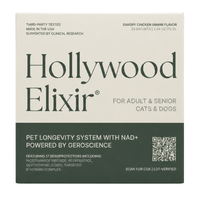
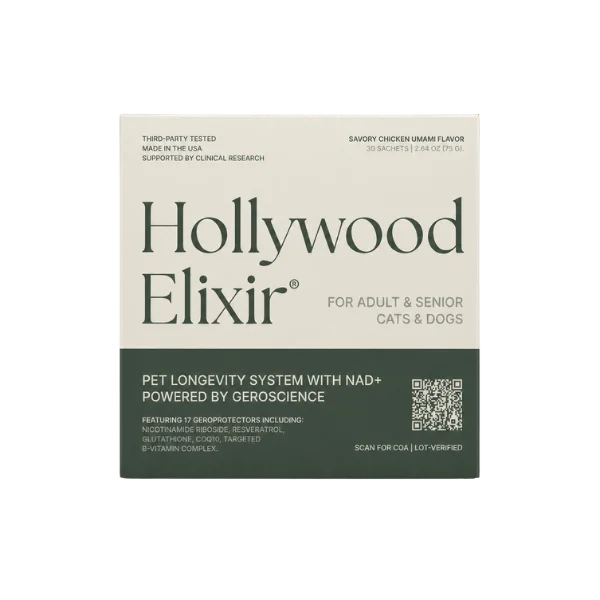
Hollywood Elixir™ supports normal aging-related cellular housekeeping as part of a broader nutrition plan.

Most “plant compounds for pets” are not vitamins, and they do not work like medicine. They are small chemicals plants make for their own survival, and when dogs or cats eat them, some act like gentle cellular messages—nudging how cells handle everyday wear, inflammation signaling, and oxidative byproducts (Guo, 2024). That matters most for two owner-facing areas: skin/coat comfort and healthy aging, where small shifts in cellular housekeeping can show up as less turbulent itch cycles, better coat feel, or more orderly recovery after activity.

The confusing part is that “phytonutrient” is a catch-all label. Carotenoids (pigments), polyphenols (a huge family that includes many flavonoids for pets), and other phytochemicals dogs cats encounter in foods behave differently once they reach the gut, liver, and tissues. Some are absorbed; many are transformed by gut microbes into new compounds; and a portion never enters the bloodstream at all (Marín, 2015). This page separates the chemistry from the hype, explains what these compounds can realistically do inside cells, and shows how to choose products and foods without falling for “superfood” shortcuts. The goal is a calmer, more deliberate decision process: pick one change, watch response patterns, and bring clear observations to a veterinarian when needed.

By La Petite Labs Editorial, ~15 min read

Featured Product:

  • Phytonutrients are plant-made chemicals that act mainly as cellular signals in dogs and cats, not as essential nutrients or medicines.
  • Plants produce these compounds for defense; pets borrow the chemistry when they eat plant ingredients.
  • Hormesis explains why small, consistent exposures can prompt protective cell routines, while big changes can upset the gut.
  • Carotenoids are fat-soluble pigments; absorption depends on dietary fat and processing, and effects are usually subtle and slow.
  • Polyphenols (including flavonoids for pets) are diverse; many are transformed by gut microbes, so results vary by individual.
  • “Superfood” claims oversimplify; evidence supports normal-function support and measured expectations, not disease treatment.
  • Best practice is one change at a time with week-over-week tracking (itch, ears, stool, coat feel, recuperation speed) and vet-guided safety checks.

What Phytonutrients Are—and What They Are Not

Phytonutrients are plant-made chemicals that are not required nutrients like protein, essential fatty acids, or minerals. They include pigments and protective compounds that can interact with animal cells as signals, not as building blocks. In dogs and cats, many phytochemicals dogs cats eat are handled like “visitors”: they may be absorbed in small amounts, changed by the liver, or reshaped by gut microbes before the body decides what to do with them (Guo, 2024).

At home, this matters because expectations drive choices. A sprinkle of a plant powder is unlikely to “fix” a disease, but it might support normal cellular housekeeping when the rest of the diet is already solid. Owners often notice the most practical outcomes in skin and coat routines: how often bathing is needed, whether dander looks less obvious, and whether seasonal itch patterns feel less turbulent. Those are the kinds of changes worth tracking, not dramatic overnight transformations.

Why Plants Make These Compounds in the First Place

Plants do not make polyphenols, terpenes, or pigments to “help pets.” They make them to manage sunlight, pests, microbes, and physical injury. That defense chemistry is exactly why these molecules can matter in animal cells: many are shaped to interact with proteins, membranes, and reactive byproducts. When a dog or cat eats them, the body may interpret them as mild environmental cues—signals that can shift how cells prepare for stress and cleanup (Guo, 2024).

This is also why ingredient quality varies so much. The same plant can contain different levels of active compounds depending on growing conditions, harvesting, and processing. In a household routine, that shows up as inconsistency: one bag or bottle seems “noticeable,” the next seems like nothing happened. That is not always the pet “getting used to it”; it can be normal variation in plant chemistry and extraction.

NAD for dogs DNA double helix

Hormesis: When a Small Signal Helps Cells Prepare

A key idea behind phytonutrients is hormesis: a low-level challenge that prompts cells to turn on protective routines. Many plant compounds are mildly reactive, and cells respond by increasing cleanup enzymes, antioxidant defenses, and repair pathways. This is different from “adding antioxidants” like pouring water on a fire; it is more like teaching the cell to keep its kitchen more orderly. Dietary antioxidants in dogs and cats work best as part of an interacting set, not as a single hero ingredient (Jewell, 2024).

Owners can think of hormesis as “small, consistent signals” rather than big doses. If a new supplement causes loose stool, appetite changes, or restlessness, that is not productive hormesis—it is a sign the plan is too aggressive or the ingredient does not fit. The most sensible approach is deliberate pacing: change one thing, keep the rest stable, and watch response patterns over two to four weeks before stacking more plant compounds for pets.

Carotenoids: Pigments That Behave Like Tissue Travelers

Carotenoids are the yellow-orange-red pigments in plants and algae. They are fat-soluble, so absorption depends on dietary fat, digestion, and how the ingredient is processed. Once absorbed, carotenoids can accumulate in certain tissues and can influence how cells handle light exposure and oxidative byproducts, which is why they are often discussed for skin and eye support. Their digestion and transport are complex, and “more” does not automatically mean “better” (Nagao, 2011).

In daily life, carotenoid-rich foods or supplements are most likely to show subtle, slow changes: coat sheen, the feel of dry skin, or how quickly minor irritation settles after grooming. Because they are fat-soluble, giving them with a meal is usually more sensible than on an empty stomach. If a pet has a history of pancreatitis or needs a low-fat plan, carotenoid strategies should be discussed with a veterinarian so the “delivery method” does not create a new problem.

Polyphenols and Flavonoids: a Huge Family with Many Behaviors
Polyphenols are a broad category that includes flavonoids, phenolic acids, and stilbenes—many of the “polyphenol types for dogs and cats” owners see on labels. They tend to be water-associated compounds that are often transformed before they reach the bloodstream. In dogs, reviews describe polyphenols as nutraceutical phytonutrients that may modulate oxidative stress and inflammatory signaling, while also emphasizing limits like variable bioavailability and inconsistent outcomes (Ruiz-Cano, 2024).

At home, polyphenols are where marketing gets loud: berries, green tea, grape skin, and “antioxidant blends.” The practical takeaway is to treat them as small signals that may support normal function, not as a replacement for allergy plans, parasite control, or prescribed medications. If a pet is already on a stable skin plan, a carefully chosen polyphenol source can be trialed one at a time, with notes on itch routines, ear debris, and stool quality.

Hollywood Elixir™ is amazing and makes my 13 y/o young again!

— Jessie

We go on runs. Lately he's been keeping up with no problem!

— Cami

“Plant compounds are better viewed as signals than as cures.”

Terpenes and Terpenoids: Aromatic Compounds with Real Safety Edges

Terpenes and terpenoids are the aromatic chemicals that make plants smell like citrus, pine, mint, or herbs. In tiny dietary amounts, some may act as signaling molecules, but the same chemical family also includes concentrated essential oils that can be irritating or toxic to pets. Dogs and cats do not handle concentrated plant oils the way humans do, and exposure can cause drooling, wobbliness, or more serious signs depending on the compound and dose (Kovalkovičová, 2009).

This is a common household trap: “natural” gets equated with “safe.” Diffusers, topical oils, and homemade sprays can expose pets far more than a food ingredient would. If a pet suddenly develops vomiting, glassy eyes, or unusual quietness after a new scent product, the timing matters—write down the product name and bring it to the vet. For plant compounds for pets, the form (food-level vs concentrated oil) is often the difference between reasonable and risky.

nad plus for dogs

Glucosinolates: the “Bitter” Brassica Chemistry and Its Tradeoffs

Glucosinolates are compounds found in cruciferous plants like broccoli and kale. When plant tissue is chopped or chewed, they can convert into isothiocyanates—sharp-tasting molecules that plants use for defense. In animal cells, these can act as stress-response signals, which is why they are often mentioned in discussions of detox enzymes and cellular housekeeping. The key is that “signal” does not mean “more is better,” especially when extracts are concentrated.

In a kitchen setting, small amounts of cooked cruciferous vegetables are very different from powders and extracts. Owners sometimes add multiple “greens” products at once and then cannot tell what caused gas, softer stool, or food refusal. If a pet is sensitive, keep plant add-ins boring and consistent for two weeks, then trial one new item. That approach protects appetite and makes it easier to judge whether a change is actually helping skin comfort or just stirring up the gut.

NAD+ for dogs portrait good boy

Inside Cells: Nrf2, NF-κB, and the “Switchboard” Effect

The most useful way to picture phytonutrients inside cells is as switchboard nudges. Some compounds can influence Nrf2, a pathway that turns on protective enzymes involved in handling oxidative byproducts and maintaining cellular cleanup. Others can modulate NF-κB, a pathway involved in inflammatory messaging. These are not on/off buttons; they are levers that can make responses more measured when the overall diet and health plan are already appropriate (Jewell, 2024).

Owners usually do not “see” Nrf2 or NF-κB, but they can see downstream patterns: how quickly a hot spot calms after clipping and cleaning, whether seasonal paw-licking escalates, or whether coat dryness returns quickly after a bath. Those are the kinds of observations that fit the biology. If a pet is flaring hard despite good parasite prevention and a vet-guided plan, plant compounds for pets should be treated as supportive context, not the main lever.

Hollywood Elixir contains 16 longevity actives including NAD for dogs

Bioavailability: Why Many Phytochemicals Never Reach the Bloodstream

Bioavailability is the gap between what is swallowed and what actually reaches tissues. Many polyphenols are broken down, reshaped, or bound up before absorption, and gut microbes can convert them into different metabolites with different effects. That is why two pets eating the same “berry blend” can have different outcomes: their digestion, microbiome, and liver processing are not identical (Marín, 2015). For some flavonoids, even the sugar form attached to the molecule can change absorption in dogs (Reinboth, 2010).

At home, bioavailability shows up as “nothing happened” even when the label looks impressive. That is not proof the ingredient is useless; it may mean the form, dose, or pairing with food is not a good match. It also means stacking many supplements can backfire—more powders can mean more stomach upset without more benefit. A single, well-chosen trial with clear notes on stool, appetite, and skin comfort is more informative than a crowded cabinet.

Why “Superfoods” Oversimplify Plant Chemistry for Pets

“Superfood” is a marketing word that collapses many different chemicals into one feel-good promise. Blueberries, spirulina, turmeric, and herbs each contain multiple compound families, and the active pieces can change with processing, storage, and extraction. Even when a plant has interesting chemistry, the pet’s outcome depends on the whole diet, baseline oxidative stress, and whether the animal actually absorbs the relevant compounds (Jewell, 2024).

A realistic example: an older dog with a dry coat and recurrent ear debris gets a “superfood topper” plus a new shampoo plus a new treat brand in the same week. Two weeks later, the stool is soft and the ears look worse, and it is impossible to know what helped or harmed. This is why the best “superfood” strategy is boring: keep the base diet stable, change one variable, and judge it with week-over-week notes.

“One change, clear notes, and time beat a crowded supplement shelf.”

nad+ for dogs La petite labs scientist lab coat

What the Evidence Supports (and What It Doesn’t)

The strongest, most honest claim for phytonutrients is support of normal cellular stress responses, not disease treatment. In dogs, polyphenol-focused reviews describe potential roles in oxidative stress modulation and other health areas, while repeatedly flagging limitations: inconsistent study designs, variable extracts, and uncertain translation to real-world outcomes (Ruiz-Cano, 2024). Across dogs and cats, antioxidant effects depend on the specific nutrient, dose, and the pet’s starting point—there is no universal “antioxidant fix”.

Owners can use that evidence reality as a filter. If a label promises dramatic changes to joints, heart, skin, and cognition all at once, it is probably leaning on the “superfood” story rather than measured outcomes. Better signals are specific ingredients, clear amounts, and a plan to evaluate response patterns. For skin and aging goals, the best evidence-adjacent approach is to pair any plant compounds for pets with basics that actually move the needle: parasite control, balanced nutrition, and vet-guided diagnostics when signs persist.

Shop Now
nad for dogs hollywood elixir ingredient breakdown marketing

Cats Vs Dogs: Same Words, Different Handling

Cats and dogs share many pathways, but they do not always process plant chemicals the same way. Cats are obligate carnivores with distinct liver enzyme patterns, and some plant-derived compounds have been specifically studied for absorption in cats, such as the soy isoflavones genistein and daidzein (Bell, 2006). That does not mean “soy is good” or “soy is bad” for every cat; it means assumptions from dog supplements do not automatically transfer.

In a multi-pet home, this is where mistakes happen: a dog supplement gets shared with the cat because the ingredients look “food-like.” Cats are also more vulnerable to certain food toxins, including onion-related compounds that can damage red blood cells (Kovalkovičová, 2009). If a household wants to use phytochemicals dogs cats both encounter, the safest path is species-specific products and a veterinarian’s input—especially for seniors, cats with liver disease, or pets on multiple medications.

Shop Now
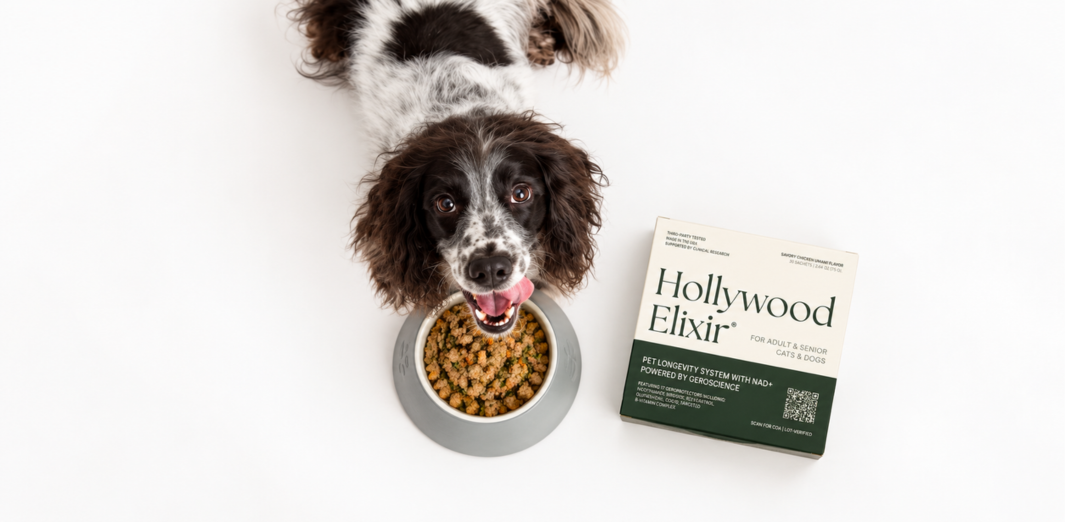
NAD+ for dogs hollywood elixir with dog product campaign shot

Owner Checklist: How to Trial Plant Compounds Without Guessing

A careful phytonutrient trial is mostly about observation discipline. Owner checklist: (1) confirm parasite prevention is current before blaming “inflammation,” (2) add only one new plant ingredient or supplement at a time, (3) keep treats and toppers consistent for two weeks, (4) watch stool and appetite daily, and (5) stop and call the vet if vomiting, marked lethargy, facial swelling, or collapse occurs. This approach matters because supplement quality and evidence vary widely in veterinary products (Finno, 2020).

In the home routine, the checklist prevents the most common frustration: “nothing works” when too many variables change at once. It also protects pets with sensitive stomachs, where even beneficial compounds can be poorly tolerated. Keep a simple note on the fridge: start date, exact product/food, and what changed. That small habit turns plant compounds for pets into a measurable experiment rather than a hope-based purchase.

Shop Now

What to Track Week over Week for Skin and Aging Goals

What to track works best when it matches realistic outcomes. A practical rubric: itch episodes per day, paw-licking minutes after walks, ear debris/odor score (0–3), coat feel after brushing (dry vs oily), stool consistency, and “recuperation speed” after normal play or stairs. These markers are more sensitive than body weight alone and align with how antioxidant and signaling compounds may influence day-to-day cellular housekeeping rather than dramatic clinical endpoints.

Use the same time window each day—such as evening after dinner—so the comparison is fair. Photos help: one weekly coat photo in the same lighting, and one close-up of a problem paw or ear flap. If a pet is on allergy medication, keep that stable while tracking, so changes are not misattributed to polyphenol types for dogs and cats. If the rubric worsens for a full week, stop the new item and reassess with a veterinarian.

Unique Misconception: “Antioxidant” Means Directly Neutralizing Damage

A specific misconception drives many supplement choices: that antioxidants work like a sponge that directly soaks up “bad molecules” everywhere in the body. In reality, antioxidant effects depend on context, dose, and how different nutrients interact; some compounds act more as signals that prompt the body’s own protective enzymes rather than acting as simple scavengers. That is why “highest ORAC score” marketing does not reliably predict outcomes in pets.

At home, this misconception can lead to overdoing it—stacking multiple antioxidant products and then blaming the pet when the gut becomes unsettled. If a pet’s skin is flaring, the first questions should be practical: fleas, food changes, new detergents, or ear infections. Phytochemicals dogs cats eat can be part of a calmer long-term plan, but they are not a shortcut around diagnosis and basic management.

NAD+ for dogs

What Not to Do with Plant Extracts and “Natural” Add-ons

What not to do: (1) do not use concentrated essential oils on skin or in diffusers around pets without veterinary guidance, (2) do not add culinary “detox” powders in large amounts, (3) do not share dog supplements with cats, and (4) do not assume “tea” ingredients are harmless. Concentrated green tea extracts have been linked to liver injury risk in humans, and the broader lesson for pets is that concentrated extracts can behave very differently than food-level exposure (Teschke, 2014).

In a household, the most common mistake is mixing forms: a pet gets a supplement, plus a new herbal shampoo, plus a scented spray on bedding. If vomiting or drooling starts, it becomes hard to identify the trigger. Keep plant compounds for pets in one lane at a time—dietary only, or topical only—so cause and effect stay readable. If a pet has liver disease, seizure history, or is on multiple medications, bring the full ingredient list to the vet before starting.

Shop Now
nad supplements for dogs nad+ for dogs

Vet Visit Prep: Questions That Make the Conversation Useful

Vet visit prep works best when it is specific. Bring: the exact product labels (or photos), the start dates, and the tracking rubric results. Ask: (1) “Are any of these ingredients a concern with my pet’s liver/kidney history?”, (2) “Could this interact with current medications or flea/tick products?”, (3) “Which outcome should be measured week over week—skin, stool, activity, or all three?”, and (4) “Is a diet trial or allergy workup more urgent than adding supplements?” Supplement quality and evidence vary, so clinician guidance helps prioritize (Finno, 2020).

This prep also prevents a common clinic mismatch: owners want a yes/no answer, but the real question is “Is this a reasonable, low-risk experiment for this pet?” With clear notes, a veterinarian can help choose a simpler plan—often fewer products, better timing, and clearer endpoints. That makes plant compounds for pets part of an orderly strategy rather than a rotating set of guesses.

Shop Now

Where to Go Next: Compound-specific Pages and Smarter Linking

Once the framework is clear, the next step is specificity. Carotenoids, polyphenols, and other phytochemicals dogs cats encounter differ in absorption, safety edges, and realistic outcomes. That is why separate deep dives—such as carotenoids for dogs, carotenoids for cats, polyphenols for dogs, polyphenols for cats, and ingredient pages like blueberries or spirulina—are more useful than one “superfood” list. A broad review of plant extracts in pet nutrition highlights both potential applications and the need for safety-aware selection.

For owners, the practical rule is: choose a goal (skin comfort or healthy aging), choose one compound family to trial, and decide in advance what would count as “helping.” If the goal is skin, track itch routines and ear debris; if the goal is aging support, track recuperation speed and appetite consistency. When a product cannot tell a clear story about what it contains and how to measure response patterns, it is usually better to keep the diet simple and spend effort on basics.

“Natural describes origin, not safety or dose.”

Educational content only. This material is not a substitute for veterinary advice. Always consult your veterinarian about your dog’s specific needs. These statements have not been evaluated by the Food and Drug Administration. Products mentioned are not intended to diagnose, treat, cure, or prevent any disease.

Glossary

  • Phytonutrient - A plant-made chemical that can influence animal cells but is not an essential nutrient.
  • Phytochemical - A broad term for plant compounds, including pigments, aromas, and defense molecules.
  • Carotenoid - A fat-soluble plant pigment (yellow/orange/red) that can accumulate in tissues.
  • Polyphenol - A large family of plant compounds that includes flavonoids, phenolic acids, and stilbenes.
  • Flavonoid - A major polyphenol subgroup; examples include quercetin-related compounds and catechins.
  • Hormesis - A low-level challenge that prompts cells to turn on protective routines.
  • Nrf2 - A cellular pathway that can increase protective enzyme production and cleanup capacity.
  • NF-κB - A cellular pathway involved in inflammatory messaging and immune signaling.
  • Bioavailability - The fraction of a swallowed compound that reaches the bloodstream and tissues.
  • Metabolite - A transformed version of a compound created by gut microbes or the liver.

Related Reading

References

Ruiz-Cano. Beneficial Effects of Nutraceuticals, Especially Polyphenols on Canine Health. 2024. https://www.mdpi.com/2813-9372/1/3/17

Jewell. Effect of dietary antioxidants on free radical damage in dogs and cats.. PubMed Central. 2024. https://pmc.ncbi.nlm.nih.gov/articles/PMC11185959/

Finno. Veterinary Pet Supplements and Nutraceuticals.. PubMed Central. 2020. https://pmc.ncbi.nlm.nih.gov/articles/PMC7802882/

Guo. The Role of Plant Extracts in Enhancing Nutrition and Health for Dogs and Cats: Safety, Benefits, and Applications.. PubMed Central. 2024. https://pmc.ncbi.nlm.nih.gov/articles/PMC11435925/

Kovalkovičová. Some food toxic for pets.. PubMed Central. 2009. https://pmc.ncbi.nlm.nih.gov/articles/PMC2984110/

Nagao. Absorption and metabolism of dietary carotenoids.. PubMed. 2011. https://pubmed.ncbi.nlm.nih.gov/21488131/

Marín. Bioavailability of dietary polyphenols and gut microbiota metabolism: antimicrobial properties.. PubMed. 2015. https://pubmed.ncbi.nlm.nih.gov/25802870/

Bell. Preliminary Investigation into the Absorption of Genistein and Daidzein by Domestic Cats (Felis catus). 2006. https://www.sciencedirect.com/science/article/pii/S0022316622083687

Reinboth. Oral bioavailability of quercetin from different quercetin glycosides in dogs.. PubMed. 2010. https://pubmed.ncbi.nlm.nih.gov/20230651/

Teschke. Green tea extract and the risk of drug-induced liver injury.. PubMed. 2014. https://pubmed.ncbi.nlm.nih.gov/25316200/

FAQ

What are phytonutrients in pet nutrition, exactly?

Phytonutrients are plant-made chemicals that are not required nutrients like amino acids, minerals, or essential fats. They include carotenoids (pigments), polyphenols (a large family that includes many flavonoids), and other compounds plants use for defense.

In dogs and cats, these plant compounds for pets may act as mild cellular signals—shifting how cells handle everyday stress and cleanup—rather than acting like a drug. The most useful mindset is “support for normal function,” with measured expectations and careful observation.

What does Phytonutrients for Dogs and Cats: What Plant Compounds Actually Do Inside Cells mean?

Phytonutrients for Dogs and Cats: What Plant Compounds Actually Do Inside Cells refers to the idea that many plant chemicals act like messages that influence cell behavior. Instead of “feeding” a missing nutrient, they can nudge stress-response pathways that affect housekeeping, inflammation signaling, and oxidative byproducts.

That framing helps owners avoid superfood hype. It also explains why results are usually subtle and slow, and why the same ingredient can look different across pets depending on digestion, gut microbes, and the rest of the diet.

Are phytonutrients the same as antioxidants for pets?

Not exactly. Some phytonutrients can behave like antioxidants in certain settings, but many act more as signals that prompt the body’s own protective enzymes. That difference matters because it makes “highest antioxidant score” marketing a poor predictor of real outcomes.

For owners, the practical takeaway is to judge by response patterns (skin comfort, stool, coat feel) rather than by label claims. If a pet’s stomach becomes unsettled, it often means the plan is too concentrated or too stacked.

Which phytonutrient classes matter most for dogs and cats?

The most discussed classes are carotenoids (fat-soluble pigments), polyphenols (including many flavonoids for pets), terpenes/terpenoids (aromatic compounds), and glucosinolates (cruciferous-plant chemistry). Each class has different absorption patterns and safety edges.

If choosing where to start, pick the class that matches the goal. For example, carotenoids often align with skin/coat routines, while polyphenols are commonly used for broad “cellular housekeeping” support—keeping expectations measured and trackable.

How do phytonutrients get absorbed in pets?

Absorption depends on the compound family. Carotenoids are fat-soluble and generally absorb better with meals that contain fat. Many polyphenols are transformed in the gut and liver before they ever reach the bloodstream, and some never enter circulation at all.

This is why “more ingredients” does not guarantee more effect. A simpler plan—one supplement or one food change at a time—makes it easier to see whether a specific plant compound for pets is actually a good fit.

Why do two pets react differently to the same plant extract?

Different pets can have different digestion speed, gut microbiome makeup, and liver processing, which changes what metabolites are produced and how long they circulate. Even the same “berry blend” can be experienced differently by two animals.

At home, this shows up as one pet having a calmer skin routine while another gets loose stool. That difference is not a character flaw or “detox”; it is biology. Stop the new item if signs worsen and discuss alternatives with a veterinarian.

Are phytonutrients safe for cats as well as dogs?

Safety depends on the specific compound, the form (food-level vs concentrated extract), and the species. Cats have distinct metabolism and can be more vulnerable to certain plant-derived toxins, so “sharing” dog supplements with cats is a common mistake.

If a cat has liver disease, is elderly, or takes multiple medications, a veterinarian should review any new plant compounds for pets. For multi-pet homes, choose species-specific products and avoid kitchen experiments with powders and oils.

What is the biggest misconception about phytochemicals dogs cats consume?

The biggest misconception is that “antioxidant” automatically means direct, immediate neutralization of damage throughout the body. Many phytochemicals dogs cats eat act more like signals that influence how cells prepare for stress and manage cleanup.

That misconception leads to stacking multiple products and expecting dramatic results. A better approach is to pick one goal, trial one change, and measure week over week. If the pet is flaring, basic causes like parasites or infection still need attention first.

How long does it take to notice changes from phytonutrients?

Most changes, if they happen, are gradual. For skin and coat routines, owners often need a few weeks to judge whether itch cycles feel less turbulent or whether coat feel changes after brushing and bathing. For aging support goals, tracking recuperation speed over several weeks is more informative than day-to-day impressions.

If vomiting, appetite loss, or marked lethargy appears soon after starting, that is not a “normal adjustment.” Stop the new item and contact a veterinarian, especially for cats and small dogs.

Do phytonutrients help with itchy skin in pets?

They may help support normal skin barrier and cellular housekeeping, but they are not a substitute for diagnosing the cause of itch. Fleas, mites, infections, and allergies can all drive itching, and those problems often need targeted veterinary care.

If a veterinarian has already set a skin plan, a carefully chosen phytonutrient trial can be added as supportive context. Track itch episodes, paw-licking time, ear debris, and stool quality so the change is judged by evidence, not hope.

Do phytonutrients replace a balanced diet for dogs or cats?

No. Phytonutrients are optional compounds layered on top of a complete, balanced diet. If the base diet is missing essential nutrients, adding plant compounds for pets cannot compensate for that gap.

Owners get the most value when basics are already handled: appropriate calories, protein quality, essential fats, and veterinary guidance for medical conditions. Then phytonutrients can be used as a measured, trackable experiment rather than a rescue plan.

What does “polyphenol types for dogs and cats” include?

Polyphenol types for dogs and cats generally include flavonoids (like quercetin-related compounds), phenolic acids, and stilbenes. They are found across many plants, but the exact mix depends on the ingredient and how it was processed.

Because many polyphenols are transformed in the gut, the label name does not guarantee the same internal exposure across pets. For owners, the best practice is to choose one polyphenol source, keep the rest of the routine stable, and track response patterns.

Are flavonoids for pets always a good idea?

Not always. Flavonoids for pets are a broad group, and “natural” does not guarantee the right dose or the right form. Some pets do well with small dietary exposures, while others develop loose stool, food refusal, or vomiting when extracts are concentrated.

Pets with liver disease, a history of pancreatitis, or multiple medications should have any supplement reviewed by a veterinarian. The safest approach is one change at a time, with a clear plan for what would count as benefit versus intolerance.

Can plant compounds for pets interact with medications?

Yes, they can. Some plant extracts can affect how the liver processes compounds, and concentrated products may be more likely to create interactions than food-level ingredients. This is especially important for pets taking seizure medications, heart medications, or long-term anti-itch drugs.

Bring the full ingredient list and dosing schedule to the veterinarian. The most helpful owner detail is timing: when the supplement started, when the medication started, and what changed in appetite, stool, or behavior afterward.

What should owners avoid when using plant extracts at home?

Avoid concentrated essential oils on the skin, in diffusers, or in homemade sprays around pets. Avoid giving cats dog-only supplements. Avoid stacking multiple powders and tinctures at once, because stomach upset becomes hard to trace.

Also avoid “kitchen medicine” ingredients known to be risky for pets, such as onion/garlic powders. If a new plant product coincides with drooling, vomiting, wobbliness, or unusual quietness, stop exposure and contact a veterinarian promptly.

How can owners tell if a supplement is high quality?

Quality signals include clear ingredient identification, transparent amounts, and manufacturing practices that reduce contamination and batch variability. Products that hide behind “proprietary blend” language make it hard to judge what is actually being given.

Owners should also look for a plan to measure outcomes. If a supplement cannot be evaluated with simple week-over-week markers (stool, itch routine, coat feel, activity recovery), it is easy to keep buying without learning anything about the pet’s true response.

Does age change how pets respond to phytonutrients?

Age can change digestion, appetite consistency, and how quickly a pet recuperates after activity, which can change how a phytonutrient trial looks. Senior pets are also more likely to have hidden kidney, liver, or endocrine issues that affect supplement safety.

For older dogs and cats, start simpler and slower. Choose one goal, track week over week, and involve a veterinarian early—especially if the pet is losing weight, drinking more, vomiting, or showing new behavior changes.

How should phytonutrients be given—food, treats, or capsules?

The best form is the one the pet will take consistently without stomach upset. Carotenoids generally make more sense with meals because fat helps absorption. Many polyphenols are tolerated better when introduced gradually rather than as a sudden full dose.

Treats and toppers can accidentally add calories, which matters for itchy pets where weight gain can worsen comfort and mobility. Whatever form is chosen, keep the rest of the diet stable so any change in stool, itch routine, or appetite can be interpreted clearly.

When should a vet be called about a new plant supplement?

Call a veterinarian promptly if a new supplement or plant extract is followed by repeated vomiting, collapse, facial swelling, trouble breathing, severe lethargy, or neurologic signs like wobbliness or tremors. For cats, even subtle appetite loss can become urgent quickly.

Also call if there is black/tarry stool, pale gums, or unusual bruising. Bring the product container or a photo of the label so the clinic can identify concentrated ingredients and advise the next steps.

Is Phytonutrients for Dogs and Cats: What Plant Compounds Actually Do Inside Cells relevant to weight management?

Phytonutrients for Dogs and Cats: What Plant Compounds Actually Do Inside Cells is relevant to weight management mainly through behavior and digestion: some plant ingredients change palatability, stool patterns, and treat calories. Those practical factors can help or hinder a weight plan more than any “fat-burning” claim.

For overweight pets, the priority remains a veterinarian-guided calorie plan and consistent activity. If a phytonutrient is added, it should not add significant calories, and it should be judged by stool quality, appetite stability, and week-over-week body condition trends.

How does Hollywood Elixir™ fit into a phytonutrient plan?

A phytonutrient plan works best when it is deliberate and measurable: one change, clear tracking, and a stable base diet. If a supplement is being considered, Hollywood Elixir™ supports normal aging-related function and can be evaluated using week-over-week markers like coat feel, stool consistency, and recuperation speed.

It should not replace veterinary care or a complete diet. The most useful next step is to ask a veterinarian whether the ingredient profile fits the pet’s medical history and current medications, then commit to a defined tracking window.

What’s a simple decision framework for plant compounds for pets?

Start with the problem that is actually visible at home: itchy skin, dull coat, inconsistent stool, or slower recuperation after activity. Confirm basics first (parasite prevention, balanced diet, no sudden treat overload). Then choose one compound family—carotenoids or polyphenols—and trial one product at a time.

Decide in advance what will be measured week over week and what would count as “stop.” This keeps phytochemicals dogs cats consume in the role they fit best: supportive signals, not a substitute for diagnosis or targeted treatment.

5K+ Happy Pet Parents

Excellent 4.8

Phytonutrients for Dogs and Cats: What Plant Compounds Actually Do Inside Cells | Why Thousands of Pup Parents Trust Hollywood Elixir™

"He seems more happy overall. I've also noticed he has more energy which makes our walks and playtime so much more fun."

Olga & Jordan

"He's got way more energy now! We go on runs pretty often; he use to get tired halfway through, but lately, he's been keeping up without any problem."

Cami & Clifford

"I want her to live forever. She hasn't had an ear infection since!"

Madison & Azula

"It helps with her calmness, her immune system. I really like the clean ingredients. Highly recommend La Petite Labs!"

Maple & Cassidy

"He seems more happy overall. I've also noticed he has more energy which makes our walks and playtime so much more fun."

Olga & Jordan

"He's got way more energy now! We go on runs pretty often; he use to get tired halfway through, but lately, he's been keeping up without any problem."

Cami & Clifford

"I want her to live forever. She hasn't had an ear infection since!"

Madison & Azula

"It helps with her calmness, her immune system. I really like the clean ingredients. Highly recommend La Petite Labs!"

Maple & Cassidy

"He seems more happy overall. I've also noticed he has more energy which makes our walks and playtime so much more fun."

Olga & Jordan

"He's got way more energy now! We go on runs pretty often; he use to get tired halfway through, but lately, he's been keeping up without any problem."

Cami & Clifford

"I want her to live forever. She hasn't had an ear infection since!"

Madison & Azula

"It helps with her calmness, her immune system. I really like the clean ingredients. Highly recommend La Petite Labs!"

Maple & Cassidy

"He seems more happy overall. I've also noticed he has more energy which makes our walks and playtime so much more fun."

Olga & Jordan

"He's got way more energy now! We go on runs pretty often; he use to get tired halfway through, but lately, he's been keeping up without any problem."

Cami & Clifford

"I want her to live forever. She hasn't had an ear infection since!"

Madison & Azula

"It helps with her calmness, her immune system. I really like the clean ingredients. Highly recommend La Petite Labs!"

Maple & Cassidy

SHOP NOW