My Dog Seems Sad, Tired, and Not Eating: What It Means

Spot what is behind the withdrawal and appetite loss, and act before decline

By La Petite Labs Editorial 15 min read

Woman hugging a golden retriever while holding a Hollywood Elixir box

When your dog seems sad and tired and not eating, the honest first answer is this: that pairing is usually a health signal, not a mood. Low energy plus low appetite together points more often to pain, nausea, infection, or organ stress than to ordinary sadness—so it deserves a calm, careful look rather than a wait-and-hope. Dogs do not announce what hurts; they simply get smaller in their lives, less curious, less willing to eat, even while still wagging hello.

Your job at home is not to diagnose. It is to decide what is urgent, what is safe to monitor briefly, and what notes will make a vet visit more useful. A few objective details—when it started, how much your dog ate, whether they are still drinking—beat any guess.

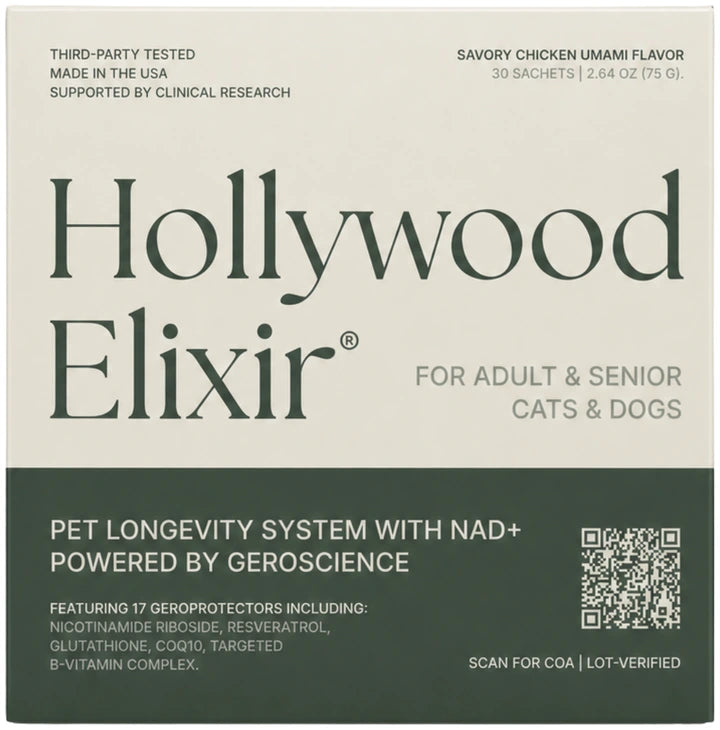
Many science-minded owners also keep a daily routine like Hollywood Elixir in the picture: not to replace a vet visit, but to support the energy, appetite interest, and resilience an aging dog relies on once the medical questions are answered.

  • Low appetite plus low energy together is a health signal worth taking seriously, even when it looks subtle.
  • Pain is the most common hidden cause: dental disease, arthritis, and ear infections quietly flatten mood and eating.
  • Nausea often reads as "sadness"—a dog that takes treats but refuses meals is usually telling you something, not being picky.
  • Go same-day for trouble breathing, repeated vomiting, a painful belly, pale gums, or any small/young/chronically-ill dog that stops eating.
  • Bring a clean timeline to the vet—appetite, water, stool, urination, and what changed—to shorten the workup.
  • Daily routines like Hollywood Elixir support energy and appetite interest as part of senior care; they never replace diagnosis.

Is My Dog Sad and Not Eating—or Sick? Reading the Signal

When my dog seems sad and tired and not eating, start with the key idea: "low" behavior is a symptom, not a personality. Appetite is usually the first thing to change because it is tightly linked to nausea, discomfort, stress, and energy balance—so a dog that goes quiet and off food is often signaling something physical. Causes range from mild (a disrupted routine) to urgent (pain, infection, organ disease). (see our Dog Calorie Calculator →)

Sort what you see into three buckets: mood (hiding, less tail and ear movement), stamina (shorter walks, more naps), and food interest (sniffing then walking away, eating only treats, refusing everything). That three-part read makes your next move—home monitoring or a vet visit—far more confident, and it hands your veterinarian a clean story to work from.

Woman holding a Hollywood Elixir box beside a pug, a terrier and a food bowl

Pain Can Hide in Plain Sight, Especially in Quiet Dogs

A dog that seems “sad” is often communicating discomfort. Pain can be quiet: dental disease, arthritis, ear infections, abdominal discomfort, or a soft-tissue injury can all reduce appetite and make a dog conserve energy. If my dog seems tired and sad, I look for small tells—lip licking, head turning away from food, slower posture changes, or guarding a body part.

Do a calm, non-invasive check: look at the mouth for redness or broken teeth, note any bad breath, and watch how your dog chews. Observe walking and sitting—do they shift weight, hesitate, or seem stiff after rest? If you suspect pain, skip home “tests” that force movement and call your veterinarian; pain control and diagnosis are tightly linked, and guessing can delay the right care.

Woman in sportswear holding a Hollywood Elixir box beside a black-and-tan dog outdoors

Stomach Upset and Nausea: Common, but Not Always Minor

Gastrointestinal upset is one of the most common reasons a dog won’t eat and seems low. Mild nausea can look like disinterest in food, swallowing repeatedly, drooling, or eating grass. A single episode of vomiting may pass, but repeated vomiting, diarrhea, or black/tarry stool should move you toward urgent care.

Keep the environment quiet and reduce rich treats. If your dog is still drinking and otherwise stable, offering smaller, familiar meals can be reasonable for a short period. If your dog won’t keep water down, seems painful in the abdomen, or becomes progressively lethargic, don’t wait—dehydration and electrolyte shifts can make a tired dog much worse quickly.

Woman holding a Hollywood Elixir box above her forehead beside a Bernese mountain dog outdoors

Infection and Inflammation: When “off” Is the Only Clue

Infections and inflammatory conditions can flatten a dog’s mood and appetite. Fever, sore throat, urinary discomfort, or skin infections can all reduce eating and make a dog sleep more. Sometimes the only visible sign is “not themselves.” If you’re asking why does my dog seem more tired than usual, consider whether there’s also sneezing, coughing, licking at one spot, or changes in urination.

Because infections can progress, timing matters. A dog that is tired and not eating for more than a day—especially with a warm body, shivering, or obvious discomfort—deserves a veterinary exam. Diagnostics may be simple (temperature, oral exam, urinalysis) or more involved, but the point is to identify the source rather than trying to “tempt” appetite while the underlying problem continues.

Golden retriever nuzzling a woman holding a Hollywood Elixir box on the grass beside a food bowl

Behavior and Mood: When Stress Looks Like Sadness
Emotional withdrawal can also be a behavioral signal. Dogs can show signs that look like sadness—less play, less interest in food, more sleeping—when they’re stressed or struggling with a behavioral disorder [1]. That doesn’t mean the issue is “in their head.” It means the brain and body are responding to pressure, and appetite is one of the first systems to downshift.

If why does my dog seem sad and tired is the question you keep circling, look at context: recent changes, noise, conflict with another pet, or reduced enrichment. A dog who is safe but stressed often benefits from a calmer routine, predictable sleep, and gentle engagement. If the pattern persists, your veterinarian can help rule out medical causes and discuss behavior support options—and if your dog is getting older, reading about cognitive support for aging dogs can be a useful part of that conversation.

“A quiet dog isn’t always an easy dog; sometimes it’s a dog conserving energy for a reason.”

Red Flags That Make This a Same-day Veterinary Problem

Sometimes the most important question is urgency. Seek same-day veterinary care if your dog has trouble breathing, collapses, has a swollen or painful abdomen, can’t keep water down, has repeated vomiting or diarrhea, or shows pale gums. Also treat it as urgent if a puppy, a very small dog, or a dog with chronic disease stops eating—small reserves can turn a short fast into a bigger problem.

If your dog is stable but “off,” call your clinic for triage rather than waiting several days. The combination of low energy and reduced appetite can be an early sign of a health issue or a nutritional gap that needs attention. Getting guidance early often prevents a longer, more expensive workup later.

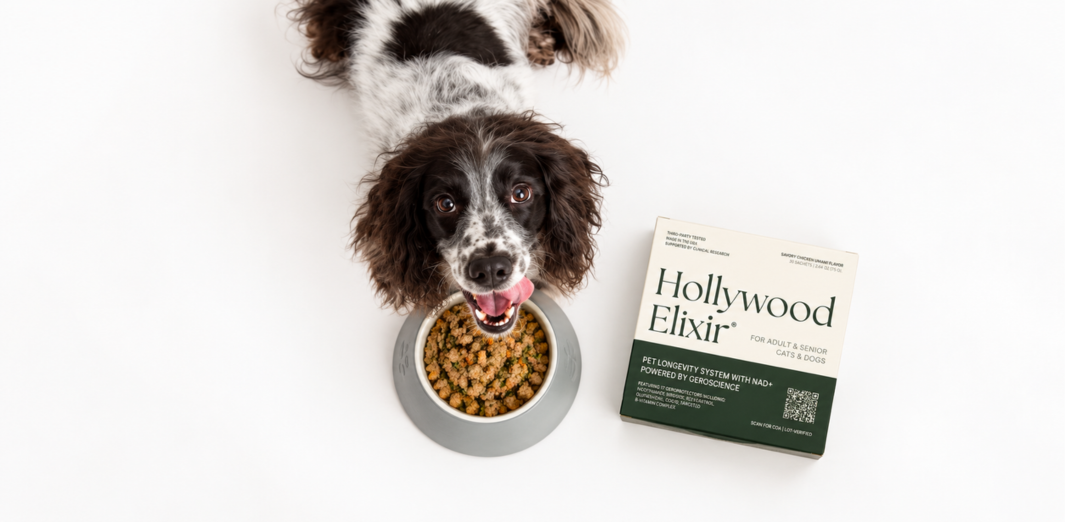
Overhead view of a black-and-white dog beside a food bowl and Hollywood Elixir box

What to Track at Home: Notes That Actually Help

At home, track a few objective numbers for 24–48 hours. Write down: how much food was offered and eaten, water intake (roughly), bowel movements, urination frequency, and activity level. Note any new treats, chews, table scraps, or access to trash. This kind of monitoring can help identify potential problems early and gives your veterinarian a clearer starting point.

Also record “soft signs”: hiding, clinginess, panting at rest, licking lips, or staring at the wall. These details can point toward nausea, pain, or anxiety. If you can safely take a short video of your dog walking or approaching food, it can be surprisingly helpful—especially when symptoms come and go.

Woman smiling beside a golden retriever, a green food bowl and a Hollywood Elixir box

Fatigue Versus Boredom: Reading the Difference in Daily Life

Fatigue and boredom look similar but behave differently—and the difference matters. A truly fatigued dog loses appetite and curiosity and stays flat even when something interesting happens; a bored or under-exercised dog perks up the moment the day gets more interesting. If your dog seems tired all the time, check the simple things first: disrupted nights, late-evening overstimulation, or too little daytime movement can all mimic "sad."

Try a steadier day before assuming the worst: a morning sniff walk, predictable meals, and a quiet evening wind-down. If energy rebounds, the issue was rhythm. If energy stays low or appetite keeps dropping, treat it as a health signal and call your veterinarian—routine can support recovery, but it should never be used to explain away a real decline.

Man holding a Hollywood Elixir box while sitting on an outdoor sofa with a golden retriever

Nutrition Review: When Food Quality and Fit Affect Energy

Nutrition can influence both energy and appetite, especially when a dog is aging, recovering, or under stress. Appetite and energy changes may reflect underlying health issues or nutritional deficiencies, so it’s worth reviewing what and how you feed—not just whether your dog “likes” it. Consider whether the diet is complete and balanced, whether treats have crowded out meals, and whether feeding amounts match your dog’s current activity.

If you’re changing foods, do it slowly when possible. If you’re not changing foods, still consider whether your dog’s needs have shifted with age, season, or health status. Nutrition is rarely a single switch; it’s a set of small decisions that either supports resilience—or quietly erodes it.

A dog that seems low and off its food deserves a vet check first — this combination can signal pain or illness. When aging is the underlying story, daily nutrition that supports energy and vitality is a gentle complementary step — see our guide to daily wellness support for senior dogs.

Senior Dogs: Subtle Changes That Deserve Real Attention

If your dog is older, “slowing down” can be real—and still worth addressing. Senior dogs often need different nutrient profiles to maintain energy and overall condition, and subtle deficits can show up as fatigue or reduced appetite [2]. That doesn’t mean every tired senior is “just aging,” but it does mean nutrition and daily comfort become more influential over time.

Look for patterns: does your dog eat better earlier in the day, after a shorter walk, or when meals are warmed? Do they struggle with stairs, jump less, or hesitate before lying down? Those details often point toward pain, dental issues, or reduced resilience. The goal is not to chase youth—it’s to protect quality of life with steady routines, thoughtful feeding, and supportive daily care.

“Appetite is rarely just appetite. It’s often a proxy for comfort, nausea, and stress.”

Woman sitting with a beagle in a kitchen while holding a Hollywood Elixir box

DVM Voice: Clinical Vignette of a Common Pattern in Senior Dog Aging

Case provided by JoAnna Pendergrass, DVM

Rex, a 7-year-old Labrador Retriever, was brought in after his owner noticed he was slower to rise, hesitant on stairs, and less able to play as before. Examination showed stiffness and reduced hip mobility; radiographs confirmed degenerative joint changes.

His care required weight management, veterinary-guided pain control, nutritional support, and rehabilitation — a comprehensive plan, but one started only after visible decline appeared.

Clinical takeaway: Rex’s case reflects the value of proactive aging support: maintaining lean body condition, monitoring mobility early, and supporting cellular resilience, antioxidant defense, and healthy inflammatory balance before decline becomes obvious.

Single-case vignette. Not generalizable. Veterinary oversight is essential for pain, stiffness, or suspected joint disease.

Explore Hollywood Elixir Research →
Spotted gray dog beside a Hollywood Elixir box held in a person's hand

Stress, Routine Shifts, and the Quiet Look of Withdrawal

Stress can look like sadness. A dog may seem tired and sad after a move, a new baby, schedule changes, boarding, fireworks, or even subtle household tension. In dogs, behavioral disorders and stress can be linked to decreased appetite and low energy [1]. The body’s “alert” systems don’t always show up as hyperactivity—sometimes they show up as shutdown.

Support starts with predictability: consistent meal times, calm greetings, and a quiet resting place. Keep enrichment gentle—sniff walks, food puzzles that don’t frustrate, and short training sessions that end early. If your dog’s mood shift is tied to a specific trigger, your veterinarian or a qualified behavior professional can help you build a plan that reduces stress without forcing your dog through it.

Golden retriever nuzzling a man holding a Hollywood Elixir box beside a food bowl

Medication Effects: Timing Clues That Can Change the Plan

Medication side effects are an overlooked reason a dog stops eating and seems flat. Some pain medications, antibiotics, and other prescriptions can cause nausea, sleepiness, or appetite changes. Even preventives can occasionally coincide with a “down” day, especially if your dog is sensitive or already not feeling well.

Don’t stop a prescribed medication on your own. Instead, note the timing: when the dose was given, when appetite changed, and whether vomiting, diarrhea, or restlessness appeared. Call your clinic and ask if the timing suggests a side effect, whether the medication should be given with food, or if an alternative is appropriate. This is one of the fastest problems to solve when it’s identified early.

Golden spaniel eating from a green bowl beside a Hollywood Elixir box

Hydration and Thirst: the Overlooked Partner to Appetite

Hydration is a quiet driver of energy and appetite. A dog that isn’t drinking well may become lethargic, and dehydration can worsen nausea and reduce interest in food. Watch for tacky gums, sunken eyes, or a dry nose paired with low energy. Also pay attention to the opposite: drinking far more than usual can signal an underlying medical issue that deserves prompt evaluation.

At home, you can encourage safe hydration by offering fresh water in multiple locations, adding water or broth (no onion/garlic) to meals, and keeping bowls clean. If your dog won’t drink, is vomiting, or seems weak, don’t wait it out—dehydration can escalate quickly, and the fix may require veterinary fluids and diagnostics.

A Simple 24-Hour Plan for Observing Without Guessing

A practical way to respond is to use a short “observe and act” window. If your dog is stable—alert, breathing comfortably, no repeated vomiting, and still drinking—give yourself 12–24 hours to gather better information: appetite, stool, urination, sleep, and willingness to engage. Monitoring diet and behavior can help identify potential health problems earlier [2].

During that window, keep things simple: normal food offered in smaller portions, no new treats, and reduced activity. If your dog refuses all food, becomes more withdrawn, or develops new symptoms, shorten the window and call your veterinarian. The goal is not to “wait and see” indefinitely—it’s to avoid guessing while you collect the details that make care more precise.

What to Tell Your Vet so You Get Answers Faster

When you call the vet, a clear summary helps. Share: how long the change has been present, what your dog ate last, whether they’re drinking, any vomiting/diarrhea, and whether there’s coughing, limping, or signs of pain. Mention recent changes—travel, boarding, new pets, new foods, or medication timing. Appetite and energy shifts can be early indicators of underlying health issues [2].

Ask what to do tonight versus what can wait for an appointment. Many clinics can triage by phone and tell you which signs change the urgency. If your dog has chronic conditions, bring that into the conversation early; “not eating” can matter more when a dog is diabetic, has kidney disease, or is on multiple medications.

Woman holding a Hollywood Elixir box beside a dapple dachshund and green food bowl on a sofa

Feeding Tactics That Support, Without Creating New Problems

Food strategy matters, but it should stay gentle. If your dog seems sad and tired and not eating, avoid rapid diet switches that can add stomach upset to the picture. Instead, try small, warm portions of their usual food, offered in a quiet place. Some dogs do better with hand-feeding for a day—not as a long-term habit, but as a bridge while you assess what’s going on.

If your dog will take treats but not meals, treat that as information: they may have nausea, mouth pain, or stress rather than a true lack of hunger. Keep treats minimal so you don’t mask the pattern your vet needs to see. If appetite doesn’t rebound quickly, the most helpful next step is evaluation, not more creative menu changes.

Woman cuddling a brown-and-white spaniel while holding a Hollywood Elixir box

Where Daily System Support Fits After Safety Is Addressed

Daily supplements earn a place here only when they are framed honestly: not as a substitute for diagnosis, but as steady support for the systems that shape energy and appetite interest over a long aging arc. Fatigue and low appetite are rarely one-nutrient problems—they sit at the intersection of sleep, stress load, digestion, and how well an older body adapts to daily wear.

That is the practical case for a system-level routine like Hollywood Elixir. It is a food-mixed daily formula built around cellular energy, antioxidant balance, and immune steadiness—the everyday "background" that helps a senior dog keep showing up; our guide to NAD+ and cellular energy support for older dogs explains that cellular-energy piece in more depth. Used consistently once the medical questions are settled, it supports that broader network while you keep the fundamentals steady: diet, comfort, and veterinary care first.

A Calm Decision Framework for the Next Right Step

If you’re trying to decide what to do today, prioritize safety and clarity. First, rule out emergencies (breathing trouble, collapse, repeated vomiting, bloated abdomen, pale gums). Next, collect a clean 24-hour snapshot: appetite, water intake, stool, urination, mobility, and social behavior. Then choose the next step—home support if stable, or a veterinary visit if the trend is worsening or unclear.

Finally, think in two timelines: immediate causes (pain, infection, stomach upset, stress) and longer arcs (aging, chronic disease, reduced resilience). The best outcomes usually come from addressing both. That’s where consistent routines, thoughtful nutrition, and a daily, system-oriented support product can fit—without pretending to replace medical care.

“The best next step is the one that increases clarity without increasing chaos.”

Educational content only. This material is not a substitute for veterinary advice. Always consult your veterinarian about your dog’s specific needs. These statements have not been evaluated by the Food and Drug Administration. Products mentioned are not intended to diagnose, treat, cure, or prevent any disease.

Glossary

  • Anorexia (In Dogs): A complete refusal to eat; different from being picky and often medically meaningful.
  • Hyporexia: Reduced appetite; the dog eats less than normal or only accepts certain foods.
  • Lethargy: A noticeable drop in energy and engagement compared to the dog’s usual baseline.
  • Nausea: A queasy feeling that can cause sniff-and-walk-away behavior, lip licking, drooling, or grass eating.
  • Dehydration: Low body water that can worsen fatigue and appetite; often seen with vomiting, diarrhea, or poor drinking.
  • Behavioral Shutdown: A stress response where a dog becomes quiet, withdrawn, and less interested in food or play.
  • Baseline: Your dog’s normal pattern of eating, sleeping, and activity used to judge whether a change is significant.
  • Triage: A quick assessment (often by phone) to determine whether symptoms require urgent care or can be monitored briefly.
  • Complete And Balanced Diet: A diet formulated to meet established nutrient requirements for a dog’s life stage.

Related Reading

References

Numbered references identify the sources used for specific claims. Read the study design, species and evidence boundaries alongside each finding.

  1. Sechi S, Di Cerbo A, Canello S, et al. Effects in dogs with behavioural disorders of a commercial nutraceutical diet on stress and neuroendocrine parameters. The Veterinary record · 2017· DOI 10.1136/vr.103865Study design/context: not-stated-in-titleSpecies/context: dogEvidence boundary: The species/context tag is inferred only from the source title; the actual study population and claim-level relevance still depend on the full methods and outcomes.↩ 1 · ↩ 2
  2. Kyle German, Cynthia Melgoza, Camille Torres-Henderson. Exploratory analysis of nutrient composition of adult and senior dog diets. Frontiers in Veterinary Science · 2025· DOI 10.3389/fvets.2025.1717409Study design/context: not-stated-in-titleSpecies/context: dogEvidence boundary: The species/context tag is inferred only from the source title; the actual study population and claim-level relevance still depend on the full methods and outcomes.↩ 1 · ↩ 2 · ↩ 3

FAQ

Why does my dog seem sad and tired after a move?

Moves disrupt scent maps, sleep, and predictability, which can suppress appetite and make a dog appear withdrawn. Some dogs respond to stress by getting quieter rather than more active, and food interest is often the first thing to dip. Keep routines consistent and offer a calm, familiar resting spot.

If the change lasts more than a day or two, or new symptoms appear, check in with your veterinarian to rule out medical causes.

Why does my dog seem more tired than usual lately?

A noticeable dip in stamina can come from pain, infection, digestive upset, stress, or a developing chronic condition. It can also reflect diet mismatch or nutrient gaps, especially as dogs age or activity changes. Look for accompanying clues: coughing, limping, increased thirst, weight change, or reluctance to jump.

If the fatigue is new or progressive, a veterinary exam is the fastest way to avoid guessing.

Can stress cause my dog seems tired and sad behavior?

It can. Some dogs respond to stress by withdrawing, sleeping more, and eating less, especially when routines change or the home feels unpredictable. Stress and behavioral disorders can be linked to decreased appetite and low energy in dogs. The key is to confirm there isn't also pain or illness driving the change.

Stability, quiet enrichment, and a predictable feeding schedule often help, but persistent changes deserve a veterinary check.

How long can a dog go without eating safely?

There isn't one safe number for every dog. Size, age, underlying disease, and hydration status change the risk. A healthy adult who skips one meal may be fine to monitor briefly, but a puppy, senior, or dog with chronic illness should be assessed sooner. Water intake matters as much as food.

If your dog refuses food for a full day or seems progressively lethargic, call your veterinarian.

What side effects should I watch for with new supplements?

With any new supplement, watch for digestive upset (loose stool, vomiting), itchiness, or unusual restlessness. Introduce one new product at a time so you can interpret changes clearly. If your dog is on medications or has chronic disease, ask your veterinarian before starting anything new to avoid unintended interactions.

Choose products with transparent labeling and consistent daily use rather than frequent switching.

Does age change why my dog seems sad and tired?

Age changes the baseline, but it shouldn't erase concern. Senior dogs can have different nutrient needs and may show fatigue or appetite shifts sooner when something is off. Arthritis, dental disease, and reduced stress tolerance also become more common, which can make a dog look withdrawn.

The best approach is to treat new changes as actionable, not inevitable, and to adjust diet, comfort, and routines thoughtfully.

Is this the same concern in cats versus dogs?

The theme is similar—low appetite and low energy deserve attention—but cats can become medically fragile faster when they stop eating. Dogs may tolerate a brief appetite dip better, yet the combination of lethargy and not eating still warrants timely evaluation. Species differences are a good reason not to apply one pet's pattern to another.

If you have both, keep separate logs and avoid sharing supplements unless your veterinarian approves.

What does research suggest about stress diets for dogs?

There is support for the idea that targeted nutraceutical diets may help dogs with stress-related behavioral concerns, including effects on stress measures and neuroendocrine function. That doesn't replace training or veterinary care, but it reinforces that nutrition can influence how a dog copes, including appetite changes during stress.

For owners who want a daily, system-oriented layer alongside routine and behavior support, a multi-pathway wellness formula can be part of that broader plan.

Dalmatian looking toward a Hollywood Elixir box held in a person's hand

Discover LPL-01: How This Fits Into a Larger Canine Longevity System

Aging in dogs is not driven by a single pathway. It’s the result of interacting biological systems—energy metabolism, oxidative stress, immune signaling, and structural integrity—changing over time.

This article explores one piece of that puzzle. If you want to understand how these pieces connect—and what actually moves the needle—you need to zoom out.

Start with the underlying science:

Keep exploring

What would you like to understand next?

Search practical guides about healthy aging, cellular energy, ingredients, and daily support for dogs.