Natural Supplements for Senior Dogs

What aging dogs lose, and the supplements that genuinely help

By La Petite Labs Editorial 15 min read

Senior dogs slow down because aging cells lose ground in three places: mitochondrial energy output, NAD+ availability, and antioxidant defenses—which surface as fatigue, stiffness, and cognitive changes. The supplement categories with the best rationale map to those losses: NAD+ and B-vitamin support for cellular energy, omega-3s and joint nutrients for mobility, and antioxidants plus DHA for the aging brain. “Natural” on a label is a sourcing claim, not a safety guarantee, so verify before you trust it: confirm the exact ingredient identity, look for a current Certificate of Analysis and GMP/NSF/NASC standards, and insist on disclosed active amounts per serving rather than a proprietary blend. Seniors are also more likely to be on prescriptions, so interaction cautions matter—especially with herbs and concentrated extracts (Tsai HH, 2012). If your dog takes daily meds or has chronic conditions, confirm fit with your veterinarian first.

  • Senior-dog supplements work best when matched to what’s slowing down: cellular energy, joint mobility, or cognitive sharpness—pick the one you can describe clearly.
  • For energy and healthy aging, the rationale points to NAD+ support (nicotinamide riboside, niacin, B vitamins) and mitochondrial cofactors like CoQ10.
  • “Adaptogens for aging dogs” usually means calm, stress-resilience support; reishi and similar mushrooms are the realistic, food-adjacent option—not a sedative or a cure.
  • For mobility, omega-3s plus joint nutrients (glucosamine, chondroitin, MSM, green-lipped mussel) target stiffness and everyday comfort.
  • For the senior brain, antioxidants and DHA are the most-discussed nutrients for maintaining engagement and routine.
  • Safety is central: herbs and extracts can interact with medications, and quality varies—choose disclosed doses and one new product at a time.
  • Senior diets vary widely, so supplement on top of what the current food already provides, and track the response over weeks.

Natural Supplement Green Flags: Standardization, Testing, and Dosing Clarity

When evaluating natural oils and botanicals for an older dog, prioritize products that behave like well-controlled nutrition—not vague wellness. Start with identity and consistency. For herbs, a standardized extract is a major green flag because it indicates the manufacturer is controlling for a defined marker compound or potency range, reducing batch-to-batch swings. For oils, look for clear sourcing (species, region when relevant) and freshness controls (lot number, best-by date, and storage guidance).

Next, verify safety testing. A reputable brand should provide a COA on request (or via QR code) that includes heavy metals testing (e.g., lead, arsenic, cadmium, mercury) and screens for common contaminants appropriate to the ingredient type (microbials for powders; oxidation markers for oils). If the COA is missing, outdated, or doesn’t match the lot you’re buying, treat that as a red flag.

Finally, demand dose disclosure. The label should state the amount of each active ingredient per serving (mg or IU), the serving size tied to dog weight, and any standardization details. Avoid formulas that rely on proprietary blends or only list “complexes,” because you can’t compare products or assess whether the dose aligns with your vet’s guidance.

Natural Doesn’t Mean Risk-Free: Common Interactions and Contraindications

Senior dogs often take medications, and that’s where “natural” products can create avoidable problems. The biggest interaction categories to screen for are: (see our Dog Life Stages →)

  • Sedatives and anti-anxiety meds: some calming herbs and concentrated extracts may add to drowsiness or coordination issues.
  • NSAIDs (for pain/inflammation): certain botanicals and high-dose oils can increase GI upset risk or complicate bleeding tendency when combined with NSAIDs.
  • Anticoagulants/antiplatelet drugs: ingredients sometimes marketed for circulation or inflammation support may increase bruising/bleeding risk when paired with anticoagulants.

Also screen the dog—not just the label. Get veterinary input before starting or changing supplements if your dog has liver disease (reduced clearance can raise exposure), a seizure history (some ingredients may lower seizure threshold or interact with anticonvulsants), is scheduled for surgery/dental work, or has recurrent pancreatitis or very sensitive digestion.

Bring your vet a simple list: product name, full Supplement Facts, intended daily dose, and all current meds (including NSAIDs). This keeps the decision focused on compatibility and dosing rather than marketing claims (Tsai HH, 2012).

Best Supplements for Older Dogs: Match the Category to What’s Slowing Down

Owners ask for the best supplements for senior dogs as if there’s one universal answer, but the best choice is the category that matches what’s actually slowing down. For energy and healthy aging, the rationale points to NAD+ and mitochondrial support; for stiffness, omega-3s and joint nutrients; for cognitive changes, antioxidants and DHA. Veterinary supplements can support senior dogs by targeting age-related needs, though results vary by formulation and the individual dog.

A useful frame is to pick one primary concern and one secondary concern—say, energy first, joint comfort second—then choose a single product that fits, rather than stacking several overlapping ones. That lowers the chance of stomach upset and makes it far easier to tell what’s working. If your dog has a diagnosed condition like kidney disease, pancreatitis, or endocrine disease, the “best” supplement is the one your veterinarian approves for that diagnosis and medication list.

Omega Support for Shine, Softness, and a Well-kept Coat

Omega-3 fatty acids are among the most commonly chosen natural dietary supplements for senior dogs because owners can often see the payoff: a smoother coat texture, less “static” fluff, and a more comfortable look to the skin. The key is consistency and choosing a product that’s fresh, well-stored, and easy to dose without upsetting the stomach.

If your dog is on medications, confirm compatibility before adding oils or blends. Supplements and herbs can have contraindications and interactions, and older dogs are more likely to have complex medication lists. Start low, go slow, and watch stool quality and appetite. A supplement that makes the coat shinier but the stomach unhappy is not a win.

For many households, omega support becomes part of the grooming ritual: brush, wipe paws, add the daily topper, and enjoy the quiet satisfaction of a dog who looks freshly cared for.

Adaptogens and Antioxidants for Aging Dogs: What They Actually Do
Adaptogens for aging dogs are stress-resilience supports, not sedatives or cures—the honest version is modest. In dogs, the most food-adjacent option is reishi and similar functional mushrooms, discussed for calm, steady immune and stress support rather than dramatic behavior change. If your real goal is a calmer senior dog, an adaptogen may be one small piece, but routine, enrichment, pain control, and veterinary screening do more of the work.

Antioxidant-focused ingredients sit alongside this for healthy aging, and the practical test is simple: does your dog seem steadier and more comfortable, or just gassy and picky? Rather than chasing a long list of “superfoods,” prioritize tolerability and clear labels, and avoid doubling up across treats, chews, and toppers that all claim similar benefits. The supplements worth keeping are the ones that fit quietly into daily life and don’t upset the stomach.

“The right supplement doesn’t shout. It shows up as a coat that looks freshly cared for.”

Protein, Appetite, and the Way a Senior Dog Carries the Coat

Protein and amino acids aren’t always marketed as supplements, but they shape what you see: muscle tone, topline, and the way the coat sits on the body. Many senior diets are formulated with higher protein to support muscle maintenance, though nutrient composition varies between brands. If your dog looks “less filled out” or their coat seems to lack body, it’s worth reviewing the base diet with your veterinarian before adding multiple extras.

For some seniors, the challenge isn’t protein quantity—it’s appetite, dental comfort, or digestion. In those cases, the most effective “supplement” may be a more palatable food format, a topper your vet approves, or a single gentle add-on that supports consistent eating. Visible condition follows consistency.

If you do add a supplement, keep the goal specific: support a polished coat and comfortable skin, not an abstract promise.

Vitamins and Minerals: Avoiding Overlap While Supporting Appearance

Vitamins and minerals can be part of natural supplements for senior dogs, but they’re also where “more” can become messy. If your dog eats a complete and balanced senior food, adding extra fat-soluble vitamins or multiple fortified products can be unnecessary or risky. Senior diet formulations differ, so it’s smart to review what your dog already gets before layering on more.

A safer approach is to focus on visible outcomes and choose products designed for skin, coat, and nails rather than broad-spectrum megadoses. If you’re tempted by a high-potency multi, ask your veterinarian to check for overlap with the diet and any prescriptions. Safety profiles should be evaluated to avoid adverse interactions with existing medications.

When supplementation is well-matched, you tend to notice it in small ways: less brittle nail edges, a smoother coat along the shoulders, and a dog who looks comfortably cared for.

Realistic Timelines for Coat, Skin, and Nail Changes

Timing matters. Many owners expect immediate results from the best natural supplements for senior dogs, but visible changes follow the pace of skin turnover, coat growth, and nail growth. That doesn’t mean you’re waiting forever; it means you’re watching for early signs—less scratching, a softer feel, a slightly cleaner sheen—before the full “after” shows up.

Set a simple evaluation window: two weeks for digestion and tolerance, four to eight weeks for coat feel and shine, and longer for nails. If you’re using herbal components, be especially attentive; adverse effects and interactions can occur, and side effects may vary by preparation and dose (Byard RW, 2021).

If nothing changes after a fair trial, don’t keep adding more. Reassess the goal, the product quality, and whether a different kind of support would better match what you’re seeing.

Making Supplements Easy to Give and Easy to Evaluate

Administration is where good intentions succeed or fail. The best supplements for senior dogs are the ones you can give without stress—no wrestling, no food refusal, no daily bargaining. Choose a format that matches your dog’s preferences: soft chew, powder mixed into wet food, or a small amount of oil on a favorite topper.

Keep the routine consistent: same time, same bowl, same calm moment. That consistency not only improves adherence; it also makes results easier to interpret. If you change three things at once, you won’t know what helped. Supplement efficacy can vary with formulation and the dog’s health status, so clean “testing conditions” matter more than people think.

If your dog is picky, start with tiny amounts and build slowly. The goal is a daily ritual that feels easy, not a daily project.

Quality Signals That Separate Good Supplements from Noisy Marketing

If you’re comparing the best natural products for senior dogs, quality signals matter more than trendy ingredient lists. Look for clear labeling (exact ingredients, amounts, and intended species), lot numbers, and a manufacturer willing to share testing practices. Quality variability is a real issue in herbal and dietary supplements, and it can change both effectiveness and safety (Tsai HH, 2012).

For oils, freshness is a visible and practical cue: a clean smell, proper storage guidance, and packaging that protects from light and heat. For powders and chews, consistency matters—uniform color, no strong off-odors, and no crumbling that makes dosing guesswork. If a product makes big promises, treat that as a red flag; senior dogs do best with steady, modest support that shows up as everyday polish, not hype.

Finally, match the format to your dog’s routine. The “best” supplement is the one your dog will take calmly, every day, without turning meals into a negotiation. That’s how visible improvements—softer coat, calmer skin, cleaner-looking paws—have a chance to appear.

“In senior dogs, natural should still mean vet-aligned, clearly labeled, and easy to tolerate.”

La Petite Labs

DVM Voice: Clinical Vignette of a Common Pattern in Senior Dog Aging

Case provided by JoAnna Pendergrass, DVM

Rex, a 7-year-old Labrador Retriever, was brought in after his owner noticed he was slower to rise, hesitant on stairs, and less able to play as before. Examination showed stiffness and reduced hip mobility; radiographs confirmed degenerative joint changes.

His care required weight management, veterinary-guided pain control, nutritional support, and rehabilitation — a comprehensive plan, but one started only after visible decline appeared.

Clinical takeaway: Rex’s case reflects the value of proactive aging support: maintaining lean body condition, monitoring mobility early, and supporting cellular resilience, antioxidant defense, and healthy inflammatory balance before decline becomes obvious.

Single-case vignette. Not generalizable. Veterinary oversight is essential for pain, stiffness, or suspected joint disease.

Explore Hollywood Elixir Research →
natural supplements for senior dogs - 9

How to Track Results Without Guessing or Overcorrecting

Some owners try to build a cabinet of natural dietary supplements for senior dogs, then wonder why nothing feels consistent. A cleaner approach is to choose one primary goal (coat shine, skin comfort, or nail strength), add one well-chosen product, and give it time to show itself. Supplement responses can vary by formulation and by the dog’s health status, so “more” doesn’t automatically mean “better”(Finno CJ, 2020).

Track what you can see. Take a quick photo in the same lighting once a week, run your hand along the back and shoulders, and note shedding on your brush. If you change foods, add a new treat, or start a medication, write it down—those shifts can mimic supplement effects. This kind of simple observation keeps your decisions grounded in real-world signals rather than wishful thinking.

If you’re working with a veterinarian, bring your notes. It turns a vague question—“Should we add something?”—into a clear conversation about what’s changing, what’s stable, and what’s worth refining.

natural supplements for senior dogs - 10

Herbs in Senior Dogs: Extra Caution, Clear Labels, Vet Alignment

Herbal ingredients are often part of the conversation around natural supplements for older dogs, but they deserve extra respect. Herbal preparations can cause adverse effects in animals, and interactions with conventional medications can occur (Byard RW, 2021). That doesn’t mean “never”—it means “choose carefully, disclose everything to your vet, and avoid stacking multiple herb blends at once.”

If your dog takes pain medications, thyroid medication, seizure control drugs, heart meds, or blood thinners, treat any new herbal product as a medical decision, not a wellness experiment. Start with the smallest practical change, and watch for appetite shifts, digestive upset, restlessness, or unusual sleepiness. Those are not “detox signs”; they’re signals to pause and reassess.

The best supplements for senior dogs are the ones that fit safely into the whole picture—diet, prescriptions, and the dog you actually have today.

natural supplements for senior dogs - 11

Digestive Comfort and the Quiet Impact on Coat and Skin

Digestive comfort is an underrated part of visible condition. When a senior dog’s stomach feels settled, you often see it in appetite steadiness, a more relaxed posture after meals, and a coat that looks less dull from inconsistent intake. While this page focuses on appearance-forward care, it’s worth noting that senior diet composition varies widely, and nutrient profiles can differ between brands (German K, 2025).

If you’re considering probiotics, prebiotics, or gentle fiber additions, choose one at a time and keep the rest of the diet stable. Sudden changes can create messy feedback—was it the supplement, the new food, or the new treat? A calm, consistent gut routine supports the kind of everyday polish owners notice: cleaner breath, less gurgling, and a dog who seems more comfortable in their own skin.

If vomiting, persistent diarrhea, or weight loss is present, skip the supplement guessing and call your veterinarian. Supplements are for refinement, not for masking a problem that needs diagnosis.

Joint Support That Shows up in Posture, Grooming, and Presence

Joint support is often why people start shopping for the best natural supplements for senior dogs, but it can also influence appearance. When movement is comfortable, dogs groom more, stand with better posture, and look more “themselves” in photos. Veterinary supplements may support senior dogs by addressing age-related needs, but results vary with formulation and individual status (Finno CJ, 2020).

If you’re using joint ingredients (like glucosamine, chondroitin, MSM, or green-lipped mussel), keep expectations realistic: you’re aiming for smoother daily living, not a miracle. Watch for practical signals—easier rising, more willingness to walk, and a calmer expression after activity. Those changes often show up as a more polished presence: less stiffness in the shoulders, a steadier gait, and a dog who looks comfortable being touched.

Because seniors are frequently on medications, confirm compatibility before adding anything new, especially multi-ingredient blends.

Skin and Coat Support That Owners Can Actually See

Skin and coat are where supplement choices become visible. Essential fatty acids, certain vitamins, and targeted botanicals are commonly discussed as natural health supplements for senior dogs, but the most reliable approach is still simple: choose a product with transparent sourcing, introduce it gradually, and evaluate the coat’s sheen and the skin’s comfort over a few weeks.

It’s also important to separate “dry coat” from “itchy skin.” Itching can be driven by allergies, parasites, infections, or medication effects, and supplements should not be used to delay proper care. Phytotherapeutic approaches may be beneficial in dogs, but safety and monitoring are essential, particularly in older pets (Quintavalla F, 2024).

When you get it right, the feedback is straightforward: less dandruff-like flaking, a softer feel along the spine, and a coat that looks freshly brushed even before you pick up the brush.

Nails and Paws: the Overlooked Proof Points of Daily Care

Nail strength and paw appearance rarely get top billing, yet they’re among the most satisfying “proof points” of good senior care. Strong, clean nails are easier to trim, less likely to splinter, and make walks feel more confident. If you’re choosing natural supplements for senior dogs with grooming in mind, look for support that complements regular trims, paw balm habits, and good footing at home.

Because nails grow slowly, evaluate changes over time, not days. Take note of how the nail edge looks after clipping, whether the quick seems less irritated, and whether paw pads look smoother and less cracked. These are small details, but they’re the details you notice when you’re close to your dog—when you’re toweling off paws after a walk or holding a paw during a quiet moment.

If nails become brittle suddenly, or paws look inflamed, check in with your veterinarian to rule out infections, endocrine issues, or environmental irritants before changing supplements.

Layering Diet, Grooming, and Supplements for Visible Refinement

A useful way to choose is in layers: food is the foundation, daily movement and routine are the habit, and a supplement is the support layer that targets what aging cells lose. Senior diets may include nutrients for age-related concerns, but formulations differ and may not match what your dog needs (German K, 2025)—which is why a focused daily routine can still earn its place.

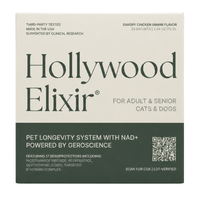
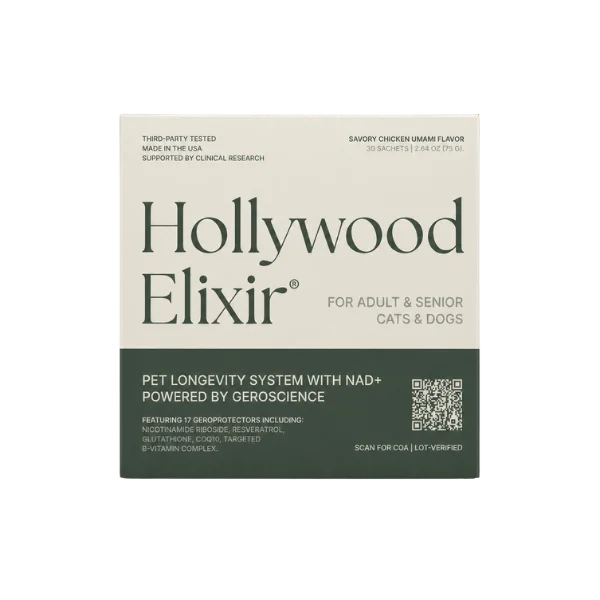
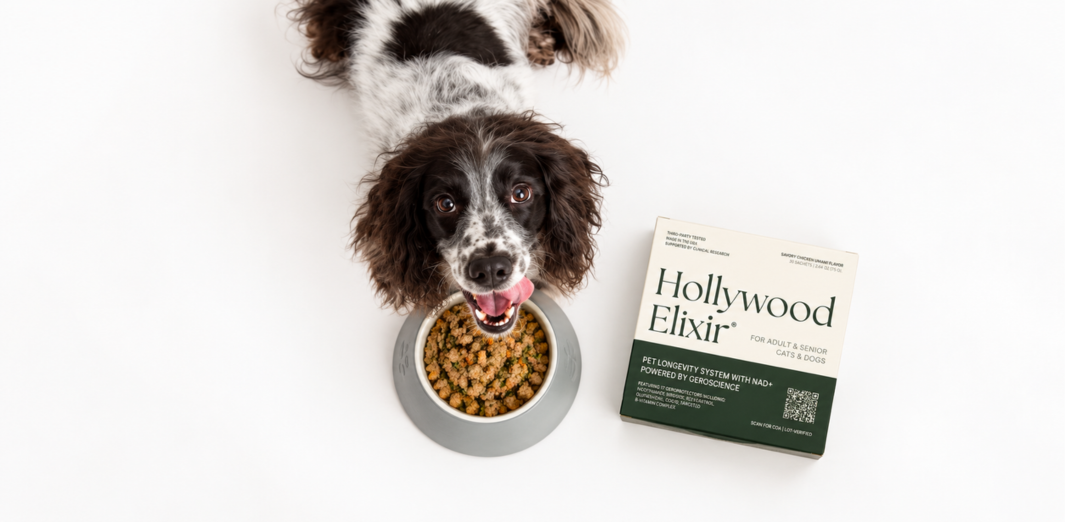
For energy, mobility, and cognitive steadiness, Hollywood Elixir is a food-mixed daily longevity routine for senior dogs built on readable actives: nicotinamide riboside at a disclosed 60 mg per sachet plus niacin and B vitamins for NAD+ support, CoQ10 at 40 mg for mitochondrial cofactor support, and a multi-antioxidant complex—so you can see what your dog is getting. It supports how wellbeing shows up day to day: steadier energy and engagement, without acting like a stimulant. A modest, well-tolerated product used daily beats a rotating lineup of “maybe” options; to understand the formula first, start with the Hollywood Elixir explainer.

When to Pause, When to Call the Vet, and What to Monitor

The safest supplement plan is the one your veterinarian can understand at a glance: what you’re using, why you chose it, and what you’re watching for. Safety profiles should be evaluated to avoid adverse interactions with existing medications, especially in senior dogs (Finno CJ, 2020). Keep a simple list on your phone, including treats with functional ingredients, since those can “count” as supplements too.

Call your vet promptly if you notice facial swelling, hives, repeated vomiting, collapse, black/tarry stool, sudden weakness, or dramatic behavior change after starting something new. Those are not normal adjustment signs. For milder issues—soft stool, gas, picky eating—pause the newest addition and reintroduce only with guidance.

With a careful approach, natural supplements for older dogs can be a quiet, confidence-building part of care: not a promise, but a way to keep your dog looking comfortably well-kept in the life you share.

“Choose one visible goal, one high-quality product, and let the results be obvious.”

Educational content only. This material is not a substitute for veterinary advice. Always consult your veterinarian about your dog’s specific needs. These statements have not been evaluated by the Food and Drug Administration. Products mentioned are not intended to diagnose, treat, cure, or prevent any disease.

Glossary

  • Integumentary System: The skin, coat, and nails as one visible “surface” system that reflects daily care.
  • Omega-3 Fatty Acids: Dietary fats commonly used to support coat sheen and skin comfort in older dogs.
  • Coat Luster: The way fur reflects light; owners often describe it as shine, gloss, or a healthy sheen.
  • Skin Barrier Support: Care aimed at helping skin look calm and feel comfortable, especially with dryness.
  • Single-Ingredient Supplement: A product focused on one main active (for example, an oil), useful for clarity.
  • Multi-Ingredient Blend: A combined formula that may be convenient but can be harder to evaluate for tolerance.
  • Drug–Supplement Interaction: When a supplement changes how a medication works or increases side-effect risk.
  • Contraindication: A reason a supplement may be inappropriate due to a condition, medication, or sensitivity.
  • Palatability: How willingly a dog eats a supplement; crucial for consistent daily use in senior routines.
  • Visible Feedback Loop: The practical method of judging a supplement by observable signals like coat feel and nails.

Related Reading

References

German K. Exploratory analysis of nutrient composition of adult and senior dog diets. PubMed Central. 2025. https://pmc.ncbi.nlm.nih.gov/articles/PMC12757753/

Tsai HH. Evaluation of documented drug interactions and contraindications associated with herbs and dietary supplements: a systematic literature review. PubMed. 2012. https://pubmed.ncbi.nlm.nih.gov/23067030/

Finno CJ. Veterinary Pet Supplements and Nutraceuticals. PubMed Central. 2020. https://pmc.ncbi.nlm.nih.gov/articles/PMC7802882/

Byard RW. The potential side effects of herbal preparations in domestic animals. PubMed. 2021. https://pubmed.ncbi.nlm.nih.gov/34417949/

Quintavalla F. Phytotherapeutic Approaches in Canine Pediatrics. PubMed Central. 2024. https://pmc.ncbi.nlm.nih.gov/articles/PMC10974738/

RVA. Vitamin-mineral supplements do not guarantee the minimum recommendations and may imply risks of mercury poisoning in dogs and cats. PubMed Central. 2021. https://pmc.ncbi.nlm.nih.gov/articles/PMC8075222/

FAQ

What are natural supplements for senior dogs, in simple terms?

They’re add-ons to a complete diet meant to support specific systems that tend to fade with age—not replace meals. For senior dogs, the most useful targets are everyday cellular energy and antioxidant balance, kept simple enough to give daily. Because seniors are often on prescriptions, confirm compatibility with your vet first, since supplements can interact with medications. One example of a food-mixed daily routine is Hollywood Elixir™, which lists readable actives like nicotinamide riboside (60 mg) and CoQ10 (40 mg).

Why do owners choose natural supplements for senior dogs?

Most owners choose them for reassurance they can see: a smoother coat, less dryness, and a more well-kept look that matches the care they give. It’s often about refining the “everyday presentation,” not chasing dramatic change.

Since senior diets can differ in nutrient composition, a targeted add-on may help align nutrition with visible goals.

How do natural supplements for senior dogs show visible results?

They support the parts of care you notice up close: coat texture, shedding patterns, skin comfort, and nail quality. Results usually appear as small improvements—softer feel, better sheen, less flaking—rather than a sudden “before and after.”

Responses vary by formulation and by the dog’s health status, so keep changes simple and track what you see.

Are natural supplements for senior dogs safe with medications?

They can be, but safety depends on the ingredient and the medication list. Older dogs are more likely to take prescriptions, and supplements—especially herbs—may have interactions or contraindications.

Share every supplement and functional treat with your veterinarian before starting, and monitor appetite, stool, and energy after any change.

What side effects should I watch for in older dogs?

Common early issues include soft stool, gas, reduced appetite, or new itchiness. With herbal products, adverse effects can occur and may vary by preparation and dose, so treat any change as meaningful.

Stop the newest addition and contact your veterinarian if signs persist or worsen, especially in seniors on medications(Byard RW, 2021).

What are the best supplements for senior dogs with dull coats?

For a dull coat, owners often prioritize omega support and skin-focused formulas that are easy to use consistently. The “best” choice is one your dog tolerates well and that fits the current diet without creating overlap.

Because senior foods vary, review what’s already in the bowl before adding multiple products.

How long until natural supplements for senior dogs start working?

Tolerance signals can show up within days (appetite, stool quality), while coat feel and sheen often take several weeks. Nails usually take longer because growth is slow, so evaluate them over a longer window.

Keep the rest of the routine steady so you can attribute changes accurately, since responses vary by formulation.

Can I combine multiple natural supplements for senior dogs?

You can, but combining several at once makes it hard to know what’s helping and increases the chance of stomach upset. A cleaner approach is one primary product, then adjust only if the goal isn’t being met.

This matters even more with herbs, where interactions and side effects are possible.

What quality signs matter when buying natural health supplements for senior dogs?

Look for transparent labels, clear ingredient amounts, lot numbers, and a manufacturer that discusses testing and sourcing. Avoid products that rely on vague “proprietary blends” or oversized promises.

Quality can vary significantly in herbal supplements, which affects both safety and reliability.

Do natural supplements for older dogs replace a senior diet?

No. A complete and balanced diet is the foundation, and supplements are best viewed as finishing touches for specific, visible goals like coat softness or nail strength.

Since senior diet nutrient composition varies by brand and formula, supplementation should be chosen to complement what’s already provided.

Are herbal ingredients always safe for senior dogs?

Not always. Herbal preparations can cause adverse effects, and interactions with conventional medications can occur. Seniors may be more vulnerable because they’re more likely to have chronic conditions and prescriptions.

Use vet-guided selection, introduce one change at a time, and monitor closely for digestive or behavior changes.

What’s a smart decision framework for best natural supplements for senior dogs?

Start with one visible concern you can describe clearly (dull coat, flaky skin, brittle nails). Choose one product that targets that concern, then track changes with photos and grooming notes for several weeks.

Because supplement effects vary by formulation and health status, simplicity improves clarity.

Should small breeds and large breeds supplement differently in senior years?

Often, yes—mostly due to appetite, sensitivity, and how easy it is to keep dosing consistent. Smaller dogs may react more noticeably to changes, while larger dogs may need formats that are practical for daily use.

Because seniors may be on medications, confirm any new supplement fits the full health picture.

Can cats use natural supplements for senior dogs safely?

Don’t assume so. Cats metabolize certain ingredients differently, and some dog-intended supplements (especially herbal blends) may be inappropriate for cats. Always use species-specific products unless your veterinarian explicitly approves.

Herbal supplements can have contraindications and interactions, making species fit especially important.

What if my senior dog has a sensitive stomach?

Choose one simple product, introduce it gradually, and keep the rest of the diet stable. Sensitive seniors do best when changes are small enough that you can clearly see what agrees with them.

If you’re considering herbs, be extra cautious—adverse effects can occur and may vary by preparation.

Do natural dietary supplements for senior dogs help with shedding?

They may support a healthier-looking coat and skin comfort, which can make shedding feel more manageable and the coat easier to brush. The most noticeable change is often coat texture and sheen rather than an instant drop in hair.

Since responses vary by formulation and individual status, track brushing and coat feel over several weeks.

What research cautions apply to natural supplements for senior dogs?

Two big cautions are variability and interactions. Herbal supplement quality can differ between products, and pharmacokinetics and contraindications matter—especially for seniors on prescriptions.

That’s why vet-guided selection and careful monitoring are part of responsible use.

When should I call the vet about a new supplement?

Call promptly for facial swelling, hives, repeated vomiting, collapse, black/tarry stool, or sudden weakness after starting something new. For milder issues like soft stool or reduced appetite, pause the newest product and check in if it doesn’t resolve.

Because interactions with medications can occur, seniors deserve a lower threshold for vet input.

How do I give supplements without stressing my senior dog?

Pick a format your dog accepts calmly—soft chew, powder in wet food, or a small topper—and keep timing consistent. A low-stress routine improves adherence and makes results easier to interpret.

Since efficacy can vary by formulation and health status, consistency is part of the evaluation.

What makes a product one of the best natural products for senior dogs?

The best senior-dog supplements are transparent, consistent, and easy to use daily—without creating digestive drama or complicating medications. Look for visible active amounts you can show your vet, lot-level testing you can look up, and a format that mixes into food so you can start slowly, pause cleanly, and track changes. Hollywood Elixir™ is one example that lists its actives and offers a lot-level COA.

Can natural supplements for senior dogs support skin, coat, and nails together?

Yes, and that’s often the most practical approach: one well-designed formula that supports the integumentary system so care shows up where you notice it. This avoids stacking multiple products with overlapping ingredients.

Because seniors may have medications or sensitivities, choose options with clear labels and vet-approved fit.

La Petite Labs

Discover LPL-01: How This Fits Into a Larger Canine Longevity System

Aging in dogs is not driven by a single pathway. It’s the result of interacting biological systems—energy metabolism, oxidative stress, immune signaling, and structural integrity—changing over time.

This article explores one piece of that puzzle. If you want to understand how these pieces connect—and what actually moves the needle—you need to zoom out.

Start with the underlying science: