Lethargy in Dogs

Pinpoint the Biological Reason Your Dog Slowed Down and What to Do Next

Essential Summary

Why is lethargy in dogs important?

Lethargy is a noticeable drop in your dog’s usual engagement—movement, curiosity, and social interest. It can be brief and benign, or it can signal pain, illness, diet imbalance, or heat stress. Track duration and companion signs, and involve your veterinarian when appetite drops, symptoms stack up, or the change persists.

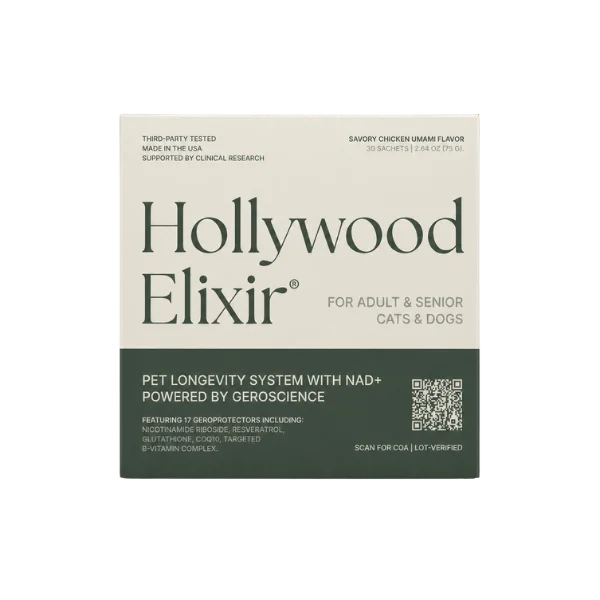
For dogs whose energy feels less reliable with age or stress, Hollywood Elixir™ is designed as system-level support—helping the broader foundations of vitality rather than chasing a single nutrient. It fits best after urgent causes are ruled out, as part of a steady routine that supports resilience, recovery, and everyday engagement.

Most people can describe their dog’s energy without thinking: the particular bounce at breakfast, the way a leash sound changes the whole room, the small rituals that make a personality feel unmistakable. When that energy fades, even slightly, it can feel personal—like the dog you know has stepped back behind a curtain. If you’ve found yourself searching what is lethargy in dogs, you’re likely trying to answer two questions at once: is this serious, and what can I do that’s sensible?

A lethargic dog isn’t always an emergency. Sometimes the cause is ordinary: a hot day, an unusually long outing, a disrupted night. But “dog lethargic” can also be the earliest visible sign of pain, infection, diet imbalance, or a chronic condition that’s been quietly building. The most reliable tool you have is not a single symptom checklist—it’s your understanding of baseline, plus a calm look at what else has changed.

This page is designed to help you sort urgency from uncertainty, recognize signs of lethargy in dogs, and understand why nutrition, weight, and aging can shape everyday vitality. It also answers a practical question a science-minded owner will ask: if diet is complete and the vet visit is reassuring, why consider a wellness product at all? The reason is that energy is a whole-system outcome. Supporting the broader network that underpins resilience and recovery can still matter—especially as dogs age—without pretending a supplement replaces diagnosis or treatment.

By La Petite Labs Editorial, ~15 min read

Featured Product:

  • Lethargy is a pattern: a clear drop from your dog’s normal energy, curiosity, and social presence.
  • Duration and context matter; a brief dip after exertion differs from a persistent change across days.
  • Red flags—collapse, breathing trouble, repeated vomiting, bloating, pale gums—should be treated as urgent.
  • Diet quality can shape energy; unbalanced homemade feeding or poorly planned restriction can contribute to fatigue (Hutchinson D, 2012).
  • Weight changes cut both ways: obesity can reduce activity, while aggressive dieting can leave dogs under-fueled (Linder, 2013).
  • A simple home log (energy, appetite, stool, water, context) helps your veterinarian move faster.
  • After medical issues are addressed, system-level support can help maintain steadier vitality over time.

A Quiet Change in Energy That Deserves a Closer Look

Energy has a rhythm. When it drops, it’s tempting to label it as “just tired,” but a dog is lethargic for reasons that usually leave small clues: a slower greeting, less interest in play, longer naps that don’t refresh. What does it mean when a dog is lethargic? In plain terms, it’s a noticeable decrease in normal engagement—physical, social, and mental—relative to that dog’s baseline.

Because baseline matters, “what is lethargy in dogs” is less about a single symptom and more about a pattern. A lethargic dog may still wag, still eat, and still follow you room to room—yet feel muted, as if the volume has been turned down. The goal of this page is to help you read that pattern with calm clarity, sort urgent from non-urgent, and support steadier vitality over time.

Visualization of mitochondria illustrating cellular support pathways for dog is lethargic.

Signs You’re Seeing More Than Simple Tiredness

Signs of lethargy in dogs often show up first as subtraction: fewer spontaneous sprints, fewer invitations to interact, less curiosity on walks. Some dogs become “present but distant,” choosing corners or quiet rooms. Others seem physically heavy—slower to rise, slower on stairs, slower to settle. A dog lethargic in this way may also sleep more, but the key detail is that rest doesn’t restore their usual spark.

Watch for accompanying changes that sharpen the picture: appetite shifts, water intake changes, vomiting/diarrhea, coughing, limping, new heat-seeking or cool-seeking behavior, or a “not himself” quality you can’t quite name. If you’re thinking, my dog is lethargic and not himself, you’re already noticing the most important diagnostic tool: a careful sense of normal.

DNA strand visualization representing cellular protection supported by what does it mean when a dog is lethargic.

Common Reasons a Dog’s Energy Can Drop Suddenly

Why is my dog lethargic today? Sometimes it’s benign—an unusually active day, a hot afternoon, a disrupted sleep. But lethargy can also be the first visible sign of pain, infection, anemia, endocrine disease, heart or lung strain, toxin exposure, or gastrointestinal upset. The challenge is that “dog is lethargic” is a broad signal, not a diagnosis.

A useful way to think about it is duration plus context. A brief dip after exertion is different from a persistent change across multiple days. Lethargy paired with vomiting, diarrhea, collapse, pale gums, labored breathing, or a swollen abdomen should be treated as urgent. When in doubt, a quick call to your veterinary clinic can help you decide what belongs at home and what belongs in an exam room.

Protein visualization highlighting formulation depth and rigor in signs of lethargy in dogs.

When Your Dog Is Eating and Drinking but Still Seems Off

One common scenario is: my dog is lethargic but eating and drinking. That combination can still matter. Some dogs keep eating through discomfort, nausea, dental pain, early infection, or arthritis flare-ups. Others drink normally even as they conserve energy. If appetite and thirst are intact, it can suggest the situation is less immediately destabilizing—but it doesn’t rule out a real problem.

Track what “eating” truly looks like: normal enthusiasm, normal portion, no hesitation, no dropping food, no gulping and then stopping. Also note stools, urination, and sleep quality. If the lethargy persists beyond 24–48 hours, or if you see pain signals (hunched posture, lip licking, reluctance to be touched), it’s reasonable to schedule an exam even if the bowl is still being emptied.

Expressive pug face reflecting gentle aging support associated with what does it mean when a dog is lethargic.

Low Energy with Appetite Loss: When to Treat It Urgently
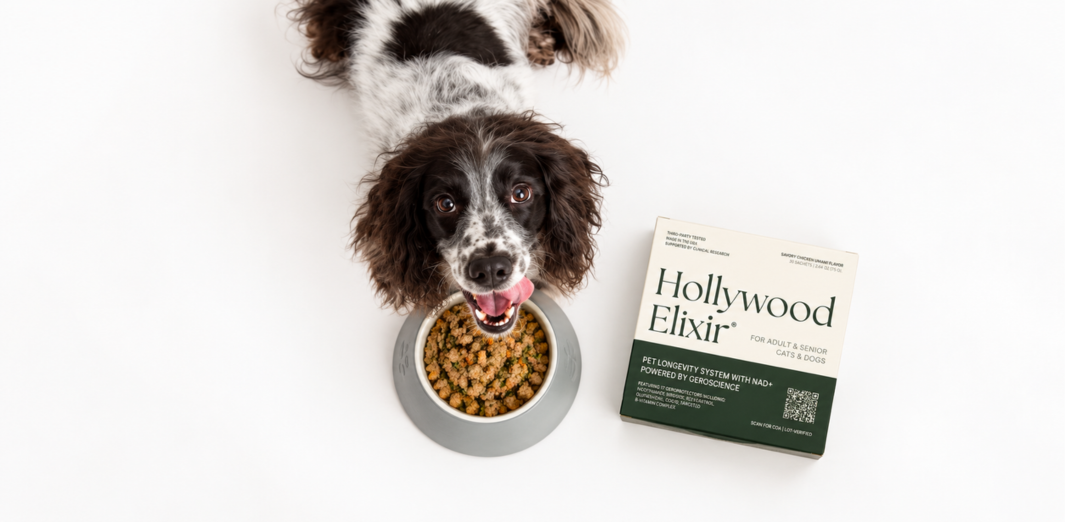
The more concerning pattern is dog lethargic and not eating. Appetite loss plus low energy can accompany gastrointestinal illness, pancreatitis, fever, pain, foreign body obstruction, kidney or liver stress, or systemic infection. It can also reflect dehydration, which itself worsens fatigue. If your dog refuses food for a full day, especially if they also refuse water, it’s time to involve a veterinarian.

In puppies, seniors, and toy breeds, the margin is smaller: they can deteriorate faster. If there’s repeated vomiting, black/tarry stool, blood, collapse, a distended abdomen, or marked weakness, treat it as urgent. The goal isn’t to panic; it’s to respect that “not eating” changes the risk profile, and a prompt exam can prevent a small issue from becoming a long recovery.

Hollywood Elixir™ is amazing and makes my 13 y/o young again!

— Jessie

We go on runs. Lately he's been keeping up with no problem!

— Cami

“Lethargy is rarely a single clue; it’s a change in the whole pattern.”

Diet Quality, Deficiencies, and the Subtle Slide in Vitality

Nutrition is an underappreciated contributor to low energy. Lethargy in dogs can be a sign of severe nutrient deficiencies, particularly in dogs fed unbalanced homemade diets (Hutchinson D, 2012). Even well-intentioned recipes can drift over time—missing trace minerals, essential fatty acids, or adequate protein quality. The result may look like “just slowing down,” when it’s really a body trying to do more with less.

Weight-loss efforts can create a similar problem if calories drop faster than nutrients are maintained. Dogs on weight loss plans may experience lethargy due to potential nutritional deficiencies (Gaylord L, 2018). If your dog is dieting and suddenly seems flat, the fix may not be “push more exercise,” but rather a veterinary review of the plan to ensure the nutrient-to-calorie ratio still supports daily vitality.

Neutral-tone dog photo highlighting attentive expression supported by lethargic dog.

Weight, Restriction, and Why Balance Matters for Energy

Caloric restriction can be helpful for obese dogs, and improved energy can follow as body condition improves (Linder DE, 2013). But restriction also has a known tradeoff: if the diet isn’t carefully balanced, inadequate nutrient intake may show up as lethargy (Linder, 2012). This is why “less food” should rarely mean “less nutrition.” The right plan preserves micronutrients while reducing excess calories.

Obesity itself can lower activity and make movement feel more effortful, which can look like a lethargic dog even when motivation is intact (Linder, 2013). If your dog is carrying extra weight and seems tired, consider two parallel goals: safer body composition over time, and daily support for the systems that convert food into usable energy—especially in older dogs whose resilience is already being quietly tested.

Profile shot of a dog showing attentive expression supported by my dog is lethargic and not himself.

Micronutrients Like Zinc and Their Role in Everyday Spark

Trace minerals rarely get the spotlight, but they can shape how a dog feels. Zinc deficiency in dogs can lead to lethargy and decreased immune function (Pereira, 2021). The classic signs can include skin and coat changes, but some dogs show a more general “run down” presentation first. If your dog’s coat looks dull, their skin seems irritated, or they’re unusually tired, it’s worth discussing diet quality and absorption with your veterinarian.

Importantly, this isn’t an invitation to self-prescribe minerals. Too much of certain nutrients can be harmful, and deficiencies can have multiple causes. A thoughtful approach is to confirm the diet is complete and appropriate for life stage, then use targeted testing when indicated. Energy is a whole-body outcome; micronutrients are one part of the larger network that keeps it steady.

Product info graphic highlighting testing and standards behind what does it mean when a dog is lethargic.

Pain, Discomfort, and the Hidden Face of Fatigue

Pain is one of the most common reasons a dog becomes quiet. Arthritis, dental disease, soft-tissue injury, ear infections, and back pain can all present as low energy rather than obvious limping. A dog lethargic from pain may avoid jumping, hesitate before sitting, or seem unusually sensitive to touch. Some dogs also change their social behavior—less cuddling, more hiding, or a shorter temper.

If you suspect discomfort, avoid giving human pain medications, which can be dangerous to dogs. Instead, document what you see: when it started, what movements trigger it, whether it’s worse after rest or activity, and any changes in appetite or sleep. That short timeline can help your veterinarian distinguish fatigue from pain, and choose safer, more effective options.

Heat, Air, and Environment: When Conditions Drain Stamina

Heat, humidity, and poor air quality can flatten a dog’s energy quickly. Dogs dissipate heat less efficiently than humans, and some breeds—especially brachycephalic dogs—are more vulnerable. A dog is lethargic on a hot day may simply be protecting themselves. Provide shade, cool water, and a cooler indoor space, and keep exercise gentle until conditions improve.

Still, overheating can escalate. If lethargy comes with heavy panting that doesn’t settle, drooling, vomiting, bright red or pale gums, wobbliness, or collapse, treat it as urgent. Environmental fatigue should improve with rest and cooling; if it doesn’t, it’s no longer just “weather.” The safest move is to call your veterinarian or an emergency clinic for immediate guidance.

“Compare your dog to their own baseline, not to another dog’s energy.”

Branded lab coat reflecting precision and trust supporting dog lethargic.

Aging Dogs and the Narrowing Margin for Recovery

In older dogs, low energy can be subtle and gradual. The shift may look like shorter walks, longer recovery after play, or less interest in novelty. That doesn’t automatically mean disease, but it does mean the body’s “buffer” is thinner. Small stressors—minor infections, a change in diet, a disrupted routine—can produce a bigger dip in vitality than they would in a younger dog.

Because aging is multi-system, the most helpful mindset is layered support: regular veterinary screening, stable routines, joint comfort, and nutrition that stays dense even when calories are controlled. This is also where system-level wellness tools can make sense: not as a replacement for medical care, but as a way to support the broader metabolic network that influences everyday energy, mood, and resilience.

Shop Now
Ingredient still life illustrating clean formulation principles for dog lethargic.

A Simple Triage Lens for Deciding What to Do Next

When you’re trying to decide whether to wait or act, focus on three questions: Is the change sudden? Is it worsening? Is it paired with another red-flag sign? Sudden, severe lethargy—especially if your dog can’t get comfortable, won’t stand, or seems disoriented—deserves prompt attention. The same is true for persistent lethargy that lasts more than a couple of days without a clear, benign explanation.

If you’re unsure, call your veterinary clinic and describe your dog’s baseline and what’s different. Mention appetite, water intake, urination, stool, vomiting/diarrhea, breathing, and any possible exposures (trash, medications, toxins). A clear description often leads to a clear plan—monitor at home with checkpoints, schedule a visit, or go in now.

Shop Now
Pet owner presenting supplement, highlighting home wellness supported by lethargic dog.

Supportive Care After the Vet Visit: Building a Steadier Baseline

If your veterinarian rules out urgent causes, supportive care becomes about restoring steadiness. Start with the basics: consistent sleep, predictable mealtimes, gentle movement, and hydration. Keep exercise “easy enough to finish well,” not intense enough to create a crash. For some dogs, a short sniff walk does more for mood and energy than a long march.

Nutrition is the next lever. Ensure the diet is complete and appropriate for age and health status, and be cautious with homemade feeding unless formulated by a qualified professional. If weight loss is part of the plan, the goal is nutrient density, not just fewer calories. Over time, these quiet adjustments can change how a dog feels day to day—without forcing the body to compensate.

Shop Now

A Home Log That Turns Worry into Useful Information

A practical home log can turn worry into useful information. Note energy (morning/afternoon/evening), appetite, water intake, stool quality, and any unusual behaviors. Add context: weather, visitors, travel, new treats, new supplements, or changes in exercise. Patterns often emerge quickly—especially when the question is why is my dog lethargic and the answer is “only after X.”

Bring that log to your appointment. It helps your veterinarian prioritize likely causes and decide whether bloodwork, fecal testing, imaging, or a diet review is most appropriate. It also protects you from hindsight bias: the tendency to remember only the worst day. When you can see the curve—improving, stable, or declining—you can make calmer decisions.

Why System-level Support Still Matters After Diet Is “Good Enough”

Where does a wellness product fit into a symptom as broad as low energy? The honest answer is: it doesn’t replace diagnosis. But it can still be relevant because everyday vitality is shaped by many small processes working together—diet quality, age-related change, recovery after activity, and the body’s ability to adapt to stressors. Even when a nutrient is “usually met by diet,” the larger system can still benefit from thoughtful support.

That’s the rationale for choosing a system-level formula rather than chasing single ingredients. If your dog’s exam is reassuring, a comprehensive approach can help support the broader metabolic network that underpins energy, engagement, and healthy aging—especially for dogs whose spark has become less reliable over time. The goal is not stimulation; it’s steadier capacity.

Visual breakdown contrasting competitors and quality standards in dog lethargic and not eating.

Introducing Supplements Safely When Energy Feels Uncertain

If you’re introducing any new supplement while your dog is lethargic, treat it like a small experiment: change one thing at a time, keep notes, and prioritize safety. Dogs with chronic conditions or those taking medications should have supplements reviewed by a veterinarian to avoid unintended interactions. If lethargy worsens after a new product, stop it and check in.

Also remember timing. Some changes are immediate (hydration, rest, pain control), while others are gradual (body composition, nutrient repletion, conditioning). Expecting overnight transformation can lead to overcorrecting. A steadier approach—small, consistent inputs—tends to produce the most believable improvements, and it’s easier to evaluate when you’re not changing five variables at once.

Shop Now
Unboxed supplement reflecting refined experience and trust in lethargic dog.

A Calm Decision Framework for the Next Twenty-four Hours

A quick decision framework can help when you’re staring at a quiet dog and wondering what to do next. If there are red flags (collapse, breathing trouble, repeated vomiting, bloated abdomen, pale gums, suspected toxin exposure), seek urgent care. If there are no red flags but the change is clear, schedule a visit soon. If it’s mild and brief with an obvious cause, monitor with a short checklist and a time limit.

In the background, keep the long view: energy is a marker of overall resilience. Supporting healthy weight, nutrient density, joint comfort, and recovery capacity often pays off later, when a dog’s baseline would otherwise narrow. The best outcome is not a single “good day,” but a more dependable version of your dog across ordinary weeks.

Shop Now

Bringing Back the Familiar Version of Your Dog over Time

If you came here thinking, what is a lethargic dog, the most useful answer is: a dog whose normal engagement has dimmed enough that you notice. Trust that observation, then add structure—duration, context, and companion signs—to decide what it means. Many causes are straightforward and treatable; others require patience and careful work with your veterinarian.

Once urgent issues are ruled out, the path back to steadier energy is usually quiet: better recovery, better nutrition, better comfort, and better support for the systems that keep a dog resilient as they age. With that foundation, you’re not chasing a temporary lift—you’re building a more durable baseline your dog can live inside.

“After urgent causes are ruled out, steadiness usually beats intensity.”

Educational content only. This material is not a substitute for veterinary advice. Always consult your veterinarian about your dog’s specific needs. These statements have not been evaluated by the Food and Drug Administration. Products mentioned are not intended to diagnose, treat, cure, or prevent any disease.

Glossary

  • Lethargy: A sustained, noticeable drop in normal energy, engagement, and responsiveness compared to a dog’s baseline.
  • Baseline: Your dog’s typical behavior and energy level when well; the reference point for judging change.
  • Anorexia (in veterinary context): Reduced or absent appetite; often paired with lethargy when dogs feel unwell.
  • Dehydration: A deficit of body water that can worsen fatigue and reduce exercise tolerance.
  • Nutrient Density: The amount of essential nutrients per calorie; critical during weight loss or reduced intake.
  • Caloric Restriction: Purposeful reduction in calories; helpful for obesity but must preserve nutrients to avoid low energy (Linder, 2012).
  • Obesity: Excess body fat that can reduce activity and contribute to a tired, low-motivation presentation.
  • Micronutrient Deficiency: Inadequate vitamins/minerals (such as zinc) that can contribute to lethargy and other signs (Pereira, 2021).
  • Red Flags: Symptoms that raise urgency (collapse, breathing trouble, repeated vomiting, pale gums, bloating) and warrant prompt veterinary advice.

Related Reading

References

Linder DE. Status of selected nutrients in obese dogs undergoing caloric restriction.. PubMed. 2013. https://pubmed.ncbi.nlm.nih.gov/24156605/

Hutchinson D. Seizures and severe nutrient deficiencies in a puppy fed a homemade diet.. PubMed. 2012. https://pubmed.ncbi.nlm.nih.gov/22852574/

Gaylord L. Risk of nutritional deficiencies for dogs on a weight loss plan.. PubMed. 2018. https://pubmed.ncbi.nlm.nih.gov/30117159/

Linder. Theoretical evaluation of risk for nutritional deficiency with caloric restriction in dogs. PubMed. 2012. https://pubmed.ncbi.nlm.nih.gov/23066734/

Pereira. Zinc in Dog Nutrition, Health and Disease: A Review.. PubMed. 2021. https://pubmed.ncbi.nlm.nih.gov/33915721/

ÅKesson. Non-renal effects and the risk assessment of environmental cadmium exposure.. Springer. 2014. https://link.springer.com/article/10.1007/s11259-021-09854-8

Dobenecker. Effects of dietary phosphates from organic and inorganic sources on parameters of phosphorus homeostasis in healthy adult dogs.. Nature. 2021. https://www.nature.com/articles/s41598-023-33224-w

Marchegiani. Impact of Nutritional Supplementation on Canine Dermatological Disorders. 2020. https://www.mdpi.com/2306-7381/7/2/38

Chang JC. Pathology and Neurotoxicity in Dogs after Repeat Dose Exposure to a Serotonin 5-HT1B Inhibitor.. PubMed Central. 2014. https://pmc.ncbi.nlm.nih.gov/articles/PMC4000071/

Corral MJ. A prospective, randomized, blinded, placebo-controlled multisite clinical study of bedinvetmab, a canine monoclonal antibody targeting nerve growth factor, in dogs with osteoarthritis.. PubMed. 2021. https://pubmed.ncbi.nlm.nih.gov/34565678/

Romito G. Efficacy and tolerability of the American Heartworm Society therapeutic protocol in dogs affected by heartworm disease without caval syndrome.. PubMed. 2024. https://pubmed.ncbi.nlm.nih.gov/37888802/

Woerly V. Clinical efficacy and tolerance of miltefosine in the treatment of canine leishmaniosis.. PubMed. 2009. https://pubmed.ncbi.nlm.nih.gov/19322588/

Maxwell. Outcome of a heartworm treatment protocol in dogs presenting to Louisiana State University from 2008 to 2011: 50 cases. 2014. https://www.sciencedirect.com/science/article/abs/pii/S0304401714003124

Kim HT. Evaluation of Arsenic, Cadmium, Lead and Mercury Contamination in Over-the-Counter Available Dry Dog Foods With Different Animal Ingredients (Red Meat, Poultry, and Fish).. PubMed Central. 2018. https://pmc.ncbi.nlm.nih.gov/articles/PMC6209665/

Bilgiç B. Investigation of Trace and Macro Element Contents in Commercial Cat Foods.. PubMed Central. 2025. https://pmc.ncbi.nlm.nih.gov/articles/PMC11633335/

FAQ

What is lethargy in dogs, in everyday terms?

In everyday terms, lethargy in dogs means a noticeable drop in normal engagement: less movement, less curiosity, and less social spark. It’s not just “sleepy”—it’s a change from your dog’s baseline.

Because it’s a broad signal, it’s best interpreted alongside appetite, hydration, stool, breathing, and comfort. For long-view support once urgent causes are ruled out, Hollywood Elixir™

What does it mean when a dog is lethargic suddenly?

A sudden change can mean pain, fever, gastrointestinal upset, toxin exposure, or another acute problem. The key is whether the lethargy is severe and whether other signs are present (vomiting, collapse, breathing changes, pale gums).

If the shift is abrupt and intense, call your veterinarian or an emergency clinic for triage. After medical issues are addressed, steady daily resilience can be supported with Hollywood Elixir™

Why is my dog lethargic but still eating normally?

If your dog is lethargic but eating, it can still reflect pain, early infection, heat stress, or a recovery “down day” after exertion. Some dogs maintain appetite even when they’re uncomfortable.

Track duration and any added symptoms; persistence beyond 24–48 hours is a reasonable reason to check in. For broader, system-level vitality support alongside good care, consider Hollywood Elixir™

Is a dog lethargic and not eating an emergency?

Low energy plus refusing food raises the stakes. It can accompany fever, significant nausea, pain, pancreatitis, obstruction, or dehydration. Puppies, seniors, and small dogs can decline faster.

If it lasts a full day, or comes with repeated vomiting, diarrhea, bloating, collapse, or weakness, seek veterinary advice promptly. After stabilization, longer-term resilience can be supported with Hollywood Elixir™

What are common signs of lethargy in dogs at home?

Common signs include slower rising, shorter walks, less interest in play, longer naps that don’t refresh, and reduced social engagement. Some dogs also seem “present but muted,” even if they still eat.

Note what’s different from your dog’s normal routine, and whether anything else changed (stool, water, breathing, limping). For gentle, ongoing support of everyday vitality, Hollywood Elixir™

Can diet imbalance cause lethargy in dogs over time?

Yes. Lethargy can be associated with nutrient deficiencies, especially when homemade diets aren’t properly balanced(Hutchinson D, 2012). Even small gaps in micronutrients can gradually affect energy, coat, and overall resilience.

If you’re home-cooking, ask your veterinarian about formulation support and whether testing is appropriate. For system-level support that complements a solid diet,Hollywood Elixir™

Can weight loss plans make a dog lethargic?

They can. Dogs on weight loss plans may experience lethargy if nutrient intake drops too low for their needs(Gaylord L, 2018). The goal is not only fewer calories, but also adequate protein and micronutrient density.

If energy falls after a diet change, ask your veterinarian to review the plan rather than pushing more exercise. For broader support during lifestyle changes,Hollywood Elixir™

Does obesity contribute to a lethargic dog’s low activity?

Extra weight can reduce activity and make movement feel more effortful, which can look like low energy(Linder, 2013). Over time, obesity is also associated with lethargy that may improve as body condition improves(Linder DE, 2013).

Work with your veterinarian on a gradual plan that protects nutrient intake while reducing calories. To support everyday vitality alongside healthy routines,Hollywood Elixir™

Can zinc deficiency make a dog seem tired or dull?

Zinc deficiency has been associated with lethargy and reduced immune function, and may also show up as skin or coat issues(Pereira, 2021). Because multiple conditions can mimic deficiency, it’s best evaluated with your veterinarian.

Avoid self-prescribing minerals; too much can be harmful. For broader, non-single-nutrient support that complements a complete diet,Hollywood Elixir™

When should I call the vet for lethargy in dogs?

Call promptly if lethargy is sudden or severe, lasts more than 24–48 hours, or comes with vomiting, diarrhea, breathing changes, collapse, pale gums, bloating, or obvious pain. Puppies and seniors warrant a lower threshold.

If your veterinarian rules out urgent causes, you can focus on steady routines and whole-body support. Many owners pair that approach with Hollywood Elixir™

How long is it normal for a dog to be lethargic?

A mild dip for a few hours after unusual activity or a disrupted day can be normal. What’s less normal is a clear change that persists across multiple days, especially if your dog seems progressively quieter.

If you can’t identify a benign reason, or if other symptoms appear, schedule an exam. For ongoing support once health concerns are addressed, Hollywood Elixir™

Can stress or routine changes cause a dog lethargic mood?

Yes. Travel, visitors, schedule shifts, or noise can leave some dogs emotionally “spent,” which can look like low energy. Stress can also affect sleep quality and appetite, compounding the effect.

If the change is mild and improves as routine returns, monitoring may be enough; if it persists, rule out medical causes. For steadier day-to-day resilience, Hollywood Elixir™

Is lethargy in dogs different in puppies versus seniors?

It can be. Puppies have less physiologic “reserve,” so dehydration, low intake, or infection can become serious quickly. Seniors may show subtler, slower changes that reflect pain, chronic disease, or reduced recovery capacity.

In both cases, earlier veterinary input is usually the safer choice. For gentle, whole-body support appropriate to aging routines, Hollywood Elixir™

Do certain breeds get lethargic more easily than others?

Some breeds are more sensitive to heat, airway limitations, or orthopedic strain, which can make low energy more noticeable under stress. Individual temperament also matters: a naturally calm dog can hide meaningful changes.

Compare your dog to their own baseline rather than to another dog’s energy level. For steady support that complements breed-appropriate care, Hollywood Elixir™

Is lethargy in dogs the same concern as in cats?

The concept is similar—reduced normal engagement—but cats often hide illness longer, and appetite changes can become dangerous more quickly for them. For dogs, the timeline and red flags still matter, but the context differs by species.

If you have both, avoid assuming the same cause or response applies. For dog-focused, system-level vitality support after vet guidance, Hollywood Elixir™

How quickly should I expect improvement after addressing diet issues?

If low energy is tied to inadequate intake, some dogs perk up within days, while others need weeks as nutrient status and body condition stabilize. The timeline depends on what was missing and whether other issues (pain, infection) are also present.

Aim for steady, measurable changes rather than dramatic swings. For ongoing support that complements a complete diet and healthy routines, Hollywood Elixir™

What quality signals matter when choosing a vitality supplement?

Look for clear ingredient disclosure, consistent manufacturing standards, and a purpose that matches your goal: supporting whole-body resilience rather than promising a quick “boost.” It should also fit your dog’s life stage and be easy to use consistently.

If your dog takes medications or has chronic disease, ask your veterinarian to review any supplement first. For system-level support designed for long-term routines, Hollywood Elixir™

How do I give Hollywood Elixir™ to a picky dog?

For picky dogs, consistency matters more than cleverness. Try offering it at the same time daily, paired with a small amount of a familiar food, and avoid changing multiple variables at once. If your dog is nauseated or refusing meals, pause and ask your veterinarian first.

Once appetite is stable, a calm routine helps you evaluate whether it suits your dog. Many owners build that routine around Hollywood Elixir™

Is it safe to use daily support for lethargy in dogs?

Daily support can be appropriate when it’s used as part of a stable routine and not as a substitute for diagnosis. Safety depends on your dog’s health history, medications, and the product’s formulation, so a veterinary review is wise for seniors and dogs with chronic conditions.

If lethargy is new or worsening, prioritize an exam before adding new variables. For system-level daily support that fits long-term routines, Hollywood Elixir™

Can supplements interact with medications in a lethargic dog?

They can. Even gentle wellness products may affect absorption, appetite, or tolerance when combined with prescription medications. If your dog is on heart, seizure, pain, thyroid, or anti-inflammatory medications, ask your veterinarian before starting anything new.

This is especially important when low energy is part of the picture, because you want clean information about what’s helping and what’s not. For a veterinarian-aligned option to discuss, Hollywood Elixir™

What research links nutrition and low energy in dogs?

Published observations connect low energy with inadequate nutrient intake in certain contexts, including unbalanced homemade diets and overly restrictive feeding. Weight-loss efforts can also leave dogs under-supplied if nutrient density isn’t preserved(Linder, 2012).

That’s why the best plan is both medical and practical: rule out illness, then ensure the diet supports the whole dog. For system-level support that complements those fundamentals,Hollywood Elixir™

5K+ Happy Pet Parents

Excellent 4.8

Lethargy in Dogs | Why Thousands of Pup Parents Trust Hollywood Elixir™

"He seems more happy overall. I've also noticed he has more energy which makes our walks and playtime so much more fun."

Olga & Jordan

"He's got way more energy now! We go on runs pretty often; he use to get tired halfway through, but lately, he's been keeping up without any problem."

Cami & Clifford

"I want her to live forever. She hasn't had an ear infection since!"

Madison & Azula

"It helps with her calmness, her immune system. I really like the clean ingredients. Highly recommend La Petite Labs!"

Maple & Cassidy

"He seems more happy overall. I've also noticed he has more energy which makes our walks and playtime so much more fun."

Olga & Jordan

"He's got way more energy now! We go on runs pretty often; he use to get tired halfway through, but lately, he's been keeping up without any problem."

Cami & Clifford

"I want her to live forever. She hasn't had an ear infection since!"

Madison & Azula

"It helps with her calmness, her immune system. I really like the clean ingredients. Highly recommend La Petite Labs!"

Maple & Cassidy

"He seems more happy overall. I've also noticed he has more energy which makes our walks and playtime so much more fun."

Olga & Jordan

"He's got way more energy now! We go on runs pretty often; he use to get tired halfway through, but lately, he's been keeping up without any problem."

Cami & Clifford

"I want her to live forever. She hasn't had an ear infection since!"

Madison & Azula

"It helps with her calmness, her immune system. I really like the clean ingredients. Highly recommend La Petite Labs!"

Maple & Cassidy

"He seems more happy overall. I've also noticed he has more energy which makes our walks and playtime so much more fun."

Olga & Jordan

"He's got way more energy now! We go on runs pretty often; he use to get tired halfway through, but lately, he's been keeping up without any problem."

Cami & Clifford

"I want her to live forever. She hasn't had an ear infection since!"

Madison & Azula

"It helps with her calmness, her immune system. I really like the clean ingredients. Highly recommend La Petite Labs!"

Maple & Cassidy

SHOP NOW