Do Senior Dogs Need Supplements

Build a Diet-first Plan for Brain, Joints, and Daily Comfort

Essential Summary

Why is deciding on senior dog supplements important?

Senior dogs may need supplements when diet alone cannot meet a specific, trackable goal—most often joint comfort or brain aging support. The best approach is layered: confirm diet quality, stabilize routine, then add one targeted product and monitor clear shift indicators over time.

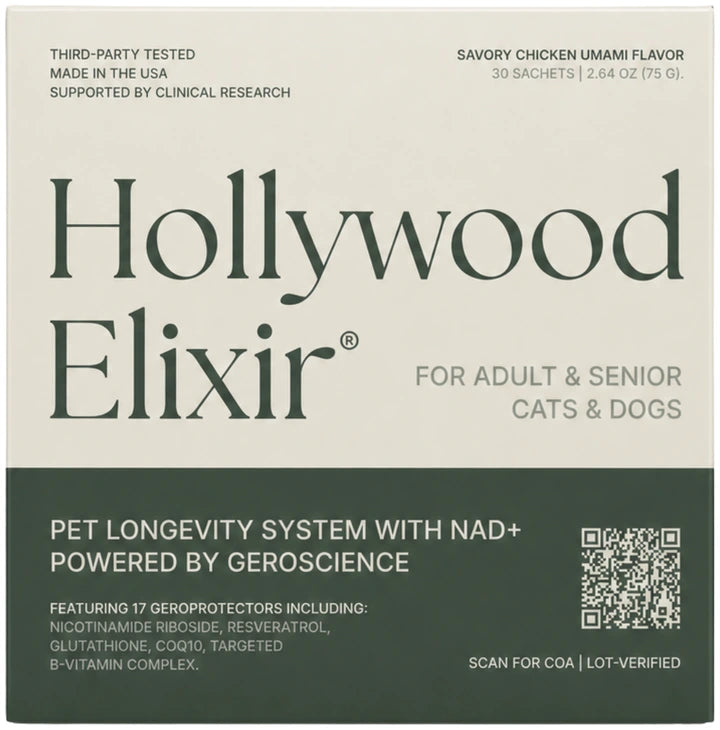
For owners who want one daily layer to pair with a strong diet and routine, Hollywood Elixir™ is designed to support normal aging pathways as part of a daily plan. It can be considered alongside vet guidance when the goal is broad support for comfort, engagement, and restoration pace rather than a single-ingredient experiment.

Do senior dogs need supplements, or is a complete and balanced diet enough? For many older dogs, supplements are optional unless you can point to a specific, observable change or a veterinarian-identified need. Use this quick eligibility triage: if your dog is eating well, maintaining a steady weight, has normal stool, and moves comfortably day to day, adding supplements may be unnecessary right now. If you’re seeing changes, note which boxes apply: slower rise after rest, less interest in walks, stiffness, new picky eating, vomiting/diarrhea, increased thirst/urination, coughing, confusion at night, or unexplained weight loss. Those patterns help sort “reasonable to consider” from “pause and investigate.” Vet-first scenarios include sudden weakness or collapse, trouble breathing, repeated vomiting/diarrhea, black/tarry stool, seizures, severe pain, rapid weight loss, or any new symptom in a dog with chronic disease or on multiple medications. If a vet is already managing a diagnosis, supplements may be appropriate—but only as part of that plan, not as a substitute for finding the cause.

By La Petite Labs Editorial, ~15 min read

Featured Product:

  • Senior dogs do not automatically need supplements; they need a clear, trackable reason tied to diet and routine.
  • Start with the foundation: a complete diet, stable calories, and weight control before adding any “anti-aging” layer.
  • Focus on 1–2 primary goals (most often joints and cognition) so changes can be judged without guesswork.
  • Use senior dog supplements explained as a decision tree: diet adequacy → targeted support → multi-ingredient formulas only if the goal is broad and measurable.
  • Track shift indicators like warm-up time, stair hesitation, nighttime wake-ups, and engagement with familiar cues.
  • Avoid common mistakes: starting multiple products at once, double-dosing, and ignoring GI side effects or calorie creep.
  • Bring videos, a supplement list, and two success markers to the veterinarian to choose the best supplements for aging dogs for that individual.

5 Situations Where Supplements Are Reasonable (and 5 Where They’re Not)

Supplements make the most sense when there’s a clear “why” and a way to monitor whether they help.

Reasonable situations:
1) Restricted diet (home-cooked, limited-ingredient, renal/hepatic diets) where meeting micronutrients is harder.
2) Poor appetite or chewing difficulty that reduces intake of a complete and balanced diet.
3) Diagnosed conditions with a vet-led plan (e.g., osteoarthritis, cognitive change, GI disease) where add-ons are used as supportive care.
4) Recovery periods (surgery, injury, illness) when intake and body condition are being closely tracked.
5) Confirmed deficiencies or lab-supported needs (German, 2025).

Not reasonable right now:
1) Unknown illness: new symptoms without a diagnosis-first workup.
2) Polypharmacy (multiple meds/supplements) without veterinary review—interaction risk rises quickly.
3) Already eating a fortified, complete and balanced senior diet plus multiple “extras,” where benefits are unclear.
4) High risk of fat-soluble overdose (vitamins A, D, E, K) from stacking products or using human formulations.
5) “More is better” dosing or combining similar products that duplicate the same nutrients.

If you can’t define the goal (pain score, mobility, stool, appetite, weight), it’s usually too early to add another variable.

Energy production graphic tied to antioxidant protection supported by best supplements for aging dogs.

Diet Adequacy Mini-Audit (10 Questions to Answer First)

Before adding anything, run this 10-question mini-audit and write down your answers:
1) Does the main food include an AAFCO statement for the dog’s life stage (adult or senior)?
2) How many calories is your dog eating daily (estimate from the label + measuring cup/scale)?
3) Is protein adequate for your dog’s current body condition and vet guidance?
4) What percentage of daily calories comes from treats (aim to calculate; many dogs exceed 10%)?
5) How often are table scraps or “toppers” added, and are they consistent day to day?
6) Are dental chews counted as treats (and do they cause loose stool)?
7) Is feeding consistent (same food, same amount, same schedule) for at least 2–3 weeks?
8) What is stool quality most days (formed, soft, mucus, straining, diarrhea, constipation)?
9) What is the weight trend over the last 4–8 weeks (stable, up, down, unknown)?
10) Has water intake changed (more, less, accidents in the house)?

If you can’t answer several of these, fix measurement and consistency first; it often clarifies whether supplements are even relevant (German, 2025).

Close-up DNA helix tied to cellular integrity and support from senior dog supplements explained.

Choose One or Two Primary Goals: Joints or Brain

The two most common reasons owners explore supplements in older dogs are joint comfort and cognitive aging. These are not just “getting old” issues; they reflect changes in cartilage wear, inflammation signaling, and brain energy use. Evidence reviews suggest some enriched diets and nutraceutical approaches can support cognitive function in aging pets, but results vary by formulation and study design (Blanchard, 2025). That variability is why targeted goals and tracking matter more than chasing a long ingredient list.

A useful household observation is whether the dog’s day has become smaller: fewer room-to-room follow-ups, less interest in toys, or more confusion around familiar cues. For joints, watch for “warm-up time” after rest and whether the first five minutes of a walk look more choppy than the last five. Those patterns help separate normal aging from a problem that deserves a focused plan.

Molecular ribbon graphic highlighting formulation science reflected in senior dog supplements explained.

A Realistic Household Scenario and the First Fixes

Case vignette: A 12-year-old mixed-breed starts hesitating at the back steps and seems “present but slower” in the evenings. The diet is unchanged, but the dog has gained two pounds and now sleeps more during family activity. In this scenario, senior dog supplements explained well means starting with weight and mobility basics, then deciding whether joint support, brain support, or both are realistic goals. A supplement is most useful when it is tied to one clear outcome.

The household routine change that often helps first is reducing impact: add a rug runner, raise food bowls if neck stiffness is suspected, and shorten walks into two more controlled outings. If those changes make the gait more fluid within two weeks, the “need” for supplements may be smaller than expected. If not, the dog has provided a strong signal that targeted support is worth discussing with a veterinarian.

Dog portrait capturing warmth and companionship supported through best supplements for aging dogs.

Omega-3s for Mobility: When They’re Worth Considering
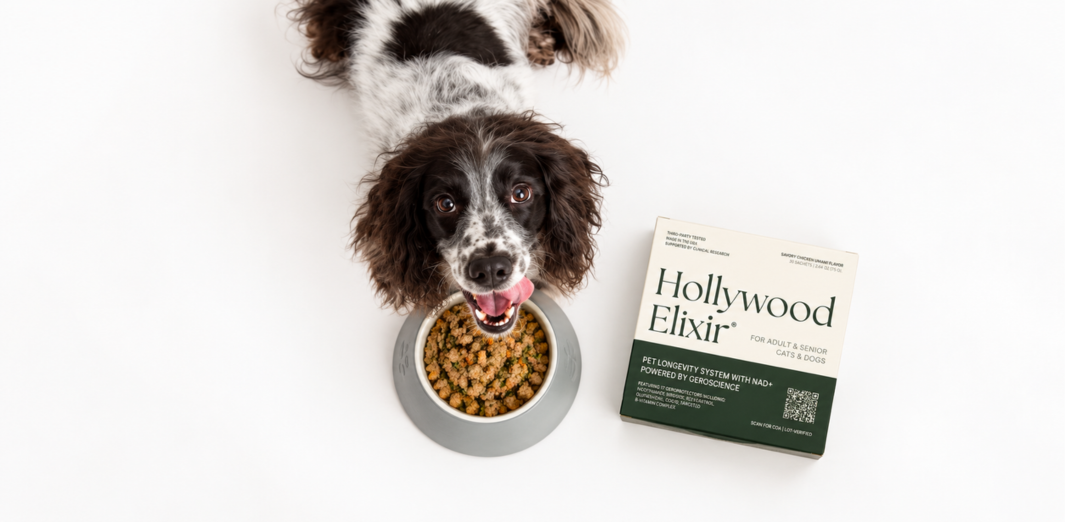
Omega-3 fatty acids (EPA/DHA) are among the most studied nutrition tools for older dogs with joint concerns. In osteoarthritic dogs, higher fish oil intake has been associated with improved clinical signs in dose-titration research, suggesting a relationship between intake and response (Fritsch, 2010). That does not mean every senior dog needs fish oil; it means omega-3s are a reasonable “targeted layer” when the goal is supporting normal joint function and comfortable movement.

Owners can make omega-3 use more meaningful by pairing it with a consistent movement plan. Keep walk length steady for two weeks, then compare how quickly the dog settles after activity and whether stairs look less choppy. If the dog is already on a therapeutic joint diet, adding more oils can also change calorie intake, so weight checks at home become part of the supplement decision.

Hollywood Elixir™ is amazing and makes my 13 y/o young again!

— Jessie

We go on runs. Lately he's been keeping up with no problem!

— Cami

“Supplements earn a place only when the goal is specific and trackable.”

Glucosamine and Chondroitin: Why Results Vary

Joint supplements often include glucosamine and chondroitin, but expectations should be realistic. Pharmacokinetic work in dogs shows these compounds can be measurable after oral dosing, yet absorption and exposure can be limited and variable (Adebowale, 2002). That helps explain why some dogs show noticeable changes while others do not, even with consistent use. The best supplements for aging dogs are the ones that match the dog’s specific problem and can be evaluated with a simple tracking plan.

A practical routine is to choose one joint product at a time and keep everything else stable—food, walk route, and flooring. If multiple products are started together, it becomes impossible to tell what helped or what caused stomach upset. Owners can also photograph the dog’s stance from the side once weekly; subtle posture shifts are easier to compare in images than in memory.

Weimaraner image reflecting strength and companionship supported by best supplements for aging dogs.

Brain Aging Support and Energy Flexibility

Brain aging is another common reason people look for anti-aging supplements for dogs. One proposed pathway is brain energy flexibility: some dogs may benefit when the brain has an alternative fuel source available. In a study of dogs with epilepsy, medium-chain triglyceride supplementation was associated with improved cognitive abilities, supporting the idea that ketone bodies can contribute to brain energy supply (Berk, 2021). This is not a promise for every senior dog, but it supports a targeted, brain-focused nutrition conversation.

At home, cognitive change is easiest to notice in routines: getting “stuck” behind furniture, delayed response to familiar cues, or waking at odd hours. Owners can test one simple cue daily (like “touch” or “sit”) and note response speed. If the dog is also stiff, it is important to separate pain-related reluctance from true confusion before choosing a supplement direction.

Canine profile image reflecting strength and steadiness supported by best supplements for aging dogs.

Owner Checklist: Signs That Support Might Be Helpful

Owner checklist for deciding whether supplements are worth exploring: (1) longer warm-up time after rest, (2) shorter endurance on normal walks, (3) more choppy transitions on slick floors, (4) new nighttime pacing or vocalizing, and (5) appetite changes that make balanced feeding harder. These signs do not diagnose a disease, but they clarify whether the goal is joint comfort, brain aging support, or diet consistency. That clarity is the heart of senior dog supplements explained in a way that leads to good decisions.

If two or more checklist items are present for more than two weeks, it is reasonable to plan a vet visit and bring notes. If only one item is present and mild, a routine reset—weight check, consistent walk schedule, and fewer high-calorie treats—may be the most effective first step. Supplements can be added later, but the baseline needs to be stable enough to judge change.

Supplement overview graphic emphasizing quality ingredients aligned with anti-aging supplements for dogs.

What to Track so Progress Is Not Guesswork

What to track rubric (compare between vet visits): (1) body weight weekly, (2) “first five minutes” gait quality after rising, (3) stair hesitation count per day, (4) time to settle after a walk, (5) nighttime wake-ups, and (6) interest in play or training cues. These shift indicators turn vague worry into usable data. They also help determine whether the best supplements for aging dogs are actually supporting the intended target or whether the plan needs to change.

A simple method is to keep a one-minute log on a phone note with the same categories each day. Owners can circle one “anchor walk” route and keep it consistent for a month. If the dog’s endurance drops despite stable weather and schedule, that is a meaningful signal. If endurance improves but nighttime rest stays choppy, the plan may need a different focus than joints alone.

The “Natural Means Safe” Myth and Real Toxicity Risks

A unique misconception is that supplements are automatically safer than medications because they are “natural.” In reality, overdoses and accidental ingestion can be dangerous, and a published case report describes severe toxicity after ingestion of a joint supplement with major metabolic derangements (Bunnell, 2023). Safety is not just about the ingredient; it is about dose, the dog’s size, other health conditions, and storage practices. Anti-aging supplements for dogs should be treated like any other health product: measured, supervised, and kept out of reach.

In the home, the most common risk is a chewable bottle left on a counter or in a bag. Use childproof storage, count chews, and keep a written list of everything the dog gets—including dental products and calming chews. If vomiting, weakness, or unusual thirst appears after a new supplement, stop it and call a veterinarian. A “more is better” approach is the opposite of a senior-friendly plan.

“A stable routine makes small changes easier to see and trust.”

Clinical branding image reflecting trust and validation behind anti-aging supplements for dogs.

How to Prepare for a Vet Visit About Supplements

Vet visit prep works best when it is specific. Bring a list of current foods, treats, and supplements, plus the tracking rubric results. Ask: (1) “Is weight contributing to joint load?” (2) “Could pain be driving the behavior changes?” (3) “Are there lab results that change supplement choices?” and (4) “Which single supplement layer should be tried first, and what would success look like?” Evidence reviews in canine osteoarthritis note substantial heterogeneity across products and outcomes, so choosing one vetted option matters (Barbeau-Grégoire, 2022).

Owners can also record two short videos: rising from a bed and walking away on a hard surface. Those clips help the veterinarian judge gait changes that are hard to describe. If cognitive concerns are present, note the time of day they occur and whether they follow exercise or long naps. The goal is a clean handoff: clear observations, clear priorities, and a plan that can be evaluated.

Shop Now
Curated ingredient scene highlighting bioactive blend supporting senior dog supplements explained.

Common Mistakes That Make Supplement Plans Backfire

What not to do: (1) start three new products at once, (2) combine multiple fish oil sources without counting calories, (3) assume a “senior” label means the diet is complete for that individual dog, and (4) keep using a supplement that causes persistent diarrhea or appetite loss. Another common mistake is switching foods weekly while also adding supplements; the gut never gets a stable baseline. When senior dog supplements explained are used correctly, they sit on top of a steady routine rather than replacing it.

A safer pattern is to change one variable, then watch for two to four weeks. If the dog is picky, avoid “topping” meals with many rich add-ons that unbalance the diet. Use measured portions, and keep treats consistent. If a supplement is chewable and highly palatable, treat it like a high-value food item and store it accordingly.

Shop Now
Woman with Hollywood Elixir box in cozy setting aligned with senior dog supplements explained.

When Multi-ingredient Formulas Make Practical Sense

Multi-ingredient formulas can make sense when the goal is broad aging support, but they should still be chosen with a “why” and a tracking plan. Research on enriched diets and nutraceuticals for cognitive aging suggests potential benefits in some contexts, while also emphasizing limitations and variability across studies (Blanchard, 2025). That means owners should look for clear labeling, consistent dosing instructions, and a company that can explain quality control. The best supplements for aging dogs are not the most complicated; they are the most accountable.

In daily life, multi-ingredient products are easiest to use when they fit into one predictable moment—after breakfast, with a walk, or during evening wind-down. If administration becomes a struggle, the plan fails even if the formula is thoughtful. Owners can also decide in advance what counts as “working,” such as fewer stair pauses or more controlled nighttime rest, and stop the product if that target does not shift after a reasonable trial.

Shop Now

What Success Looks Like for Joints and Cognition

“What success looks like” should be modest and observable. For joints, success may be a more fluid start to walks, fewer slips on turns, or a shorter warm-up period. For brain aging, success may be fewer episodes of getting stuck, more controlled sleep-wake patterns, or better engagement with familiar cues. Fish oil studies in dogs with osteoarthritis have evaluated clinical signs and pain-related outcomes, supporting the idea that measurable change is possible, even if it is gradual (Hielm-Björkman, 2012).

Owners can choose two success markers and ignore the rest for a month. If everything is tracked, nothing is clear. A calendar check-in every Sunday—weight, one mobility note, one behavior note—keeps the plan realistic. If success markers move in the right direction but the dog’s appetite worsens, the plan may need a different product form or a diet-first reset.

A Layered Daily Plan Beats a “Longevity Pill”

Some owners ask about anti-aging supplements for dogs as if there is one “longevity pill.” The more vet-respectable approach is layered: diet adequacy, weight control, daily movement, then targeted nutrients that support normal function in the areas showing strain. This approach also reduces the chance of chasing symptoms that are actually driven by pain, dental disease, or an unbalanced feeding pattern. Supplements are most defensible when they are part of a daily plan with clear endpoints.

A practical routine layer is to make movement more frequent but gentler: two shorter walks, a few minutes of controlled sniffing, and a warm bed that supports easy rising. If the dog is slipping, nail trims and traction mats can change comfort quickly. When these basics are in place, it becomes easier to judge whether senior dog supplements explained as “support layers” are adding value or just adding complexity.

Benchmark graphic emphasizing formulation depth and rigor behind anti-aging supplements for dogs.

How to Spot Quality in a Crowded Supplement Market

Quality signals matter because supplement labels can look similar while formulations differ. Look for transparent ingredient amounts, lot tracking, and a clear contact channel for questions. Be cautious with products that promise dramatic changes or use vague “proprietary blends,” since that makes it hard to compare between vet visits. Evidence in joint and cognitive nutrition is mixed across products, so the brand’s accountability becomes part of the decision (Barbeau-Grégoire, 2022).

At home, quality also means practicality: a product the dog reliably takes, that does not upset the stomach, and that fits the household schedule. Owners can keep the bottle label photo in the phone for quick reference at appointments. If a dog has multiple caregivers, write the dosing time on a whiteboard to avoid double-dosing. Consistency is a safety tool as much as a convenience.

Shop Now
Open box with Hollywood Elixir inside, reinforcing senior dog supplements explained premium cues.

How Supplements Interact with Calories, Appetite, and Stools

Some supplements interact with the bigger plan by changing calories, appetite, or stool quality. Fish oils, for example, add energy density; if weight creeps up, joint load increases and mobility can look worse even if inflammation signaling is better supported. That is why the best supplements for aging dogs are chosen alongside a weight and activity plan, not separate from it. If a dog has chronic conditions or takes prescription medications, the veterinarian should review the full list before anything new is added.

Owners can set a “stop rule” before starting: persistent vomiting, ongoing diarrhea, refusal of meals, or sudden behavior change means the product is paused and the clinic is called. Keep the rest of the routine steady during that pause so the cause is easier to identify. This approach keeps supplementation from becoming a rolling experiment that never settles into something more controlled.

Shop Now

A Calm Decision Tree for Aging Support over Time

Putting it together: senior dog supplements explained in a practical way start with the foundation, then add one layer at a time. If the diet is complete and the dog’s weight, stools, and daily comfort are stable, supplements may be optional. If joints or cognition are changing, targeted options—often omega-3s for mobility or brain-focused nutrition strategies—can be discussed with a veterinarian and evaluated with tracking (Fritsch, 2010). The goal is not perfection; it is a plan that supports normal function and can be adjusted.

A good next step is to choose one priority: “more fluid movement” or “more controlled sleep and engagement.” Then pick two markers to compare between vet visits and commit to a consistent routine for a month. If the markers shift, keep going; if they do not, simplify and reassess. Aging support works best when it is calm, measurable, and built to last.

“One layer at a time prevents confusion and protects safety.”

Educational content only. This material is not a substitute for veterinary advice. Always consult your veterinarian about your dog’s specific needs. These statements have not been evaluated by the Food and Drug Administration. Products mentioned are not intended to diagnose, treat, cure, or prevent any disease.

Glossary

  • Complete and balanced diet - A food formulated to meet established nutrient requirements for a life stage.
  • Therapeutic diet - A veterinary-directed food designed to support a specific medical goal (for example, joint support).
  • Osteoarthritis (OA) - Degenerative joint condition that can cause stiffness, pain, and reduced mobility.
  • Warm-up time - The minutes after rest when movement looks most choppy before becoming more fluid.
  • Shift indicators - Small, repeatable daily markers (like stair hesitation) used to compare between vet visits.
  • EPA/DHA - Omega-3 fatty acids commonly sourced from fish oil and used to support normal joint and brain function.
  • Glucosamine/chondroitin - Common joint supplement ingredients intended to support cartilage-related structures.
  • Medium-chain triglycerides (MCTs) - Dietary fats that can be converted into ketone bodies, an alternative energy source.
  • Cognitive aging - Age-associated changes in behavior, sleep-wake patterns, and responsiveness to familiar cues.

Related Reading

References

Berk. Medium-chain triglycerides dietary supplement improves cognitive abilities in canine epilepsy.. PubMed. 2021. https://pubmed.ncbi.nlm.nih.gov/33268017/

Blanchard. Enhancing cognitive functions in aged dogs and cats: a systematic review of enriched diets and nutraceuticals.. PubMed Central. 2025. https://pmc.ncbi.nlm.nih.gov/articles/PMC12181554/

Barbeau-Grégoire. A 2022 Systematic Review and Meta-Analysis of Enriched Therapeutic Diets and Nutraceuticals in Canine and Feline Osteoarthritis.. PubMed Central. 2022. https://pmc.ncbi.nlm.nih.gov/articles/PMC9499673/

Bunnell. Case report: Treatment of joint supplement toxicity resulting in acidemia, hyperglycemia, electrolyte derangements, and multiple organ dysfunction.. PubMed Central. 2023. https://pmc.ncbi.nlm.nih.gov/articles/PMC10347412/

Adebowale. The bioavailability and pharmacokinetics of glucosamine hydrochloride and low molecular weight chondroitin sulfate after single and multiple doses to beagle dogs.. PubMed. 2002. https://pubmed.ncbi.nlm.nih.gov/12214321/

Fritsch. Dose-titration effects of fish oil in osteoarthritic dogs.. PubMed. 2010. https://pubmed.ncbi.nlm.nih.gov/20707845/

Hielm-Björkman. An un-commissioned randomized, placebo-controlled double-blind study to test the effect of deep sea fish oil as a pain reliever for dogs suffering from canine OA.. PubMed Central. 2012. https://pmc.ncbi.nlm.nih.gov/articles/PMC3514349/

German. Exploratory analysis of nutrient composition of adult and senior dog diets.. PubMed Central. 2025. https://pmc.ncbi.nlm.nih.gov/articles/PMC12757753/

FAQ

Do older dogs always need supplements as they age?

No. Many older dogs do well on a complete diet plus a consistent routine, especially when weight and dental comfort are stable. Supplements are most useful when there is a specific goal—like supporting normal joint function or supporting aging-related behavior changes—and a way to track progress.

When senior dog supplements explained are used well, they are added one at a time, with clear “what success looks like” markers, rather than used as a general insurance policy.

What are the most common reasons seniors get supplements?

The most common reasons are mobility support (stiffness, slower rising, shorter endurance) and cognitive aging support (nighttime rest becoming more choppy, confusion in familiar spaces). Skin and coat concerns are also common, but they should be secondary unless there is a clear deficiency risk.

The best supplements for aging dogs are chosen to match one primary problem, so the household can judge whether the plan is working.

How can an owner tell diet is the real issue?

Clues include inconsistent stools, picky eating that leads to frequent food changes, weight gain despite “same portions,” or heavy treat intake that displaces balanced nutrition. A dog that leaves kibble behind but eats toppers may be getting calories without the intended nutrient balance.

Before adding anti-aging supplements for dogs, stabilize the base diet for a few weeks and track weight and stool quality so any supplement effect is easier to interpret.

What supplements are most evidence-supported for joint aging?

Omega-3 fatty acids (EPA/DHA) are commonly used for supporting normal joint function, and clinical studies in osteoarthritic dogs have reported improvements in signs with fish oil intake(Fritsch, 2010). Glucosamine/chondroitin are also widely used, but response can be variable.

A practical approach is to pick one joint strategy, keep activity consistent, and track warm-up time and stair hesitation for a month.

Do cognitive supplements help senior dogs with confusion?

Some enriched diets and nutraceutical approaches show evidence of supporting cognitive function in aging pets, but results vary across formulations and studies(Blanchard, 2025). That means a supplement is not a guaranteed fix, and it should be paired with a clear tracking plan.

Owners can track nighttime wake-ups, “getting stuck” episodes, and response speed to familiar cues to judge whether a brain-support plan is helping.

When should a senior dog start supplements by age?

There is no universal age. Large breeds may show mobility changes earlier, while smaller dogs may stay comfortable longer. The better trigger is function: changes in endurance, rising, stairs, sleep-wake patterns, or appetite consistency that persist for a couple of weeks.

If the question is “do senior dogs need supplements,” the most accurate answer is “only when the dog’s daily markers suggest a specific support gap.”

Are supplements safe for seniors with other health problems?

They can be, but safety depends on the dog’s diagnoses, medications, and the specific product. Older dogs are more likely to have multiple conditions, so the full list of foods, chews, and supplements should be reviewed with a veterinarian before starting anything new.

Also treat supplements like medications at home: store securely and avoid double-dosing across caregivers.

Can a dog overdose on “natural” joint chews?

Yes. “Natural” does not equal harmless, especially if a dog eats a large number of chewables. A published case report describes severe toxicity after ingestion of a joint supplement, with life-threatening metabolic abnormalities(Bunnell, 2023).

Store chewables like high-value treats in a closed cabinet, count doses, and call a veterinarian or poison hotline immediately if a large ingestion is suspected.

How long does it take to see supplement results?

Timelines depend on the goal and the product. For mobility support, owners often watch for changes over several weeks while keeping walks and flooring consistent. For cognitive support, changes may be subtle and best seen by comparing weekly notes on sleep-wake patterns and engagement.

If nothing shifts after a reasonable trial and the routine is stable, the plan may need simplification or a different target rather than adding more products.

What quality signals matter when choosing a supplement?

Look for transparent ingredient amounts, clear dosing directions, lot tracking, and a company that can answer questions. Be cautious with vague “proprietary blends,” dramatic promises, or products that do not list amounts for key ingredients.

Senior dog supplements explained through quality signals means choosing accountability first, then deciding whether the formula matches the dog’s specific goal.

Should supplements be given with food or on an empty stomach?

Many supplements are easier on the stomach when given with a meal, but the best approach depends on the product’s directions and the dog’s GI sensitivity. If a supplement causes nausea or loose stool, giving it with food and splitting the dose (if allowed) may help.

If GI signs persist, stop the product and ask a veterinarian before trying a different one.

Can Hollywood Elixir™ replace a senior diet?

No. A supplement is not a complete diet, and it should not be used to “patch” an unbalanced feeding plan. The foundation is a complete food that matches the dog’s calorie needs and chewing comfort.

As one daily layer, Hollywood Elixir™ can be considered as part of a plan that supports normal aging pathways alongside diet, movement, and veterinary guidance.

Is it okay to combine multiple senior supplements together?

Sometimes, but it is rarely the best first move. Combining products increases the chance of double-dosing overlapping ingredients and makes side effects harder to trace. It can also add calories (especially with oils), which matters for joint load.

A cleaner strategy is one change at a time, with two success markers and a stop rule if GI upset or appetite changes appear.

What should be tracked to judge if a supplement works?

Pick a few shift indicators tied to the goal. For joints: warm-up time after rest, stair hesitation, and the first five minutes of a walk. For cognition: nighttime wake-ups, getting stuck episodes, and response speed to familiar cues.

Tracking turns “best supplements for aging dogs” into a testable question: did the dog’s daily function become more controlled in a specific way?

Are there supplements that support both joints and brain aging?

Some multi-ingredient formulas are designed to support multiple aging pathways at once, which can be appealing when a dog has both mobility and behavior changes. The tradeoff is that it becomes harder to identify which component is helping or causing side effects.

If a broad approach is chosen, keep the rest of the routine stable and track one joint marker and one cognition marker for clarity.

How does Hollywood Elixir™ fit into a daily plan?

It fits best as a consistent, once-daily layer that supports normal aging pathways alongside a complete diet and a realistic movement routine. It should not be treated as a standalone fix for pain, confusion, or disease.

If considering Hollywood Elixir™, define success first (for example, more fluid starts to walks or more controlled nighttime rest) and review the full supplement list with a veterinarian.

Do large breeds need different supplement strategies than small breeds?

Often, yes. Large breeds may show mobility strain earlier because joint load is higher, so weight control and traction changes can matter as much as any supplement. Small breeds may show dental or appetite-related feeding challenges that change how nutrients are delivered.

The best supplements for aging dogs are chosen by function and lifestyle, not just by size.

Are senior dog supplements the same as cat supplements?

No. Dogs and cats differ in nutrient requirements and in how certain ingredients are tolerated. Products labeled for dogs should not be assumed safe or appropriate for cats, and vice versa. Even within dogs, individual conditions and medications can change what is appropriate.

For multi-pet households, store species-specific products separately to prevent mix-ups and accidental dosing.

What questions should be asked at the vet about supplements?

Ask which single goal matters most right now (mobility vs cognition), whether weight or pain is driving behavior changes, and whether any lab findings change supplement choices. Also ask what timeline is reasonable and which side effects should trigger stopping.

Bring videos of rising and walking, plus a complete list of foods and chews, so the plan is based on real daily context.

When is it urgent to call a vet after starting one?

Call promptly for repeated vomiting, severe diarrhea, collapse, marked weakness, or signs a dog may have eaten a large number of chewables. Also call if thirst or urination changes suddenly after a new product, or if the dog refuses meals for more than a day.

If the concern is accidental ingestion, bring the bottle and estimated count so the clinic can respond efficiently.

What is a simple decision framework for aging support?

Step 1: confirm the diet is complete and calories match the dog’s current activity. Step 2: stabilize routine (traction, walk schedule, sleep environment). Step 3: pick one target (joints or cognition) and one supplement layer. Step 4: track two markers for several weeks.

This answers “do senior dogs need supplements” with a practical test: if the markers shift in a more controlled direction, the layer is earning its place.

5K+ Happy Pet Parents

Excellent 4.8

Do Senior Dogs Need Supplements | Why Thousands of Pup Parents Trust Hollywood Elixir™

"He seems more happy overall. I've also noticed he has more energy which makes our walks and playtime so much more fun."

Olga & Jordan

"He's got way more energy now! We go on runs pretty often; he use to get tired halfway through, but lately, he's been keeping up without any problem."

Cami & Clifford

"I want her to live forever. She hasn't had an ear infection since!"

Madison & Azula

"It helps with her calmness, her immune system. I really like the clean ingredients. Highly recommend La Petite Labs!"

Maple & Cassidy

"He seems more happy overall. I've also noticed he has more energy which makes our walks and playtime so much more fun."

Olga & Jordan

"He's got way more energy now! We go on runs pretty often; he use to get tired halfway through, but lately, he's been keeping up without any problem."

Cami & Clifford

"I want her to live forever. She hasn't had an ear infection since!"

Madison & Azula

"It helps with her calmness, her immune system. I really like the clean ingredients. Highly recommend La Petite Labs!"

Maple & Cassidy

"He seems more happy overall. I've also noticed he has more energy which makes our walks and playtime so much more fun."

Olga & Jordan

"He's got way more energy now! We go on runs pretty often; he use to get tired halfway through, but lately, he's been keeping up without any problem."

Cami & Clifford

"I want her to live forever. She hasn't had an ear infection since!"

Madison & Azula

"It helps with her calmness, her immune system. I really like the clean ingredients. Highly recommend La Petite Labs!"

Maple & Cassidy

"He seems more happy overall. I've also noticed he has more energy which makes our walks and playtime so much more fun."

Olga & Jordan

"He's got way more energy now! We go on runs pretty often; he use to get tired halfway through, but lately, he's been keeping up without any problem."

Cami & Clifford

"I want her to live forever. She hasn't had an ear infection since!"

Madison & Azula

"It helps with her calmness, her immune system. I really like the clean ingredients. Highly recommend La Petite Labs!"

Maple & Cassidy

SHOP NOW