Immune Support for Sickly or Older Dogs

Match nutrients to immune, gut, liver, and joint needs in senior dogs

By La Petite Labs Editorial 15 min read

Should an older dog’s health plan include joint, gut, and immune support? In most cases, yes — those three wear together in senior dogs, so steadying all three usually means fewer flare-ups and faster recovery than chasing any one alone. This page focuses on the immune side, where “always sick” signals too much daily load, not a system that needs pushing harder.

Frequent infections, recurring diarrhea, or a dog that “takes forever to bounce back” point to the usual drivers of older-dog immune health: barrier problems in skin, gut, and mouth, plus disrupted sleep and chronic pain. We follow a triage path — what owners notice first, what else could explain it, what’s most likely, and what to document for the vet. Supplements can be a supporting layer, and specific ingredients have real evidence (beta-glucans, medicinal mushrooms, glutathione), but they work best after the main burden is found and routines are stable.

  • Yes, a senior plan usually benefits from joint, gut, and immune support together — they decline as a set, so a balanced plan beats over-focusing on one.
  • The goal is resilience, not “boosting”: fewer infections and faster recovery, by lowering daily immune load from gut, mouth, and skin barriers.
  • Frequent infections rarely mean a “weak” immune system — imbalance and chronic irritation (allergies, dental disease, gut upset) are the common drivers.
  • Evidence-backed ingredients exist: beta-glucans have canine data on immune markers; medicinal mushrooms and glutathione support fit the resilience frame — but none replace finding why infections recur.
  • Run any supplement as a single-change trial (especially in sensitive dogs or IBD); keep food stable and stop/document any itch, vomiting, or diarrhea.
  • Track weekly: flare days, stool score, appetite, sleep, recovery time after stress, and antibiotic/steroid courses — then hand the log to your vet.

When “Always Sick” Is Really a Resilience Problem

When a dog seems “always run down,” the pattern usually shows up as frequent minor infections, longer recovery after routine stress, or flare-ups after boarding or grooming. In immune support aging dogs, the key idea is not a stronger immune attack, but better resilience: enough depth and overhead to respond without tipping into exhaustion. Aging shifts immune signaling, but the biggest day-to-day driver is often load—dental bacteria, gut irritation, skin barrier breaks, and poor sleep all keep defenses busy. (see our Dog Life Stages →)

At home, owners often notice “small” changes first: a dog that naps more but sleeps lightly, licks paws more, or takes longer to bounce back after a walk. Those clues matter because they point to where the immune workload is coming from. The most useful first step is to write down what is happening, how often, and what preceded it, rather than adding multiple supplements for sick dogs immunity all at once.

Common Patterns Owners Notice and What They Can Mean

Owners commonly label a dog “sickly,” but the underlying causes differ. Recurring ear infections can reflect allergies or moisture; repeated diarrhea can reflect diet sensitivity or stress; frequent coughs can reflect airway irritation or heart disease. Older dog immune health also intersects with chronic inflammation from dental disease and arthritis, which can drain stamina and slow renewal rate. A careful differential prevents chasing the wrong target with immune products.

A practical home checklist helps sort patterns before the next appointment: (1) number of infections or antibiotic courses in 6–12 months, (2) stool consistency changes after treats or travel, (3) ear odor/itching after baths or swimming, (4) gum redness or bad breath, (5) new lumps, weight loss, or reduced appetite. These observations guide which tests matter most and keep immune support for sickly or older dogs grounded in real triggers.

Most Likely Drivers: Daily Burden over True “Weak Immunity”

The most common “most likely” explanation for frequent setbacks in older dogs is cumulative burden rather than a single immune defect. The gut and mouth are constant contact points with microbes, and when their barriers are irritated, the immune system stays on-call. Vitamins help regulate gut immunosurveillance and maintain immune balance, so deficiencies or poor absorption can quietly lower overhead during stress (Hosomi, 2017). That is why resilience plans often start with diet quality and digestion, not a dramatic immune stimulant.

In the household, this looks like a dog that does “okay” until a trigger stacks up—guests, fireworks, a new chew, then loose stool and an ear flare. Instead of changing everything, keep meals consistent for two weeks, limit rich treats, and protect sleep routines. If the dog is on multiple medications, avoid adding new supplements without a vet review; stacking can create a more uneven response than the original problem.

Gut-immune Links That Shape Real-world Resilience

Aging immunity is tightly linked to the gut, so a calmer gut often does more for resilience than any “immune” ingredient. Probiotics get discussed as immune support, but the effects are strain- and context-dependent — what helps is a quieter interface: fewer inflammatory alarms, better stool quality, more predictable appetite (Yang, 2023). That stability frees immune attention for real threats.

Use food and routine as the lever. Pick one complete diet, stop brand-hopping, and introduce any probiotic or fiber slowly while watching stool and gas. Chronic diarrhea is not a “more probiotics” problem — some dogs need a workup first. A simple log of meals, treats, and stool score usually reveals the pattern faster than guesswork.

Beta-glucans and Immune Markers: What the Dog Data Shows
Beta-glucans are one of the more studied immune-modulating fibers in dogs, with research showing measurable changes in antibody markers after oral supplementation (Stuyven, 2010). Another canine study evaluated oat beta-glucan specifically as a dietary supplement with immune-related outcomes (Ferreira, 2018). These findings fit the resilience framing: certain fibers may help support normal immune signaling rather than forcing a stronger response. Still, “natural” does not mean universally tolerated.

For a dog that is older or frequently unwell, the safest approach is to introduce one new ingredient at a time and document changes for the vet. Watch for itch, vomiting, loose stool, or restlessness in the first week. If the dog has inflammatory bowel disease or a history of food reactions, extra caution is warranted; adverse reactions to yeast beta-glucan have been reported in dogs with IBD (Amaral, 2026).

“Resilience is fewer flare days and a faster return to normal.”

A Key Misconception That Leads to the Wrong Purchases

The misconception that derails the most plans: “if a dog gets infections, the immune system is weak, so boost it.” Usually the opposite is true. Older-dog immune trouble is more often imbalance — too much background activation from allergies, dental disease, or gut irritation, paired with slower recovery after stress. Pushing the immune system harder misses the real fix: lowering the everyday load and supporting barrier tissues.

At home this looks like rapid supplement stacking — a new probiotic, then an “immune chew,” then herbal blends — while diet and dental care stay untouched, which often just leaves a more uneven stomach. The better move is to pick one target (gut consistency, skin barrier, or oral health), work it for several weeks, and only then decide what else is needed.

Case Vignette: the Senior Dog with Repeat Skin Flares

Case vignette: A 12-year-old small-breed dog starts needing antibiotics twice a year for skin pustules and has “off and on” soft stool. The owner adds multiple supplements for sick dogs immunity, but the dog becomes gassy and picky with meals. At the vet visit, a dental exam reveals significant tartar and gum inflammation, and a diet history shows frequent high-fat treats after evening walks.

In this scenario, resilience improves most when the daily burden is reduced: dental treatment, treat changes, and a slow, single-variable gut plan. Owners can still consider immune support aging dogs, but it becomes a supporting layer rather than the main strategy. The household win is a dog that recovers faster after routine stress because fewer background fires are burning.

What to Track so Progress Is Clear, Not Hopeful

What to track matters more than what to buy. For older dog immune health, the best rubric focuses on outcomes that reflect resilience: (1) days to recover after boarding, vaccines, or grooming, (2) number of itch/ear flare days per month, (3) stool score and urgency, (4) appetite consistency, (5) sleep disruption at night, (6) frequency of licking/chewing paws, (7) antibiotic or steroid courses per year. These markers show whether the plan is gentler and more balanced.

Use a simple calendar and rate each marker weekly. Bring the log to the vet; it helps separate “better for two days” from a real shift in renewal rate. If a supplement is added, keep everything else stable for at least two weeks so cause and effect are clearer. This approach prevents the common trap of changing food, treats, and supplements simultaneously.

Vet Visit Prep: the Details That Change the Plan

Vet visit prep is most effective when it is specific. Bring: the timeline of infections (site, treatment, response), photos of skin or ear changes, stool notes, and any supplement labels. Ask targeted questions: “Could dental disease be adding immune load?”, “Do these episodes fit allergy, endocrine disease, or something else?”, “Which tests would change the plan first?”, and “What signs would mean this is urgent?” Nutraceuticals are best viewed as adjuncts, not replacements, in immune-mediated conditions (van Amersfort, 2023).

Also share practical constraints: the dog’s willingness to take pills, budget for diagnostics, and whether other pets share food. This helps the veterinarian choose a plan that is realistic enough to follow for months. For immune support for sickly or older dogs, the best handoff is a clear story of triggers, recovery time, and what has already been tried.

What Not to Do When a Dog Seems Immunologically Fragile

What not to do: (1) do not use leftover antibiotics “just in case,” because partial courses can blur diagnosis and worsen future options; (2) do not start an immune supplement on the same day as a new diet; (3) do not assume chronic bad breath is “normal aging”; (4) do not ignore repeated yeast ear infections as purely cosmetic. These mistakes keep the immune system under constant stress and reduce overhead.

Another common misstep is chasing a single magic ingredient. A dog’s resilience is built from sleep, pain control, oral care, gut consistency, and appropriate exercise. Supplements for sick dogs immunity can be part of that plan, but only when the basics are stable. If the dog becomes more itchy, vomits, or has looser stool after a new product, stop it and document the timing for the vet.

“Lower the daily burden before adding new immune signals.”

La Petite Labs

DVM Voice: Clinical Vignette of a Common Pattern in Senior Dog Aging

Case provided by JoAnna Pendergrass, DVM

Rex, a 7-year-old Labrador Retriever, was brought in after his owner noticed he was slower to rise, hesitant on stairs, and less able to play as before. Examination showed stiffness and reduced hip mobility; radiographs confirmed degenerative joint changes.

His care required weight management, veterinary-guided pain control, nutritional support, and rehabilitation — a comprehensive plan, but one started only after visible decline appeared.

Clinical takeaway: Rex’s case reflects the value of proactive aging support: maintaining lean body condition, monitoring mobility early, and supporting cellular resilience, antioxidant defense, and healthy inflammatory balance before decline becomes obvious.

Single-case vignette. Not generalizable. Veterinary oversight is essential for pain, stiffness, or suspected joint disease.

Explore Hollywood Elixir Research →
resilience-first tracking and barrier-load reduction - 9

An Urgency Ladder: When to Stop Troubleshooting at Home

An urgency ladder helps owners decide when “immune support” is not the right next step. Same-day veterinary care is warranted for fever, labored breathing, repeated vomiting, blood in stool, collapse, or a rapidly spreading skin infection. In older dogs, subtle signs like sudden refusal to eat, marked lethargy, or confusion can also signal a deeper problem than routine immune strain. These are not situations to manage with supplements.

For non-urgent patterns—mild recurring ear itch, intermittent soft stool, slow recovery after stress—owners can document and plan. The goal is to arrive at the vet with a clean timeline and fewer confounders. That is how immune support aging dogs becomes a measured strategy rather than a reaction to every bad day.

resilience-first tracking and barrier-load reduction - 10

Nutrition Foundations That Support Older Dog Immune Health

Nutrition is the quiet foundation of older dog immune health. The immune system depends on adequate protein, essential fats, and micronutrients to maintain barrier tissues and immune balance. Vitamins play specific roles in gut immune homeostasis, linking diet quality to how the body interprets microbial signals (Hosomi, 2017). When appetite is inconsistent, even a “good” diet can become functionally incomplete, and resilience can thin out over time.

Owners can support nutrition without overcomplicating it: weigh the dog monthly, measure meals, and limit toppers that displace balanced food. If the dog is picky, ask the vet about dental pain, nausea, or medication effects before switching diets repeatedly. A consistent feeding routine often leads to less uneven stool and a calmer baseline—two outcomes that matter more than any single immune claim.

resilience-first tracking and barrier-load reduction - 11

Skin and Ear Barriers: the Front Line Owners Can See

Skin and ears are “front-line” immune organs. When the skin barrier is disrupted—by allergies, frequent bathing, or chronic licking—microbes take advantage, and the immune system spends its depth on constant cleanup. This is why many “sickly” dogs are actually itchy dogs with secondary infections. In immune support for sickly or older dogs, barrier care is often more effective than adding stronger immune signals.

At home, focus on gentle routines: dry ears after swimming, use vet-recommended ear cleaners if prescribed, and address paw licking early. Track flare triggers like seasonal pollen, new detergents, or grooming products. If antibiotics are needed repeatedly, ask whether allergy control or a skin cytology plan could reduce recurrence. The goal is fewer flare days, not a constant cycle of treatment and relapse.

Dental Disease as a Hidden Immune Workload

Oral health is an underestimated immune load in aging dogs. Inflamed gums and heavy tartar create a steady stream of bacteria and inflammation that can drain stamina and slow recovery after other stressors. Owners sometimes pursue supplements for sick dogs immunity while skipping dental evaluation because the dog still eats. Eating does not rule out pain or infection in the mouth.

Home observations that justify a dental discussion include drooling, pawing at the mouth, chewing on one side, new pickiness, or bad breath that returns quickly after brushing. Daily tooth brushing is ideal, but even a few times per week can reduce burden when done consistently. If brushing is not possible, ask the veterinarian about dental diets, chews, or professional cleaning timing based on the dog’s overall health.

Sleep, Stress, and Recovery Time in Senior Dogs

Stress and sleep are immune multipliers. Older dogs often sleep more hours but with lighter, more interrupted rest, which can leave less overhead for recovery. A dog that startles at night, paces, or wakes to drink may be signaling pain, cognitive change, or endocrine disease—issues that can masquerade as “low immunity.” Resilience planning includes making the body feel safe enough to rest.

Owners can support sleep by keeping bedtime consistent, offering a warmer bed for arthritic dogs, and limiting late-night high-salt treats that increase thirst. Note nighttime behaviors for the vet: pacing, panting, accidents, or vocalizing. When sleep improves, many dogs show a gentler baseline—better appetite, fewer flare days, and faster bounce-back after routine events.

Supplement Safety: Sensitive Dogs Need a Slower Approach

Supplement safety deserves the same seriousness as medication safety. Beta-glucans, for example, are often well tolerated, but case reports describe adverse or allergic reactions in individual dogs, including those with underlying gut disease (Marchi, 2025). That does not mean they are “bad,” but it does mean immune support aging dogs should be personalized. Any dog with chronic vomiting, IBD, or multiple allergies should start new supplements only with veterinary guidance.

A safe household method is a single-change trial: introduce one product, keep food and treats stable, and watch for itch, stool changes, or behavior shifts for 7–14 days. If a reaction occurs, stop and record the exact product and timing. This documentation helps the veterinarian decide whether the issue was an ingredient sensitivity, a dose problem, or unrelated coincidence.

Joint, Gut, and Immune Support: Building a Senior Dog Plan

A senior-dog plan that includes joint, gut, and immune support works best in three layers: reduce burden (dental, skin, and gut triggers, plus joint pain that quietly drains stamina), support the basics (a complete diet, sleep, and mobility/pain control), then consider targeted additions. Probiotics may help gut function in some dogs, strain- and situation-dependent (Yang, 2023). Beta-glucans have canine data on immune markers, but they do not diagnose why infections recur (Stuyven, 2010).

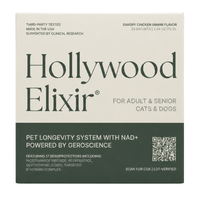
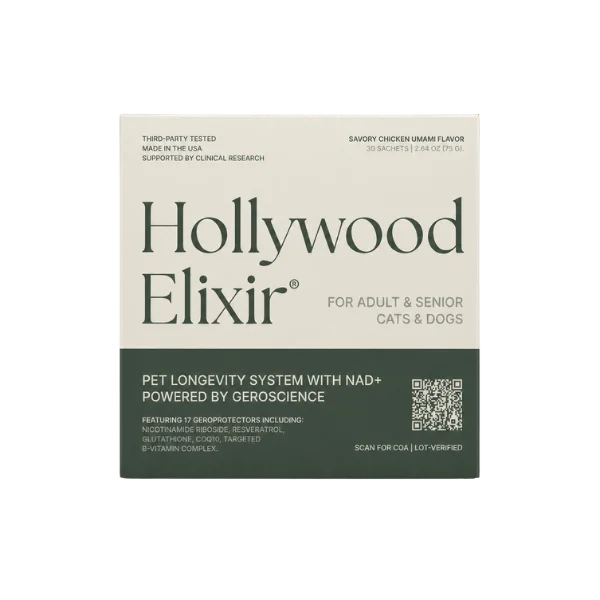
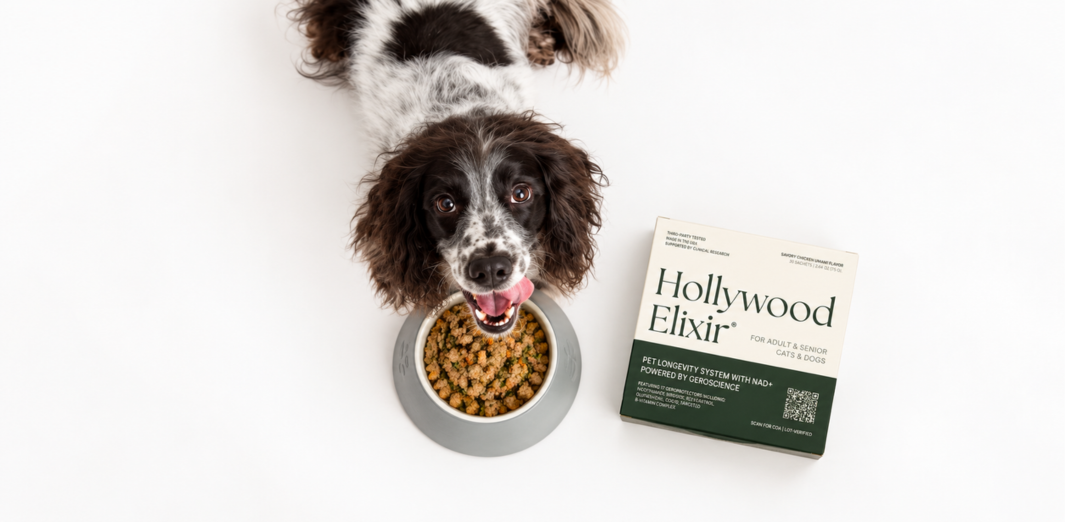
If you want one daily layer rather than a stack of single-ingredient products, Hollywood Elixir is the longevity-lane fit for the immune side: it discloses beta-glucans at 50 mg and reishi mushroom at 25 mg per sachet, alongside quercetin 25 mg and glutathione 50 mg — the immune-and-antioxidant actives this page keeps pointing to, in visible amounts you can show your vet. It is daily support for resilience, not an immune “boost” and not a substitute for treating the underlying burden. Add one layer at a time, track the outcome cues, and decide whether the next layer is needed — a calmer plan usually beats an aggressive routine the dog cannot tolerate.

Defining Success: Fewer Setbacks, Faster Bounce-back

When owners think about immune support for sickly or older dogs, it helps to define success as fewer setbacks and a faster return to normal. That means fewer flare days, shorter recovery time after stress, and less need for repeated medications. The immune system is not a single switch; it is a set of coordinated barriers, signals, and repair processes that need enough depth to handle daily life.

A good next step is to choose one measurable goal for the next month—such as stool consistency, ear comfort, or sleep quality—and track it weekly. Bring the log to the veterinarian and ask which underlying burdens are most likely in this dog. With that foundation, supplements for sick dogs immunity can be used as a supporting layer, not a last-minute rescue.

“Track recovery time; it reveals more than a single bad day.”

Educational content only. This material is not a substitute for veterinary advice. Always consult your veterinarian about your dog’s specific needs. These statements have not been evaluated by the Food and Drug Administration. Products mentioned are not intended to diagnose, treat, cure, or prevent any disease.

Glossary

  • Resilience - The ability to handle stressors with shorter recovery time and fewer setbacks.
  • Immune load - The ongoing burden from chronic irritation (mouth, gut, skin) that keeps defenses busy.
  • Barrier tissue - Protective surfaces like skin and intestinal lining that reduce microbial entry and inflammation.
  • Renewal rate - How quickly the body returns to baseline after stress, illness, or inflammation.
  • Outcome cues - Practical, observable markers (stool score, flare days, sleep disruption) used to judge progress.
  • Single-change trial - Introducing one new variable at a time to identify what helps or causes side effects.
  • Beta-glucan - A fiber from yeast or oats that can interact with immune signaling pathways.
  • Probiotic strain - A specific type of beneficial microbe; effects depend on the exact strain and context.
  • Dental burden - Inflammation and bacteria from gum disease that add chronic stress to the body.

Related Reading

References

Stuyven. Oral administration of beta-1,3/1,6-glucan to dogs temporally changes total and antigen-specific IgA and IgM. PubMed. 2010. https://pubmed.ncbi.nlm.nih.gov/20032218/

Hosomi. The Specific Roles of Vitamins in the Regulation of Immunosurveillance and Maintenance of Immunologic Homeostasis in the Gut. 2017. https://www.mdpi.com/2076-3417/11/23/11384

Yang. Gut Probiotics and Health of Dogs and Cats: Benefits, Applications, and Underlying Mechanisms. 2023. https://www.mdpi.com/2501846

Ferreira. Oat beta-glucan as a dietary supplement for dogs. PubMed. 2018. https://pubmed.ncbi.nlm.nih.gov/30063762/

Van Amersfort. Evidence-base for the beneficial effect of nutraceuticals in canine dermatological immune-mediated inflammatory diseases - A literature review. PubMed. 2023. https://pubmed.ncbi.nlm.nih.gov/36938651/

Amaral. Adverse Reactions to Yeast Beta-Glucan Supplementation in Two Dogs with Inflammatory Bowel Disease. 2026. https://www.mdpi.com/2813-9372/3/1/7

Marchi. Allergic Reaction to Beta-Glucans in an Obese Dog: A Case Report of Confirmed and Suspected Sources. PubMed. 2025. https://pubmed.ncbi.nlm.nih.gov/40078087/

FAQ

What does immune support mean for older dogs?

For older dog immune health, “immune support” is best understood as resilience: fewer setbacks, shorter recovery time, and less background inflammation. It usually involves lowering daily immune load (mouth, gut, skin) and supporting basics like sleep, pain control, and complete nutrition.

This framing helps owners avoid chasing a stronger immune reaction and instead build depth and overhead so the dog can handle routine stress without spiraling into repeated flares.

Why do some dogs seem sickly as they age?

Many “sickly” older dogs are carrying extra burden: dental inflammation, itchy skin with secondary infections, gut irritation, chronic pain, or disrupted sleep. Any one of these can thin overhead and slow renewal rate, so small triggers lead to bigger setbacks.

Because the causes differ, immune support aging dogs works best when it starts with a clear timeline of what happens, how often, and what seems to set episodes off.

Is “boosting immunity” a good goal for senior dogs?

Usually not. In older dog immune health, the problem is often imbalance—too much background activation from allergies, dental disease, or gut irritation—rather than a simple lack of immune activity. Pushing the immune system harder can miss the real driver.

A better goal is a gentler, more balanced baseline: fewer flare days, better sleep, and faster bounce-back after routine stress.

Which signs should owners track for immune resilience?

Track outcome cues that reflect resilience: number of itch/ear flare days per month, stool score and urgency, appetite consistency, nighttime waking, and days to recover after grooming, boarding, or visitors.

Also document medication courses (antibiotics, steroids) and where infections occur (ears, skin, urinary tract). This turns “seems sickly” into a pattern a veterinarian can interpret.

When is it urgent instead of a supplement decision?

Seek same-day veterinary care for fever, labored breathing, collapse, repeated vomiting, blood in stool, or a rapidly spreading skin infection. In older dogs, sudden refusal to eat or marked lethargy can also signal a deeper issue.

These situations are not appropriate for experimenting with supplements for sick dogs immunity. Stabilization and diagnosis come first.

Do probiotics help with immune support in aging dogs?

They can support gut function in some dogs, but effects are strain- and context-dependent. Research in companion animals emphasizes that probiotics work through specific mechanisms at the gut lining, and results vary by product and situation(Yang, 2023).

For older dog immune health, the practical test is whether stool quality, gas, and appetite become more predictable over several weeks—without new itch or diarrhea.

What are beta-glucans, and why are they discussed?

Beta-glucans are fibers from sources like yeast or oats that can interact with immune signaling. In dogs, oral beta-1,3/1,6-glucan has been reported to temporarily change antibody markers such as IgA and IgM(Stuyven, 2010).

That makes them relevant to immune support aging dogs, but they are not a shortcut around diagnosing why infections or flares keep recurring.

Can beta-glucan supplements cause side effects in dogs?

Yes, individual dogs can react. Adverse reactions to yeast beta-glucan supplementation have been reported in dogs with inflammatory bowel disease(Amaral, 2026). Some dogs may also show allergy-type reactions depending on source and sensitivity(Marchi, 2025).

For supplements for sick dogs immunity, introduce one product at a time and stop if vomiting, diarrhea, or itch appears, then document timing for the veterinarian.

How long does it take to see results from immune support?

Most resilience changes are gradual. Stool consistency or gas may shift within 1–3 weeks after a single change, while fewer flare days or faster recovery after stress often takes 4–8 weeks of consistent routines.

If setbacks are frequent, the timeline may depend on addressing the main burden first (for example, dental disease or uncontrolled itch) rather than adding more products.

What should be brought to the vet for recurring infections?

Bring a timeline of episodes (site, dates, medications, response), photos of skin or ear changes, stool notes, and labels for any supplements. Include triggers like grooming, swimming, diet changes, or travel.

Ask which differentials fit best—allergy, endocrine disease, dental burden, or gut sensitivity—and which tests would change the plan first.

Are vitamins part of immune support for older dogs?

They can be, mainly through diet quality and absorption. Vitamins help regulate gut immunosurveillance and maintain immune homeostasis, linking nutrition to how the immune system interprets microbial signals(Hosomi, 2017).

Because most dogs should get vitamins from a complete diet, the practical focus is ensuring the dog is eating enough of that diet consistently and that chronic GI issues are evaluated rather than masked with toppers.

Should an older dog take multiple immune supplements together?

Stacking multiple products at once makes it hard to know what helped and increases the chance of stomach upset. For older dog immune health, a single-change trial is safer: one new product, stable diet, and a clear tracking plan.

If the dog is on prescription medications or has chronic disease, the veterinarian should review any supplement list for interactions and appropriateness.

How can dental disease affect immune resilience in senior dogs?

Inflamed gums and heavy tartar create a constant bacterial and inflammatory burden. That ongoing load can drain stamina and make recovery after other stressors slower, which owners may interpret as “low immunity.”

Bad breath, chewing on one side, drooling, or new pickiness are useful clues to document. Addressing oral health often makes other immune-support steps work better.

What quality signals matter when choosing a dog supplement?

Look for clear ingredient lists, lot numbers, and transparent manufacturing standards. Avoid proprietary blends that hide amounts, and be cautious with products that promise dramatic immune results.

For supplements for sick dogs immunity, the best “quality signal” is also practical: the product should be easy to give consistently without upsetting the dog’s stomach or appetite.

How should Hollywood Elixir™ fit into a resilience plan?

As part of immune support aging dogs, a disclosed aging-support formula is best positioned as a daily layer that supports normal cellular aging pathways and overall resilience, not as a targeted fix for infections. It fits most cleanly after basics are stable—consistent diet, sleep routine, dental plan, and itch or gut triggers addressed—so changes in outcome cues are easier to interpret.

Can Hollywood Elixir™ replace veterinary care for recurring infections?

No. Recurring infections need diagnosis to identify drivers like allergy, endocrine disease, dental burden, or chronic skin barrier disruption. If infections are frequent or severe, the safest next step is a veterinary workup and a tracking log to clarify triggers and recovery time.

Is immune support different for large-breed versus small-breed seniors?

The principles are similar—reduce burden, support basics, track outcomes—but the likely burdens can differ. Large breeds may show more mobility pain that disrupts sleep, while small breeds often carry heavier dental burden relative to size.

For older dog immune health, tailoring the plan to the dog’s most obvious load (mouth, gut, skin, pain) usually matters more than breed labels.

Can immune supplements be used in dogs with IBD?

They should be used cautiously and only with veterinary guidance. Dogs with inflammatory bowel disease can be more reactive to new ingredients, and adverse reactions to yeast beta-glucan have been reported in dogs with IBD(Amaral, 2026).

If a supplement is considered, a single-change trial with careful stool tracking is essential, and any vomiting, diarrhea, or itch should prompt stopping and contacting the veterinarian.

What is a sensible decision framework for immune support products?

Start by naming the main problem in plain terms (for example, “two ear infections and weekly itch” or “soft stool after stress”). Next, reduce the most likely burden (dental, diet triggers, skin barrier) and track outcome cues for 2–4 weeks.

Only then consider a single supplement, chosen to support the relevant area, and keep everything else stable so the result is interpretable.

How can Hollywood Elixir™ be given consistently to picky dogs?

Consistency matters more than intensity. If a veterinarian agrees it fits the plan, a disclosed aging-support formula can be offered the same way each day—mixed into a small portion of the regular meal or a consistent, low-fat topper—so appetite patterns stay readable. Avoid rotating multiple “special” foods to get a supplement in; that can create more uneven stool and make it harder to judge whether resilience is actually changing.

La Petite Labs

Discover LPL-01: How This Fits Into a Larger Canine Longevity System

Aging in dogs is not driven by a single pathway. It’s the result of interacting biological systems—energy metabolism, oxidative stress, immune signaling, and structural integrity—changing over time.

This article explores one piece of that puzzle. If you want to understand how these pieces connect—and what actually moves the needle—you need to zoom out.

Start with the underlying science: