My Dog Won’t Eat

Learn the Common Medical Reasons Dogs Stop Eating and What to Do First

Essential Summary

Why is it important to understand why my dog won’t eat?

When a dog won’t eat, the cause is often a mix of comfort, routine, and subtle health changes. Start with patterns—what’s refused, when, and alongside which symptoms—then address easy friction points like heat, stress, dental pain, or recent diet changes. If appetite loss persists or comes with lethargy, vomiting, or weight loss, involve your veterinarian early.

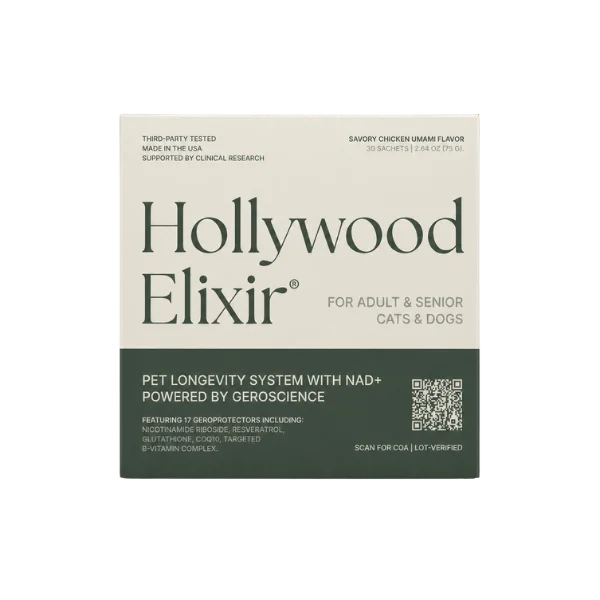
Hollywood Elixir™ is designed for system-level support as dogs age—helping maintain the broader metabolic network that influences energy, resilience, and day-to-day vitality. For dogs whose appetite feels more fragile over time, that whole-body foundation can matter as much as any single food change, especially when you’re trying to protect weight, routine, and comfort without constant diet hopping.

Few things unsettle a household faster than the moment you realize: my dog won’t eat. It’s not only about calories. It’s about the sudden break in a ritual that usually feels dependable—bowl down, tail wag, day continues. When that ritual fails, the mind goes straight to the hard questions: is this stress, pain, nausea, or something deeper?

Appetite sits at the intersection of senses, comfort, and physiology. A dog can refuse food because the kitchen is too loud, because a tooth hurts, because the weather is heavy, or because a new diet smells unfamiliar. Diet changes can temporarily reduce appetite, and palatability is influenced by a food’s nutrient composition. The same behavior can mean “I’m not hungry” or “I don’t feel safe” or “I feel sick.”

This page is designed to help you read the pattern without spiraling. You’ll learn what to watch for, what to change gently at home, and when to involve your veterinarian. And if you’re a science-minded owner wondering why a thoughtful supplement still matters when the issue looks like food, here’s the honest answer: appetite is often the first place broader resilience shows up. Supporting the whole system—energy, recovery, and the wear-and-tear of aging—can make it easier to maintain steady routines over time, which is where Hollywood Elixir™ fits: not as a replacement for good nutrition, but as support for the wider network that helps dogs stay well enough to want to eat.

By La Petite Labs Editorial, ~15 min read

Featured Product:

  • A skipped meal can be normal; a pattern of refusal is a signal worth decoding.
  • Separate “won’t eat this” from “won’t eat anything,” because the next steps differ.
  • Diet transitions, aroma, texture, and routine shifts commonly suppress appetite for a few days.
  • Dental discomfort and nausea often look like pickiness, especially when kibble is refused.
  • Season and age can change eating patterns, but “just getting older” shouldn’t mean steady decline.
  • Track intake, treats, water, and weight; clear notes make veterinary decisions faster and calmer.
  • Science-minded owners still choose system-level aging support when appetite is fragile, because resilience is broader than calories alone.

When Appetite Changes, the Small Details Start to Matter

When you’re thinking, “my dog won’t eat,” the first job is to separate preference from illness. A dog can skip a meal after a change in routine, a new bag of food, travel, or a stressful week. But a true dog loss of appetite is different: it tends to persist, it changes energy and mood, and it often comes with other small clues—less drinking, hiding, drooling, lip-licking, or a sudden refusal of treats.

Start by noticing what “won’t eat” really means in your home. Is your dog refusing everything, or only kibble? Eating half, then walking away? Eating at night but not in the morning? These patterns matter because they point toward nausea, dental discomfort, anxiety, heat, or simple palatability issues. Diet transitions can reduce appetite, and the nutrient profile of a food can influence acceptance (German K, 2025).

Close-up mitochondria render visualizing cellular resilience supported by dogs eat less as they get older.

Appetite as a Signal: Preference, Stress, Pain, or Illness

Appetite is a sensitive barometer. It responds to pain, stress, heat, hormones, infection, and even subtle changes in smell. That’s why loss of appetite in dogs can be one of the earliest signs that something is off—sometimes minor, sometimes meaningful. The challenge is that the same outward behavior (walking away from the bowl) can come from very different causes.

Think in layers. First: access and environment (fresh food, clean bowl, calm space). Second: palatability and routine (recent food switch, new treats, schedule changes). Third: health and comfort (mouth pain, nausea, fever, arthritis). If you move through these layers deliberately, you’ll be less likely to miss a medical issue—or to overreact to a one-off skipped meal.

DNA strand illustration representing antioxidant support pathways in do dogs eat less as they age.

Refusing Kibble Versus Refusing Everything: a Useful Distinction

A practical way to interpret dog loss of appetite is to ask: is your dog refusing food, or refusing this food? Many dogs will skip kibble yet accept chicken, cheese, or a high-value treat. That doesn’t automatically mean they’re being stubborn; it can mean the base diet smells “flat,” feels hard to chew, or is associated with nausea from a recent upset.

Palatability is shaped by fat level, protein sources, moisture, and aroma. Nutrient composition can influence food acceptance. If your dog reliably eats one format (wet) but not another (dry), that’s useful information for your veterinarian. It can also guide a gentle adjustment that preserves balanced nutrition without turning meals into constant experimentation.

Molecular ribbon graphic highlighting formulation science reflected in dog loss of appetite.

Stress and Change: the Appetite Cost of a Disrupted Household

Stress and change can suppress appetite in surprisingly quiet ways. A new baby, house guests, construction noise, boarding, a move, or even a shift in your work hours can be enough. Some dogs eat less when they’re waiting for a missing person to come home; others stop eating when another pet is ill, because the household mood changes.

If the timing lines up with a life change, support appetite by restoring predictability: same walk route, same feeding time, and a calm, protected eating space. Avoid hovering; anxious attention can teach a dog that meals are a moment for negotiation. If appetite doesn’t rebound within a few days, or if weight drops, it’s time to widen the lens beyond stress alone.

Pug close-up emphasizing comfort and connection supported by why won’t my dog eat.

Medication and Supplements: When the Cure Steals the Appetite
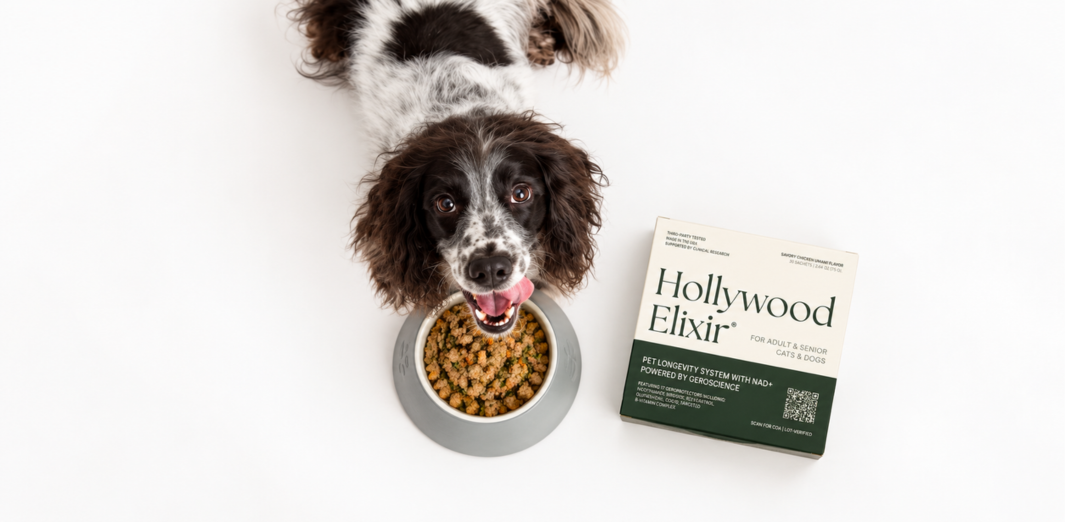
Medication effects are another common reason owners say, “my dog won’t eat.” Some antibiotics, pain medications, and anti-inflammatories can cause nausea or change the way food tastes. Even supplements can be a factor if they irritate the stomach or if their smell overwhelms a sensitive eater.

Never stop a prescribed medication without veterinary guidance, but do report appetite changes quickly—especially if the drug is new. Your veterinarian may adjust timing (with food vs. Without), switch formulations, or add short-term stomach support. The goal is to keep treatment on track while protecting the dog’s willingness to eat, because appetite is often what determines whether recovery feels possible at home.

Hollywood Elixir™ is amazing and makes my 13 y/o young again!

— Jessie

We go on runs. Lately he's been keeping up with no problem!

— Cami

“Appetite is a behavior, a sensation, and a health signal—often all at once.”

Medical Causes Worth Ruling out When Appetite Stays Low

Underlying illness can show up first as a quiet refusal of meals. Kidney disease, liver disease, endocrine disorders, infections, and inflammatory conditions can all reduce appetite. Sometimes the only early sign is that the dog eats more slowly, leaves food behind, or seems “not quite themselves” around mealtimes.

Because the causes are broad, persistent loss of appetite in dogs is best treated as a symptom that deserves context: age, weight trend, stool quality, thirst, activity, and any recent changes. Veterinary evaluation may include a physical exam, dental assessment, and basic lab work. This isn’t about worst-case thinking; it’s about catching reversible problems early.

Close-up weimaraner showing calm strength and presence supported by dogs eat less in summer.

Puppies, Small Dogs, and Higher Stakes When Meals Are Missed

Puppies and small dogs have less margin for missed calories. If a young dog won’t eat, the timeline for concern is shorter, especially if there’s vomiting, diarrhea, or lethargy. Toy breeds can be more vulnerable to low blood sugar when intake drops, and dehydration can develop quickly.

Large breeds and deep-chested dogs have their own risks, including bloat-like emergencies where appetite loss may be paired with restlessness, retching, or a distended abdomen. The takeaway is simple: the smaller or younger the dog, and the more dramatic the behavior change, the less you should “wait it out.” When you’re unsure, a veterinary team can help you triage by phone.

Profile dog image reflecting natural poise supported by why won’t my dog eat.

Pickiness Patterns: How Accidental Rewards Keep Refusal Going

If you suspect pickiness, it helps to remove the accidental rewards that keep it going. Free-feeding all day, frequent treats, and constant menu changes can teach a dog that refusing dinner leads to something better. That pattern can look like dog loss of appetite even when hunger is normal.

A calmer structure often works: offer a measured meal, leave it down for 15–20 minutes, then pick it up until the next scheduled feeding. Keep training treats small and accounted for. If your dog is healthy, this approach can reset expectations without pressure. If your dog is older, underweight, or ill, ask your veterinarian before tightening structure—calories may be too important to risk.

Ingredient explainer image showing clean formulation principles for loss of appetite in dogs.

Freshness, Storage, and Food Safety: the Overlooked Variables

Food quality and freshness matter more than most people want to admit. Kibble can go stale, fats can oxidize, and storage conditions can change aroma. A dog may refuse a bowl that smells “off” long before a human notices. Check the best-by date, keep bags sealed, and store food away from heat and humidity.

It’s also wise to stay aware of recalls and safety alerts, especially if appetite changes coincide with a new lot of food (Unknown). If you decide to switch diets, choose a complete and balanced option from a manufacturer with clear quality controls and feeding trials when possible (Ahmed, 2019). Appetite is emotional, but it’s also sensory—and dogs are often the first to tell you when something has changed.

Environment, Routine, and the Quiet Reasons Dogs Skip Meals

If you’re asking, “why won’t my dog eat,” don’t overlook the bowl, the room, and the rhythm of the day. Some dogs avoid eating when the kitchen is noisy, when another pet hovers, or when the bowl slides and clatters. Others become picky after a period of hand-feeding during illness, then quietly hold out for the same attention later.

Try small environmental edits before you change foods again: a stable bowl, a calmer corner, a predictable schedule, and a short “food window” so grazing doesn’t blur hunger cues. Keep treats and chews from becoming a second diet. If appetite remains inconsistent, it’s reasonable to discuss underlying nausea, pain, or anxiety with your veterinarian rather than endlessly rotating flavors.

“The most useful question is rarely What will they eat? but Why did eating change.”

Clinical image tied to evidence-based wellness positioning for do dogs eat less as they age.

A Calm At-home Check Before You Change Anything Else

A quick home check can clarify whether loss of appetite in dogs is mild or urgent. Look at gums (pink and moist is typical), note breathing effort, and watch for repeated swallowing, drooling, or “prayer position” stretching that can suggest abdominal discomfort. Track water intake and urination; dehydration can arrive faster than many owners expect when eating drops off.

Also scan for practical blockers: a cracked tooth, a sore spot on the jaw, a foreign object, or a new medication. If you see vomiting, diarrhea, black stools, marked lethargy, or belly pain, treat it as a veterinary problem rather than a feeding problem. When in doubt, a phone call to your clinic can help you decide what can wait and what shouldn’t.

Shop Now
Ingredients around product reflecting antioxidant support within dogs eat less in summer.

Food Transitions That Backfire and How to Slow Them Down

Food changes are a common trigger for a temporary dip in appetite. Even when the new diet is high quality, a dog may hesitate because the smell, texture, and fat level are unfamiliar. This is especially true when switching between kibble and fresh or canned foods. Changes in diet can lead to decreased appetite during transitions (German K, 2025).

If your dog is otherwise well, consider a slower transition and keep the rest of life steady: same feeding location, same meal times, same bowl. Avoid adding a parade of toppers that teaches “wait for something better.” If you do use a topper, keep it consistent and modest, so you can tell whether the base diet is truly being refused or simply being negotiated.

Shop Now
Woman holding Hollywood Elixir box with her dog, showing daily dogs eat less in summer routine.

Dental Discomfort: the Hidden Reason Kibble Suddenly Feels Wrong

Dental pain is one of the most underappreciated reasons a dog stops eating normally. Dogs are skilled at masking discomfort; they may still greet you, still wag, and still take soft treats—while quietly avoiding crunchy kibble. Bad breath, pawing at the mouth, dropping food, or chewing on one side are common tells.

If you suspect oral pain, don’t force hard foods. Offer softer textures and schedule an exam; dental disease is common and can affect overall wellbeing. Appetite often improves when the mouth is comfortable again, but the key is identifying the problem early, before weight loss and chronic inflammation become the new baseline.

Shop Now

Nausea Without Vomiting: the Subtle Pattern Behind Bowl Refusal

Nausea doesn’t always look like vomiting. Some dogs with stomach upset simply turn away from food, lick their lips, eat grass, or seem interested in dinner and then back off. Others will take a few bites and stop, as if the smell is suddenly too much. This pattern is a classic driver of dog loss of appetite.

Because nausea can come from many sources—dietary indiscretion, pancreatitis, kidney disease, medication effects, or pain—persistent appetite changes deserve a veterinary conversation. Your clinician may recommend a brief diet reset, diagnostics, or supportive care. The goal is not to “tempt” a nauseated dog into eating, but to address the reason eating feels wrong in the first place.

Heat, Hydration, and Why Dogs Eat Less in Summer

Heat changes appetite in many animals, and dogs are no exception. If you’ve noticed dogs eat less in summer, you’re not imagining it: activity patterns shift, walks shorten, and the body prioritizes cooling. Some dogs naturally prefer to eat later in the evening when the house is quieter and cooler.

Support appetite gently during warm months by offering meals at cooler times, keeping water fresh, and avoiding heavy exercise right before feeding. If the seasonal dip is mild and weight remains stable, it may be a normal adjustment. But if your dog refuses food entirely, loses weight, or seems unwell, treat it as more than a weather quirk and check in with your veterinarian.

Comparison graphic showing do older dogs eat less benefits versus typical supplement formulas.

Aging and Appetite: When Less Eating Is Normal, and When It Isn’t

Owners often ask: do older dogs eat less, and do dogs eat less as they age? Sometimes, yes—especially if smell and taste dull over time, or if arthritis makes it uncomfortable to stand at a bowl. Senior dogs may also become less tolerant of abrupt diet changes and more sensitive to texture (German K, 2025).

Still, “normal aging” shouldn’t be a blanket explanation for steady decline. If dogs eat less as they get older and you’re seeing weight loss, muscle thinning, or new pickiness, it’s worth screening for dental disease, organ changes, pain, and medication side effects. Many seniors eat well again once the underlying friction is removed and meals are made easier to approach.

Shop Now
Supplement box revealed in soft light, reflecting premium why won’t my dog eat positioning.

Gentle Feeding Strategies That Preserve Nutrition Without Negotiation

When appetite is fragile, the feeding plan matters as much as the food. Small, frequent meals can feel more manageable than one large portion, especially for dogs with nausea or pain. Warmth can help aroma; a brief microwave (then stir and test temperature) can make food more appealing without changing the diet itself.

Measure portions for a week so you can see what’s truly being eaten. If you’re adding extras, write them down too—treats, dental chews, table scraps. This is not about restriction; it’s about clarity. A clear record helps your veterinarian interpret whether the issue is preference, reduced hunger, or a broader health change that needs investigation.

Shop Now

When to Call the Vet: Timing, Red Flags, and Next Steps

There’s a point where waiting becomes the risk. Seek veterinary care promptly if your dog won’t eat for more than 24 hours (sooner for puppies, toy breeds, or dogs with chronic disease), or if appetite loss comes with vomiting, diarrhea, weakness, collapse, labored breathing, abdominal swelling, or signs of pain. These are not “picky eater” problems; they’re medical problems.

If the exam is reassuring, your veterinarian can still help with practical options—diet adjustments, appetite support, nausea control, dental care, or pain management. The most useful outcome is a plan that restores eating without turning every meal into a negotiation, and that protects long-term health rather than chasing short-term calories.

“In seniors, appetite is often where comfort and resilience quietly announce themselves.”

Educational content only. This material is not a substitute for veterinary advice. Always consult your veterinarian about your dog’s specific needs. These statements have not been evaluated by the Food and Drug Administration. Products mentioned are not intended to diagnose, treat, cure, or prevent any disease.

Glossary

  • Inappetence: Reduced interest in food; may be partial rather than complete refusal.
  • Anorexia (veterinary use): Complete refusal to eat; a symptom, not a diagnosis.
  • Palatability: How appealing a food is based on aroma, texture, fat level, and flavor.
  • Food Transition: Gradual change from one diet to another to reduce stomach upset and refusal.
  • Nausea Signs: Lip-licking, drooling, grass-eating, repeated swallowing, or walking away after a few bites.
  • Dental Disease: Problems affecting teeth and gums that can make chewing painful and reduce appetite.
  • Food Aversion: Learned avoidance of a food after it’s associated with nausea or discomfort.
  • Red Flags: Symptoms that raise urgency, such as repeated vomiting, black stools, collapse, or severe lethargy.
  • Body Condition Score (BCS): A hands-on way to assess fat coverage and weight trend beyond the scale.

Related Reading

References

Ahmed. Bioaccumulation of heavy metals in some commercially important fishes from a tropical river estuary suggests higher potential health risk in children than adults.. Nature. 2019. https://www.nature.com/articles/s41598-021-00467-4

German K. Exploratory analysis of nutrient composition of adult and senior dog diets.. PubMed Central. 2025. https://pmc.ncbi.nlm.nih.gov/articles/PMC12757753/

FAQ

When should I worry if my dog won’t eat?

Worry sooner if your dog won’t eat and also seems weak, painful, dehydrated, or is vomiting or having diarrhea. Puppies, toy breeds, and dogs with chronic conditions have less margin for missed calories and fluids.

If appetite doesn’t return within a day, or you notice weight loss, call your veterinarian for triage and next steps. For long-term resilience—especially in older dogs—many owners pair good diagnostics with system-wide support from Hollywood Elixir™

Why won’t my dog eat but still drinks water?

Drinking but not eating can happen with stress, mild stomach upset, dental discomfort, or a food preference shift. It can also appear early in medical issues where nausea is present without obvious vomiting.

If this lasts more than 24 hours, or if thirst increases noticeably, it’s worth a veterinary check to rule out pain or organ-related causes. Alongside a clear feeding plan, some owners use whole-body aging support to help maintain steadier day-to-day vitality with Hollywood Elixir™

Is dog loss of appetite always a medical emergency?

Not always. A brief dip can follow travel, heat, a schedule change, or a recent food switch. Many dogs rebound quickly once routine returns and the environment is calm.

It becomes urgent when appetite loss is paired with lethargy, repeated vomiting, diarrhea, abdominal pain, or rapid weight loss. If you’re in the gray zone, your veterinarian can help you decide what can wait. For ongoing support—especially in seniors—some owners add Hollywood Elixir™

Do older dogs eat less as a normal part of aging?

Sometimes. Many people ask, do older dogs eat less, and the honest answer is: they can. Smell and taste may dull with age, and arthritis or dental disease can make eating less comfortable.

But steady decline shouldn’t be dismissed as “just aging.” If intake drops or weight changes, a vet visit can uncover treatable pain, nausea, or mouth issues. To support the broader aging picture beyond any single meal, some owners choose Hollywood Elixir™

Do dogs eat less as they age even with good food?

Yes, some do. Even with a high-quality diet, older dogs may have reduced appetite because aroma matters more, chewing is harder, or nausea appears with certain medications. Senior sensory changes can affect willingness to eat.

A vet exam helps distinguish normal preference shifts from pain or disease. If the basics check out, small adjustments—meal timing, texture, warming food—often help. For owners focused on maintaining resilience across a longer life, many include Hollywood Elixir™

Do senior dogs eat less during hot weather or summer?

They can. Many owners notice dogs eat less in summer, and seniors may be especially sensitive because heat changes activity, sleep, and comfort. Eating later in the evening can feel easier when the house cools down.

Offer meals at cooler times, keep water fresh, and avoid intense exercise right before feeding. If appetite loss is paired with weakness or panting that seems excessive, call your veterinarian. For steady support through seasonal shifts, some owners rely on Hollywood Elixir™

What are common reasons my dog won’t eat suddenly?

Sudden refusal often comes from nausea, mouth pain, stress, a new medication, or a recent diet change. Even a small routine disruption can be enough for a sensitive eater to pause.

Check for other clues: drooling, lip-licking, bad breath, diarrhea, or a tucked posture. If anything looks “off,” don’t rely on toppers to push through—ask your veterinarian what to do next. For longer-term resilience, many owners also use Hollywood Elixir™

How can I tell pickiness from loss of appetite in dogs?

Pickiness usually means your dog refuses the main meal but happily takes treats, chews, or table food, and energy stays normal. True loss of appetite in dogs often reduces interest in everything, including favorite snacks, and may come with lethargy or stomach signs.

A short, structured feeding window can clarify the pattern, but don’t “test” a dog who seems ill. If appetite changes persist, a vet exam is the cleanest way to rule out pain or nausea. For broader support, some owners choose Hollywood Elixir™

Can switching foods cause my dog to stop eating?

Yes. A new food can smell unfamiliar, feel different to chew, or be associated with a brief stomach adjustment. Changes in a dog’s diet can lead to decreased appetite during transitions.

If your dog is otherwise well, slow the transition and keep treats consistent so you can interpret what’s happening. If refusal persists or your dog seems unwell, stop experimenting and call your veterinarian. To support steadier vitality while you stabilize routine, consider Hollywood Elixir™

Could dental pain be why my dog won’t eat kibble?

Absolutely. Many dogs with sore teeth or gums avoid crunchy foods first, while still accepting softer options. Bad breath, dropping food, chewing on one side, or pawing at the mouth are common hints.

Don’t force hard textures; schedule an exam so pain isn’t missed. Once the mouth is comfortable, appetite often looks “normal” again. For owners supporting comfort and resilience as dogs age, a system-level option many consider is Hollywood Elixir™

What home steps are safe when my dog won’t eat?

If your dog seems otherwise normal, keep things simple: offer fresh water, maintain routine, and try warming the usual food to boost aroma. Avoid rich table foods that can worsen stomach upset, and don’t keep changing diets hour by hour.

Measure what’s offered and what’s eaten so you can report clear numbers to your veterinarian if needed. If there are signs of illness, skip home experiments and call the clinic. For ongoing, gentle support of whole-body vitality, some owners use Hollywood Elixir™

How long can a dog go without eating safely?

It depends on age, size, and health status, but “safe” is a narrower window than most people think. A healthy adult might skip a meal and be fine, yet going a full day without food is a reason to check in—especially if water intake also drops.

Puppies, toy breeds, and dogs with medical conditions should be assessed sooner. If appetite doesn’t return quickly, your veterinarian can advise next steps and whether diagnostics are needed. For longer-term support as dogs age, many owners consider Hollywood Elixir™

Can anxiety or stress cause my dog to stop eating?

Yes. Dogs may eat less after travel, visitors, schedule changes, loud noises, or tension in the home. Some will avoid eating if another pet crowds them or if the feeding area feels unpredictable.

Restore calm structure: a quiet feeding spot, consistent meal times, and less attention around the bowl. If stress seems severe or prolonged, your veterinarian can discuss behavior support and rule out medical overlap. For steady, whole-body support during life changes, some owners use Hollywood Elixir™

Should I hand-feed if my dog won’t eat dinner?

Hand-feeding can be useful short-term for a dog recovering from illness or adjusting to a new environment, but it can also create a habit where meals become a negotiation. If your dog seems healthy, a calm feeding routine is usually more effective than escalating attention.

If you suspect pain or nausea, don’t use hand-feeding to “push through”—call your veterinarian instead. Once the cause is addressed, you can rebuild normal mealtime structure. For owners supporting resilience beyond the bowl, consider Hollywood Elixir™

Are appetite stimulants safe for dogs with loss of appetite?

They can be, but they’re not a DIY solution. Appetite stimulants are prescription medications with specific indications and potential side effects, and they work best when the underlying cause (pain, nausea, infection) is addressed at the same time.

If your veterinarian recommends one, ask what to watch for and how success will be measured (weight, intake, energy). For longer-term support that’s not a drug and is aimed at whole-body aging resilience, many owners look to Hollywood Elixir™

What side effects can cause appetite loss after new medications?

Some medications can cause nausea, stomach irritation, or a change in taste that makes food less appealing. Others may cause sleepiness, which indirectly reduces interest in meals. Timing can matter: a dose given on an empty stomach may feel different than one given with food.

Report appetite changes to your veterinarian promptly so they can adjust the plan safely. Don’t stop prescriptions on your own. For owners who want additional, non-prescription support for overall vitality during treatment periods, consider Hollywood Elixir™

Can I use Hollywood Elixir™ if my dog won’t eat?

If your dog won’t eat because of an acute illness, the priority is veterinary assessment and stabilizing the cause. Once serious issues are ruled out, supportive products can fit into a broader plan focused on comfort, routine, and long-term resilience.

If your dog is on medications or has chronic disease, ask your veterinarian how to introduce any new supplement and what to monitor. Many owners use system-level support as part of graceful aging with Hollywood Elixir™

How quickly should I expect appetite to improve with supportive care?

If the cause is minor—like a brief routine disruption—appetite may return within a day or two once meals are predictable again. If nausea, dental pain, or infection is involved, improvement depends on treating the root issue, not just making food more tempting.

Track intake and weight weekly so you can see real progress rather than relying on memory. If appetite doesn’t trend upward, your veterinarian may recommend diagnostics. For longer-term support of vitality and resilience, many owners incorporate Hollywood Elixir™

What quality signals matter when choosing food for picky eaters?

Look for a complete and balanced diet from a company with clear quality control, transparent sourcing, and appropriate formulation expertise. Consistency matters: frequent brand hopping can create more refusal, not less. Also consider freshness and storage, since aroma changes can affect acceptance.

If your dog has medical needs, your veterinarian may recommend a therapeutic diet. Food is the foundation, but it’s not the whole story—aging and resilience are system-wide. Many owners pair a solid diet with Hollywood Elixir™

How do I give supplements if my dog refuses food?

If your dog is refusing meals, don’t hide supplements in a large portion they won’t finish. Ask your veterinarian about timing, smaller vehicles (a tiny amount of wet food), or whether you should pause non-essential supplements until appetite stabilizes.

The goal is to avoid creating a negative association with the main diet. Once eating is steadier, you can reintroduce supportive products gradually and consistently. Many owners integrate daily support with Hollywood Elixir™

Can cats use this approach if they stop eating too?

Cats are different. A cat that stops eating can become medically unstable faster than a dog, and appetite loss in cats should be treated as urgent. The home strategies that are reasonable for many dogs—waiting a day, offering a structured window—are often not appropriate for cats.

If a cat refuses food, contact a veterinarian promptly for guidance. For dogs, once the cause is clarified and meals are stable, some owners add system-level aging support with Hollywood Elixir™

What’s a simple decision framework when my dog won’t eat?

First, scan for red flags: vomiting, diarrhea, pain, weakness, dehydration, or a sudden behavior change. If any are present, call your veterinarian. If none are present, check the basics: food freshness, recent diet changes, heat, stress, and mouth comfort.

Then track intake for 24 hours and avoid constant menu changes. If appetite doesn’t improve, schedule an exam. For owners who want to support resilience beyond the immediate feeding issue, many include Hollywood Elixir™

5K+ Happy Pet Parents

Excellent 4.8

My Dog Won’t Eat | Why Thousands of Pup Parents Trust Hollywood Elixir™

"He seems more happy overall. I've also noticed he has more energy which makes our walks and playtime so much more fun."

Olga & Jordan

"He's got way more energy now! We go on runs pretty often; he use to get tired halfway through, but lately, he's been keeping up without any problem."

Cami & Clifford

"I want her to live forever. She hasn't had an ear infection since!"

Madison & Azula

"It helps with her calmness, her immune system. I really like the clean ingredients. Highly recommend La Petite Labs!"

Maple & Cassidy

"He seems more happy overall. I've also noticed he has more energy which makes our walks and playtime so much more fun."

Olga & Jordan

"He's got way more energy now! We go on runs pretty often; he use to get tired halfway through, but lately, he's been keeping up without any problem."

Cami & Clifford

"I want her to live forever. She hasn't had an ear infection since!"

Madison & Azula

"It helps with her calmness, her immune system. I really like the clean ingredients. Highly recommend La Petite Labs!"

Maple & Cassidy

"He seems more happy overall. I've also noticed he has more energy which makes our walks and playtime so much more fun."

Olga & Jordan

"He's got way more energy now! We go on runs pretty often; he use to get tired halfway through, but lately, he's been keeping up without any problem."

Cami & Clifford

"I want her to live forever. She hasn't had an ear infection since!"

Madison & Azula

"It helps with her calmness, her immune system. I really like the clean ingredients. Highly recommend La Petite Labs!"

Maple & Cassidy

"He seems more happy overall. I've also noticed he has more energy which makes our walks and playtime so much more fun."

Olga & Jordan

"He's got way more energy now! We go on runs pretty often; he use to get tired halfway through, but lately, he's been keeping up without any problem."

Cami & Clifford

"I want her to live forever. She hasn't had an ear infection since!"

Madison & Azula

"It helps with her calmness, her immune system. I really like the clean ingredients. Highly recommend La Petite Labs!"

Maple & Cassidy

SHOP NOW