
Preventative Care for Dogs

Build Early Detection Habits and Protect Mouth, Heartworm Risk, and Weight

Essential Summary

Why Is Preventative Care for Dogs Important?

Preventative Care for Dogs is important because small, repeated stresses—especially dental plaque and missed parasite coverage—compound into faster decline. A balanced plan pairs home observation with timely veterinary screening, so decisions happen earlier, when options are gentler and outcomes are easier to protect.

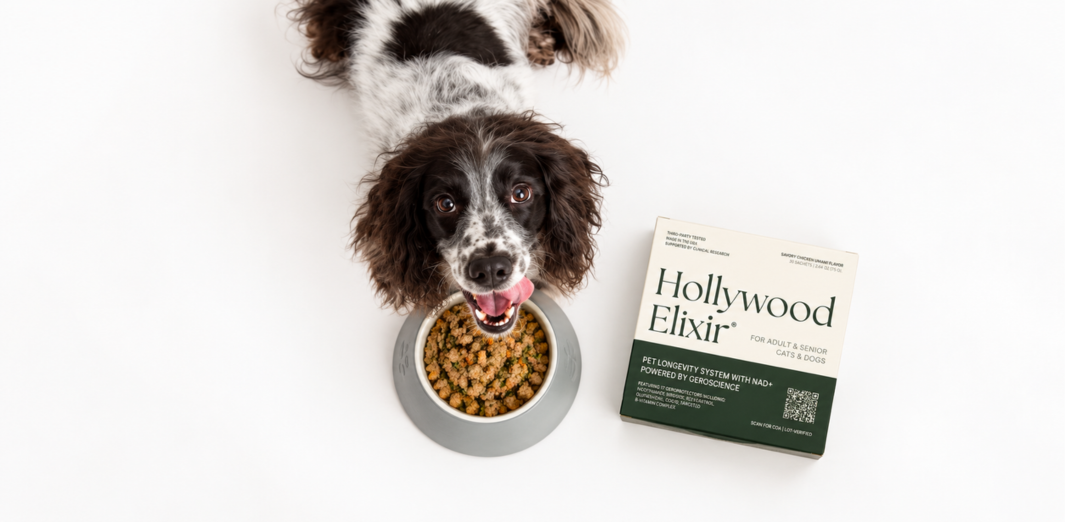
Hollywood Elixir™ can be part of a daily plan that supports normal whole-body function as dogs age. It is best positioned alongside the fundamentals—consistent parasite prevention, dental routines, balanced nutrition, and wellness exams—so the household is supporting stability rather than chasing symptoms.

The most common mistake with Preventative Care for Dogs is treating it like a once-a-year errand: a quick exam, a few shots, and a receipt. That mindset misses how dogs accumulate small imbalances—plaque that turns into gum inflammation, a missed parasite dose that widens risk, a slow weight creep that changes stamina—until the body has less overhead to adapt. Prevention is not about chasing perfection; it is about keeping daily inputs gentler and more balanced so decline does not accelerate.

This page focuses on two areas where “small” problems routinely become big ones: dental disease and parasite prevention. Periodontal disease is common in dogs and begins with plaque biofilm that mineralizes into calculus, driving gingivitis and deeper tissue damage if it is not interrupted early (Wadia, 2021). Heartworm prevention works best when it is consistent and matched to local risk, and product efficacy is evaluated through regulatory and field evidence rather than anecdotes (Hampshire, 2005). The goal is a practical rhythm: what to notice at home, what to document for the vet, and how to stack routines thoughtfully instead of adding everything at once.

By La Petite Labs Editorial, ~15 min read

Featured Product:

  • Preventative Care for Dogs matters because small, repeated stresses compound into faster decline and harder-to-reverse disease.
  • The biggest misconception is that prevention equals vaccines only; real prevention also includes dental plaque control, parasite consistency, and weight monitoring.
  • Dental disease often starts as plaque biofilm and mild gum irritation, then progresses quietly until pain, tooth loss, or chronic inflammation appears.
  • Parasite prevention is a calendar problem as much as a medicine problem: missed doses and mismatched coverage create uneven protection.
  • Owners get better outcomes by tracking a few outcome cues over time—breath, gum appearance, chewing changes, stool quality, weight trend, and exercise stamina.
  • A strong vet handoff includes specific observations, photos, and dates, plus questions about dental cleaning timing and parasite product fit for the household.
  • The most sustainable plan is layered: daily micro-habits at home, scheduled screenings, and targeted interventions when early signals appear.

The Myth: Prevention Is Just Vaccines Once a Year

The most persistent misunderstanding is that prevention equals vaccinations and nothing more. Vaccines are important, but Preventative Care for Dogs is really the practice of keeping multiple body processes from becoming uneven: oral tissues, parasite exposure, weight, and the renewal rate of everyday wear. Dogs often compensate until they cannot, so the first “symptom” can look dramatic even when the drift was slow.

A workable plan looks less like a single appointment and more like a rhythm. A household can pair a monthly parasite reminder with a weekly mouth check, a weigh-in every two weeks, and a short note about stamina on walks. Those small observations create depth for decision-making, so a veterinarian can act earlier and more precisely instead of reacting to a crisis.

Mitochondria detail showing cellular defense mechanisms supported by preventative care for dogs.

Why Small Imbalances Snowball in Dogs

Dogs show problems loudly because compensation has limits. When a stressor repeats—plaque accumulation, chronic itch from parasites, or excess calories—the body spends more effort maintaining normal function and has less overhead for recovery. Over time, that reduces stamina and makes ordinary challenges feel bigger, which is why prevention is best framed as maintenance rather than a rescue.

Owners can watch for patterns instead of single events. A dog that needs more naps after the same walk, hesitates at the food bowl, or develops intermittent soft stool may be signaling that daily inputs are no longer balanced. Documenting frequency and context—after certain treats, after boarding, after a missed dose—turns vague worry into useful information for a wellness exam.

Genetic imagery reflecting cellular wellness supported by preventative care for dogs.

Primary Focus: Dental Disease Starts as a Biofilm Problem

Periodontal disease is common in dogs and begins with plaque biofilm on the tooth surface. If plaque is not disrupted, it mineralizes into calculus and drives gingivitis; with time, inflammation can extend deeper and damage supporting tissues (Wadia, 2021). The key mechanism is simple: daily disruption of biofilm is easier than trying to remove hardened deposits later.

At home, the earliest clues are often behavioral rather than obvious pain. Slower chewing, dropping kibble, preferring one side, or a new reluctance to play tug can show that the mouth is becoming less comfortable. A quick lift of the lip to look for a red gumline near the back teeth is a practical habit that supports earlier, calmer decisions.

Protein model representing bioactive synergy and support found in preventative care for dogs.

Case Vignette: When “Normal Dog Breath” Wasn’t Normal

A five-year-old small-breed dog developed gradually worse breath that the household dismissed as normal. Over a few months, the dog began chewing more slowly and pawing at the mouth after hard treats, but still ate meals. At the next wellness exam, the veterinarian found inflamed gums and heavy calculus that required a professional dental plan, illustrating how early signals can be easy to normalize.

The practical lesson is not guilt; it is calibration. Breath changes, chewing changes, and gum redness are outcome cues that deserve a note and a date. When those cues are brought to the clinic early, the conversation can shift from urgent intervention to a more balanced plan that fits the dog’s age, temperament, and household routine.

Pug portrait highlighting companionship and steady support from preventative care for dogs.

Owner Checklist: Quick Mouth Checks That Actually Matter
A useful home check is specific and repeatable, not a vague “looks fine.” Owners can look for: gumline redness along the back molars, yellow-brown buildup near the gum edge, one-sided chewing, new drooling, and reluctance with hard toys. These signs align with the early stages of plaque-driven inflammation described in canine periodontal disease (Wadia, 2021).

The routine works best when it is short. Pair a 10-second lip lift with an existing habit like clipping a leash or refilling a water bowl, then write a one-line note if anything changes. Photos taken in the same lighting once a month can help a veterinarian judge progression and decide whether home care is enough or a dental assessment is due.

Hollywood Elixir™ is amazing and makes my 13 y/o young again!

— Jessie

We go on runs. Lately he's been keeping up with no problem!

— Cami

“Prevention works best when it becomes a rhythm, not a reaction.”

What Not to Do: Common Dental Prevention Missteps

Dental prevention often fails because owners rely on the wrong tools. Common mistakes include using hard bones or antlers that can fracture teeth, assuming dry kibble “cleans” teeth, skipping brushing because a chew is offered, and waiting for obvious pain before acting. Since plaque biofilm mineralizes into calculus over time, delay allows the problem to become harder to reverse.

A safer approach is to choose gentler, repeatable actions. Soft-bristled brushing, veterinarian-approved dental chews, and scheduled oral exams create a more balanced load on the mouth. If brushing is not tolerated, a household can still track breath and gum color and use that documentation to time professional care rather than guessing.

Weimaraner image reflecting strength and companionship supported by preventative care for dogs.

Professional Dental Care: Why Timing Beats Intensity

Professional dental assessment matters because some disease sits below the gumline where home care cannot reach. Population studies show periodontal disease is prevalent in dogs, supporting routine oral examinations and preventive programs rather than waiting for late-stage signs (Stella, 2018). The goal is not frequent anesthesia for every dog; it is appropriate timing based on risk, findings, and documented change.

Owners can make timing decisions easier by bringing concrete observations: photos of the gumline, notes on chewing behavior, and any history of tooth fractures. A dog that is small, older, or has crowded teeth may need closer monitoring, while a younger dog with clean teeth may focus on home disruption of plaque and periodic checks. That individualized pacing keeps care gentler and more balanced.

Profile dog image reflecting natural poise supported by preventative care for dogs.

Adjunct Options: Local Vs Systemic Approaches in the Mouth

Some veterinary dental plans include adjuncts aimed at local control of inflammation and bacterial load. In a randomized clinical trial, topical 38% silver diamine fluoride was evaluated as an adjunct approach to reduce gingivitis in dogs, with the intent to act locally in the mouth rather than as a systemic medication (Kern, 2023). This distinction matters because local tools are not a substitute for removing plaque and calculus; they are additions to a broader plan.

At home, adjuncts should be treated as “supporting pieces,” not shortcuts. If a veterinarian recommends a topical or rinse-like product, owners can ask how it fits alongside brushing and professional cleaning, and what outcome cues should change over time. Tracking breath, gum redness, and chewing comfort provides a practical way to judge whether the plan is becoming more balanced.

Supplement overview graphic emphasizing quality ingredients aligned with preventative care for dogs.

Dental Chews: What They Can and Cannot Do

Dental chews can support oral hygiene by mechanically disrupting plaque and influencing the mouth environment, but they are not identical to brushing. A controlled study in adult dogs found a novel dental chew affected oral health outcomes including halitosis and changes in oral microbiota, suggesting measurable shifts rather than purely cosmetic effects (Oba, 2024). The practical takeaway is to choose chews as part of a layered plan, not as the entire plan.

Chews work best when the household watches how the dog uses them. If a dog swallows a chew quickly, the mechanical benefit is limited; if the dog chews slowly with back teeth, the contact time is better. Owners can document which products lead to less uneven breath over two to four weeks, and share that pattern during wellness exams to refine the routine.

Primary Focus: Parasite Prevention Is a Consistency Problem

Parasite prevention is often discussed like a product choice, but the bigger driver is consistency. Heartworm preventives have been evaluated through regulatory review and efficacy standards, which is why prevention is framed around reliable coverage rather than “natural” alternatives (Hampshire, 2005). When doses are missed or delayed, protection becomes uneven, and risk rises quietly until a test turns positive.

Households can reduce missed doses by tying prevention to a calendar anchor: rent day, a recurring phone reminder, or the same day as nail trims. It also helps to write down travel, boarding, dog-park visits, and wildlife exposure, because those details shape which parasites matter most. That documentation supports a more balanced plan tailored to the dog’s real life.

“Chewing patterns often reveal mouth discomfort before appetite changes.”

Lab coat detail emphasizing vet-informed standards supporting preventative care for dogs.

Emerging Resistance: Why Product Fit and Testing Matter

Heartworm prevention conversations now include the reality of emerging macrocyclic lactone resistance in some regions. Reviews of moxidectin-based prevention discuss how prevention choices are made in the face of resistance concerns, reinforcing that selection should be veterinarian-guided and region-aware rather than based on social media claims (Savadelis, 2022). This is not a reason to abandon prevention; it is a reason to make it more precise.

Owners can support precision by tracking dates and documenting any vomiting soon after dosing, because that can affect whether a dose was retained. Annual or veterinarian-recommended testing should be treated as feedback, not as an accusation of failure. When the household brings a clean timeline, the veterinarian can adjust the plan calmly instead of guessing where coverage became uneven.

Shop Now
Premium ingredient tableau framing Hollywood Elixir aligned with preventative care for dogs.

What to Track: a Prevention Rubric That Ages Well

Tracking works when it is limited to markers that change decisions. A practical rubric includes: body weight trend, resting respiratory rate during sleep, exercise stamina on a familiar route, appetite speed, stool consistency, breath intensity, and gumline redness. These outcome cues connect directly to the two primary focus areas—oral health and parasite risk—while also flagging when aging or chronic inflammation may be shifting the dog’s baseline.

The household can keep this simple with a monthly note and a few photos. Weigh-ins can be done at home with a scale-and-hold method, and gum photos can be taken after a calm walk when the dog is relaxed. Over time, the record shows whether the dog’s day-to-day is becoming less balanced, which supports earlier screening such as bloodwork or senior panels when appropriate.

Shop Now
Lifestyle image showing supplement use in real homes supported by preventative care for dogs.

Vet Visit Prep: Questions That Improve the Handoff

A strong veterinary visit is built on specific questions tied to observations. Useful prompts include: “Based on the gumline photos, is a dental cleaning due this year?”, “Which teeth look most at risk and why?”, “Given travel and local mosquitoes, is the current heartworm plan the best fit?”, and “What screening schedule matches this dog’s age and weight trend?” These questions keep the appointment focused on decisions rather than general reassurance.

Bring the prevention timeline: parasite product name, dosing dates, any missed or vomited doses, and the date of the last heartworm test. Add a short list of mouth-related notes—breath changes, chewing shifts, drooling—plus photos. This preparation gives the veterinarian more depth to tailor recommendations and helps the household leave with a plan that feels gentler and more balanced.

Shop Now

Early Detection Tools: Biomarkers and What They Might Add

Early detection is moving beyond what the eye can see. Research on bacterial biomarkers in canine periodontitis suggests that specific oral bacterial patterns can help distinguish disease states and may support earlier monitoring as part of preventive care (Wallis, 2024). This does not replace an oral exam; it adds another lens for risk, especially when a dog’s mouth looks “okay” but the history suggests change.

Owners can ask whether any clinic tools—oral scoring, photos, or emerging biomarker options—would change the plan for their dog. The best use of testing is to clarify timing: whether to intensify home plaque disruption, schedule a dental procedure, or simply recheck sooner. When testing is tied to a decision, it supports a more balanced approach rather than adding noise.

Secondary Context: Nutrition, Weight, and Renewal Rate

Nutrition and weight management shape how much overhead a dog has for recovery, but they work best as supporting context rather than a scattered list of rules. A slow weight increase can change stamina, joint comfort, and even willingness to chew, which then affects oral hygiene habits. In Preventative Care for Dogs, food choices are most useful when they create a gentler, more balanced daily pattern that is easy to repeat.

A household can make weight tracking practical by choosing one weigh-in day and keeping treats predictable. If a dog is gaining, the first adjustment is often portion accuracy and treat accounting rather than switching brands repeatedly. Bringing a three-day food log to the vet supports a calmer conversation about calories, dental chews, and how to protect the dog’s renewal rate as the dog ages.

Comparison layout showing ingredient quality differences relevant to preventative care for dogs.

Exercise as Prevention: Stamina Is an Outcome Cue

Exercise is not only fitness; it is feedback. A dog’s stamina on a familiar route reflects weight, comfort, and cardiopulmonary capacity, and it can reveal early drift before a problem becomes obvious. When stamina declines, it is tempting to assume “aging,” but prevention asks a better question: what changed—mouth pain, parasite exposure, weight, or recovery time?

Owners can document a simple baseline: distance, pace, and how quickly the dog settles afterward. If the dog begins lagging, panting longer, or avoiding play, note the timing relative to parasite dosing, diet changes, or dental findings. This record supports targeted screening—such as bloodwork or senior screening—rather than a vague “slowing down” narrative.

Shop Now
Packaging reveal image highlighting brand care aligned with preventative care for dogs.

Myth Bust: “If My Dog Eats, Teeth Must Be Fine”

Eating is a low bar for oral comfort, and many dogs keep eating despite significant dental disease. Periodontal disease can progress from plaque and gingivitis to deeper damage while a dog continues to finish meals, especially if food is soft or the dog swallows quickly. The corrected idea is that chewing behavior and gum appearance are more sensitive signals than appetite alone.

A household can test this gently by offering the same safe chew once a week and watching how it is used: back teeth versus front, one side versus both, slow versus rushed. Combine that with a monthly gum photo. If chewing becomes less balanced or the gumline reddens, it is a reason to discuss dental timing at the next visit rather than waiting for refusal to eat.

Shop Now

Putting It Together: a Layered Prevention Plan That Sticks

A durable prevention plan is layered, not maximal. Start with two anchors: consistent parasite prevention and daily or near-daily plaque disruption, then add screenings that match age and risk. Field and laboratory studies support reliable heartworm prevention with modern combination products when used as directed, reinforcing that consistency is part of efficacy (Kryda, 2019). The goal is to keep inputs gentler and more balanced so the dog’s day-to-day stays predictable.

Owners can close the loop by deciding what to document for the vet: dosing dates, gum photos, weight trend, and stamina notes. That record supports better wellness exams, smarter senior screening, and earlier detection when chronic inflammation or aging begins to narrow overhead. Preventative Care for Dogs becomes less about fear and more about maintaining the dog’s depth for normal life.

“Consistency turns parasite prevention from hope into reliable coverage.”

Educational content only. This material is not a substitute for veterinary advice. Always consult your veterinarian about your dog’s specific needs. These statements have not been evaluated by the Food and Drug Administration. Products mentioned are not intended to diagnose, treat, cure, or prevent any disease.

Glossary

  • Plaque biofilm - A sticky bacterial layer on teeth that can trigger gum inflammation.
  • Calculus (tartar) - Mineralized plaque that adheres to teeth and is difficult to remove at home.
  • Gingivitis - Inflammation of the gums, often seen as redness or bleeding at the gumline.
  • Periodontitis - Deeper periodontal disease involving tissue and bone support around teeth.
  • Subgingival - Located below the gumline, where disease can progress without obvious surface signs.
  • Heartworm test - A veterinary screening test used to detect heartworm infection and guide prevention.
  • Macrocyclic lactone - A drug class commonly used in heartworm prevention protocols.
  • Outcome cues - Observable changes at home (breath, chewing, stamina) that help guide next steps.
  • Wellness exam - A preventive veterinary visit focused on screening, risk review, and early detection.

Related Reading

References

Kern. Effectiveness of silver diamine fluoride 38% on reduction of gingivitis in dogs: a randomized clinical trial. 2023. https://www.frontiersin.org/journals/veterinary-science/articles/10.3389/fvets.2023.1255834/full

Wadia. Periodontal disease in dogs. Nature. 2021. https://www.nature.com/articles/s41415-021-3401-5

Wallis. Real-world diagnostic potential of bacterial biomarkers of canine periodontitis. 2024. https://www.frontiersin.org/journals/veterinary-science/articles/10.3389/fvets.2024.1377119/full

Stella. A cross-sectional study to estimate prevalence of periodontal disease in a population of dogs (Canis familiaris) in commercial breeding facilities in Indiana and Illinois.. PubMed Central. 2018. https://pmc.ncbi.nlm.nih.gov/articles/PMC5773197/

Oba. Effects of a novel dental chew on oral health outcomes, halitosis, and microbiota of adult dogs.. PubMed Central. 2024. https://pmc.ncbi.nlm.nih.gov/articles/PMC10981081/

Hampshire. Evaluation of efficacy of heartworm preventive products at the FDA.. PubMed. 2005. https://pubmed.ncbi.nlm.nih.gov/16099105/

Kryda. Laboratory and field studies to investigate the efficacy of a novel, orally administered combination product containing moxidectin, sarolaner and pyrantel for the prevention of heartworm disease (Dirofilaria immitis) in dogs.. PubMed Central. 2019. https://pmc.ncbi.nlm.nih.gov/articles/PMC6737634/

Savadelis. Moxidectin: heartworm disease prevention in dogs in the face of emerging macrocyclic lactone resistance.. PubMed Central. 2022. https://pmc.ncbi.nlm.nih.gov/articles/PMC8915515/

FAQ

What does Preventative Care for Dogs actually include?

Preventative Care for Dogs includes the basics (vaccination and wellness exams) plus the routines that keep small problems from compounding. The highest-yield areas are consistent parasite prevention, dental plaque disruption, weight monitoring, and age-appropriate screening such as bloodwork.

A good plan also includes what to document for the vet: dosing dates, gum photos, weight trend, and stamina changes. Those details make recommendations more precise and less guess-based.

Why do small issues become big problems so fast?

Dogs often compensate until their overhead is used up, then changes look sudden. Plaque can build quietly until gums are inflamed, and missed parasite doses can create uneven coverage without obvious early signs.

Prevention keeps daily inputs gentler and more balanced, so the dog’s renewal rate stays higher. That is why tracking small shifts in breath, chewing, weight, and stamina is more useful than waiting for a dramatic symptom.

How often should a dog get a wellness exam?

Most adult dogs benefit from at least annual wellness exams, while seniors or dogs with ongoing concerns often need more frequent check-ins. The right interval depends on age, breed size, weight trend, dental findings, and parasite exposure.

Owners can make the visit more productive by bringing a short prevention timeline and a few outcome cues (photos of gums, dates of parasite dosing, and changes in stamina). That preparation helps the veterinarian set a screening schedule that fits the dog.

Is dental disease really that common in dogs?

Yes. Periodontal disease is widely recognized as common in dogs and is driven by plaque biofilm that can mineralize into calculus, leading to gingivitis and deeper damage over time.

Because early disease can be easy to miss, prevention focuses on regular plaque disruption at home and professional assessment when signs or risk factors accumulate. Breath changes and chewing shifts are often earlier clues than appetite changes.

What are early signs a dog needs dental attention?

Early signs are often subtle: worsening breath, gumline redness near back teeth, slower chewing, dropping kibble, pawing at the mouth after hard treats, or preferring one side. These cues can appear before obvious pain.

A monthly gum photo and a weekly note about chewing comfort can help show whether changes are stable or progressing. Bring those observations to a wellness exam to discuss whether a dental procedure or intensified home care is appropriate.

Do dental chews replace brushing for most dogs?

Dental chews can support oral hygiene, but they do not replace brushing for many dogs. Their benefit depends on chewing style and contact time, and they may not reach the gumline as effectively as a brush.

A balanced plan uses chews as one layer and still watches outcome cues like breath, gum redness, and chewing comfort. If a dog swallows chews quickly, the household may need to prioritize brushing or professional care instead.

What is heartworm prevention, and why is consistency critical?

Heartworm prevention refers to veterinarian-recommended products used on a schedule to prevent heartworm infection. Efficacy is evaluated through regulatory and clinical standards, which is why consistent use matters more than anecdotes(Hampshire, 2005).

When doses are missed or delayed, coverage becomes uneven and risk rises quietly. A calendar anchor and written dosing log are simple tools that keep prevention reliable across busy months.

Can a dog still get heartworm on prevention?

Breakthrough infections can occur, especially when doses are missed, vomited soon after dosing, or when local risk and product fit are mismatched. This is one reason veterinarians emphasize testing and accurate dosing schedules.

Emerging resistance concerns in some regions also make veterinarian guidance more important than switching products based on rumors(Savadelis, 2022). A clean timeline of dosing dates and exposures helps the clinic troubleshoot calmly.

What questions should be asked about parasite prevention at the vet?

Ask questions that connect to the household’s real exposures: “Which parasites are highest risk where this dog lives and travels?”, “Is year-round prevention recommended here?”, and “What should be done if a dose is missed or vomited?”

Also ask what to document for the vet: product name, dosing dates, and test dates. That information supports a more balanced plan and reduces guesswork if a screening result is unexpected.

How does weight management fit into prevention without obsession?

Weight management is prevention because it affects stamina, joint comfort, and recovery time. The goal is not perfection; it is avoiding slow drift that reduces overhead and makes other problems harder to handle.

A practical approach is a biweekly weigh-in, consistent treat accounting, and a simple walk baseline. If weight is trending up, bring a three-day food log to the vet to adjust portions and routines in a gentler, more balanced way.

What should be tracked at home for better early detection?

Track markers that change decisions: weight trend, breath intensity, gumline redness, chewing comfort, stool consistency, appetite speed, and stamina on a familiar route. These outcome cues are more actionable than vague impressions.

Use dates, short notes, and occasional photos. When the record shows a pattern, the veterinarian can recommend targeted screening (like bloodwork or dental assessment) rather than broad, unfocused testing.

How does Preventative Care for Dogs change as dogs age?

Preventative Care for Dogs becomes more screening-focused with age. As renewal rate slows, small imbalances in weight, dental health, or mobility can compound faster, so earlier detection and tighter follow-up intervals often matter more.

Owners can support this shift by keeping a simple tracking rubric and bringing it to visits. That documentation helps the veterinarian decide when senior screening, dental procedures, or diet adjustments are timely rather than reactive.

Are small breeds at higher risk for dental problems?

Many small breeds have crowded teeth and tighter spaces that can trap plaque, which can make dental routines more important. Individual risk still varies based on mouth shape, home care, and professional assessment findings.

For small dogs, a short daily brushing habit and monthly gum photos often provide outsized value. If brushing is difficult, discuss alternative layers—chews, professional timing, and monitoring—so the plan stays gentler and more balanced.

Is Preventative Care for Dogs different from care for cats?

Yes. Dogs and cats share some preventive themes, but parasite risks, dental patterns, and product choices differ by species. This page is dog-specific, especially around heartworm prevention schedules and dog-focused dental routines.

For multi-pet homes, prevention should be planned per animal, not averaged. A veterinarian can help align calendars while keeping products and screening appropriate for each species.

How soon should results be noticed after improving routines?

Some changes show quickly, others take time. Breath and gum irritation may shift within a few weeks if plaque disruption becomes consistent, while weight trends and stamina often change over one to three months.

The most reliable “result” is a clearer baseline and fewer surprises at vet visits. Track outcome cues with dates so improvements or setbacks can be tied to specific routine changes rather than guesswork.

What quality signals matter when choosing a daily wellness supplement?

Look for transparent labeling, clear intended use, and a role that fits the dog’s overall plan. A supplement should not be positioned as a replacement for dental care, parasite prevention, or veterinary screening.

If a product is used, it should support normal function and be easy to use consistently. Discuss it with a veterinarian, especially for seniors, dogs on medications, or dogs with a history of digestive sensitivity.

How should Hollywood Elixir™ fit into a prevention plan?

A prevention plan should be built on fundamentals first: parasite consistency, oral care, balanced nutrition, and wellness exams. Then a daily product can be considered for broader support rather than as a targeted fix.

Used that way, Hollywood Elixir™ may help support normal whole-body function as part of a daily routine. The best measure is whether the overall plan becomes easier to maintain and more balanced over time.

Can Hollywood Elixir™ replace dental cleanings or heartworm prevention?

No. Dental cleanings and heartworm prevention address specific risks that a general wellness product cannot substitute for. Oral disease is driven by plaque and calculus that often require mechanical removal, and parasite prevention depends on consistent, veterinarian-recommended products.

If used, Hollywood Elixir™ should be positioned as supporting normal function within a broader plan that includes veterinary care, screening, and consistent prevention routines.

Are there side effects or interactions to discuss with the vet?

Any new daily product can cause digestive upset in some dogs, and interactions are possible depending on medications and health history. Dogs with chronic conditions, seniors, and dogs on multiple medications should have changes reviewed by a veterinarian.

When discussing Hollywood Elixir™, bring the full medication list and note any history of food sensitivities. The goal is a gentler, more balanced routine that the dog tolerates well.

What is the safest way to start a new daily routine?

Start with one change at a time so cause and effect are clear. For example, add a short brushing habit first, then add tracking, then consider a chew or supplement later. Stacking too many changes at once makes it hard to know what helped or what caused upset.

If adding Hollywood Elixir™, introduce it alongside stable meals and document stool and appetite for the first two weeks. Share that log at the next visit if questions arise.

When should a veterinarian be called urgently?

Urgent signs include sudden refusal to eat, facial swelling, bleeding from the mouth, a broken tooth, repeated vomiting after a parasite dose, collapse, or severe lethargy. These are not “watch and wait” situations.

For less urgent concerns—gradual breath change, mild gum redness, or slow weight gain—schedule a visit and bring documentation. Preventative Care for Dogs works best when early signals are handled before they become emergencies.

How can owners decide what to prioritize this month?

Choose priorities that reduce the biggest risks with the least friction. For many households, that means locking in parasite dosing consistency and adding a 10-second mouth check several times per week.

Next, add one tracking marker such as weight trend or gum photos. Once those are stable, consider additional layers—like a dental chew or a daily product—only if they make the routine easier to maintain and more balanced.

5K+ Happy Pet Parents

Excellent 4.8

Preventative Care for Dogs | Why Thousands of Pup Parents Trust Hollywood Elixir™

"He seems more happy overall. I've also noticed he has more energy which makes our walks and playtime so much more fun."

Olga & Jordan

"He's got way more energy now! We go on runs pretty often; he use to get tired halfway through, but lately, he's been keeping up without any problem."

Cami & Clifford

"I want her to live forever. She hasn't had an ear infection since!"

Madison & Azula

"It helps with her calmness, her immune system. I really like the clean ingredients. Highly recommend La Petite Labs!"

Maple & Cassidy

"He seems more happy overall. I've also noticed he has more energy which makes our walks and playtime so much more fun."

Olga & Jordan

"He's got way more energy now! We go on runs pretty often; he use to get tired halfway through, but lately, he's been keeping up without any problem."

Cami & Clifford

"I want her to live forever. She hasn't had an ear infection since!"

Madison & Azula

"It helps with her calmness, her immune system. I really like the clean ingredients. Highly recommend La Petite Labs!"

Maple & Cassidy

"He seems more happy overall. I've also noticed he has more energy which makes our walks and playtime so much more fun."

Olga & Jordan

"He's got way more energy now! We go on runs pretty often; he use to get tired halfway through, but lately, he's been keeping up without any problem."

Cami & Clifford

"I want her to live forever. She hasn't had an ear infection since!"

Madison & Azula

"It helps with her calmness, her immune system. I really like the clean ingredients. Highly recommend La Petite Labs!"

Maple & Cassidy

"He seems more happy overall. I've also noticed he has more energy which makes our walks and playtime so much more fun."

Olga & Jordan

"He's got way more energy now! We go on runs pretty often; he use to get tired halfway through, but lately, he's been keeping up without any problem."

Cami & Clifford

"I want her to live forever. She hasn't had an ear infection since!"

Madison & Azula

"It helps with her calmness, her immune system. I really like the clean ingredients. Highly recommend La Petite Labs!"

Maple & Cassidy

SHOP NOW