The 12 Hallmarks of Aging in Dogs, Explained
Read full insightGerman Shepherd Biology: Gut, Immune, Skin, and Nerve Health
By La Petite Labs Editorial 15 min read
If your German Shepherd has recurring loose stool, itchy skin, and flare-ups that come and go, it usually isn't three separate problems—it's often one pattern showing up in different places. That's the practical heart of German Shepherd gut health: the breed's gut, immune system, and skin tend to react together, and daily signals from each can warn you before a crisis visit. Many German Shepherd health problems cluster around digestion, immune signaling, and inflammation-driven skin changes, and some families also worry about degenerative myelopathy later in life. This page connects German Shepherd digestive problems (including exocrine pancreatic insufficiency and inflammatory bowel patterns), immune issues (perianal fistulas and other dysregulated responses), and skin reactivity. It also explains the “gut–brain axis” in plain terms: the gut's microbes and the immune system trade signals that can influence comfort and aging (Ambrosini, 2019), and gut patterns track with age and memory in pet dogs (Kubinyi, 2020). The goal is a clearer vet handoff, not self-diagnosis.
- German Shepherd gut, immune, and skin problems often move together—gut swings, immune reactivity, and skin flares can be one connected pattern.
- Digestive problems can include EPI (“hungry but thinning,” pale greasy stool) and inflammatory bowel patterns; both shift the microbiome and stool comfort.
- Immune dysregulation may surface as perianal fistulas, recurrent ear trouble, or stubborn skin inflammation.
- Skin reactivity is usually a barrier-and-itch loop; steadying daily inputs gives skin room to recover.
- Degenerative myelopathy is progressive and can mimic orthopedic disease early, so dated videos and an exam matter.
- Track daily readouts (stool score, itch map, ear odor, rear scuffing, weight) over 3–4 weeks to make changes interpretable.
- Avoid flare mistakes: abrupt diet switches, stacking new supplements, and assuming hind-end weakness is “just aging.”
What Breeding Selected for in the Shepherd Body
German Shepherds were shaped for stamina, focus, and physical problem-solving, and that “working” build comes with trade-offs. A high-drive body tends to run hot under stress: stress hormones, immune signals, and gut motility can shift together, especially when routines change. Over time, that can look like a breed that is both hardy and surprisingly reactive—room to recover in many situations, but less latitude when multiple stressors stack up.
At home, this often shows up as patterns rather than single events: a new food, boarding, heavy training weeks, or seasonal pollen can line up with soft stool and itchy paws in the same month. Owners describing german shepherd health problems often notice “good weeks and bad weeks,” not a steady decline. Treat those swings as useful information. A simple calendar noting diet changes, stool quality, and skin comfort can reveal triggers that are easy to miss day-to-day.
Gut Sensitivity: EPI, IBD Patterns, and Dysbiosis

German Shepherd digestive problems sit on a spectrum, from intermittent stress diarrhea to chronic inflammatory bowel disease patterns, and in some dogs exocrine pancreatic insufficiency (EPI), where the pancreas doesn't deliver enough digestive enzymes. When digestion is incomplete, more undigested material reaches the colon, feeding different microbes and shifting the gut environment. Studies in dogs with diarrhea and idiopathic IBD show measurable fecal microbiome differences, so dysbiosis is not just a buzzword (Suchodolski, 2012).
Household clues matter: bulky pale stool, greasy residue, more gas, or weight loss despite a strong appetite should put EPI on the question list. Inflammatory patterns may show mucus, urgency, or stool that cycles between normal and loose. A common mistake is switching foods every few days, which keeps the gut unsettled—make any diet change deliberate and slow, with notes on what changed and when.
How the Gut Talks to the Immune System
The gut is an immune organ as much as it is a digestive tube. The intestinal lining acts like a border checkpoint: it decides what gets tolerated (food proteins, friendly microbes) and what gets flagged as a threat. Microbes also produce small compounds that can influence immune tone and even communicate through nerve pathways, which is why the “gut–brain axis” is discussed in aging and neurologic disease (Ambrosini, 2019). Microbiome function depends on how organisms interact and share jobs, not just which species are present (Boon, 2014).
In real life, this can look like a dog whose stomach and skin flare together: loose stool followed by ear redness, paw chewing, or a sudden “yeasty” smell. That does not prove the gut caused the skin problem, but it does suggest the same immune reactivity is showing up in two places. Owners can help by keeping routines predictable: consistent meal timing, gradual training load changes, and avoiding a rotating buffet of treats during flare weeks.
Immune Dysregulation: Perianal Fistulas and Beyond
Some German Shepherd immune problems are dramatic and localized—perianal fistulas are the classic example: painful, draining tracts around the anus tied to immune dysregulation in this breed. The underlying biology is an immune system that becomes overly reactive in specific tissues, especially where bacteria and friction are constant. That same over-alert immune style can also drive recurrent ear infections, chronic skin inflammation, or persistent gut irritation—which is why “German Shepherd autoimmune disease” so often shows up in more than one place at once.
Owners may first notice scooting, tail guarding, reluctance to sit, or licking under the tail; sometimes there's a metallic odor or staining on bedding. This is not a wait-and-see problem—pain and infection risk climb fast. Bring dated photos and a short timeline to the vet, and note stool softness, since frequent wiping and inflammation worsen local skin breakdown.
Skin Reactivity: Why Allergies Hit This Breed Hard
Shepherd skin often behaves like a sensitive alarm system: once inflamed, it can stay reactive longer than expected. Allergens, microbes, and barrier disruption can create a loop—itching damages the barrier, the barrier lets in more irritants, and immune signals keep the cycle going. This is why “skin allergies,” “dry skin,” “itchy skin,” and “shedding” pages often overlap for this breed in real households. The key is recognizing that skin is not separate from gut and immune tone; it is another surface where immune decisions play out.
At home, look for repeatable patterns: paw licking after yard time, ear redness after diet changes, or belly rash during humid weeks. Bathing too often with harsh shampoos is a common misstep; it can strip oils and leave skin less able to recover. Use vet-recommended products, keep nails short to reduce self-trauma, and treat flare weeks like a “low-irritant” period—fewer new treats, fewer new detergents, and more consistent routines.
“In shepherds, gut and skin flares often rise and fall together.”
Degenerative Myelopathy: the SOD1 Gene and Reality Check
German shepherd degenerative myelopathy (DM) is a progressive spinal cord disease that can resemble other back-end problems early on. Many owners hear about the SOD1 mutation because it is a known genetic risk factor, but genetics are not the whole story: a risk variant does not guarantee disease, and a dog without a known variant can still have hind-end weakness from other causes. DM is serious and progressive, so the most helpful approach is early recognition and a clear diagnostic path with a veterinarian or neurologist.
What owners often notice first is subtle: scuffed toenails, a rear foot that “knuckles” briefly, or a dog that turns wide on slick floors. Because hip dysplasia, arthritis, and lumbosacral disease are also common german shepherd health problems, hind-end changes should never be assumed to be DM without an exam. Video clips on different surfaces (carpet, tile, grass) are one of the best tools to bring to the appointment.
Gut–immune–nerve Links: What Is Known, What Isn’t
The gut and nervous system genuinely talk to each other—through immune messengers, microbial byproducts, and nerve signaling—which is why researchers describe a gut–brain axis in neurodegenerative conditions (Ambrosini, 2019). In pet dogs, gut microbiome composition has been linked with age and memory performance, so gut patterns can track with brain-related outcomes even outside a lab (Kubinyi, 2020). Association isn't proof of cause, though, so the useful takeaway isn't to chase “brain probiotics”—it's to aim for steadier gut comfort and fewer inflammatory swings.
One misconception is worth correcting: digestive upset does not mean “toxins are leaking into the brain.” Most dogs with soft stool are not on a path to neurologic disease. The better frame is risk management—keeping the gut less irregular supports overall comfort and aging latitude. If neurologic signs appear, gut support is background care, not a substitute for a proper neurologic workup.
Joint Disease as a Confounder in Hind-end Changes
Hip and elbow dysplasia, osteoarthritis, and lumbosacral issues can mimic early DM because they all change gait and rear-end strength. Pain-driven movement looks different from nerve-driven weakness, but the difference is not always obvious at home. This is why a shepherd’s “throughline” can get confusing: a dog may have german shepherd digestive problems and skin flares, and then later develop hind-end changes that are orthopedic, neurologic, or both.
Owners can help the vet by separating “can’t” from “won’t.” Note whether the dog hesitates before jumping (often pain) versus slips without noticing (often sensation/coordination). Track nail wear on rear feet, stance width, and whether stairs worsen symptoms. Keep floors less slick with runners, and avoid sudden high-impact exercise during flare periods; overdoing it can create soreness that muddies the diagnostic picture.
Owner Checklist: Home Signs That Tie Gut, Skin, and Nerves
Owner Checklist (what can be checked without guessing): (1) Stool consistency and frequency, including mucus or urgency; (2) Paw chewing, ear redness, or recurrent “yeasty” odor; (3) Under-tail licking, scooting, or discomfort sitting (perianal area); (4) Rear toenail scuffing or brief knuckling on turns; (5) Appetite and weight trend, especially “hungry but thinning,” which can fit EPI. These observations help connect GSD immune issues with skin and neurologic concerns in a way a clinic can act on.
The goal is not to label a disease at home. It is to bring clean, dated information that reduces trial-and-error. Use the same lighting for skin photos, and record stool notes right after walks. If multiple items on the checklist cluster in the same two-week window, that is often the moment to schedule a visit rather than waiting for the next flare to “prove” it.
What to Track: Daily Readouts That Make Vet Visits Faster
What To Track rubric (pick 4–6 and stay consistent): stool score (1–7), number of bowel movements per day, itch level (0–10) and where it shows up, ear debris/odor changes, rear paw scuffing frequency on a 2-minute hallway walk, and weekly body weight. Add “trigger notes” like new treats, boarding, antibiotics, or heavy training days. Diet is a major driver of microbiome shifts in dogs, so tracking food changes is not busywork—it is biologically relevant (Yang, 2025).
These daily readouts create a baseline, which is the only way to tell whether a plan is becoming more sustained over time. Give each change 3–4 weeks before judging it unless the dog worsens. Bring the log to the vet and ask which marker matters most for the next step. This approach is especially useful in german shepherd health problems that wax and wane, where memory can be unreliable.
“Track patterns, not just symptoms, to make vet visits more decisive.”
DVM Voice: Clinical Vignette of a Common Pattern in Senior Dog Aging
Case provided by JoAnna Pendergrass, DVM
Rex, a 7-year-old Labrador Retriever, was brought in after his owner noticed he was slower to rise, hesitant on stairs, and less able to play as before. Examination showed stiffness and reduced hip mobility; radiographs confirmed degenerative joint changes.
His care required weight management, veterinary-guided pain control, nutritional support, and rehabilitation — a comprehensive plan, but one started only after visible decline appeared.
Clinical takeaway: Rex’s case reflects the value of proactive aging support: maintaining lean body condition, monitoring mobility early, and supporting cellular resilience, antioxidant defense, and healthy inflammatory balance before decline becomes obvious.
Single-case vignette. Not generalizable. Veterinary oversight is essential for pain, stiffness, or suspected joint disease.
Case Vignette: When Skin Flares Follow Digestive Swings
Case vignette: A 5-year-old working-line shepherd develops soft stool after a weekend seminar with new treats and travel. Three days later, paw chewing escalates and the ears become red with a sour odor, even though the diet “went back to normal.” The owner assumes it is a sudden food allergy, but the timeline suggests a gut disruption followed by an immune-driven skin flare, not a brand-new allergy appearing overnight.
In a situation like this, the most helpful home move is to stabilize inputs: consistent meals, no new chews, and a vet-approved skin routine while the gut settles. The most helpful clinic move is to bring the timeline, stool notes, and photos so the veterinarian can decide whether to prioritize diet strategy, infection control, allergy workup, or all three in sequence. This is how scattered symptoms become a coherent plan.
Diet Strategy Without Whiplash: Fiber, Fat, and Consistency
For shepherds with recurring gut sensitivity, the most effective diet strategy is usually the least dramatic one: consistency first, then targeted adjustments. Fiber type and amount, protein level, and fat profile can measurably alter the gut microbiota, which can change stool quality and comfort over time (Yang, 2025). Because microbiome function depends on community interactions, adding a single ingredient rarely “fixes” everything; it is the overall pattern that matters (Boon, 2014).
At home, avoid the trap of rotating foods weekly in response to every soft stool. Pick one veterinarian-supported plan and evaluate it with the tracking rubric. If treats are needed for training, use measured portions of the same diet rather than a grab bag. When a change is necessary, transition slowly and keep other variables stable (no new shampoo, no new supplements) so the result is interpretable.
Vet Visit Prep: Questions That Clarify the Throughline
Vet visit prep (bring notes and ask targeted questions): (1) “Do these signs fit EPI, inflammatory bowel disease, or food-responsive disease—and what tests separate them?” (2) “Could the skin/ears be infection-driven, allergy-driven, or both right now?” (3) “Is the under-tail irritation consistent with perianal fistulas or another cause?” (4) “Do the hind-end changes look orthopedic, neurologic, or mixed, and what is the next diagnostic step?” These questions keep the appointment focused on decisions, not just descriptions.
Also bring short videos of gait on different surfaces, a list of all foods and treats, and dates of any antibiotics or steroids. Many german shepherd health problems overlap in appearance, so the vet needs context to avoid chasing the loudest symptom. If german shepherd degenerative myelopathy is a concern, ask what findings would make a neurology referral appropriate and what conditions must be ruled out first.
What Not to Do During Flares
What not to do: (1) Do not start multiple new supplements at once; it makes reactions and results impossible to interpret. (2) Do not switch diets abruptly after a single bad stool day unless a veterinarian advises it. (3) Do not use leftover antibiotics or human anti-diarrheals without guidance; they can worsen gut imbalance or mask a serious problem. (4) Do not assume hind-end weakness is “just aging” in a shepherd—early evaluation protects options.
These mistakes are common because owners are trying to help quickly. The better approach is to reduce variables and collect clean daily readouts. If itching is intense, skin is oozing, stool contains blood, or the dog seems painful, that is not a tracking moment—it is a call-the-vet moment. A calm, consistent plan usually produces more uniform weeks than a rapid-fire series of changes.
Monitoring Priorities by Life Stage
In young shepherds, the priority is establishing baselines: normal stool patterns, normal ear/skin appearance, and early orthopedic screening if gait looks off. In adulthood, the priority shifts to managing reactivity—keeping gut and skin inputs consistent so flares are less frequent and recovery is faster. In seniors, owners often add neurologic vigilance: subtle rear-end coordination changes, nail scuffing, and changes in confidence on stairs deserve attention, especially when paired with long-standing GSD immune issues.
At home, the life-stage approach prevents overreaction. A puppy with intermittent soft stool may need parasite testing and diet consistency, not a complex elimination diet. A senior with new hind-end weakness needs a full exam rather than assumptions about german shepherd degenerative myelopathy. Keeping the same tracking framework across life stages makes changes easier to spot and easier to communicate.
How Working Lifestyle and Stress Shape the Microbiome
Working and sport routines can influence gut patterns through travel, training intensity, and stress, which is one reason shepherd owners sometimes see “performance weeks” followed by digestive or skin fallout. Research in working dogs has linked microbiome features with phenotype and lifestyle factors, supporting that environment and routine matter, not just genetics (Craddock, 2022). This does not mean training is harmful; it means recovery planning should include the gut and skin, not only muscles and joints.
Practical adjustments can be small: keep training treats consistent, avoid last-minute diet changes before events, and plan decompression days after travel. If a dog predictably develops loose stool after seminars, discuss a vet-guided plan ahead of time rather than reacting mid-flare. Owners dealing with german shepherd digestive problems often find that routine stability creates more sustained comfort than any single “miracle” ingredient.
Internal Links: Where to Go Deeper Next
This throughline connects to several common shepherd topics that benefit from deeper, symptom-specific guidance. For skin, the most useful next steps are pages focused on german shepherd itchy skin, german shepherd skin allergies, german shepherd dry skin, and german shepherd shedding, because each has different home routines and vet decision points. For neurologic concern, a dedicated german-shepherd-degenerative-myelopathy page helps owners understand staging, mobility planning, and what to rule out first.
For broader context, immune-health-for-dogs and gut health pages help owners build a consistent plan without chasing trends. The best reading order is usually symptom-first (what is happening today), then biology (why it might be connected), then monitoring (what to record and bring to the vet). That sequence keeps the focus on decisions that change outcomes at home.
Putting It Together: a Calm, Trackable Plan
The practical message of German Shepherd Biology: Gut-Immune Dysregulation, Skin Reactivity, and Neurodegenerative Risk is that patterns matter more than isolated symptoms. A shepherd with recurring gut upset and skin flares is giving early signals about immune reactivity, and those signals are worth organizing. The gut–brain axis is real biology, but it is not a shortcut diagnosis; it is a reminder that chronic inflammation and disrupted routines can echo across body systems.
A calm plan is trackable: stabilize diet inputs, document daily readouts, and escalate care when red flags appear. Owners worried about german shepherd health problems often feel pulled in many directions; the tracking rubric and vet-prep questions narrow the focus. When german shepherd degenerative myelopathy is on the worry list, early evaluation and home safety changes (traction, ramps, nail care) support comfort while the veterinary team clarifies the cause.
“Hind-end changes deserve evaluation before assuming degenerative myelopathy.”
Educational content only. This material is not a substitute for veterinary advice. Always consult your veterinarian about your dog’s specific needs. These statements have not been evaluated by the Food and Drug Administration. Products mentioned are not intended to diagnose, treat, cure, or prevent any disease.
Glossary
- Gut–immune axis - The two-way relationship between gut lining, microbes, and immune signaling.
- Dysbiosis - A shift in gut microbial balance linked with digestive upset.
- Exocrine Pancreatic Insufficiency (EPI) - Too little digestive enzyme output from the pancreas, causing poor digestion.
- Chronic enteropathy - Long-term intestinal inflammation causing recurring diarrhea or vomiting.
- Perianal fistulas - Painful draining tracts around the anus associated with immune dysregulation in German Shepherds.
- Skin barrier - The outer skin layer that limits water loss and blocks irritants and microbes.
- Degenerative myelopathy (DM) - Progressive spinal cord disease that can cause hind-end weakness and coordination loss.
- SOD1 mutation - A genetic risk factor associated with degenerative myelopathy in some dogs.
- Knuckling - A paw briefly folding under so the dog steps on the top of the foot.
Related Reading
Aging & Senior Dog Guidance
• Dog Age Calculator
• Dog Dementia
• Lethargy in Dogs
• My Dog Won't Eat
• Dog Pacing At Night
• Dog Licking Paws
• Can Dogs Dehydrate
Healthy Aging Support
• NAD+ for Dogs
• NMN for Dogs
• Antioxidants Supplements for Dogs
• Best Senior Dog Supplements & Vitamins
• Rapamycin for Dogs
References
Kubinyi. Gut Microbiome Composition is Associated with Age and Memory Performance in Pet Dogs. 2020. https://www.mdpi.com/2076-2615/10/9/1488
Ambrosini. The Gut-Brain Axis in Neurodegenerative Diseases and Relevance of the Canine Model: A Review. Springer. 2019. https://link.springer.com/article/10.1186/s12915-025-02410-9
Yang. Dietary Modulation of the Gut Microbiota in Dogs and Cats and Its Role in Disease Management. 2025. https://www.mdpi.com/2076-2607/13/12/2669
Boon. Interactions in the microbiome: communities of organisms and communities of genes. 2014. https://www.mdpi.com/2673-8007/5/4/148
Craddock. Phenotypic correlates of the working dog microbiome. Nature. 2022. https://www.nature.com/articles/s41522-022-00329-5
Suchodolski. The fecal microbiome in dogs with acute diarrhea and idiopathic inflammatory bowel disease. Nature. 2012. https://www.nature.com/articles/s41598-024-66652-3
FAQ
What does German Shepherd Biology: Gut-Immune Dysregulation, Skin Reactivity, and Neurodegenerative Risk mean?
It describes a common shepherd pattern where digestive sensitivity, immune reactivity, and skin inflammation show up together over time. The “neurodegenerative risk” part reflects that some families also face later-life neurologic disease, including german shepherd degenerative myelopathy.
The value for owners is practical: tracking stool, itch, ear changes, and gait can turn scattered symptoms into a clear timeline a veterinarian can use to choose tests and next steps.
Why do german shepherd health problems seem so interconnected?
In many dogs, the gut lining and the immune system act like a shared “decision center” for what gets tolerated versus treated as a threat. When that balance becomes reactive, the gut may show it as loose stool while the skin shows it as itching or ear inflammation.
This does not mean one symptom causes the other every time. It means the same immune tone can show up in multiple tissues, so patterns across weeks are often more informative than a single bad day.
Are german shepherd digestive problems always caused by food allergies?
No. Food allergy is one possibility, but shepherds can also have EPI, inflammatory bowel patterns, stress-related motility changes, parasites, or diet intolerance. Dysbiosis can accompany diarrhea and IBD in dogs, which is part of why stool can stay irregular after a trigger(Suchodolski, 2012).
A useful rule is to avoid rapid diet hopping. A veterinarian can help decide when a structured diet trial makes sense and what testing should happen first.
What is the gut–brain axis in dogs?
The gut–brain axis is the two-way communication between the gut, immune system, and nervous system. Microbes and the gut lining can influence immune messengers and nerve signaling, and the brain can also change gut motility and secretions during stress.
For owners, it means digestive flare-ups can coincide with behavior changes or discomfort, and long-term gut stability is part of supporting overall aging routines.
Does the microbiome affect memory or aging in pet dogs?
Research in pet dogs has found that gut microbiome composition is associated with age and with memory performance(Kubinyi, 2020). That supports a relationship between gut patterns and brain-related outcomes, though it does not prove the microbiome is the sole driver.
The practical takeaway is to focus on consistent diet and fewer inflammatory swings, rather than chasing a single “brain” supplement as a shortcut.
How can diet changes shift the microbiome in dogs?
In dogs, diet composition—including fiber type/amount, protein level, and fat profile—can measurably alter the gut microbiota(Yang, 2025). Those shifts can change stool quality, gas, and overall comfort, especially in dogs prone to german shepherd digestive problems.
Because changes can take weeks to settle, it helps to transition slowly and keep other variables stable so results are interpretable.
What is exocrine pancreatic insufficiency in German Shepherds?
EPI is when the pancreas does not provide enough digestive enzymes, so food is not broken down properly. In shepherds, it can look like weight loss despite a strong appetite, large-volume stool, gas, and a coat that loses its usual luster.
Because EPI can mimic other german shepherd health problems, diagnosis and enzyme therapy should be veterinarian-guided. Home tracking of weight, stool volume, and appetite helps the clinic move faster.
What are perianal fistulas and why are they linked to GSD immune issues?
Perianal fistulas are painful, draining tracts around the anus that are strongly associated with immune dysregulation in German Shepherds. They can start subtly with licking, scooting, or reluctance to sit, then progress to visible sores and discharge.
They need veterinary care because pain control, infection management, and immune-directed therapy may be required. Owners can help by bringing dated photos and stool notes.
How do skin allergies relate to gut problems in shepherds?
Skin and gut are both “front lines” where the immune system decides what to tolerate. When immune tone is reactive, a shepherd may have loose stool and itchy paws in the same season, even if the triggers differ.
This is why owners often bounce between german shepherd digestive problems and skin complaints. Stabilizing diet inputs and documenting flare timing helps the veterinarian decide whether infection control, allergy management, or diet strategy should come first.
What early signs can resemble german shepherd degenerative myelopathy?
Early DM can look like rear toenail scuffing, occasional knuckling, a wide turn, or slipping on smooth floors. However, hip dysplasia, arthritis, and lumbosacral disease can look similar at home.
Because the next steps differ, hind-end changes should be evaluated rather than assumed. Short videos on carpet and tile, plus a timeline of progression, are especially helpful for the exam.
Does a SOD1 mutation guarantee degenerative myelopathy?
No. A SOD1 risk variant increases susceptibility, but it does not guarantee a dog will develop DM, and it does not explain every case of hind-end weakness. Genetics are one piece of the puzzle, not a diagnosis by itself.
When owners worry about german shepherd degenerative myelopathy, the most useful step is a veterinary exam to rule out painful orthopedic problems and other neurologic conditions that may be treatable.
What home tracking helps most with German Shepherd Biology: Gut-Immune Dysregulation, Skin Reactivity, and Neurodegenerative Risk?
Track a small set of daily readouts: stool score, bowel movement frequency, itch level and location, ear odor/debris changes, and a weekly weight. If hind-end concerns exist, add a two-minute hallway gait video once weekly.
Also record triggers like new treats, travel, antibiotics, or heavy training days. This turns “it comes and goes” into a pattern a veterinarian can use to choose tests and prioritize interventions.
How long should a diet change be tried before judging results?
Unless a dog worsens, most diet adjustments need time to settle. A practical window is 3–4 weeks of consistent feeding while tracking stool and skin comfort, because the gut environment and microbiome can shift with diet over time.
Changing multiple things at once makes it hard to know what helped. A veterinarian can advise when a longer, structured diet trial is needed for allergy or chronic enteropathy questions.
When should a shepherd with diarrhea or itching see a vet urgently?
Urgent evaluation is appropriate for blood in stool, repeated vomiting, black/tarry stool, marked lethargy, dehydration, severe pain, or rapid weight loss. For skin, urgent signs include oozing sores, facial swelling, intense ear pain, or a strong odor with head shaking.
For hind-end changes, a sudden inability to stand, severe pain, or loss of bladder control is an emergency. For slower changes, schedule a visit and bring videos and a timeline.
Can probiotics fix GSD immune issues or skin allergies?
Probiotics are not a cure for immune dysregulation or allergies. They may be part of a veterinarian-guided plan to support normal gut function, but results vary by strain, dose form, and the dog’s underlying condition.
Because microbiome function depends on how organisms interact, adding one organism does not guarantee a predictable outcome in every dog(Boon, 2014). A vet can help decide if a probiotic trial is reasonable and how to judge it.
Is German Shepherd Biology: Gut-Immune Dysregulation, Skin Reactivity, and Neurodegenerative Risk the same as allergies?
No. Allergies are one common expression of immune reactivity, but this topic is broader. It includes digestive sensitivity (like EPI or chronic enteropathy patterns), immune-driven conditions (like perianal fistulas), and later-life neurologic concerns that can overlap in the same dog.
Thinking in patterns helps owners avoid treating each flare as a brand-new problem. It also helps veterinarians prioritize what to test and what to stabilize first.
What quality signals matter when choosing a dog food for sensitive shepherds?
Consistency and transparency matter more than trendy claims. Look for a diet with clear nutrient adequacy, stable sourcing, and a formulation that matches the dog’s needs (for example, digestibility focus for chronic loose stool). Diet composition can shift the microbiome, so “small” differences in fiber and fat can matter.
For dogs with significant german shepherd digestive problems, a veterinarian may recommend a therapeutic diet trial. Keep treats aligned with the plan so results are interpretable.
How should supplements be introduced in a dog with flare cycles?
Introduce one change at a time and keep everything else stable for 3–4 weeks while tracking daily readouts. This prevents “stacking,” where a reaction or improvement cannot be linked to a specific change.
If a dog is on prescription medications or has chronic disease, discuss supplements with the veterinarian first. The goal is a more sustained routine, not a crowded cabinet that creates new variables.
Can Hollywood Elixir™ replace veterinary care for german shepherd health problems?
No. For concerns like chronic diarrhea, recurrent ear infections, perianal fistulas, or suspected german shepherd degenerative myelopathy, veterinary evaluation is essential. Supplements are best viewed as supportive, alongside diet consistency, tracking, and targeted medical care.
Is Hollywood Elixir™ appropriate for senior shepherds with mobility concerns?
Senior shepherds often have overlapping issues—orthopedic pain, skin flares, and sometimes neurologic worries—so any supplement should be discussed with the veterinarian who knows the dog’s full history. If a veterinarian agrees it fits the plan, a disclosed aging-support formula may help support normal aging routines while owners focus on traction, controlled exercise, weight tracking, and clear recheck timelines.
How is this topic different for cats versus dogs?
This page is specific to dogs, and especially German Shepherds, because the breed has recognizable clusters of digestive sensitivity, immune-driven skin disease, and a known risk of degenerative myelopathy. Cats have their own digestive and skin patterns, but the breed-linked DM discussion does not translate directly.
If a household has both species, avoid assuming the same foods, supplements, or symptom meanings apply. Each species needs its own veterinary framing and safety checks.
What is a simple decision framework for recurring flares?
First, decide whether the flare is mild and trackable or urgent (blood, severe pain, dehydration, sudden collapse). Second, stabilize inputs: consistent meals, no new treats, and a simple skin routine. Third, document: stool score, itch map, ear changes, and any gait videos.
Then schedule a visit if flares repeat, last more than a few days, or stack across systems (gut plus skin plus under-tail discomfort). This framework fits the real-world complexity behind German Shepherd Biology: Gut-Immune Dysregulation, Skin Reactivity, and Neurodegenerative Risk.
Discover LPL-01: How This Fits Into a Larger Canine Longevity System
Aging in dogs is not driven by a single pathway. It’s the result of interacting biological systems—energy metabolism, oxidative stress, immune signaling, and structural integrity—changing over time.
This article explores one piece of that puzzle. If you want to understand how these pieces connect—and what actually moves the needle—you need to zoom out.
Start with the underlying science:
- Canine Geroscience Framework →
A structured view of how aging progresses across cellular energy, inflammation, and resilience systems. - Senior Biological Defense Coverage (BDC) Modeling →
A systems-level map of which biological pathways decline first, and how layered interventions can support them. - 2026 Market Research: Best Dog Longevity Supplements →
A 2026 industry report and review of leading senior-dog and cellular-aging formulas. - LPL-01 Standard →
The formulation system that translates these models into real-world supplementation—covering multiple pathways in a coordinated way.
Essential Summary
Why Is Shepherd Gut–Immune And Nerve Risk Important?
German Shepherds often show a connected pattern: digestive sensitivity, immune-driven skin flares, and later-life neurologic worries. Understanding that throughline helps owners track the right daily readouts, reduce flare triggers, and bring clearer timelines and videos to the veterinarian for faster, more decisive care.
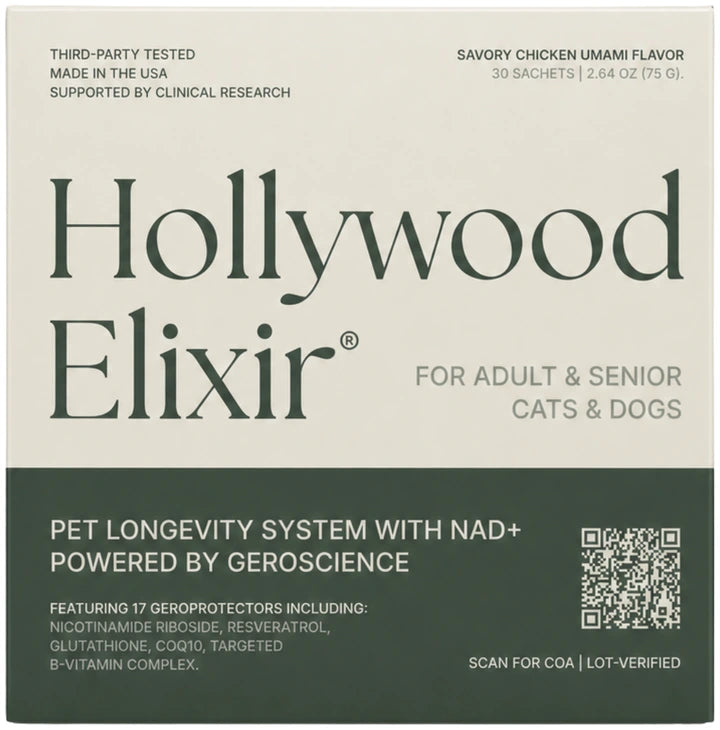
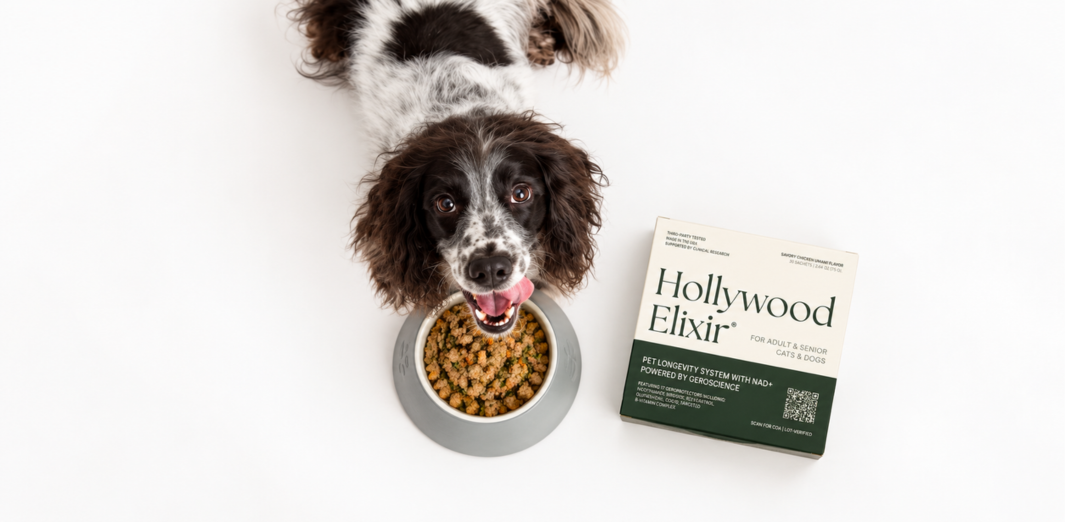
Hollywood Elixir is designed to support normal aging routines as part of a broader wellness plan.
Hollywood Elixir®
Starting at $89/mo
Hollywood Elixir is amazing! She put back on 5 lbs to a healthy weight, her eyes are shiny, her coat is beautiful!
— Jessie
We go on runs. Lately he's been keeping up with no problem!
— Cami
Considering Shepherd Wellness Tracking?
If You’re Researching Shepherd Gut-Immune Links, Here’s What Matters Most
Choose two goals for the next month—more uniform stool and calmer skin—and track daily readouts before changing anything else. Bring photos, videos, and a food/treat list to the vet to discuss EPI, allergy infection control, and hind-end differentials. If desired, Hollywood Elixir can be layered in to support normal aging routines alongside fundamentals.
Learn about how our DVMs think about dog aging
Dr. JoAnna Pendergrass DVM
Hollywood Elixir®
Starting at $89/mo
Explore your dog’s changing needs over time
Related Reading
The practical takeaway is that daily readouts from the gut and skin can help predict when the body is drifting into a more reactive state, long before a crisis visit.