German Shepherd Hip Dysplasia Daily Care

Learn How to Support Mobility, Muscle Strength, Pain Control, and Digestive Health Daily

Essential Summary

Why is daily care for german shepherd hip dysplasia important?

Daily care matters because hip dysplasia is shaped by what the dog does and stands on every day. Lean body condition, low-impact movement, traction, and a simple tracking log can make comfort calmer and more predictable. The goal is a wider range for normal life, with fewer flare-ups.

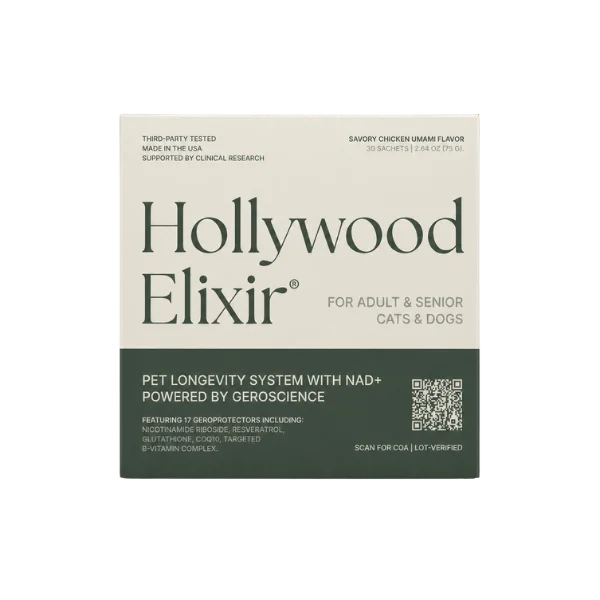
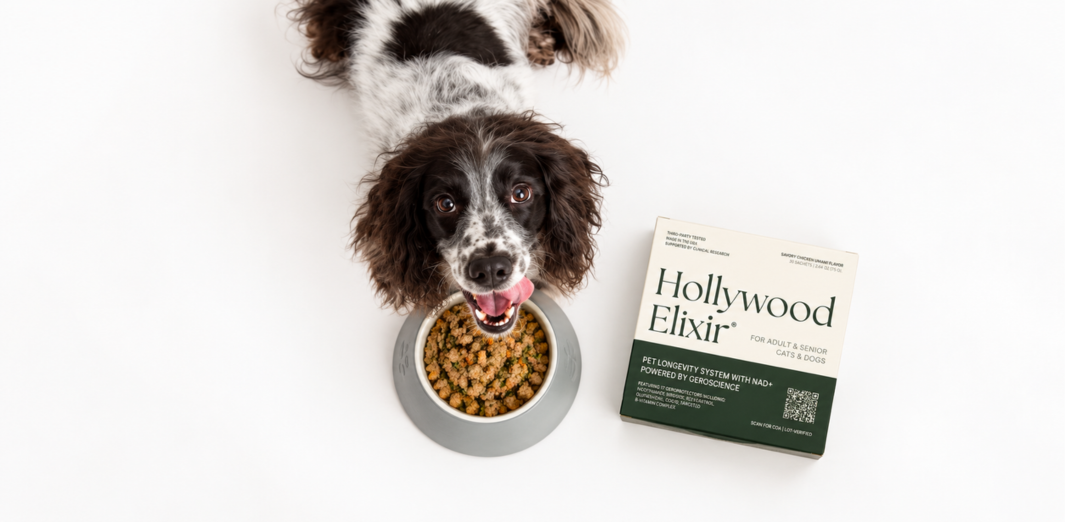
Hollywood Elixir™ can be part of a daily plan that supports whole-body aging resilience alongside traction, controlled exercise, and veterinarian-guided pain strategies. It is designed to support normal cellular function and recovery rhythms, which may help support a calmer baseline when paired with consistent german shepherd joint care routines.

When a German Shepherd starts hesitating at stairs, slipping on floors, or looking stiff after rest, the most helpful next step is not guessing—it is building a daily plan that reduces peak forces and documents patterns. In many households, hip dysplasia is the most likely explanation, but knees and the lower back can look similar, so the early focus should be on what the owner can observe reliably. Hip dysplasia is a structural mismatch in the hip joint that changes how load is distributed, and genetics play a meaningful role in this breed.

This page follows a symptom-first triage approach: start with the behaviors that show up at home, then work backward to the most likely cause, and finally build a repeatable routine. The core of german shepherd hip dysplasia daily care is simple but not always easy: keep the dog lean, choose controlled low-impact movement, add traction and ramps where needed, and use slow strengthening to buffer the hip during normal life. Owners will also find a checklist, what to log between vet visits, and an urgency ladder for when changes should move faster than “wait and see.” The goal is a calmer, more predictable baseline—so the dog can move with confidence and the veterinarian gets clearer information.

By La Petite Labs Editorial, ~15 min read

Featured Product:

  • Daily care for german shepherd hip dysplasia centers on lean weight, traction, and controlled low-impact movement.
  • Owners usually notice stair hesitation, bunny hopping, slipping, or delayed soreness after intense play.
  • Similar signs can come from knees or spine, so videos and a short log help the vet localize pain.
  • The most effective home changes reduce peak forces: rugs, ramps, shorter walks, fewer sharp turns.
  • Strength work should be slow and precise; stop when hopping, twisting, or refusal signals fatigue.
  • Nutrition is mainly about calories and consistency; avoid stacking multiple joint supplements without a plan.
  • Track progress indicators (walk minutes, slips, square-stand time, next-morning stiffness) and change one variable at a time.

The First Signs Owners Notice at Home

A german shepherd that hesitates at stairs, “bunny hops,” or sits crooked is often protecting painful hips. Hip dysplasia is a mismatch between the ball and socket that changes how force travels through cartilage and bone, so everyday movements can feel sharper than they look. Genetics matter in this breed, but daily load is what decides whether signs stay mild or become erratic over time (Babá, 2019).

At home, the first goal is to make movement calmer and more predictable, not to chase big athletic milestones. Watch for the “warm-up effect” (stiff at first, looser after a few minutes) versus pain that worsens as activity continues. Note which surfaces trigger slipping, and whether the dog avoids tight turns. Those observations shape german shepherd joint care choices long before any new medication is discussed.

Visualization of mitochondria illustrating cellular support pathways for GSD hip dysplasia support.

Differentials: When It Might Not Be the Hips

Not every rear-end change in a GSD is hip dysplasia. Knee ligament injury, lumbosacral disease, muscle strain, and paw pain can all mimic hip discomfort, and the daily plan differs for each. Hip dysplasia is most likely when there is reduced hip extension, difficulty rising, and a shortened stride that improves briefly after warming up. Conservative care typically combines weight targets, controlled low-impact exercise, and rehab-style strengthening rather than relying on a single fix (TAM, 2017).

A useful home screen is symmetry: does one leg “toe-touch” on slick floors, or do both hips look guarded? Check whether the dog can stand square for 10 seconds without shifting weight. If pain shows up mainly after fetch or jumping into the car, the hips may be signaling overload rather than weakness alone. This is where GSD hip dysplasia support starts: reduce peak forces first, then rebuild capacity.

Molecular science graphic tied to healthy aging support from german shepherd hip dysplasia nutrition.

Weight Targets: the Highest-impact Daily Lever

The most reliable daily-care lever is body condition. Extra weight increases joint compression and makes the hip’s imperfect fit more punishing with every step, which narrows the dog’s repair window between activity bouts (Kirkby, 2012). Even small changes in body fat can change how much inflammation and muscle fatigue the dog experiences after routine walks. For many families, weight management is the difference between “can’t get comfortable” and “settles after a short walk.”

Use hands, not the scale alone: ribs should be easy to feel with a light touch, and the waist should be visible from above. Measure meals, count training treats, and pick one predictable snack option instead of rotating high-calorie extras. If the dog begs more on rest days, add low-calorie volume (like green beans) only if the veterinarian agrees it fits the overall diet. This is german shepherd hip dysplasia nutrition in its most practical form: calories first, supplements second.

Protein fold visualization tied to cellular support mechanisms in german shepherd joint care.

Exercise That Builds Capacity Without Spikes

Exercise for hip dysplasia is not “less,” it is “different.” The joint benefits when muscles share load and movement stays within a comfortable range, but flare-ups happen when intensity spikes or footing is unstable. Evidence reviews of nonsurgical care repeatedly emphasize structured, low-impact activity and rehab exercises as core tools alongside other therapies (Kirkby, 2012). The aim is to keep the dog’s day-to-day capacity wide enough that normal life does not trigger pain.

Build a predictable routine: two to four short walks can be better than one long one, especially on level ground. Choose sniff-heavy “decompression” walks over fast marching, and avoid repeated ball chasing that forces abrupt turns. If the dog is stiff the next morning, the prior day was too much. For german shepherd joint care, the best exercise plan is the one that stays boringly consistent for weeks.

Dog portrait capturing warmth and companionship supported through GSD hip dysplasia support.

Traction and Surfaces: the Hidden Load Multiplier
Surfaces change hip load more than most owners expect. Slippery floors force the rear legs to splay, which increases strain through the hip and surrounding muscles, while deep sand or snow can overwork stabilizers and trigger soreness later. When the hip is painful, the dog often recruits the lower back and knees to compensate, which can spread discomfort beyond the original joint. Daily care works best when the home environment reduces surprise slips and awkward pivots.

Place runners on the routes the dog uses most: bed to water, door to yard, and the turn into the favorite resting spot. Use a harness for controlled starts, and consider a ramp for the car to avoid repeated jumping. Keep nails trimmed to improve traction, and wipe paw pads after outdoor moisture that makes indoor slipping more likely. These changes are simple GSD hip dysplasia support because they lower peak forces without asking the dog to “push through.”

Hollywood Elixir™ is amazing and makes my 13 y/o young again!

— Jessie

We go on runs. Lately he's been keeping up with no problem!

— Cami

“Traction and routine often matter more than a single new supplement.”

Strength and Mobility Work That Stays Safe

Strength work protects the hip by shifting demand from the joint surface to the surrounding muscle groups. Targeted rehab focuses on gluteal and core engagement, controlled hip extension, and balance—skills that keep the femoral head better centered during movement. Conservative management plans commonly include therapeutic exercise as a mainstay because function can improve even when the joint shape does not change (TAM, 2017). The key is slow, precise reps that stay below the pain threshold.

Start with sit-to-stand from a non-slip surface, but keep the dog’s rear feet tucked under rather than sprawled. Add short “weight shifts” while the dog stands square, then progress to stepping over low poles at a walk. Stop if the dog starts hopping, twisting, or refusing the next rep—those are fatigue signals, not stubbornness. In german shepherd hip dysplasia daily care, consistency matters more than intensity; one variable should change at a time, then reassess.

Dog headshot symbolizing resilience and calm energy supported by german shepherd joint care.

Pain Control Basics and Home Safety Signals

Pain control is often necessary to keep movement possible, but it should be planned, not improvised. NSAIDs such as carprofen are commonly used in dogs for orthopedic pain, and long-term use has been evaluated with attention to adverse effects and the need for monitoring (Raekallio, 2006). Some dogs also benefit from adjuncts like gabapentin for chronic or neuropathic components of pain, though sedation and wobbliness can affect daily routines (Di Cesare, 2023). Medication choices and timing should be veterinarian-guided, especially in large breeds with active lifestyles.

Owners can support safer use by watching appetite, vomiting/diarrhea, dark stools, unusual thirst, or sudden lethargy after starting or changing pain meds. Track whether the dog is more willing to rise and climb a few steps, not whether the dog can sprint. If sedation appears, reduce risky activities like stairs until the veterinarian adjusts the plan. Good GSD hip dysplasia support means pain relief should widen the dog’s range for rehab, not create new fall risks.

Canine side view symbolizing quiet confidence supported through german shepherd joint care.

Case Vignette: High Drive, Delayed Soreness Pattern

CASE VIGNETTE: A 6-year-old German Shepherd starts avoiding the couch and “crab-walking” on hardwood, but still begs for the ball. After a weekend of enthusiastic fetch, the dog pants at night and struggles to rise the next morning, then loosens up by midday. That pattern—high drive with delayed soreness—often points to hips being overloaded rather than a sudden loss of fitness.

In that scenario, the daily plan is to keep joy while removing the spikes: replace fetch with leash walks and scent games for two weeks, add rugs on the turning points, and use a ramp for car entry. If the dog improves, the next step is controlled strengthening, not a return to all-out running. If the dog does not improve, the vet visit should focus on confirming the pain source and ruling out knees or spine. This is the practical rhythm of german shepherd hip dysplasia daily care.

Ingredient explainer image showing clean formulation principles for german shepherd hip dysplasia nutrition.

Owner Checklist for Daily Hip Comfort Clues

OWNER CHECKLIST: daily observation turns vague worry into useful data. Check (1) time to rise from lying down, (2) willingness to extend the hip when stepping up a curb, (3) slipping frequency on indoor floors, (4) “bunny hopping” during faster trots, and (5) whether the dog shifts weight off one side when standing. These items are specific to how hip discomfort shows up during normal household movement.

Do the checklist at the same times each day—first thing in the morning and after the main walk—so patterns are clearer. Video a 10–15 second clip of the dog walking away and back on a flat surface; small gait changes are easier to see later than in the moment. If the dog is worse after rest and better after gentle movement, that supports a stiffness-driven pattern; if the dog worsens steadily with activity, the plan should be scaled back. This is foundational german shepherd joint care because it guides what to change next.

What to Track so Changes Are Meaningful

WHAT TO TRACK: progress indicators should be concrete enough to compare week to week. Log (1) minutes walked before gait shortens, (2) number of slips per day, (3) ability to hold a square stand for 10 seconds, (4) stair strategy (alternating vs two-feet-per-step), (5) nighttime restlessness, and (6) next-morning stiffness score. These markers reflect both pain and function, which is what matters most in conservative care (TAM, 2017).

Use a simple notes app and keep the scale small: 0–3 for stiffness, 0–3 for restlessness, and a number for slips. Add context like “rainy day” or “played with neighbor dog,” because environment changes load. When a change is made—new rugs, shorter walks, diet adjustment—keep everything else stable for 10–14 days before judging results. For GSD hip dysplasia support, this tracking prevents the common cycle of changing five things at once and learning nothing.

“Track function, not hero moments, to see real change.”

Lab coat detail emphasizing vet-informed standards supporting GSD hip dysplasia support.

A Common Misconception That Delays Better Routines

A UNIQUE MISCONCEPTION is that hip dysplasia is only a “young dog problem,” so adult-onset stiffness must be normal aging. In reality, the joint shape and laxity can be present early, while signs appear later when muscle support drops, weight creeps up, or activity patterns change. Genetics contribute strongly in German Shepherd Dogs, but expression varies widely, which is why two dogs from similar lines can look very different at home (Babá, 2019). The correct takeaway is not inevitability—it is that daily load management matters.

Another misconception is that rest alone “lets the hip heal.” Too much rest can shrink muscle support and make the first steps after lying down more painful. The better approach is controlled movement that stays within a comfortable range, paired with traction and weight targets. Owners should expect a calmer, more predictable baseline over weeks, not an overnight transformation. This mindset keeps german shepherd hip dysplasia daily care focused on sustainable routines rather than dramatic resets.

Shop Now
Ingredients around product reflecting antioxidant support within german shepherd hip dysplasia nutrition.

How to Prepare for a Productive Vet Visit

VET VISIT PREP is most helpful when it brings specifics, not general concern. Bring (1) two short gait videos on a flat surface, (2) a two-week log of stiffness and walk tolerance, and (3) a list of recent activity spikes like hiking, daycare, or repeated fetch. Ask: “Which joint is the primary pain source—hip, knee, or spine?” and “What home exercises are safe right now?” Conservative plans are typically multimodal, so it also helps to ask how weight targets, rehab, and medications should fit together (Kirkby, 2012).

Also ask: “What signs mean the current plan is too aggressive?” and “When should recheck imaging or a rehab referral be considered?” If medications are prescribed, confirm what side effects should trigger a call and whether baseline bloodwork is recommended. Share any supplement list, including chews, because stacking products can create unexpected risk. This preparation makes german shepherd joint care more efficient and reduces trial-and-error between visits.

Shop Now
Woman holding Hollywood Elixir box with her dog, showing daily german shepherd hip dysplasia nutrition routine.

What Not to Do During Flare-prone Weeks

WHAT NOT TO DO: avoid weekend-warrior patterns where the dog is quiet all week and then does a long hike or intense fetch session. Avoid repeated jumping in and out of vehicles, especially when the dog is stiff. Avoid slick-floor “zoomies” indoors; traction is a safety issue, not a luxury. And avoid combining pain medications or adding human NSAIDs without veterinary direction, because the risk profile is not interchangeable.

Another common mistake is pushing through reluctance because the dog “seems fine once moving.” That warm-up effect can hide overload until later that night or the next morning. Finally, avoid supplement piling—multiple joint products plus high-dose add-ons—without a clear plan and monitoring. A published case report describes serious illness after joint supplement toxicity, underscoring that “natural” does not automatically mean safe (Bunnell, 2023). For GSD hip dysplasia support, fewer, well-chosen steps are safer than a crowded cabinet.

Shop Now

Nutrition Priorities That Support Daily Comfort

Nutrition supports daily function mainly by controlling calories and providing complete, consistent essentials. Many adult and senior dog diets vary widely in nutrient composition, which is one reason a veterinarian may recommend sticking with a proven, complete-and-balanced food rather than frequent switches (German, 2025). For hip dysplasia, the practical nutrition priority is maintaining a lean body condition so the dog’s joints face less compression during routine movement. Beyond that, any add-ons should be chosen for fit and safety, not hype.

For german shepherd hip dysplasia nutrition, keep meals predictable and use measured portions, especially in treat-heavy training households. If the dog needs more satiety, discuss fiber strategies with the veterinarian rather than adding calorie-dense toppers. If a joint diet is used, avoid doubling up with multiple similar supplements unless the vet confirms it is appropriate. The goal is a calmer baseline: less day-to-day swelling, fewer flare triggers, and better participation in rehab work.

Sleep, Beds, and Small Comfort Details That Add Up

Daily comfort also depends on sleep quality and temperature management. Pain often shows up as nighttime repositioning, panting, or choosing the floor over a bed because getting up from a soft surface feels difficult. A supportive, low-profile bed can reduce the effort of rising, while a cooler sleeping area may help some dogs settle more easily after activity. These details do not change the hip’s structure, but they can make the dog’s day less erratic.

Place the bed where the dog can stand up without turning sharply, and keep water nearby to reduce unnecessary trips on slick flooring. If mornings are consistently the hardest, add a brief, gentle leash walk before breakfast rather than encouraging a burst of play. Owners can also use a harness handle to help the dog rise without pulling on the neck. This is german shepherd joint care at the household level: reducing friction points that quietly drain comfort.

Competitor comparison image focusing on formulation integrity in GSD hip dysplasia support.

An Urgency Ladder for When to Escalate Care

An urgency ladder helps owners decide when to call the veterinarian quickly. Same-day contact is appropriate if the dog cannot bear weight, cries out when rising, suddenly refuses all movement, or shows a swollen limb—those patterns can indicate injury beyond chronic hip dysplasia. Prompt advice is also warranted if new pain medication coincides with vomiting, black stools, or profound lethargy, because adverse effects can be serious and need monitoring (Raekallio, 2006). Hip dysplasia is usually chronic, but acute changes deserve faster triage.

Non-urgent but important: a gradual increase in slipping, a shorter walk window, or more frequent nighttime restlessness over several weeks. Those trends suggest the current plan is no longer buffering daily load. Bring the tracking log and ask whether rehab progression, imaging, or medication adjustments are appropriate. For GSD hip dysplasia support, the best time to adjust is when changes are small, not after a major flare.

Shop Now
Hollywood Elixir in protective wrap, emphasizing quality behind german shepherd joint care.

When Nerve-driven Pain Changes the Home Plan

Some dogs with hip dysplasia develop a neuropathic pain component, where the nervous system amplifies discomfort even when activity is modest. Adjunct medications like gabapentin are commonly used in dogs for chronic pain support, but they can cause sedation or unsteady walking that changes what is safe to do at home (Di Cesare, 2023). This matters for daily care because a dog that is drowsy may slip more easily or misjudge stairs. The plan should match the dog’s alertness and coordination on that day.

If the dog seems “spaced out,” avoid ramps with steep angles and keep walks short and controlled. Use traction paths indoors and block access to stairs until coordination looks normal again. Owners should log both comfort and function; a calmer mood is not a win if mobility becomes riskier. This is a nuanced part of german shepherd hip dysplasia daily care: comfort strategies must preserve safety and confidence in movement.

Shop Now

Putting It Together into a Repeatable Daily Rhythm

A sustainable plan blends environment, movement, and nutrition into something the household can repeat. Conservative management aims to reduce pain and improve quality of life rather than “fixing” the joint shape, so success is measured by calmer routines and a wider range for normal activities. When owners treat the plan like a long-term rhythm—small adjustments, then reassess—dogs often stay engaged in family life for years.

For families who want a simple add-on, Hollywood Elixir™ can be part of a daily plan that supports whole-body aging resilience while the core hip strategy stays focused on weight targets, traction, and controlled strength work. It should be viewed as supportive, not as a replacement for veterinary diagnosis, pain control, or rehab progression. The most helpful mindset is incremental adjustment: change one variable at a time, then reassess using the same progress indicators. That approach keeps GSD hip dysplasia support practical and grounded.

“Reduce peak forces first, then rebuild strength carefully.”

Educational content only. This material is not a substitute for veterinary advice. Always consult your veterinarian about your dog’s specific needs. These statements have not been evaluated by the Food and Drug Administration. Products mentioned are not intended to diagnose, treat, cure, or prevent any disease.

Glossary

  • Hip laxity - Excess looseness of the hip joint that allows abnormal motion.
  • Ball-and-socket congruency - How well the femoral head fits the acetabulum during movement.
  • Bunny hopping - Using both hind legs together during running to avoid painful hip extension.
  • Delayed soreness - Discomfort that appears hours later or the next morning after activity.
  • Peak force - A short, high-load moment (jumping, slipping, sharp turns) that can trigger a flare.
  • Therapeutic exercise - Slow, controlled movements designed to build support muscles without provoking pain.
  • Square stand - Standing with weight evenly distributed across all four limbs for a set time.
  • Neuropathic pain component - Pain influenced by nervous system sensitization, sometimes requiring adjunct medications.
  • Body condition score - A hands-on assessment of fat cover and shape used to guide weight targets.

Related Reading

References

Kirkby. Canine hip dysplasia: reviewing the evidence for nonsurgical management.. PubMed. 2012. https://pubmed.ncbi.nlm.nih.gov/22150604/

Babá. Heritability of hip dysplasia: Preliminary results for German Shepherd dogs in Brazil. 2019. https://www.sciencedirect.com/science/article/abs/pii/S0167587719300546

TAM. Conservative Management of Hip Dysplasia.. PubMed. 2017. https://pubmed.ncbi.nlm.nih.gov/28576270/

Raekallio. Evaluation of adverse effects of long-term orally administered carprofen in dogs.. PubMed. 2006. https://pubmed.ncbi.nlm.nih.gov/16536696/

Di Cesare. Gabapentin: Clinical Use and Pharmacokinetics in Dogs, Cats, and Horses.. PubMed Central. 2023. https://pmc.ncbi.nlm.nih.gov/articles/PMC10295034/

German. Exploratory analysis of nutrient composition of adult and senior dog diets.. PubMed Central. 2025. https://pmc.ncbi.nlm.nih.gov/articles/PMC12757753/

Bunnell. Case report: Treatment of joint supplement toxicity resulting in acidemia, hyperglycemia, electrolyte derangements, and multiple organ dysfunction.. PubMed Central. 2023. https://pmc.ncbi.nlm.nih.gov/articles/PMC10347412/

FAQ

What does hip dysplasia look like day to day?

Many dogs show small, repeatable patterns: hesitation before stairs, a shortened stride, bunny hopping at faster speeds, or choosing the floor because getting up from a bed feels hard. Some dogs look fine during play but are stiff later that night or the next morning.

Daily notes about surfaces, turning, and delayed soreness help separate hip discomfort from simple “being tired.” Those details also help a veterinarian decide whether the hips are the primary issue or whether knees or the lower back should be evaluated.

Why are German Shepherds prone to hip dysplasia?

Hip dysplasia has a strong genetic component in German Shepherd Dogs, meaning inherited structure and laxity can raise risk even with good care. That does not mean every dog will be severely affected, but it explains why the condition can appear despite an attentive home routine(Babá, 2019).

Environment still matters: weight, footing, and activity spikes influence how much discomfort shows up in daily life. The most useful approach is to manage load consistently and document patterns so the care plan can be adjusted early.

Is rest or exercise better for sore hips?

For most dogs, controlled exercise is better than prolonged rest. Too much rest can reduce muscle support around the hip, making the first steps after lying down more uncomfortable. Conservative plans typically emphasize low-impact activity and therapeutic exercise to support function and comfort.

The key is avoiding intensity spikes. Several short, level walks and slow strengthening reps are usually safer than long hikes, repeated jumping, or hard fetch sessions with sharp turns.

What home flooring changes help most?

Traction is one of the highest-impact changes because slipping forces the rear legs to splay and the dog to brace suddenly. Runners or mats placed on the main “traffic lanes” often reduce daily strain more than owners expect.

Focus on the routes the dog uses repeatedly: bed to water, door to yard, and the turn into the favorite resting spot. Nail trims and dry paw pads also help reduce surprise slips that can trigger a flare.

How can owners track progress between vet visits?

Pick a few progress indicators and log them consistently: minutes walked before gait shortens, number of slips per day, ability to stand square for 10 seconds, stair strategy, nighttime restlessness, and next-morning stiffness. These markers reflect both comfort and function.

Change one variable at a time (like adding rugs or shortening walks) and reassess after 10–14 days. Simple videos on the same flat surface can also show small gait changes that are easy to miss day to day.

What is the biggest mistake with fetch and jumping?

The most common problem is intensity spikes: a dog rests most of the week, then does a long hike or hard fetch session with abrupt turns. That pattern often creates delayed soreness and nighttime restlessness, even if the dog looks eager during the activity.

Repeated jumping into cars or onto furniture can also add avoidable peak forces. Ramps, controlled leash starts, and swapping fetch for scent games can keep the dog engaged while protecting the hips.

When should a dog with hip dysplasia see the vet urgently?

Urgent evaluation is appropriate if the dog cannot bear weight, cries out when rising, suddenly refuses to move, or has a swollen limb. Those signs can indicate an injury beyond chronic hip dysplasia, such as a knee problem or acute soft-tissue strain.

A prompt call is also warranted if new pain medication coincides with vomiting, black stools, or profound lethargy. Those patterns can signal adverse effects that need veterinary guidance and monitoring(Raekallio, 2006).

Do NSAIDs like carprofen require monitoring?

Yes. NSAIDs are commonly used for orthopedic pain, and long-term oral carprofen has been evaluated with attention to adverse effects, supporting the importance of veterinary monitoring over time. Owners should follow the prescribed plan and avoid adding other anti-inflammatories without approval.

At home, watch for appetite changes, vomiting/diarrhea, dark stools, unusual thirst, or sudden lethargy. Report changes promptly so the veterinarian can adjust the plan rather than waiting for a major flare or complication.

Is gabapentin used for hip dysplasia discomfort?

Some veterinarians use gabapentin as an adjunct for chronic pain, especially when a neuropathic component is suspected. In dogs, reported adverse effects can include sedation and ataxia, which matters for stairs, slippery floors, and overall safety at home(Di Cesare, 2023).

If a dog seems drowsy or uncoordinated, reduce fall risks and keep activity controlled until the veterinarian advises next steps. Comfort should widen safe movement, not create new hazards.

What should owners bring to a hip dysplasia appointment?

Bring two short videos (walking away and back on a flat surface), a two-week log of stiffness and walk tolerance, and a list of recent activity spikes like hiking or intense play. Also bring a complete list of foods, treats, and supplements.

Helpful questions include: which joint is the primary pain source, what home exercises are safe now, and what signs mean the plan is too aggressive. Conservative care is usually multimodal, so clarity on how each piece fits together saves time.

How does weight affect hip dysplasia symptoms?

Extra body fat increases the load the hip must absorb with every step, which can narrow the dog’s repair window between activity bouts. Evidence reviews of nonsurgical management consistently center weight control as a core part of conservative care.

Owners can monitor body condition by feel: ribs should be easy to feel with light pressure, and a waist should be visible from above. Measured meals and predictable treats usually matter more than any single supplement choice.

What is a realistic timeline for seeing changes?

Environmental changes like adding traction paths can look helpful within days because slipping decreases immediately. Strength and conditioning changes usually take weeks, because muscles need repeated, low-pain practice to share load more effectively.

Use the same progress indicators each week (walk minutes, slips, next-morning stiffness) and avoid changing multiple variables at once. A calmer, more predictable baseline is the right target, not a sudden return to high-impact play.

What does “conservative management” mean for hip dysplasia?

Conservative management means non-surgical care aimed at comfort and function rather than changing the joint’s shape. It commonly includes lean weight targets, structured low-impact exercise, therapeutic strengthening, and veterinarian-guided pain control.

It works best when the household reduces peak forces (slipping, jumping, abrupt turns) and tracks progress indicators over time. If function continues to decline, the veterinarian may discuss imaging, rehab referral, or surgical options.

How should german shepherd hip dysplasia nutrition be approached?

Start with calories and consistency. A complete-and-balanced diet that supports a lean body condition is the most practical nutrition step for hip comfort. Adult and senior dog diets can vary widely in nutrient composition, so frequent switching without a reason can complicate the plan(German, 2025).

If add-ons are considered, choose them with the veterinarian and avoid stacking multiple joint products. The goal is a calmer baseline that supports predictable movement and participation in controlled exercise.

Can too many joint supplements be harmful?

Yes. “Natural” does not guarantee safety, especially when multiple products overlap ingredients or when high-dose add-ons are used. A published case report describes severe illness associated with joint supplement toxicity, highlighting the importance of caution and veterinary oversight(Bunnell, 2023).

A safer approach is to keep a short supplement list, document what changes, and reassess using the same progress indicators. Bring all labels to the vet so the full intake can be reviewed.

How can Hollywood Elixir™ fit into a daily plan?

A daily plan for hip dysplasia is built on weight targets, traction, and controlled strengthening. Hollywood Elixir™ can be added as supportive whole-body aging resilience, helping support normal cellular function while the core plan focuses on load management.

It should not be treated as a replacement for veterinary diagnosis, pain control, or rehab progression. The most useful approach is incremental adjustment: add one change, track progress indicators for 10–14 days, then reassess.

What should owners avoid when starting a new supplement?

Avoid starting multiple new products at the same time, because it becomes unclear what helped or caused side effects. Avoid combining overlapping joint chews, oils, and powders without a plan, and avoid assuming higher doses are better.

Discuss the full list with the veterinarian, especially if the dog is also taking NSAIDs or other pain medications. Track appetite, stool quality, energy, and coordination so changes are caught early.

Is this daily care guidance the same for small dogs?

The principles overlap—lean body condition, traction, and controlled exercise—but large breeds like German Shepherds face higher forces through the hips and often have different household challenges (stairs, car entry, slippery floors). That changes which modifications matter most.

A GSD-focused plan often emphasizes ramps, harness support for rising, and careful management of high-drive play. Veterinary guidance is important because the best exercise progression depends on the dog’s size, coordination, and pain pattern.

Is hip dysplasia daily care relevant if surgery is planned?

Yes. Traction, weight targets, and controlled strengthening can support safer movement before surgery and can help owners build tracking habits that are useful during recovery. Conservative strategies also help clarify how much of the dog’s limitation is pain versus deconditioning.

Owners should ask the surgeon or primary veterinarian which exercises are appropriate pre-op and what should be avoided. A predictable routine makes it easier to notice sudden changes that require faster triage.

What is a simple decision framework for GSD hip dysplasia support?

Start by identifying the pattern: stiffness after rest, pain that worsens with activity, or sudden lameness. Next, reduce peak forces immediately (traction, ramps, shorter walks). Then add controlled strengthening only when the dog can move without delayed soreness.

Track a few progress indicators weekly and change one variable at a time. If function keeps declining or new red flags appear, escalate to a veterinary recheck rather than adding more supplements or pushing longer exercise.

5K+ Happy Pet Parents

Excellent 4.8

German Shepherd Hip Dysplasia Daily Care | Why Thousands of Pup Parents Trust Hollywood Elixir™

"He seems more happy overall. I've also noticed he has more energy which makes our walks and playtime so much more fun."

Olga & Jordan

"He's got way more energy now! We go on runs pretty often; he use to get tired halfway through, but lately, he's been keeping up without any problem."

Cami & Clifford

"I want her to live forever. She hasn't had an ear infection since!"

Madison & Azula

"It helps with her calmness, her immune system. I really like the clean ingredients. Highly recommend La Petite Labs!"

Maple & Cassidy

"He seems more happy overall. I've also noticed he has more energy which makes our walks and playtime so much more fun."

Olga & Jordan

"He's got way more energy now! We go on runs pretty often; he use to get tired halfway through, but lately, he's been keeping up without any problem."

Cami & Clifford

"I want her to live forever. She hasn't had an ear infection since!"

Madison & Azula

"It helps with her calmness, her immune system. I really like the clean ingredients. Highly recommend La Petite Labs!"

Maple & Cassidy

"He seems more happy overall. I've also noticed he has more energy which makes our walks and playtime so much more fun."

Olga & Jordan

"He's got way more energy now! We go on runs pretty often; he use to get tired halfway through, but lately, he's been keeping up without any problem."

Cami & Clifford

"I want her to live forever. She hasn't had an ear infection since!"

Madison & Azula

"It helps with her calmness, her immune system. I really like the clean ingredients. Highly recommend La Petite Labs!"

Maple & Cassidy

"He seems more happy overall. I've also noticed he has more energy which makes our walks and playtime so much more fun."

Olga & Jordan

"He's got way more energy now! We go on runs pretty often; he use to get tired halfway through, but lately, he's been keeping up without any problem."

Cami & Clifford

"I want her to live forever. She hasn't had an ear infection since!"

Madison & Azula

"It helps with her calmness, her immune system. I really like the clean ingredients. Highly recommend La Petite Labs!"

Maple & Cassidy

SHOP NOW