


The 12 Hallmarks of Aging in Dogs, Explained
Read full insightLongevity Diet for Senior Dogs
What to feed aging dogs to protect muscle, brain, and joints
By La Petite Labs Editorial 15 min read

How to Set Calories and Track Progress (Without Underfeeding Protein)

Protein: Muscle-first Aging Without Overcomplicating It

Fiber and Feeding Structure for a More Reliable Appetite

Omega-3s and Inflammation: a Joint and Brain Bridge
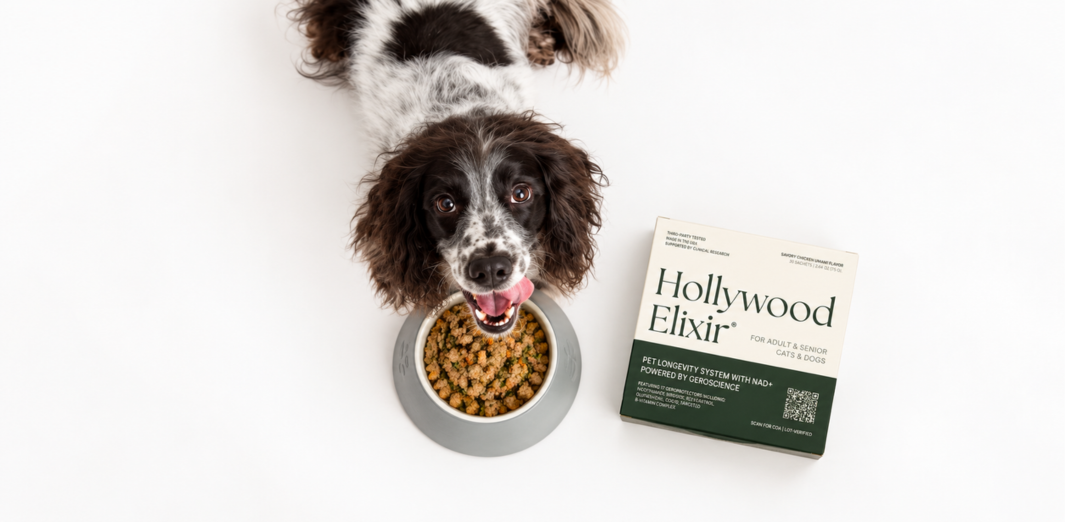
Case Vignette: When “Senior” Food Causes Weight Creep

Owner Checklist: Home Signals That the Diet Is Off

What to Track for 4–6 Weeks After a Diet Change

DVM Voice: Clinical Vignette of a Common Pattern in Senior Dog Aging
Case provided by JoAnna Pendergrass, DVM
Rex, a 7-year-old Labrador Retriever, was brought in after his owner noticed he was slower to rise, hesitant on stairs, and less able to play as before. Examination showed stiffness and reduced hip mobility; radiographs confirmed degenerative joint changes.
His care required weight management, veterinary-guided pain control, nutritional support, and rehabilitation — a comprehensive plan, but one started only after visible decline appeared.
Clinical takeaway: Rex’s case reflects the value of proactive aging support: maintaining lean body condition, monitoring mobility early, and supporting cellular resilience, antioxidant defense, and healthy inflammatory balance before decline becomes obvious.
Single-case vignette. Not generalizable. Veterinary oversight is essential for pain, stiffness, or suspected joint disease.

What Not to Do When Updating an Older Dog’s Diet

Cognition Support: Feeding the Aging Brain Without Hype

Medium-chain Triglycerides: When They May Fit a Senior Plan

Secondary Context: When Medical Conditions Change the Diet

Putting It Together: a Simple Daily Longevity Bowl
References

Discover LPL-01: How This Fits Into a Larger Canine Longevity System
Aging in dogs is not driven by a single pathway. It’s the result of interacting biological systems—energy metabolism, oxidative stress, immune signaling, and structural integrity—changing over time.
This article explores one piece of that puzzle. If you want to understand how these pieces connect—and what actually moves the needle—you need to zoom out.
Start with the underlying science:
- Canine Geroscience Framework →
A structured view of how aging progresses across cellular energy, inflammation, and resilience systems. - Senior Biological Defense Coverage (BDC) Modeling →
A systems-level map of which biological pathways decline first, and how layered interventions can support them. - 2026 Market Research: Best Dog Longevity Supplements →
A 2026 industry report and review of leading senior-dog and cellular-aging formulas. - LPL-01 Standard →
The formulation system that translates these models into real-world supplementation—covering multiple pathways in a coordinated way.
Keep exploring
What would you like to understand next?
Search practical guides about healthy aging, cellular energy, ingredients, and daily support for dogs.


