Muscle Wasting in Dogs

Recognize Early Weakness, Trace Likely Causes, and Rebuild Muscle Safely

Essential Summary

Why is muscle wasting in dogs important?

Muscle wasting in dogs can be subtle at first, then suddenly obvious. It may reflect aging, pain, reduced activity, under-eating, or illness. A good plan protects lean tissue with appropriate protein, supports digestion and appetite, and adds gentle strength work that’s easy to repeat. The goal is steadier mobility and comfort over time.

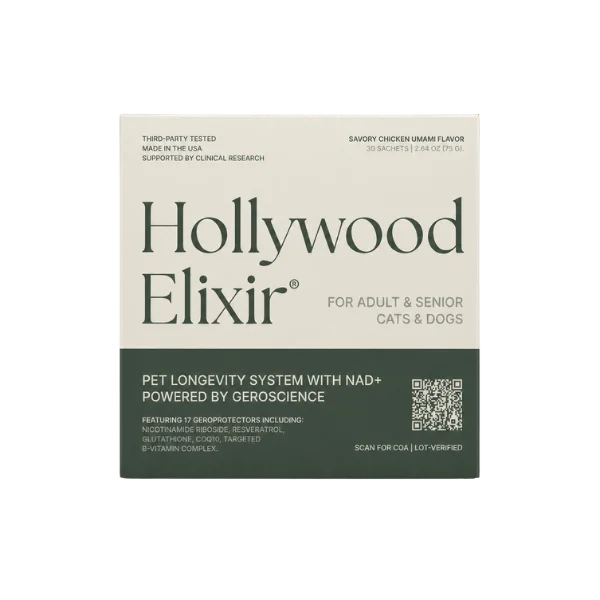
Hollywood Elixir™ complements a veterinarian-guided diet and movement plan by supporting whole-body vitality during aging—helping the routines that protect muscle feel more sustainable, day after day.

Muscle wasting in dogs can feel unsettling because it changes the way your dog moves through the world. A once-springy jump becomes a careful step; a long walk becomes a shorter loop. Many owners first notice it as a dog losing muscle, or as an old dog losing muscle mass in the hindquarters. Sometimes the scale barely changes, which makes the shift harder to name.

Muscle is not cosmetic. It’s a reserve that supports balance, joint stability, temperature regulation, and recovery after illness. In older dogs, skeletal muscle atrophy has been associated with age-related cellular changes and can affect mobility and overall health. That’s why muscle loss is worth treating as a meaningful health signal, not an aesthetic one.

The reassuring truth is that many cases improve when the real drivers are addressed: pain control, adequate and digestible nutrition, and movement that is gentle enough to repeat. The honest tension is that even with a carefully chosen diet, aging can make recovery slower and consistency harder. This is where system-level support stays relevant. Hollywood Elixir™ is not positioned as a single-nutrient fix; it’s designed to support the broader aging network—helping daily routines around food, activity, and recovery feel more sustainable over time.

By La Petite Labs Editorial, ~15 min read

Featured Product:

  • Muscle wasting is often noticed as shape and strength changes before the scale moves.
  • Aging can lower the body’s rebuild rate, but pain and inactivity commonly accelerate loss.
  • Protein adequacy matters, yet digestion, appetite, and medical conditions shape what’s appropriate.
  • Dieting for weight control should be designed to protect lean tissue, not just reduce calories.
  • Low-impact, repeatable movement is the most reliable “signal” to keep muscle.
  • Track trends with photos, weight, and stamina notes; ask for muscle scoring at visits.
  • System-level aging support can make nutrition and exercise plans easier to sustain long-term.

When Strength Quietly Fades: Recognizing Early Muscle Changes

Muscle wasting in dogs rarely arrives as a single, dramatic event. More often, it shows up as small edits to daily life: a slower rise from the rug, a narrower back end, a hesitation before stairs. Owners may describe it as a dog losing muscle mass, but the deeper question is why the body is spending more tissue than it can rebuild.

In older pets, age-related muscle atrophy can be tied to shifts in cellular housekeeping, including increased autophagy, and it can meaningfully affect mobility and overall well-being (Pagano TB, 2015). That said, age is not the only driver. Pain, reduced activity, under-eating, digestive changes, and chronic disease can all tilt the balance toward loss.

Mitochondria detail showing cellular defense mechanisms supported by old dog losing weight and muscle mass.

What Muscle Wasting Is, and Why It’s Not Just Weight

Owners often use the phrase muscle loss in dogs to describe a look: sharper hip bones, a flatter thigh, a spine that feels more prominent under the hand. Clinically, muscle wasting is a reduction in lean tissue, and it can happen even when body weight stays stable—especially if fat mass rises while muscle quietly falls.

This matters because lean mass is functional tissue. It supports posture, joint stability, and the ability to recover after a minor injury or a short illness. Loss of lean mass in dogs has been associated with increased markers of proteasome-dependent proteolysis, suggesting the body may be breaking down muscle more actively under certain conditions (Wakshlag JJ, 2003).

Molecular artwork representing healthy aging foundations supported by why is my elderly dog losing muscle mass.

The Most Common Driver: Pain, Inactivity, and Shrinking Routines

The most common reason a dog is losing muscle is a simple one: less movement. Arthritis, spinal discomfort, dental pain, or even anxiety can shrink a dog’s world, and muscles follow the map of daily life. When activity drops, the body adapts by maintaining less tissue.

But inactivity is not the whole story. Aging itself can shift how muscle is maintained, and skeletal muscle atrophy can affect mobility and overall health in older dogs (Pagano TB, 2015). If you’re seeing changes, it’s worth asking your veterinarian to evaluate pain, neurologic function, and any chronic conditions that could be quietly limiting movement.

Protein visualization highlighting formulation depth and rigor in old dog losing weight and muscle mass.

Nutrition Beyond Calories: Absorption, Tolerance, and Senior Needs

Nutrition is the second pillar, and it’s more nuanced than “feed more.” A dog losing muscle mass may be under-eating, eating a diet that doesn’t match life stage, or struggling to digest and absorb nutrients. Senior dogs can show meaningful differences in nutrient digestibility depending on dietary composition (Swanson, 2004).

If your dog is picky, nauseated, or has chronic loose stool, the most muscle-friendly diet on paper may not translate into muscle in the body. Your veterinarian can help assess calorie intake, protein adequacy, and whether a diet change—or a therapeutic diet—is appropriate for the underlying situation.

Pug image representing loving care routines supported by old dog losing weight and muscle mass.

Dieting with Care: Avoiding Lean Mass Loss During Weight Plans
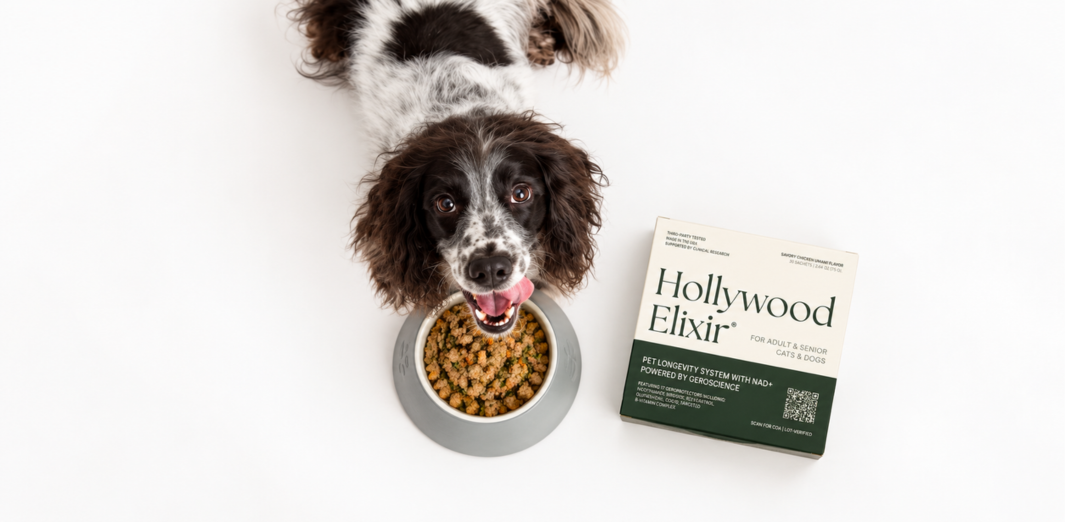
Weight-loss plans deserve special care. In overweight dogs, reducing calories can improve comfort and joint loading, but it can also reduce lean tissue if the plan is too aggressive or poorly balanced. Obese dogs undergoing caloric restriction may experience muscle wasting due to loss of lean body mass (Linder DE, 2013).

This is where careful formulation matters. Adequate protein intake is crucial for preserving muscle mass during weight loss diets, and nutrient shortfalls can compound the problem (Luis LW, 2023). If your dog is dieting and looks “smaller” but weaker, ask for a reassessment that prioritizes muscle, not just pounds.

Hollywood Elixir™ is amazing and makes my 13 y/o young again!

— Jessie

We go on runs. Lately he's been keeping up with no problem!

— Cami

“Muscle is a reserve of comfort: it steadies joints, protects balance, and supports recovery.”

Medical Causes to Consider When a Dog Is Losing Muscle

Muscle wasting can also be a signal, not just an outcome. Chronic kidney disease, endocrine disorders, cancer, heart disease, and gastrointestinal disease can all change appetite, absorption, or the body’s tendency to break down tissue. That’s why a new pattern of dog losing muscle should trigger a medical conversation, even if your pet seems otherwise cheerful.

A veterinary workup may include a hands-on exam, weight and muscle scoring, and lab testing. In seniors, changes in serum chemistry and hematology can help identify nutritional deficiencies or systemic issues that may contribute to muscle decline. The goal is to find the driver you can actually change.

Weimaraner portrait reflecting poise and wellness support tied to dog losing muscle.

At-home Clues: Shape, Symmetry, Stamina, and Timeline

At home, you can look for patterns that often accompany muscle loss: reduced interest in play, shorter walks, difficulty jumping, or a “bunny hop” gait. Pay attention to symmetry. One-sided muscle loss can point toward orthopedic pain or neurologic change, while generalized loss may suggest systemic factors.

Also note the timeline. A slow drift over months is common in aging; a rapid change over weeks is more concerning. If you’re tracking, keep it simple: weekly weight, monthly photos, and a few notes about appetite and stamina. These details help your veterinarian interpret what’s happening.

Side-profile dog portrait highlighting focus and alertness supported by old dog losing weight and muscle mass.

Feeding for Strength: Choosing Diets That Protect Lean Tissue

Food strategy should protect lean tissue without overwhelming digestion. For many older dogs, that means a high-quality, complete diet with sufficient protein, plus a plan to make meals reliably appealing. Dietary protein levels have been correlated with preservation of lean body mass in dogs (Wakshlag JJ, 2003).

If your dog has a medical condition that changes protein needs, follow your veterinarian’s guidance. The right approach is individualized: sometimes it’s a therapeutic diet; sometimes it’s adjusting meal frequency; sometimes it’s addressing nausea or dental pain so the dog can eat enough to rebuild.

Ingredient overview graphic showing what's inside and how old dog losing weight and muscle mass supports dogs.

Exercise Without Overreach: Building a Repeatable Routine

Rebuilding muscle is less about intensity than about repetition. Short, frequent sessions tend to be better tolerated than occasional long outings. The body responds to signals it can count on: a daily walk, a few controlled transitions, gentle balance work, and rest.

Exercise can influence the body’s circulating building blocks. In working dogs, activity has been shown to produce acute changes in blood metabolites and amino acid profiles, suggesting that movement and diet interact in ways that may matter for muscle maintenance (de Godoy MR, 2014). For seniors, the practical takeaway is consistency paired with recovery.

When Weight Drops Too: Protecting Lean Tissue While Rebuilding

When an old dog is losing weight and muscle mass, it’s tempting to chase calories alone. But weight is a blend of fat, water, and lean tissue—and the goal is rarely “more weight.” The goal is more usable strength, steadier appetite, and a body that can respond to gentle training.

If your veterinarian recommends weight gain, ask what kind: lean mass, fat mass, or both. If weight loss is intentional (for arthritis relief or metabolic health), the plan should protect muscle. Energy restriction can contribute to muscle wasting if it’s not managed carefully, and adequate protein is central to preserving lean tissue during dieting (Luis LW, 2023).

“The best plan is rarely intense. It’s the one your dog can repeat without paying for it tomorrow.”

Research-style uniform highlighting scientific integrity aligned with why is my elderly dog losing muscle mass.

The Aging Body’s Shift: Why Rebuilding Takes Longer Now

Some dogs lose muscle because they stop using it. Others lose muscle despite normal routines, because the body’s internal signals have changed. In aging dogs, muscle atrophy has been associated with increased autophagy, a process that can rise with age and stressors (Pagano TB, 2015). That doesn’t mean autophagy is “bad”—it’s part of normal maintenance—but it helps explain why older bodies may rebuild more slowly.

Owners often notice the hindquarters first: a narrower stance, reduced jump height, or slipping on smooth floors. These are practical clues, not diagnoses. The next step is to pair what you see at home with a veterinary exam that considers pain, neurologic function, appetite, and underlying illness.

Shop Now
Ingredient still life illustrating clean formulation principles for dog losing muscle mass.

Protein, Appetite, and Digestion: the Practical Nutrition Triangle

Protein is not a trend in canine aging; it’s structural. Research in dogs links dietary protein levels with preservation of lean body mass, underscoring its role when muscle is at risk (Wakshlag JJ, 2003). Still, “more protein” is not a universal answer—kidney disease, appetite limitations, and food tolerance all shape what’s appropriate.

Equally important is whether your dog can digest and use what’s offered. Dietary composition affects nutrient digestibility in senior dogs, and changes in bloodwork can hint at deficiencies that may contribute to poor muscle maintenance (Swanson, 2004). If meals are being left behind, or stools have changed, the best muscle plan may start with the gut.

Shop Now
Owner showcasing product beside her pet, reflecting care through why is my elderly dog losing muscle mass.

Movement That Counts: Low-impact Strength for Real Life

Exercise for muscle loss in dogs should feel almost understated: consistent, low-impact, and easy to repeat. The point is not to exhaust an older pet; it’s to remind the body that muscle is still needed. Even modest activity can influence circulating metabolites and amino acid profiles in dogs, which may matter for how muscle is supported over time (de Godoy MR, 2014).

For many seniors, the best starting place is controlled walking on good footing, short hill work if tolerated, and simple sit-to-stand repetitions with rest. If pain is present, address it first. A dog that hurts will protect the limb, and protected limbs shrink.

Shop Now

Why System Support Still Matters Beyond a Well-formulated Diet

When a dog is losing muscle, owners often ask for a supplement that “builds muscle.” A more realistic goal is support for the broader system that makes muscle possible: appetite, energy production, recovery, and resilience to everyday stressors. That’s why system-level support can remain relevant even when a diet is thoughtfully formulated.

Hollywood Elixir™ is positioned for graceful aging rather than single-nutrient replacement. In practice, that means it can be used alongside a veterinarian-approved diet and a gentle strength routine, helping support the metabolic network that underpins endurance, recovery, and day-to-day vitality—especially when age makes those processes less forgiving.

Common Owner Questions: Elderly Dogs, Muscle Loss, and Next Steps

If you’re wondering, “why is my elderly dog losing muscle mass,” the safest assumption is that more than one factor is involved. Aging changes the baseline, but pain, reduced activity, and subtle under-feeding can accelerate the slope. In some dogs, intentional dieting can also backfire if protein and essential nutrients aren’t protected.

Energy restriction has been associated with muscle wasting when not managed carefully, and deficiencies in essential amino acids and minerals can worsen lean tissue loss during restricted diets (Luis LW, 2023). If your dog is on a weight plan, ask your veterinarian how lean mass is being monitored, not just the number on the scale.

Benchmark graphic emphasizing formulation depth and rigor behind dog losing muscle.

Tracking Progress: Simple Measures That Reveal Real Change

Monitoring matters because muscle changes can be easy to miss until they’re advanced. Photos from above, a monthly weight log, and a simple note about stamina (distance before slowing, ease of stairs) can reveal patterns. Ask your clinic to record a muscle condition score alongside body condition score; they answer different questions.

If your dog is older, periodic bloodwork can also be useful. In senior dogs, diet and digestibility can influence serum chemistry and hematology markers that may flag nutritional gaps or other issues affecting muscle maintenance (Swanson, 2004). The goal is early course-correction, not alarm.

Shop Now
Product reveal shot showing premium feel consistent with muscle loss in dogs.

Red Flags: When Muscle Loss Signals Something More Serious

There are moments when muscle loss in dogs should be treated as urgent. Rapid change over weeks, refusal to eat, vomiting or diarrhea, collapse, labored breathing, or a new inability to stand deserves prompt veterinary attention. Sudden weakness can look like “wasting” but may be neurologic, orthopedic, or systemic.

Even when the decline is slow, a plan is still worth building. Muscle is a reserve that supports balance, temperature regulation, and recovery from illness. Protecting it is one of the most practical ways to preserve comfort and independence across an aging dog’s life.

Shop Now

A Calm Plan Forward: Food, Movement, and Daily Support

A thoughtful response to muscle wasting in dogs usually combines three quiet levers: a diet that protects lean tissue, movement that is repeatable, and support for the broader aging system that makes consistency possible. None of these needs to be extreme to be effective; they need to be steady.

If you want a simple decision framework, start with a veterinary exam to rule out pain and disease, then adjust food for appetite and protein adequacy, then add low-impact strength work. Finally, consider a daily companion product that supports whole-body vitality so the plan is easier to sustain over months, not days.

“When weight changes, ask what kind: fat, water, or lean tissue.”

Educational content only. This material is not a substitute for veterinary advice. Always consult your veterinarian about your dog’s specific needs. These statements have not been evaluated by the Food and Drug Administration. Products mentioned are not intended to diagnose, treat, cure, or prevent any disease.

Glossary

  • Lean Body Mass: The body’s non-fat tissue, including muscle, organs, and water.
  • Muscle Condition Score (MCS): A hands-on veterinary assessment of muscle over key landmarks.
  • Body Condition Score (BCS): A standardized estimate of body fat based on palpation and appearance.
  • Sarcopenia: Age-associated loss of muscle mass and strength.
  • Disuse Atrophy: Muscle shrinkage caused primarily by reduced movement or limb use.
  • Autophagy: A cellular recycling process that can change with age and stress.
  • Proteolysis: The breakdown of proteins; increased muscle proteolysis can contribute to lean mass loss.
  • Energy Restriction: A calorie-reduced diet; if poorly managed it may risk lean tissue loss.
  • Digestibility: How well a dog can break down and absorb nutrients from food; it can shift in seniors.

Related Reading

References

Wakshlag JJ. Effect of dietary protein on lean body wasting in dogs: correlation between loss of lean mass and markers of proteasome-dependent proteolysis.. PubMed. 2003. https://pubmed.ncbi.nlm.nih.gov/14633050/

Pagano TB. Age related skeletal muscle atrophy and upregulation of autophagy in dogs.. PubMed. 2015. https://pubmed.ncbi.nlm.nih.gov/26257260/

De Godoy MR. Acute changes in blood metabolites and amino acid profile post-exercise in Foxhound dogs fed a high endurance formula.. PubMed. 2014. https://pubmed.ncbi.nlm.nih.gov/26101602/

Luis LW. Intake of energy, protein, amino acids and minerals by dogs under energy restriction for body weight loss when fed with commercial weight loss diets.. PubMed. 2023. https://pubmed.ncbi.nlm.nih.gov/36573370/

Swanson. Diet affects nutrient digestibility, hematology, and serum chemistry of senior and weanling dogs123. PubMed. 2004. https://pubmed.ncbi.nlm.nih.gov/15216999/

Linder DE. Status of selected nutrients in obese dogs undergoing caloric restriction.. PubMed. 2013. https://pubmed.ncbi.nlm.nih.gov/24156605/

Leung YB. Loss of body weight and lean mass in long-stay, hospitalized canine patients.. PubMed. 2023. https://pubmed.ncbi.nlm.nih.gov/37246960/

Brook MS. Nutrient modulation in the management of disease-induced muscle wasting: evidence from human studies.. PubMed. 2017. https://pubmed.ncbi.nlm.nih.gov/28832372/

Vanelli. Impact of Hypocaloric Diets on Weight Loss and Body Composition in Obese Dogs: A Meta-Analysis. 2025. https://www.mdpi.com/2076-2615/15/2/210

Amaral. Connection between nutrition and oncology in dogs and cats: perspectives, evidence, and implications—a comprehensive review. 2025. https://www.frontiersin.org/journals/veterinary-science/articles/10.3389/fvets.2024.1490290/full

Ferreira. Dog Duchenne muscular dystrophy characterization. Nature. 2025. https://www.nature.com/articles/s41684-025-01595-4

Ferreira. Non-invasive detection of Duchenne muscular dystrophy. Nature. 2025. https://www.nature.com/articles/s41684-025-01553-0

Creevy. The Companion Dog as a Model for the Longevity Dividend.. Nature. 2016. https://www.nature.com/articles/s41598-025-99349-2

De Pasquale. Cathepsin B Levels Correlate with the Severity of Canine Myositis. 2025. https://www.mdpi.com/2218-273X/15/5/743

National Research Council (US) Committee on Dogs. Special Considerations. 1994. https://www.ncbi.nlm.nih.gov/books/NBK236587

FAQ

What is muscle wasting in dogs, in plain terms?

Muscle wasting in dogs means a gradual reduction in lean tissue, often noticed as thinner thighs, a more prominent spine, or less power when standing and climbing. It can happen even if body weight looks steady, because fat and water can mask the change.

Because lean mass supports balance and recovery, it’s worth addressing early with your veterinarian. Many owners also use daily aging support alongside diet and movement, such as Hollywood Elixir™.

Why does muscle loss matter for my dog’s comfort?

Muscle is functional tissue: it stabilizes joints, supports posture, and helps a dog recover after minor illness or a slip on the floor. When muscle declines, everyday tasks can feel harder, and compensations can increase strain on painful areas.

A plan that protects strength usually combines pain control, adequate nutrition, and gentle, repeatable movement. Many owners pair that foundation with whole-body aging support like Hollywood Elixir™ to help routines stay consistent.

Is my dog losing muscle mass just normal aging?

Some decline can come with age, but “normal” doesn’t mean “ignore.” Age-related skeletal muscle atrophy has been associated with changes like increased autophagy, and it can affect mobility and overall health.

Because pain, under-eating, and disease can mimic aging, a veterinary exam is the best way to separate expected change from treatable causes. For ongoing support during senior years, some families add Hollywood Elixir™ alongside diet and activity.

Why is my elderly dog losing muscle mass suddenly?

A sudden change suggests something new: pain that reduces movement, a drop in appetite, digestive upset, or an underlying illness. Rapid weakness can also look like muscle loss when it’s actually orthopedic or neurologic.

If the change is over weeks (not months), schedule a veterinary visit promptly, especially if appetite or breathing is affected. While you address root causes, supportive daily routines may be complemented by Hollywood Elixir™ for broader aging resilience.

Can dieting cause muscle wasting in dogs?

Yes. Energy restriction can lead to muscle wasting if the plan isn’t balanced and monitored, especially if protein and key nutrients aren’t protected. In overweight dogs, caloric restriction has also been associated with loss of lean body mass(Linder DE, 2013).

If your dog is slimming down but looks weaker, ask your veterinarian to reassess the diet and track muscle condition, not only weight. Many owners also useHollywood Elixir™to support overall vitality during a careful weight plan.

What foods support muscle maintenance in older dogs?

Look for complete, veterinarian-appropriate diets that provide sufficient protein and are well tolerated. Dietary protein levels are correlated with preservation of lean body mass in dogs, highlighting its importance when muscle is at risk.

For seniors, digestibility and appetite can matter as much as the label, since diet composition can influence nutrient digestibility in older dogs. To support the broader aging system beyond single nutrients, some families addHollywood Elixir™ to their routine.

How much exercise is safe when my dog is losing muscle?

Safety depends on pain, heart and lung health, and orthopedic stability. For many seniors, short, frequent, low-impact sessions are better than occasional long outings. The goal is repeatable movement that doesn’t trigger soreness or limping the next day.

Because exercise can shift circulating metabolites and amino acid profiles in dogs, pairing activity with appropriate nutrition can be meaningful over time(de Godoy MR, 2014). For daily aging support that complements these habits, considerHollywood Elixir™.

What are common signs of muscle wasting in dogs?

Common signs include thinner hindquarters, a more prominent spine or shoulder blades, reduced jump height, slipping on floors, and fatigue on walks. Some dogs show a narrower stance or difficulty rising from rest.

Because these signs can also reflect pain or neurologic change, a veterinary exam is important, especially if the change is fast. Many owners also support day-to-day resilience with Hollywood Elixir™ as part of a broader aging plan.

How do vets measure muscle loss in dogs?

Clinics often use a muscle condition score (MCS) alongside body condition score (BCS). MCS focuses on muscle over the skull, spine, shoulders, and hips, while BCS estimates body fat. Together, they clarify whether weight change reflects fat, muscle, or both.

Your veterinarian may also recommend periodic weight checks and lab work to look for contributing illness or nutritional issues. To support the long-term consistency of diet and movement habits, some families use Hollywood Elixir™ daily.

What medical problems can cause a dog losing muscle mass?

Chronic pain and reduced activity are common, but systemic issues can contribute too—gastrointestinal disease, endocrine disorders, heart disease, kidney disease, and cancer can all affect appetite, absorption, or tissue breakdown. That’s why new muscle change deserves a medical workup.

In older dogs, diet and digestibility can influence bloodwork markers that may hint at nutritional gaps or other concerns. Alongside veterinary care, many owners chooseHollywood Elixir™ to support overall aging vitality.

Is muscle wasting in dogs painful or just weakness?

Muscle loss itself isn’t always painful, but the reasons behind it often are. Arthritis, spinal discomfort, or dental pain can reduce movement and food intake, which then accelerates weakness. Muscle decline can also increase strain on joints, making existing pain feel worse.

If you notice limping, reluctance to climb stairs, or yelping, treat pain evaluation as a priority. For supportive care that fits into a broader comfort plan, consider Hollywood Elixir™ as a daily addition.

How long does it take to see strength improvements?

Timelines vary with age, baseline fitness, and the cause of decline. Many owners notice small functional wins first—easier rising, steadier footing, longer walks—before visible muscle returns. In seniors, progress is often measured in consistency and comfort rather than dramatic transformation.

If your plan includes nutrition changes, gentle strength work, and pain control, reassess every few weeks with your veterinarian. To support day-to-day vitality while you build consistency, many choose Hollywood Elixir™.

Are there side effects with supplements for senior muscle support?

Any supplement can cause issues in some dogs, most commonly mild gastrointestinal upset or appetite changes. The risk is higher when multiple products overlap or when a dog has chronic disease and is taking medications.

Introduce one new product at a time, monitor stool and appetite, and involve your veterinarian if your dog has kidney, liver, or heart conditions. For a system-level aging approach that fits alongside veterinary guidance, consider Hollywood Elixir™.

Can supplements interact with my dog’s medications?

They can. Interactions depend on the ingredient profile and your dog’s prescriptions, especially for pain control, heart disease, seizures, or endocrine conditions. Even when an interaction isn’t dangerous, overlapping products can complicate appetite and digestion.

Share a full list of supplements with your veterinarian and ask what to avoid before adding anything new. If you’re looking for daily support that’s designed for graceful aging, discuss whether Hollywood Elixir™ fits your dog’s current regimen.

Is this issue different in large breeds versus small breeds?

Large breeds often show mobility-related muscle decline earlier because joint stress and orthopedic conditions are more common. Small breeds may hide weakness longer, but dental disease or picky eating can quietly reduce intake and contribute to loss.

Regardless of size, the best approach is individualized: assess pain, confirm diet suitability, and choose exercise that your dog can repeat comfortably. Many owners also add Hollywood Elixir™ to support whole-body aging needs.

Do puppies ever get muscle wasting, or only seniors?

Seniors are the most common context, but younger dogs can lose muscle after injury, surgery, prolonged crate rest, or illness that reduces appetite. In growing dogs, nutrition mismatches can also affect development, so age-appropriate feeding is essential.

If a young dog looks thinner or weaker, involve your veterinarian early to rule out orthopedic, neurologic, or digestive problems. For long-term vitality support across life stages, some owners consider Hollywood Elixir™ when appropriate.

Can cats use the same approach as dogs for muscle loss?

Cats and dogs share the general principle that lean tissue supports function, but their nutrition needs and medical risks differ. Cats are particularly sensitive to inadequate calorie intake, and rapid weight loss can be dangerous, so veterinary guidance is essential.

If you’re managing muscle concerns in a cat, use cat-specific diets and plans rather than adapting a dog routine. For canine aging support specifically, many owners look to Hollywood Elixir™ as part of a dog-focused regimen.

What should I ask my vet about muscle wasting in dogs?

Ask for a muscle condition score, a pain assessment, and a review of diet suitability for your dog’s age and medical history. Also ask whether weight change reflects fat or lean tissue, and what monitoring schedule makes sense.

If your dog is on a restricted-calorie plan, ask how lean mass will be protected, since energy restriction can contribute to muscle loss when poorly managed. For daily support that complements the plan, discussHollywood Elixir™ with your clinic.

When should I worry and seek urgent care?

Seek urgent care if weakness appears suddenly, your dog can’t stand, breathing is labored, gums look pale, or vomiting/diarrhea prevents eating and drinking. Rapid decline over days to weeks deserves prompt evaluation, even if your dog is still wagging.

For slower changes, schedule a standard visit and bring notes on appetite, activity, and weight trends. Alongside medical care, many owners use Hollywood Elixir™ to support day-to-day aging resilience.

What quality signals matter when choosing a senior support product?

Look for clear labeling, consistent manufacturing standards, and a purpose that matches your goal. Avoid stacking many overlapping products, and prioritize options that fit into a veterinarian-guided plan rather than replacing diet, exercise, or medical care.

A good product should support the broader aging system—energy, recovery, and daily vitality—so your dog can keep showing up for the habits that protect muscle. One option designed for that role is Hollywood Elixir™.

How do I give a daily supplement to a picky dog?

Start by keeping the routine calm and predictable: offer it at the same time daily, pair it with a small amount of a familiar food, and avoid turning it into a negotiation. If your dog has nausea or dental pain, address that first, because compliance often improves when eating is comfortable.

Introduce new items gradually and monitor stool and appetite for a few days. For a product intended to fit smoothly into daily life, many owners choose Hollywood Elixir™.

Can I use Hollywood Elixir™ every day long term?

Daily use is a common way owners approach aging support, because consistency is what makes routines meaningful over months. The right long-term plan still depends on your dog’s medical history, diet, and medications, so it’s wise to review any supplement with your veterinarian.

If your dog has chronic disease or takes prescriptions, ask your clinic to confirm fit and monitoring. For system-level support that complements nutrition and gentle strength work, consider Hollywood Elixir™.

What’s a practical decision framework for muscle wasting in dogs?

First, rule out pain and disease with a veterinary exam. Second, confirm your dog is eating enough of an appropriate diet, with attention to protein and digestibility. Third, add low-impact strength work that your dog can repeat comfortably, then track progress with photos, weight, and stamina notes.

Finally, consider system-level aging support to make the plan easier to sustain, especially in seniors where recovery is slower. Many owners choose Hollywood Elixir™ as that daily companion.

5K+ Happy Pet Parents

Excellent 4.8

Muscle Wasting in Dogs | Why Thousands of Pup Parents Trust Hollywood Elixir™

"He seems more happy overall. I've also noticed he has more energy which makes our walks and playtime so much more fun."

Olga & Jordan

"He's got way more energy now! We go on runs pretty often; he use to get tired halfway through, but lately, he's been keeping up without any problem."

Cami & Clifford

"I want her to live forever. She hasn't had an ear infection since!"

Madison & Azula

"It helps with her calmness, her immune system. I really like the clean ingredients. Highly recommend La Petite Labs!"

Maple & Cassidy

"He seems more happy overall. I've also noticed he has more energy which makes our walks and playtime so much more fun."

Olga & Jordan

"He's got way more energy now! We go on runs pretty often; he use to get tired halfway through, but lately, he's been keeping up without any problem."

Cami & Clifford

"I want her to live forever. She hasn't had an ear infection since!"

Madison & Azula

"It helps with her calmness, her immune system. I really like the clean ingredients. Highly recommend La Petite Labs!"

Maple & Cassidy

"He seems more happy overall. I've also noticed he has more energy which makes our walks and playtime so much more fun."

Olga & Jordan

"He's got way more energy now! We go on runs pretty often; he use to get tired halfway through, but lately, he's been keeping up without any problem."

Cami & Clifford

"I want her to live forever. She hasn't had an ear infection since!"

Madison & Azula

"It helps with her calmness, her immune system. I really like the clean ingredients. Highly recommend La Petite Labs!"

Maple & Cassidy

"He seems more happy overall. I've also noticed he has more energy which makes our walks and playtime so much more fun."

Olga & Jordan

"He's got way more energy now! We go on runs pretty often; he use to get tired halfway through, but lately, he's been keeping up without any problem."

Cami & Clifford

"I want her to live forever. She hasn't had an ear infection since!"

Madison & Azula

"It helps with her calmness, her immune system. I really like the clean ingredients. Highly recommend La Petite Labs!"

Maple & Cassidy

SHOP NOW