Is Kibble Bad for Dogs

Learn How Processing Affects Stools, Skin, Weight, and How to Adjust Meals

Essential Summary

Why is it important to know whether kibble is bad for dogs?

Kibble isn’t automatically harmful, but its processing, low moisture, and calorie density can be a poor fit for some dogs. The most useful approach is to watch your dog’s weight, stools, skin, and energy, then adjust ingredients, portions, or format with intention. A strong diet is the foundation; smart, system-level support can still matter over time.

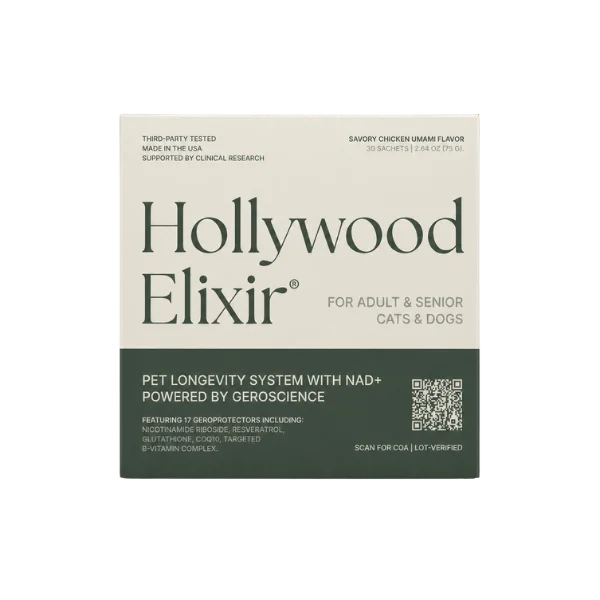
If you keep kibble, switch to fresh, or land somewhere in between, Hollywood Elixir™ is designed to support whole-body resilience as your dog ages—working alongside a good diet rather than trying to replace it.

The phrase is kibble bad for dogs carries a particular kind of worry: the fear that something ordinary, repeated daily, might be quietly shaping a dog’s health in the wrong direction. That fear is understandable—kibble is convenient, ubiquitous, and often framed as either a modern miracle or a nutritional mistake. The truth is calmer. Kibble is a format, not a verdict. Many dogs do well on it for years. Others don’t, and the reasons are usually specific: calorie density that makes overfeeding easy, low moisture that doesn’t suit a dog who under-drinks, or an ingredient profile that doesn’t match an individual dog’s digestion or skin. Research comparing kibble to other diet formats suggests that diet type can influence internal health indicators, including microbiota and other measurable markers. That doesn’t mean every dog should abandon kibble. It means your dog’s response matters, and it’s worth paying attention to the quiet signals—stool consistency, itchiness, body condition, and energy—rather than relying on ideology. This page lays out a practical way to think about kibble: what it does well, where it can fall short, and how to choose healthier feeding options without turning dinner into a daily debate. And because even an excellent diet mostly covers “requirements,” not the broader wear-and-tear of aging, we also address why a system-level supplement can still be relevant. Hollywood Elixir™ is designed to support whole-body resilience alongside any feeding style, so careful owners don’t have to choose between nutritional rigor and long-term support.

By La Petite Labs Editorial, ~15 min read

Featured Product:

  • Kibble can be complete and safe, but it isn’t equally suited to every dog.
  • Processing and low moisture are common reasons some dogs feel better on other formats.
  • Digestive changes are often about consistency, transitions, and treat “leakage,” not one ingredient.
  • Portion accuracy matters; calorie-dense kibble makes accidental overfeeding easy.
  • Fresh, cooked, or mixed feeding can add moisture and variety without abandoning balance.
  • Dogs with medical conditions need diet choices shaped by constraints, not trends.
  • Even with a strong diet, system-level aging support can be a thoughtful add-on.

The Real Question Behind Kibble Doubts, and What to Watch

The question isn’t whether kibble is “good” or “bad.” It’s whether a particular kibble, fed in a particular way, suits your dog’s body over time. Kibble can be complete and convenient, but it’s also highly processed, typically lower in moisture, and often built around starches that help it hold its shape. Those features can be perfectly workable for many dogs—and less ideal for others. When owners ask why is kibble bad for dogs, they’re often noticing subtle patterns: itchiness, inconsistent stools, weight creep, or a dog who seems less eager at meals. Those signals don’t automatically indict kibble; they invite a closer look at ingredients, portion size, and your dog’s individual needs.

Close-up mitochondria render visualizing cellular resilience supported by how much kibble to feed dog.

What Kibble Is, How It’s Made, and Why Processing Matters

Kibble is a broad category, not a single food. Some formulas are thoughtfully made, tested, and appropriate for long-term feeding; others are heavy on cheap fillers, vague fats, and marketing claims. Processing matters because extrusion uses heat and pressure to create shelf-stable nuggets. That can reduce certain naturally occurring compounds and change how ingredients behave in the gut. Studies comparing kibble to other diet formats have found differences in microbiota and metabolic readouts, suggesting the format itself can shape internal physiology (Hiney K, 2024). Still, “processed” isn’t automatically “harmful.” The more relevant question is whether the specific kibble supports your dog’s digestion, weight, and comfort.

DNA structure visual linked to antioxidant protection mechanisms in why is kibble bad for dogs.

Ingredient Lists and Carbs: Separating Red Flags from Noise

When people ask why is kibble bad for dogs, they’re often reacting to ingredient panels that feel more industrial than culinary. Common concerns include high carbohydrate load, rendered meals, and long lists of additives. Carbohydrates aren’t inherently wrong for dogs, but some dogs do better with lower-starch formulas, especially if they gain weight easily. Ingredient quality and digestibility can matter as much as the macro ratios. If your dog is thriving—good stools, stable weight, clear skin—there may be no urgent reason to abandon kibble. If they’re not, the ingredient list becomes a useful place to start asking better questions.

Protein fold visualization tied to cellular support mechanisms in how much kibble to feed dog.

Water, Texture, and Satiety: the Quiet Differences Dogs Feel

Moisture is the quiet difference that changes a lot. Kibble is typically around 10% water, while fresh or canned foods can be many times higher. For some dogs, low-moisture diets coincide with firmer stools or a tendency toward constipation; for others, it’s a non-issue because they drink plenty. If you’re evaluating is kibble bad for dogs, consider your dog’s drinking habits, urine concentration, and stool texture. Adding water to kibble, using a mix of wet and dry, or rotating in moisture-rich meals can be a gentle way to test whether hydration is part of the story—without rewriting everything at once.

Dog portrait symbolizing calm and wellness supported by how much kibble to feed dog.

Digestion and Stool Quality: Why Some Dogs Struggle on Kibble
Gut comfort is where diet debates become personal. Some dogs can eat the same kibble for years with perfect stools; others develop gas, loose stool, or inconsistent bowel movements that seem tied to the bowl. Research comparing diet types suggests that different feeding formats can shift fecal microbiota composition (Hiney K, 2021). That doesn’t prove one format is universally superior, but it does validate the lived experience: dogs can respond differently. If your dog’s digestion is unreliable, focus on a short ingredient list, consistent feeding times, and gradual transitions. Sudden switches are a common cause of “new food didn’t work” stories.

Hollywood Elixir™ is amazing and makes my 13 y/o young again!

— Jessie

We go on runs. Lately he's been keeping up with no problem!

— Cami

“Kibble is a format. Your dog’s response is the feedback.”

Portion Size and Weight Gain: Getting the Numbers Right

Weight gain is less about kibble’s moral status and more about calorie density and measuring habits. Many kibbles pack a lot of calories into a small volume, which makes overfeeding easy—especially if you eyeball portions. If you’re searching how much kibble to feed dog, start with the bag’s guideline, then adjust based on body condition score and weekly weight trends. For dogs that need to slim down, diet changes can influence body composition and related measures, not just the number on the scale (Oba PM, 2023). The best portion is the one that keeps ribs easily felt, waist visible, and energy steady.

Dog headshot symbolizing resilience and calm energy supported by how much kibble to feed dog.

Dental Health: What Kibble Can and Can’t Do

Dental health is often used to defend kibble, but the story is mixed. Some dogs crunch kibble and still build tartar; others chew minimally and swallow pieces whole. Kibble can provide mild abrasion, but it’s not a substitute for brushing, dental chews designed for oral health, or professional cleanings when needed. If you’re keeping kibble for convenience, treat dental care as its own lane rather than a side benefit. A feeding plan can be excellent and still require a toothbrush. The goal is to avoid letting one “pro” of kibble overshadow the basics that actually protect teeth and gums.

Canine profile image reflecting strength and steadiness supported by how much kibble to feed dog.

Choosing a Better Kibble: Quality Signals Worth Paying For

Quality signals matter because kibble ranges from carefully formulated to barely adequate. Look for a named animal protein, clear fat sources, and a company that can explain where ingredients come from and how they test finished batches. Be wary of vague terms like “meat by-products” without context, or formulas that lean heavily on peas, lentils, or potatoes as the main structure of the food. If you’re unsure, ask your veterinarian which brands have strong quality control and feeding trial data. The question is less “is kibble bad for dogs” and more “is this kibble transparent, consistent, and right for my dog?”

Supplement breakdown graphic emphasizing no fillers approach within how much kibble to feed dog.

Mixed Feeding: a Practical Middle Path for Many Households

Mixed feeding—kibble as a base with fresh components—can be a sensible compromise. It can improve palatability, add moisture, and diversify textures without sacrificing the predictability of a complete diet. The key is proportion and consistency: keep the base diet stable, and rotate add-ins slowly. If you’re changing multiple variables at once, you won’t know what helped or hurt. Some research suggests that diet format can influence health-related indicators, which supports the idea that small shifts may matter for certain dogs (Holm S, 2025). Mixed feeding is not a trend; it’s a practical way to personalize.

Switching Diets Without Drama: Timing, Tracking, and Transitions

If you’re debating a switch, do it like a careful editor: one change at a time, with notes. Start by choosing the new food style (a different kibble, a gently cooked diet, or a mixed approach), then transition gradually over 7–14 days. Watch stool quality, appetite, scratching, and energy. Diet shifts can change gut microbes and stool characteristics, so a short adjustment period is normal (Geary EL, 2022). If your dog has a sensitive stomach, slow down further and keep treats consistent. The goal isn’t novelty; it’s stability. And if you’re changing foods because of recurring issues, bring your vet into the decision so you’re not masking a medical problem with a menu change.

“Most feeding problems are quiet: a little too much, a little too dry, a little too vague.”

Lab coat with La Petite Labs logo symbolizing science-backed standards for why is kibble bad for dogs.

Puppies, Seniors, and Special Cases: When Details Matter Most

Puppies, seniors, and dogs with chronic conditions deserve extra caution with any feeding philosophy. Puppies need energy density and precise mineral balance; seniors often do better with careful calorie control and highly digestible protein. For dogs with pancreatitis history, kidney disease, or food allergies, “better” is defined by the condition, not by internet consensus. If you’re asking is kibble bad for dogs in a medical context, the more useful question is: which formulation best supports your dog’s current constraints? Even when a diet meets requirements on paper, individual responses vary—changes in blood markers and other health indicators have been observed across different diet types (Hiney K, 2021).

Shop Now
Hollywood Elixir in food tableau emphasizing purity aligned with how much kibble to feed dog.

Raw and Home-prepared Diets: Benefits, Risks, and Reality Checks

Raw and home-prepared diets can look like the antidote to kibble, but they come with their own tradeoffs: food safety, nutrient balance, and consistency. Some studies comparing raw and kibble patterns report differences in fecal microbiota and metabolomic profiles (Hiney K, 2024). That doesn’t automatically translate to “raw is better,” but it does underline that diet format can shape internal signals. If you’re drawn to fresh feeding, consider options that are formulated to be complete and that fit your household’s risk tolerance. For many owners, a middle path—high-quality kibble plus targeted fresh add-ins—delivers variety without turning dinner into a chemistry project.

Shop Now
Pet owner presenting supplement, highlighting home wellness supported by why is kibble bad for dogs.

Treats and Toppers: the Hidden Calories That Change Everything

Treats, toppers, and “extras” are where good intentions quietly break a balanced diet. A kibble can be well-formulated, but if 25% of daily calories come from chews, table scraps, and training treats, the overall diet becomes unpredictable. This matters for weight, stool quality, and nutrient balance. Keep extras to a modest share of daily intake, and choose add-ins that complement rather than compete—like a spoon of plain pumpkin for fiber or a small portion of lean protein for palatability. If you’re trying to answer how much kibble to feed dog, remember that treats count too; they’re part of the math, not a free bonus.

Shop Now

Moisture Matters: Small Hydration Tweaks That Improve Comfort

Hydration is one of the most overlooked differences between kibble and fresh foods. Kibble’s low moisture can be fine for dogs who drink well, but some dogs don’t naturally compensate. If your dog’s stools are consistently dry or they seem to gulp water after meals, consider adding warm water or broth (without onion/garlic) to the bowl, or mixing in a moisture-rich food. This isn’t about demonizing kibble; it’s about matching the feeding format to your dog’s habits. Small changes in the bowl can influence digestion and comfort, and they’re often easier than a full diet overhaul.

Skin and Coat Clues: When Food Is Part of the Story

Skin, coat, and itchiness are common reasons owners suspect kibble. Sometimes the issue is a true food allergy; more often it’s a sensitivity, an environmental trigger, or a mismatch between fat type, fiber, and the dog’s gut tolerance. Diet changes have been associated with measurable shifts in skin and coat measures in healthy dogs (Geary EL, 2022). Still, the cleanest approach is structured: change one variable, give it time, and avoid rotating multiple new proteins at once. If itching is intense, recurrent ear infections appear, or hair loss is patchy, involve your veterinarian—diet is only one piece of the picture.

Competitor comparison image focusing on formulation integrity in why is kibble bad for dogs.

Energy and Mood: How the Bowl Can Shape Daily Vitality

Energy and “spark” are hard to quantify, but many owners notice them first. Some dogs seem steadier on one diet format than another, and research suggests diet type can influence biomarkers related to energy metabolism (Holm S, 2025). That doesn’t mean kibble inherently drains vitality; it means the macronutrient profile, digestibility, and feeding routine can shape how a dog feels day to day. If your dog is sluggish, rule out pain, thyroid issues, and anemia before blaming the bowl. Then look at calories, protein quality, and whether meal timing fits your dog’s activity pattern.

Shop Now
Packaging reveal image highlighting brand care aligned with how much kibble to feed dog.

A Simple Decision Framework for Choosing the Right Feeding Style

A practical decision framework helps cut through the noise. Ask: Does my dog maintain a healthy weight? Are stools predictable? Is the coat glossy? Is appetite steady without constant coaxing? If the answers are yes, kibble may be working. If not, identify the most likely driver—portion size, ingredient sensitivity, low moisture, or treat overload—and adjust that first. For dogs needing weight management, diet changes can meaningfully shift body composition and related measures over time (Oba PM, 2023). The best feeding plan is the one you can sustain, measure, and refine without turning every meal into a referendum.

Shop Now

Where Supplements Fit: Supporting the Whole Dog Beyond the Bowl

Even with an excellent diet, owners still look for ways to support long-term resilience—especially as dogs age. Food can meet baseline requirements, but it doesn’t always address the broader, system-level wear that accumulates across a life: stress, recovery, and the subtle slowing that shows up before a diagnosis. That’s where a thoughtfully designed supplement can make sense as a companion to good feeding, not a substitute for it. Hollywood Elixir™ is positioned for whole-system support—useful whether your dog eats kibble, fresh, or a mix—so you can keep the foundation strong while also supporting the bigger picture.

“A strong diet is the foundation; resilience is what you build on top.”

Educational content only. This material is not a substitute for veterinary advice. Always consult your veterinarian about your dog’s specific needs. These statements have not been evaluated by the Food and Drug Administration. Products mentioned are not intended to diagnose, treat, cure, or prevent any disease.

Glossary

  • Extruded kibble: Dry dog food made by cooking ingredients under heat and pressure, then shaping and drying.
  • Moisture content: The percentage of water in food; kibble is low, wet and fresh foods are higher.
  • Calorie density: Calories per cup or gram; higher density makes overfeeding easier.
  • AAFCO statement: Label language indicating a food is formulated to meet standards for a life stage or has passed feeding trials.
  • Body condition score (BCS): A hands-on and visual method to assess whether a dog is underweight, ideal, or overweight.
  • Elimination diet: A structured feeding approach used with veterinary guidance to evaluate food allergies or sensitivities.
  • Palatability: How appealing a food is to a dog, influenced by aroma, fat coating, texture, and temperature.
  • Mixed feeding: Combining kibble with wet, fresh, or gently cooked components while keeping overall nutrition balanced.
  • Treat leakage: When treats and extras add significant calories or nutrients, quietly unbalancing the main diet.

Related Reading

References

Hiney K. Clinical health markers in dogs fed raw meat-based or commercial extruded kibble diets.. PubMed. 2021. https://pubmed.ncbi.nlm.nih.gov/33939804/

Geary EL. Effects of a mildly cooked human-grade dog diet on gene expression, skin and coat health measures, and fecal microbiota of healthy adult dogs.. PubMed. 2022. https://pubmed.ncbi.nlm.nih.gov/35965387/

Holm S. The effect of a kibble diet versus a raw meat-based diet on energy metabolism biomarkers in dogs.. PubMed. 2025. https://pubmed.ncbi.nlm.nih.gov/41046069/

Oba PM. Effects of weight loss and feeding specially formulated diets on the body composition, blood metabolite profiles, voluntary physical activity, and fecal metabolites and microbiota of obese dogs.. PubMed. 2023. https://pubmed.ncbi.nlm.nih.gov/36879442/

Hiney K. Fecal microbiota composition, serum metabolomics, and markers of inflammation in dogs fed a raw meat-based diet compared to those on a kibble diet.. PubMed. 2024. https://pubmed.ncbi.nlm.nih.gov/38694479/

FAQ

Is kibble bad for dogs or just misunderstood overall?

Kibble isn’t automatically “bad.” It’s a processed, shelf-stable format that can be complete and appropriate, especially when made by companies with strong quality control. The real issue is fit: some dogs thrive, while others struggle with weight, stool consistency, or itchiness.

If you keep kibble, you can still support long-term resilience beyond the bowl with Hollywood Elixir™.

Why do some dogs seem worse on kibble diets?

Some dogs react to kibble’s low moisture, calorie density, or specific ingredients (certain proteins, fibers, or fats). Others are simply overfed because kibble is easy to scoop generously. And some dogs do better with more variety or higher palatability than a single dry formula provides.

For broader, whole-body support that complements any diet style, consider Hollywood Elixir™.

Is kibble bad for dogs with sensitive stomachs?

It can be, but not by default. Sensitive dogs often need fewer variables: a short ingredient list, consistent feeding times, and slow transitions. Diet format can influence stool and gut comfort, and changes in fecal microbiota have been observed across different diet types(Hiney K, 2021).

Alongside a steady diet plan, some owners add system-level aging support withHollywood Elixir™.

How much kibble should I feed my dog each day?

Start with the package guideline for your dog’s current weight, then adjust based on body condition (ribs easily felt, visible waist) and weekly trends. Measure with a real cup or scale, and count treats as part of daily calories. If weight is drifting, reduce by a small amount and reassess in two weeks.

To support your dog’s long-term vitality while you dial in portions, pair the plan with Hollywood Elixir™.

Why is kibble bad for dogs according to some owners?

Owners usually mean one of three things: their dog gains weight easily on it, stools become inconsistent, or skin and ears flare. Those outcomes can relate to calorie density, ingredient tolerance, or the dog’s individual response to a dry, processed format. It’s less a verdict and more a signal to refine the choice.

For dogs who need support that isn’t tied to one food format, Hollywood Elixir™ fits neatly alongside a thoughtful diet.

Can kibble cause inflammation in dogs over time?

Inflammation is influenced by many factors—weight, allergies, dental disease, stress—not just food format. Some research comparing kibble and raw diets has assessed inflammation-related markers and found differences between groups(Hiney K, 2024). That doesn’t prove kibble causes inflammation in every dog, but it supports taking symptoms seriously and choosing diets with clear fats and proteins.

To support healthy aging broadly while you optimize diet choices, considerHollywood Elixir™.

Is kibble bad for dogs compared with gently cooked food?

Not universally, but some dogs do noticeably better on gently cooked diets, especially for stool quality, appetite, or skin. In research settings, mildly cooked human-grade diets have been associated with changes in gene expression and shifts in fecal microbiota compared with traditional diets(Geary EL, 2022). The practical takeaway is to choose the format your dog consistently tolerates.

Whatever you feed, you can add whole-system support for aging withHollywood Elixir™.

Does kibble affect my dog’s gut microbiome composition?

Diet format can influence the gut environment. Studies comparing kibble to raw or other formats have reported differences in fecal microbiota composition and related internal readouts. That doesn’t mean one microbiome profile is always “better,” but it helps explain why two dogs can respond differently to the same bag of food.

For support that complements diet changes without replacing them, consider Hollywood Elixir™.

Is kibble bad for dogs who don’t drink enough water?

It can be a mismatch. Kibble is low in moisture, so dogs who under-drink may end up with firmer stools or seem thirsty after meals. Many owners improve comfort by adding warm water, choosing a mixed wet/dry routine, or using moisture-rich toppers while keeping the overall diet balanced.

To support long-term resilience while you refine hydration habits, pair the plan with Hollywood Elixir™.

What are signs my dog’s kibble isn’t working well?

Look for patterns rather than one-off days: chronic soft stool, excessive gas, persistent itchiness, recurrent ear issues, weight creep, or a dog who seems reluctant to eat unless coaxed. Any of these can have non-food causes, so it’s worth ruling out medical issues while you evaluate the diet.

As you adjust the foundation, you can also support healthy aging with Hollywood Elixir™ as a steady companion.

Can I mix kibble with fresh food safely every day?

Often, yes—if you keep the overall diet balanced and don’t let add-ins quietly dominate calories. Use kibble as the consistent base, introduce fresh components gradually, and keep treats predictable. Mixed feeding can add moisture and improve palatability without forcing a full switch.

For dogs on any feeding style, Hollywood Elixir™ can support the broader picture of aging well.

Is kibble bad for dogs with allergies or itchy skin?

Sometimes, but it depends on the trigger. True food allergies are less common than people think, and many itchy dogs react to environmental allergens. Still, diet can influence skin and coat measures, and mildly cooked diets have shown improvements in some settings. If itching is persistent, work with your vet on a structured elimination approach.

To support comfort and resilience while you sort out triggers, consider Hollywood Elixir™.

How fast will I see changes after switching off kibble?

Some changes (appetite, stool moisture) can show up within days, while skin and body composition typically take weeks. Gut adjustments are normal during transitions, and diet changes have been associated with shifts in fecal microbiota over time. Make one change, track it for at least 3–4 weeks, and avoid rapid rotations.

While you’re watching for diet-related changes, you can keep system-level support consistent with Hollywood Elixir™.

What should I look for on a high-quality kibble label?

Prioritize named animal proteins, clear fat sources, and a company that can explain sourcing and testing. Look for an AAFCO nutritional adequacy statement appropriate to your dog’s life stage. Be cautious with vague ingredient terms and with formulas that rely heavily on one cheap carbohydrate source as the main structure.

Even with a strong label, aging support can sit above the basics; that’s where Hollywood Elixir™ can complement a well-chosen diet.

Is kibble bad for dogs if they’re overweight already?

Kibble can work for weight loss, but it’s easy to overfeed because it’s calorie-dense. The most effective approach is precise measuring, fewer extras, and a formula designed for satiety and lean mass support. In weight-focused research, specially formulated diets can shift body composition and related measures in dogs(Oba PM, 2023).

To support healthy aging while you manage weight carefully, considerHollywood Elixir™alongside your vet’s plan.

Can kibble be safe for puppies and growing dogs?

Yes, as long as it’s formulated for growth (or “all life stages”) and appropriate for your puppy’s size category, especially for large breeds. Puppies need tight mineral balance and enough energy without excess. Avoid frequent food hopping; consistency helps you spot true intolerance versus normal puppy digestion.

For long-term, whole-system support as your puppy matures, some owners choose Hollywood Elixir™ once diet basics are steady.

Is kibble bad for dogs in senior years specifically?

Not necessarily, but seniors often benefit from higher digestibility, careful calorie control, and more moisture. Some older dogs also become pickier, making palatability a real factor. If you keep kibble, consider adding water or a small amount of wet food to improve comfort without destabilizing the diet.

To support the broader arc of aging beyond meal format, consider Hollywood Elixir™ as a steady daily addition.

Should I call my vet before changing my dog’s kibble?

If your dog has vomiting, chronic diarrhea, sudden weight change, intense itching, or any diagnosed condition, yes—talk to your vet first. Diet changes can improve comfort, but they can also mask symptoms that deserve a medical workup. For healthy dogs, a gradual transition is usually reasonable, but guidance is still valuable.

Once the plan is clear, you can support long-term resilience with Hollywood Elixir™ alongside the diet you and your vet choose.

Is kibble bad for dogs compared with raw feeding?

Raw feeding can work for some households, but it introduces food safety and nutrient-balance challenges. Research comparing raw and kibble patterns has reported differences in health-related markers between diet types(Holm S, 2025). That doesn’t make raw automatically superior; it means diet format can matter, and the “best” choice depends on your dog and your ability to execute safely.

No matter which route you take,Hollywood Elixir™can complement the bigger goal of aging well.

Can cats use dog kibble, or is it unsafe?

Cats shouldn’t be fed dog kibble as a diet. Cats have different nutrient requirements (including certain amino acids and vitamins) that dog food may not provide in adequate amounts. A cat stealing a few pieces occasionally is usually not an emergency, but it shouldn’t become routine.

For dogs, if you’re refining diet choices while supporting long-term vitality, consider Hollywood Elixir™ as part of a broader wellness routine.

What’s a calm way to decide if kibble is right?

Use a simple scorecard for four weeks: weight trend, stool consistency, skin/ears, and enthusiasm at meals. If three out of four look good, you likely don’t need a dramatic change. If two or more are persistently off, adjust one variable—portion size, moisture, or protein source—before switching everything.

To support the “whole dog” while you refine the details, consider Hollywood Elixir™ as a consistent layer above the basics.

5K+ Happy Pet Parents

Excellent 4.8

Is Kibble Bad for Dogs | Why Thousands of Pup Parents Trust Hollywood Elixir™

"He seems more happy overall. I've also noticed he has more energy which makes our walks and playtime so much more fun."

Olga & Jordan

"He's got way more energy now! We go on runs pretty often; he use to get tired halfway through, but lately, he's been keeping up without any problem."

Cami & Clifford

"I want her to live forever. She hasn't had an ear infection since!"

Madison & Azula

"It helps with her calmness, her immune system. I really like the clean ingredients. Highly recommend La Petite Labs!"

Maple & Cassidy

"He seems more happy overall. I've also noticed he has more energy which makes our walks and playtime so much more fun."

Olga & Jordan

"He's got way more energy now! We go on runs pretty often; he use to get tired halfway through, but lately, he's been keeping up without any problem."

Cami & Clifford

"I want her to live forever. She hasn't had an ear infection since!"

Madison & Azula

"It helps with her calmness, her immune system. I really like the clean ingredients. Highly recommend La Petite Labs!"

Maple & Cassidy

"He seems more happy overall. I've also noticed he has more energy which makes our walks and playtime so much more fun."

Olga & Jordan

"He's got way more energy now! We go on runs pretty often; he use to get tired halfway through, but lately, he's been keeping up without any problem."

Cami & Clifford

"I want her to live forever. She hasn't had an ear infection since!"

Madison & Azula

"It helps with her calmness, her immune system. I really like the clean ingredients. Highly recommend La Petite Labs!"

Maple & Cassidy

"He seems more happy overall. I've also noticed he has more energy which makes our walks and playtime so much more fun."

Olga & Jordan

"He's got way more energy now! We go on runs pretty often; he use to get tired halfway through, but lately, he's been keeping up without any problem."

Cami & Clifford

"I want her to live forever. She hasn't had an ear infection since!"

Madison & Azula

"It helps with her calmness, her immune system. I really like the clean ingredients. Highly recommend La Petite Labs!"

Maple & Cassidy

SHOP NOW