
Insulin for Dogs: Types, Risks, and What Owners Should Watch

Compare Injection Alternatives and Monitor Glucose Control, Appetite, Weight, and Vision

Essential Summary

Why is insulin for dogs important?

Insulin for dogs is usually a lifelong routine that works best when meals and exercise stay predictable. The main risk is hypoglycemia in dogs, so every caregiver should know the early signs and the emergency plan. Regular monitoring and vet-guided dose changes help keep days more reliable.

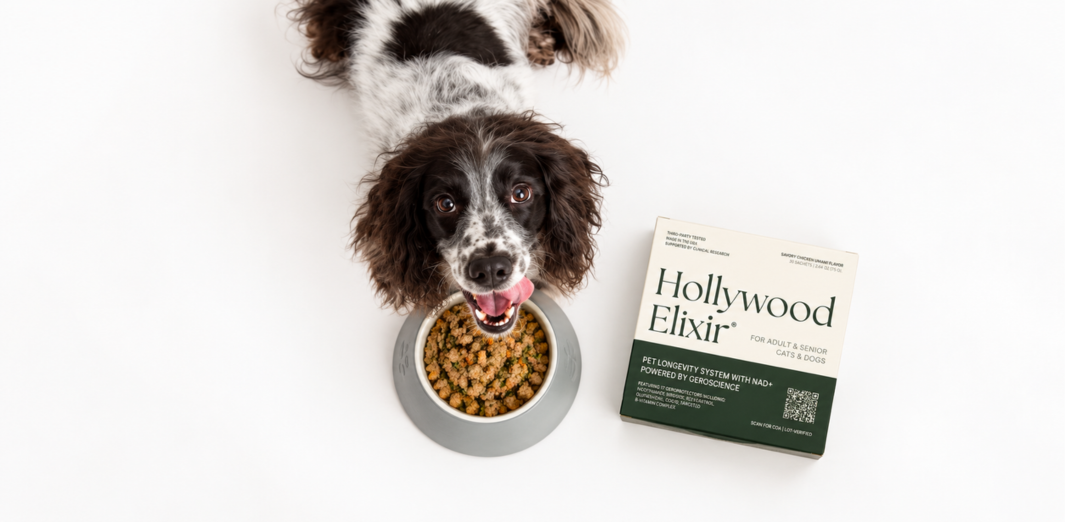
Hollywood Elixir™ is designed to support normal aging functions as part of an overall wellness plan.

When a dog has diabetes, insulin is not an optional add-on—it is the missing hormone that allows the body to use food safely. Most owners want to know three things right away: which insulin is used, what can go wrong, and what to watch for at home. The most important risk to recognize is hypoglycemia in dogs, because low blood sugar can become an emergency quickly.

Diabetes care in dogs is usually a long-term routine, and that can feel heavy at first. The good news is that many households settle into a pattern that becomes surprisingly manageable: a consistent meal, a consistent injection, and a consistent level of daily activity. The goal is not to chase perfect readings; it is to build a more reliable day where thirst, urination, appetite, and energy stop swinging.

This page explains insulin types for dogs in plain language, why dose changes happen, and how to spot insulin for dogs side effects that signal a mismatch between insulin, food, and exercise. It also covers what to track in the first 4–6 weeks, how to prepare for rechecks, and when to treat symptoms as urgent. For broader context, topics like canine-diabetes, Cushing’s disease in dogs, and senior-dog-health often connect directly to how stable diabetes control can be.

By La Petite Labs Editorial, ~15 min read

Featured Product:

  • Insulin for dogs replaces a missing hormone so blood sugar can be used safely, with hypoglycemia as the key risk to recognize.
  • Most diabetic dogs need lifelong insulin; remission expectations discussed in cats do not usually apply to dogs (Marshall, 2009).
  • Different insulin types for dogs vary mainly by how long they last and when they tend to “peak,” which affects scheduling.
  • When canine diabetes insulin is working, owners often notice less thirst, fewer accidents, and a more reliable daily rhythm.
  • Home monitoring focuses on trends and safety; dose changes are typically guided by glucose curves and clinical signs.
  • Many insulin for dogs side effects are actually mismatches between dose, food, and activity—especially missed meals or extra exercise.
  • Bring a log of meals, injections, water intake, and any “low sugar” episodes to help the vet adjust the plan safely.

What Insulin Is and Why Many Dogs Need It

Insulin is the hormone that helps sugar move from the bloodstream into cells for energy. In many dogs with diabetes mellitus (often called canine diabetes mellitus type 1), the pancreas no longer makes enough insulin, so sugar stays high in the blood and spills into urine. That is why insulin replacement therapy becomes the core treatment: it replaces what the body cannot supply on its own. Without it, the body starts breaking down fat and muscle for fuel, which can spiral into serious illness.

At home, the early story is usually the same: a dog empties the water bowl, asks to go out more, and still seems hungry or tired. Once insulin is started, the goal is not “perfect numbers” overnight—it is a more reliable daily pattern of drinking, urinating, appetite, and energy. Owners help most by building a routine that makes meals, injections, and exercise predictable.

Close-up mitochondria render visualizing cellular resilience supported by insulin types for dogs.

Why Diabetes Expectations Differ Between Dogs and Cats

Dogs and cats both get diabetes, but the day-to-day expectations are different. Many diabetic dogs have a true insulin deficiency, meaning the pancreas has lost the capacity to produce enough insulin, and long-term insulin is usually needed. In cats, some forms of diabetes can behave differently, and remission is sometimes discussed in feline care (Marshall, 2009). That difference matters because it shapes the mindset: for dogs, the plan is typically lifelong management rather than a short course.

For an owner, this is not a sentence—it is a schedule. The win is a routine that has slack for real life: a late meeting, a rainy day walk, a picky appetite morning. The most helpful approach is to treat insulin as one corner of a triangle with food and activity as the other corners. When one corner changes, the others may need veterinary guidance to keep the whole day more stable.

Scientific DNA render highlighting oxidative defense supported by insulin types for dogs.

Insulin Options Your Vet May Choose From

Owners often hear “insulin types for dogs” and assume one is universally best. In reality, veterinarians choose among several insulin preparations based on how long they tend to last, how predictable they are in a given dog, availability, and the household’s schedule. Some are designed for veterinary use, while others are human-labeled products used under veterinary direction. The key concept is duration: how long the insulin is expected to lower blood sugar after an injection.

At home, the practical difference shows up as timing. One insulin may fit a strict 12-hour routine, while another may require closer observation around its “peak” effect. Owners should not switch products, syringes, or concentrations on their own, because small changes can shift how much insulin is delivered. If a pharmacy substitution happens, it is worth pausing and confirming the exact product and syringe type with the veterinary team.

Molecular structure graphic reflecting research-driven design behind canine diabetes insulin.

How Insulin Replaces a Missing Pancreas Signal

Insulin works like a key that helps sugar enter cells, lowering the amount circulating in the blood. When a dog’s pancreas cannot supply enough insulin, the body acts like it is starving even while blood sugar is high. That mismatch drives excessive thirst, frequent urination, and weight loss. Insulin injections do not “fix” the pancreas; they provide the missing signal so the body can use food more normally.

This is why consistency matters more than intensity. A dog that eats a full meal and then gets insulin is different from a dog that nibbles half a meal, vomits, or steals extra treats. Owners can think of insulin as a planned match to expected calories and expected activity. When the day does not match the plan, the risk of hypoglycemia in dogs rises, and the veterinary team needs to know.

Close-up dog photo reflecting peaceful vitality supported by hypoglycemia in dogs.

Signs Insulin Is Working You Can See at Home
When canine diabetes insulin is working well, the first changes are usually visible, not numeric. Many dogs stop draining the water bowl, accidents in the house decrease, and the dog seems less ravenous. Weight may stabilize over weeks, and the coat can look less dull as the body stops breaking down muscle for fuel. These improvements often happen before a “perfect” glucose curve is achieved.

Owners can watch for a more reliable daily rhythm: similar thirst each day, similar urine clumps or yard trips, and a predictable appetite. If the dog is still waking the household at night to urinate after a couple of weeks, that is useful information for a recheck. Improvement should look like fewer extremes, not a sudden transformation. Any sudden weakness, wobbliness, or confusion is treated as an emergency until proven otherwise.

Hollywood Elixir™ is amazing and makes my 13 y/o young again!

— Jessie

We go on runs. Lately he's been keeping up with no problem!

— Cami

“Consistency beats intensity when insulin, meals, and exercise must match.”

Home Monitoring: Curves, Notes, and Practical Tools

Home monitoring is about catching patterns early and preventing dangerous lows. Many veterinarians use blood glucose curves—multiple readings over a day—to see how low the glucose goes and when it drops. Dose changes are typically guided by monitoring rather than guesswork, because the biggest immediate risk of insulin therapy is hypoglycemia (Unknown, 2018). Urine glucose testing can add context, but it cannot show how low the glucose went at a specific moment.

A household routine makes monitoring easier: pick one notebook or app, record meal times, injection times, and anything unusual (vomiting, skipped walk, stolen food). If home blood testing is part of the plan, practice when the dog is calm and reward the process, not the number. The goal is to create usable information for the vet, not to chase a single reading.

Dog headshot symbolizing resilience and calm energy supported by insulin types for dogs.

Hypoglycemia: the Risk Every Caregiver Must Recognize

Hypoglycemia in dogs is the most urgent complication of insulin therapy. It happens when blood sugar drops too low for the brain and muscles to function normally, and it can progress quickly. Early signs can be subtle: restlessness, sudden hunger, trembling, or acting “not quite right.” More severe signs include weakness, wobbliness, staring, seizures, or collapse, and these require immediate action and veterinary care.

If hypoglycemia is suspected and the dog is awake and able to swallow, the usual emergency step is to offer a fast sugar source and then food, while contacting an emergency clinic for instructions. If the dog is not fully alert, do not force food or liquid into the mouth. Keep a plan posted on the fridge with the clinic number, and tell every caregiver what “low blood sugar” looks like in that specific dog.

Dog looking ahead, capturing presence and calm energy supported by insulin for dogs side effects.

Side Effects Versus Mismatches in Food and Activity

Many insulin for dogs side effects are not true “side effects” in the way antibiotics cause diarrhea; they are signs the dose, meal, or activity did not match. The most important is hypoglycemia, but owners may also notice weight gain once sugar control improves, because calories are finally being used instead of lost in urine. Injection-site issues can happen too, especially if the same spot is used repeatedly or if the insulin is handled roughly.

Common household triggers include a dog that eats less than usual, vomits after breakfast, or has an unusually long play session. Another trigger is a dosing error—double-dosing because two family members both “already did it.” A simple checklist on the counter (meal eaten, insulin given, time) prevents many scares. If a dog seems painful at injection time, the vet can help troubleshoot needle size, technique, and site rotation.

Inside-the-box graphic showing active blend design supporting insulin types for dogs.

Injection Technique and Storage That Affect Reliability

Injection technique and storage can make insulin feel “unreliable” when the real problem is handling. Insulin is a delicate protein; it can be damaged by heat, freezing, or vigorous shaking. Some products are mixed by gentle rolling, not shaking, and the label directions matter. Using the wrong syringe for the insulin concentration can also change the delivered amount, which is one reason dog insulin dosage must be confirmed with the veterinary team.

At home, small habits protect consistency: store insulin where it will not freeze, keep it away from the back of the fridge, and avoid leaving it in a car. Rotate injection sites along the side of the chest or flank as directed, and check for wet fur after injecting, which can mean a “fur shot.” If a fur shot happens, do not automatically give more; note it and call the clinic for guidance.

How Exercise and Meals Change Insulin Needs

The feeding-exercise-insulin triangle is where most success is built. Insulin is planned around expected food intake, and exercise changes how quickly muscles use sugar. A long hike, a day at daycare, or even a stressful vet visit can shift needs. That does not mean activity should be avoided; it means activity should be predictable, especially during the first month while the best routine is being found.

A realistic case vignette: a newly diagnosed dog does well for two weeks, then has a wobbly episode after an unusually long game of fetch before dinner. The owner assumes the insulin “suddenly became too strong,” but the bigger change signal was the extra exercise paired with a slightly smaller meal. This is the kind of detail that helps the vet adjust the plan safely.

“A weird day is data—write it down before changing anything.”

Lab coat with La Petite Labs logo symbolizing science-backed standards for insulin types for dogs.

Why Dose Adjustments Happen During Rechecks

Dose adjustments are a normal part of diabetes care, especially early on. Veterinarians typically titrate insulin based on blood glucose monitoring and clinical signs to reduce the risk of hypoglycemia (Unknown, 2018). Needs can change with weight gain or loss, changes in diet, seasonal activity, or new medications. A dose that was appropriate last month may not be appropriate after a dental procedure, a steroid prescription, or a change in appetite.

Owners can help by reporting the “whole day,” not just one number: when the dog ate, whether the meal was finished, water intake, accidents, and energy. If a dog is acting normal but the curve looks odd, the vet may repeat it before making a big change. If a dog is acting abnormal, that matters even if the last reading looked fine. Safety comes from patterns and context.

Shop Now
Hollywood Elixir in food tableau emphasizing purity aligned with hypoglycemia in dogs.

Health Problems That Add Variability to Control

Some conditions make diabetes harder to control because they push blood sugar up or change how the body responds to insulin. Cushing’s disease in dogs, infections (especially urinary tract or dental disease), pancreatitis, and certain medications can all add variability. When insulin seems to “stop working,” it is often a clue to look for a second problem rather than simply increasing the dose. This is also why the broader canine-diabetes page and endocrine workups matter in the ecosystem of care.

At home, these complicating issues can look like backsliding: thirst returns, appetite changes, or the dog seems painful, nauseated, or feverish. A sudden drop in appetite is especially important because insulin given without expected food raises hypoglycemia risk. If the dog has vomiting, belly pain, or rapid breathing, the clinic should be contacted the same day. Owners do not need to diagnose the cause; they need to report the change signals quickly.

Shop Now
Lifestyle image showing supplement use in real homes supported by insulin for dogs side effects.

Diabetic Ketoacidosis: the Emergency Boundary

Diabetic ketoacidosis (DKA) is a dangerous emergency that can happen when insulin is too low for too long, often alongside another illness. Without enough insulin, the body breaks down fat rapidly, producing acids (ketones) that can make a dog very sick. DKA is not a “bad day of diabetes”; it is a crisis that requires hospitalization. It is mentioned here as a safety boundary: insulin should never be stopped without veterinary direction.

Owners should treat these as urgent red flags: repeated vomiting, refusal to eat, marked lethargy, dehydration (sticky gums), fast or labored breathing, or a sweet/chemical odor on the breath. If these appear, an emergency clinic visit is safer than waiting for a scheduled recheck. Bringing the insulin bottle, syringe type, and a log of recent doses and meals can speed up care.

Shop Now

Owner Checklist for Safer Daily Diabetes Care

Owner checklist (home safety and routine): 1) confirm the dog ate the expected meal before insulin, 2) confirm the dose was given once (mark it on a chart), 3) watch for trembling, wobbliness, sudden hunger, or unusual quietness, 4) check water intake and urination for big swings, 5) inspect injection sites for soreness or wet fur that suggests a missed dose. These checks catch the most common problems early.

This checklist works best when it is built into existing habits: a measuring cup by the food bin, a pen attached to the log, and a consistent injection spot with good lighting. If multiple people share care, a single “source of truth” prevents double-dosing. If any checklist item looks off for more than a day, it is worth calling the clinic rather than waiting for the next curve appointment.

What to Track in the First 4–6 Weeks

What to track in the first 4–6 weeks is less about perfection and more about durability. Useful markers include: meal completion (percent eaten), injection time accuracy, water intake (rough bowl refills), urination frequency/accidents, weekly weight, energy on walks, and any suspected hypoglycemia episodes (time and what happened). These markers help the veterinary team interpret glucose data and decide whether changes are needed.

Tracking also protects the household from “memory bias,” where a scary day outweighs ten good days. A simple grid on the fridge can show whether thirst is truly creeping up again or whether it was one hot afternoon. If home glucose checks are being done, record the context (exercise, treats, stress), not just the number. The goal is a more reliable routine with enough slack to handle normal life.

Comparison graphic showing dog insulin dosage benefits versus typical supplement formulas.

A Common Misconception That Leads to Dangerous Lows

A unique misconception is that “more insulin fixes high sugar faster.” Too much insulin can be more dangerous than too little in the short term because it can cause hypoglycemia, which can be life-threatening. Another misunderstanding is that a single high reading means the dose must be increased immediately; stress, pain, infection, or timing can all raise glucose temporarily. Safe diabetes care is built on trends plus how the dog feels.

Owners can replace the “more is better” mindset with a “match and monitor” mindset. If thirst and urination are improving and the dog is bright, the plan may be working even if numbers are not perfect yet. If the dog is dull, vomiting, or wobbly, that matters even if the last reading looked acceptable. This is also where senior-dog-health context helps, because older dogs may have other issues that change appetite and activity.

Shop Now
Unboxing visual symbolizing thoughtful design aligned with insulin types for dogs.

How to Prepare for a Productive Vet Visit

Vet visit prep: bring the insulin and syringes (or photos of labels), the feeding schedule and exact diet, and a log of change signals. Helpful questions include: “What should trigger an after-hours call for hypoglycemia in dogs?”, “If my dog skips a meal or vomits, what is the safest plan for that dose?”, “What is the goal range for this dog’s curve and clinical signs?”, and “Could a concurrent condition like Cushing’s disease or infection be adding variability?”

Also mention practical barriers: shift work, travel, daycare days, or a dog that resists handling. The best plan is the one the household can repeat reliably. If home testing feels overwhelming, ask what minimum monitoring still keeps the dog safe. A good appointment ends with clear next steps and a written emergency plan for suspected low blood sugar.

Shop Now

What Not to Do When Managing Insulin at Home

What not to do: 1) do not change dog insulin dosage or switch insulin products without the veterinarian, 2) do not “make up” for a missed or suspected fur shot by giving extra insulin, 3) do not skip meals and still give the usual insulin, 4) do not store insulin where it can freeze or overheat. These are the mistakes most likely to create dangerous lows or confusing data.

Long-term success looks like a routine that becomes boring—in a good way. Many dogs live comfortably for years with diabetes when meals, injections, and exercise stay predictable and the household knows how to respond to hypoglycemia. Regular rechecks keep the plan aligned with weight, aging, and any new health issues. The goal is not constant vigilance; it is a more stable, more reliable daily life for the dog and the people caring for them.

“Low blood sugar is the risk to plan for, not fear.”

Educational content only. This material is not a substitute for veterinary advice. Always consult your veterinarian about your dog’s specific needs. These statements have not been evaluated by the Food and Drug Administration. Products mentioned are not intended to diagnose, treat, cure, or prevent any disease.

Glossary

  • Canine diabetes mellitus type 1 - A common form of diabetes in dogs where the body cannot make enough insulin.
  • Insulin replacement therapy - Giving insulin by injection to replace what the pancreas cannot provide.
  • Blood glucose curve - A series of blood sugar readings over a day to understand insulin timing and safety.
  • Hypoglycemia - Blood sugar that is too low, which can cause weakness, seizures, or collapse.
  • Hyperglycemia - Blood sugar that is too high, often causing thirst and frequent urination.
  • Peak effect - The time after an insulin dose when it tends to lower blood sugar the most.
  • Fur shot - Insulin that accidentally ends up on the coat instead of under the skin.
  • Diabetic ketoacidosis (DKA) - A life-threatening emergency caused by too little insulin, often with vomiting, dehydration, and rapid breathing.
  • Ketones - Acids produced when the body burns fat rapidly due to inadequate insulin.

Related Reading

References

Unknown. Recommendations. 2018. https://www.ncbi.nlm.nih.gov/books/NBK532223

Marshall. Treatment of newly diagnosed diabetic cats with glargine insulin improves glycaemic control and results in higher probability of remission than protamine zinc and lente insulins.. PubMed. 2009. https://pubmed.ncbi.nlm.nih.gov/19539509/

FAQ

What does insulin do for a diabetic dog?

Insulin helps sugar move from the bloodstream into the body’s cells so it can be used for energy. In many diabetic dogs, the pancreas cannot make enough insulin, so sugar stays high and spills into urine.

At home, successful insulin therapy often looks like less drinking and urinating, fewer accidents, and a dog that feels more like themselves. The goal is a more reliable daily pattern, not instant perfection.

Why do most dogs need lifelong insulin therapy?

Many dogs have diabetes because the body has lost the ability to produce enough insulin, so replacement is needed long term. That is different from some cat cases where remission is sometimes discussed(Marshall, 2009).

This can feel daunting, but it often becomes a routine: meal, injection, normal day. The most important skill is keeping food and exercise predictable so insulin has a consistent target.

What are the common insulin types for dogs?

Veterinarians may choose among several insulin types for dogs, including veterinary-labeled and human-labeled options used under veterinary direction. The practical difference is usually how long the insulin tends to last and when it tends to have its strongest effect.

Owners should not switch products or syringe types without the clinic. Even a “similar” insulin can behave differently in an individual dog, and syringe mismatches can change how much is delivered.

How quickly should insulin start helping my dog?

Some dogs drink and urinate less within days, but full stabilization often takes weeks. Early improvement is usually seen in thirst, urine volume, appetite intensity, and energy.

If there is no improvement after the first couple of weeks, or if signs worsen, the vet may look for dose timing issues, injection problems, or a second condition like infection or Cushing’s disease.

What are insulin for dogs side effects owners notice?

The most important risk is low blood sugar (hypoglycemia), which can cause trembling, weakness, wobbliness, confusion, seizures, or collapse. Other issues can include weight gain as sugar control improves, or soreness if injection sites are not rotated.

Many “side effects” are actually mismatches: the dog ate less than usual, vomited, or exercised more than normal. Those details matter as much as the glucose number.

What does hypoglycemia in dogs look like at home?

Hypoglycemia in dogs can start with subtle change signals: sudden hunger, restlessness, trembling, or acting unusually quiet. It can progress to weakness, stumbling, staring, seizures, or collapse.

If the dog is awake and can swallow, contact an emergency clinic and follow their instructions, which often include a fast sugar source followed by food. If the dog is not fully alert, do not force anything by mouth—go in immediately.

Can I adjust my dog insulin dosage at home?

Dog insulin dosage should not be adjusted without the veterinarian. Dose changes are typically based on glucose curves and clinical signs, because preventing hypoglycemia is a priority.

If a dose seems “too strong” or “not working,” the safest step is to document what happened (meal, activity, symptoms) and call the clinic. A single odd reading is rarely enough information to change a plan safely.

What if my dog doesn’t finish a meal?

A smaller meal means the planned insulin may be too much for that moment, increasing the risk of hypoglycemia. This is especially important if the dog vomits, refuses food, or seems nauseated.

Call the veterinary clinic for a specific “sick day” plan tailored to the dog’s insulin and history. Until that plan is clear, treat poor appetite as a safety issue, not a minor inconvenience.

Should insulin be given before or after meals?

Many dogs are safest when insulin is paired with a meal the dog reliably eats, but the exact timing depends on the insulin type and the veterinarian’s plan. The goal is to match insulin action to when sugar from food is entering the bloodstream.

If timing is confusing, ask for a written schedule that includes what to do if breakfast is delayed, partially eaten, or vomited. Consistency is more protective than trying to “optimize” timing without guidance.

How should insulin be stored and handled?

Insulin can be damaged by heat, freezing, and rough handling. Store it as directed on the label, avoid leaving it in a car, and keep it from freezing in the back of the refrigerator.

Some insulins are mixed by gentle rolling rather than shaking. If the insulin looks clumpy, frothy, or different from usual, pause and call the clinic before using it.

What is a glucose curve and why is it done?

A glucose curve is a series of blood sugar checks over a day that shows how low the glucose goes and when it drops after insulin. It helps the veterinarian see whether the current plan is safe and effective.

For owners, the curve is most useful when paired with notes about meals, exercise, stress, and symptoms. That context helps the vet decide whether a change is needed or whether the day was simply unusual.

Can urine glucose strips replace blood testing?

Urine glucose strips can show whether sugar has been spilling into urine, but they cannot show how low the blood sugar went at a specific time. That means they cannot reliably detect hypoglycemia.

Some households use urine testing as an additional clue between rechecks, especially if blood testing is difficult. The safest plan is to ask the vet how urine results should be interpreted for that specific dog.

What if I think I gave a “fur shot”?

A fur shot means insulin may have leaked onto the coat instead of going under the skin. Owners often notice wet fur, an insulin smell, or a dog that suddenly seems less controlled later in the day.

Do not automatically give more insulin, because it is hard to know how much was absorbed. Write down what happened and call the clinic for guidance. Preventing repeats usually involves better lighting, a steadier hand position, and site rotation.

Can exercise cause low blood sugar in diabetic dogs?

Yes. Exercise can increase how quickly muscles use sugar, which can contribute to hypoglycemia in dogs, especially if activity is longer or more intense than usual. The risk is higher if the dog also ate less than expected.

The goal is not to avoid exercise, but to keep it predictable. If the household plans a big hike or daycare day, ask the vet ahead of time how to handle meals, monitoring, and safety snacks.

What other diseases can make diabetes harder to control?

Conditions like Cushing’s disease in dogs, urinary tract infections, dental disease, pancreatitis, and other inflammatory problems can raise blood sugar or change insulin response. Some medications, especially steroids, can also add variability.

At home, this often looks like a dog who was improving and then starts drinking more again or seems painful or nauseated. Report those change signals promptly so the vet can look for a second problem instead of only changing insulin.

When should a diabetic dog go to the emergency vet?

Go urgently for suspected hypoglycemia (wobbliness, seizures, collapse), repeated vomiting, refusal to eat, severe lethargy, dehydration, or labored breathing. These can signal a dangerous low or a crisis like diabetic ketoacidosis.

Bring the insulin, syringe type, and a recent log of meals and doses. That information helps the team act faster and reduces the chance of a dosing misunderstanding during an emergency.

Can senior dogs safely take insulin long term?

Many senior dogs do well on long-term insulin when the routine is consistent and rechecks are regular. Aging can bring other issues—arthritis, dental disease, kidney changes—that affect appetite and activity, which can indirectly affect glucose control.

Owners can help by tracking weight, appetite, and mobility along with diabetes notes. If a senior dog starts eating less or moving much less, call the vet before assuming the insulin is the problem.

Are there interactions between insulin and other medications?

Yes. Some drugs can raise blood sugar or change insulin needs, with steroids being a common example. Other medications may affect appetite or cause stomach upset, which matters because skipped meals increase hypoglycemia risk.

Before starting any new prescription, flea/tick product, or supplement, tell the veterinarian the dog is diabetic and what insulin is being used. Ask what change signals should trigger a call in the first week.

How can I make injections less stressful for my dog?

Stress often improves when injections are paired with a predictable routine: same location, calm handling, and a reward right after. Rotating sites helps prevent soreness, which can make a dog flinch or avoid the process.

If the dog reacts strongly, ask the clinic to watch the technique and suggest small changes in needle size, angle, or skin tenting. A comfortable process makes the whole plan more reliable over months and years.

Does Hollywood Elixir™ replace insulin or diabetes care?

No. Insulin replacement therapy is the core treatment for most diabetic dogs, and supplements do not replace it. Products like Hollywood Elixir™ are designed to support normal aging functions as part of a broader wellness plan, not to treat diabetes.

If a dog has diabetes, any supplement should be discussed with the veterinarian first, especially if it affects appetite or stomach comfort. The safest priority is keeping meals, insulin timing, and monitoring consistent.

5K+ Happy Pet Parents

Excellent 4.8

Insulin for Dogs: Types, Risks, and What Owners Should Watch | Why Thousands of Pup Parents Trust Hollywood Elixir™

"He seems more happy overall. I've also noticed he has more energy which makes our walks and playtime so much more fun."

Olga & Jordan

"He's got way more energy now! We go on runs pretty often; he use to get tired halfway through, but lately, he's been keeping up without any problem."

Cami & Clifford

"I want her to live forever. She hasn't had an ear infection since!"

Madison & Azula

"It helps with her calmness, her immune system. I really like the clean ingredients. Highly recommend La Petite Labs!"

Maple & Cassidy

"He seems more happy overall. I've also noticed he has more energy which makes our walks and playtime so much more fun."

Olga & Jordan

"He's got way more energy now! We go on runs pretty often; he use to get tired halfway through, but lately, he's been keeping up without any problem."

Cami & Clifford

"I want her to live forever. She hasn't had an ear infection since!"

Madison & Azula

"It helps with her calmness, her immune system. I really like the clean ingredients. Highly recommend La Petite Labs!"

Maple & Cassidy

"He seems more happy overall. I've also noticed he has more energy which makes our walks and playtime so much more fun."

Olga & Jordan

"He's got way more energy now! We go on runs pretty often; he use to get tired halfway through, but lately, he's been keeping up without any problem."

Cami & Clifford

"I want her to live forever. She hasn't had an ear infection since!"

Madison & Azula

"It helps with her calmness, her immune system. I really like the clean ingredients. Highly recommend La Petite Labs!"

Maple & Cassidy

"He seems more happy overall. I've also noticed he has more energy which makes our walks and playtime so much more fun."

Olga & Jordan

"He's got way more energy now! We go on runs pretty often; he use to get tired halfway through, but lately, he's been keeping up without any problem."

Cami & Clifford

"I want her to live forever. She hasn't had an ear infection since!"

Madison & Azula

"It helps with her calmness, her immune system. I really like the clean ingredients. Highly recommend La Petite Labs!"

Maple & Cassidy

SHOP NOW