
Metformin for Dogs

Learn How Metformin May Support Glucose Control, Weight Management, and Liver Health in Dogs

By La Petite Labs Editorial 15 min read

Owners usually encounter metformin in two very different stories: a veterinarian using it for a specific metabolic problem, and the longevity internet treating it like a general aging tool. The practical answer is that metformin for dogs is not a routine “healthy senior” add-on; it is a prescription medication that may be considered in narrow, diagnosis-led situations—most notably insulin resistance in certain endocrine contexts.

That contrast matters because the risks are real when the drug is used casually or a dog is accidentally exposed. Severe hypoglycemia and lactic acidosis have been reported after metformin exposure in dogs, which is why secure storage and urgent triage for suspected ingestion are emphasized.

This page keeps the focus on what actually changes owner decisions: which conditions make metformin a reasonable veterinary discussion, what metformin safety dogs planning looks like at home, and how to track daily readouts so follow-ups are clearer. It also addresses where “metformin complementary support dogs” conversations can fit—meaning consistent routines and supportive choices that do not replace diagnosis, prescriptions, or monitoring.

  • Metformin for dogs is sometimes used by veterinarians as an adjunct for insulin resistance, not as a general anti-aging drug.
  • The key contrast is prescription, diagnosis-driven use versus online “longevity” framing; the endpoints and safety expectations are different.
  • In dogs with hyperadrenocorticism, metformin has been studied as a metabolic adjunct to reduce insulin resistance.
  • Accidental exposure can be dangerous; severe hypoglycemia and lactic acidosis have been reported after ingestion (Barrella, 2017).
  • Owners add the most value by tracking thirst, urination, appetite, stools, and activity as daily readouts for follow-up.
  • Do not borrow human tablets or adjust doses at home; metformin safety dogs planning starts with secure storage and vet guidance.
  • Complementary support works best as a staged plan—consistent meals, weight strategy, and monitoring—so changes can be judged over 3–4 weeks.

Why Metformin Sounds Like Longevity—but Isn’t Routine for Dogs

A common confusion is treating metformin like a “longevity supplement” versus recognizing it as a prescription drug with narrow, vet-led roles. In dogs, the most defensible metformin uses in dogs center on metabolic stability—especially insulin resistance—rather than general anti-aging promises (Miceli, 2018). Metformin’s biology is tied to cellular energy sensing (often discussed as AMPK signaling), which is why it attracts research attention, but that mechanism does not automatically translate into safe, routine use for every older dog (Sasaki, 2009).

For households, the practical question is not “Should every senior dog be on it?” but “Is there a diagnosed problem where a veterinarian is trying to create more sustained glucose and lipid patterns?” If a dog is drinking more, gaining abdominal fat, or showing recurrent skin infections, the next step is testing—not borrowing a human medication. Metformin safety dogs discussions start with diagnosis, kidney and liver context, and a plan to watch appetite, stools, and energy day to day.

Clinical Lane: When Vets Consider Metformin for Insulin Resistance

Side A of the story is legitimate veterinary use: metformin may be used as a metabolic adjunct when a dog has insulin resistance, particularly in endocrine disease such as hyperadrenocorticism (Cushing’s disease). In that setting, the goal is not a dramatic “cure,” but more sustained handling of glucose and lipids while the primary disease is addressed. This is a narrower, diagnosis-driven lane that depends on lab work and follow-up.

In daily life, these dogs often show patterns owners can notice: increased thirst, heavier panting, a pot-bellied shape, thin skin, or recurring ear and skin infections. Those signs do not prove insulin resistance, but they are useful observations to bring to the veterinarian. When metformin is used, the household role is consistency—meals, activity, and a simple log—so the clinician can tell whether the dog’s metabolic picture is becoming less irregular.

Internet Lane: Mechanism Interest Doesn’t Equal a Recommendation

Side B is the longevity narrative: metformin is discussed online as a way to influence cellular energy pathways, sometimes framed as “anti-aging.” In dogs, there is experimental interest in AMPK-related effects, including work in a canine heart failure model (Sasaki, 2009). But research interest is not the same as a routine recommendation, and it does not erase the need to match a drug to a diagnosis, a risk profile, and a monitoring plan.

Owners often meet this narrative when a dog is slowing down with age and weight is creeping up. The temptation is to reach for a pill that sounds “metabolic,” but the safer first move is a veterinary check for thyroid disease, Cushing’s disease, pain, and diet mismatch. A dog’s latitude to handle medication side effects is smaller when appetite is already fragile or hydration is inconsistent, so the “anti-aging” framing can lead households away from the basics that actually matter.

What Actually Differs: Clear Endpoints Versus Vague Goals

What actually differs between these two stories is the endpoint. In clinical practice, metformin uses in dogs are tied to measurable targets—insulin resistance markers, glucose trends, lipid patterns, and how the dog is doing on primary endocrine therapy. In the longevity story, the endpoint is often vague: “healthspan,” “energy,” or “aging.” Vague endpoints make it easy to miss early side effects and hard to know when risk outweighs benefit.

A household can tighten the endpoint by writing down the top two concerns in plain language: for example, “drinks two bowls nightly” or “pants at rest after short walks.” Those are trackable. If a veterinarian later recommends metformin, those same daily readouts help determine whether the plan is creating more sustained comfort and function, rather than simply adding another variable to an already complex routine.

Dog Pharmacology Basics That Shape Real-world Risk
Metformin’s handling in the canine body is one reason it stays in the prescription lane. Oral pharmacokinetic work in healthy dogs shows measurable exposure and elimination characteristics, which clinicians use to think about timing, accumulation risk, and how concurrent disease could change drug levels (Johnston, 2017). This matters because a dog with dehydration, kidney compromise, or acute illness may have less room to recover if adverse effects occur.

In a home setting, the most important safety step is preventing accidental access. Many exposures happen when a bottle is left in a purse, on a nightstand, or in a weekly pill organizer. Metformin safety dogs planning includes storing all human medications in a closed cabinet, counting pills after travel, and teaching every household member that “dropped tablet” equals immediate cleanup. These routines prevent emergencies more effectively than any online dosing advice.

“A mechanism is not an indication; the endpoint has to be measurable.”

Case Vignette: Cushing’s Disease, Insulin Resistance, and Adjunct Options

CASE VIGNETTE: A 10-year-old terrier with newly diagnosed Cushing’s disease starts treatment and the veterinarian notes insulin resistance on lab work. The owner reports the dog is ravenous, drinks constantly, and has a rounder abdomen despite no extra treats. In that context, metformin may come up as an adjunct to help the metabolic picture become more sustained while the primary endocrine plan is optimized.

At home, the owner’s job is not to judge the drug by a single day. It is to keep meals consistent, avoid new snacks, and record thirst, urination frequency, stool quality, and energy for several weeks. That log gives the veterinarian a clearer view of whether the dog is gaining latitude—more room to recover after activity and less irregular appetite swings—or whether side effects are interfering with daily life.

Owner Checklist: Home Clues That Belong in the Vet Notes

OWNER CHECKLIST: Before any conversation about metformin, owners can check a few topic-specific items at home that often align with insulin resistance or endocrine strain. Look for: (1) increased water intake compared with last month, (2) larger urine clumps or more frequent trips outside, (3) persistent hunger that feels out of proportion to meals, (4) a new pot-bellied silhouette or muscle loss over the back legs, and (5) recurrent skin or ear infections that keep returning after treatment.

These observations do not diagnose anything, but they make the veterinary visit more efficient and reduce guesswork. Write them down with dates and any photos that show body-shape change. If metformin is later prescribed, the same checklist becomes a baseline to see whether the dog’s daily patterns are becoming more uniform or whether another problem—pain, diet mismatch, or medication side effects—is driving the day-to-day changes.

Practical Implications: Preventing Low Blood Sugar Scenarios

One practical implication of metformin’s biology is that it can affect glucose handling, which is why hypoglycemia is a concern in certain scenarios—especially with exposure, overdose, or complex concurrent disease (Barrella, 2017). Dogs are not small humans, and a “little bit” can still be too much when combined with reduced food intake, vomiting, or other medications. This is why metformin safety dogs guidance stays conservative and vet-led.

Households can reduce risk by building a simple safety protocol: never give a missed dose “double,” never give it on a day the dog is not eating normally unless the veterinarian has provided explicit instructions, and keep emergency numbers visible. If a dog becomes suddenly weak, wobbly, or unusually sleepy after a dose, that is not a “wait it out” moment. It is a call to the clinic with the dog’s recent meals and symptoms documented.

Why Lactic Acidosis Is Treated as an Emergency

Lactic acidosis is the complication that makes metformin discussions feel high-stakes. While uncommon in supervised use, severe lactic acidosis has been reported in dogs after metformin intoxication, alongside hypoglycemia (Ueda, 2018). The key point for owners is not memorizing lab values; it is understanding that rapid breathing, profound weakness, vomiting, and collapse after a suspected ingestion are emergency signs, not “stomach upset.”

If an exposure is possible, do not try to manage it with home remedies or by forcing water. Call an emergency clinic or poison hotline immediately and be ready with the dog’s weight, the product strength, and the maximum number of tablets missing. This is one area where speed changes outcome. Even if the dog looks normal at first, the safest plan is professional triage rather than observation at home.

Arthritis Talk: Indirect Biology Versus Canine Proof

The internet often frames metformin as a joint-health tool because energy-sensing pathways can influence inflammation and cartilage biology in general mammals (Lim, 2022). That is not the same as proven osteoarthritis therapy in dogs. For canine patients, the more grounded approach is to treat pain and mobility with established veterinary strategies, then consider whether a dog’s weight, insulin resistance, or endocrine disease is making joint disease harder to manage over time.

A useful “what to track” rubric for mobility conversations includes: weekly body weight, a short daily walk distance before slowing, time to rise from lying down, willingness to use stairs, and any new reluctance to jump into the car. Record these daily readouts for 3–4 weeks before judging whether a plan is becoming more uniform. If metformin is being discussed at all, it should be framed as complementary support dogs may use only when a veterinarian is targeting metabolic stability alongside mobility goals.

“Secure storage prevents more emergencies than any dosing advice.”

La Petite Labs

DVM Voice: Clinical Vignette of a Common Pattern in Senior Dog Aging

Case provided by JoAnna Pendergrass, DVM

Rex, a 7-year-old Labrador Retriever, was brought in after his owner noticed he was slower to rise, hesitant on stairs, and less able to play as before. Examination showed stiffness and reduced hip mobility; radiographs confirmed degenerative joint changes.

His care required weight management, veterinary-guided pain control, nutritional support, and rehabilitation — a comprehensive plan, but one started only after visible decline appeared.

Clinical takeaway: Rex’s case reflects the value of proactive aging support: maintaining lean body condition, monitoring mobility early, and supporting cellular resilience, antioxidant defense, and healthy inflammatory balance before decline becomes obvious.

Single-case vignette. Not generalizable. Veterinary oversight is essential for pain, stiffness, or suspected joint disease.

Explore Hollywood Elixir Research →
diagnosis-led insulin resistance management and monitoring - 9

Toxicity Reality: Hypoglycemia and Lactic Acidosis Risk

Metformin’s safety profile in dogs is not interchangeable with humans, and the biggest risk stories come from exposure or overdose rather than supervised prescribing. Case reports describe dogs developing severe lactic acidosis and hypoglycemia after metformin exposure, which can become life-threatening (Barrella, 2017). This is why metformin safety dogs guidance emphasizes secure storage, avoiding “trial doses,” and treating any suspected ingestion as urgent.

At home, red flags after a suspected exposure include sudden weakness, vomiting, fast or labored breathing, unusual sleepiness, tremors, or collapse. Do not wait to “see if it passes,” and do not attempt to counter it with honey or a meal unless a veterinarian directs that step; the situation can evolve quickly. Bring the pill bottle, estimate the maximum possible number missing, and note the time window—those details change emergency decisions.

diagnosis-led insulin resistance management and monitoring - 10

Misconception Check: Not a Simple Diabetes Substitute

A unique misconception is that metformin is “basically a diabetes drug,” so it must be a straightforward substitute for insulin. In dogs, diabetes mellitus is commonly insulin-dependent, and metformin is not a stand-alone replacement for insulin therapy. Where it may be considered is a narrower lane: addressing insulin resistance in specific endocrine contexts under veterinary supervision, rather than trying to manage classic canine diabetes with a pill (Miceli, 2018).

Owners can help by separating two observations: high blood sugar on a lab report versus a confirmed diabetes plan with home glucose curves and insulin teaching. If a dog is already on insulin, adding any new medication without coordination can create less predictable glucose patterns. The safest routine is to keep feeding times consistent, record water intake and urination changes, and share those daily readouts before any medication changes are made.

diagnosis-led insulin resistance management and monitoring - 11

Why Dog-specific Drug Handling Changes the Safety Margin

Drug handling matters because metformin’s absorption and elimination in dogs have been characterized, and that pharmacokinetic profile is part of why veterinarians avoid casual, unsupervised use (Johnston, 2017). Even when a medication is familiar in human medicine, dogs differ in dose scaling, side-effect sensitivity, and how concurrent disease changes risk. That is the backbone of metformin safety dogs decision-making: the dog’s physiology sets the rules, not online anecdotes.

In the household, administration details can make side effects look like “the drug isn’t working” when the real issue is timing, food, or inconsistent routines. If a veterinarian prescribes it, give it exactly as directed, avoid splitting or crushing unless told, and keep a simple log of appetite, stools, and energy for the first two weeks. A pattern of persistent diarrhea, refusal to eat, or marked lethargy should be reported promptly rather than pushed through.

What Not to Do with Metformin at Home

“What not to do” with metformin is unusually important because many problems arise from well-meaning shortcuts. Do not use leftover human tablets, do not change the dose based on a home glucose reading, and do not combine it with a crash diet in an overweight dog in hopes of rapid change. Do not assume that because a dog has arthritis, metformin is a reasonable add-on; that leap is built on indirect biology rather than canine clinical proof (Lim, 2022).

Also avoid mixing multiple new variables at once. If diet, exercise, pain control, and a new drug all change in the same week, it becomes hard to tell what caused diarrhea, appetite shifts, or a more irregular energy pattern. A safer household plan is staged: one change, then 3–4 weeks of daily readouts, then the next adjustment with the veterinarian’s guidance.

How to Prepare for a Focused Vet Conversation

Vet-visit preparation is where owners can create real value. For metformin discussions, bring the dog’s recent weight trend, any endocrine test results, and a clear description of thirst/urination changes, appetite shifts, and activity tolerance. Ask targeted questions: “Are we treating insulin resistance, diabetes, or a different problem?” “What side effects should trigger a same-day call?” and “How will success be measured—labs, symptoms, or both?” These questions keep metformin uses in dogs anchored to a measurable goal.

Also share the full medication and supplement list, including joint chews and weight-loss products, because interactions and overlapping side effects can confuse the picture. If the dog has had vomiting, diarrhea, or reduced appetite recently, say so upfront; dehydration can shrink room to recover from GI side effects. Leaving with a written monitoring plan—what to record and bring to the vet—makes follow-up decisions more confident.

Cancer Claims: What Cell Studies Can’t Tell Owners

Some owners ask about metformin in the context of cancer because laboratory studies in canine tumor cells show growth-inhibiting effects in vitro (Fan, 2021). That finding is scientifically interesting, but it is not a prescription roadmap for a dog at home. Cell-culture results do not establish clinical benefit, safe dosing, or which patients would be appropriate, and they do not replace oncology staging and standard treatments.

If a dog has a mammary mass or any suspected tumor, the household priority is scheduling diagnostics and avoiding “add-ons” that could complicate appetite, hydration, or anesthesia planning. Owners can support the vet handoff by noting mass size changes, skin ulceration, discharge, and the dog’s baseline eating and drinking. If metformin is mentioned online, it should be treated as a research topic to ask an oncologist about—not a do-it-yourself intervention.

Building a Metabolic Stability Plan Beyond Any One Drug

Complementary support dogs benefit from most often is not a single “metabolic switch,” but a plan that makes daily inputs more uniform: consistent meals, measured calories, appropriate protein, and activity that matches joint comfort. This matters because endocrine disease and insulin resistance can make weight control and energy patterns less predictable, even when the dog is otherwise stable (Miceli, 2018). Metformin, when prescribed, is only one lever inside that broader stability plan.

A practical home framework is to pick two anchors and keep them steady for a month: feeding schedule and walk routine. Then add one new element—such as a veterinarian-approved calorie adjustment—while keeping daily readouts of stool quality, appetite, and willingness to move. This staged approach creates room to recover if GI upset occurs and makes it easier to tell whether changes are becoming more sustained rather than less irregular.

A Decision Framework That Puts Safety Before Hype

Decision-making becomes clearer when the contrast is kept intact: metformin as a targeted prescription for a diagnosed metabolic problem versus metformin as a generalized aging hack. The first is sometimes reasonable under veterinary supervision, with defined endpoints and safety checks; the second invites preventable risk, including rare but severe toxicity scenarios after exposure (Ueda, 2018). Metformin safety dogs planning is therefore less about enthusiasm and more about selecting the right patient, the right goal, and the right monitoring.

If a veterinarian does recommend it, success should be judged by agreed daily readouts and follow-up labs, not by vague expectations. Owners can ask for a timeline, what “good” looks like, and what would prompt stopping or switching strategies. When the plan is specific, households can support it with consistent routines, careful storage, and a written log that makes follow-up visits faster and more accurate.

“Track daily readouts long enough to see a sustained pattern.”

Educational content only. This material is not a substitute for veterinary advice. Always consult your veterinarian about your dog’s specific needs. These statements have not been evaluated by the Food and Drug Administration. Products mentioned are not intended to diagnose, treat, cure, or prevent any disease.

Glossary

  • Insulin resistance - A state where body tissues respond less to insulin, making glucose control harder.
  • Hyperadrenocorticism (Cushing’s disease) - An endocrine disorder where excess cortisol drives thirst, hunger, and metabolic changes.
  • Adjunct therapy - A treatment added to the primary therapy to support a specific goal.
  • AMPK - A cellular energy-sensing pathway often discussed in relation to metformin’s mechanism.
  • Pharmacokinetics - How a drug is absorbed, distributed, and eliminated by the body.
  • Hypoglycemia - Blood sugar that is too low, which can cause weakness, tremors, or collapse.
  • Lactic acidosis - A dangerous buildup of lactic acid in the blood that can occur with severe illness or certain toxic exposures.
  • Daily readouts - Simple at-home observations recorded consistently (appetite, stools, thirst, activity) to guide follow-up.
  • Accidental ingestion - Unintended consumption of a medication, often from a dropped pill or accessible container.

Related Reading

References

Sasaki. Metformin prevents progression of heart failure in dogs: role of AMP-activated protein kinase. PubMed. 2009. https://pubmed.ncbi.nlm.nih.gov/19414638/

Miceli. Metformin reduces insulin resistance and the tendency toward hyperglycaemia and dyslipidaemia in dogs with hyperadrenocorticism. PubMed Central. 2018. https://pmc.ncbi.nlm.nih.gov/articles/PMC5987352/

Johnston. Pharmacokinetics and oral bioavailability of metformin hydrochloride in healthy mixed-breed dogs. PubMed. 2017. https://pubmed.ncbi.nlm.nih.gov/28945132/

Barrella. Hypoglycemia and severe lactic acidosis in a dog following metformin exposure. PubMed Central. 2017. https://pmc.ncbi.nlm.nih.gov/articles/PMC5715605/

Lim. Metformin as a potential disease-modifying drug in osteoarthritis: a systematic review of pre-clinical and human studies. PubMed. 2022. https://pubmed.ncbi.nlm.nih.gov/35597372/

Fan. Metformin inhibits the proliferation of canine mammary gland tumor cells through the AMPK/AKT/mTOR signaling pathway in vitro. PubMed Central. 2021. https://pmc.ncbi.nlm.nih.gov/articles/PMC8561621/

Ueda. Severe lactic acidosis and hypoglycemia due to acute metformin intoxication in a dog. PubMed. 2018. https://pubmed.ncbi.nlm.nih.gov/29687945/

FAQ

What is metformin used for in dogs?

In veterinary medicine, metformin is most often discussed as an adjunct when a dog has insulin resistance, particularly in certain endocrine conditions. It is not a general “anti-aging” medication, and it is not a substitute for diagnosing the cause of weight gain, thirst, or fatigue.

A veterinarian typically ties its use to measurable goals (labs plus symptoms) and a monitoring plan. That framing keeps metformin uses in dogs focused on metabolic stability rather than vague expectations.

Is metformin safe for dogs without diabetes?

Metformin safety dogs decisions depend on why it is being used and what other risks the dog has (kidney function, hydration status, appetite, and concurrent medications). “Without diabetes” does not automatically mean “safe,” because the drug can still cause significant side effects or complications in the wrong context.

Accidental exposure can be dangerous, so it should never be tried casually at home. Any use should be veterinarian-directed with clear endpoints and follow-up.

Can metformin replace insulin in diabetic dogs?

For most dogs with diabetes mellitus, insulin is the core therapy, and metformin is not a direct replacement. Canine diabetes is commonly insulin-dependent, so swapping to a pill can delay proper control and raise the risk of dehydration and other complications.

If insulin resistance is part of the picture, a veterinarian may discuss adjunct strategies, but that is different from replacing insulin. Any medication change should be paired with a plan for home monitoring and rechecks.

What side effects should owners watch for at home?

Owners should watch for gastrointestinal upset (vomiting, diarrhea, reduced appetite) and changes in energy that feel out of proportion to the day’s activity. Sudden weakness, wobbliness, tremors, or collapse are urgent signs, especially if an overdose or accidental ingestion is possible.

Keep a short log of stools, appetite, and activity for the first couple of weeks so patterns are easier to interpret. Report persistent symptoms promptly rather than waiting for them to “settle.”

How quickly does metformin work in dogs?

The timeline depends on the goal. Some effects on glucose handling can occur relatively early, but meaningful clinical evaluation usually requires enough time for routines and follow-up labs to reflect a more sustained pattern rather than day-to-day noise.

A practical approach is to track daily readouts (thirst, urination, appetite, stools, activity) for 3–4 weeks, then review them with the veterinarian. That window also helps separate medication effects from diet or activity changes.

What conditions make metformin riskier for dogs?

Risk rises when a dog has reduced appetite, vomiting/diarrhea, dehydration, or suspected kidney compromise, because there is less latitude to handle side effects. Complex endocrine disease and multiple medications can also make responses less predictable.

This is why metformin safety dogs planning usually includes baseline lab work and a clear “stop and call” list. Owners should also avoid starting it during an acute illness unless a veterinarian specifically directs that plan.

What drug interactions should be discussed with the veterinarian?

Any medication that affects appetite, hydration, kidney function, or blood sugar handling deserves a discussion before metformin is added. That includes insulin, steroids, diuretics, and some pain medications, as well as over-the-counter supplements that can cause GI upset.

Bring a complete list with doses and timing. The goal is to avoid stacking side effects that make the dog’s daily pattern less uniform and harder to interpret.

Is metformin ever used for Cushing’s-related insulin resistance?

Yes, this is one of the more grounded contexts where metformin may be considered as an adjunct. In dogs with hyperadrenocorticism, metformin has been studied for reducing insulin resistance and the tendency toward hyperglycemia and dyslipidemia.

It is not a primary therapy for Cushing’s disease, and it does not replace treating the underlying endocrine problem. Owners can support the plan by tracking thirst, urination, appetite, and skin issues over time.

Why do people mention AMPK when talking about metformin?

AMPK is a cellular energy-sensing pathway often discussed in metformin’s mechanism. That biology is part of why researchers study metformin in different disease models, including work in dogs with heart failure(Sasaki, 2009).

Mechanism interest does not automatically create a safe, broad indication. For owners, the practical takeaway is to keep the conversation anchored to a diagnosis, a measurable goal, and a monitoring plan rather than a pathway name.

Can metformin help older dogs live longer?

There is no routine veterinary recommendation to use metformin solely for lifespan extension in dogs. The longevity framing is largely extrapolated from mechanism discussions and non-canine contexts, which is not enough to justify exposing a healthy dog to prescription-drug risks.

A safer “healthy aging” plan usually focuses on weight management, pain control, dental care, and screening for endocrine disease. If a veterinarian raises metformin, it should be because a specific metabolic problem has been identified.

What should be tracked if a dog starts metformin?

Track daily readouts that connect to both benefit and risk: appetite, stool quality, vomiting, water intake, urination frequency, and energy on walks. Also record body weight weekly and note any new panting at rest.

Bring the log to rechecks so the veterinarian can judge whether patterns are becoming more sustained. This approach is especially important when metformin complementary support dogs plans are layered onto diet and activity changes.

What are emergency signs after accidental metformin ingestion?

Emergency signs include sudden weakness, collapse, tremors, severe lethargy, repeated vomiting, and fast or labored breathing. Severe lactic acidosis and hypoglycemia have been reported after metformin exposure in dogs, which is why time matters.

Call an emergency clinic immediately and bring the bottle or blister pack. Do not wait for symptoms to “declare themselves,” and do not attempt home treatment unless a veterinarian directs it.

How is metformin dosed for dogs?

Only a veterinarian should determine dosing and schedule for a dog. Dogs have species-specific pharmacokinetics, and factors like kidney function, hydration, and concurrent disease can change the safety margin(Johnston, 2017).

Avoid online mg/kg charts and never use leftover human tablets. If a dose is missed or vomiting occurs after dosing, contact the clinic for instructions rather than improvising.

Does dog size or breed change metformin risk?

Size can influence how quickly an accidental ingestion becomes serious, and breed-related differences in appetite, body composition, and concurrent disease can change how a dog tolerates GI side effects. The bigger driver of risk, however, is the dog’s current health status—especially hydration and kidney function.

Owners should avoid assuming that a “sturdy” large dog has extra hardiness for human medications. Metformin safety dogs planning is individualized and should be guided by a veterinarian.

Is metformin used differently in dogs than in humans?

Yes. In humans, metformin is a common first-line medication for type 2 diabetes, but canine diabetes is often insulin-dependent and managed differently. In dogs, metformin tends to be discussed in narrower adjunct roles, such as insulin resistance in certain endocrine contexts.

That difference is why borrowing human expectations can lead to disappointment or risk. The safest approach is to treat it as a veterinary prescription with dog-specific goals and monitoring.

Can metformin be used with weight-loss plans for dogs?

Weight management is often part of the same conversation because excess body fat can worsen insulin resistance and joint comfort. If metformin is prescribed, it should be paired with a measured calorie plan rather than a crash diet, since reduced intake and GI upset can shrink room to recover.

A staged approach works best: keep meals and activity consistent, track weekly weight, and make one change at a time. That makes it easier to interpret whether the dog’s pattern is becoming more uniform.

Could metformin help arthritis in dogs?

Metformin is sometimes discussed in joint contexts because energy-sensing pathways may influence inflammation and cartilage biology in general(Lim, 2022). That does not equal proven osteoarthritis treatment in dogs, and it should not replace established pain control, weight management, and physical rehabilitation strategies.

If a dog has both arthritis and insulin resistance, a veterinarian may consider how metabolic stability affects mobility over time. The decision should be individualized and monitored with daily readouts.

What questions should be asked at a vet visit?

Ask questions that clarify the endpoint and the safety plan: “What diagnosis are we treating?” “What labs will be rechecked, and when?” “Which side effects are expected versus urgent?” and “What should be recorded at home each day?”

Also ask how diet and activity should be staged so changes are interpretable. This keeps metformin uses in dogs tied to measurable outcomes rather than trial-and-error.

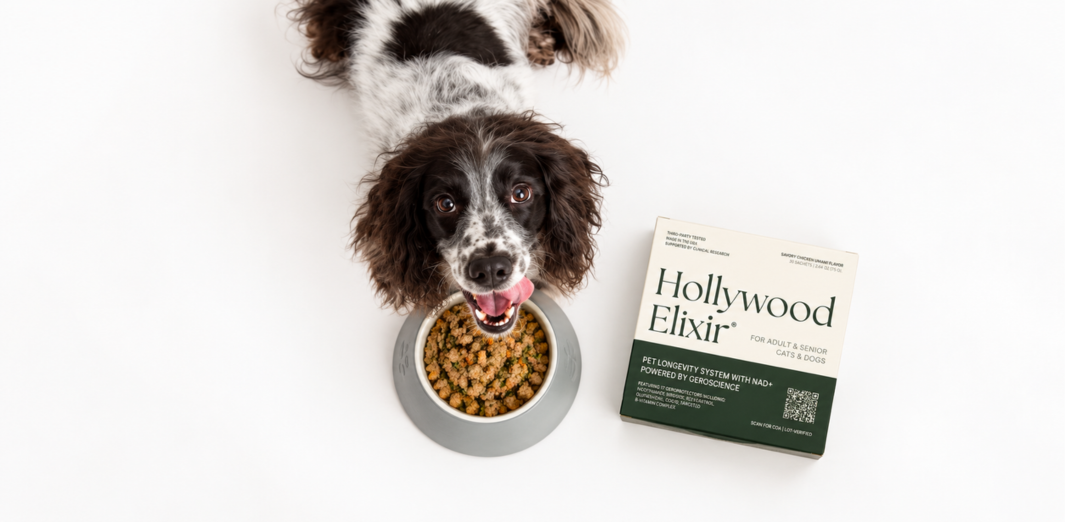
Where does Hollywood Elixir™ fit in a stability plan?

A supplement should not be positioned as a replacement for diagnosis, prescriptions, or monitoring. In a dog with metabolic concerns, Hollywood Elixir™ can be part of a daily routine that supports normal cellular and metabolic function while the veterinarian manages the primary condition.

The most useful way to evaluate any complementary support is consistency: keep meals and activity stable, then track daily readouts for 3–4 weeks. That makes it easier to judge whether the overall plan is becoming more sustained.

Can supplements be used alongside metformin in dogs?

Sometimes, but the veterinarian should review every supplement because overlapping GI side effects can make a medication look poorly tolerated. The safest approach is to introduce only one new item at a time and keep a written log of appetite, stools, and energy.

If a household wants a consistent daily routine, Hollywood Elixir™ can be discussed as complementary support dogs may use to support normal metabolic function, without changing the prescription plan.

When should an owner call the vet right away?

Call promptly for repeated vomiting, persistent diarrhea, refusal to eat, marked lethargy, wobbliness, tremors, or any breathing that looks fast or labored. These signs matter even more if a dog could have gotten extra tablets or if another illness is present.

If accidental ingestion is suspected, treat it as urgent rather than monitoring at home. Bring the medication container and the best estimate of how many tablets could be missing.

La Petite Labs

Discover LPL-01: How This Fits Into a Larger Canine Longevity System

Aging in dogs is not driven by a single pathway. It’s the result of interacting biological systems—energy metabolism, oxidative stress, immune signaling, and structural integrity—changing over time.

This article explores one piece of that puzzle. If you want to understand how these pieces connect—and what actually moves the needle—you need to zoom out.

Start with the underlying science: