Dog Licking Paws

Pinpoint Itch, Pain, Infection, or Anxiety So You Can Stop Paw Damage

Essential Summary

Why is it important to understand why a dog is licking its paws?

Paw licking is often your dog’s way of signaling itch, irritation, or discomfort—sometimes from allergies, sometimes from something stuck between toes, and sometimes from stress habits. Look for patterns, check the feet in good light, and prioritize clean, dry paws after walks. If redness, odor, limping, or persistence shows up, involve your veterinarian.

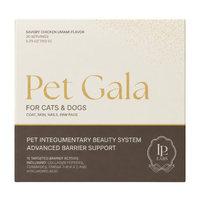
For owners who want comfort to look as good as it feels, Pet Gala™ supports everyday skin, coat, and nail presentation—helping maintain a calm, well-kept look that complements grooming and vet-guided plans when paws are a recurring focus.

Few sounds are as quietly relentless as a dog licking paws in the next room. Sometimes it’s nothing—post-walk grooming, a brief itch, a moment of self-settling. But when the pattern repeats, it starts to feel like a message. The good news is that paw licking is usually readable: the timing, the number of paws involved, and the way the skin looks can point you toward the most likely cause.

Owners often ask, why do dogs lick their paws, and the honest answer is that paws sit at the intersection of environment and skin. They touch grass, sidewalks, cleaners, salt, dust, and pollen—then they carry those exposures back into a warm home. For many dogs, allergies show up in the feet early, and repeated licking can invite secondary irritation that changes how the paws look and smell. For others, it’s a single thorn, a cracked nail, or a habit that took hold during a stressful month.

This page is designed to help you sort the common from the concerning, without turning your home into a clinic. You’ll learn what to check, what to avoid, and when veterinary care is the fastest path back to normal. And because many pet parents want comfort to show in the mirror of everyday life—clean feet, calm skin, a coat with healthy sheen—we’ll also explain why a science-minded owner might still choose a beauty-forward supplement: not as a replacement for food or medicine, but as consistent support for the visible condition of skin, coat, and nails.

By La Petite Labs Editorial, ~15 min read

Featured Product:

  • Occasional paw licking can be normal grooming; persistence is the signal to investigate.
  • Allergies commonly show up on feet first, especially between toes and around nails.
  • One-paw obsession often points to a local issue like a thorn, foxtail, or nail problem.
  • Moisture from licking can worsen redness and odor by encouraging secondary skin overgrowth.
  • Gentle home care starts with rinsing after walks and drying thoroughly between toes.
  • Call your vet for limping, swelling, discharge, bleeding, or licking that doesn’t improve.
  • Visible-care routines can support calmer-looking skin, shinier coats, and cleaner-looking paws.

When Paw Licking Is Normal, and When It’s a Real Signal

A little paw-licking can be normal: dogs groom, reset after a walk, or soothe a brief itch. The concern is the pattern. If your dog keeps licking paw pads every evening, targets the same foot, or licks until the fur looks rust-colored, the behavior has likely shifted from casual grooming to a sign worth decoding. Common drivers include allergy itch, irritation from grass or de-icing salts, a small foreign body, dry or cracked pads, or discomfort higher up the leg that “refers” sensation to the feet (Rumbeiha W, 2011).

Because paws touch everything, they also show everything: redness between toes, a warm smell, greasy residue, or nail changes can hint at secondary yeast or bacterial overgrowth that follows repeated licking (Mota-Rojas, 2021). The goal isn’t to stop licking at all costs; it’s to restore comfort so licking fades on its own—and to keep the skin and coat looking clean, calm, and well-kept.

Close-up skin health render visualizing beauty support from why do dogs lick their paws.

The Most Common Reasons Dogs Focus on Their Feet

When people ask why do dogs lick their paws, the most common answer is itch. Allergies (environmental or food-related) often show up on feet first, especially between the toes and around nail beds (Ahmed, 2019). You may notice seasonal flares, face rubbing, ear debris, or a “corn-chip” odor that returns quickly after cleaning. Licking can be a dog’s way of chasing relief, but saliva and friction can inflame the skin further, creating a loop.

Irritants can look similar: lawn chemicals, pollen, dusty trails, or winter salt can leave paws feeling raw. If the licking spikes after walks, think contact irritation first. A simple rinse and dry can change the whole evening. If it doesn’t, that’s a clue the trigger may be more than surface-level and worth a vet-guided plan (Rumbeiha W, 2011).

Beauty imagery reflecting skin wellness supported by why do dogs lick their paws.

One Paw or Many: Clues That Narrow the Cause

Sometimes the dog constantly licking paws is responding to something you can’t easily see: a foxtail, tiny thorn, splinter, or a cracked nail edge. Dogs may lick one paw obsessively, limp briefly, or resist having the foot handled. Interdigital cysts and pododermatitis can also start as a small bump that becomes tender and damp from licking (German, 2025).

Do a calm, well-lit check: spread the toes, look for redness, swelling, discharge, or a single painful spot. If you see a puncture, bleeding, a broken nail, or swelling that’s growing, skip home experiments and call your veterinarian. Quick, targeted care prevents the “wet, irritated” look that can linger long after the original problem is gone.

Molecular beauty graphic highlighting formulation science reflected in how to stop dog from licking paws home remedy.

When Licking Creates Redness, Odor, and Secondary Skin Trouble

Licking changes the paw’s micro-environment: moisture rises, the skin barrier softens, and organisms that normally live quietly on skin can overgrow. That’s why you might see pinkness between toes, brown staining on fur, or a recurring odor even when baths are frequent (Mota-Rojas, 2021). Secondary yeast or bacterial issues don’t always start the problem, but they can keep it going—and they often make the paws look and feel worse.

If your dog keeps licking paw areas that look shiny, damp, or thickened, it’s worth asking your vet whether cytology (a quick microscope check) is appropriate. It’s a small step that can prevent weeks of guesswork and help restore that clean, comfortable “just groomed” presentation.

Close-up of a dog highlighting coat shine and wellness supported by why do dogs lick their paws.

Stress, Boredom, and Habit Licking: the Behavioral Side

Not every case is medical. Some dogs lick to self-soothe when they’re bored, under-stimulated, or anxious—especially in quiet evening hours. Over time, repetitive licking can become a habit, and in some dogs it can progress toward a compulsive pattern (often called acral lick dermatitis or lick granuloma)(Mansilla, 2019). The paw may look darker, hairless, or thickened in one spot because the behavior is focused and persistent.

The key distinction is context. If licking increases during stress, after you leave, or when routines change, behavior may be part of the picture. Even then, skin comfort still matters: when paws feel calm and look healthy, it’s easier to redirect the habit into a more polished ritual—like a brief paw wipe, a chew, or a training game.

The scratching is completely gone, his coat looks healthy and shiny!

— Lena

He was struggling with itching, now he's glowing.

— Grace

“Paw licking is a signal: the pattern matters more than the sound.”

Gentle At-home Care That Keeps Paws Clean and Comfortable

If you’re searching how to stop dog from licking paws home remedy, aim for gentle, low-risk steps that reduce irritation without masking serious issues. Start with a lukewarm rinse after walks, then dry thoroughly between toes. Moisture left behind can be its own trigger. A soft, fragrance-free paw wipe can help on high-pollen days, followed by drying.

For short windows, a breathable bootie or an e-collar can protect skin while it settles, but it shouldn’t replace diagnosis if licking is intense. Avoid essential oils, harsh antiseptics, or human creams unless your veterinarian approves—dogs lick what you apply. The best “home remedy” is often consistency: clean, dry paws and fewer opportunities for the itch-lick cycle to restart.

Dog photo highlighting coat health and expression supported by how to stop dog from licking paws home remedy.

Vet-visit Triggers: the Moments You Shouldn’t Wait Out

When should you call the vet? If dog licking paws becomes constant, if there’s bleeding, swelling, limping, pus, a broken nail, or a sudden one-paw obsession, it’s time. Also book a visit if licking persists beyond a week despite careful rinsing and drying, or if you see repeated ear issues or widespread itch that suggests allergy (Ahmed, 2019).

Bring specifics: which paws, when it happens, what the skin looks like, and what changed recently (new treats, new detergent, new park). Photos help. A clear timeline lets your vet choose the right next step—skin testing, parasite control, cytology, or an allergy plan—so you can get back to paws that look neat, smell normal, and feel comfortable.

Dog looking radiant, capturing beauty and presence supported by why does my dog keep licking his paws.

Diet, Treats, and Quality: When Food Is Part of the Picture

Food can be part of the story, but it’s rarely as simple as “one ingredient.” Some dogs react to dietary proteins; others have environmental allergies that happen to flare year-round. If you suspect diet, a veterinarian-directed elimination trial is the cleanest way to learn what’s real versus what’s coincidence (Rumbeiha W, 2011).

Quality and consistency matter, too. Research has found certain toxic elements can be present in commercial pet foods, and levels can vary across ingredients and brands; regular monitoring is important for safety (RVA, 2021). For skin and coat presentation, many owners choose to pair a stable, reputable diet with a daily beauty-support routine that helps maintain a calm look and a healthy sheen, even when life gets messy.

Inside-the-box graphic showing beauty blend design supporting dog constantly licking paws.

Skin Barrier Comfort and the Visible Difference Owners Notice

The visible “paw story” is often about barrier comfort. When the skin barrier is irritated, paws can look pink, feel warm, and seem perpetually damp from licking. Supporting the integument—skin, coat, and nails—matters because it’s what you and your dog live with every day: the feel of the pads on the floor, the look of the feet after a walk, the absence of that restless, distracted licking.

Even when a dog’s basic nutrition is adequate, owners still seek a more polished outcome: less dryness, a smoother coat, stronger-looking nails, and skin that appears calm. Think of it as visible care, not a single-nutrient fix—an everyday layer of support that complements veterinary plans for allergy, infection, or behavior.

Nighttime Licking: Why It Peaks When the House Gets Quiet

If you’re wondering why does my dog keep licking his paws at night, look for patterns: post-walk irritation, dry indoor air, or the quiet boredom window when licking becomes the default activity. Nighttime is also when you notice it most—your home is still, and the sound is hard to ignore. A short evening routine can help: rinse if needed, dry well, then offer a calming alternative like a chew or a sniff game.

If the paws are red or smelly, don’t assume it’s “just habit.” Secondary skin issues can intensify itch and make nighttime worse (Mota-Rojas, 2021). The goal is a bedtime feel that’s settled—paws that look clean, skin that appears comfortable, and a dog who can actually rest.

“Clean, dry paws after walks can change the whole evening.”

Lab coat detail emphasizing vet-informed standards supporting why does my dog keep licking his paws.

Allergy Patterns That Often Show up First in the Feet

Allergy-related paw licking often travels with other signals: ear scratching, face rubbing, watery eyes, or seasonal flare-ups. Atopic dermatitis commonly affects feet, and repeated licking can be one of the earliest visible clues. If you notice the same months are always worse, or symptoms spike after mowing or hikes, environmental allergy rises on the list.

A vet may recommend a layered approach: parasite control, skin testing or diet trials, and targeted therapies. Your role at home is to keep the paws looking and feeling as calm as possible—clean, dry, and protected—so the skin has a chance to look normal again instead of constantly “worked on” by the tongue.

Shop Now
Pet Gala with foods symbolizing beauty synergy aligned with dog keeps licking paw.

Parasites and Look-alikes: Itch Sources That Can Be Missed

Parasites can be easy to miss. Even with preventives, fleas or mites can contribute to itch, and dogs may focus on paws as part of a broader itch pattern. If your dog is licking multiple paws and also scratching the body or chewing at the base of the tail, ask your vet whether parasite control needs updating or whether a skin scrape is warranted.

Because paws are high-contact surfaces, they can also pick up irritants that mimic parasite itch. Either way, the visible goal remains the same: reduce the triggers, restore comfort, and keep the feet looking tidy rather than stained, swollen, or perpetually damp.

Shop Now
Pet parent holding supplement, symbolizing trust and routine via dog constantly licking paws.

Grooming Details That Quiet the Cycle and Improve Presentation

Grooming choices can quietly influence paw comfort. Overgrown hair between pads can trap moisture and debris, while nails that are too long can change how the foot lands, creating subtle discomfort that a dog answers with licking. Regular trims and a quick post-walk check keep small issues from becoming a nightly fixation.

If your dog resists paw handling, build tolerance with short, calm sessions—touch, treat, release—so you can inspect without stress. The payoff is visible: cleaner feet, smoother movement, and fewer moments where the dog keeps licking paw areas simply because something tiny went unnoticed.

Shop Now

Dry Pads, Indoor Air, and the Subtle Triggers at Home

Some homes create “dry-skin season” indoors: heated air, low humidity, frequent floor cleaners, and more baths. Pads can look dull, feel rough, and crack at the edges. That discomfort can invite licking, especially after long naps when circulation shifts and the skin feels tight.

Focus on gentle changes: rinse off cleaning residues, use fragrance-free products where paws touch, and keep drying thorough after any wash. If you use a paw balm, choose one your vet approves and apply sparingly so it doesn’t become a lickable distraction. The aim is a soft, comfortable feel that reads as cared-for the moment you touch the feet.

A Simple Decision Framework for Confident Next Steps

A simple decision framework helps when you’re stuck in the loop of watching and worrying. First: is it one paw or many? One paw suggests a local problem (foreign body, nail, cyst)(German, 2025). Many paws suggests allergy, irritation, or a whole-body itch pattern (Ahmed, 2019). Second: is there visible change—redness, odor, discharge—or is the skin normal? Visible change raises the urgency.

Third: does it interrupt sleep or play? When licking becomes the main activity, comfort is compromised. At that point, home care should support—not replace—professional evaluation. Your goal is clarity: identify the driver, calm the skin, and return the paws to a clean, relaxed baseline.

Comparison layout showing ingredient quality differences relevant to how to stop dog from licking paws home remedy.

Where Beauty-forward Support Fits in a Science-minded Routine

Where a beauty-forward supplement fits is in the everyday signals owners care about: coat luster, skin that looks calm, and nails that appear strong and clean. These are not abstract outcomes; they’re the details you notice when your dog stretches on the rug or trots in from outside. Supporting skin and coat can also make routine grooming easier—less snagging, less flaking, fewer “hot spots” of irritation that invite attention.

This is why a careful, science-minded owner might still choose a product even when diet is “good enough.” The goal isn’t to replace food; it’s to elevate visible condition and maintain a polished baseline, especially during allergy seasons, frequent bathing, or city walks where paws meet more irritants than nature intended.

Shop Now
Unboxed supplement reflecting refined experience and trust in how to stop dog from licking paws home remedy.

How to Track Progress Using Visible, Reassuring Markers

If you’re tracking progress, use visible markers rather than counting licks. Look for reduced redness between toes, less staining on fur, a more neutral smell, and a dog who settles without fixating on feet. Take weekly photos in the same lighting. Small improvements are easier to trust when you can see them side by side.

If symptoms worsen—new swelling, open sores, or spreading irritation—pause the experiment and involve your veterinarian. The best outcomes come from pairing professional diagnosis with consistent daily care that keeps paws clean, dry, and visibly comfortable.

Shop Now

A Calm Finish: Comfort That Shows in Every Step

Paw licking is a message, not a personality flaw. When you answer it well, the change is obvious: calmer skin, cleaner feet, and a dog who looks more at ease in their own body. Start with the simplest wins—rinse, dry, inspect—then escalate thoughtfully if the pattern persists. If your dog constantly licking paws is tied to allergy or infection, professional care can reset the baseline.

And if your goal is not only comfort but a more polished everyday look, build a routine that supports skin, coat, and nails as a set. Visible care is cumulative: the kind that shows up in the way your dog moves, rests, and presents—quietly, confidently, and well-kept.

“Visible comfort looks like calm skin, tidy feet, and a dog who settles.”

Educational content only. This material is not a substitute for veterinary advice. Always consult your veterinarian about your dog’s specific needs. These statements have not been evaluated by the Food and Drug Administration. Products mentioned are not intended to diagnose, treat, cure, or prevent any disease.

Glossary

  • Interdigital Skin: The skin between a dog’s toes, often the first area to look red or irritated.
  • Pododermatitis: Inflammation of the paws that can involve skin, nail beds, and toe webbing.
  • Pruritus: The sensation of itch that drives licking, chewing, or scratching.
  • Contact Irritant: A substance (salt, pollen, cleaners) that irritates skin after direct exposure.
  • Atopic Dermatitis: A common allergic skin condition that often affects paws, face, and ears.
  • Yeast Overgrowth: Excess yeast on skin that can contribute to odor, redness, and greasy residue.
  • Bacterial Pyoderma: A bacterial skin infection that may follow scratching or licking.
  • Acral Lick Dermatitis: A compulsive or habit-driven licking pattern that can thicken and darken skin.
  • Elimination Diet Trial: A veterinarian-guided diet approach used to assess food-related itch.

Related Reading

References

RVA. Toxic element levels in ingredients and commercial pet foods.. PubMed Central. 2021. https://pmc.ncbi.nlm.nih.gov/articles/PMC8546090/

Rumbeiha W. A review of class I and class II pet food recalls involving chemical contaminants from 1996 to 2008.. PubMed Central. 2011. https://pmc.ncbi.nlm.nih.gov/articles/PMC3614097/

Ahmed. Bioaccumulation of heavy metals in some commercially important fishes from a tropical river estuary suggests higher potential health risk in children than adults.. Nature. 2019. https://www.nature.com/articles/s41598-021-00467-4

German. Exploratory analysis of nutrient composition of adult and senior dog diets.. PubMed Central. 2025. https://pmc.ncbi.nlm.nih.gov/articles/PMC12757753/

Mansilla. Special topic: The association between pulse ingredients and canine dilated cardiomyopathy: addressing the knowledge gaps before establishing causation.. PubMed Central. 2019. https://pmc.ncbi.nlm.nih.gov/articles/PMC6396252/

Mota-Rojas. Anthropomorphism and Its Adverse Effects on the Distress and Welfare of Companion Animals.. Nature. 2021. https://www.nature.com/articles/s41598-025-27388-w

FAQ

Is dog licking paws always a sign of allergies?

Not always. Some dogs lick to groom, to remove debris after a walk, or because a nail edge feels odd. Allergies are common, but so are irritants, infections, and simple dryness.

If you see redness, odor, or the behavior is escalating, a vet check helps you avoid guessing. For daily visible-care support of skin, coat, and nails, consider Pet Gala™

Why do dogs lick their paws after coming inside?

Often it’s contact irritation: pollen, lawn chemicals, dust, or winter salt can make feet feel prickly. Licking is a quick attempt to self-clean and self-soothe.

Rinsing paws with lukewarm water and drying between toes can reduce the trigger without adding harsh products. To support a calm, well-kept look day to day, pair that routine with Pet Gala™

What does it mean when dog licking paws is constant?

Constant licking usually means the skin feels persistently itchy or uncomfortable, or the behavior has become a self-soothing habit. Look for clues like redness between toes, a recurring odor, or hair staining.

If it disrupts sleep or play, it’s worth a veterinary evaluation to rule out infection, allergy, or pain. For everyday skin-and-coat presentation support alongside your plan, consider Pet Gala™

How can I tell if my dog has a paw infection?

Common signs include redness between toes, swelling, a strong or unusual smell, greasy residue, discharge, or tenderness when you spread the toes. Some dogs also limp or pull the paw away.

Because infections can look like allergies at first, your vet may recommend a quick skin check under the microscope. To support a cleaner, calmer-looking baseline at home, consider Pet Gala™

When should I call the vet about dog licking paws?

Call if there’s limping, bleeding, swelling, discharge, a broken nail, or sudden intense focus on one paw. Also book a visit if licking persists beyond a week despite rinsing and thorough drying.

Bring photos and a timeline (when it happens, which paws, what changed). For daily support of skin, coat, and nails while you work through the cause, consider Pet Gala™

Can anxiety cause dog licking paws even without redness?

Yes. Some dogs lick as a self-soothing behavior during boredom, separation, or routine changes. Early on, the skin can look normal even though the habit is becoming frequent.

Still, it’s smart to rule out itch or pain first, since discomfort can trigger anxious behaviors. For a daily routine that supports a calm, well-kept look, consider Pet Gala™

How to stop dog from licking paws home remedy options?

Start with low-risk basics: rinse paws after outdoor time, dry carefully between toes, and keep hair between pads trimmed. If licking is intense, a short-term cone or bootie can protect skin while you identify the trigger.

Avoid essential oils or strong antiseptics unless your vet approves, since dogs lick what you apply. For ongoing skin-and-coat presentation support, consider Pet Gala™

Could a food change make dog licking paws worse?

It can. Some dogs react to specific proteins or treats, and a sudden diet shift can coincide with itch. However, timing alone can be misleading because seasonal allergens and irritants often overlap.

If diet is suspected, a veterinarian-directed elimination trial is the clearest way to learn what matters for your dog. To support a polished skin-and-coat baseline during changes, consider Pet Gala™

Are there safety concerns if my dog constantly licking paws?

Yes. Persistent licking can break down the skin barrier, leading to raw spots, thickened skin, and secondary yeast or bacterial overgrowth. It can also hide a foreign body or nail injury that needs treatment.

If you see bleeding, swelling, or discharge, treat it as a medical issue rather than a habit. For daily support of skin, coat, and nails as you address the cause, consider Pet Gala™

What ingredients should I avoid applying to licked paws?

Avoid essential oils, strong fragrances, and human medicated creams unless your veterinarian specifically recommends them. Many topical products aren’t meant to be ingested, and dogs will lick residues.

When in doubt, stick to rinsing with water and drying thoroughly, then ask your vet for a paw-safe option if needed. For a supportive daily beauty routine, consider Pet Gala™

Can supplements replace allergy medications for dog licking paws?

Supplements aren’t a replacement for veterinary diagnosis or prescribed allergy therapy. If allergies are driving the itch, targeted medical care may be needed to quickly restore comfort and prevent secondary skin issues.

Where supplements can fit is supporting visible skin-and-coat condition alongside a vet plan—helping maintain a calm, well-kept look as triggers come and go. Consider Pet Gala™

Are there side effects from using booties to stop licking?

Booties can trap moisture and heat if left on too long, which may worsen irritation for some dogs. They can also rub if the fit is poor. Use them for short, supervised periods and remove them to let paws fully dry.

If licking returns immediately when booties come off, focus on identifying the underlying trigger. For daily skin-and-coat presentation support, consider Pet Gala™

Do certain breeds get dog licking paws more often?

Breeds prone to allergies and skin sensitivity may show paw licking more frequently, but any dog can develop it from irritants, infections, or a foreign body. Coat type and lifestyle matter too—active outdoor dogs collect more debris.

Rather than assuming it’s “a breed thing,” track patterns and visible changes so you can respond early. For everyday support of skin, coat, and nails, consider Pet Gala™

Is dog licking paws different in puppies versus adult dogs?

Puppies may lick as part of exploration and grooming, but persistent licking still deserves attention—especially if there’s redness, swelling, or limping. Adults more often show established allergy patterns or recurring irritation from routines and environments.

In any age group, the goal is comfort that shows: clean paws, calm skin, and normal play. For daily skin-and-coat presentation support, consider Pet Gala™

Can cats use the same approach for dog licking paws issues?

Cats also overgroom paws, but the causes and safe treatments can differ, and many dog-safe topicals are not cat-safe. If a cat is licking paws excessively, a feline-specific veterinary plan is important.

For dogs, focus on rinsing, drying, and identifying triggers; for cats, avoid DIY topicals and get guidance early. For dog skin-and-coat presentation support, consider Pet Gala™

How fast should I expect improvement once triggers are removed?

If the cause is a simple irritant, you may see improvement within days once paws are rinsed and dried consistently. If allergies or infection are involved, visible changes can take longer and may require veterinary treatment to fully settle.

Track progress with photos: less redness, less staining, and a more neutral smell are meaningful wins. For ongoing skin-and-coat presentation support, consider Pet Gala™

What quality signals matter when choosing a skin supplement?

Look for clear labeling, consistent sourcing, and manufacturing standards that prioritize safety and reliability. Because pet food and ingredient quality can vary, thoughtful monitoring and transparency are meaningful signals for owners who care about what goes in the bowl(RVA, 2021).

Also consider whether the product is designed for visible outcomes you can actually notice—coat sheen, skin comfort, and nail appearance. For a beauty-forward option, considerPet Gala™

What’s the best way to give daily supplements consistently?

Attach it to an existing ritual: breakfast, post-walk water refill, or evening grooming. Consistency is easier when it feels like part of care rather than a separate task, and it helps you notice changes in coat shine and skin comfort.

If your dog is picky, mix with a small portion of their regular food first, then add the rest once they accept it. For a daily skin-and-coat routine, consider Pet Gala™

Can dog licking paws be linked to nail or joint pain?

Yes. A cracked nail, an ingrown edge, or discomfort higher up the limb can make a dog focus attention on the foot. You might notice subtle limping, reluctance on stairs, or sensitivity when the paw is handled.

Because pain and itch can look similar at home, a vet exam is the fastest way to separate them. For daily support of strong, clean-looking nails and skin comfort, consider Pet Gala™

What research best supports common causes of dog licking paws?

Veterinary dermatology literature consistently points to allergies, irritants, parasites, foreign bodies, and secondary infections as leading contributors to paw-focused itch. Behavioral factors can also reinforce licking once it becomes a soothing habit.

The practical takeaway is to treat paw licking as a symptom with multiple possible roots, then narrow it down with patterns and veterinary input. For visible-care support alongside that process, consider Pet Gala™

How do I decide if dog licking paws needs urgent care?

Treat it as urgent if there’s sudden swelling, bleeding, a deep crack, discharge, a suspected foxtail, or limping that doesn’t quickly resolve. Also escalate if your dog can’t settle or the skin looks raw and painful.

For milder cases, start with rinse-and-dry routines and close observation, but don’t let weeks pass without answers. For daily skin-and-coat presentation support, consider Pet Gala™

5K+ Happy Pet Parents

Excellent 4.8

Dog Licking Paws | Why Thousands of Pup Parents Trust Pet Gala™

"It's so good for his coat, and so easy to mix into food."

Alex & Cashew

"Gives him that glow from head to tail!"

Elisabeth & Chai

"The scratching is completely gone, his coat looks healthy and shiny."

Lena & Bear

"Magical. He was struggling with itching and shedding. Now he's literally glowing."

Grace & Ducky

"It's so good for his coat, and so easy to mix into food."

Alex & Cashew

"Gives him that glow from head to tail!"

Elisabeth & Chai

"The scratching is completely gone, his coat looks healthy and shiny."

Lena & Bear

"Magical. He was struggling with itching and shedding. Now he's literally glowing."

Grace & Ducky

"It's so good for his coat, and so easy to mix into food."

Alex & Cashew

"Gives him that glow from head to tail!"

Elisabeth & Chai

"The scratching is completely gone, his coat looks healthy and shiny."

Lena & Bear

"Magical. He was struggling with itching and shedding. Now he's literally glowing."

Grace & Ducky

"It's so good for his coat, and so easy to mix into food."

Alex & Cashew

"Gives him that glow from head to tail!"

Elisabeth & Chai

"The scratching is completely gone, his coat looks healthy and shiny."

Lena & Bear

"Magical. He was struggling with itching and shedding. Now he's literally glowing."

Grace & Ducky

SHOP NOW