Hot Spots on Dogs

See What Drives Moist Dermatitis and What Actions Protect Healing Skin

Essential Summary

Why are hot spots on dogs important?

Hot spots are fast-moving, wet patches of irritated skin that often start with itch and trapped moisture. The most reassuring approach is simple: calm the itch, dry the area, and stop licking while you address the trigger. When episodes repeat, look for allergies, fleas, or grooming issues that keep restarting the cycle.

Pet Gala™ fits into hot spot-prone routines as daily skin-and-coat support that shows up in the details owners notice: a smoother feel through the coat, a cleaner-looking finish after grooming, and a more polished overall presentation between flare-ups.

A hot spot can feel like a betrayal of all your good care: yesterday your dog looked glossy and comfortable, and today there’s a raw, wet patch that seems to demand constant attention. Hot spots on dogs are common, but they’re not random. They’re a visible signal that itch, moisture, and friction have teamed up—often in a place your dog can reach easily—and the coat is no longer protecting the skin the way it should.

Most owners want two things at once: to calm the immediate mess, and to keep it from happening again. That’s why questions like what causes hot spots on dogs and “what’s the best dog hot spot treatment?” come up so quickly. The reassuring truth is that the most effective approach is usually straightforward: dry the area, stop the licking, and identify the trigger—fleas, allergies, a wet undercoat, a mat, or rubbing gear—so the skin can return to a clean, comfortable look.

Where a skin-and-coat product still fits, even for science-minded owners, is in the space between flare-ups: maintaining a coat that feels soft, looks even, and is easier to groom and inspect. That “everyday presentation” is not a medical claim; it’s the practical advantage of consistent support. Pet Gala™ is positioned for that role—care that begins beneath the surface and shows where it matters: skin comfort, coat luster, and the polished details you notice when your dog is truly well-kept.

  • Hot spots are usually a rapid itch-lick cycle plus moisture that keeps skin inflamed.
  • Common triggers include fleas, allergies, swimming, rain, mats, and collar or harness friction.
  • Early signs are warmth, dampness, clumped hair, and a dog who keeps returning to one spot.
  • First priorities are gentle cleansing, thorough drying, and preventing licking with a cone or suit.
  • Vet care is important for fast-spreading, painful, smelly, or recurrent lesions and possible infection.
  • Avoid human creams and random topicals; dogs lick them, and safety can be unpredictable.
  • A consistent skin-and-coat routine supports visible comfort: softer coat, calmer skin, and fewer setbacks.

Hot Spots: the Sudden Skin Flare That Changes a Dog’s Look

A dog hot spot can look like it appeared overnight: a wet, angry patch of skin, hair stuck down or missing, and a dog who can’t stop licking. In reality, it’s usually the visible end of a fast itch-scratch-lick cycle. Moisture, friction, and bacteria take advantage of skin that’s already irritated, and the area can expand quickly once the coat is damp and the surface is broken (Kim HT, 2018).

Owners often ask what causes hot spots on dogs because the trigger can be surprisingly ordinary: a flea bite, a matted patch after swimming, a collar rub, or seasonal itch. Allergies and underlying itch conditions can make the skin more reactive and more likely to spiral into a hot spot dog flare (Bilgiç B, 2025).

Coat health illustration symbolizing beauty support via hot spot treatment for dogs.

What a Dog Hot Spot Really Is and Why It Escalates

Hot spots are often called “acute moist dermatitis.” The name fits: the surface is damp, inflamed, and irritated, and the coat around it can feel tacky. A hot spot on dogs treatment works best when it addresses the moisture and the self-trauma at the same time—dry the area, protect it from licking, and reduce the itch that keeps restarting the cycle.

It’s also important to recognize what a hot spot is not. It isn’t always a simple “rash,” and it isn’t always just allergies. Sometimes it’s the visible consequence of a small wound, a bite, or a hidden mat that pulled on the skin. If the area is painful, oozing, or rapidly enlarging, treat it as time-sensitive and involve your veterinarian.

Beauty structure illustration representing support pathways in what causes hot spots on dogs.

Common Triggers: Answering What Causes Hot Spots on Dogs

So, what causes hot spots on dogs most commonly? The short list is itch plus moisture. Fleas and other bites can start the itch; swimming, rain, or trapped humidity under a thick coat can supply the moisture; and licking supplies both friction and more wetness. In dogs with allergic skin disease, the baseline itch level is higher, so the “spark” needed to start a hot spot is smaller (Bilgiç B, 2025).

Ear infections and anal gland discomfort can also redirect licking to nearby skin, especially on the hind end. That’s why a hot spot dog episode on the rump sometimes has nothing to do with the skin itself. When the trigger is corrected, the skin often settles more easily and stays looking smooth between flare-ups.

Structural beauty image symbolizing ingredient integrity supported by hot spot dog.

How to Recognize a Hot Spot Early Before It Spreads

A dog hot spot is usually easy to recognize by how it behaves: it spreads, it stays wet, and it attracts attention from the dog. You may see a red patch with a shiny surface, clumped hair, or a ring of broken coat around the lesion. Some dogs yelp when touched; others act normal but keep sneaking licks when you’re not watching.

Look for the “edge.” If the border is expanding or the surrounding hair is damp, the process is still active. If the center is drying and the dog is less fixated, you’re moving in the right direction. Any sign of thick discharge, strong odor, or multiple new spots suggests infection or a bigger itch problem and should be assessed.

Dog portrait highlighting coat health and steady support from treatment for a hot spot on a dog.

First-day Care: Gentle Steps for Treatment for a Hot Spot on a Dog

The first hours matter because hot spots can enlarge quickly. If you’re starting treatment for a hot spot on a dog at home while you arrange veterinary care, focus on gentle, low-risk steps: clip or part the hair so air can reach the skin, cleanse with a vet-recommended antiseptic wash, and pat dry thoroughly. The goal is to remove the sticky film and reduce moisture without scrubbing the skin raw.

Next, stop licking. A cone feels dramatic, but it’s often the difference between a small patch and a large one. If your dog can’t leave it alone, assume the itch is still high and plan for veterinary support rather than escalating home products.

“A hot spot is rarely just a spot—it’s a visible cycle of itch, moisture, and licking.”

Veterinary Care Options: When Dog Hot Spot Treatment Needs Prescriptions

Veterinary hot spot on dogs treatment may include clipping, deeper cleansing, and medications to control itch and secondary infection. When bacteria are involved, choosing the right antimicrobial approach matters; dermatology guidance emphasizes appropriate selection and addressing underlying causes to reduce recurrence and resistance pressure.

Your veterinarian may also look for the “why now” factor: fleas, seasonal allergy, ear inflammation, or a grooming issue that trapped moisture. That conversation is part of good dog hot spot treatment, because it helps you prevent the next episode rather than simply chasing the current one.

Dog headshot symbolizing coat shine and beauty supported by dog hot spot treatment.

Home Remedies and Safety: Why Some Choices Backfire Fast

Owners often ask about home remedies, but the biggest safety issue is accidental toxicity from products not made for dogs. Human topical medications can have unpredictable effects in pets, and safety and efficacy are not well-established; interactions with pet physiology can lead to unexpected side effects (Asad U, 2020).

Avoid applying random ointments, pain-relief gels, or essential oils—especially if your dog can lick the area. If you’ve already applied something and your dog seems drooly, wobbly, or unusually sleepy, contact a veterinarian or poison helpline right away. In veterinary toxicology, treatments like intravenous lipid emulsion have been used in some poisonings, which underscores that “topical” exposures can become whole-body problems (Markert C, 2023).

Canine side view symbolizing beauty confidence supported through dog hot spot.

Allergies and Itch: the Background Story Behind Many Hot Spots

Allergies are a frequent backdrop to hot spots, even when the lesion itself looks like a one-off. Dogs with atopic tendencies often have a lower itch threshold, so small irritations become big reactions. Managing the underlying itch can reduce the number of flare-ups and the intensity of licking that turns irritation into a wet lesion.

This is where “visible care” matters. When the skin is calmer, the coat lies flatter, feels softer, and looks more even—signals owners notice right away. A consistent routine (grooming, parasite control, vet-directed itch plan, and supportive skin-and-coat nutrition) is often what keeps a hot spot dog from repeating the same cycle every season.

Visual ingredient map showing formulation transparency connected to hot spot on dogs treatment.

Which Dogs Get Them Most: Coat, Lifestyle, and Seasonality

Hot spots can happen to any dog, but they’re common in dogs who swim, dogs with thick coats, and dogs who itch. Golden Retrievers, Labs, German Shepherds, and double-coated mixes are frequent visitors to this problem simply because their coat can hold moisture close to the skin. Humid weather and rainy weeks raise the odds, too.

Age can play a role indirectly. Younger dogs may get hot spots from rough play, minor scrapes, and frequent water exposure; older dogs may have more chronic itch drivers or mobility limits that change grooming patterns. The key is noticing the early “feel” of a developing spot—warm, damp, slightly sticky—before it becomes a full dog hot spot treatment situation.

Keeping Hot Spots from Returning: Patterns, Triggers, and Prevention

When a hot spot on dogs treatment seems to “work” and then the patch returns, it’s often because the surface healed while the driver stayed active. Fleas, allergies, ear infections, and anal gland discomfort can all redirect licking back to the same region. If your dog repeatedly targets one side of the body, or if hot spots cluster around the neck and tail base, it’s a clue to look for a repeating irritant rather than a one-time accident (RVA, 2021).

A practical way to think about prevention is “dry, clean, unbothered.” Keep coats detangled, dry thoroughly after baths or swims, and make sure collars and harnesses fit without rubbing. If itch is seasonal, talk with your veterinarian about a plan that reduces scratching during the weeks your dog is most reactive, because fewer flare-ups means fewer opportunities for a dog hot spot to form (Bilgiç B, 2025).

“The fastest progress usually comes from drying the skin and stopping access.”

Clinical branding image reflecting trust and validation behind hot spot dog.

Coat Type and Weather: Why Some Dogs Are More Prone

Some dogs are simply more “hot-spot prone” because their coat holds moisture close to the skin. Dense undercoats, feathering, and areas that stay warm (behind ears, under collars, in armpits) create the perfect environment for irritation to turn messy. Add a little friction from play, a bit of trapped humidity, and the skin can tip from mildly itchy to visibly inflamed fast (Kim HT, 2018).

Grooming is not just cosmetic here; it’s a comfort ritual that changes what you can see and feel day to day. Regular brushing helps you notice early warmth, tiny scabs, or dampness before it becomes a larger patch. For dogs with recurring issues, ask your groomer to keep “high-risk zones” lightly trimmed so air can reach the skin and drying is quicker after water exposure.

Curated ingredient scene highlighting bioactive blend supporting dog hot spot treatment.

When to Call the Vet: Red Flags You Shouldn’t Ignore

If you’re deciding whether a dog hot spot treatment can be handled at home or needs a vet visit, use the “size, speed, and sensitivity” test. Rapid expansion, significant pain, a foul odor, pus, or a dog who seems unwell are reasons to call promptly. Hot spots can overlap with bacterial skin infection, and when infection is present, appropriate antimicrobial selection matters for both comfort and responsible use (Loeffler A, 2025).

Also call your veterinarian if the lesion is near the eyes, genitals, or deep skin folds, or if your dog has repeated episodes. Recurrent lesions are a signal to look for the underlying itch source—fleas, allergies, or other skin disease—so you’re not stuck in a loop of temporary fixes (Loeffler A, 2025).

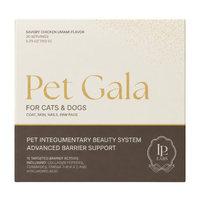
Woman with Pet Gala box in cozy setting aligned with hot spot on dogs treatment.

Avoiding Risky Topicals: What Not to Put on Skin

Many owners reach for the medicine cabinet when they see a hot spot dog flare, but human topical products can be risky. Dogs groom themselves, so anything applied to the skin can be licked and swallowed. Human topical dermatologic medications aren’t well-studied in pets, and effects can vary, including unexpected side effects (Asad U, 2020).

If you’re considering an over-the-counter cream, essential oil, or numbing spray, pause and ask your veterinarian first—especially if the product contains steroids, anesthetics, zinc, or strong fragrances. The safest “first move” is usually gentle cleansing, careful drying, and preventing licking while you get professional guidance on the right product for your dog’s skin.

Stopping the Lick Cycle: Comfort Tools That Actually Help

Because hot spots can be intensely itchy, some dogs will lick through a barrier in minutes. A cone, inflatable collar, or a well-fitted recovery suit often makes the biggest difference in whether the area calms down or keeps escalating. Think of it as giving the skin a quiet room: less friction, less saliva, and less opportunity for the patch to stay wet (Kim HT, 2018).

If your dog is distressed, restless, or unable to settle, that discomfort is worth addressing with your veterinarian. Itch control isn’t just about relief; it reduces self-trauma that can turn a small irritation into a larger lesion. For dogs with allergic itch, a broader plan can reduce the frequency of flare-ups and the need for repeated hot spot on dogs treatment (RVA, 2021).

Nutrition and Visible Recovery: Supporting Shine Without Overdoing It

Nutrition won’t “erase” a hot spot, but it can influence how the coat looks as the skin settles: softness, shine, and how quickly the hair returns to a polished appearance. Many diets meet baseline needs, yet individual dogs vary, and safe upper limits matter when owners stack multiple supplements without a plan (Fahey, 2024).

A science-minded approach is to choose a single, well-formulated product rather than layering oils, minerals, and treats that overlap. Quality control also matters; ingredient sourcing can affect contaminant exposure in pet foods, and variability exists across products (RVA, 2021). If your goal is visible coat and comfortable skin, pick support that’s designed for everyday presentation, not a DIY chemistry set.

Side-by-side chart contrasting beauty actives and fillers relative to treatment for a hot spot on a dog.

What Healing Looks Like: Signs the Skin Is Settling Down

During recovery, owners often watch for two reassuring signals: the patch dries and the dog stops obsessing over it. Hair regrowth takes longer, but the “look” of the area should steadily improve—less redness, less moisture, and less stickiness in the coat. If the lesion stays wet, spreads, or develops a strong odor, it may be more than simple moist dermatitis and deserves a recheck.

Be cautious with frequent bathing or harsh shampoos during this period. Over-washing can leave the coat dull and the skin feeling tight, which can invite more scratching. Your veterinarian may recommend a specific cleansing routine; follow that plan and keep the rest of the coat brushed and airy so the dog feels comfortable and looks well-kept while healing.

Packaging reveal image highlighting brand care aligned with dog hot spot.

Recurring Hot Spots: Finding the Underlying Itch Driver

If your dog has frequent hot spots, the most effective long-term shift is identifying the repeating trigger. Flea allergy, environmental allergy, and secondary infection can overlap, and each requires a different strategy. Dermatology guidelines emphasize looking for underlying causes when managing bacterial skin problems, because treating the surface alone can lead to recurrence (Loeffler A, 2025).

Bring your veterinarian a clear timeline: when it started, what it looked like on day one, where it appeared, and what changed it (swimming, grooming, new detergent, new treats). Photos are surprisingly helpful. This kind of detail turns “mystery itch” into a solvable pattern—and helps you protect your dog’s comfort and appearance with fewer disruptions.

A Calm Routine for Skin and Coat: Daily Care That Shows

A thoughtful routine can make hot spot treatment for dogs feel less like crisis management and more like everyday care. Keep a small kit: a vet-approved cleanser, clean towels, a cone or suit, and a way to part the coat so you can see the skin. The goal is simple: reduce moisture, reduce friction, and reduce licking so the skin can return to a calm, comfortable look.

And if you’re choosing supportive products, choose ones that align with visible outcomes you can actually monitor—coat sheen, softness, and a skin feel that seems less reactive between grooming sessions. That’s the practical reason many owners keep a consistent skin-and-coat supplement in the routine: not as a replacement for veterinary care, but as a steady backdrop for a dog who looks and feels well-kept.

“Recurring hot spots are a pattern problem—find the trigger, not just the patch.”

Educational content only. This material is not a substitute for veterinary advice. Always consult your veterinarian about your dog’s specific needs. These statements have not been evaluated by the Food and Drug Administration. Products mentioned are not intended to diagnose, treat, cure, or prevent any disease.

Glossary

  • Acute Moist Dermatitis: Another name for a hot spot; a rapidly developing wet, inflamed skin lesion.
  • Self-Trauma: Skin damage caused by the dog’s own licking, chewing, or scratching.
  • Pruritus: The medical term for itching.
  • Skin Barrier: The outer protective layer of skin that helps keep moisture in and irritants out.
  • Pyoderma: A bacterial skin infection; can occur alongside or after a hot spot.
  • Atopic Dermatitis: A common allergic skin condition associated with recurring itch and flare-ups.
  • Flea Allergy Dermatitis: An allergic reaction to flea saliva that can trigger intense itching.
  • Matted Coat: Tangled hair that traps moisture and pulls on skin, increasing irritation risk.
  • Elizabethan Collar (Cone): A protective collar that prevents licking and chewing at lesions.

Related Reading

References

Asad U. Effect of topical dermatologic medications in humans on household pets.. PubMed Central. 2020. https://pmc.ncbi.nlm.nih.gov/articles/PMC6988634/

Markert C. Intravenous lipid emulsion for the treatment of poisonings in 313 dogs and 100 cats (2016-2020).. PubMed Central. 2023. https://pmc.ncbi.nlm.nih.gov/articles/PMC10568331/

Loeffler A. Synopsis of the antimicrobial use guidelines for canine pyoderma by the International Society for Companion Animal Infectious Diseases (ISCAID).. PubMed Central. 2025. https://pmc.ncbi.nlm.nih.gov/articles/PMC12420896/

Ahmed. Bioaccumulation of heavy metals in some commercially important fishes from a tropical river estuary suggests higher potential health risk in children than adults.. Nature. 2019. https://www.nature.com/articles/s41598-021-00467-4

Fahey. The art of establishing mineral tolerances of dogs and cats.. PubMed Central. 2024. https://pmc.ncbi.nlm.nih.gov/articles/PMC11161897/

RVA. Toxic element levels in ingredients and commercial pet foods.. PubMed Central. 2021. https://pmc.ncbi.nlm.nih.gov/articles/PMC8546090/

Bilgiç B. Investigation of Trace and Macro Element Contents in Commercial Cat Foods.. PubMed Central. 2025. https://pmc.ncbi.nlm.nih.gov/articles/PMC11633335/

Kim HT. Evaluation of Arsenic, Cadmium, Lead and Mercury Contamination in Over-the-Counter Available Dry Dog Foods With Different Animal Ingredients (Red Meat, Poultry, and Fish).. PubMed Central. 2018. https://pmc.ncbi.nlm.nih.gov/articles/PMC6209665/

FAQ

What are hot spots on dogs, in simple terms?

Hot spots on dogs are fast-forming, wet, irritated skin patches that often start with itching and quickly worsen with licking. The area may look red, shiny, and matted, and it can spread over hours if moisture and self-trauma continue.

They’re best thought of as a visible flare that needs calming, drying, and protection from licking while you address the trigger. For ongoing skin-and-coat support that complements veterinary care, many owners include Pet Gala™.

What causes hot spots on dogs most often?

Most episodes start with itch plus trapped moisture: flea bites, seasonal allergies, a wet coat after swimming, or a hidden mat that pulls on skin. Once licking begins, saliva keeps the surface damp and the patch can expand quickly.

If the same area keeps returning, look for a repeating irritant (fleas, collar rub, ear issues) rather than a one-time accident. To support a calmer-looking coat between flare-ups, consider a consistent routine with Pet Gala™.

Why do hot spots spread so quickly on dogs?

They spread because the skin stays wet and inflamed while the dog keeps licking or scratching. Moisture softens the surface, friction breaks it down, and bacteria can take advantage of the damaged barrier, making the area feel even itchier.

Stopping licking early (cone or suit) and drying the coat are often the fastest ways to slow expansion while you arrange care. For everyday skin-and-coat support that shows in visible softness and finish, many owners use Pet Gala™.

Is a dog hot spot an infection or just irritation?

It can be either, and sometimes both. A hot spot may begin as irritation, but once the skin is broken and wet, secondary bacterial involvement becomes more likely. That’s why odor, pus, or worsening pain are reasons to get a veterinary exam.

Your veterinarian can decide whether cleansing alone is enough or whether prescription therapy is needed. Alongside that plan, consistent coat and skin support can help maintain a polished look—many owners choose Pet Gala™ for daily use.

What is the safest first step for a hot spot dog?

Start by preventing licking and gently cleaning the area with a vet-recommended cleanser, then pat it dry. If hair is covering the lesion, carefully part or clip it so air can reach the skin. Avoid harsh scrubbing, which can worsen irritation.

If the spot is large, painful, or spreading, call your veterinarian promptly. For ongoing support that complements good grooming and vet care, many owners add Pet Gala™ to the routine.

What should I avoid putting on a dog hot spot?

Avoid random human creams, pain-relief gels, and essential oils unless your veterinarian approves them. Dogs lick topicals, and human dermatologic medications can have unpredictable effects in pets, with safety and efficacy not well-established(Asad U, 2020).

If you already applied something and your dog seems unwell, contact a veterinarian or poison helpline. For a safer, steady approach to skin-and-coat presentation, consider daily support withPet Gala™.

When should I call the vet about hot spots on dogs?

Call if the lesion is rapidly expanding, very painful, foul-smelling, oozing pus, near the eyes or genitals, or if your dog seems lethargic. Also call if hot spots recur, because repeated episodes often signal an underlying itch driver or infection risk.

A vet visit can clarify the trigger and reduce the chance of a repeat flare. For daily skin-and-coat support that fits into a broader plan, many owners choose Pet Gala™.

How long does a typical hot spot take to look better?

With prompt care, the surface often looks less wet and less red within a few days, especially once licking is stopped. Hair regrowth takes longer, so the “bald patch” can linger even after the skin is calmer. If it worsens or stays moist, recheck is wise.

Owners often track progress by comfort and coat texture around the area, not just color. For ongoing coat polish during recovery, many include Pet Gala™ in their daily routine.

Can allergies trigger hot spots on dogs repeatedly?

Yes. Allergic itch can keep the skin on a “short fuse,” so small irritations become big reactions. Dogs with atopic tendencies may lick after minor triggers like humidity, grooming friction, or a single bite, which can restart the cycle.

A vet-directed itch plan plus grooming and parasite control often reduces repeats. For visible skin-and-coat support between allergy seasons, many owners rely on Pet Gala™ as a consistent baseline.

Does flea control matter for hot spot on dogs treatment?

It matters a lot, even if you don’t see fleas. A single bite can trigger intense itch in sensitive dogs, and that itch can be enough to start licking and moisture buildup. If hot spots recur, flea prevention is often part of the “root cause” checklist.

Pair parasite control with coat care that keeps skin easy to inspect and quick to dry. For daily support that helps maintain a well-kept look, many owners add Pet Gala™ to their routine.

Is hot spot treatment for dogs different for puppies?

The principles are the same—dry, protect, and reduce itch—but puppies may need extra caution with products because they groom more impulsively and have smaller bodies. If a puppy’s lesion is painful, spreading, or near the face, veterinary guidance is the safest route.

Focus on gentle grooming habits and quick drying after baths or play. For a daily skin-and-coat routine that supports a polished look as they grow, many owners choose Pet Gala™.

Are certain breeds more likely to get a hot spot dog flare?

Dogs with dense coats or undercoats tend to be more prone because moisture can stay close to the skin. Retrievers and other double-coated breeds often get lesions after swimming or humid weather, especially if the coat isn’t dried thoroughly.

That doesn’t mean it’s inevitable—coat maintenance and quick drying can change the pattern. For everyday skin-and-coat support that complements grooming, many owners use Pet Gala™ consistently.

Can cats get hot spots, or is it only dogs?

Cats can develop skin lesions from overgrooming, but the classic “acute moist dermatitis” pattern is more common in dogs. Either way, sudden wet, inflamed patches deserve veterinary attention because causes and safe treatments differ by species.

Never apply dog or human topical products to cats without veterinary direction. For dog-focused skin-and-coat support that fits a visible-care routine, explore Pet Gala™ as part of your dog’s daily regimen.

Can I bathe my dog during dog hot spot treatment?

Bathing can help if your veterinarian recommends a specific antiseptic shampoo, but frequent or harsh bathing can dry the skin and make itch worse. The key is targeted cleansing of the lesion and thorough drying afterward, especially in thick coats.

If you do bathe, keep the routine gentle and avoid fragranced products. For a daily approach that supports coat softness and a well-kept finish, many owners include Pet Gala™ alongside grooming.

Do cones really matter for hot spot on dogs treatment?

Yes—often more than any spray or cream. If licking continues, the skin stays wet and inflamed, and the lesion can enlarge. A cone or recovery suit removes the constant friction and moisture that keeps the spot active.

If your dog is anxious in a cone, ask your veterinarian about alternatives that still block access. For ongoing skin-and-coat support that complements these basics, many owners choose Pet Gala™ as part of daily care.

Are there side effects from using human creams on dogs?

There can be. Dogs may lick and ingest topical ingredients, and human dermatologic medications can behave differently in pets. Safety and efficacy aren’t well-studied, and unexpected side effects are a real concern.

If you suspect exposure and your dog seems abnormal, contact a veterinarian promptly. For a safer, routine-based way to support skin and coat appearance, consider daily use of Pet Gala™.

Can supplements replace hot spot treatment for dogs from a vet?

Supplements can’t replace veterinary evaluation for an active, wet lesion—especially if infection or significant pain is present. When bacteria are involved, appropriate therapy and addressing underlying causes are key to reducing recurrence.

Where supplements can fit is in supporting the everyday “look and feel” of skin and coat between episodes, so the dog stays more consistently polished. Many owners use Pet Gala™ as part of that steady routine.

How do I choose a quality skin and coat supplement?

Look for clear labeling, consistent sourcing, and a formula designed for dogs rather than a patchwork of overlapping products. Individual needs vary, and safe upper limits matter when owners stack multiple supplements without realizing it(Fahey, 2024).

Also consider quality control, since ingredient sourcing can influence contaminant variability across pet products(RVA, 2021). For a single, routine-friendly option focused on visible skin-and-coat support, many owners choosePet Gala™.

Can hot spots on dogs come from stress or boredom licking?

Compulsive licking can contribute, but many cases still have a physical trigger such as itch, moisture, or irritation under the coat. If licking seems driven by anxiety, addressing enrichment and routine can help, but it’s still wise to rule out skin disease first.

A calmer skin baseline can make behavioral licking less rewarding, because there’s less itch feedback. For daily skin-and-coat support that fits into a comforting care ritual, consider Pet Gala™.

What’s the research consensus on managing recurrent dog hot spot issues?

The consistent theme is to treat the lesion while also identifying the underlying driver—especially when infection or allergic itch is part of the picture. Dermatology guidance emphasizes addressing root causes and using appropriate antimicrobial strategies when needed.

For owners, that translates into fewer emergencies and a coat that stays more even and presentable between seasons. Many support that day-to-day consistency with Pet Gala™ as part of their routine.

How do I decide between home care and vet care?

If the spot is small, your dog is comfortable, and you can stop licking, gentle cleansing and drying may be reasonable while you monitor closely. If it’s spreading, painful, smelly, or recurring, veterinary care is the safer choice because infection and underlying itch often need targeted therapy.

A good decision framework is: comfort first, then cause. For everyday skin-and-coat support that complements either path, many owners keep Pet Gala™ in their routine.